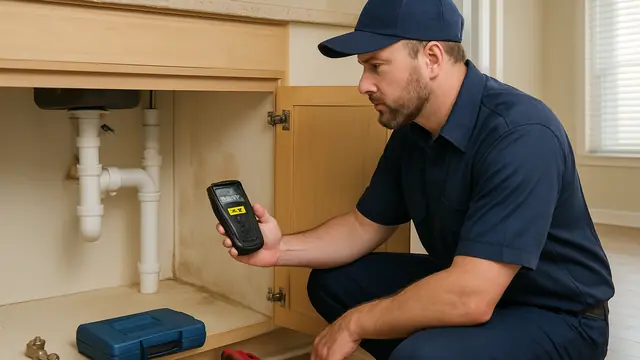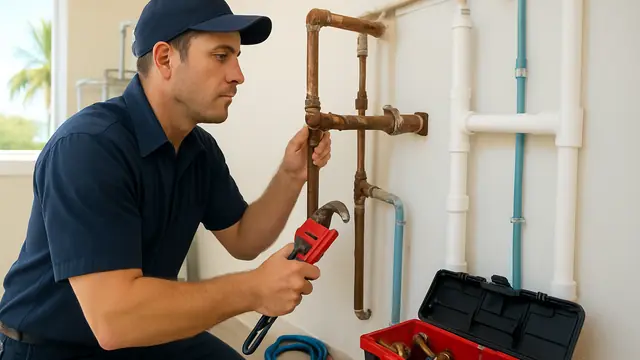
Stop and call for qualified help when plumbing water is near electrical equipment, sewage is entering occupied space, gas or burning odors are present, or a repair would require opening pressurized piping.
You flush a toilet and hear the nearby shower gurgle. The kitchen sink drains slowly, and the washing machine causes water to rise in another fixture. When several drains misbehave at once, the problem is usually larger than a single clogged sink or toilet. Multiple drain backups in a Bid-A-Wee home often indicate a restriction in the main drain or sewer line shared by those fixtures.
The safest immediate action is to stop using water throughout the home. Do not run showers, toilets, the dishwasher, or the washing machine until the cause is identified. Additional water can force wastewater into a tub, shower, floor drain, or toilet. If sewage has entered the home, keep people and pets away and arrange service promptly.
Why Are Multiple Drains Backing Up at the Same Time?
Every fixture has a branch drain. Those branches join a larger pipe that carries wastewater away from the house. A blockage in one branch usually affects one fixture or room. A restriction farther downstream can affect several fixtures because they all depend on the same exit path.
The lowest drain often shows the problem first. A shower may fill when a toilet is flushed because wastewater cannot move forward, while a toilet may bubble as trapped air escapes.
Common Causes of Several Drain Backups
Buildup Inside the Main Drain
Grease, soap residue, hair, food particles, paper, and other debris can collect gradually. The pipe may still drain while its usable opening becomes smaller. A large discharge from a washer, bathtub, or several fixtures can overwhelm the restricted line.
Items That Should Not Be Flushed
Toilets are designed for human waste and toilet paper. Wipes, paper towels, feminine hygiene products, cotton swabs, diapers, and similar materials do not break apart like toilet paper. They can snag inside piping and collect more waste.
Tree-Root Intrusion
Roots can enter through cracks, separated joints, or damaged pipe sections. Once inside, they catch paper and debris. Cutting roots may restore flow, but the backup can return if the entry point is not repaired.
Damaged or Sagging Piping
A drain line can crack, shift, flatten, or develop a low section that holds water and solids. Plumbers call that low area a belly. Cleaning may provide temporary relief, but a structural defect can continue causing stoppages.
A Septic or Vent Problem
Some homes use septic systems. A full tank, restricted outlet, or drain-field problem can make fixtures throughout the home drain slowly. A blocked plumbing vent can cause gurgling, although substantial backup more often points to a drain restriction.
Safe Checks a Homeowner Can Perform
Identify how many fixtures are affected. Note whether symptoms are limited to one bathroom, one side of the house, or the property. Tell the plumber which fixture acted up first and what happens when another fixture drains.
Look at the lowest shower, tub, or floor drain for standing water. One careful observation is enough; do not keep flushing toilets to test the system.
You may visually locate the outdoor sewer cleanout, usually a capped pipe that gives a plumber access to the line. Do not remove the cap from a backed-up system because wastewater may spill suddenly.
If the home has septic service, check maintenance records and note when the tank was last pumped. Never open or enter a septic tank.
What You Should Not Attempt
Do not pour repeated chemical drain cleaners into several fixtures. They may not reach a main-line blockage, can harm some piping, and can expose the technician to corrosive liquid.
Do not force a small hand snake through a toilet when the whole home is affected. It may not reach the obstruction and can damage the fixture. Do not climb onto the roof or keep running water to test the blockage.
Signs That Make the Problem Urgent
Treat the situation as urgent if raw sewage enters a tub, shower, floor drain, or living space. Prompt service is also important when every toilet is unusable, wastewater is overflowing near the home, or the backup is approaching flooring, drywall, cabinets, electrical equipment, or belongings.
Other warning signs include sewage odors, repeated gurgling, dark water rising from a low drain, and a backup that returns after cleaning. Recurring trouble can indicate roots, damaged piping, or a sag.
How a Licensed Plumber Diagnoses the Backup
A plumber begins by asking which fixtures are affected and when the symptoms occur. The technician may inspect toilets, tubs, cleanouts, and accessible piping to decide whether the restriction is in a branch line, building drain, or sewer lateral.
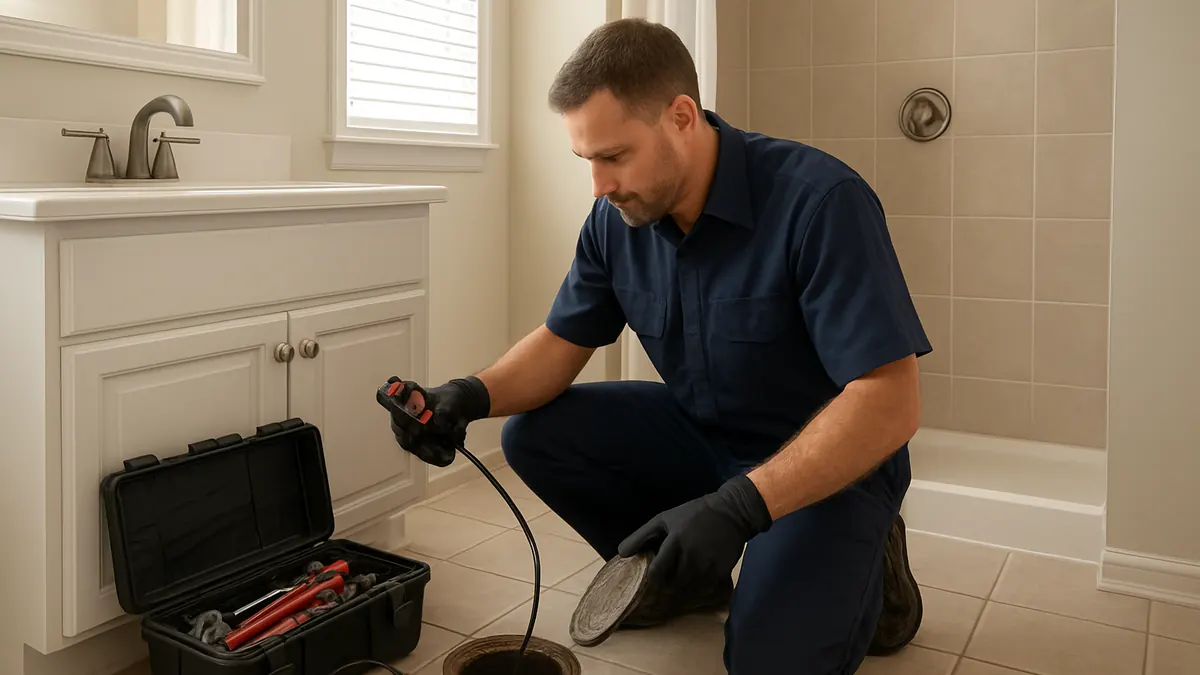
Professional drain equipment is selected for the pipe size and suspected obstruction. A cable machine may break through paper, roots, or debris. Hydro jetting may be considered when grease, sludge, or buildup coats the pipe. It uses controlled high-pressure water to clean the interior walls.
After flow is restored, a sewer camera inspection may be recommended. The camera can reveal roots, cracks, separated joints, offsets, standing water, or foreign objects. It is especially useful when backups recur or the line's condition is uncertain.
Repair Options From Least to Most Invasive
Professional cabling is often the first repair when the line contains a removable obstruction and the pipe is structurally sound. It can reopen the drain without excavation.
Hydro jetting may provide more complete cleaning when buildup coats the line. Root cutting can restore flow where roots are present, although it may be maintenance rather than a permanent repair.
If a camera identifies one failed section, a targeted spot repair may be enough. Some lines may qualify for trenchless repair, depending on access, layout, pipe condition, and damage. Full replacement is generally considered when failure is widespread, the line has collapsed, or repeated repairs no longer provide dependable service.
Typical Factors Affecting Cost
Cost depends on the blockage location, severity, pipe length and diameter, available cleanout access, and equipment required. Camera inspection, hydro jetting, root removal, emergency timing, excavation, permits, and restoration can also affect the scope.
A simple blockage with accessible cleanouts is different from a broken line under a slab or a deeply buried outdoor pipe. The diagnosis should distinguish restoring flow from permanent repair.
Prevention and Maintenance
Flush only human waste and toilet paper. Put wipes, paper towels, and hygiene products in the trash. Avoid pouring grease or cooking oil down kitchen drains, and scrape food into the garbage before washing dishes.
Watch for recurring slow drains, toilet bubbling, or a shower that fills when another fixture runs. Addressing those signs early may prevent an overflow. Homes with a history of roots or repeated stoppages may benefit from periodic inspection based on the plumber's findings. Septic-system owners should follow an appropriate pumping schedule.
Take the Next Step When Multiple Drains Back Up
Multiple drains backing up in Bid-A-Wee should be treated as a shared drainage problem until proven otherwise. Stop using water, protect the affected area, and have the line diagnosed. A straightforward obstruction may require only cleaning, while repeated symptoms may justify camera inspection and targeted repair.
About this guide: This resource provides general homeowner education, not a remote diagnosis. Actual conditions, code requirements, equipment, and safe repair options must be evaluated at the property.