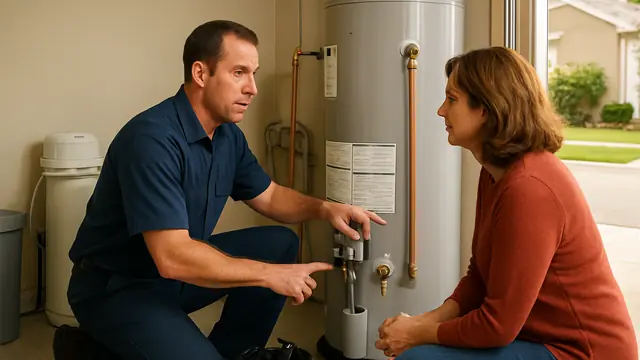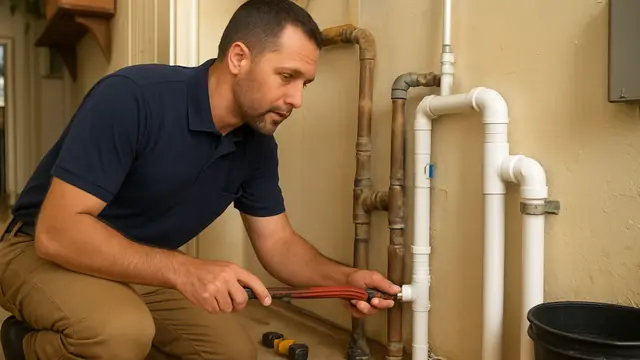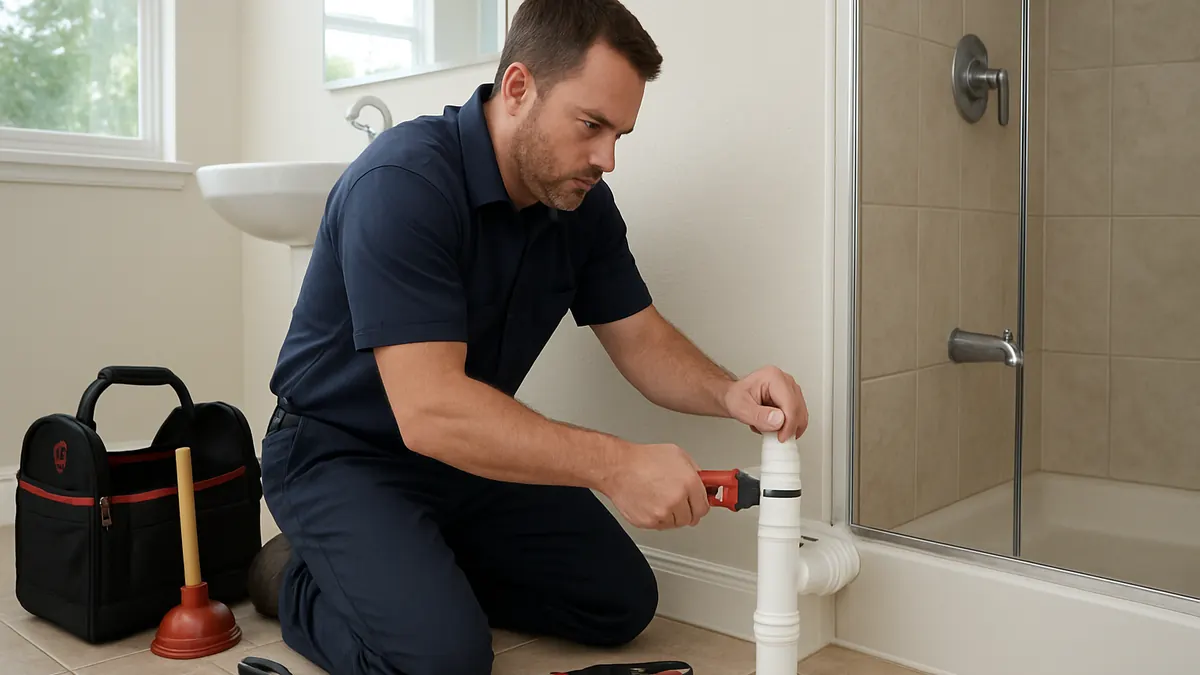
Stop and call for qualified help when plumbing water is near electrical equipment, sewage is entering occupied space, gas or burning odors are present, or a repair would require opening pressurized piping.
A guest showers, someone flushes, and dirty water rises in the other bathroom. Later, the kitchen sink gurgles and the toilet bowl level changes when the dishwasher drains. That pattern shows the problem is not confined to one fixture. Multiple drains backing up in a Laguna Beach home usually mean a shared drain or the main sewer line is partially or completely blocked.
Stop using the plumbing system. Pause showers, laundry, dishwashing, flushing, and sink use. If water is already rising, shut off any running appliance and move belongings away without touching sewage. This will not remove the clog, but it may limit the overflow.
How to Recognize a Shared Drain or Sewer Backup
One slow sink can have debris in its trap. One toilet can have an object lodged in its internal passage. The diagnosis changes when fixtures affect each other.
A toilet that gurgles while a tub drains suggests that air cannot move normally through the shared pipe. Water appearing in a shower when a toilet is flushed means the discharge is meeting resistance downstream. When several fixtures throughout the home are slow even when used separately, the main line may have only a narrow opening left.
A partial obstruction can pass small amounts of water but fail when a bathtub, washing machine, or several fixtures discharge quickly.
Why Are Multiple Drains Backing Up in Laguna Beach Homes?
Accumulated Waste and Residue
Drain lines can narrow as soap, grease, food debris, hair, paper, and waste collect. Eventually, ordinary household use exceeds the reduced capacity.
Improperly Flushed Materials
Wipes, paper towels, hygiene products, cotton items, and other trash can pass through the toilet opening but remain largely intact. They may catch inside the line and form a larger blockage.
Kitchen Grease
Grease may enter the drain as a warm liquid, then cool and adhere to the pipe. Food particles can stick to that coating and narrow the pipe.
Sand and Outdoor Debris
In a coastal setting, sand rinsed from feet, towels, toys, or outdoor equipment can collect in fixture traps and small branch drains. That may slow one fixture, but several distant backups suggest a larger shared-line restriction.
Root Intrusion or Damaged Piping
Roots can grow through an existing crack or open joint and catch waste. Pipes can also separate, settle, crack, or develop a low section where solids collect.
A Full Septic Tank or Downstream Restriction
If the property uses septic service, a full tank or system problem can affect the entire home.
Safe Steps Before the Plumber Arrives
- Determine which fixtures are affected without repeatedly operating them. Note whether the problem began after laundry, several showers, heavy kitchen use, or a toilet flush.
- Check the home's lowest drains. Do not add more water for testing.
- Locate the sewer cleanout if it is visible and safely accessible. Leave the cap closed. If the line is full, opening it can release wastewater under pressure.
For a seasonally occupied or rental property, ask recent occupants whether wipes, excess paper, or other materials may have been flushed. Check maintenance records for earlier backups or drain service.
Actions That Can Make the Situation Worse
- Do not pour chemical opener into every drain. Chemicals cannot repair a broken pipe or remove a root mass, and they can remain trapped behind the blockage.
- Do not keep plunging different fixtures.
- Avoid renting a powerful sewer machine unless you are trained to operate it. Main-line cables can twist, bind, damage piping, or cause serious injury.
- Do not remove a toilet, open a pressurized cleanout, or climb onto the roof to check the vent.
When a Drain Backup Becomes an Emergency
Arrange urgent service when sewage is entering a shower, tub, floor drain, or occupied room. Stop water use immediately if the backup is approaching electrical receptacles, appliances, HVAC equipment, cabinets, drywall, or flooring.
The problem also requires quick attention when no toilet can be used, an appliance is discharging uncontrollably, or wastewater is overflowing outside near the structure. Strong sewage odors and contaminated water also create sanitation concerns.
Repeated backups deserve timely investigation even if the water later recedes. A line that repeatedly blocks may contain roots, a damaged joint, a sag, or heavy buildup.
How a Licensed Plumber Diagnoses Multiple Backups
The plumber maps the symptom pattern first. Fixture locations, the lowest affected drain, and the activity that triggers the backup help identify which pipes are shared. Accessible cleanouts and visible piping are then inspected.
Mechanical drain cleaning may be used to establish flow. A professional machine has cable lengths and attachments suited to larger piping.
When buildup coats the pipe, hydro jetting may be considered. The pipe's condition should be evaluated because jetting is not appropriate for every damaged line.
A sewer camera inspection can show the inside of the pipe after the standing wastewater has been reduced. The camera helps distinguish a one-time clog from a defect likely to cause another backup.
Repair Options Beginning With the Least Invasive
Basic mechanical clearing is the first reasonable option for many ordinary stoppages. If inspection shows a sound line, additional repair may not be necessary.
Hydro jetting can remove grease, sludge, and residue extending along the pipe. Root cutting can open a root-filled line, but roots may grow back through the same defect.
A localized defect may be corrected by excavating and replacing only the failed section. In suitable conditions, trenchless lining or pipe replacement may reduce the amount of digging.
Complete replacement is usually reserved for widespread damage, collapse, severe misalignment, or repeated failures along the line. The recommendation should match the documented condition.
Factors That Influence Cost
Drain-service cost varies with the location and depth of the obstruction, pipe size, access, equipment, and labor required.
Additional factors include camera inspection, hydro jetting, root removal, underground locating, excavation, permits, pipe materials, and restoration of landscaping, concrete, or interior finishes.
An estimate should identify whether the work is intended to restore flow, clean the pipe more thoroughly, diagnose structural damage, or complete a permanent repair.
Preventing Another Whole-Home Backup
Flush only toilet paper and human waste. Place wipes and hygiene products in the trash. Keep cooking grease, oils, and fibrous food waste out of the kitchen drain.
Rinse heavy sand outdoors where appropriate rather than sending it through indoor plumbing. Use drain screens to catch hair and debris.
Do not ignore a toilet that repeatedly bubbles or a shower that drains slowly whenever another fixture runs. Those connected symptoms deserve attention before they become an overflow.
Where a camera confirms roots, buildup, or a structural problem, follow the inspection-based maintenance or repair plan.
Protect the Home When Multiple Drains Back Up
Multiple drains backing up in Laguna Beach are a warning that a shared part of the drainage system is not carrying wastewater correctly. Stop water use, avoid chemicals and unsafe equipment, and have the line opened and evaluated. The appropriate solution may be simple clearing, thorough cleaning, a targeted repair, or replacement only when the pipe's documented condition supports it.
About this guide: This resource provides general homeowner education, not a remote diagnosis. Actual conditions, code requirements, equipment, and safe repair options must be evaluated at the property.