Stop and call for qualified help when plumbing water is near electrical equipment, sewage is entering occupied space, gas or burning odors are present, or a repair would require opening pressurized piping.
A leaking water heater in Crestview may show up as a puddle in the garage, moisture in a utility closet, water around a drain pan, or a slow drip from one of the pipes above the tank. Some homeowners first notice rusty water, unusual noises, reduced hot-water capacity, or an increase in the water bill before discovering the leak.
Even a small leak deserves attention. A water heater operates under pressure, and a slow drip can become a steady flow when a fitting, valve, or weakened tank deteriorates further. Leaking water can damage flooring, drywall, insulation, stored belongings, and nearby electrical equipment.
The correct repair depends on whether the leak is coming from an external component or from the storage tank itself. External leaks may be repairable. An internally corroded tank typically requires replacement.
Common Causes of Water Heater Leaks
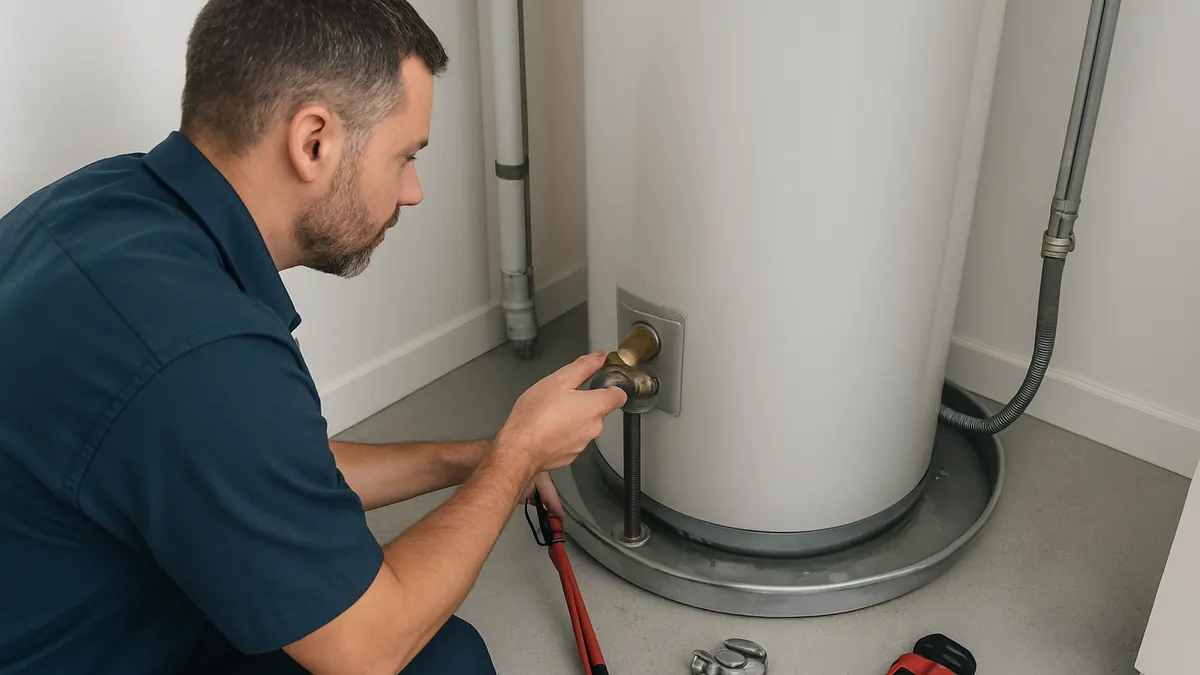
The hot- and cold-water connections at the top of the heater are common leak locations. Threaded fittings, supply lines, and shutoff valves can loosen or corrode. Water from these connections often travels down the tank and makes it appear that the bottom is leaking.
The drain valve near the bottom of the heater may drip because it is loose, damaged, or obstructed by sediment. Older plastic drain valves can become brittle with age.
The temperature and pressure relief valve may release water if the tank pressure or temperature becomes excessive. It may also leak because the valve has worn out. A plumber should determine why it is discharging before the valve is replaced.
On an electric water heater, a heating element gasket can deteriorate and allow water to escape. Moisture may appear from behind the upper or lower access panel.
Condensation is another possibility, particularly when a gas heater is operating heavily or a large volume of cold water enters the tank. Condensation should be intermittent. Continuing water accumulation requires further investigation.
Internal corrosion is the main concern when water consistently emerges from the base or lower tank seam. Once the steel storage vessel develops a hole, the heater is no longer repairable in a dependable manner.
Safe Homeowner Checks
Begin by looking at the heater from a safe distance. Avoid hot pipes, electrical wiring, and the burner area. Use a flashlight to inspect the top connections, valves, tank body, drain pan, and surrounding floor.
Dry all visible water and watch where it returns. Paper towels placed near fittings can help expose a small leak. Do not wrap or cover safety valves.
Look for corrosion or mineral deposits. White crust, green staining, rust streaks, or damp insulation can identify a long-term leak.
Check whether the water may originate from an adjacent appliance, wall, plumbing line, or air-conditioning drain. Water can travel across a slab or beneath flooring before becoming visible.
If water is actively flowing and the heater's cold-water shutoff valve operates easily, close it. Do not force a valve that is heavily corroded or difficult to turn. Shut off electrical power at the correct breaker when there is a risk of water reaching electric components.
Knowing the approximate age of the heater is also useful. The manufacturing date may be encoded in the serial number. A plumber or manufacturer can help interpret it.
What Not to Do
Never cap or plug the T&P discharge pipe. This valve is designed to prevent dangerous temperature or pressure buildup.
Do not attempt to repair a leaking tank with tape, epoxy, putty, or sealant. These products cannot restore a corroded steel vessel that must safely hold heated water under pressure.
Avoid removing access panels or replacing thermostats, heating elements, gas controls, burners, or vent components unless you are qualified. Turning off the breaker does not eliminate every hazard if wiring has been damaged or incorrectly installed.
Do not drain the entire tank unless you understand the procedure and have a safe discharge location. Hot water can cause severe burns, and old drain valves sometimes fail after being operated.
When the Leak Becomes an Emergency
A leak is urgent when water is flowing faster than it can be contained, entering finished rooms, or reaching electrical components.
Other warning signs include:
- Steam or unusually hot water
- Continuous discharge from the relief valve
- A bulging or misshapen tank
- Gas odors
- Burned wiring or electrical arcing
- Water around the breaker, thermostat, or element wiring
- Soot around a gas heater
- Loud banging combined with leaking
- Ceiling stains below the heater
- A sudden loss of hot water with active leakage
If gas is smelled, leave the property and contact the appropriate utility or emergency service. Do not create a spark or operate a nearby switch.
Professional Diagnostic Process
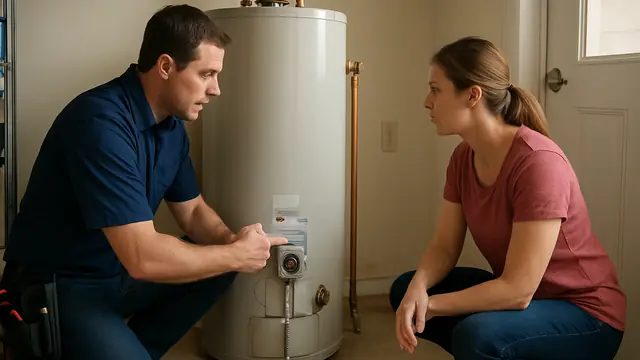
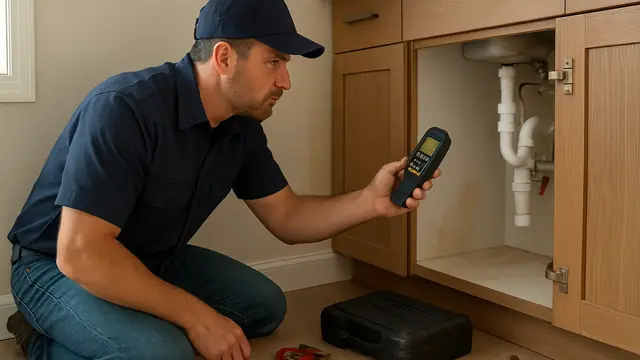
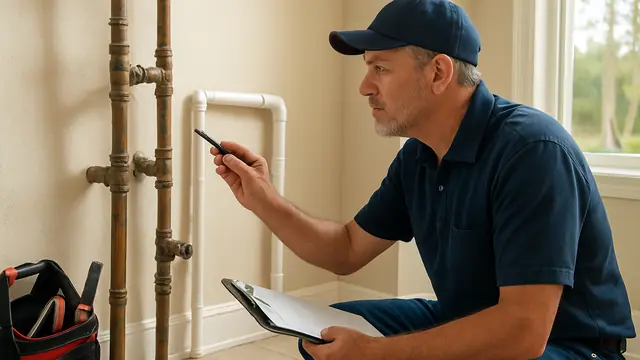
A licensed plumber examines the complete water-heating system rather than looking only at the puddle. The plumber traces water from the floor upward and checks each connection, valve, gasket, seam, and nearby pipe.
The home's water pressure may be tested. High pressure can shorten the life of water heaters, faucets, toilets, washing machine hoses, and other components. A pressure-reducing valve may need adjustment or replacement.
The plumber will also examine thermal expansion control. When a check valve, backflow device, or pressure-reducing valve creates a closed system, heated water may cause pressure increases. An expansion tank can absorb that extra volume when it is properly sized and charged.
Electric heaters can be tested for element gasket leaks, thermostat problems, grounding, and safe electrical operation. Gas systems can be checked for proper combustion, venting, gas pressure, burner condition, and carbon monoxide concerns.
The technician will identify whether the tank itself has failed and evaluate the remaining condition of the unit.
Repair Choices
A leaking connector, shutoff valve, drain valve, element gasket, or T&P valve may be repairable. The plumber may also correct excessive pressure, install or replace an expansion tank, or repair nearby piping.
A responsible repair recommendation should account for the heater's age. Replacing a single component on a relatively new tank may be sensible. Investing in multiple repairs on a badly corroded heater near the end of its expected service life may not be economical.
When tank failure is confirmed, homeowners can consider several replacement types:
- Conventional electric tank water heater
- Conventional gas tank water heater
- High-efficiency storage heater
- Heat pump water heater
- Tankless water heater
The replacement should be sized according to household demand, number of occupants, simultaneous hot-water use, available fuel, electrical capacity, space, and budget.
A conventional tank is often the most straightforward and affordable replacement. Heat pump water heaters can provide energy savings in suitable locations but require adequate space and condensate management. Tankless units can provide long-duration hot water but must be sized correctly and may require gas, venting, or electrical modifications.
Factors That Influence Price
The cost of resolving a water heater leak depends on the diagnosis. A small accessible component may be relatively simple to replace, while a failed tank requires equipment removal and installation.
Cost factors include:
- Type and size of the heater
- Gas or electric service
- Heater location and accessibility
- Condition of existing water lines
- Shutoff valve condition
- Need for pressure correction
- Expansion tank installation
- Electrical or gas upgrades
- Venting requirements
- Drain pan and drainage
- Disposal of the old unit
- Permit requirements
- Warranty status
- Water damage remediation
- Emergency scheduling
In some Crestview properties, the heater may be installed in a garage or utility area with good access. Others may be located in a confined closet that requires additional labor to remove and replace the equipment safely.
Prevention and Maintenance
Visually inspect the heater several times each year. Look for moisture, corrosion, loose connections, and mineral buildup.
Flush a tank-style heater according to the manufacturer's recommendations and the property's water conditions. Sediment buildup can reduce efficiency and contribute to popping or rumbling.
- Have the sacrificial anode rod inspected. Replacing it at the appropriate time may help slow internal tank corrosion.
- Water pressure should remain within a safe range. A plumber can test the pressure and evaluate the pressure-reducing valve and expansion tank.
- Replace aging connectors proactively. Confirm that the T&P discharge pipe is installed correctly and remains unobstructed.
Consider installing a water alarm near the heater. Automatic shutoff systems provide additional protection for homeowners who travel or spend extended periods away from the property.
Catching a small leak early can make the difference between replacing a minor component and repairing significant water damage. A professional inspection provides a clear explanation of whether repair or replacement is the most practical option.
About this guide: This resource provides general homeowner education, not a remote diagnosis. Actual conditions, code requirements, equipment, and safe repair options must be evaluated at the property.