Stop and call for qualified help when plumbing water is near electrical equipment, sewage is entering occupied space, gas or burning odors are present, or a repair would require opening pressurized piping.
Between reservations, a cleaner reports water under the kitchen sink, a toilet that keeps refilling, and hot water that does not last. Each symptom in your Freeport vacation rental may have a separate cause, but all need attention before the next arrival. A small leak, worn toilet part, or water-heater problem can quickly disrupt a stay or damage the property.
For a clean-water leak, place a container beneath the drip and close the nearest shutoff valve if it turns easily. Stop using a fixture that is backing up or leaking into cabinetry. Water near electricity, sewage, or an uncontrolled leak requires urgent help.
How Rental Use Exposes Developing Plumbing Problems
Vacation rentals can move from light use to concentrated demand. Guests may shower in sequence, prepare meals, run laundry, and use several toilets. Components that work during turnover can fail under that load.
Guests and cleaners may be the first to notice slow drainage, intermittent refilling, damp odors, or staining.
The Most Common Plumbing Problems for Vacation Rentals in Freeport
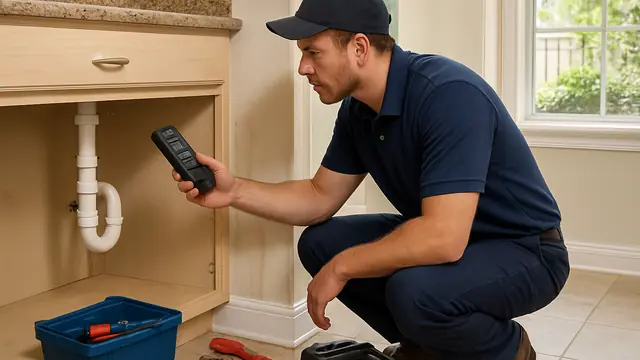
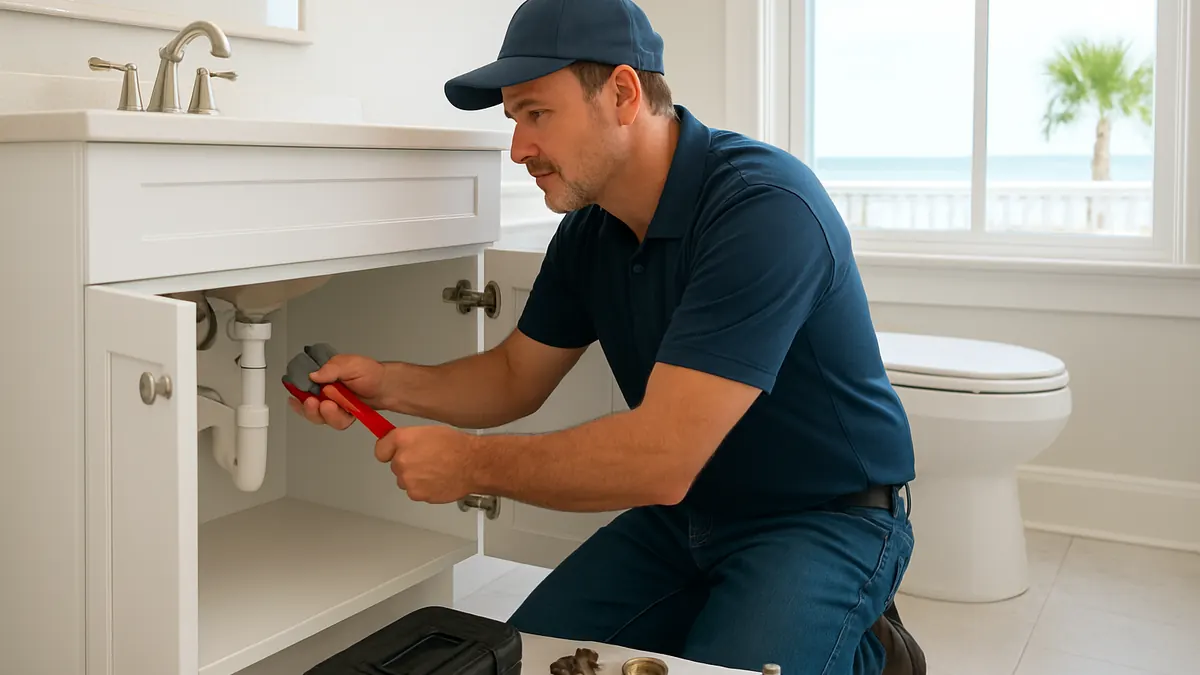
Under-Sink Leaks
Water beneath a kitchen or bathroom sink can come from faucet supplies, shutoff valves, the drain assembly, disposal connections, or the trap. A leak that occurs only while water drains often points to a drain-side connection. A leak that continues when the faucet is off may involve the supply side.
Cabinets can absorb water before a puddle appears. Investigate swelling, discoloration, or musty odors.
Running and Leaking Toilets
A toilet that refills every few minutes is usually losing water from the tank into the bowl. Common causes include a worn flapper, a chain that prevents the flapper from sealing, or a fill valve set incorrectly.
Water around a toilet can come from the supply, tank hardware, condensation, or base seal. Movement can damage the seal and surrounding surface.
Slow Drains and Recurring Backups
Hair, soap, grease, food waste, wipes, and excessive paper can restrict drainage. One slow fixture often indicates a localized clog. Several slow drains, toilet bubbling, or water rising in a tub when another fixture is used may point to a blockage in shared piping.
A clog that returns after plunging needs a complete diagnosis.
Garbage Disposal and Kitchen Problems
A disposal may jam, overheat, lose power, or fail mechanically. Warning signs include humming without rotation, silence when switched on, leakage beneath the unit, and persistent odors.
Grease, fibrous scraps, coffee grounds, and starchy foods can create drain buildup even while the disposal still runs.
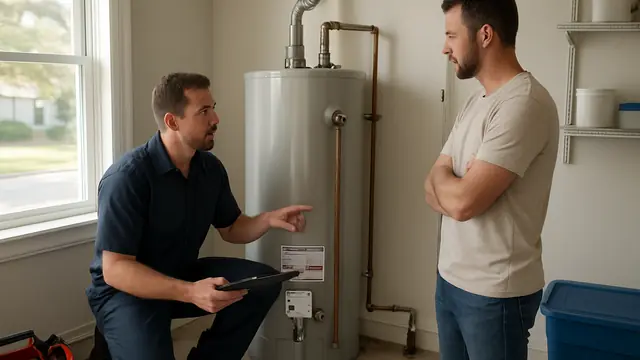
Hot-Water Shortages and Water-Heater Leaks
Several guests can use hot water faster than the heater recovers. A sudden decline may also involve a heating element, thermostat, burner, control, or electrical supply.
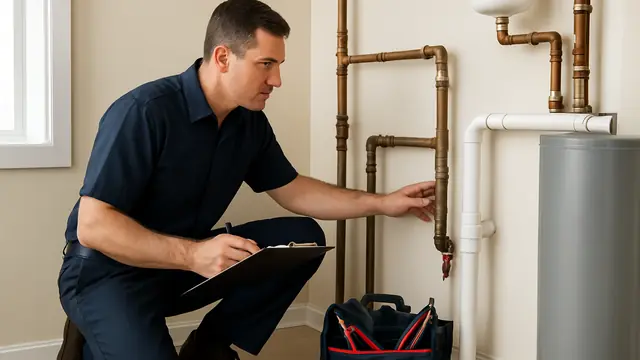
Water beneath the heater may come from a fitting, drain valve, relief system, or the tank. The exact source matters because some connections can be repaired while a leaking tank often cannot.
Appliance Supply-Line Failures
Refrigerator, dishwasher, and washer connections can loosen or deteriorate. Leaks may occur only during part of an appliance cycle.
Safe Checks Before Scheduling Service
- Determine whether one fixture or several are affected and what was running when the symptom appeared.
- Dry the sink cabinet and watch accessible connections while using little water. For a running toilet, check whether the flapper closes or water enters the overflow tube.
- For a slow drain, remove visible debris near an accessible stopper. A simple toilet clog may be tested with a plunger only when no other fixture is backing up.
- If hot water is unavailable throughout the property, a clearly labeled breaker may be checked once. If it trips again, leave it off.
What the Homeowner Should Not Attempt
- Do not repeatedly use chemical drain cleaner or mix products. Chemicals can remain in the line and endanger anyone opening it.
- Do not reach into a disposal, remove a toilet, open a water heater, alter gas controls, or plug a relief valve. Water can travel, so do not cut into finishes based only on a stain.
- Do not force shutoff valves or continue operating a leaking appliance. A larger release of water can occur without warning.
Signs That Require Urgent Attention
Request prompt help for sewage backup, an uncontrolled supply leak, water flowing through a ceiling, or standing water near electrical equipment. A toilet that will not stop overflowing and a water heater leaking from the tank are also urgent.
Other warning signs include a gas odor, sudden loss of pressure with running-water sounds, no functioning toilet in an occupied property, or multiple drains backing up at once.
If a gas odor is present, have everyone leave and contact the gas utility or emergency services from a safe location.
How a Licensed Plumber Diagnoses Rental Plumbing Problems
The plumber asks when the symptom occurs, whether it is recurring, and which fixtures are connected. Under-sink leaks are diagnosed by drying and testing individual supply and drain components.
Drain problems may be evaluated with professional cleaning equipment. A sewer camera may be used when the clog returns, the location is uncertain, or the line requires visual inspection.
Water-heater testing can include the energy supply, controls, heating components, safety devices, and tank. Appliance-related leaks may require isolating the appliance from its supply and drain connections.
Repair Options Starting With the Least Invasive
The simplest solution may be tightening an approved connection, replacing a sink washer, installing a new toilet flapper, adjusting a chain, clearing a trap, cleaning an aerator, or safely resetting a disposal.
The next level may include replacing a fill valve, supply tube, appliance hose, shutoff valve, disposal, or fixture connection. Drain cleaning or water-heater component service may also resolve the issue without replacing the larger system.
Replacement becomes appropriate when a tank leaks, a fixture is cracked, a disposal is badly damaged, or a component has repeated failures that cannot be repaired reliably.
Factors That Affect Cost
Repair cost depends on access, diagnostic time, parts, labor, and the equipment required. A visible connection in an open cabinet is usually easier to address than a concealed leak behind a wall.
After-hours response, repeated clogs, difficult fixture access, deteriorated valves, and water-damage restoration can increase the scope. Camera inspection may add diagnostic work but can prevent unnecessary opening of finished surfaces.
Prevention and Maintenance for Freeport Vacation Rentals
- Have cleaners test plumbing during every turnover. Toilets should flush and stop refilling, sinks and showers should drain normally, and cabinets should be checked for moisture.
- Inspect appliance hoses and accessible supply lines periodically. Label the main shutoff and individual valves so management can respond quickly.
- Give guests clear instructions about wipes, grease, food scraps, and disposal use. Encourage cleaners to report early symptoms rather than waiting for complete failure.
- Recurring clogs, hot-water shortages, and unexplained moisture should receive professional evaluation before another high-occupancy stay.
Protect the Rental Before the Next Check-In
The most common plumbing problems for vacation rentals in Freeport include under-sink leaks, running toilets, blocked drains, disposal trouble, appliance-line leaks, and water-heater complaints. Isolate active clean-water leaks when safe, stop using affected fixtures, and obtain a professional diagnosis before a temporary symptom becomes a larger interruption.
About this guide: This resource provides general homeowner education, not a remote diagnosis. Actual conditions, code requirements, equipment, and safe repair options must be evaluated at the property.