Stop and call for qualified help when plumbing water is near electrical equipment, sewage is entering occupied space, gas or burning odors are present, or a repair would require opening pressurized piping.
You receive a call from a guest who says the bathroom floor is wet, but they cannot tell whether the water is coming from the toilet, vanity, or shower. The toilet also seems to refill every few minutes. This may be one problem or two. A worn toilet component can cause continuous running, while a loose supply line, failed seal, or nearby drain leak may be responsible for the water on the floor.
The safest immediate action is to stop using the bathroom and close the toilet shutoff valve if it turns easily. Place towels only to contain minor clean water, not sewage. If the leak continues after the toilet is shut off, use the home's main water shutoff if it can be reached safely and call a licensed plumber.
Rental properties need a dependable response plan because guests may not recognize early warnings. A small leak or slow drain can become a major interruption under full occupancy.
What Are the Most Common Plumbing Problems for Vacation Rentals in Lynn Haven?
Toilet Leaks and Running Toilets
- A running toilet often has a deteriorated flapper, faulty fill valve, misadjusted float, or incorrect water level. It may refill several minutes after being flushed.
- Water around the base can come from the supply line, tank bolts, condensation, a failed base seal, or a cracked fixture.
- A repeated toilet clog may be caused by excessive paper, wipes, an object inside the trapway, or a restriction farther down the branch drain.
Faucet, Sink, and Vanity Leaks
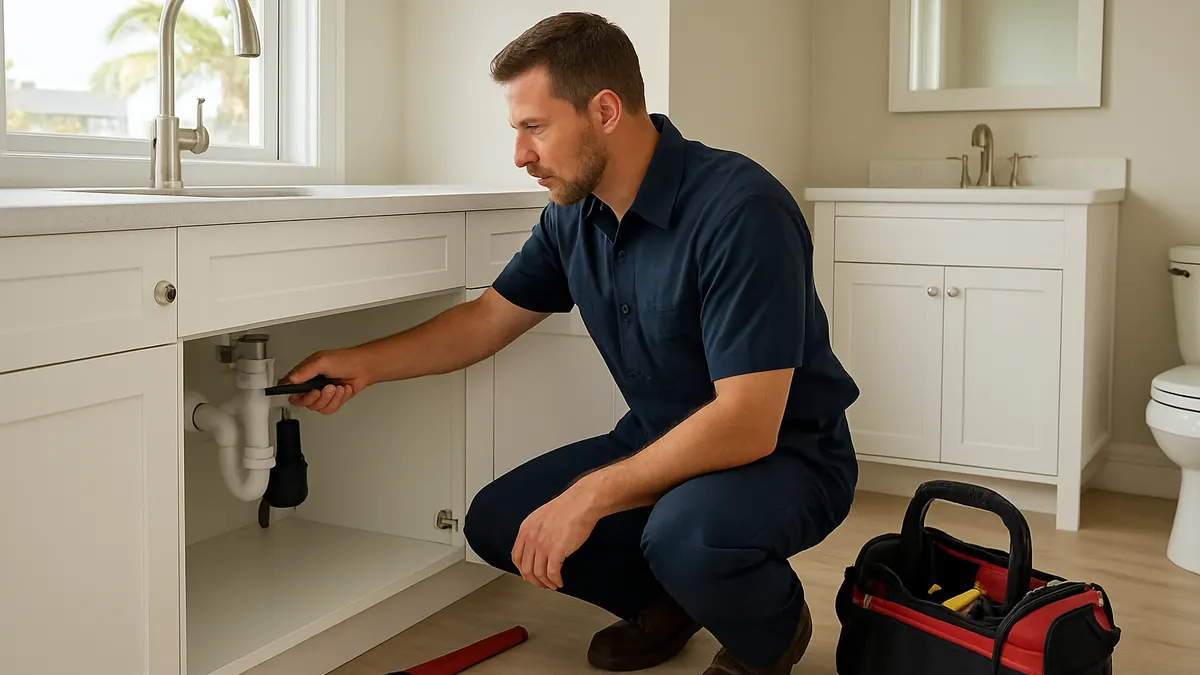
Leaks beneath a vanity may originate at the faucet supply lines, shutoff valves, drain trap, pop-up assembly, or faucet body. Because water can travel along piping, the drip may appear away from the failed connection.
Signs include swollen cabinet panels, loose flooring, staining, rust, or damp stored items.
Drain Clogs and Gurgling Fixtures
Hair and soap residue commonly slow bathroom drains. Kitchen lines may collect grease and food waste. Toilets can become blocked by wipes or excess paper.
When one fixture is affected, the clog may be nearby. When several fixtures gurgle or drain slowly, the problem may involve a shared line. Water appearing in a shower when another fixture runs is a strong reason to stop using the system.
Water-Heater Problems
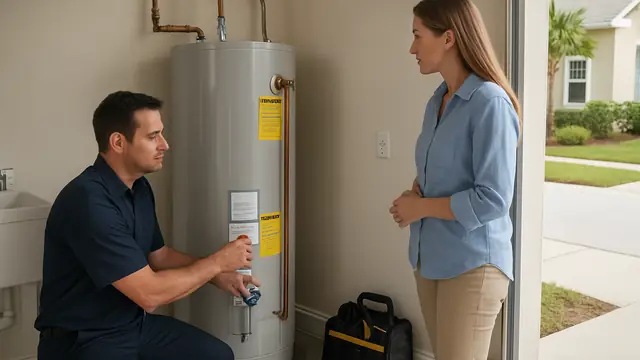
Hot-water complaints may involve changing temperature or slow recovery. Causes include heavy use, failed controls, damaged elements, ignition trouble, sediment, or a leaking tank.
Owners should not assume that every complaint means the heater is too small. A malfunctioning component can reduce available hot water even when the equipment was previously adequate.
Appliance Connections
Dishwashers, washing machines, refrigerator lines, and ice makers can leak behind cabinets or appliances.
A slow appliance leak may damage flooring before it becomes visible in the room.
Sewer Odors
A dry drain trap, loose toilet seal, venting issue, or developing blockage can allow sewer odor into the property. A trap is the curved section of drainpipe that holds water and blocks sewer gas.
An unused drain may need water added. Odor with slow drains or gurgling needs investigation.
Safe Checks the Homeowner Can Perform
Ask when the water appears: during flushing, showering, appliance use, or when no fixture is running. Timing can narrow the cause.
Inspect visible supply lines, shutoff valves, toilet tanks, and sink cabinets. Use a dry paper towel around fittings to detect moisture. Check whether the toilet flapper closes and whether water continues entering the overflow tube.
Run only a small amount of water in a slow fixture. Stop immediately if another drain reacts.
For an electric water heater, verify that the breaker is on, but do not repeatedly reset it. For gas equipment, confirm that the control has not been turned off, but do not attempt burner repairs.
What the Homeowner Should Not Attempt
- Do not use chemical drain cleaners in a fixture that is completely blocked or connected to other backing-up drains.
- Do not keep flushing a clogged toilet. Do not remove the toilet while the property is occupied unless you are trained and prepared to control wastewater.
- Avoid forcing shutoff valves that are stuck. An old valve can break and create a larger leak.
- Do not open electrical panels on a water heater, adjust gas components, or block a relief valve. Do not enter standing water if electricity may be present nearby.
Urgent Signs That Require Prompt Service
The problem is urgent when sewage appears inside the home, water enters a ceiling or wall, a supply line sprays, or the property has no usable toilet.
A water heater leaking from the tank, electrical burning odor, sparks, or repeated breaker trips also requires immediate attention.
If a leak cannot be stopped with a fixture valve, shut off the main water supply when safe. Protect guests from slippery flooring and contaminated water until the area is cleaned and repaired.
How a Licensed Plumber Diagnoses the Problem
The plumber inspects the system and tests fixtures individually to determine whether the issue is local or shared.
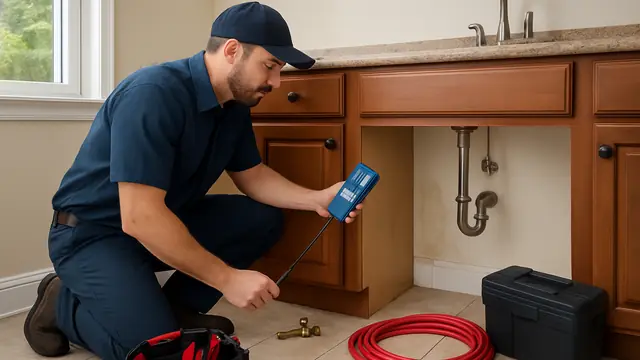
For toilet leaks, the plumber checks the supply line, tank components, mounting, base seal, and fixture condition. Drain problems may require professional cleaning equipment, access through a cleanout, or a sewer camera when clogs recur.
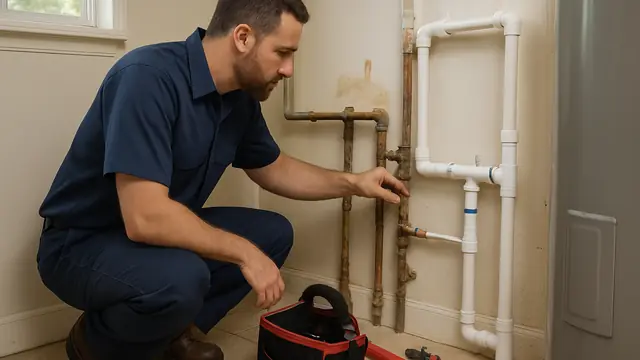
Leak detection may include pressure testing, moisture measurements, and isolation of water lines. Water-heater evaluation can include controls, heating elements or burners, safety components, tank condition, and hot-water output.
Repair Options Starting With the Least Invasive
The least invasive repair may be replacing a flapper, fill valve, supply line, washer, faucet cartridge, or drain seal. A loose connection may be corrected if the fitting is still sound.
A local clog may be cleared without removing the fixture. An object lodged inside a toilet may require the toilet to be removed and reset.
Recurring drain restrictions may require more thorough cleaning or camera inspection. If damage is limited to one area, targeted pipe repair may be possible.
Water-heater service may involve replacing a thermostat, element, valve, burner component, or connection. A leaking tank usually requires replacement, but component failures do not automatically mean the entire heater must be changed.
Factors That Affect Cost
Cost depends on access, the failed component, pipe or fixture condition, diagnostic time, and whether water damage is present.
A visible supply leak may be straightforward. A concealed leak beneath flooring or inside a wall requires more work. Camera service, fixture removal, cleanup, emergency response, and materials can also affect the total.
Prevention and Maintenance Guidance
- Test every toilet, faucet, shower, and appliance during turnovers. Confirm that toilets stop filling, drains empty normally, and hot water is available.
- Inspect beneath vanities and around toilets. Look behind accessible appliances and near the water heater. Replace connections that show corrosion, swelling, cracking, or leakage.
- Post guest instructions about wipes, grease, disposals, and reporting leaks. Keep bathroom wastebaskets available.
- Label the main water shutoff and fixture valves. Give managers and cleaners a written response plan so they can stop water and contact service quickly.
Resolve the Cause Before It Interrupts Another Stay
The most common plumbing problems for vacation rentals in Lynn Haven can usually be handled with less disruption when the first symptom is taken seriously. Stop using affected fixtures, isolate leaks when safe, and arrange a licensed diagnosis when the source is uncertain, recurring, or affecting multiple parts of the property.
About this guide: This resource provides general homeowner education, not a remote diagnosis. Actual conditions, code requirements, equipment, and safe repair options must be evaluated at the property.