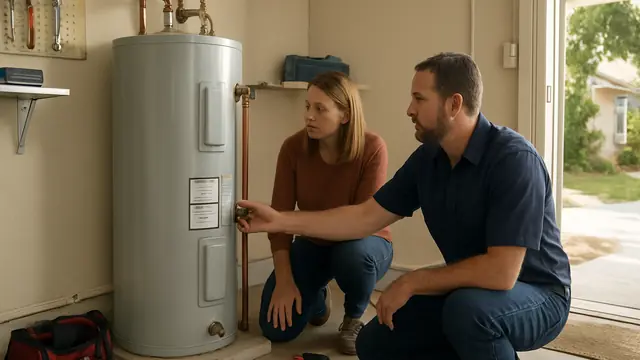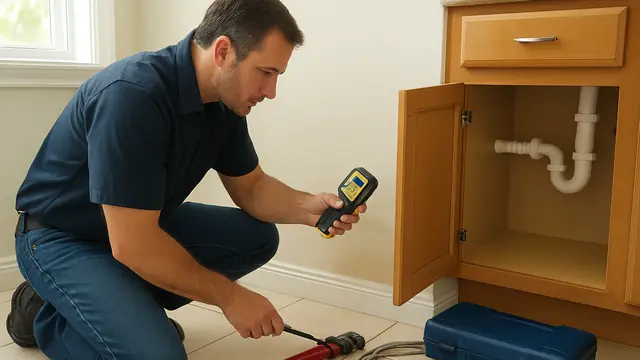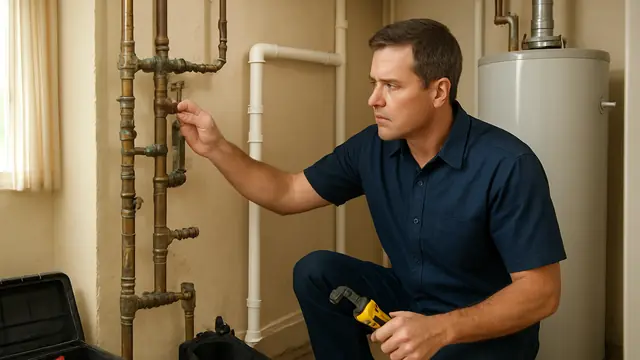
Stop and call for qualified help when plumbing water is near electrical equipment, sewage is entering occupied space, gas or burning odors are present, or a repair would require opening pressurized piping.
An Ocean City homeowner may begin with what seems like a minor nuisance: the toilet needs an extra flush, the bathroom sink drains slowly, or a faint sewer smell appears near the shower. Then the symptoms begin to connect. The tub gurgles when the toilet is used, or water rises in a low drain when the washing machine empties.
That pattern often means the problem is not limited to one fixture. Wastewater may be meeting resistance in a shared drain or sewer line.
The safe immediate response is to limit water use. Avoid laundry, dishwashing, long showers, and repeated flushing while a backup is developing. If sewage enters the home, stop using the plumbing and keep people and pets away.
A sewer camera inspection lets a licensed plumber examine the inside of accessible piping and identify the condition causing the symptoms.
What Happens During a Sewer Camera Inspection in Ocean City?
The plumber begins with the problem's history, including when symptoms occur, whether previous cleaning helped, and which fixture reacted first.
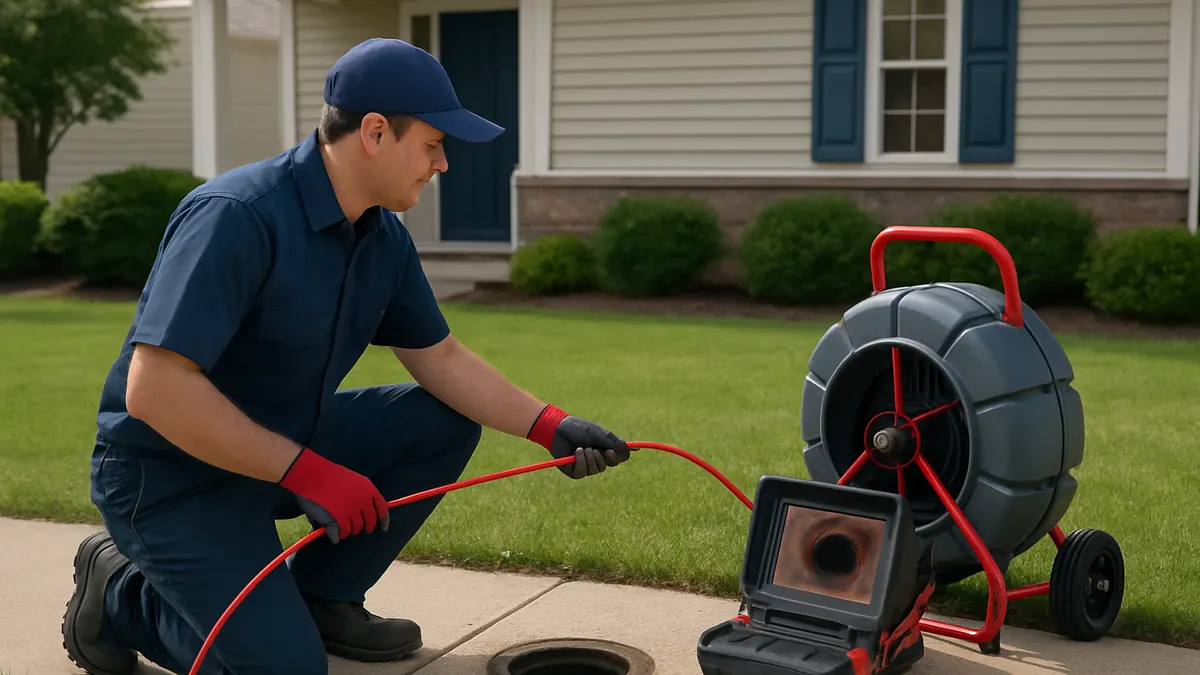
A flexible cable carrying a small waterproof camera is inserted through a cleanout or another approved access point. The lighted camera sends live video to a monitor.
The plumber watches pipe walls, joints, deposits, water levels, and defects. If the equipment has a transmitter, the plumber can use a receiver above ground to estimate the location and depth of a problem area.
The inspection is not a repair; it guides the cleaning or repair decision.
Symptoms That Suggest a Deeper Drain Problem
The Lowest Drain Backs Up First
A tub, shower, or floor drain may be the first place wastewater appears because it is close to floor level. This is especially meaningful when another fixture triggers the backup.
The Problem Appears During Heavy Water Use
A partially restricted line may seem normal while one sink is running but fail when a washing machine, bathtub, or several fixtures discharge quickly.
The Drain Was Recently Cleared but Slowed Again
A recurring clog may be collecting around roots, an offset joint, a rough damaged section, or heavy buildup that was not fully removed.
More Than One Room Is Affected
When fixtures in separate rooms react together, the restriction may be in a shared branch or main line rather than one local trap.
What a Sewer Camera Can Show
A camera can reveal soft blockages such as paper, wipes, grease, sludge, and other debris. It may show a foreign object lodged at a bend or connection.
Root intrusion can be visible where roots enter through a crack or separated joint. The camera may also reveal corrosion, broken pipe, deformation, offset connections, or partial collapse.
Standing water is another important finding. It may indicate a low spot, inadequate slope, or a downstream restriction. However, the image must be interpreted carefully. Standing water does not automatically justify complete replacement.
Safe Checks Before the Plumber Arrives
- Identify whether the problem affects one fixture, one room, or the entire home.
- Note what activity causes the symptom. For example, record whether the washer makes the toilet bubble or whether flushing causes water to rise in the shower.
- Look for an accessible cleanout, but do not remove the cap during an active backup.
- Stop testing once wastewater begins to surface. Repeatedly running water only increases the chance of an overflow.
What You Should Not Attempt
- Do not pour repeated doses of chemical drain cleaner into the system. Chemicals may remain trapped behind a blockage and create a hazard for anyone opening the line.
- Do not combine different drain products. Mixed chemicals may produce dangerous heat, fumes, or splashing.
- Do not use a rented sewer machine unless you are trained to operate it. The cable can twist, bind, break, or damage a weakened pipe.
Do not assume that the location of an indoor backup identifies the location of the defect. Wastewater often appears at the lowest available opening rather than directly above the damaged section.
Signs That Make the Problem Urgent
Sewage entering the home is urgent. Wastewater can contaminate porous materials and create a sanitation concern. Stop using the plumbing system and avoid contact.
Call promptly when all toilets are affected, wastewater rises whenever another fixture is used, or the backup is approaching flooring, cabinets, drywall, or electrical equipment.
A line that backs up again shortly after professional cleaning may have an unresolved defect. Strong sewer odor with visible leakage, a suspected pipe collapse, or loss of all usable drainage also requires quick attention.
How a Licensed Plumber Diagnoses the Cause
The plumber first compares the symptoms with the layout of the home's drains. Selected fixtures may be tested to determine whether the problem is local or farther downstream.
If the pipe is blocked, professional cleaning may be necessary before the camera can pass. A camera pushed into a packed obstruction cannot show the condition beyond it.
During inspection, the plumber advances the camera slowly and pauses at important findings. Video or still images may be recorded. Cable distance provides an estimate, while a transmitter can help locate the camera more precisely from above ground.
A thorough diagnosis should explain confirmed findings and any need for additional testing.
Repair Options Beginning With the Least Invasive
- A simple obstruction in a sound pipe may be removed with professional cabling.
- Heavy grease, sludge, or attached deposits may require a more complete cleaning method chosen for the material and condition of the line.
- A foreign object may be retrievable through an existing access point. Roots may be cut to restore flow, although the opening that allowed entry may still need repair.
A localized crack, offset joint, or damaged fitting may be repaired by replacing only the affected section. Trenchless rehabilitation may be an option when the pipe, access, and layout meet the method's requirements.
Broader replacement may be justified when damage is extensive, the pipe is severely deformed, or multiple sections have failed. The recommendation should match the evidence shown during inspection.
Typical Factors Affecting Cost
- Cost depends on how easily the pipe can be accessed, how far the camera must travel, and whether cleaning is needed first.
- If there is no usable cleanout, removing and resetting a toilet or creating access may add labor.
- Repair cost is affected by the defect's location, depth, and length; the existing pipe material; the repair method; and the surfaces that must be opened and restored.
- Permits, cleanup, inspection, and restoration may affect the total. The estimate should state what is included.
Prevention and Maintenance Guidance
- Flush only toilet paper and human waste. Wipes, paper towels, hygiene products, cotton swabs, floss, and household trash should go in a waste container.
- Keep fats, oils, and grease out of kitchen drains. These materials can harden inside the pipe and trap other debris.
- Address slow drains before they become complete stoppages. Keep records of cleanings, camera findings, and repairs to help identify recurring patterns.
Use the Inspection to Choose the Right Next Step
What happens during a sewer camera inspection in Ocean City is a careful evaluation of hidden piping. The plumber reviews the symptom pattern, obtains safe access, cleans the line if needed, records visible conditions, and explains repair options from the least invasive reasonable approach upward. If several fixtures are reacting together or a clog keeps returning, reduce water use and schedule a professional diagnosis before the line backs up into the home.
About this guide: This resource provides general homeowner education, not a remote diagnosis. Actual conditions, code requirements, equipment, and safe repair options must be evaluated at the property.