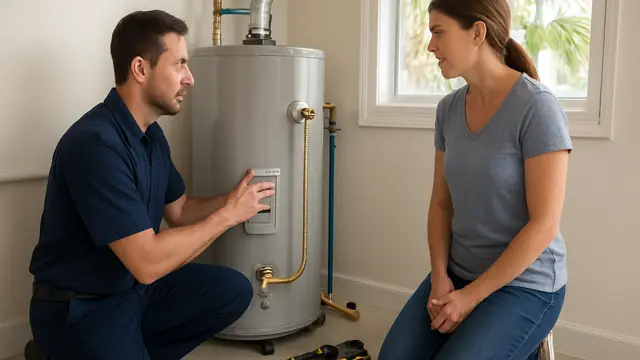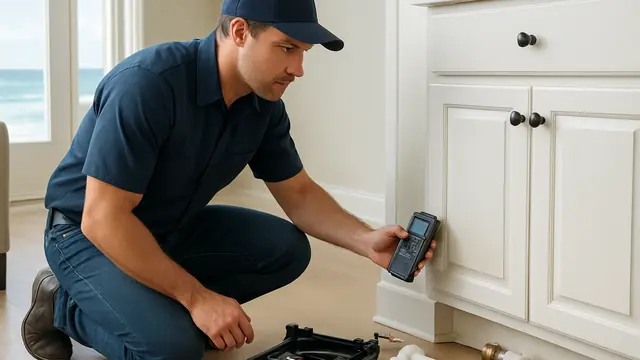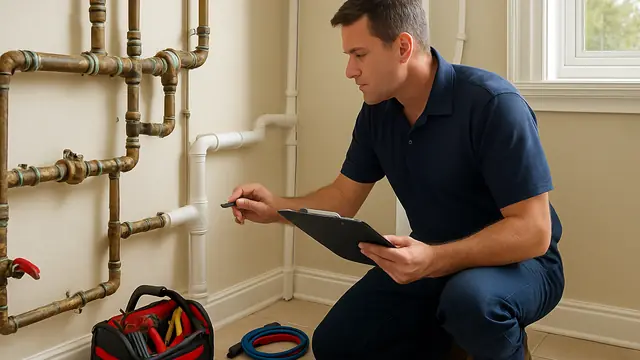
Stop and call for qualified help when plumbing water is near electrical equipment, sewage is entering occupied space, gas or burning odors are present, or a repair would require opening pressurized piping.
A guest flushes one toilet and hears the shower drain bubble. The kitchen sink begins draining slowly, and the washing machine sends cloudy water into a bathtub. In a primary residence, condominium, second home, or vacation rental, several fixtures backing up together usually mean the problem is located in a shared drain rather than in one individual fixture. Multiple drains backing up in a Panama City Beach property often point to a restricted building drain, sewer lateral, or another downstream part of the wastewater system.
Stop using water immediately. Pause showers, laundry, dishwashing, sink use, and toilet flushing until the source is identified. In an occupied rental, ask guests to stop using every fixture, not just the one that overflowed. If sewage has entered a room, keep people away, avoid direct contact, and protect nearby belongings only when it can be done safely.
Why the Lowest Fixture Often Backs Up First
Wastewater travels through branch lines before entering larger shared piping. A blockage after those branches connect can affect several fixtures at once.
The lowest drain becomes a relief point when wastewater cannot continue forward. Water may rise in a shower after a toilet flush, while trapped air creates gurgling.
Most Common Causes of Multiple Drain Backups
A Partial Main-Line Blockage
Paper, waste, hair, grease, and food debris can build up inside a shared drain. A partially open line may work during light use but fail during several showers, laundry, or repeated toilet use.
Wipes and Excess Paper
Wipes, paper towels, hygiene products, and cotton items do not break apart like toilet paper. Even products labeled flushable can contribute to a blockage.
Grease From Kitchen Use
Grease can cool inside a drain and form a sticky coating that collects food and detergent residue. Frequent cooking and changing occupants make prevention important.
Foreign Objects
Toys, personal items, or cleaning cloths can enter a toilet and create a point where paper and waste accumulate.
Root Intrusion or Structural Damage
Roots can enter through cracks or separated joints. Pipes can also shift, sag, crack, or collapse, creating places that hold water and debris.
A Shared Building or Community Drain Issue
In a multi-unit property, affected piping may serve more than one residence. The layout and backup pattern determine which line requires service.
Safe Checks a Homeowner or Property Manager Can Perform
Identify all affected fixtures and whether they are in one unit or throughout the property. Note what was running before the backup; a washer, bathtub, or simultaneous showers may expose a partial restriction.
- Check the lowest shower, tub, or floor drain for standing water without adding more water. Look for leakage around toilet bases and note any strong sewer odor.
- If an exterior cleanout is visible, tell the plumber where it is but leave the cap in place. A full line can release sewage suddenly when opened.
- For a rental, document the incident, stop plumbing use, and notify the owner or manager. Do not ask occupants to keep testing fixtures.
What Should Not Be Attempted
Do not pour chemical drain cleaner into several sinks or toilets. The product may remain trapped in the line, expose the technician, and do nothing for roots, foreign objects, broken pipe, or a distant obstruction.
Do not keep plunging multiple fixtures. Pressure applied at one opening can push wastewater into another.
Avoid rental sewer machines without training. Large cables can damage piping or cause injury. Do not remove a toilet, climb onto a roof, or open a backed-up cleanout.
Signs That Make the Backup Urgent
A backup requires prompt attention when sewage is entering a shower, bathtub, floor drain, or occupied room. It is also urgent when all toilets are unusable, guests cannot safely remain in the property, or contaminated water is approaching drywall, cabinets, flooring, electrical outlets, appliances, or HVAC equipment.
Strong sewage odors, wastewater outside, or an overflow affecting another unit also require quick action. A backup that returns during higher occupancy should be evaluated.
How a Licensed Plumber Diagnoses the Problem
The plumber determines which fixtures share piping and whether the issue is in one unit, one branch, or the main line. The lowest backup point provides important clues.
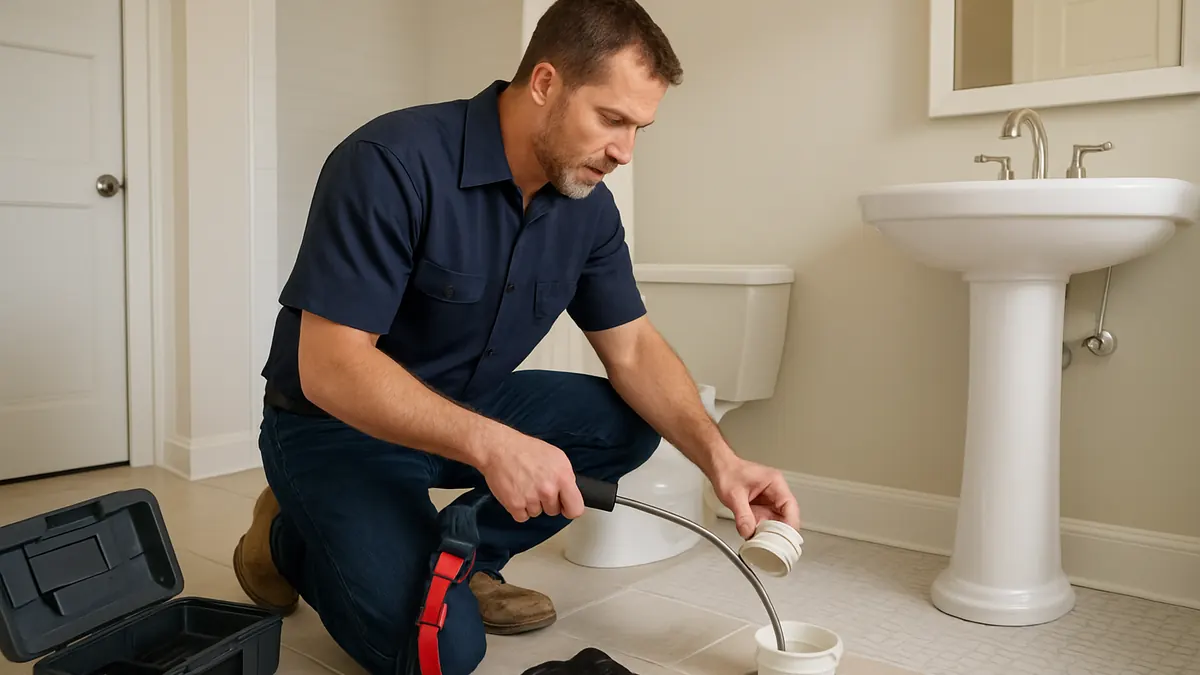
Professional cable equipment may be used to restore flow. The technician selects the cable and cutting head based on pipe size and the suspected obstruction.
Hydro jetting may be appropriate when grease, sludge, or residue coats the pipe. It uses controlled high-pressure water to clean the interior but should be selected only after considering the pipe's condition.
Once water moves through the line, a sewer camera can show roots, cracks, offsets, low sections, foreign objects, and standing water. Documentation helps owners decide between maintenance and repair.
Repair Options Beginning With the Least Invasive
- Mechanical clearing is often the first option for a removable blockage. If the line is sound and flow returns fully, no excavation may be needed.
- Hydro jetting can clean a longer section affected by grease or residue. Root cutting can restore flow where roots are present, although the entry point may require later repair.
- A single damaged section may be corrected with a spot repair. Depending on access and pipe condition, trenchless lining or replacement may reduce disruption.
Full replacement is generally considered when damage is widespread, the line has collapsed, repeated cleaning provides only short-term relief, or several sections no longer maintain proper flow. Replacement should follow documented evidence rather than being treated as the automatic first solution.
Typical Factors Affecting Cost
Cost varies with blockage location, line length, access, cleanout availability, severity, and equipment. Multi-unit layouts or piping beneath finished surfaces can increase labor.
Camera inspection, hydro jetting, root cutting, underground locating, excavation, permits, pipe materials, and restoration of landscaping, concrete, tile, or other finishes can also affect cost. Emergency timing and coordination with property management may be additional factors.
Prevention and Maintenance Guidance
Post clear instructions for occupants: flush only human waste and toilet paper. Wipes, paper towels, hygiene products, cotton items, and household trash belong in a wastebasket.
Keep grease and cooking oil out of kitchen sinks. Use drain screens to catch food and hair. In rental properties, include simple plumbing-use guidance in arrival information without assuming every guest understands what can be flushed.
Respond to repeated gurgling, slow drainage during high occupancy, or water rising in a low fixture. If a camera identifies roots, buildup, or structural damage, follow an inspection-based maintenance or repair plan.
Act Quickly When Multiple Drains Back Up
Multiple drains backing up in Panama City Beach mean wastewater is not moving through a shared part of the plumbing system as intended. Stop water use, protect occupants and the property, and obtain a diagnosis that identifies whether the cause is a removable clog, heavy buildup, root intrusion, or damaged piping. Acting early can reduce contamination and help the owner choose the least invasive dependable repair.
About this guide: This resource provides general homeowner education, not a remote diagnosis. Actual conditions, code requirements, equipment, and safe repair options must be evaluated at the property.