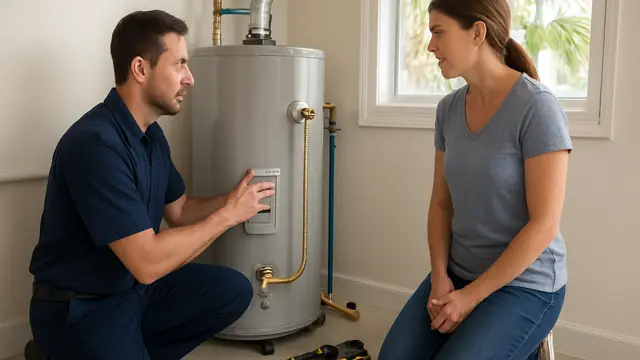
Stop and call for qualified help when plumbing water is near electrical equipment, sewage is entering occupied space, gas or burning odors are present, or a repair would require opening pressurized piping.
A guest calls from a Panama City Beach rental and says the shower is filling while the toilet is flushed. At another property, a homeowner notices that the kitchen sink drains normally until the washing machine empties, then the nearest bathroom begins to gurgle. These symptoms often point to a restriction in a shared drain or the main sewer line rather than a simple clog at one fixture.
The safest immediate step is to stop high-volume water use. Do not run laundry, the dishwasher, or several showers. If wastewater is entering a tub, shower, toilet, or floor drain, stop all plumbing use and keep occupants away from the affected area. Continuing to add water can turn a partial blockage into a larger sewage backup.
A sewer camera inspection lets a plumber see inside the accessible pipe and determine what is interfering with flow. It is especially useful when a property has recurring stoppages, uncertain repair history, or symptoms that appear only during heavy use.
Why Camera Inspections Matter in Occupied and Rental Properties
When different people use a property, no one may know exactly when the problem started or what entered the drain. A camera helps separate an obstruction from pipe damage.
Common possibilities include grease, wipes, paper products, foreign objects, heavy buildup, root intrusion, cracked joints, offset connections, and low sections that hold water and waste.
It also helps determine whether cleaning or a targeted repair is reasonable.
What Happens During a Sewer Camera Inspection in Panama City Beach?
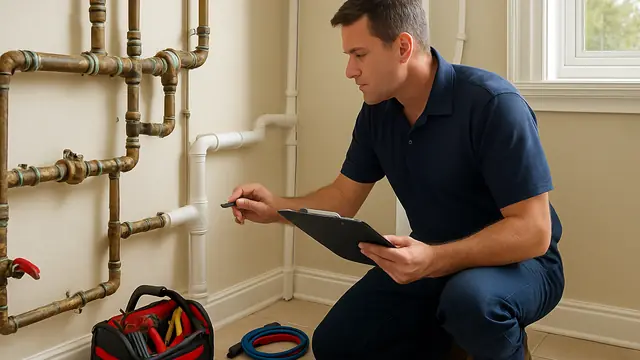
The plumber first collects symptom information. Which fixtures are slow? Does the backup happen only when several people use water? Did the problem begin suddenly? Has the line been cleaned before?
Reports from guests, cleaners, or property managers can help identify whether the lowest shower backs up first or toilets gurgle during heavy use.
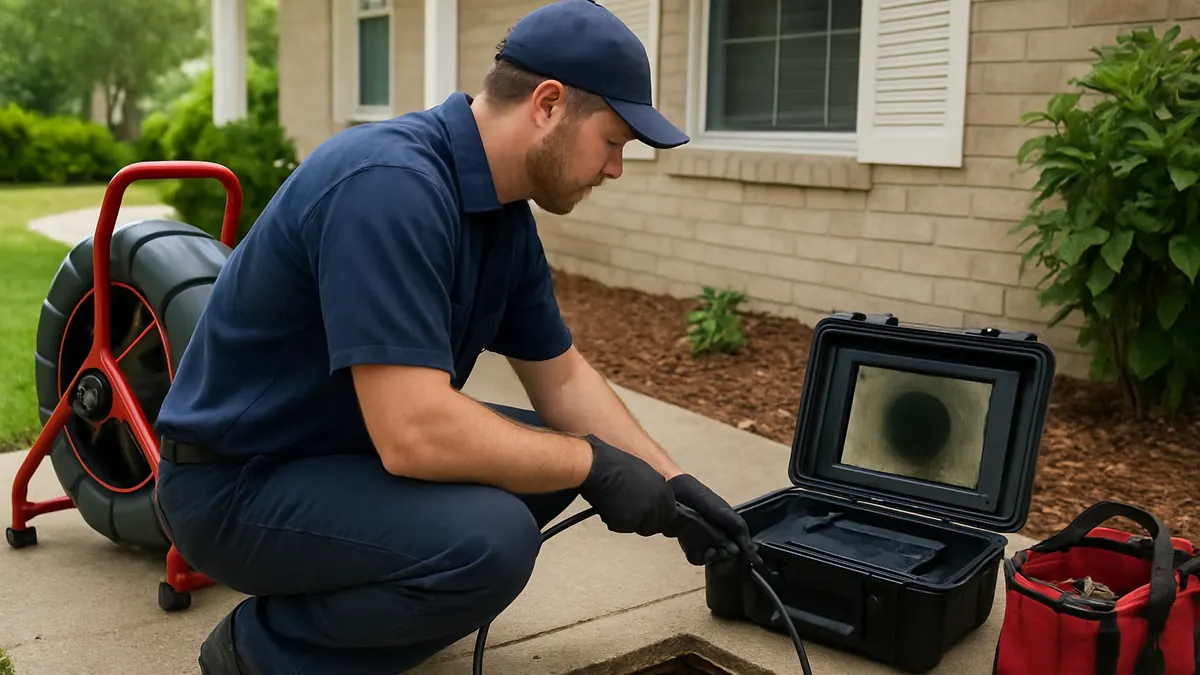
Next, the plumber locates a suitable access point. A cleanout is usually preferred because it is designed for sewer service. A cleanout is a capped fitting that provides direct access to the drain line. If a usable cleanout is not available, another approved point may be needed. A toilet may sometimes be removed to reach the line.
The plumber advances a waterproof camera on a flexible cable while studying the pipe walls, joints, bends, water level, and visible material on a monitor.
The inspection may reveal grease, soap residue, wipes, scale, roots, cracked sections, separated joints, deformation, standing water, or collapse. A lodged object may be clearly visible, or the camera may stop at a dense obstruction.
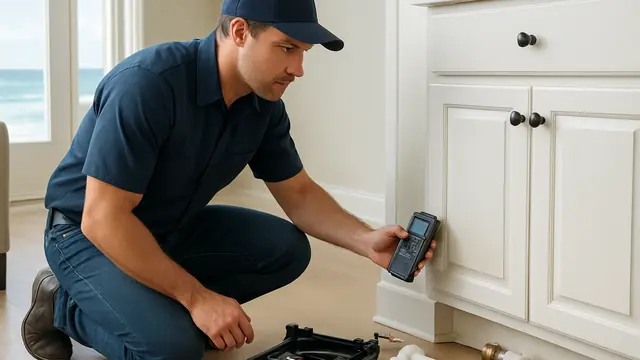
Many camera systems include a transmitter. A locator used above ground can help estimate the camera's position and depth. This makes it easier to identify whether a suspected defect lies beneath a yard, floor, parking area, or another part of the property.
The plumber may save important images and review the pipe again while withdrawing the camera.
Why the Camera May Be Used After Cleaning
A camera cannot see through solid waste, thick grease, or dirty standing water. If the line is blocked, the plumber may need to clean it before a complete inspection can be performed.
Professional cleaning may use a cable machine or controlled water jetting, depending on the type of obstruction and pipe condition. After the line is opened, a second camera pass can confirm that flow has been restored and reveal whether damage caused the blockage.
This matters when a property has repeated service calls because inspection can show whether the problem is likely to return.
Safe Checks for Homeowners and Property Managers
- Identify which fixtures are affected and what was happening when the backup occurred. Note whether the problem appears during laundry, several showers, or multiple toilet flushes.
- Look for a cleanout without opening it. Report any wastewater, moisture, or odor around the cap.
- Ask occupants to stop using water rather than repeatedly recreating the problem. Gather prior service invoices, camera recordings, or repair records if they are available.
What You Should Not Attempt
Do not pour repeated chemical drain cleaners into the system. They may not reach the obstruction and can expose occupants or plumbers to hazardous liquid.
Do not remove a cleanout cap during an active backup. Sewage may be under pressure and can escape suddenly.
Do not operate rented sewer equipment without training. Rotating cables can cause injury, damage fittings, or become trapped inside the line. Do not push a garden hose, rod, or improvised tool into the pipe.
Signs That Make the Problem Urgent
An active sewage backup, multiple unusable fixtures, wastewater around a cleanout, or a toilet overflowing when another fixture drains requires prompt service.
In an occupied rental, tell guests or tenants not to use sinks, toilets, showers, washing machines, or dishwashers until the line is evaluated. Keep people and pets away from contaminated areas.
If wastewater reaches electrical equipment or outlets, do not enter the wet area or operate electrical devices.
How a Licensed Plumber Diagnoses the Cause
- The plumber compares camera footage with the symptoms, the camera distance, the water level, and any resistance encountered during cleaning.
- Not every visible mark is a serious defect. A responsible diagnosis connects the observed condition to the actual flow problem.
- The plumber should explain what was found, where it is located, whether the line is open, and why the proposed work is appropriate.
Repair Options Beginning With the Least Invasive
A removable clog or buildup may require only professional cleaning. Root cutting can reopen a line, although the entry point may need repair to reduce recurrence.
A localized crack, separated joint, or damaged fitting may qualify for a spot repair. Trenchless rehabilitation may be considered when the existing pipe is suitable and can be prepared correctly.
Excavation may be necessary for collapse, severe misalignment, or a section that has lost its shape. Complete replacement is usually considered when deterioration is widespread or repeated failures affect a long portion of the line.
Factors That Affect Cost
- Cost depends on access, pipe length, cleaning needs, blockage severity, pipe depth, material, and the location and extent of damage.
- Work beneath concrete, flooring, landscaping, or parking areas may require added access and restoration.
- A camera inspection helps determine whether work can be limited to one section instead of assuming the entire line must be replaced.
Prevention and Maintenance Guidance
- Keep grease, wipes, paper towels, hygiene products, food scraps, and other durable materials out of drains. Give occupants clear disposal instructions.
- Respond to recurring slow drainage before it becomes a complete blockage. If roots or deposits are documented, ask whether planned cleaning or follow-up inspection is appropriate.
- For a property with changing occupants, keep service records so future plumbers can compare symptoms and findings instead of starting from zero.
Panama City Beach Homeowner FAQs
Can a sewer camera identify what a guest flushed?
Sometimes. A visible foreign object may be recognizable, but the camera may only show a mass of material or blockage.
Does the inspection itself remove the clog?
No. The camera diagnoses the line. Cleaning equipment is used to remove the obstruction.
Can the line be inspected while the property is occupied?
Yes, but water use may need to stop during the inspection, especially when a backup is active.
Will the inspection show whether the pipe is leaking into the ground?
It may show an opening, crack, or separated joint inside the pipe. Additional testing may be needed to confirm conditions outside the pipe.
Is replacement always required when roots are found?
No. The extent of intrusion, the entry point, and the pipe's overall condition determine whether cleaning, spot repair, rehabilitation, or replacement is appropriate.
Schedule a Sewer Camera Inspection in Panama City Beach
What happens during a sewer camera inspection in Panama City Beach is a structured effort to identify the real cause of a backup or recurring clog. The plumber reviews the symptoms, accesses the line safely, examines and locates defects, and explains the least invasive reasonable repair.
If wastewater is entering the property or several fixtures have stopped draining, stop all water use and arrange diagnosis promptly. A timely inspection can limit disruption, reduce property damage, and provide clearer repair choices.
About this guide: This resource provides general homeowner education, not a remote diagnosis. Actual conditions, code requirements, equipment, and safe repair options must be evaluated at the property.