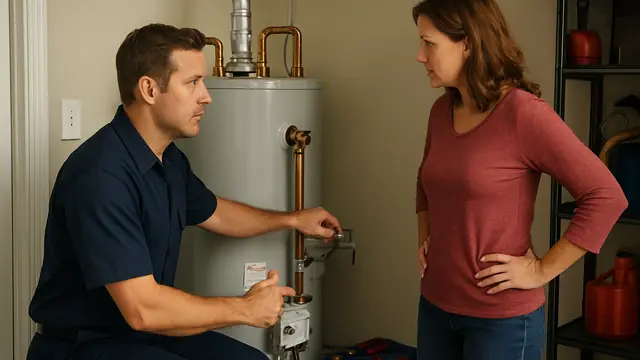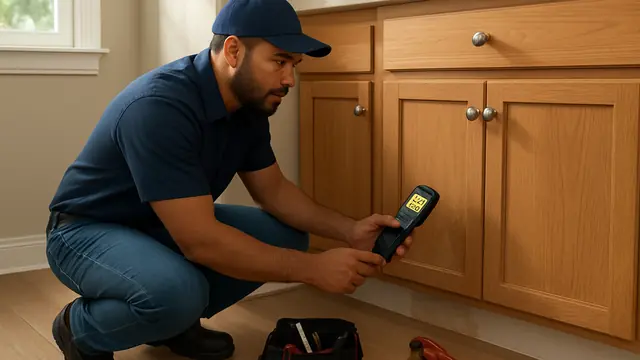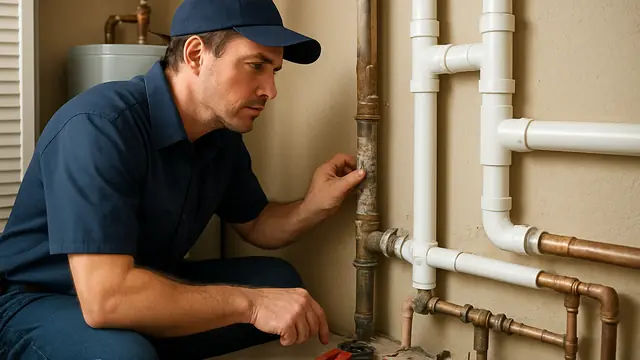
Stop and call for qualified help when plumbing water is near electrical equipment, sewage is entering occupied space, gas or burning odors are present, or a repair would require opening pressurized piping.
A Panama City homeowner may first realize something is wrong when the kitchen sink drains slowly, the toilet bubbles after the washing machine empties, or water rises in a shower that was not being used. When fixtures in different parts of the home begin affecting one another, the problem may be deeper than a clog in one trap. A shared drain or the main sewer line may be restricted.
The safest immediate action is to reduce water use. Stop running the washing machine, dishwasher, and other high-volume fixtures. If sewage is already coming through a tub, shower, toilet, or floor drain, stop using the plumbing system completely. Continuing to send water into a blocked line can increase contamination and property damage.
A sewer camera inspection gives a licensed plumber a direct view inside the accessible piping. It helps determine whether the problem is caused by removable debris, heavy buildup, roots, a damaged joint, a low section of pipe, or structural failure.
Why a Sewer Camera Inspection May Be Needed
- A camera inspection is often recommended when clogs return, several fixtures drain slowly, toilets gurgle, or sewage odors continue. It may also help before major repair work.
- One slow sink usually points to a local issue. When toilets, showers, and laundry drains react together, the restriction is probably farther downstream.
- Common conditions include grease, wipes, foreign objects, roots, separated joints, cracks, deformation, and collapse. A camera helps show what is actually present.
What Happens During a Sewer Camera Inspection in Panama City?
The plumber begins by asking questions. Which fixture showed trouble first? Does the problem happen only when several fixtures are used? Has the line been cleaned before? Did the improvement last?
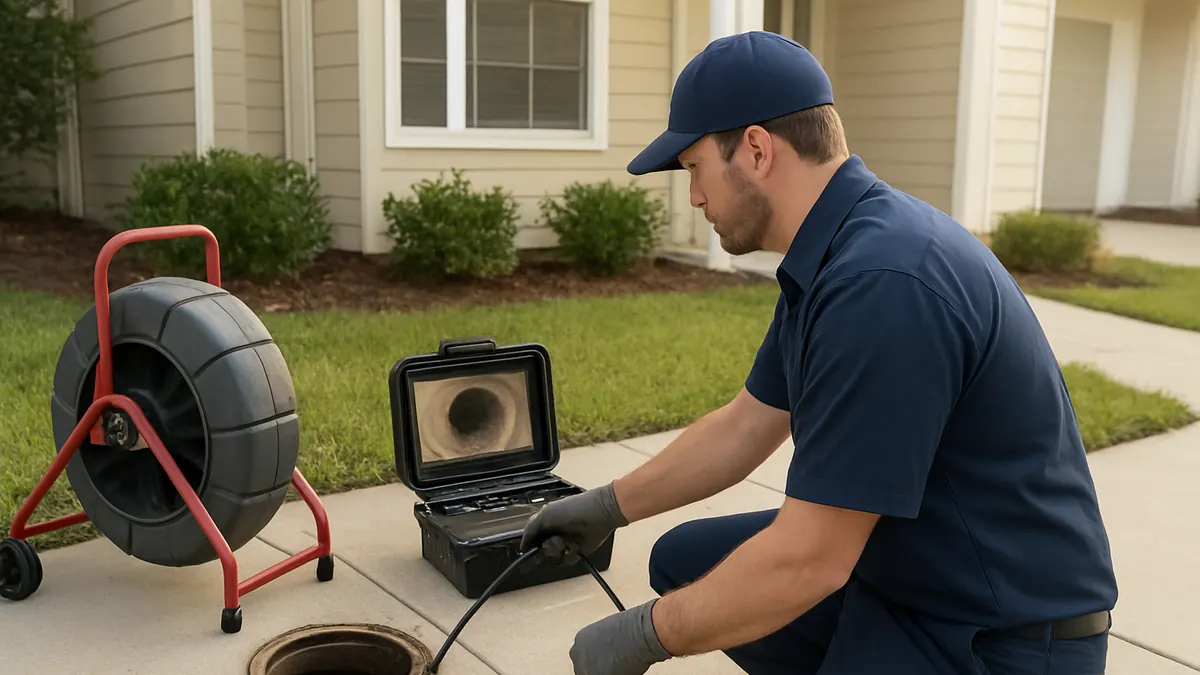
The plumber then locates a cleanout or another approved opening. A cleanout is a capped plumbing fitting that allows service equipment to enter the drain or sewer line. If a usable cleanout is not available, another access point may be required. In some cases, a toilet may need to be removed.
A waterproof camera attached to a flexible cable is inserted into the pipe. As the cable moves forward, the camera sends live video to a monitor. The plumber watches the pipe walls, joints, bends, water level, and any material that narrows the flow path.
The plumber may see grease, wipes, roots, cracked fittings, separated connections, standing water, or a section that has lost its shape.
Many camera systems include a transmitter. A locator used above ground can detect the signal and help estimate where the camera is positioned and how deep the pipe may be. This makes it easier to plan a targeted repair rather than opening a large area without evidence.
The plumber may save important images and review the line again while withdrawing the camera.
Why Cleaning May Be Required Before the Camera Can Finish
A camera is a diagnostic tool, not a cleaning machine. A complete blockage can stop the camera. Greasy water, sewage, or heavy buildup can hide the pipe wall and make the image unreliable.
The plumber may first use a drain-cleaning cable or controlled water-jetting equipment, depending on the pipe and obstruction. After the line is opened, the camera can be sent through again to confirm flow and look for damage that may have caused the clog.
A second inspection can reveal whether roots, a low section, or damage is likely to cause another blockage.
Safe Checks the Homeowner Can Perform
You can note whether the problem affects one fixture, one bathroom, or the entire property. Pay attention to whether the washing machine, a toilet flush, or several simultaneous fixtures trigger the symptoms.
Look for a visible sewer cleanout, but do not remove the cap. If the area around it is wet, has a strong sewage odor, or shows signs of overflow, tell the plumber.
Gather records from earlier cleaning or repairs because they may help explain recurring trouble.
What the Homeowner Should Not Attempt
Do not repeatedly pour chemical drain cleaner into a slow or backed-up system. These products may not reach a main-line blockage and can create a chemical hazard when a plumber opens the line.
Do not operate a powered sewer machine without proper training. Rotating cables can injure hands, damage fittings, become stuck, or punch through a weak pipe.
Do not remove a cleanout cap when sewage may be pressing against it. Wastewater can discharge suddenly. Avoid running more water merely to test whether the drain has improved.
Signs That Make the Problem Urgent
Stop all water use when sewage enters the home, several fixtures stop draining, wastewater rises through the lowest shower or tub, or liquid escapes around a cleanout.
A toilet that overflows when another fixture drains is also serious. Keep people and pets away from contaminated areas and avoid electrical equipment near wastewater.
How a Licensed Plumber Reaches a Diagnosis
- The plumber compares the camera image with the symptoms, measured distance, water behavior, and resistance encountered during cleaning.
- A visible irregularity does not automatically require replacement. A root mass, open joint, or collapse where flow stops is more significant.
- The plumber should explain what was found, where it is located, and why the recommended work matches the evidence.
Repair Options From Least Invasive to Most Extensive
If the problem is removable debris or buildup, professional cleaning may restore normal flow. Roots may be cut to reopen the pipe, although the entry point may still need a permanent repair.
A small crack, offset joint, or damaged fitting may qualify for a localized spot repair. This limits work to the affected section when access and pipe condition permit.
Trenchless rehabilitation may be considered when the pipe is suitable. It can reduce excavation, but it is not appropriate for every collapsed, badly offset, or severely deformed line.
Traditional excavation may be necessary when a section has failed structurally. Complete replacement is generally considered when damage is widespread, multiple failures are present, or smaller repairs would not provide a reliable result.
Factors That Affect Cost
- Cost depends on access, pipe length, blockage severity, cleaning requirements, pipe depth, material, and the location and extent of damage.
- Work beneath concrete, flooring, landscaping, or a driveway may require additional access and restoration.
- A camera inspection helps narrow the repair area.
Prevention and Maintenance Guidance
Keep grease, wipes, paper towels, hygiene products, food scraps, and other non-dissolving materials out of drains. Products labeled flushable may not break apart quickly enough to pass through every sewer line.
Address recurring slow drains before a complete stoppage occurs. If the camera documents roots, buildup, or a low section, ask whether periodic cleaning or a follow-up inspection is appropriate.
Panama City Homeowner FAQs
Does a sewer camera inspection clear the blockage?
No. The camera shows conditions inside the pipe. Separate drain-cleaning equipment removes the obstruction.
Can the camera inspect the entire line?
It can inspect the portion that is open and accessible. A solid blockage, sharp transition, or collapsed area may prevent further travel.
Can the plumber locate the damaged section from above ground?
Often, yes. A transmitter and locator can help estimate location and depth, although site conditions can affect accuracy.
Does one crack mean the whole sewer line needs replacement?
No. The size, location, severity, and overall pipe condition determine whether cleaning, a spot repair, rehabilitation, or replacement is reasonable.
Should the line be inspected after cleaning?
A post-cleaning inspection can confirm that the pipe is open and show whether damage or recurring buildup contributed to the clog.
Schedule a Sewer Camera Inspection in Panama City
What happens during a sewer camera inspection in Panama City is a careful process of reviewing symptoms, obtaining safe access, viewing and locating the problem, and matching the findings to the least invasive reasonable repair. The purpose is to replace guesswork with evidence.
If several fixtures are backing up or sewage is entering the home, stop using water and arrange professional diagnosis promptly. Early action can reduce contamination, protect the property, and help direct the repair to the correct location.
About this guide: This resource provides general homeowner education, not a remote diagnosis. Actual conditions, code requirements, equipment, and safe repair options must be evaluated at the property.