Stop and call for qualified help when plumbing water is near electrical equipment, sewage is entering occupied space, gas or burning odors are present, or a repair would require opening pressurized piping.
A property manager opens a Parker vacation rental after several quiet days and notices a musty smell near the laundry area, a damp baseboard, and a toilet that rocks when used. The moisture may come from an appliance connection, supply line, or toilet seal. Because water travels beneath flooring and along trim, the damp spot may not be beside the failure.
Stop using nearby fixtures and appliances. Close the local shutoff valve if it operates easily. If moisture continues or the leak cannot be isolated, shut off the main water supply when safe. Do not let guests use a loose, leaking toilet because movement can worsen the damage.
Rental plumbing can fail during occupied and quiet periods. Heavy use reveals clogs and hot-water limitations, while slow leaks may continue unnoticed.
What Are the Most Common Plumbing Problems for Vacation Rentals in Parker?
Hidden Supply-Line and Appliance Leaks
Flexible connectors serve toilets, faucets, appliances, and refrigerators. A loose fitting, deteriorated hose, damaged valve, or failing connection may leak for days before discovery.
Cabinet swelling, stained drywall, loose flooring, damp baseboards, corrosion, or odor are warning signs. A small pressurized leak can worsen suddenly.
Toilet Movement, Base Leaks, and Running Water
A toilet should remain stable. Movement may indicate loose mounting hardware, an uneven connection, damaged flooring, or another installation issue. Shifting can break the drain seal and release water during flushing.
A running toilet usually has a worn flapper, faulty fill valve, misadjusted float, or incorrect tank level. Supply or tank leaks may collect near the base and resemble a failed floor seal. Repeated clogs can result from paper, wipes, hygiene products, or a lodged object.
Slow Drains and Recurring Backups
Bathroom drains collect hair and soap; kitchen drains collect grease and food waste. One slow fixture may have a nearby clog, while several slow fixtures or gurgling toilets suggest a shared restriction. A partial blockage may seem resolved after sitting unused because water slowly passes through it, then return during full occupancy.
Sewer Odor After Vacancy
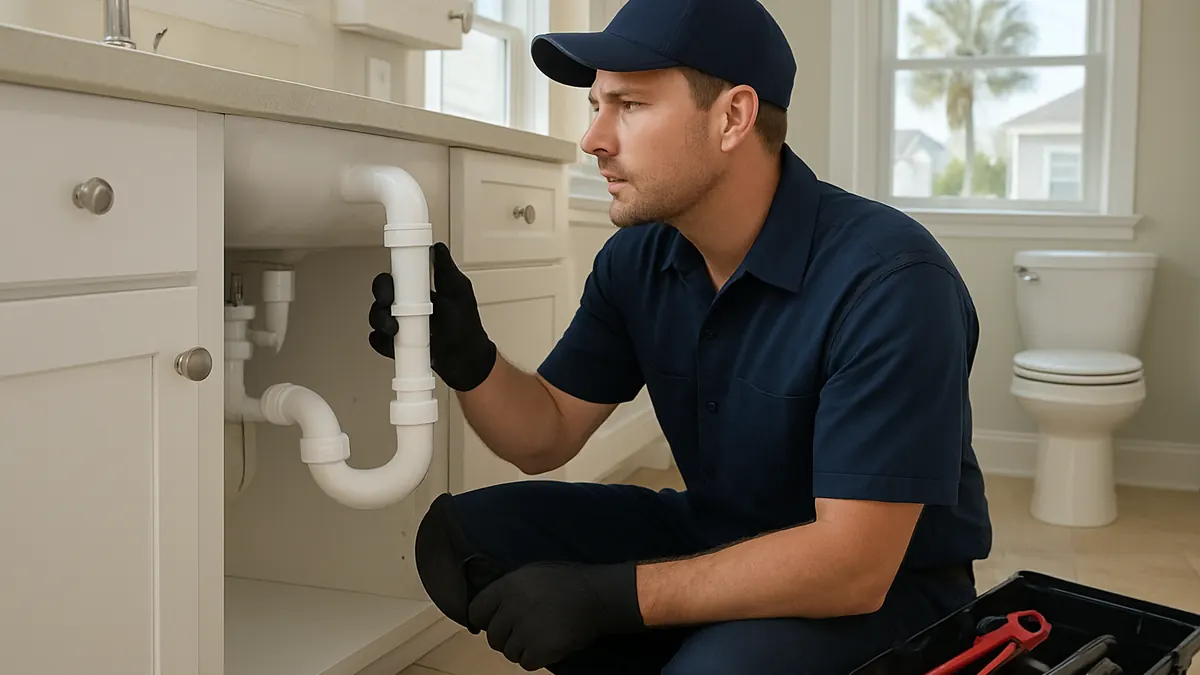
Every drain includes a trap that holds water and blocks sewer gas. If a fixture sits unused, the water can evaporate. Adding water may restore the seal, but odor with gurgling or slow drains may indicate a loose seal, venting issue, or blockage.
Water-Heater Leaks and Temperature Complaints
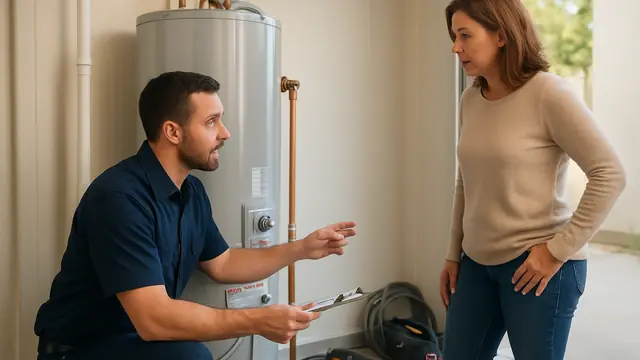
No hot water, slow recovery, or changing temperature may come from high demand, a failed thermostat or element, ignition trouble, sediment, or controls. Water near the heater may originate from a connection, valve, relief discharge, or tank. Components may be repairable, while a leaking tank generally requires replacement.
Kitchen Sink and Garbage-Disposal Failures
Grease, bones, shells, coffee grounds, fibrous foods, and excess scraps can jam a disposal or restrict the drain. If the sink fills when the dishwasher empties, the shared kitchen branch may be partially blocked.
Safe Checks the Homeowner or Manager Can Perform
Identify when the symptom occurs: during flushing, appliance use, or showering. Inspect beneath sinks, around toilets, behind accessible appliances, and near the water heater. A dry paper towel can reveal a small drip.
Observe whether the toilet moves without rocking it repeatedly. Check whether a running toilet's flapper closes. Add water to an infrequently used drain when a dry trap is suspected. One careful plunge may be reasonable for an isolated toilet clog, but stop if water rises or another fixture gurgles.
What the Homeowner Should Not Attempt
Do not use a toilet that rocks or leaks. Aggressive bolt tightening can crack porcelain or hide damaged flooring.
Do not pour chemicals into a blocked drain or mix cleaners. Avoid forcing old shutoff valves. Do not open water-heater panels, adjust gas controls, plug a relief valve, or reach inside a disposal.
Signs That Make the Problem Urgent
An uncontrolled supply leak, water entering a ceiling or wall, sewage backup, loss of all usable toilets, or an unstable leaking toilet requires prompt service.
Keep a water heater off when the tank leaks, a breaker repeatedly trips, or there is burning odor or sparking. Strong sewer odor with several slow drains can signal a backup. Keep guests away from wastewater and wet areas near electricity.
How a Licensed Plumber Diagnoses the Problem
A plumber reviews the timing and location, tests fixtures, and checks supply and drain connections. Toilet diagnosis may cover the supply, tank hardware, base seal, mounting, and floor condition. Recurring drain problems may need professional cleaning and a sewer camera.
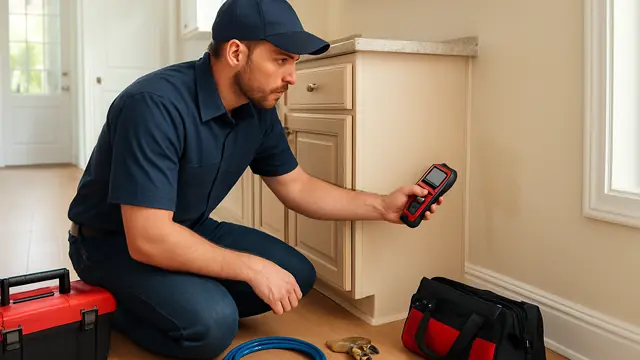
Leak diagnosis can include moisture readings, pressure testing, and line isolation. Water-heater testing may cover utility supply, heating components, controls, safety devices, and tank condition.
Repair Options Beginning With the Least Invasive
Small repairs may include a supply connector, shutoff valve, toilet flapper, fill valve, faucet cartridge, trap seal, or disposal part.
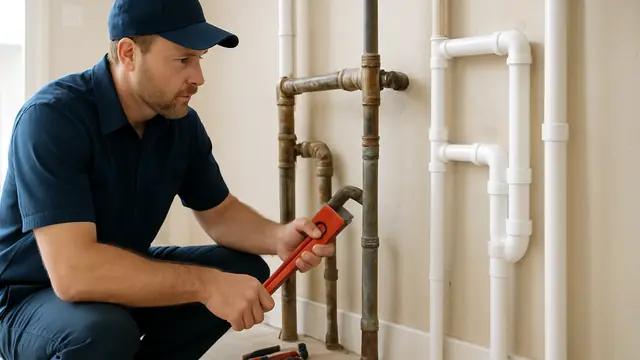
A loose toilet may be removed and reset when the connection and floor are sound. Damage must be corrected before reinstallation. A local clog may be cleared professionally; recurring restrictions may need further cleaning or camera inspection. Limited pipe damage may allow targeted repair. Water-heater components may be repairable, but a leaking tank usually needs replacement.
Typical Factors That Affect Cost
Cost depends on access, failed components, pipe condition, diagnostic time, and water damage. Hidden leaks, toilet removal, drain cleaning, camera work, cleanup, materials, and urgent scheduling increase the scope.
Prevention and Maintenance Guidance
Inspect during quiet periods and turnovers. Check for unexplained water use when no fixture should be running. Flush toilets, run faucets, fill seldom-used traps, verify drain speed, test hot water, and inspect visible hoses, supply lines, valves, and the heater area.
Give guests clear flushing, disposal, and leak-reporting instructions. Provide wastebaskets and drain strainers. Label shutoff valves and make sure managers know how to stop water safely.
Protect the Property Before the Next Guest Arrives
The most common plumbing problems for vacation rentals in Parker include visible clogs and hidden leaks that can worsen between inspections. Stop using affected fixtures, isolate water when it is safe, and arrange a licensed diagnosis when moisture, odor, recurring backups, or equipment problems cannot be clearly resolved.
About this guide: This resource provides general homeowner education, not a remote diagnosis. Actual conditions, code requirements, equipment, and safe repair options must be evaluated at the property.