Stop and call for qualified help when plumbing water is near electrical equipment, sewage is entering occupied space, gas or burning odors are present, or a repair would require opening pressurized piping.
A Springfield homeowner may call after plunging a toilet that seems to improve, only to hear the bathtub gurgle the next time the washing machine drains. Another warning is water collecting in a shower while a different fixture is in use. When several fixtures share symptoms, the obstruction may be beyond the individual toilet or sink and inside a larger drain or the main sewer line.
Limit water use immediately. Do not run laundry, the dishwasher, or several fixtures at once. If wastewater is rising through a tub, shower, toilet, or floor drain, stop using the plumbing system. Additional water has nowhere to go and may return through the lowest opening in the home.
When Drain Symptoms Point to a Larger Problem
One slow sink often has a local obstruction in the trap or nearby branch line. A toilet that bubbles when another fixture drains, several slow fixtures, or repeated whole-home stoppages suggest a restriction farther downstream.
The line may contain grease, wipes, compacted debris, a foreign object, roots, an offset joint, a crack, deformation, or collapse. A low area can also hold water and allow solids to settle.
What Happens During a Sewer Camera Inspection in Springfield?
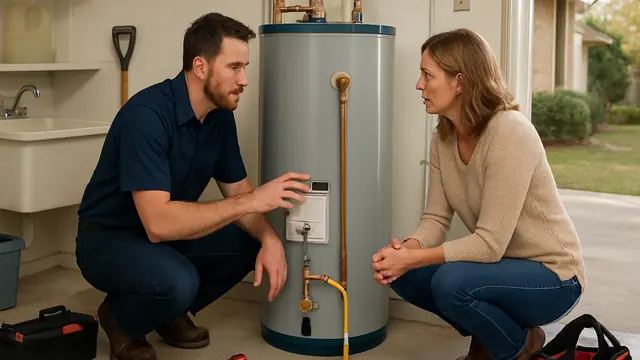
The service begins with a review of the symptoms. The plumber may ask which fixture acted up first, what was being used when the backup occurred, and whether earlier cleaning provided temporary or lasting relief.
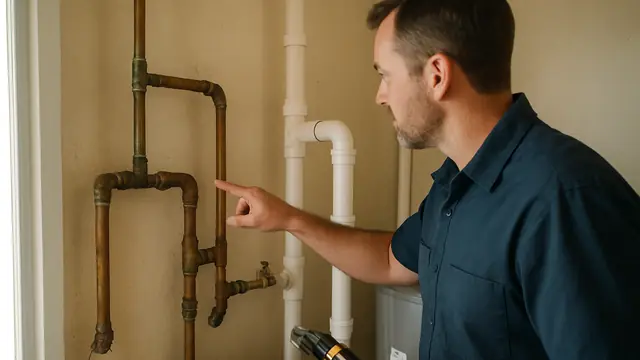
The plumber then chooses an appropriate access point. A cleanout is usually preferred because it is a capped fitting intended for drain and sewer service. If no usable cleanout exists, another approved entry may be necessary. In some cases, removing a toilet provides access to the larger drain.
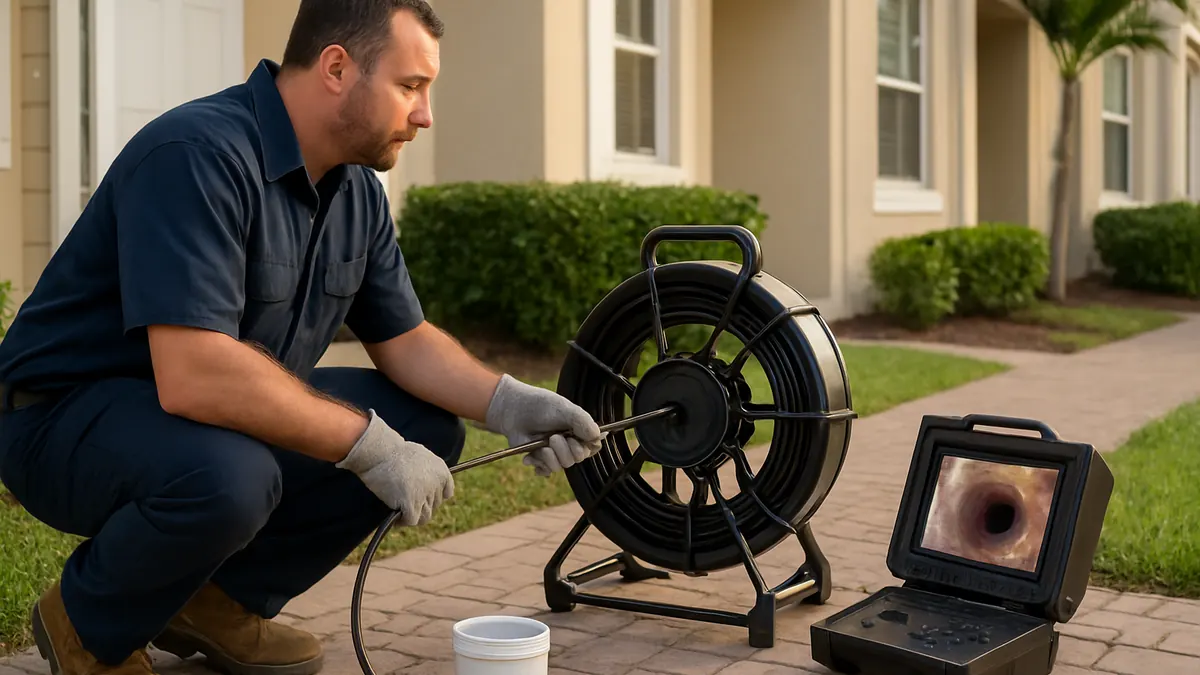
A waterproof camera is attached to a flexible cable and advanced through the pipe. The live image appears on a monitor as the plumber watches the pipe wall, connections, fittings, water level, and visible obstructions.
Grease may appear as a coating that reduces the opening. Wipes and debris may form a dense mass. Roots can enter through a crack or joint and catch additional waste. An offset joint occurs when connected pipe sections no longer line up correctly. A deformed or collapsed section may narrow or completely close the flow path.
The plumber also watches for standing water. A short wet area does not automatically prove that the pipe has failed. A longer section of water can indicate a low point where solids may collect, particularly when it matches the location of recurring clogs.
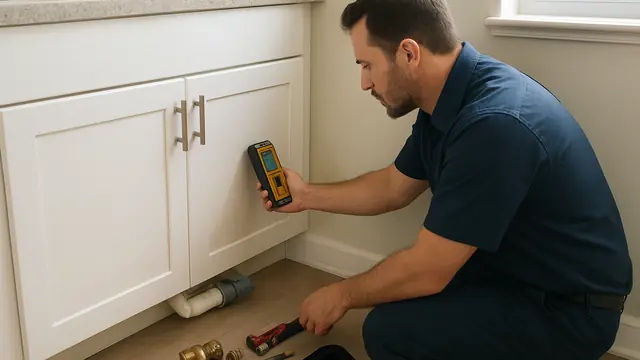
Distance markings on the cable help estimate how far the camera has traveled. Many systems include a transmitter that can be detected from above ground. A locating device helps estimate the camera's position and depth so a suspected defect can be marked for repair planning.
Why Drain Cleaning May Come Before the Camera
A camera cannot travel through every blockage, and it cannot produce a useful picture when the lens is buried in debris or dirty standing water. The plumber may need to open and clean the line before completing the inspection.
Depending on the obstruction and pipe condition, cleaning may involve a professional cable machine or controlled water jetting. Once flow is restored, another camera pass can show whether the pipe is intact or whether roots, damage, or poor drainage contributed to the clog.
Safe Checks Before the Appointment
Write down which fixtures are affected and what causes the symptoms. Note whether the problem becomes worse after laundry, several showers, or repeated toilet flushing.
Look for a visible cleanout, but do not loosen the cap. Moisture, wastewater, staining, or a strong sewage odor around the cleanout should be reported.
What a Homeowner Should Not Attempt
Do not repeatedly flush toilets or run faucets to test an active backup. Each test adds more wastewater behind the restriction.
Avoid pouring multiple chemical drain products into the system. Chemical cleaners may not reach a main-line obstruction and can expose the plumber to hazardous liquid when the drain is opened.
Do not operate a rented power snake without training. A rotating cable can catch clothing, injure hands, damage fittings, or become lodged in the pipe.
Never remove a cleanout cap when the system may be backed up. Sewage can discharge suddenly and forcefully.
Warning Signs That Require Prompt Service
Stop all water use when raw sewage enters the home, several fixtures will not drain, or wastewater rises through the lowest tub, shower, or floor drain. Overflow around a cleanout is also urgent.
A toilet that overflows when another fixture is used indicates that the problem is probably downstream of both fixtures. Keep people and pets away from contaminated areas.
How a Licensed Plumber Confirms the Cause
The plumber compares the video with the symptoms, the measured distance, the flow of water, and any resistance encountered during cleaning. A responsible diagnosis does not depend on one unclear image.
The plumber should show or describe the evidence, identify the approximate location, and explain why the recommended repair is appropriate.
Repair Options Beginning With the Least Invasive
Professional cleaning may be enough when the camera shows removable buildup or debris and the pipe remains structurally sound. Root cutting can reopen a line, but the point where the roots entered may still need attention.
A small damaged area may qualify for a spot repair. This approach corrects one section rather than replacing the entire line when the remaining pipe is serviceable.
Trenchless rehabilitation may be considered for certain pipes that can be properly cleaned and prepared. It can reduce excavation, but it cannot correct every collapse, major offset, or severely deformed section.
Traditional excavation may be necessary when a section has failed structurally. Complete replacement is generally considered when defects are widespread, the line has repeated failures, or limited repairs would not be dependable.
Typical Factors Affecting Cost
Cost depends on the access point, length of line inspected, blockage severity, cleaning requirements, pipe depth, material, and location of the defect.
A repair beneath concrete, finished flooring, landscaping, or a driveway can require more access and restoration. Permits, excavation, disposal, materials, and surface repairs may also affect the scope.
Prevention and Maintenance Guidance
Keep grease, wipes, paper towels, hygiene products, food scraps, and foreign objects out of drains. A product labeled flushable can still remain intact long enough to catch on buildup or an imperfect joint.
Respond when several drains begin slowing instead of waiting for a total stoppage. If roots, deposits, or standing water are documented, ask whether periodic cleaning or another inspection is appropriate.
Springfield Homeowner FAQs
Is a sewer camera inspection the same as locating a clog?
The camera may show and help locate a clog, but the inspection also evaluates the pipe behind and around it when visibility allows.
Can the camera go through a completely blocked line?
Usually not. The plumber may need to open or clean the line before the camera can continue.
Will a sewer camera show a broken pipe?
It can show many cracks, separations, deformed areas, and collapses visible from inside the pipe. Conditions outside the pipe may require additional testing.
Is full replacement required if roots are found?
No. The extent of root intrusion, the entry point, and the overall pipe condition determine whether cleaning, spot repair, rehabilitation, or replacement is reasonable.
Should I request a camera inspection after repeated drain cleaning?
Yes, it can be useful when the same problem returns because the inspection may reveal why cleaning has not provided a lasting result.
Schedule a Sewer Camera Inspection in Springfield
What happens during a sewer camera inspection in Springfield is a structured diagnosis that begins with the homeowner's symptoms and ends with evidence-based repair choices. The plumber accesses the line, views the interior, locates meaningful conditions, and recommends the least invasive reasonable solution.
If sewage is backing up or several fixtures have stopped draining, stop using water and arrange professional service promptly. Early diagnosis can limit contamination, reduce property damage, and help prevent another unexpected stoppage.
About this guide: This resource provides general homeowner education, not a remote diagnosis. Actual conditions, code requirements, equipment, and safe repair options must be evaluated at the property.