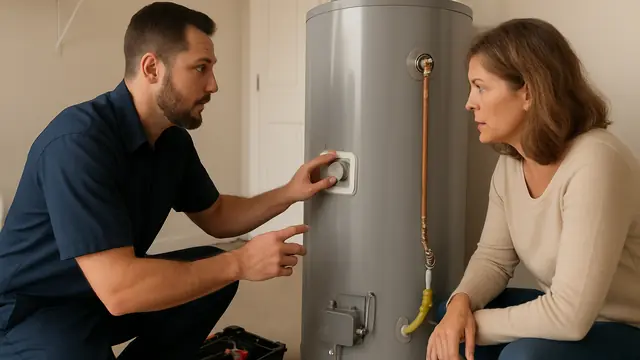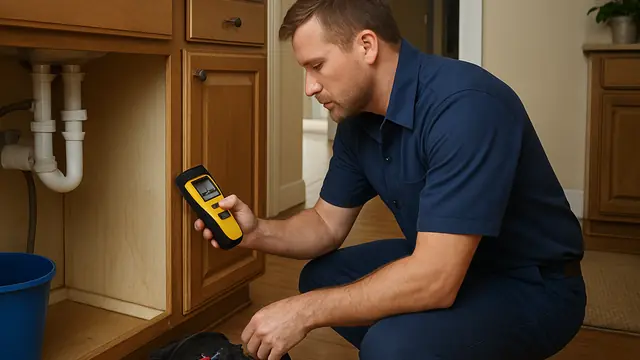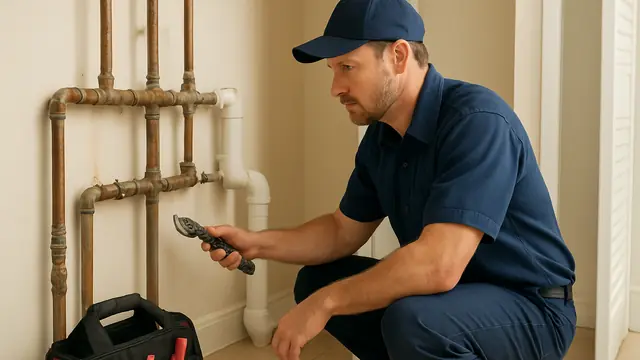
Stop and call for qualified help when plumbing water is near electrical equipment, sewage is entering occupied space, gas or burning odors are present, or a repair would require opening pressurized piping.
The problem may begin during an ordinary morning. One person showers, another flushes, and a nearby toilet starts gurgling. Later, wastewater rises in a bathtub when the washing machine drains. When fixtures in separate rooms affect one another, the problem is probably not a single clogged trap. Multiple drains backing up in an Upper Grand Lagoon property usually indicate a restriction in a shared drain or building sewer.
Stop using plumbing fixtures immediately. Pause laundry and dishwashing, do not take another shower, and avoid flushing toilets. A line with only a small opening may appear to drain slowly, but one more high-volume discharge can cause sewage to overflow. If contaminated water is already present, keep occupants and pets away and avoid touching it.
The Difference Between One Clog and a Shared-Line Backup
An isolated sink, shower, or toilet clog normally leaves other fixtures working. A shared-line problem creates connected symptoms: flushing changes another toilet's water level, a washer fills a shower, or several drains slow together.
The backup often appears at the lowest available drain. Wastewater that cannot continue toward the sewer may move backward and rise through a shower, tub, or floor drain.
Signs That Require Immediate Attention
Arrange prompt service if sewage enters a room, every toilet is unusable, or wastewater approaches flooring, drywall, cabinets, electrical outlets, appliances, or HVAC equipment.
Strong sewage odors, dark drain water, wastewater outside, or a backup affecting several areas also require quick action. Receding water does not prove the obstruction or defect is gone.
Common Causes of Multiple Drain Backups
Paper, Waste, and General Buildup
A shared drain can narrow as paper, waste, hair, soap residue, food particles, and debris collect. A small opening may pass faucet flow but fail during laundry, bathing, or simultaneous use.
Flushed Wipes and Household Materials
Wipes, paper towels, hygiene products, cotton items, and diapers do not disperse like toilet paper. They can catch at a joint and form a larger blockage.
Grease in the Drainage System
Cooking grease can travel beyond the sink while warm and then cool against the pipe wall. Food and detergent residue attach to the sticky surface, reducing the line's capacity.
Root Intrusion
Roots can enter through a crack or separated connection and catch paper and waste. Cutting them may restore service, but the damaged entry point can allow their return.
A Low, Offset, or Damaged Pipe Section
A drain line needs proper slope. Low areas hold wastewater, shifted joints catch debris, and cracks or collapse can cause repeated backups.
A Septic or Downstream Restriction
With septic service, a full tank or restricted outlet can slow every drain. With sewer service, the problem may be in the private lateral or farther downstream. Diagnosis identifies the responsible section.
Safe Checks Before Professional Service
Write down which fixtures are affected and what activity triggers the symptoms. Note whether the problem follows laundry, a toilet flush, kitchen use, or several showers.
Look at the lowest shower, tub, or floor drain for standing water. Do not repeat a flush or run additional water once you have confirmed the pattern.
If a sewer cleanout is visible, note its location but leave the cap closed because wastewater may spill suddenly. Ask occupants when symptoms began and whether an unusual item may have been flushed.
What the Homeowner Should Not Attempt
Do not pour chemical drain opener into multiple fixtures. It cannot remove structural damage, a large root mass, or a foreign object, and the chemical may remain trapped behind the blockage.
Do not keep plunging different toilets or sinks. Pressure applied at one opening can force contaminated water into another fixture.
Do not use a large rental drain machine without training. Sewer cables can bind, twist, damage piping, or cause serious injury. Avoid removing a toilet, opening a full cleanout, or climbing onto the roof to inspect a vent.
How a Licensed Plumber Diagnoses the Cause
The plumber compares the affected fixtures and lowest backup point to determine whether the restriction is in a branch, building drain, or sewer lateral.
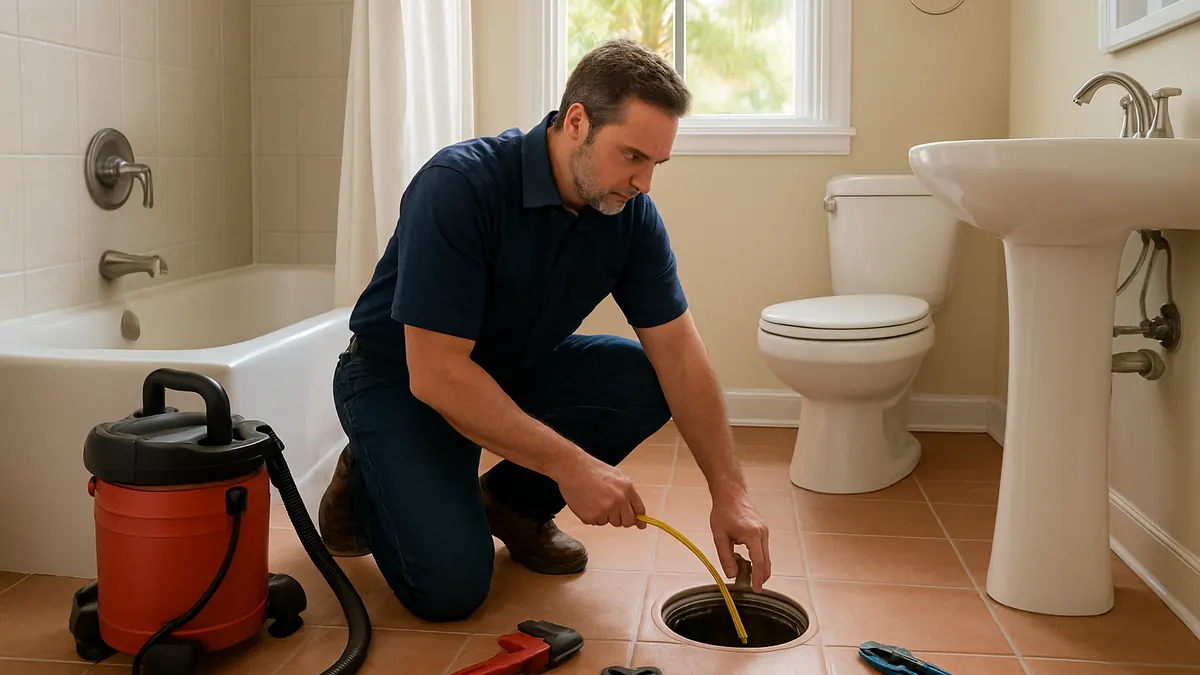
Accessible cleanouts are located, and professional cable equipment may be used to restore flow. The technician selects the cable and cutting attachment according to the pipe size and suspected obstruction.
Hydro jetting may be considered when grease or residue coats a long section. Controlled high-pressure water cleans the pipe walls, but suspected structural damage should be evaluated first.
Once water drains, a sewer camera may reveal roots, cracks, separated joints, offsets, objects, low sections, or standing water. These findings separate ordinary clogs from structural problems.
Repair Options Starting With the Least Invasive
Professional cabling is often the first reasonable repair for a removable obstruction. If the line is sound and the blockage is fully cleared, no excavation may be required.
Hydro jetting can remove widespread grease or residue rather than simply piercing it. Root cutting may reopen a root-filled pipe, although a recurring entry point may need monitoring or repair.
A localized crack, offset joint, or failed connection may be corrected with a spot repair. Depending on the material, access, and condition, a trenchless method may reduce the amount of excavation.
Full replacement is generally considered when a line has collapsed, deterioration is extensive, several sections have failed, or repeated cleaning provides only temporary relief. A replacement recommendation should be based on documented pipe condition.
Typical Factors Affecting Cost
The cost depends on the obstruction's location, severity, pipe diameter, line length, cleanout access, and equipment required. Service through an accessible cleanout is different from reaching piping beneath a slab or finished surface.
Other factors include camera inspection, jetting, root cutting, locating, excavation, permits, materials, and restoration. Ask whether the proposal covers clearing, diagnosis, permanent repair, or a combination.
Prevention and Maintenance Guidance
Flush only toilet paper and human waste. Wipes, paper towels, hygiene products, cotton items, diapers, and household trash belong in a wastebasket. Keep grease and cooking oil out of kitchen drains, and use screens to catch food and hair.
Watch for connected symptoms such as toilet bubbling during laundry, a shower slowing during flushing, or recurring sewer odors.
If camera inspection documents roots, buildup, a low section, or damaged pipe, follow the recommended maintenance or repair plan. Addressing a known condition is safer than waiting for the next high-volume use to produce an overflow.
Act Before Multiple Drains Back Up Again
Multiple drains backing up in Upper Grand Lagoon mean a shared drainage path is not moving wastewater correctly. Stop using water, avoid chemicals and unsafe drain equipment, and arrange a professional evaluation. The right solution may be basic clearing, hydro jetting, root management, a targeted repair, or full replacement only when the documented condition of the line supports it.
About this guide: This resource provides general homeowner education, not a remote diagnosis. Actual conditions, code requirements, equipment, and safe repair options must be evaluated at the property.