Stop and call for qualified help when plumbing water is near electrical equipment, sewage is entering occupied space, gas or burning odors are present, or a repair would require opening pressurized piping.
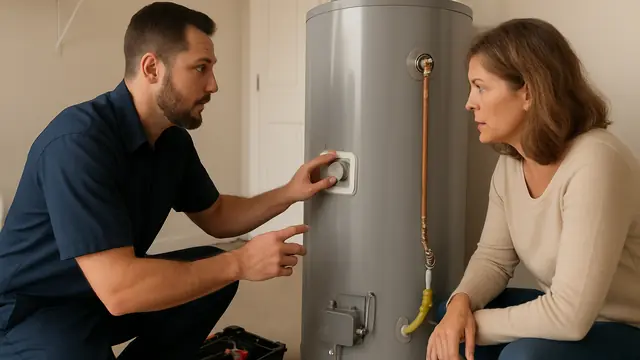
The first guest takes a shower, the second guest gets only lukewarm water, and the property manager then notices moisture near the water heater. That combination should not be dismissed as ordinary heavy use. The heater may be struggling to recover, but the moisture could also indicate a leaking connection, valve, or tank. Ask guests to stop using hot water, keep them away from the equipment area, and shut off the heater's water supply or the home's main water supply if an active leak can be isolated safely. Electrical or gas controls should be left alone unless the person responding is qualified.
Vacation rentals can move quickly from empty to fully occupied, exposing weaknesses that a short inspection may miss.
What Are the Most Common Plumbing Problems for Vacation Rentals in Upper Grand Lagoon?
Water-Heater Shortages, Leaks, and Shutdowns
A shortage of hot water may come from high demand, but it can also result from a failed heating element, thermostat problem, ignition or burner issue, control failure, sediment, or a damaged mixing valve. Water that never heats suggests a service problem; water that cools during several showers may involve capacity, recovery, or a failed component.
Water near the heater can come from a supply fitting, drain valve, temperature-and-pressure relief valve, nearby pipe, or the tank itself. A leaking connection or replaceable component may be repairable. Water escaping through the tank body usually means the tank has failed and replacement is needed.
Clogged Showers, Tubs, and Bathroom Sinks
Hair, soap residue, toothpaste, personal-care products, and small objects collect in bathroom drains. Standing water can cross a shower threshold or create a slip hazard.
Multiple slow fixtures, toilet gurgling, or water rising in a tub suggests a shared restriction.
Toilet Clogs and Running Tank Components
Rental toilets may receive wipes, paper towels, hygiene products, excessive paper, or objects that should never be flushed.
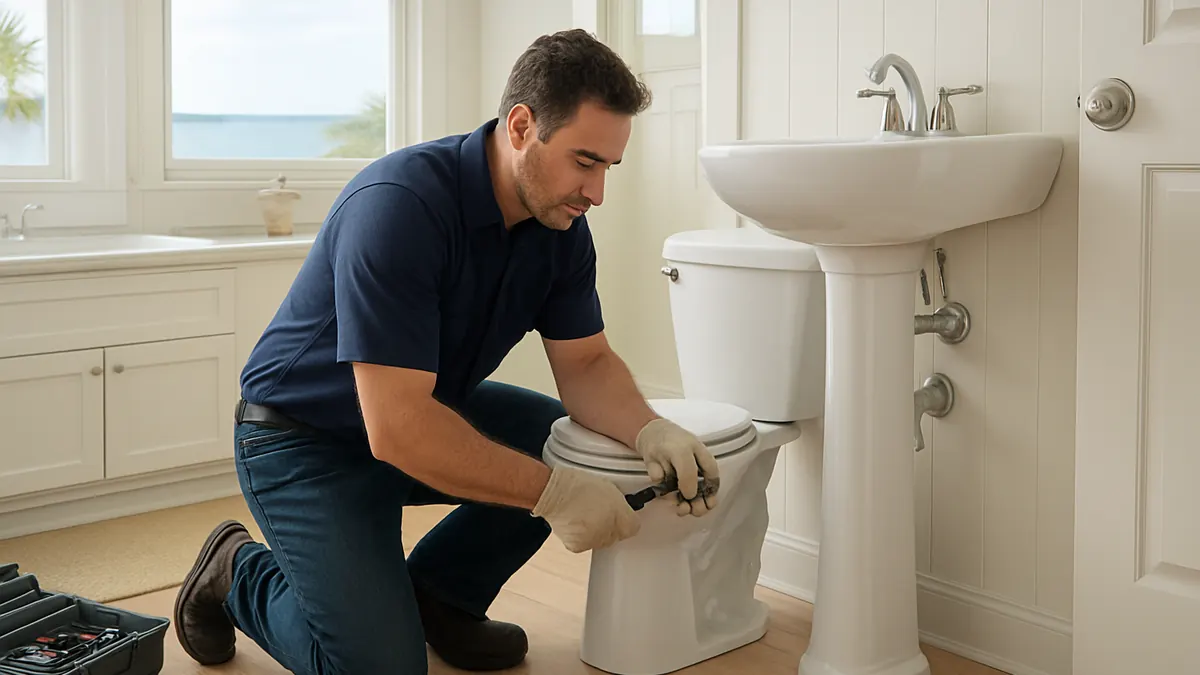
A running toilet often has a worn flapper, faulty fill valve, or incorrect tank level. Water at the base can come from the supply connector, tank hardware, failed floor seal, condensation, or a cracked fixture.
Kitchen Sink and Garbage-Disposal Problems
Cooking grease, coffee grounds, rice, shells, bones, fibrous vegetables, and excess leftovers can restrict the kitchen drain or jam the disposal. A humming disposal should be switched off to avoid motor damage.
If the sink fills when the dishwasher empties, the dishwasher may be discharging into a partially restricted kitchen branch.
Appliance and Concealed Supply Leaks
Dishwashers, washing machines, refrigerators, toilets, and faucets depend on small supply lines, valves, and drain connections. A leak behind an appliance may continue unnoticed until flooring changes color, cabinetry swells, baseboards soften, or an odor develops.
Multi-Fixture Drain Backups
Water entering a shower or tub when a toilet flushes, laundry drains, or another fixture runs usually indicates a shared-line restriction.
Safe Checks Owners and Managers Can Perform
- First identify whether the issue affects one fixture or several. Inspect visible connections beneath sinks, behind accessible appliances, around toilets, and near the water heater.
- For a running toilet, remove the tank lid and see whether the flapper closes. For a slow shower, remove only visible hair from an accessible strainer.
- One careful attempt with a flange plunger may be reasonable for an isolated toilet clog when no other fixture is reacting. Stop if the bowl rises or another drain gurgles.
- Confirm whether an electric water heater has power, but do not repeatedly reset a tripping breaker.
What the Homeowner Should Not Attempt
- Do not pour chemical drain cleaner into a toilet, disposal, or multi-fixture backup. Chemicals may remain in standing water and expose guests or service personnel.
- Do not continue running showers, laundry, or the dishwasher when wastewater is appearing in another fixture. Additional water can worsen the backup.
- Never reach into a garbage disposal.
Avoid opening water-heater electrical panels, adjusting gas controls, disabling a relief valve, or repairing equipment while standing in a wet area. Do not force a corroded shutoff valve that will not move.
Signs That Make the Problem Urgent
Sewage inside the rental, an uncontrolled supply-line leak, water flowing through a ceiling, or complete loss of usable toilets requires prompt service. Stop plumbing use and keep guests away from contaminated or slippery areas.
A water heater should remain out of service when the tank is actively leaking, the breaker repeatedly trips, or there is a burning odor, sparking, or unusual electrical activity.
Strong sewer odor with gurgling or rising water can warn of a developing backup.
How a Licensed Plumber Diagnoses the Cause
A licensed plumber uses the order and location of symptoms to identify the affected part of the system.
Drain diagnosis may include testing fixtures individually, accessing a cleanout, and using professional drain-cleaning equipment. A sewer camera may be recommended when clogs return, an object is suspected, or the condition of the line needs to be viewed.
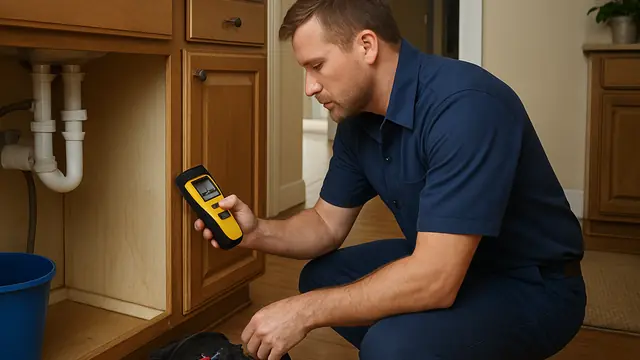
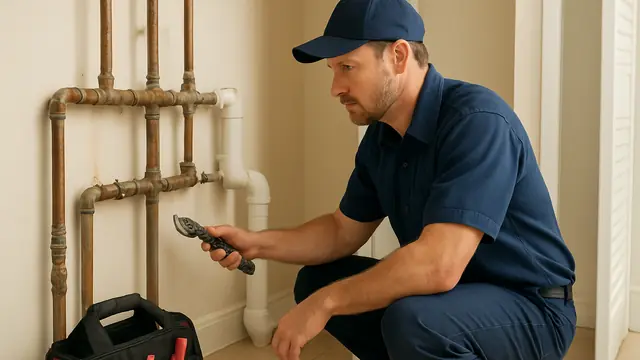
Leak diagnosis can include visual inspection, moisture detection, pressure testing, and isolation of fixtures or piping sections. Water-heater diagnosis may include testing utility supply, thermostats, heating elements, ignition components, controls, safety devices, hot-water output, and tank condition.
Repair Options Beginning With the Least Invasive
The simplest reliable repair may be replacing a toilet flapper, fill valve, supply line, faucet cartridge, trap seal, appliance hose, or disposal component. A local clog may be removed without replacing piping.
Deeper drain restrictions may require mechanical cleaning. If the problem returns, more thorough cleaning or camera inspection can identify whether a targeted pipe repair is needed.
Water-heater repairs may include replacing a thermostat, element, valve, ignition part, or leaking connection. Replacement becomes the reasonable choice when the tank itself leaks or the unit cannot be restored to dependable operation.
Typical Factors That Affect Repair Cost
Cost varies with the location of the failure, access, diagnostic work, equipment required, pipe or fixture condition, and the extent of water damage. Fixture removal, camera inspection, cleanup, wall access, replacement materials, and urgent scheduling can affect the final scope.
Prevention and Maintenance Guidance
Perform a functional plumbing check during every turnover. Run each faucet, observe shower and sink drainage, flush every toilet, confirm that tanks stop filling, and verify hot-water recovery rather than checking only whether the water becomes warm.
Inspect beneath cabinets and around toilets, appliances, and the water heater. Replace connectors that show corrosion, cracks, swelling, or leakage.
Give guests concise instructions about what can be flushed and what should stay out of the disposal. Use drain strainers and bathroom wastebaskets. Label the main shutoff and fixture valves, and give cleaners and managers a written emergency procedure.
Document recurring complaints by date and fixture so patterns can be diagnosed.
Restore Reliable Plumbing Before Full Occupancy
The most common plumbing problems for vacation rentals in Upper Grand Lagoon often become visible only when the property returns to full use. Stop water use during multi-fixture backups, isolate active leaks when safe, and obtain licensed diagnosis when hot-water trouble, recurring clogs, or hidden moisture cannot be clearly resolved.
About this guide: This resource provides general homeowner education, not a remote diagnosis. Actual conditions, code requirements, equipment, and safe repair options must be evaluated at the property.