Stop and call for qualified help when plumbing water is near electrical equipment, sewage is entering occupied space, gas or burning odors are present, or a repair would require opening pressurized piping.
A Wright homeowner may have already paid to clear a drain, only to hear the same gurgling return a few weeks later. The toilet may flush, but the water level moves strangely. The shower may drain until someone starts the washing machine, and then wastewater appears at the lowest opening. Repeated symptoms usually mean the blockage was only part of the story.
The safest response is to limit water use until the line is evaluated. Avoid laundry, dishwashing, long showers, and repeated flushing when water is rising in another fixture. If sewage enters the home, stop using the plumbing system and keep people and pets away from contaminated surfaces.
A sewer camera inspection allows a licensed plumber to examine accessible piping from the inside. The goal is to identify the restriction, locate it, and choose a repair that matches the condition.
What Happens During a Sewer Camera Inspection in Wright?
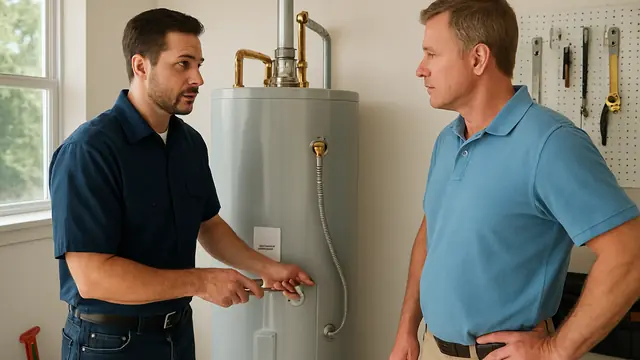
The appointment begins with questions about the symptoms. The plumber needs to know which fixtures are affected, what triggers the problem, how often it returns, and whether previous cleaning or repairs were performed.
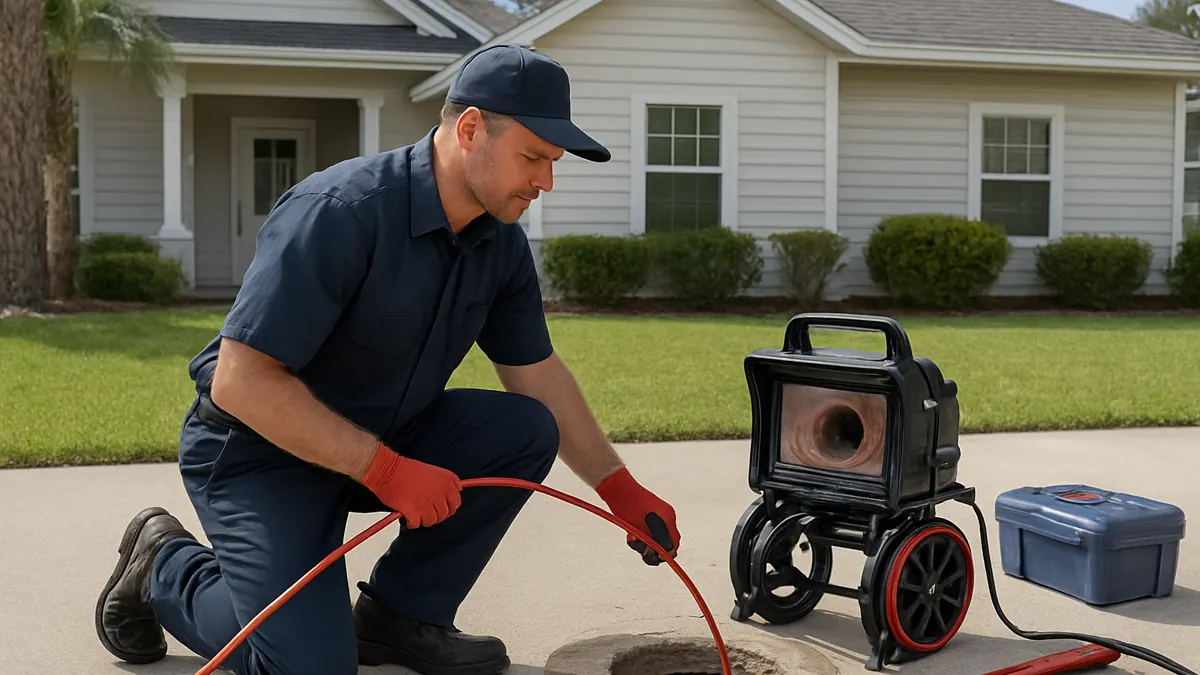
An exterior cleanout is often preferred, although another approved opening may be used. A flexible cable with a waterproof camera and built-in light is fed into the pipe while live video appears on a monitor.
The plumber examines pipe walls, joints, deposits, standing water, and visible damage. A transmitter may be located above ground to estimate the position and depth of an important finding.
The camera does not repair the line. It provides evidence for the next decision.
What Homeowners Often Notice Before the Inspection
A Recently Cleared Clog Returns
A cable may create an opening through a blockage without removing all buildup or correcting the defect that catches debris. A camera can show why the stoppage formed again.
A Toilet and Shower React Together
When flushing a toilet causes bubbling or rising water in a nearby shower, the fixtures may share a restricted drain downstream.
Drainage Changes During Busy Periods
A partially open line may handle one sink but fail when several fixtures release water quickly. This can make the problem seem unpredictable.
Sewer Odor Appears With Slow Drainage
Recurring odor combined with gurgling, slow drains, or backups can justify a broader drainage evaluation.
What the Sewer Camera May Find
- The video may show paper, wipes, grease, sludge, or a foreign object narrowing the pipe.
- Roots may enter through a crack, separated joint, or other opening. Removing roots can restore flow, but the entry point may remain and allow regrowth.
- An offset joint is a connection where one section of pipe has moved out of alignment with the next. The interior edge can catch solids and lead to repeated clogs.
- The plumber may also find cracks, corrosion, deformation, or collapse. Standing water can indicate a low section, inadequate slope, or obstruction farther downstream.
- A stain or rough area is not automatically the cause. The plumber should relate the image to the symptoms and flow behavior.
Safe Checks Before Service
- Identify whether one fixture or several areas are affected. Note the first symptom and what triggers it, such as laundry or a toilet flush.
- Observe the lowest tub or shower only until water begins to rise. Continuing to test can create an overflow.
- Locate an exterior cleanout if one is visible, but do not remove the cap during an active backup. Wastewater may escape quickly from a full line.
What a Homeowner Should Not Attempt
- Do not repeatedly pour chemical drain cleaner into a recurring blockage. Chemicals can remain trapped and create a hazard when the plumber opens or cleans the line.
- Do not mix drain products. Chemical combinations may produce heat, fumes, or dangerous splashing.
- Do not operate a rented main-line cable or high-pressure cleaning machine without training. The equipment can bind, break, damage fragile pipe, or injure the operator.
- Do not approve unnecessary demolition based only on where sewage surfaced. Wastewater commonly appears at the lowest opening, which may be far from the actual defect.
When a Drain Problem Requires Urgent Attention
An indoor sewage backup is urgent. Stop using the plumbing system, prevent contact, and keep contaminated water from spreading to additional rooms.
Call promptly when every toilet is affected, wastewater rises whenever any fixture is used, or the backup threatens floors, cabinets, walls, or electrical equipment.
A stoppage that returns immediately after professional cleaning also needs timely investigation. Other warning signs include visible sewage leakage, a sudden loss of drainage throughout the home, or evidence suggesting that a pipe has collapsed.
How a Licensed Plumber Reaches a Diagnosis
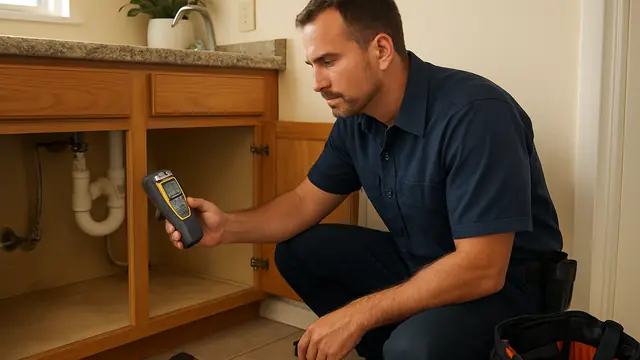
The plumber first determines whether the symptoms point to a local branch or a larger shared line. Selected fixtures may be tested carefully.
If a blockage prevents the camera from traveling, professional cleaning may be required first. Heavy deposits may also need removal so the pipe walls can be evaluated.
The plumber advances the camera at a controlled speed and pauses at significant findings. Video or still images may be recorded. Cable length gives an approximate distance, and a locating receiver can help identify the camera position above ground.
The final explanation should separate confirmed evidence from possibilities. A camera cannot inspect every branch or prove every leak, so additional tests may be appropriate.
Repair Options Beginning With the Least Invasive
A simple obstruction in sound pipe may be removed with professional cabling. If buildup coats the pipe, a more thorough cleaning method may be selected based on the pipe material and condition.
- A foreign object may sometimes be retrieved through an existing access point. Roots may be cut to restore service, followed by repair of the opening when appropriate.
- A short cracked, separated, or offset section may be repaired locally. A trenchless method may be considered when the pipe, route, and access are suitable.
- Partial replacement may address several nearby defects. Complete replacement becomes reasonable when deterioration is widespread or collapse prevents dependable flow.
Typical Factors Affecting Cost
Inspection cost depends on access, line length, blockage severity, and whether cleaning is required first. Without a suitable cleanout, a toilet may need to be removed and reset.
Repair cost is affected by the defect's location, depth, length, pipe material, repair method, and required surface restoration. A written estimate should explain whether permits, locating, cleanup, restoration, and follow-up inspection are included.
Prevention and Maintenance Guidance
- Flush only human waste and toilet paper. Wipes, paper towels, hygiene products, cotton swabs, dental floss, and household trash should go into a waste container.
- Keep fats, oils, and grease out of kitchen drains. Grease can cool inside a pipe and capture other debris.
- Use strainers and address recurring slow drainage early. Keep camera footage and repair records for future comparison.
Stop Treating the Same Symptom Repeatedly
What happens during a sewer camera inspection in Wright is a fact-finding process. The plumber reviews the pattern, obtains access, cleans the line when necessary, records what is visible, locates important findings, and explains repair choices beginning with the least invasive reasonable option. If a blockage returns after cleaning or several fixtures react together, reduce water use and schedule a professional evaluation before another backup reaches the home.
About this guide: This resource provides general homeowner education, not a remote diagnosis. Actual conditions, code requirements, equipment, and safe repair options must be evaluated at the property.