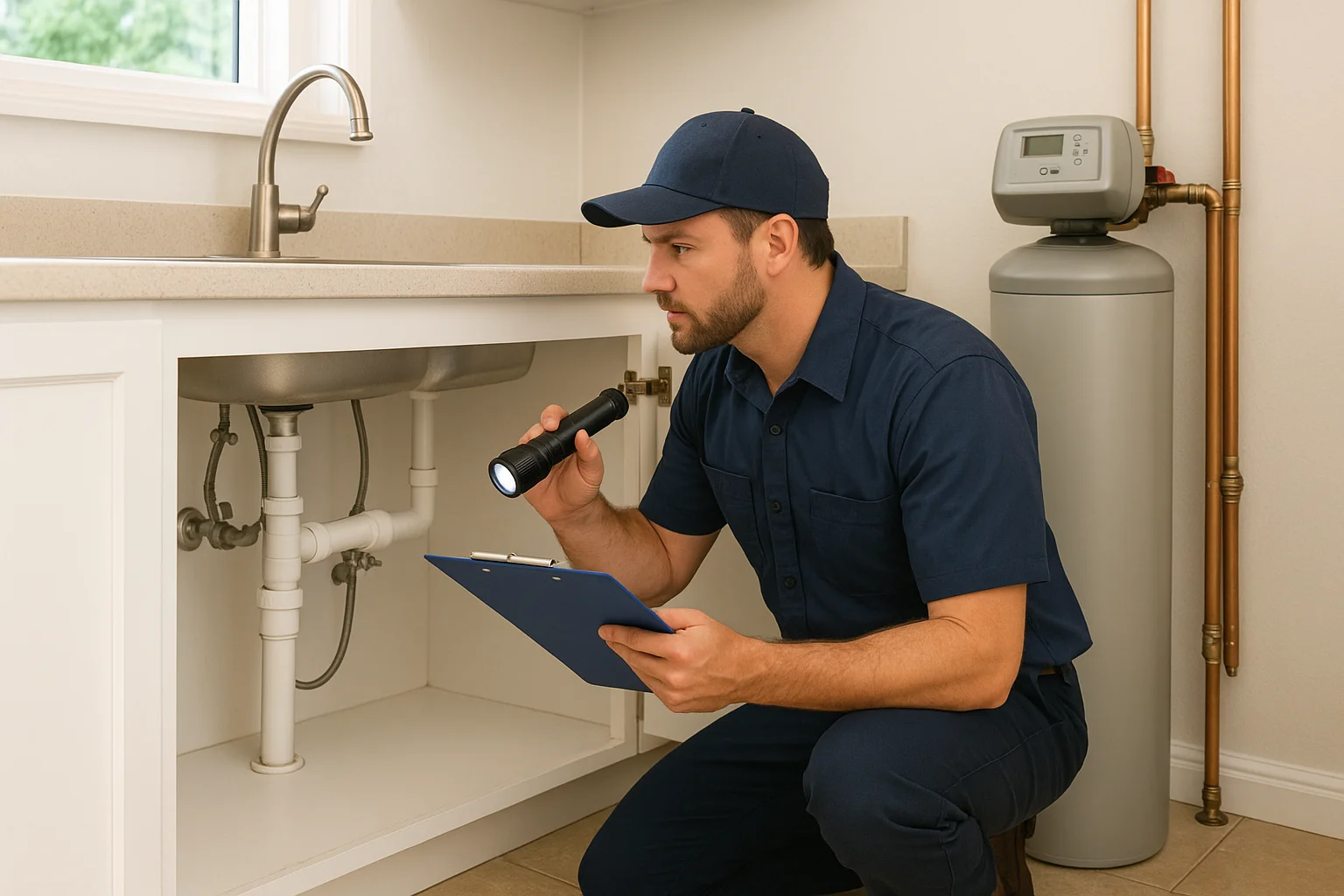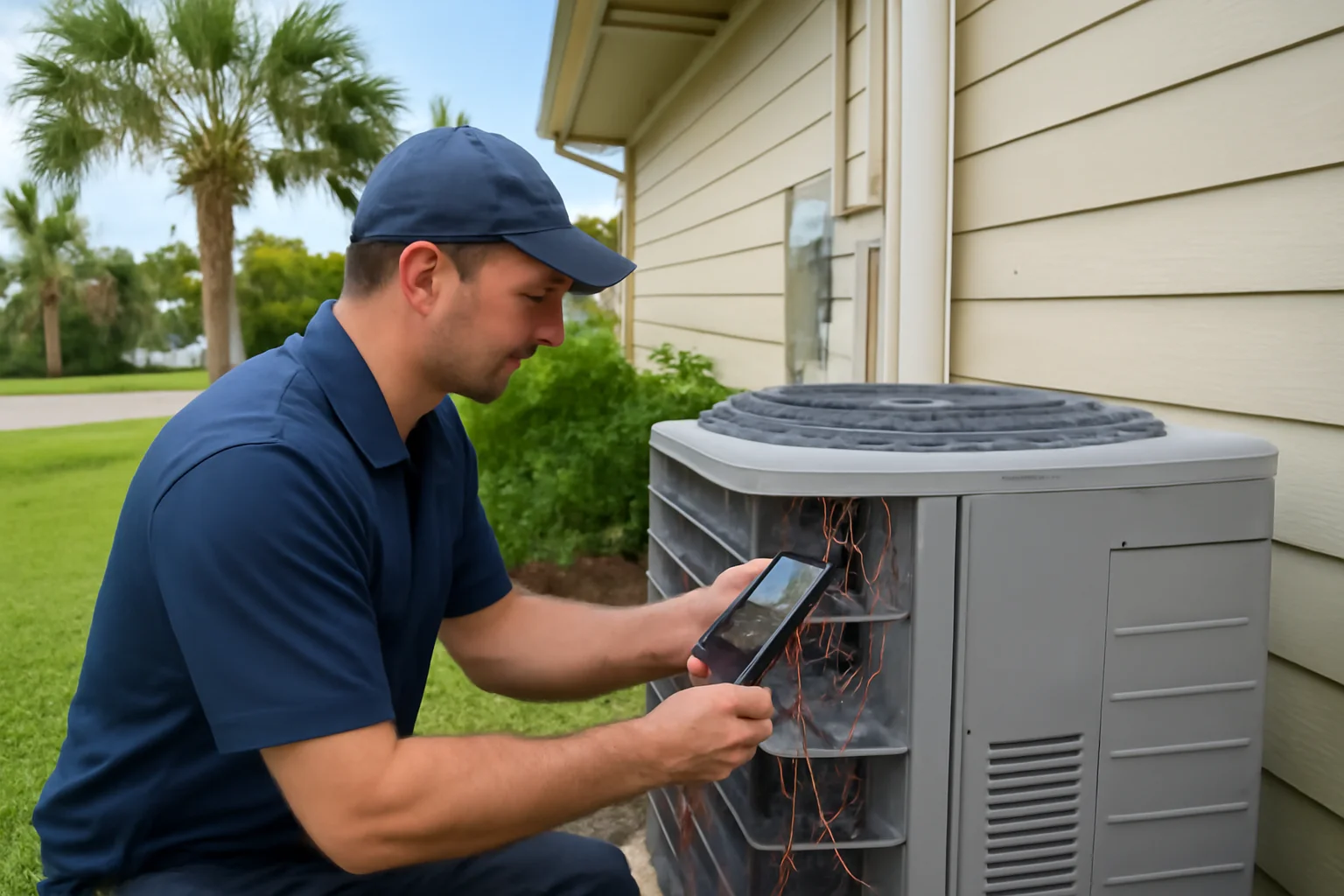
Ocean City, FL is beautiful, but the air inside your home can be just as demanding as the weather outside. Salt air, coastal humidity, and summer heat put extra stress on HVAC systems and ductwork. If you have an older home, you may also be dealing with aging insulation, leaky ductwork, or ventilation that has not kept up with modern comfort needs. If you have a newer build, you might still face indoor air quality challenges from tightly sealed spaces, HVAC airflow patterns, or changes in how the home is used.
Planning ahead for indoor air quality testing in Ocean City, FL helps you catch problems before they become emergency cooling concerns. It also makes HVAC repair decisions more informed, whether you are scheduling air conditioning service, planning system replacement, or focusing on preventive HVAC maintenance.
Why indoor air quality testing needs a schedule in Ocean City
Indoor air quality testing is not a one-time checkbox. It is a practical way to understand how your HVAC system, ductwork, and home environment work together. Ocean City homes often experience cycles of high humidity and warm temperatures, which can affect:
- Moisture levels inside the home and in ductwork, which can contribute to musty odors and irritants.
- Airflow and pressure balance, which influence how well air is delivered to rooms.
- Filtration performance and whether air filtration matches the way the home is operating.
- Ventilation and how outdoor air mixes with indoor air.
Older and newer homes can have different root causes, but the goal is the same: healthier indoor air and HVAC comfort that does not rely on guesswork.
Start with your home type: older homes versus newer builds
Older Ocean City homes: common air quality pressure points
In older homes, indoor air quality issues often show up where HVAC airflow meets age and wear. Homeowners may notice:
- Rooms that feel stuffy or colder than expected, suggesting airflow imbalance or ductwork issues.
- Condensate drainage concerns, especially around older equipment or where drain lines have accumulated debris.
- Musty smells that feel worse during humid stretches, which can be linked to moisture management and air movement.
- Thermostat behavior that seems “off,” such as short cycling or inconsistent temperature recovery.
Even if the AC runs, indoor air quality can still be affected by how air is routed through ductwork, how well humidity is controlled, and whether the system is operating as intended.
Newer Ocean City homes: tighter construction can change indoor air
Newer builds can be more energy efficient, but tightly sealed homes can also change how air moves and how moisture is handled. Homeowners may see:
- Higher indoor humidity during certain seasons if the system and airflow are not tuned to the home.
- Air filtration and ventilation mismatches, especially if the home is used differently than it was designed.
- Comfort complaints that look like “AC problems,” but are actually related to airflow distribution, ductwork design, or system operation under different thermostat settings.
Testing helps confirm whether the refrigerant system is being supported by the right airflow and controls, because indoor air quality is rarely about a single component.
Build a testing timeline around Ocean City’s weather
Ocean City heat and humidity tend to create predictable indoor air quality stress. A smart plan uses that reality instead of waiting for symptoms to worsen.
Spring: baseline checks before peak humidity
Spring is a good time to schedule indoor air quality testing and HVAC maintenance planning. It gives you a baseline before the hottest, most humid weeks. If you are also scheduling ductwork services or evaluating filtration options, spring testing can help you target the areas that matter most.
Mid-summer: confirm humidity control and airflow performance
During mid-summer, humidity control becomes the headline issue. Testing in this window can help you understand whether your system is maintaining comfort without leaving excess moisture behind. It also helps you verify that airflow is reaching the spaces you care about, which can influence comfort and energy use.
Fall: prepare for seasonal shifts and indoor air comfort
Fall testing is useful if you notice seasonal changes, like the home feeling dryer in some rooms but still stale in others. It is also a good time to coordinate indoor air quality testing with preventive HVAC maintenance, such as an HVAC comfort and air quality review that focuses on system operation and distribution.
After major changes: testing is not only seasonal
Plan indoor air quality testing after events that change air movement or HVAC performance, such as:
- New ductwork or duct repair work
- System upgrades, including a new thermostat or changes to how the thermostat is used
- Water intrusion or persistent moisture concerns
- Occupancy changes, such as additional family members or more time indoors
- Renovations that alter airflow pathways
This is also a good moment to discuss whether you want HVAC air filtration upgrades. Many homeowners searching for HVAC air filtration near me find it is most effective when paired with testing, not done blindly.
What testing should cover in an Ocean City home
Indoor air quality is broad. A solid testing plan typically ties indoor conditions to HVAC operation and air distribution. Ask your local HVAC contractor to explain how the testing approach will connect to your comfort goals.
Humidity and moisture management
In Ocean City’s coastal climate, humidity is a frequent driver of comfort problems. High indoor humidity can make the home feel warmer than the thermostat setting suggests. It can also contribute to odors and issues related to moisture in the HVAC system and ductwork. Testing can help identify whether humidity control is consistent across seasons.
Airborne contaminants and allergen concerns
Homeowners often seek indoor air quality testing because of allergy symptoms, irritation, or lingering odors. Testing can help determine whether airborne contaminants are present and how your current filtration and airflow are handling them.
Airflow, ventilation, and pressure balance
Airflow is one of the biggest links between HVAC performance and indoor air quality. Testing should evaluate whether air is moving where it should. This matters for:
- Room-to-room comfort consistency
- How effectively the system removes humidity
- Whether ventilation is mixing outdoor and indoor air appropriately
If airflow is off, ductwork problems can be part of the story. Homeowners searching for duct inspection near me may find that duct inspection and indoor air quality testing complement each other.
Condensate drainage and system operation context
When air conditioning runs, condensate drainage is part of the moisture control picture. If condensate drainage is restricted or draining poorly, it can affect humidity management and system performance. Testing and HVAC inspection should consider how condensate drainage fits into the overall indoor air quality picture.
Signs you should schedule testing sooner, not later
You do not need to wait for a full season if you are seeing indoor air quality symptoms that line up with HVAC operation. Consider scheduling indoor air quality testing if you notice:
- Humidity spikes that make the home feel sticky even when the AC is running
- Musty odors that worsen after AC use
- Allergy or respiratory irritation that seems tied to time spent indoors
- Rooms that are consistently uncomfortable, suggesting airflow issues
- Thermostat behavior that appears inconsistent, such as short cycling or slow temperature recovery
- Visible dust buildup patterns near vents or frequent filter changes without improvement
These symptoms can connect to filtration, ductwork, airflow balance, and humidity control. They can also overlap with broader HVAC concerns, including refrigerant system performance and condensate drainage. A professional evaluation is important because indoor air quality issues can have multiple causes.
How to prepare before the technician arrives
A little preparation can make testing more meaningful. Before your appointment for indoor air quality testing, consider:
- Document comfort and symptoms: note when issues happen, which rooms are affected, and how the thermostat is set.
- Check filter condition: know when it was last changed and what type it is. Avoid replacing it right before the test unless the technician requests it.
- Be ready to discuss HVAC history: prior AC repair, duct repair, duct cleaning, or system replacement decisions.
- Keep vents accessible: do not cover supply or return vents so airflow can be evaluated.
- Consider recent weather and usage: mention if the home was recently closed up for long periods or if windows were opened frequently.
If you are considering duct sealing or duct cleaning, planning those conversations alongside testing can prevent you from treating symptoms without addressing the underlying cause.
How testing connects to HVAC repair, ductwork, and system upgrades
Indoor air quality testing is most helpful when it informs practical next steps. Depending on results, the recommendations may involve:
Air conditioning service and AC tune ups
If comfort issues align with HVAC performance, a technician may recommend an AC tune up as part of preventive HVAC maintenance. This can help ensure the system is operating efficiently and supporting humidity control. For homeowners searching for AC tune up near me, the key is pairing maintenance with an indoor air quality goal, not just checking basic operation.
Ductwork services and duct inspection
Air quality can suffer when air does not reach intended spaces. Duct sealing, duct repair, or duct inspection may be part of the solution. If you are comparing options, review how ductwork is contributing to airflow distribution and indoor conditions. Many homeowners searching for duct repair near me or duct inspection near me find that ductwork services can have a direct effect on comfort and air movement.
If ductwork is involved, you can also explore duct cleaning when appropriate, but it should be discussed in the context of your indoor air quality testing and system goals.
Thermostats and airflow settings
Thermostats influence how often the system runs and how it manages comfort. A thermostat that is configured incorrectly can lead to uneven temperatures, short cycling, or inconsistent humidity control. Testing can help confirm whether the system’s operation matches what the home needs.
Energy use and comfort tradeoffs
In Ocean City, energy use is a real concern because cooling demand can be high. When airflow is restricted or ductwork is not distributing properly, the system may work harder to maintain comfort. Addressing indoor air quality and airflow issues can support better system performance, which often helps reduce unnecessary strain on the refrigerant system and improves overall comfort.
Emergency cooling concerns: why early testing helps
When humidity is high and temperatures climb, HVAC failures can become urgent. Planning ahead for indoor air quality testing helps you identify issues that can worsen during peak cooling demand, such as drainage concerns, airflow problems, or system operation issues. It also gives you a clearer path for preventive HVAC maintenance before you face a mid-summer breakdown.
If you are dealing with persistent comfort issues and searching for air conditioning repair near me, it is still worth asking how indoor air quality fits into the troubleshooting plan. A repair that restores cooling performance should also support healthier indoor air, especially in coastal humidity.
Questions to ask your Ocean City HVAC contractor
When you contact an HVAC company near me for indoor air quality testing, ask questions that connect testing to HVAC operation and real homeowner goals. Useful prompts include:
- How will the testing results tie to airflow, ductwork, and humidity control in a Florida coastal climate?
- What indoor air quality concerns do you expect to see in older versus newer Ocean City homes?
- How will you factor in condensate drainage and system operation when evaluating moisture and comfort?
- What HVAC maintenance steps should be prioritized after testing?
- If air filtration upgrades are recommended, how do you match them to the home’s airflow and needs?
You can also ask whether an air filtration or air scrubber installation approach makes sense for your situation. For homeowners searching for air scrubber installation near me or HVAC air filtration near me, the best outcomes usually come from testing that clarifies the indoor air quality drivers.
Where ductless and system design can fit the indoor air quality plan
Some Ocean City homeowners explore ductless mini split installation for targeted comfort. Ductless systems can change airflow patterns and how air is distributed room to room. If you are considering ductless mini splits, indoor air quality testing can help you understand how the new system design affects humidity control and filtration needs.
That is especially relevant when a home has challenging airflow routes through ductwork or when you are trying to reduce hot spots without overworking central air.
Make it easier to plan: coordinate testing with maintenance and repairs
A Superior Mechanical can help homeowners in Ocean City plan indoor air quality testing alongside preventive HVAC maintenance, duct inspection, and comfort-focused HVAC service. If you are juggling multiple priorities, it helps to bundle decisions into a single coordinated plan rather than addressing issues separately.
If you are also thinking about future upgrades, it can help to review how financing fits into an indoor air quality strategy. Read A Homeowner’s Guide to Better HVAC Financing in Ocean City, FL to understand how planning can reduce stress when repairs or system replacement become necessary.
For homeowners managing larger properties or mixed-use spaces, comfort and air quality needs can be different across units. You may also want to review Property Management HVAC Services as you plan testing and maintenance schedules.
For more local context about home and HVAC needs in the area, visit our Ocean City service area page and explore broader service coverage on Okaloosa County HVAC services.
Find Indoor Air Quality Testing in Ocean City, FL
If you need Indoor Air Quality Testing in Ocean City, FL, visit our local service page or contact A Superior Mechanical today.
Map of Ocean City, FL
Frequently Asked Questions
How often should Ocean City homeowners schedule indoor air quality testing?
Many homeowners plan testing as a seasonal baseline, then again during peak humidity periods, or after major changes like ductwork repairs, thermostat updates, or renovations. Your best schedule depends on symptoms, home type, and HVAC operation.
Can indoor air quality problems be caused by ductwork or HVAC airflow rather than the air itself?
Yes. In Ocean City homes, airflow distribution and ductwork condition can affect how well humidity is controlled and how contaminants are filtered and removed. Testing should connect indoor conditions to airflow and HVAC performance.
What role does humidity play in indoor air quality during Florida summers?
Humidity influences comfort and can contribute to musty odors, irritation, and moisture-related concerns. Because Ocean City is humid and coastal, testing can help confirm whether your system is managing moisture effectively.
If my AC cools, why would I still need indoor air quality testing?
Cooling alone does not guarantee healthy indoor air. The system can run while humidity control, filtration, airflow balance, or ventilation still fall short. Testing helps confirm whether the HVAC system is supporting both comfort and air quality.
Should I replace my air filter or run the system a certain way before testing?
It depends on the testing plan. In many cases, it helps to know what filter is installed and when it was last changed. Ask your technician for prep steps so results reflect your current setup.
Related Articles
Photo Gallery