Whole home dehumidifiers are built for one job: keeping indoor humidity in a comfortable, healthier range. For property owners along 30A in Walton County, that job is harder than it sounds. Florida heat, coastal salt air, and big swings between indoor and outdoor conditions can push moisture into the home, strain HVAC systems, and create indoor air quality problems that show up as musty odors, sticky air, or condensation.
This guide focuses on practical prevention for whole home dehumidifiers in 30A homes. You will find common causes of trouble, what to watch for, and how preventive HVAC maintenance helps avoid emergency cooling concerns during hot, humid stretches.
Why 30A humidity turns dehumidifiers into high-demand equipment
In most parts of Florida, humidity is simply part of the landscape. On 30A, it is intensified by coastal conditions. Salt air can affect metal surfaces and airflow components over time, and the overall moisture load can be higher in homes that are closer to the water or that have lots of shaded, damp-prone areas like crawlspaces and utility rooms.
Whole home dehumidifiers work with your HVAC system and ductwork to remove moisture and maintain a target humidity level. That means performance depends on more than the dehumidifier unit itself. Airflow, duct sealing, condensate drainage, thermostat control, and refrigerant system operation all influence how well the system can keep up.
When anything in that chain becomes weak, homeowners often notice symptoms first. Those symptoms can also overlap with AC problems, which is why HVAC-focused prevention matters.
Moisture problems often start with airflow and ductwork issues
Many dehumidifier complaints are really airflow complaints. If air cannot move through the system as intended, the unit may struggle to pull enough humidity out of the home. Over time, that can lead to higher indoor humidity, uneven comfort, and more frequent cycles.
Common contributors include:
- Blocked or dirty return and supply paths that reduce airflow.
- Leaky ductwork that allows conditioned air to escape and allows humid air to be pulled into the system.
- Improper duct sizing or airflow balancing after renovations, room additions, or duct modifications.
- Closed or obstructed vents near the return side, which can force the system to work harder.
If you are searching for duct inspection near me or duct repair near me, it is often because airflow is the missing link behind persistent humidity. A licensed HVAC contractor can check airflow paths, confirm that returns and supplies are unobstructed, and evaluate whether ductwork is limiting the dehumidifier’s effectiveness.
For homeowners who want to protect comfort before issues spread, scheduling air conditioning maintenance can include checks that support dehumidifier performance, not just cooling.
Condensate drainage: the silent failure that creates real indoor air quality risk
Whole home dehumidifiers remove moisture as condensate. That condensate needs a reliable drainage path. When drainage is restricted or poorly routed, water can back up, overflow, or create conditions that support microbial growth.
Look for these early indicators:
- Water pooling near the dehumidifier, drain line, or nearby equipment area.
- Gurgling or unusual drain sounds during dehumidification cycles.
- Musty odors that show up or intensify when humidity is high.
- Unexpected dampness on nearby floors, walls, or access panels.
Condensate drainage problems can also affect the HVAC system indirectly by increasing moisture in the surrounding area, which can create corrosion risk and degrade indoor air quality. If you notice signs of drainage trouble, do not ignore them. Moisture issues can become faster and more expensive when they are allowed to escalate.
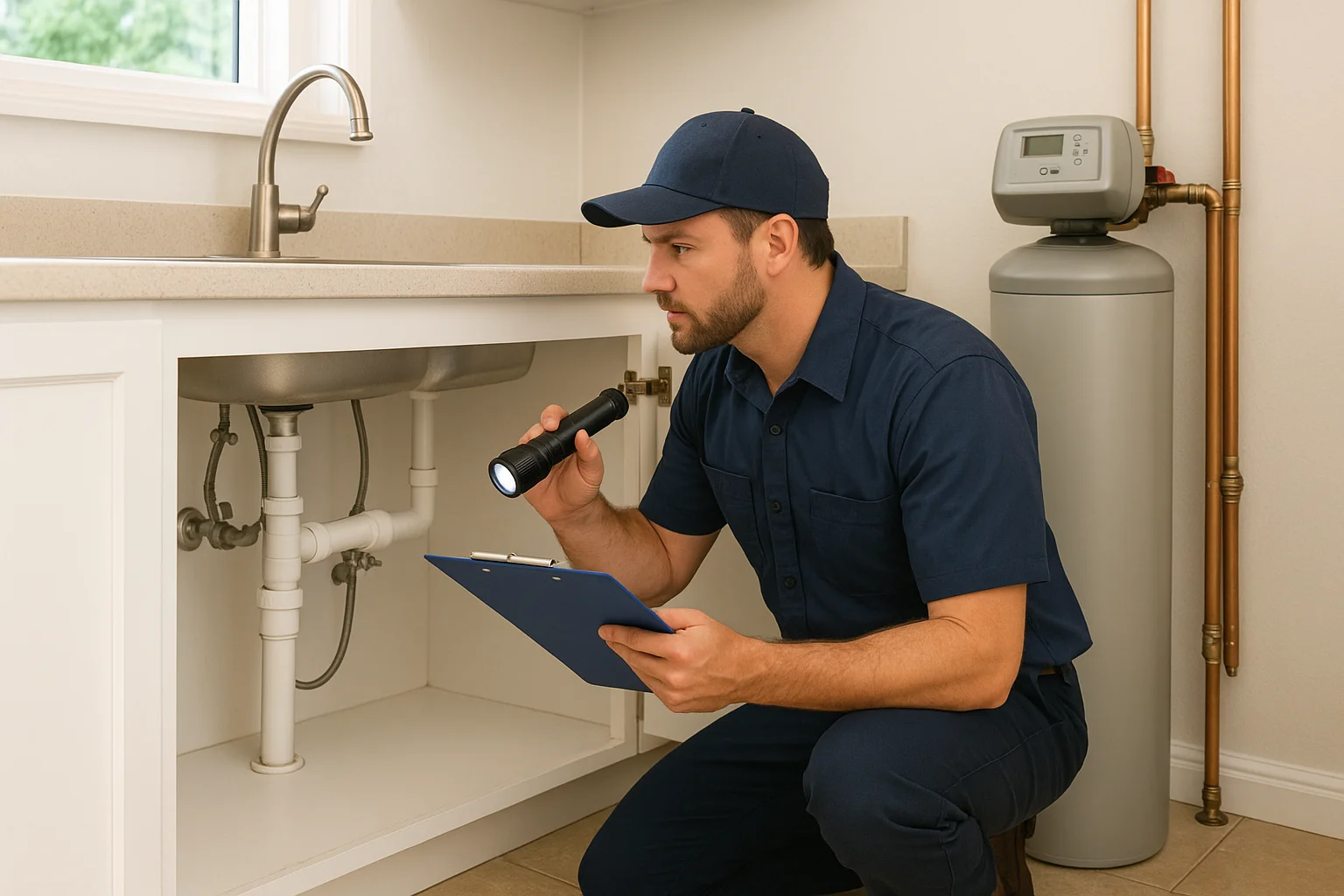
Because drainage involves the dehumidifier’s condensate handling components and how the unit is integrated with your system setup, it is a task for a professional HVAC team. A local HVAC company can inspect the drainage route and verify that the condensate management is working as designed. If you are dealing with a time-sensitive issue, emergency cooling concerns can arise during peak humidity, so asking about emergency AC repair near me is reasonable when comfort and moisture control are both at risk.
Thermostats and humidity controls must match your home’s real conditions
Whole home dehumidifiers are typically controlled by humidity settings and integrated HVAC logic. If the thermostat or humidity control settings are not aligned with how your home actually behaves, the system may run longer than necessary or may not run enough.
Homeowners can reduce frustration by doing a few simple checks:
- Confirm the humidity target is appropriate for comfort and indoor air quality goals in a coastal climate.
- Verify the dehumidification mode is being used correctly during humid periods.
- Check whether the system is short cycling or turning on and off too quickly.
Also remember that thermostats can be affected by placement. If the sensor location is influenced by direct sun, drafts, or nearby heat sources, readings may not reflect the actual humidity level in the areas where you spend time.
When troubleshooting humidity control, it helps to pair comfort complaints with HVAC performance observations. If you feel like the system is not keeping up, an air conditioning inspection near me appointment can help confirm whether the dehumidifier is operating as intended and whether the HVAC system is supporting the airflow and moisture removal process.
Refrigerant system strain can show up as poor moisture removal
Dehumidifiers often rely on a refrigerant-based cycle. While homeowners should not attempt a refrigerant diagnosis on their own, it is important to understand that refrigerant system performance can affect dehumidification results. When the system is not operating in a healthy range, the unit may struggle to remove moisture efficiently.
What this means for prevention: pay attention to performance trends, not just one-off events. If you notice that the dehumidifier struggles during the worst humidity days, runs continuously, or seems to lose capacity over time, that can signal that the cooling and dehumidification cycle needs professional evaluation.
Because refrigerant-related issues require in-person assessment, equipment-specific checks, and safe handling practices, always rely on a licensed HVAC contractor for evaluation. If you are searching for HVAC repair near me due to humidity that will not come down, look for a company that can evaluate the whole system, including airflow and condensate drainage, not just the dehumidifier unit.
Coastal exposure and dust build-up: maintenance priorities for 30A
Salt air and coastal weather accelerate wear on outdoor and indoor HVAC components. Even when the dehumidifier is installed indoors, the overall system still interacts with outdoor conditions and shared components like air handlers and ductwork.
Preventive steps that homeowners can take between professional visits:
- Keep the area around the dehumidifier clear so airflow is not restricted.
- Replace or maintain filters based on your HVAC system’s guidance. Dirty filters can reduce airflow and cause the dehumidifier to work less effectively.
- Watch for visible dust accumulation on return grilles and near access panels.
- Maintain consistent thermostat use rather than extreme swings that force the system to recover from large temperature and humidity changes.
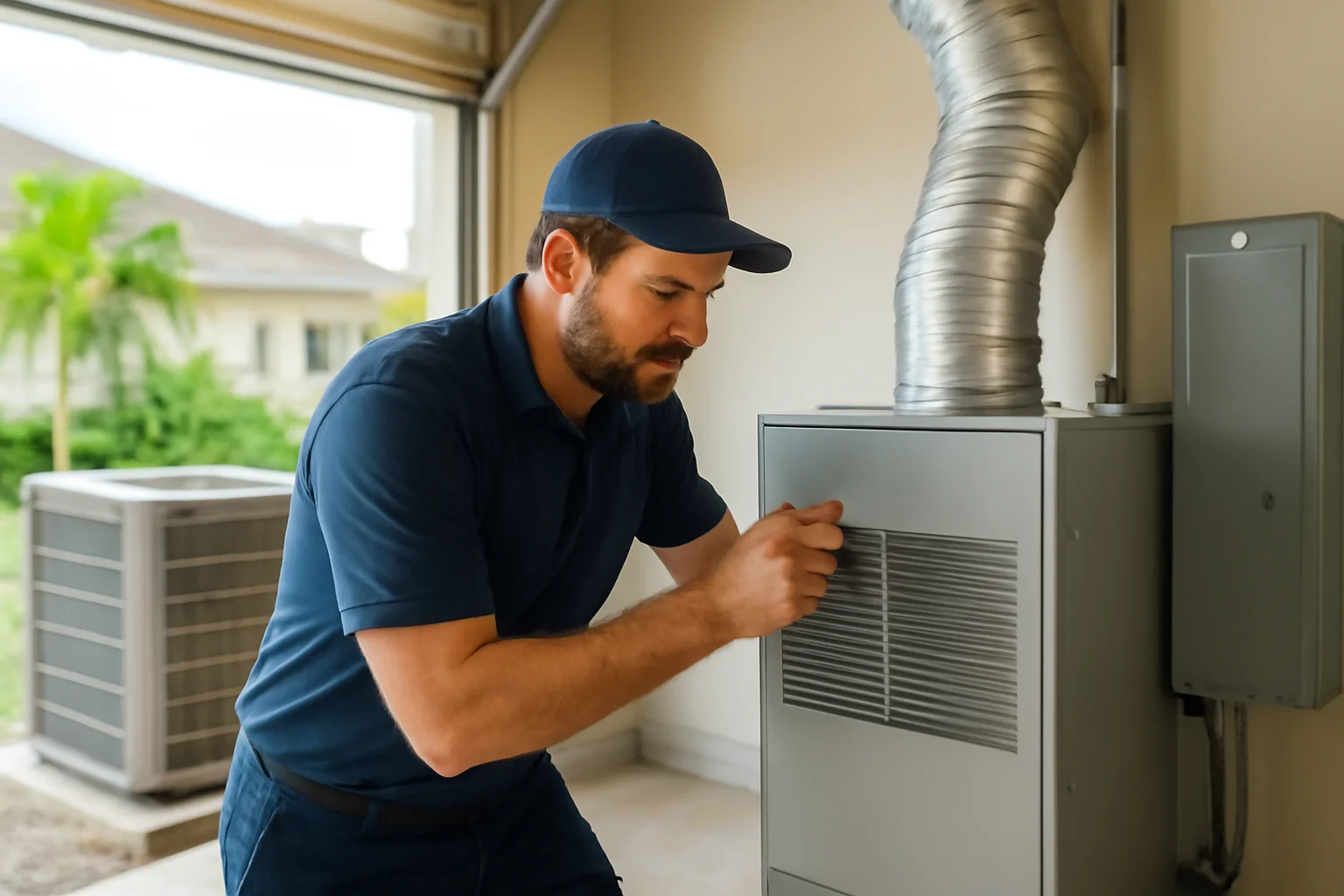
Professional maintenance matters because it is not just cleaning. A qualified technician can inspect airflow, verify control operation, check drainage, and evaluate whether components are performing normally. If you want a proactive approach, consider reading Why Preventive HVAC Service Pays Off for Air Conditioning Repair in 30A, FL.
How to recognize dehumidifier trouble before it becomes an emergency
Whole home dehumidifiers can fail gradually, especially in high-humidity coastal conditions. The best time to address problems is early, when fixes are usually simpler and the system is still able to run.
Watch for these patterns:
- Humidity stays high even when the system runs.
- Indoors feels clammy while the AC is on, suggesting moisture removal is not keeping pace.
- Musty odors that return after you clean or after rain events.
- Visible condensation on windows or around vents.
- Higher energy use without better comfort, which can indicate the system is struggling.
Because these symptoms can overlap with AC performance issues, it helps to treat them as HVAC-related comfort and indoor air quality concerns. For homeowners searching for HVAC company near me to troubleshoot humidity and comfort, ask for an evaluation that includes airflow, ductwork condition, condensate drainage, and dehumidification control settings.
Preventive maintenance that supports both comfort and indoor air quality
Whole home dehumidifiers can be a major part of an indoor air quality strategy. When humidity is controlled, it is harder for mold and mildew to take hold, and your HVAC system often operates more efficiently because it is not fighting excess moisture load.
During preventive HVAC maintenance, ask your technician to focus on:
- Airflow verification across the dehumidification cycle and the connected ductwork.
- Condensate drainage inspection to confirm the drainage route is clear and functioning.
- Thermostat and humidity control check for correct operation and sensible settings.
- Coastal exposure considerations for corrosion risk and component wear.
- System integration review so the dehumidifier and HVAC equipment are working together correctly.
If your home has areas that are consistently more humid than others, ductwork and return airflow can be part of the story. A technician can also look at how air is distributed, which can reduce hot spots and improve overall comfort.
If you manage a vacation rental or property where guests notice indoor air quality quickly, you may also benefit from HVAC planning that reduces disruptions during peak season. You can explore Keeping 30A Commercial Spaces Comfortable Before HVAC Trouble Spreads for ideas that translate well to second homes and rental properties.
When system replacement or major service is on the table
Sometimes prevention is not enough. If a dehumidifier repeatedly underperforms, has recurring drainage issues, or shows persistent performance problems, system replacement or major service may be considered. However, decisions like that should be based on an in-person evaluation of the entire HVAC setup.
Homeowners should avoid trying to self-diagnose refrigerant issues or electrical concerns. A licensed HVAC contractor can assess the dehumidifier’s performance, confirm whether the HVAC components that support dehumidification are healthy, and recommend the appropriate next step.
If you are considering upgrades because your system cannot keep up with humidity loads, it is also worth reviewing your broader HVAC plan. Your HVAC system replacement decision should consider ductwork condition and indoor air quality goals, not just the dehumidifier unit alone.
Practical scheduling tips for 30A homeowners
Humidity problems tend to intensify during the hottest, most humid weeks. Scheduling preventive service before peak season can reduce the chance of mid-summer discomfort and reduce the odds of needing urgent air conditioner service near me during the worst weather.
Here are homeowner-friendly timing ideas:
- Plan maintenance before the summer peak so airflow and drainage issues are corrected early.
- Re-check after major changes like renovations, new ductwork, or changes to room layouts.
- Use seasonal humidity observations to guide your next maintenance visit. If humidity spikes in certain months, plan visits before those months.
If you are balancing HVAC financing or planning long-term maintenance in a busy household, it can help to keep your system on schedule. For homeowners who want a steady plan, read Keeping HVAC Financing on Track in 30A, FL Homes.
Choose HVAC professionals who understand coastal humidity
Whole home dehumidifiers are not standalone appliances. They are part of your HVAC system and indoor air quality strategy. In a place like 30A, where humidity, salt air, and airflow demands can be intense, it matters that your HVAC contractor understands how these systems behave in coastal Walton County homes.
A Superior Mechanical focuses on whole home dehumidifier installation, repair, and maintenance in 30A, FL for healthier air and reliable humidity control. If you are dealing with persistent moisture, comfort complaints, or you want to strengthen your preventive HVAC maintenance routine, start with the whole home dehumidifiers service page.
You can also explore related HVAC support for your indoor air quality goals through Indoor Air Quality Services and Indoor Air Quality Testing.
If your home needs broader climate control support, including seasonal comfort planning, review Heating Services as well, since humidity control and comfort often overlap across the year.
Quick checklist homeowners can use this week
- Check that vents and returns are unobstructed and filters are not overdue.
- Look for signs of condensation or musty odors tied to dehumidification cycles.
- Confirm the thermostat and humidity control settings are reasonable for comfort.
- Note whether the dehumidifier runs continuously during humid weather.
- If anything looks off, schedule an HVAC evaluation focused on airflow, ductwork, condensate drainage, and system integration.
Taking a preventive approach helps keep humidity steady, supports indoor air quality, and reduces the chance that your home will feel sticky and uncomfortable when Florida weather turns up.
Find Whole Home Dehumidifiers in 30A, FL
If you need Whole Home Dehumidifiers in 30A, FL, visit our local service page or contact A Superior Mechanical today.
Map of 30A, FL
Frequently Asked Questions
What are the most common reasons a whole home dehumidifier struggles to lower humidity in 30A homes?
The most common causes are reduced airflow through ductwork or returns, condensate drainage problems, and humidity control settings that do not match your home’s real conditions. Coastal humidity and salt exposure can also contribute to gradual performance decline, which is why professional inspections matter.
Can ductwork issues make my dehumidifier less effective?
Yes. If ducts are leaky, poorly balanced, or restricted by debris, the dehumidifier may not circulate the amount of air needed to remove moisture effectively. An HVAC technician can evaluate airflow and check for ductwork limitations.
How do I know if my dehumidifier condensate drainage is failing?
Watch for water pooling near the unit, gurgling sounds during operation, dampness around the equipment area, or musty odors that increase during humid periods. If you notice any of these, schedule an in-person HVAC inspection rather than trying to guess the cause.
Should I adjust my thermostat or humidity settings to fix moisture problems?
It can help to verify that your humidity target and dehumidification mode are set correctly. However, if humidity remains high, the system runs excessively, or you see condensation or odors, you should have a licensed HVAC contractor evaluate airflow, drainage, and system operation.
When is it time to call for HVAC repair instead of waiting?
Call promptly if you see persistent high humidity, recurring musty smells, signs of water or condensation, or performance that keeps getting worse during peak Florida humidity. Early service reduces the risk of indoor air quality issues and emergency cooling concerns.
Related Articles
Photo Gallery