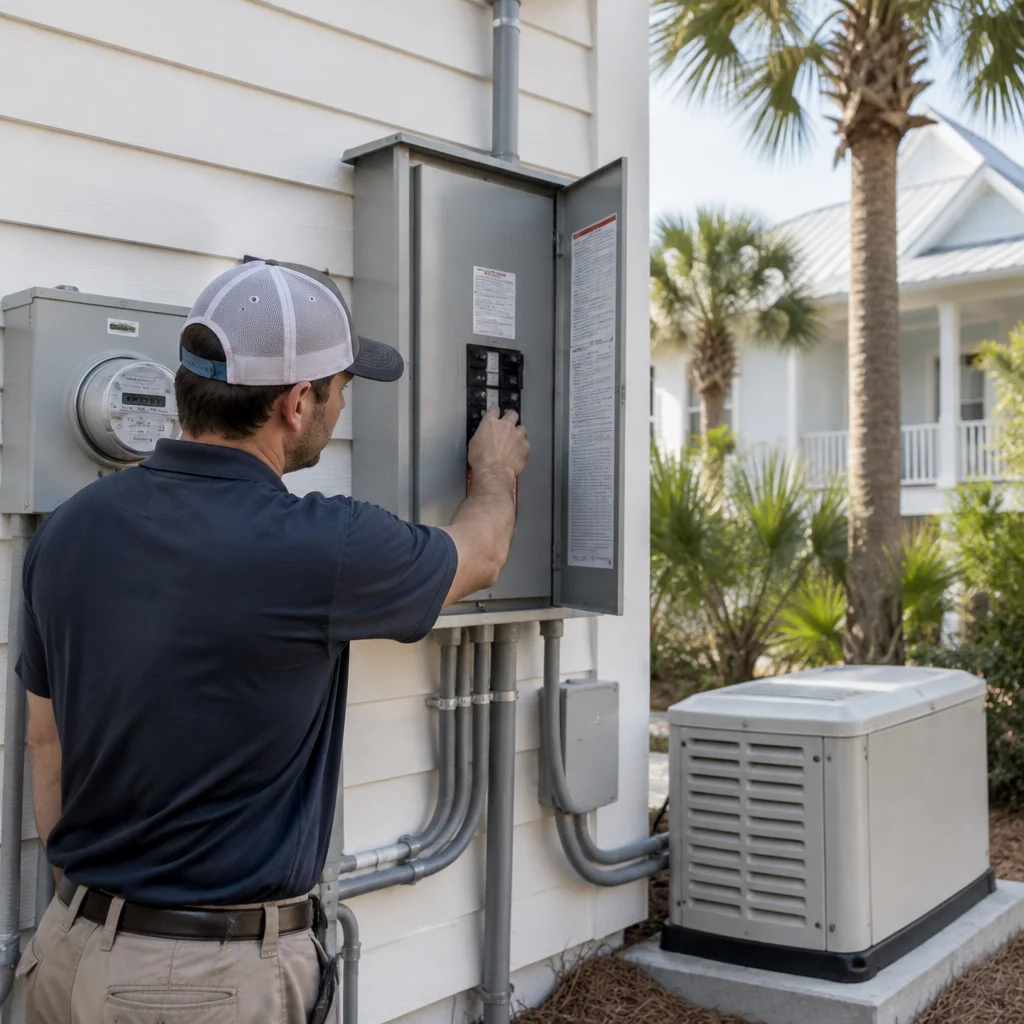
A generator can keep a WaterColor home functioning during an outage, but the equipment outside is only part of the system. The panel, transfer equipment, wiring, and connected circuits determine whether that backup power reaches the right places safely. Planning those connections before storm season is far easier than discovering a problem after the lights go out.
For homeowners considering power backup generators in WaterColor, FL, the best starting point is an electrical assessment. A Superior Mechanical provides Kohler generator installation and maintenance for local properties, with planning that accounts for everyday demand and outage priorities.
Coastal Backup Power Starts With the House
WaterColor's coastal setting brings humidity, salt exposure, heavy rain, and tropical weather. Those conditions can affect outdoor electrical enclosures, connections, and generator components. A system also needs a practical location that accounts for drainage, flood exposure, required clearances, and access for service.
Electrical needs vary across the community. Older homes may have accumulated circuit changes over several remodels. Newer homes can have substantial demand from cooking equipment, pool systems, EV chargers, and home technology. Additions sometimes create a mismatch between the original panel layout and how the property is used today.
Local electrical service matters because equipment selection is only one piece of the job. Permitting, applicable codes, utility coordination, coastal exposure, and community requirements all affect installation. For vacation rentals, the plan should also be simple enough for guests and property managers to use safely.
Choose Essential Circuits Before Choosing Generator Size
Start by deciding what must work during an outage. Refrigeration, selected lighting, communications equipment, security systems, and necessary medical equipment often come first. Ceiling fans and conveniently located outlets can make occupied rooms more usable without adding the demand of every large appliance.
An electrician should evaluate running loads and motor starting requirements rather than size the generator from square footage alone. A refrigerator and a pump may run comfortably together but create a larger brief demand when their motors start. Sensitive medical equipment may also require uninterrupted backup because a standby generator does not restore power instantly.
Essential loads or broader coverage?
An essential-load arrangement supplies selected circuits. A broader system can serve more of the home, sometimes using automatic load management to delay or disconnect lower-priority equipment. Neither approach means every appliance can necessarily operate at once.
EV charging, electric cooking, clothes drying, and pool equipment deserve specific attention. A homeowner comparing whole home backup solutions should ask which loads will operate together and which may be managed. That conversation helps avoid buying more capacity than necessary or expecting more than the system can deliver.
The Panel Must Be Ready for Backup Power
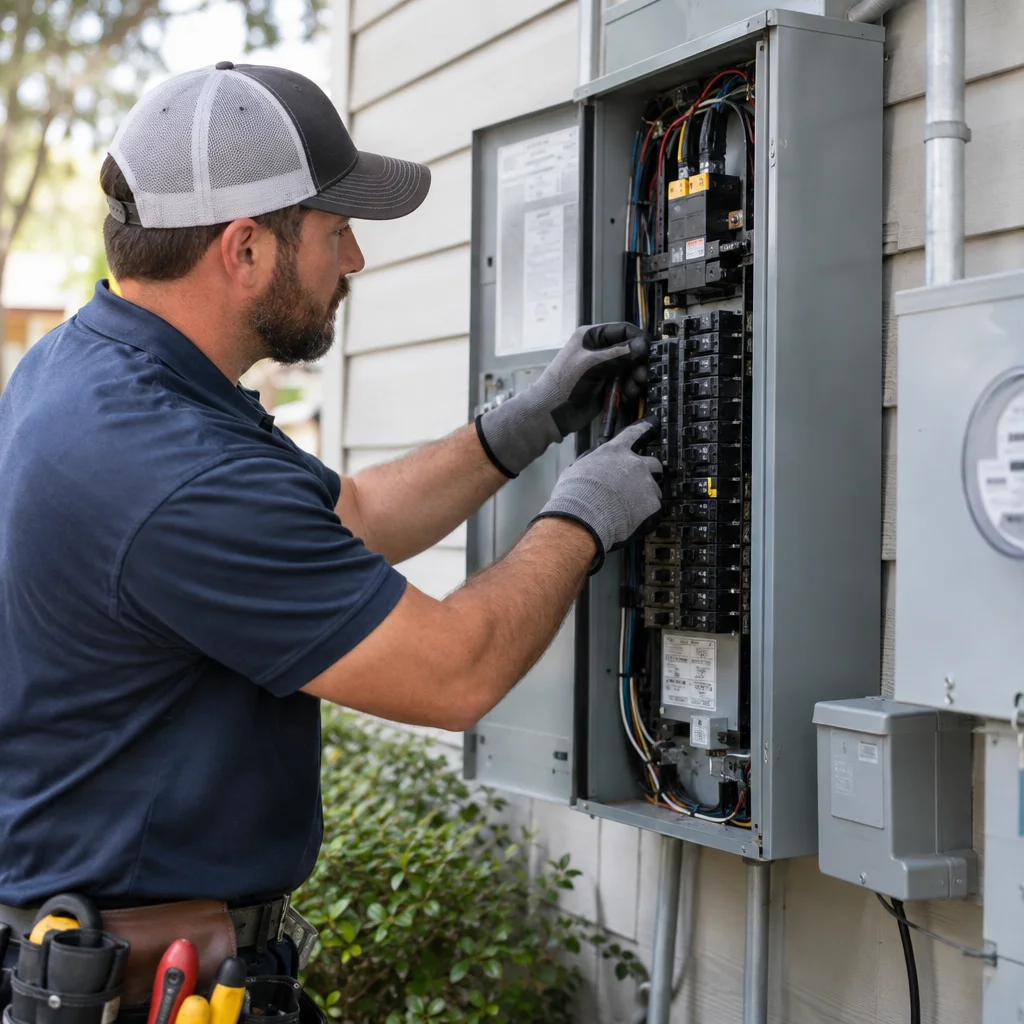
A generator does not correct an overloaded, deteriorated, or poorly organized electrical panel. Before installation, an electrician should check the panel's condition, service rating, breaker compatibility, circuit directory, and suitability for the proposed transfer arrangement. Available breaker spaces alone do not establish adequate capacity.
Repeated breaker trips, rust, buzzing, heat discoloration, and a burning smell deserve attention before adding equipment. Breaker repair usually means finding the cause and replacing a defective breaker with an approved compatible part, not modifying it. A larger breaker must never be installed simply to stop trips on wiring that cannot support it.
Homeowners searching for electrical panel upgrade near me may find that generator planning and panel modernization belong in the same project. However, not every installation requires a larger panel. An assessment can determine whether repairs, circuit reorganization, a separate backed-up load panel, or electrical panel upgrades make sense.
Transfer Equipment Keeps Generator Power Controlled
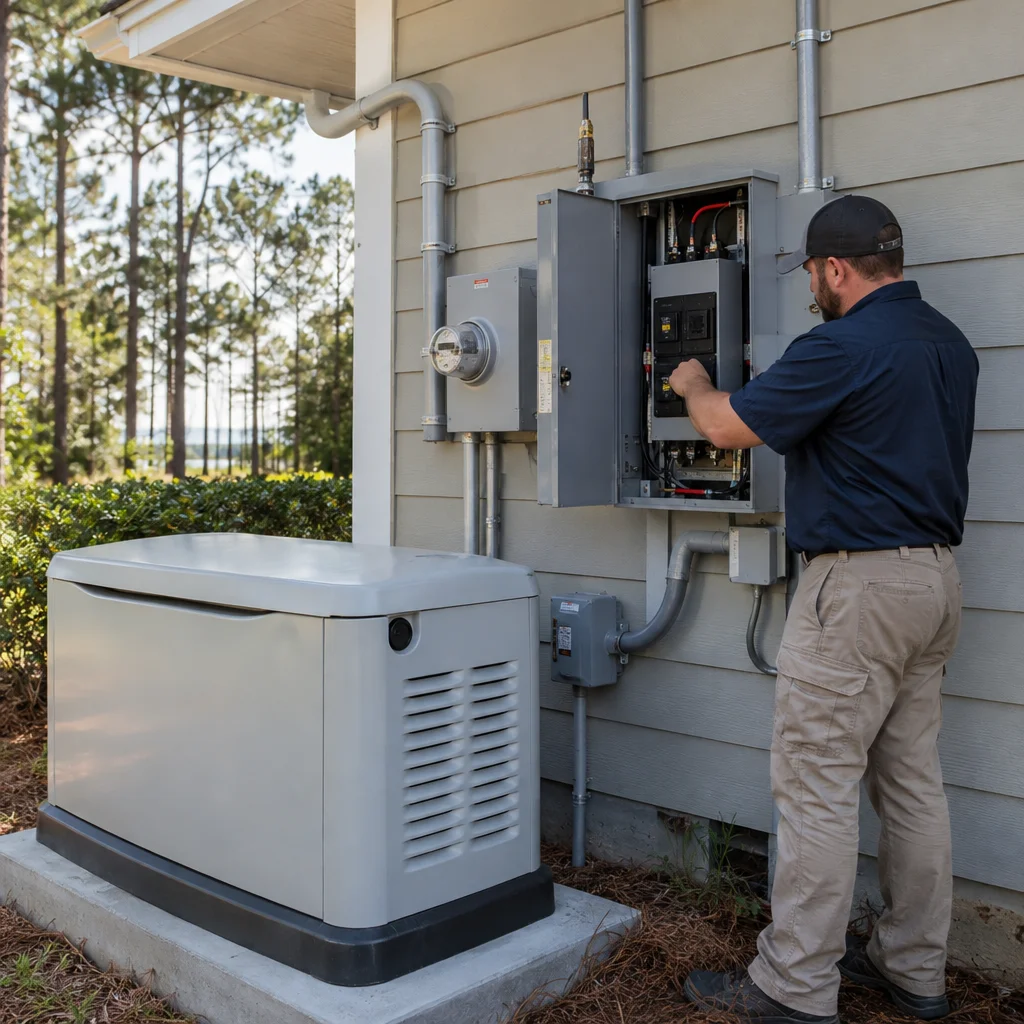
Transfer equipment prevents generator output from feeding utility lines and separates the two power sources as designed. Without proper isolation, backfeeding can endanger utility workers, occupants, and equipment. Never power a house by connecting a generator to a dryer outlet or another household receptacle.
A standby installation commonly uses an automatic transfer switch that monitors utility power and transfers the connected loads after the generator starts. Correct selection depends on the service configuration, generator capacity, equipment ratings, and installation instructions. Neutral switching and grounding arrangements also require professional evaluation.
If you are searching for generator transfer switch installation near me, ask how the contractor will integrate the switch with your existing service and handle permits and inspections. For portable-generator connections, any inlet, manual transfer equipment, or listed panel interlock must be approved for the specific installation. Improvised cords and improvised switching are not substitutes.
Wiring, Outlets, and Switches Still Need Attention
A circuit that has problems on utility power will not become safe on generator power. Loose connections, damaged insulation, overloaded circuits, and improperly installed devices need correction before they become part of the backup plan. Electrical wiring repair may be especially important where past renovations left undocumented changes.
Identify useful outlets and dedicated circuits
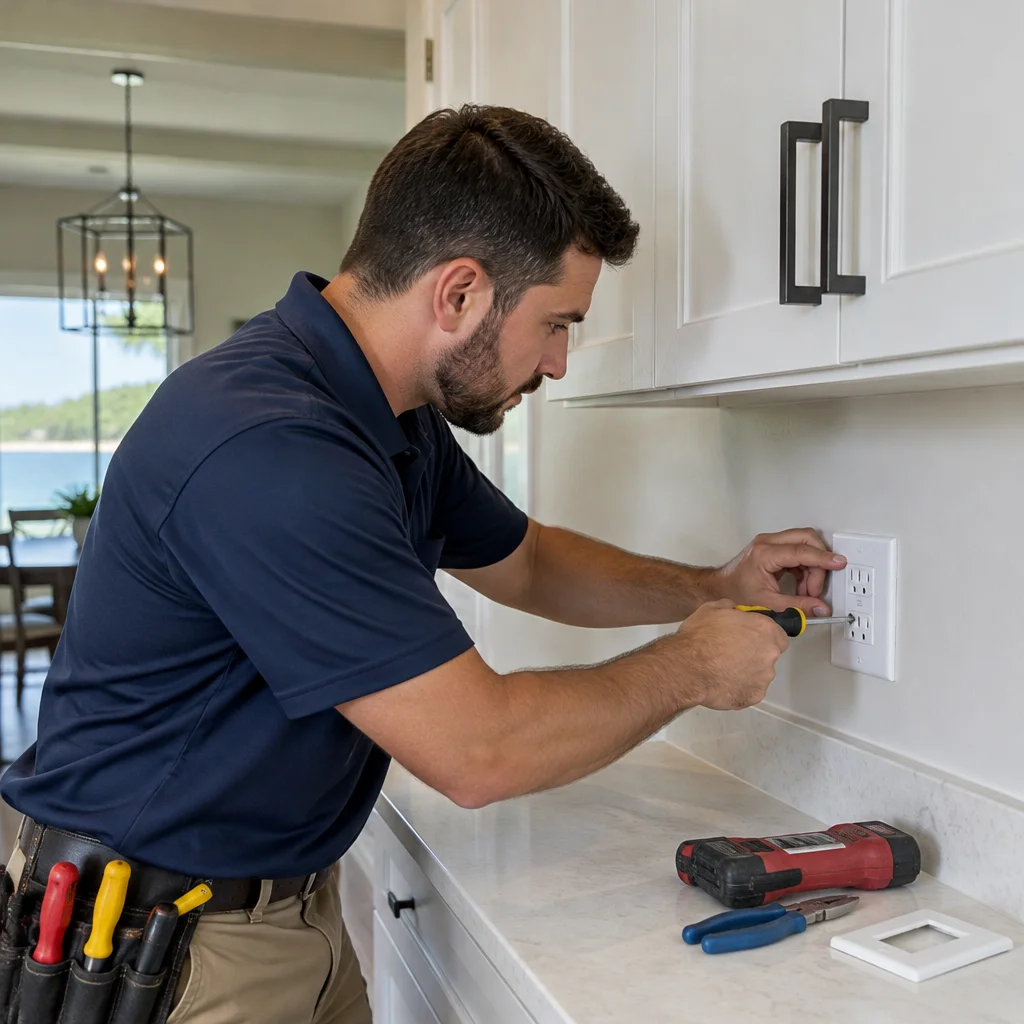
Decide which outlets should remain energized during an outage, then verify which circuits actually serve them. The refrigerator receptacle, internet equipment, and a bedroom outlet may be on entirely different breakers. A clear circuit directory prevents surprises and reduces reliance on extension cords.
Required dedicated circuits must remain properly designed for their appliances. Adding a freezer, workshop equipment, or another large load can call for new wiring rather than sharing an existing circuit. During electrical installation work, outlet placement can also be improved so essential equipment has a convenient permanent connection.
Keep lighting and safety devices in the plan
Back up practical lighting along stairs, hallways, entrances, and occupied rooms. Lighting installation may be worthwhile where a remodel has created dark paths or inconvenient controls. Damaged switches, loose receptacles, and ceiling fans with questionable connections should be repaired rather than overlooked as minor issues.
GFCI protection remains necessary where required, even during generator operation. Repeated GFCI trips can indicate moisture, equipment leakage, or a wiring problem and should not be bypassed. The WaterColor electrical repair guide explains other symptoms worth addressing before backup installation.
Grounding and Surge Protection Serve Different Purposes
Grounding and bonding help the electrical system respond safely to faults. Their configuration must match the generator and transfer equipment. Installing an extra ground rod does not automatically resolve an unsafe connection, and neutral-to-ground bonding cannot be changed casually.
Surge protection addresses a different concern: damaging voltage transients. A properly selected whole-home surge protective device can help protect connected equipment, but it does not make a home immune to lightning or replace proper grounding. Point-of-use protection may provide another layer for compatible electronics.
For homeowners searching for surge protector installation near me, generator planning is a useful time to evaluate protection at the service or panel. The electrician should review how the device fits the proposed system and explain its indicators, limitations, and replacement requirements.
Plan Around EV Chargers, Remodels, and Future Demand
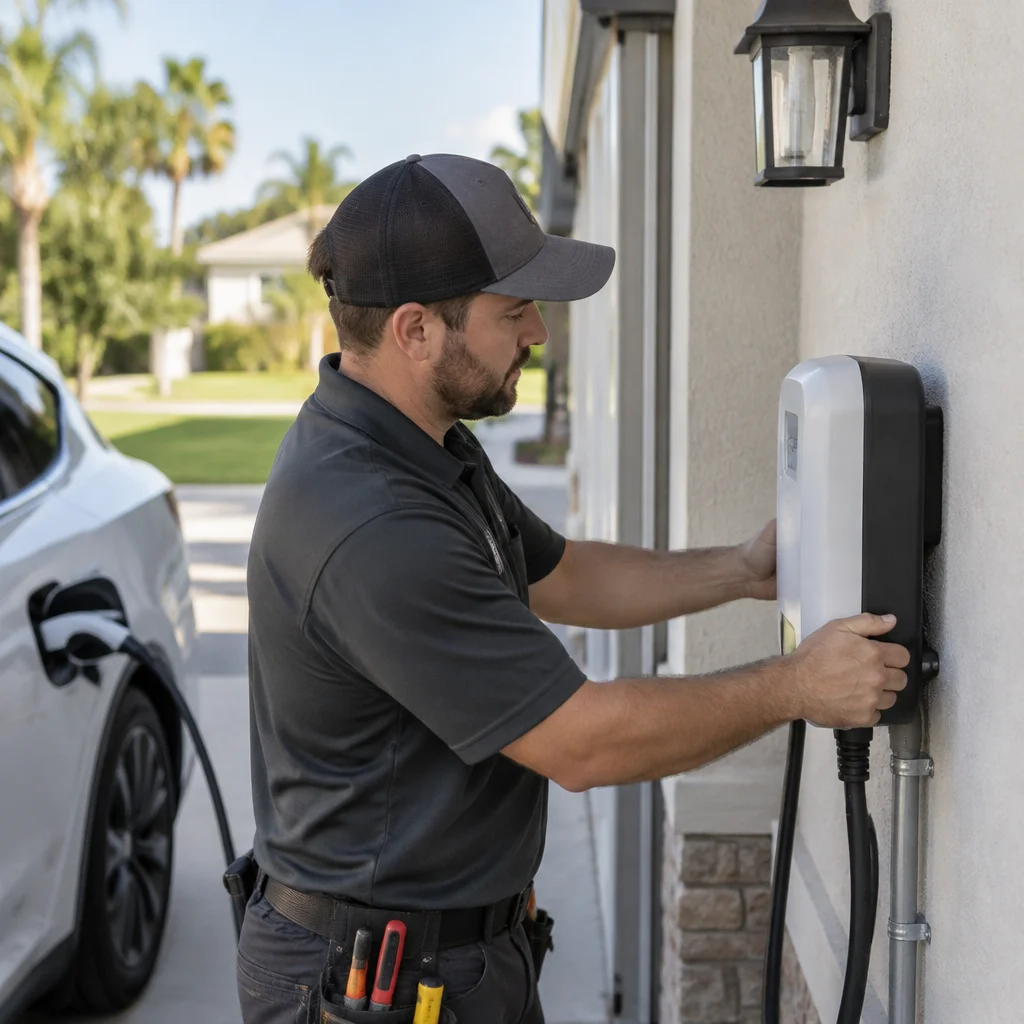
A generator project should account for changes you already expect to make. An addition, outdoor kitchen, new appliance circuit, or garage EV charger installation can change service demand and backup priorities. Planning together can reduce repeated work and awkward circuit arrangements later.
EV charging often makes sense as a managed or excluded backup load unless outage charging is a specific goal. If it is important, tell the installer early so the generator and controls can be designed accordingly. Do not assume a charger will operate normally just because the garage lights remain on.
Communications deserve similar planning. Backing up a modem, router, and network equipment may preserve local connectivity, but internet service still depends on the provider's infrastructure. Battery backup can bridge the brief delay before a standby generator supplies power.
Placement and Carbon Monoxide Safety Are Nonnegotiable
Standby generators must be installed outdoors with manufacturer-required clearances and compliance with applicable codes. Doors, windows, vents, neighboring structures, and exhaust direction all matter. In WaterColor, the location should also account for stormwater, landscaping growth, salt exposure, and safe maintenance access.
Portable generators must never run in a garage, carport, crawlspace, or enclosed porch. Operate them outdoors at least 20 feet from doors, windows, and vents, with exhaust directed away from buildings, following manufacturer and public safety guidance. That portable-generator distance is not a substitute for the installation requirements governing a permanent standby unit.
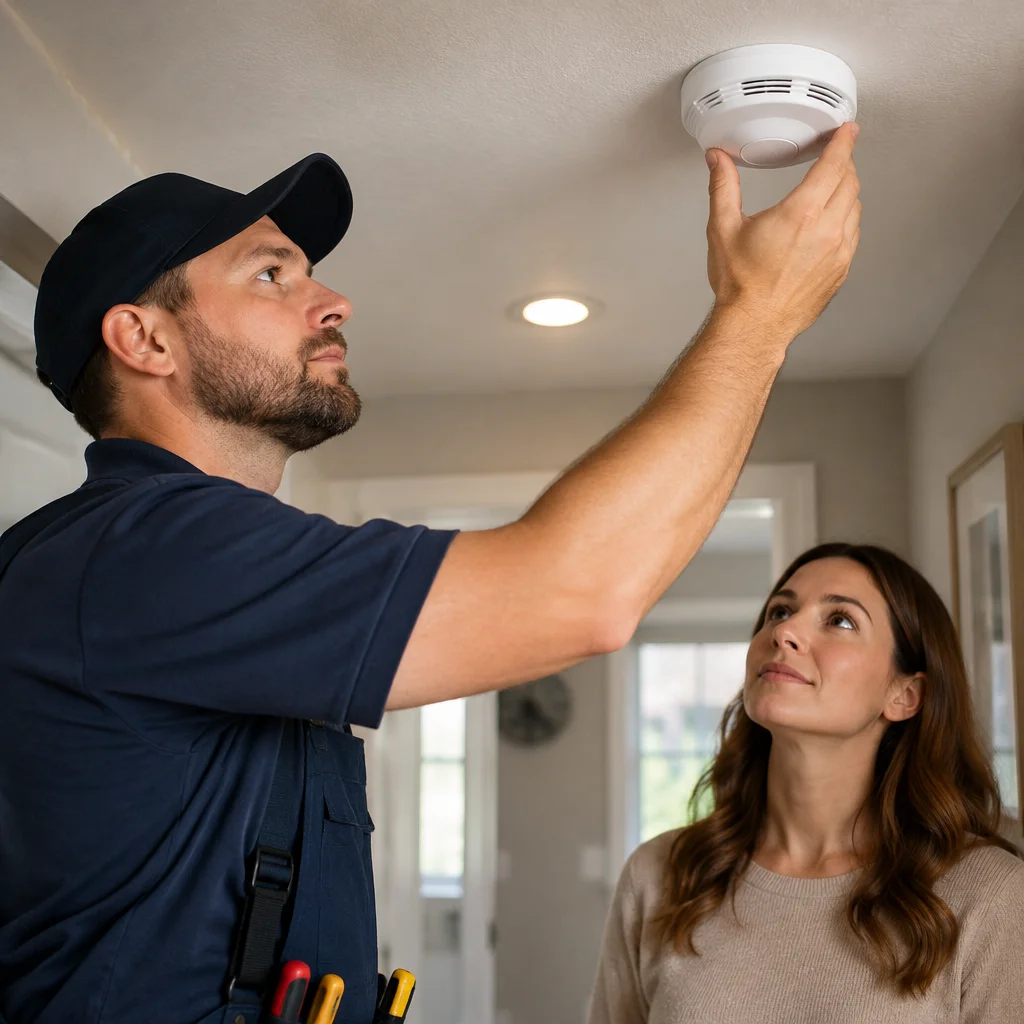
Working carbon monoxide alarms are essential. Smoke detector installation and carbon monoxide alarm placement should follow applicable requirements and manufacturer instructions, with suitable battery backup. If a carbon monoxide alarm sounds, move everyone outside immediately and contact emergency services. Do not stay inside to investigate.
Preventive Care Before Coastal Storm Season
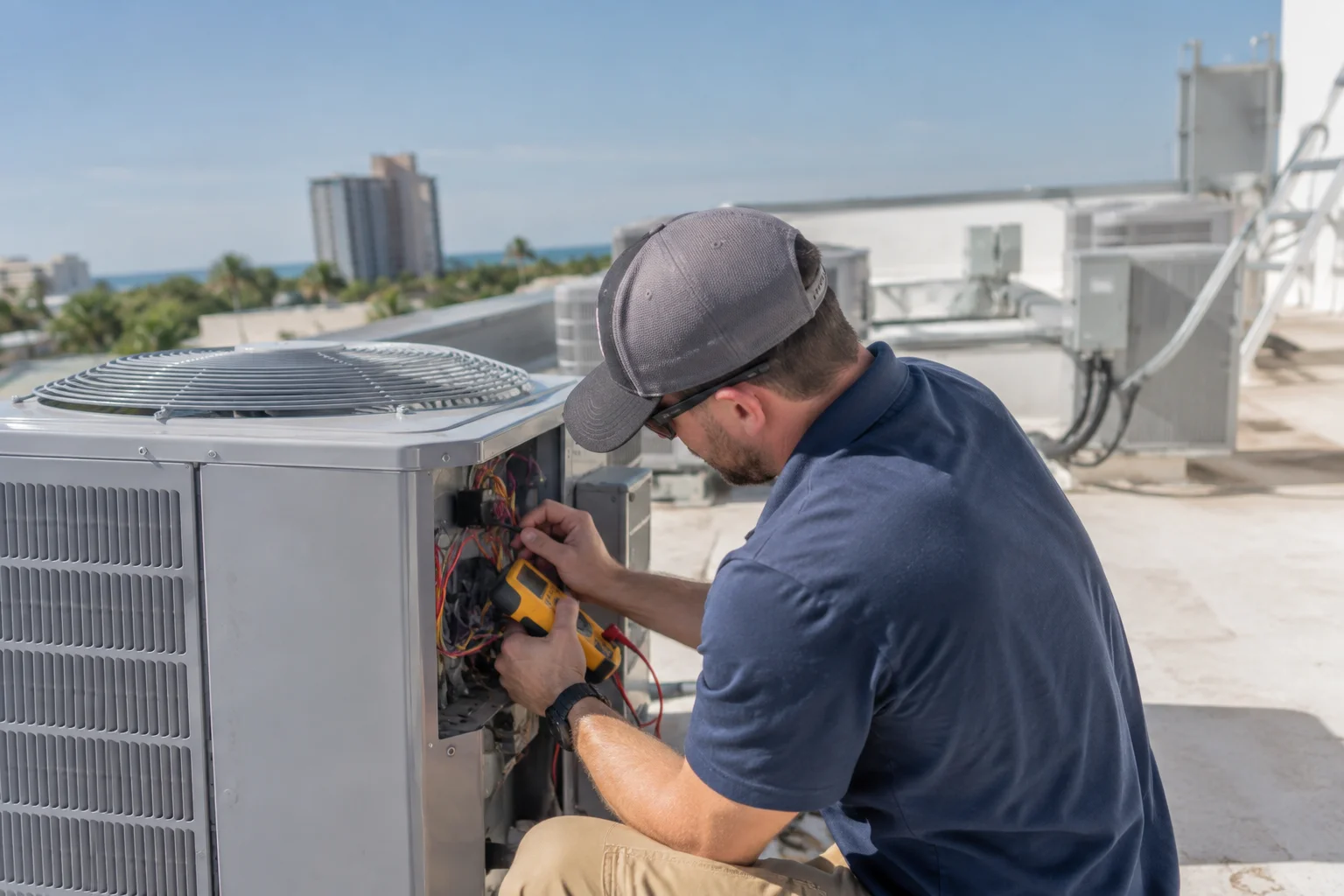
Generator maintenance should follow the manufacturer's schedule, including service based on operating hours. Battery condition, oil, filters, cooling airflow, and visible corrosion all matter. Automatic exercise cycles are useful, but they do not prove every backed-up circuit will perform correctly under load.
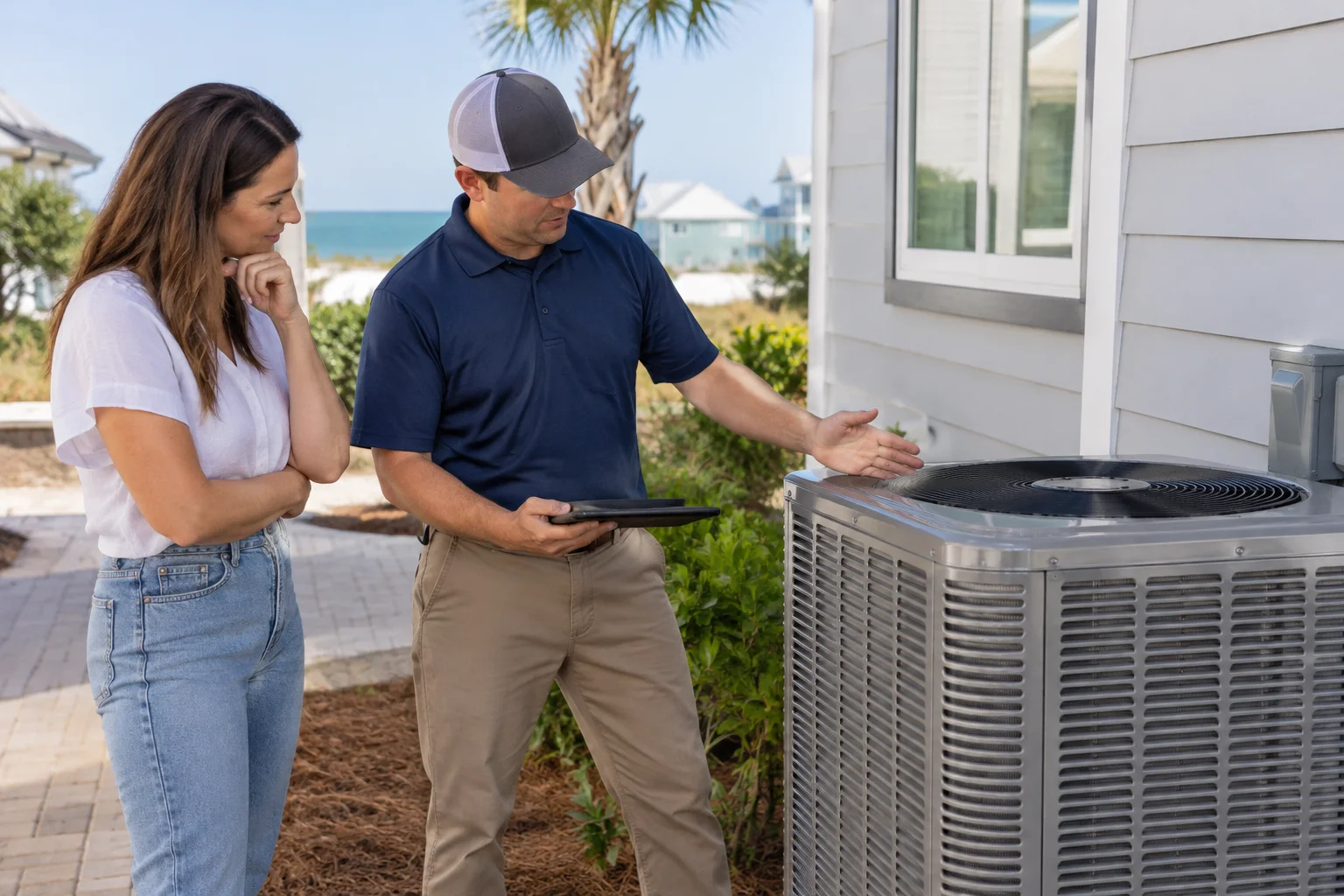
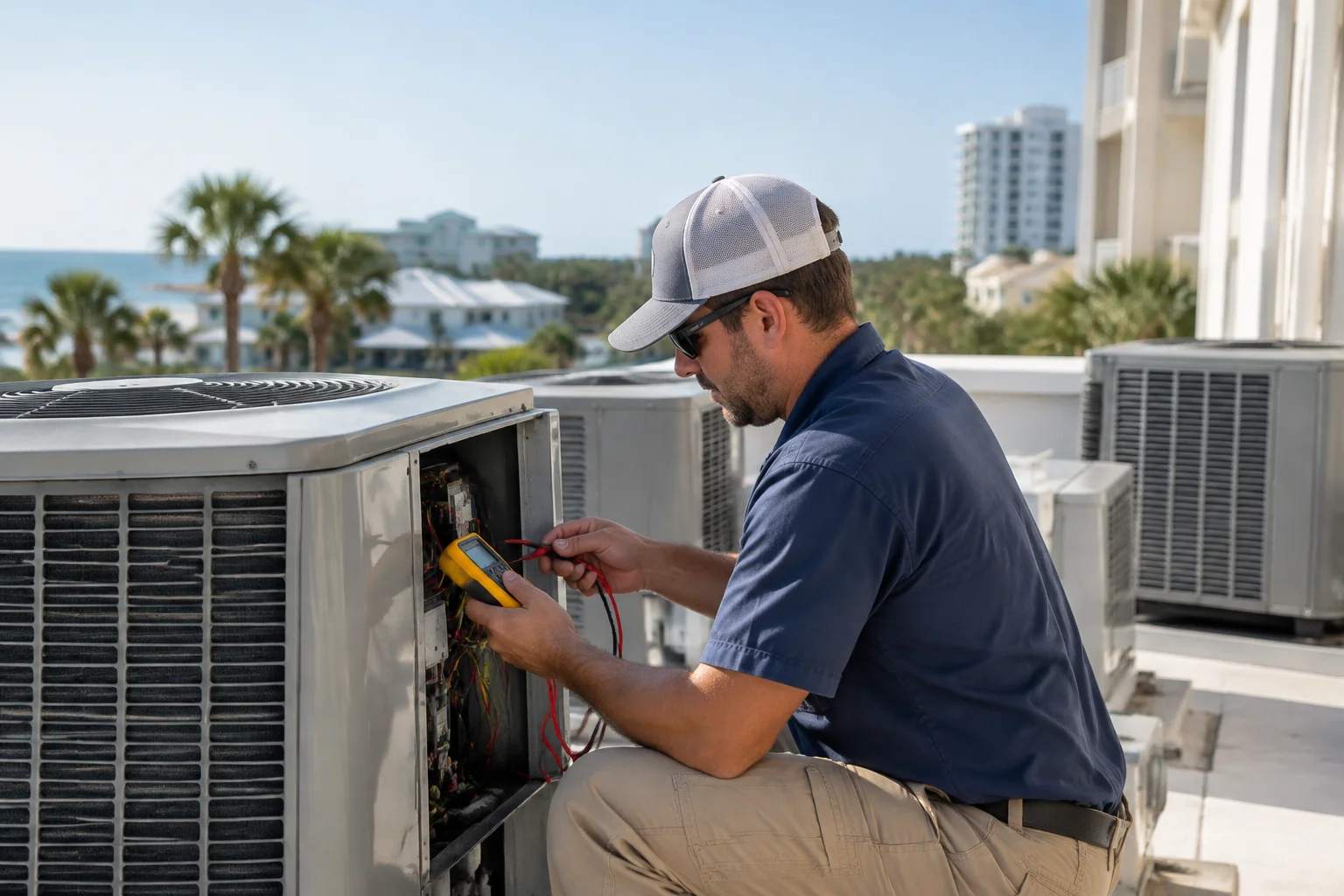
Arrange periodic professional testing of the generator and transfer equipment. Ask the technician to confirm operation of intended loads and review any error messages. Keep vegetation and stored items clear, watch for damaged enclosures, and make sure service access remains open.
Electrical inspections are also valuable after significant renovations or storm exposure. Water intrusion, salt-related deterioration, and loose connections can create problems long before equipment stops working. A maintenance schedule tailored to Walton County properties can address those conditions while keeping records for homeowners and rental managers.
Know Which Problems Cannot Wait
Sparking, smoke, a burning odor, or a hot electrical panel requires immediate attention. Keep people away, do not touch wet or damaged equipment, and call emergency services if there is fire or an immediate hazard. Never approach downed utility lines.
If breakers trip repeatedly, lights flicker across multiple circuits, or the generator fails to transfer correctly, stop relying on the affected equipment until it is evaluated. Avoid opening panels or repeatedly resetting breakers. A search for a licensed electrician near me should lead to qualified diagnosis, not attempts to defeat protective devices.
Build a Backup Plan That Fits Your WaterColor Property
A useful installation proposal should identify the intended loads, generator capacity, transfer equipment, panel changes, permits, commissioning tests, and maintenance expectations. Ask what happens during an outage, which circuits remain available, and how managed loads behave.
A Superior Mechanical helps homeowners plan Kohler backup power as part of a coordinated electrical system. Explore electrical service in WaterColor or request a generator assessment to discuss your panel, wiring, and outage priorities before the next coastal storm puts them to the test.
Find Power Backup Generators in WaterColor, FL
If you need Power Backup Generators in WaterColor, FL, visit our local service page or contact A Superior Mechanical today.
Map of WaterColor, FL
Frequently Asked Questions
Does my WaterColor home need a panel upgrade before generator installation?
Not necessarily. An electrician should evaluate the panel's condition, capacity, breaker compatibility, and proposed transfer arrangement. Some homes need repairs or a separate panel for selected backup circuits, while others require an upgrade. Empty breaker spaces alone do not confirm that a panel is suitable.
Can a backup generator power my EV charger and all household appliances?
That depends on generator capacity, starting loads, and the system's load-management design. EV chargers and other high-demand equipment may be excluded or temporarily disconnected during an outage. Tell your installer which appliances must operate together so the system can be sized and configured appropriately.
How should coastal homeowners maintain a standby generator?
Follow the manufacturer's service schedule and arrange professional inspections of the generator, transfer equipment, and connected electrical system. In WaterColor, pay particular attention to corrosion, moisture exposure, battery condition, and clear airflow. Regular exercise cycles should be supplemented with appropriate operational testing and scheduled maintenance.
Related Articles
- A Practical Guide to Electrical Repair in WaterColor, FL: Panels, Wiring, Outlets, and Prevention
- A Cleaner Air Path: Smart Duct Cleaning for WaterColor Homes
- Protecting WaterColor Homes From the Ground Up: Smarter Waterline Replacement
- Smarter Plumbing Repair for WaterColor Homes: Leaks, Drains, Pipes, and Prevention
Photo Gallery