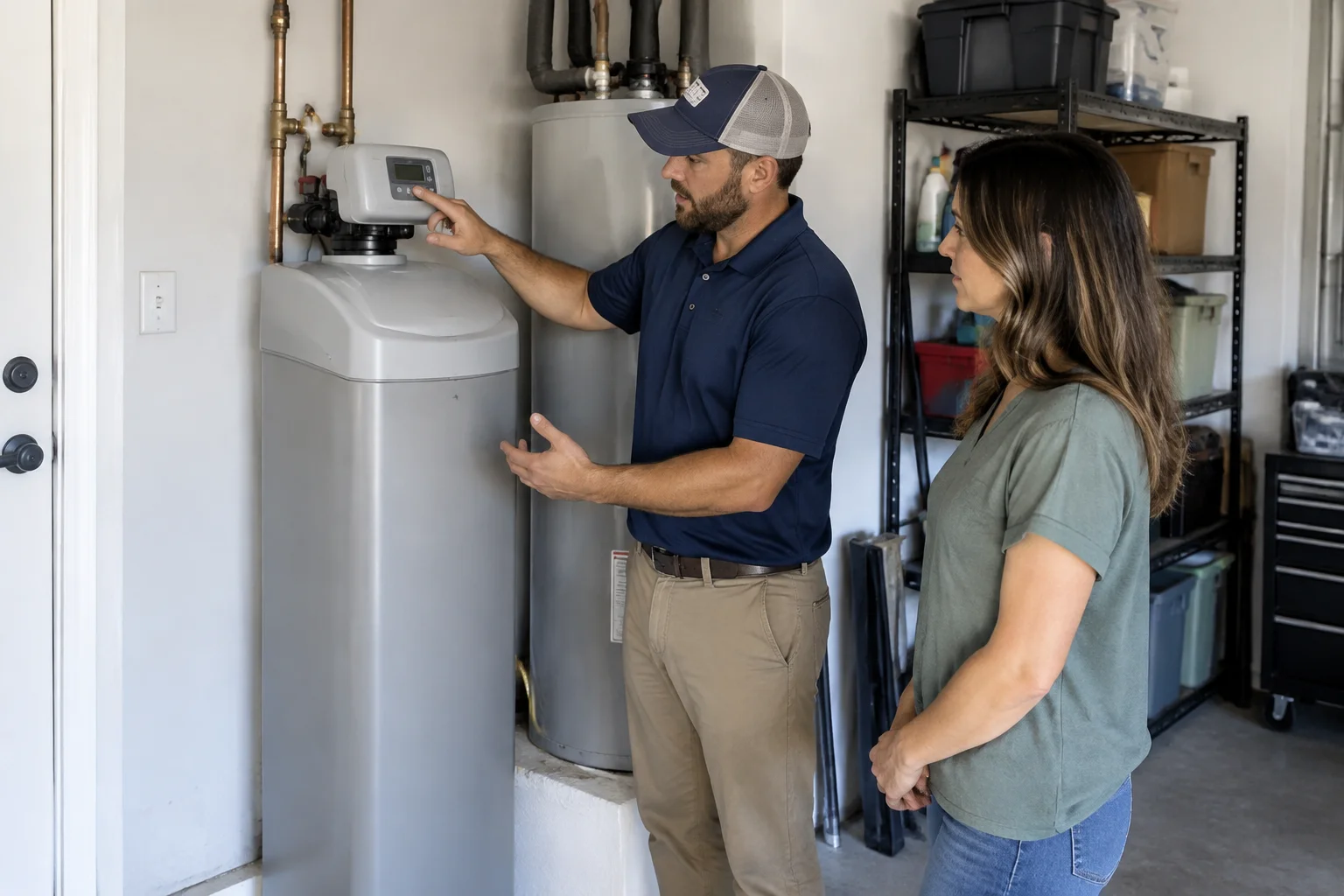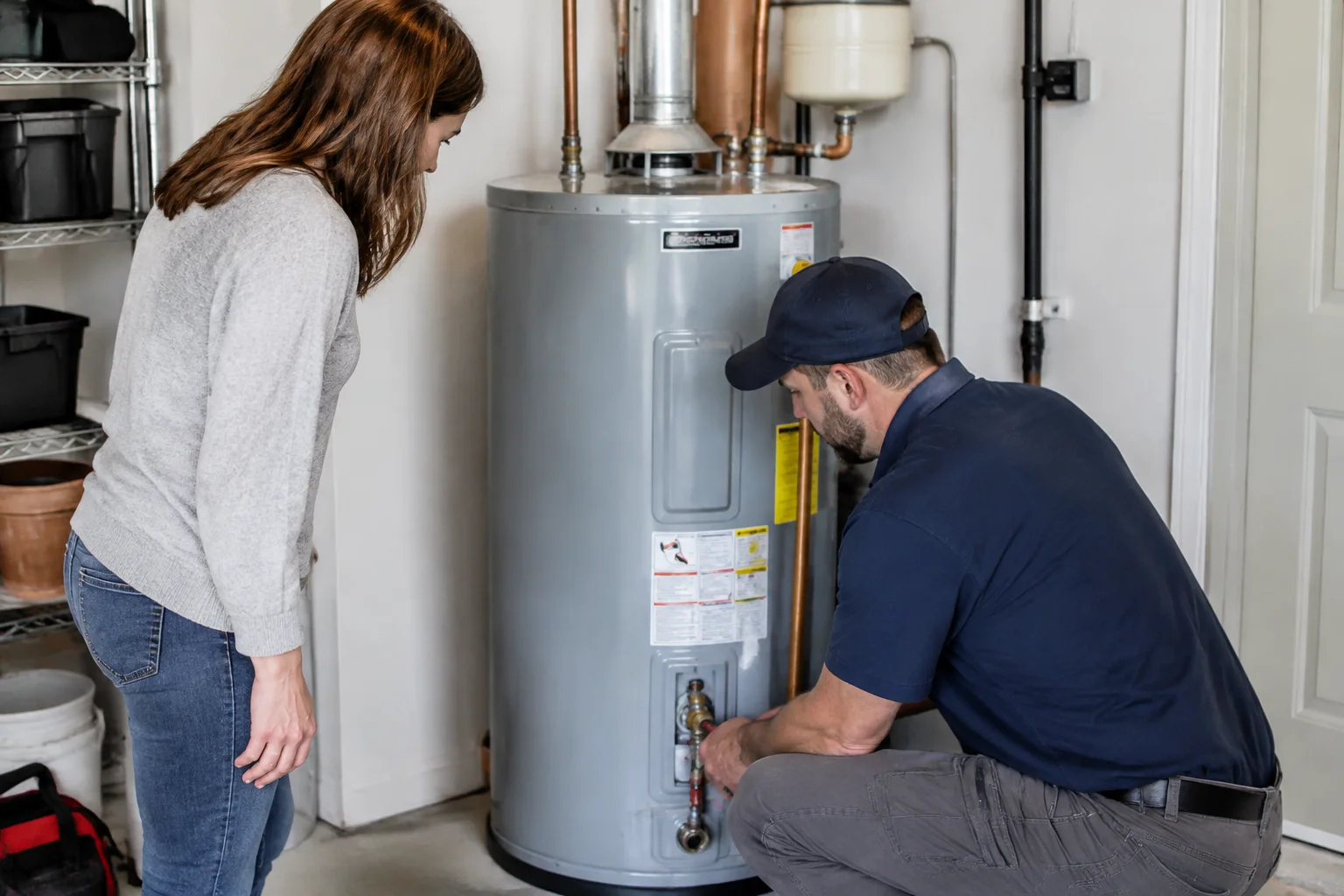
A new range, garage freezer, or laundry upgrade can change how much electricity your home needs. The appliance may fit perfectly, but the existing circuit may not be designed to supply it. In Panama City, FL, that mismatch can show up as a tripped breaker, an unreliable outlet, or lights that dim whenever an appliance starts.
Dedicated circuits give specified equipment its own properly sized electrical path. For homeowners balancing older wiring, coastal weather, and growing power demand, planning that path means checking more than the nearest receptacle. The panel, breaker, wiring, grounding, and appliance instructions all need to work together.
Give demanding appliances the electrical supply they need
A dedicated circuit serves a single appliance or piece of equipment rather than sharing power with unrelated loads. Its breaker and conductors are selected for the equipment and installation conditions. Depending on the appliance, the circuit may terminate at a receptacle or a hardwired connection.
Electric ranges, wall ovens, dryers, water heaters, and certain built-in kitchen appliances commonly need individual circuits. Refrigerators, freezers, and microwaves require a closer look at manufacturer instructions, equipment ratings, and applicable code. Not every appliance needs the same arrangement, and a countertop receptacle circuit is not automatically suitable for a new built-in appliance.
Start with the model, not the plug shape
Before scheduling installation, save the appliance model number, nameplate information, and installation manual. Two similar-looking appliances may have different voltage, amperage, or connection requirements. Homeowners searching for range outlet installation near me should have the exact range specifications available before an electrician selects a receptacle or circuit.
A Superior Mechanical provides dedicated circuits for appliances in Panama City with planning based on the equipment, existing electrical system, and applicable installation requirements.
Panel space and panel capacity are different questions
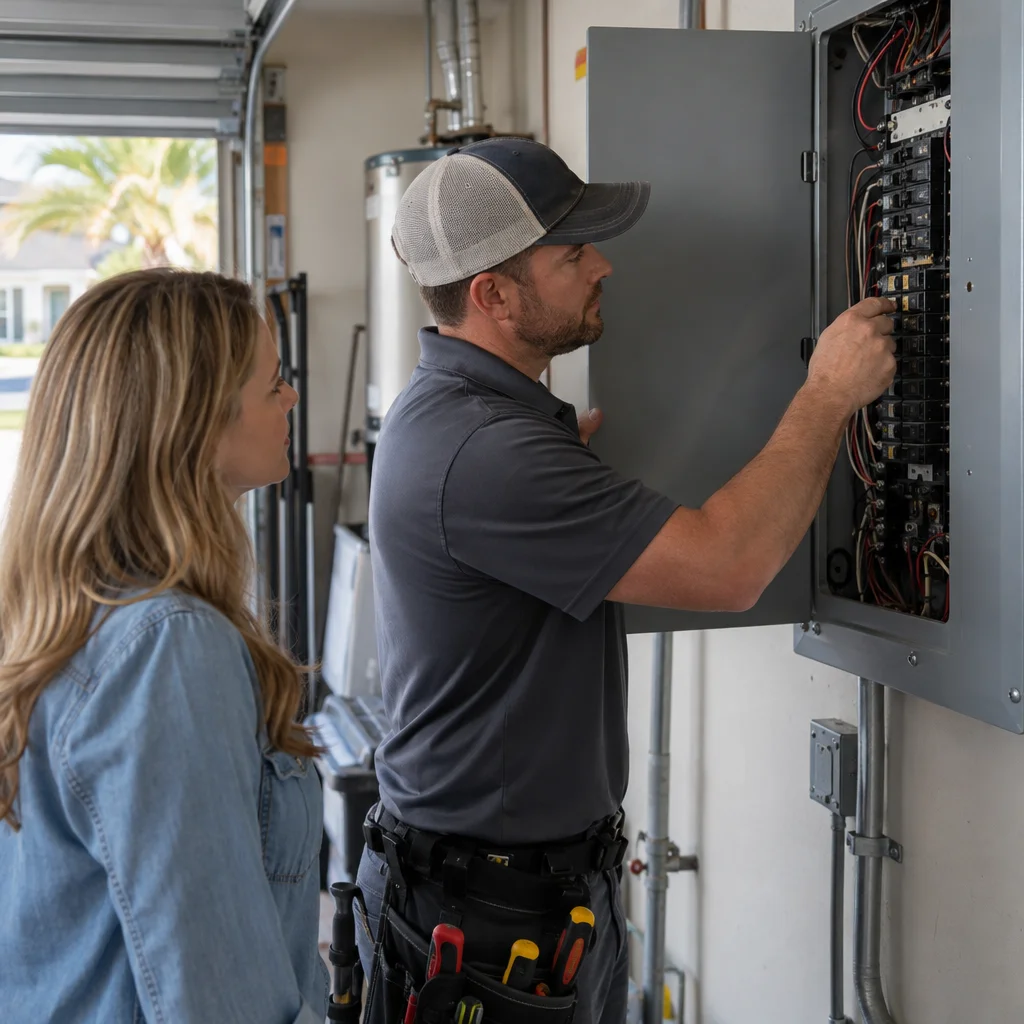
An empty breaker position does not necessarily mean your home can support another large appliance. An electrician must evaluate the service rating, panel rating, existing loads, and proposed equipment. A load calculation helps determine whether the added demand fits within the system's capacity.
Panel condition matters too. Corrosion, heat damage, incompatible breakers, loose connections, or a missing cover opening filler can require correction before new work proceeds. In older Panama City homes, years of small additions may have left a confusing circuit directory or several unrelated rooms sharing circuits.
Choose the upgrade that addresses the actual limitation
Some homes only need a new branch circuit. Others need a subpanel for additional circuit spaces, provided the upstream supply has adequate capacity. A subpanel does not create more service capacity. An electrical panel replacement or service upgrade may be necessary when equipment condition or calculated demand warrants it.
If you are searching for electrical panel upgrade near me, ask what finding supports the recommendation. The discussion in how electrical maintenance supports safer panel upgrades is also relevant to nearby Panama City homes: existing defects should not disappear behind a new project.
Match the breaker, wiring, and outlet as one system
A breaker protects circuit conductors against overcurrent. Replacing a frequently tripping breaker with a larger one without verifying the entire circuit can allow wiring to overheat. Breaker repair should begin with diagnosis; a defective breaker may need replacement, but an overload, short circuit, ground fault, or poor connection could be the real problem.
Wire selection depends on more than appliance amperage. Conductor material, installation method, ambient conditions, run length, and terminal ratings can affect the design. Longer runs to a detached garage or an addition may also require attention to voltage drop. Connections must remain in appropriate, accessible enclosures.
A new outlet cannot correct unsuitable wiring
A receptacle must match the intended circuit and appliance connection. Loose plug retention, discoloration, or damaged terminals can justify outlet repair, but installing a fresh receptacle does not fix undersized conductors or missing grounding. An outlet repair near me search sometimes leads to a wiring problem farther upstream.
Older three-slot dryer or range connections need professional evaluation before equipment is replaced or relocated. New installations generally require the applicable modern grounding arrangement, with neutral and equipment grounding functions kept separate where required. Avoid adapters or improvised connections. Related electrical device upgrades should be coordinated with the circuit work, not treated as a cosmetic substitute.
Warning signs worth investigating before delivery day
Repeated breaker trips, a receptacle that feels unusually warm, buzzing, flickering during appliance operation, or a burning odor deserve attention. Brief light dimming during motor startup does not establish the cause by itself, but pronounced or worsening dimming calls for electrical troubleshooting.
Notice what happens and when. Does the breaker trip only when two appliances run together? Does it trip immediately with one appliance? Did the issue begin after a remodel? These details help an electrician separate an overloaded shared circuit from an appliance fault or damaged wiring.
For homeowners seeking electrical troubleshooting near me, a useful first step is recording symptoms without opening equipment or repeatedly resetting breakers. Stop using a damaged or overheating outlet. If there is smoke, fire, or active sparking, stay clear, evacuate as needed, and call 911. Do not touch a hot panel or approach electrical equipment through standing water.
Coastal conditions make protection and placement important
Panama City's humid climate, salt exposure in coastal locations, and heavy storm rainfall can be hard on electrical equipment. Garages, exterior walls, and utility areas deserve particular attention where moisture enters or condensation develops. Corroded enclosures, stained surfaces, and damaged seals need evaluation before a circuit is extended.
GFCI protection reduces shock risk and is required for many locations and appliance circuits under applicable code. AFCI protection addresses certain arcing hazards and may also be required. Neither replaces correct grounding, sound wiring, or proper overcurrent protection. An electrician should verify the requirements under the currently adopted code and local amendments rather than copying an older installation.
A refrigerator or freezer does not receive an automatic exemption from required protection simply because an unexpected trip would be inconvenient. Persistent trips need diagnosis. If flooding or storm damage reaches electrical equipment, do not reenergize it until it has been professionally evaluated; affected components may require replacement.
Plan appliance circuits alongside remodels and future loads
Kitchen remodels and additions offer a practical opportunity to improve circuit layout while walls are accessible. Moving an island, adding a wall oven, or relocating laundry equipment can change wiring routes and protection requirements. Newer homes also need evaluation because their original electrical design may not include your planned equipment.
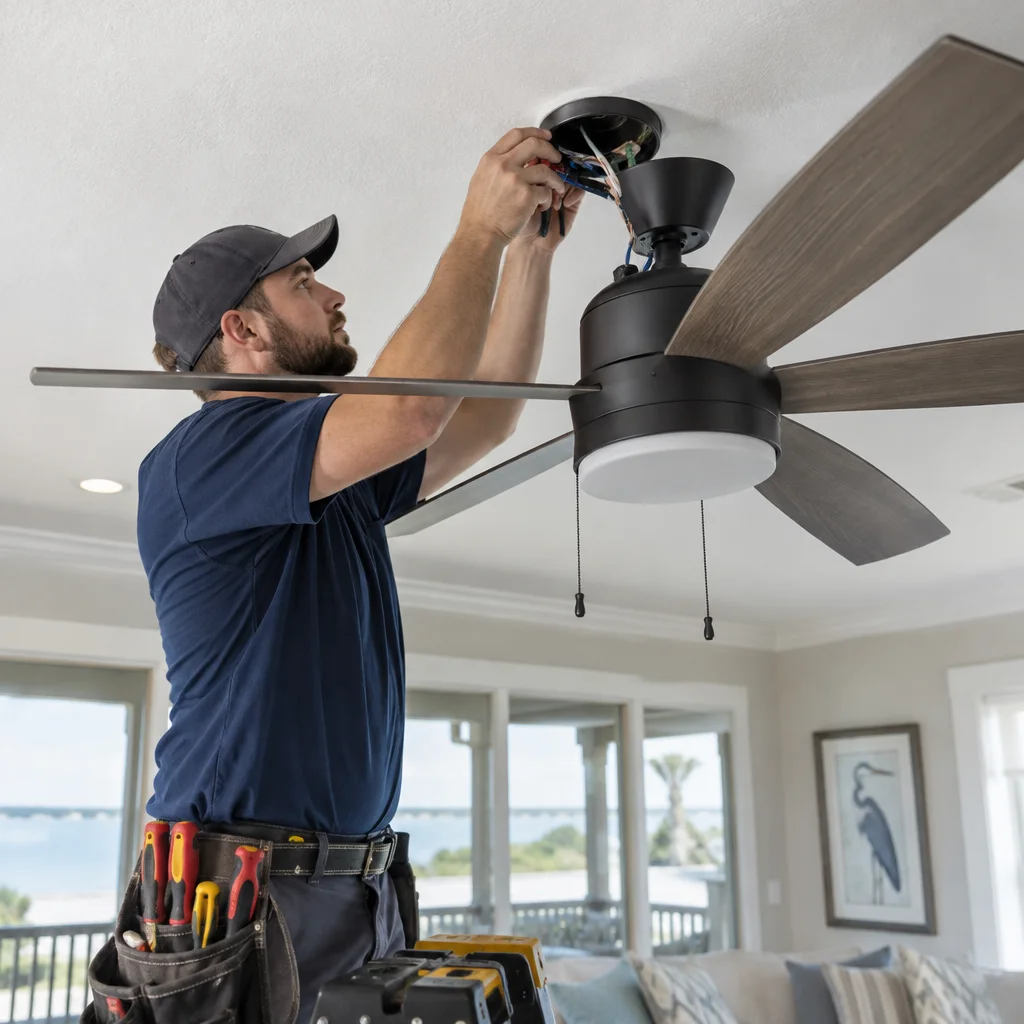
Keep ordinary room loads in the conversation. Lighting, switches, and ceiling fans should not be overlooked while planning appliance power. Separating loads appropriately can reduce avoidable interruptions and make troubleshooting easier. If walls are already open, coordinate indoor lighting installation and switch placement before finishes go back.
Leave a realistic path for EV charging and outdoor equipment
EV charger installation introduces another substantial load. A Level 2 charger usually requires a circuit designed for its rating and continuous-load requirements. Planning it alongside appliance circuits helps avoid paying twice for panel changes or difficult wiring routes. Where appropriate, approved load management may offer an alternative to increasing service capacity.
A future pool, spa, or hot tub brings separate requirements for disconnects, GFCI protection, grounding, and bonding. Discuss pool, spa, and hot tub wiring early rather than assuming spare panel spaces settle the design.
Dedicated circuits help organize backup power, not create it
A dedicated circuit will not prevent a utility outage or protect an appliance from every surge. Whole-home surge protection can help limit transient overvoltages, but it does not guarantee protection against every lightning event. It also cannot correct a loose neutral, damaged wiring, or an overloaded circuit.
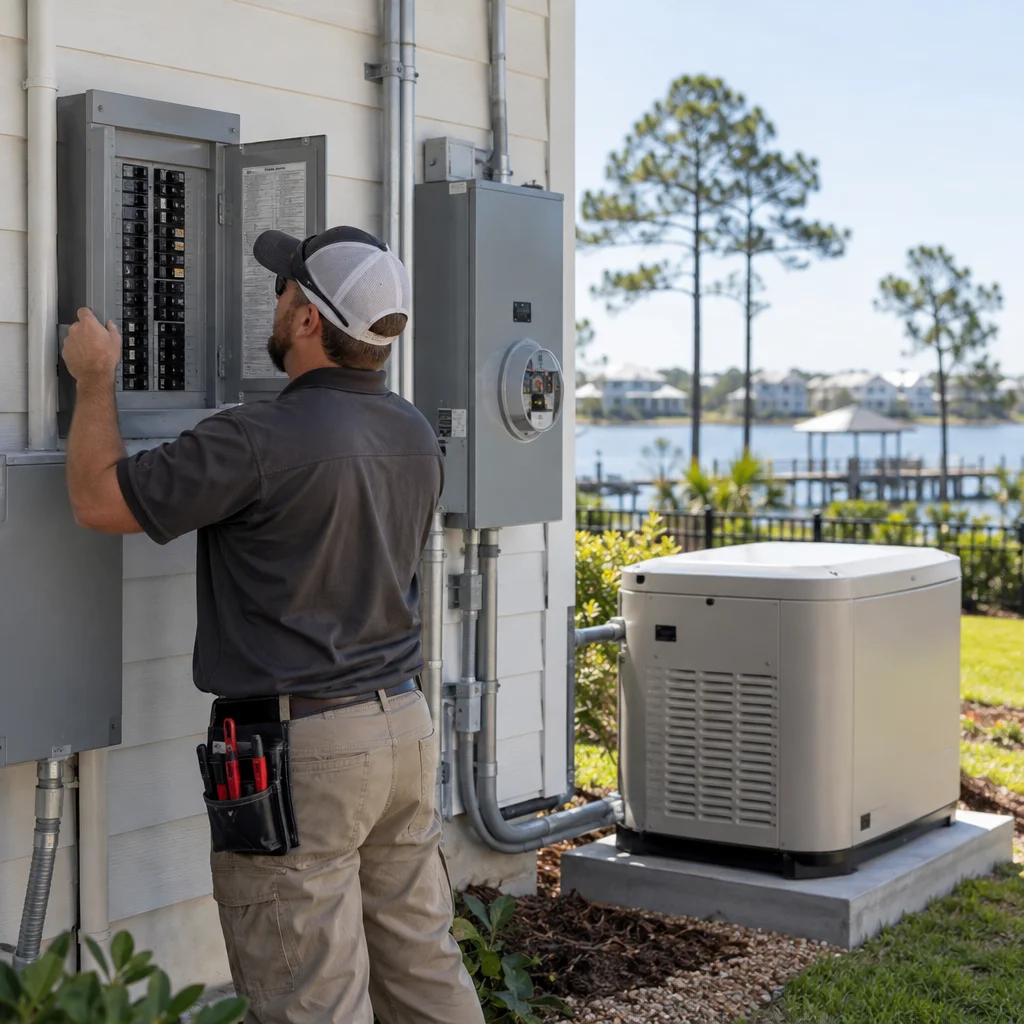
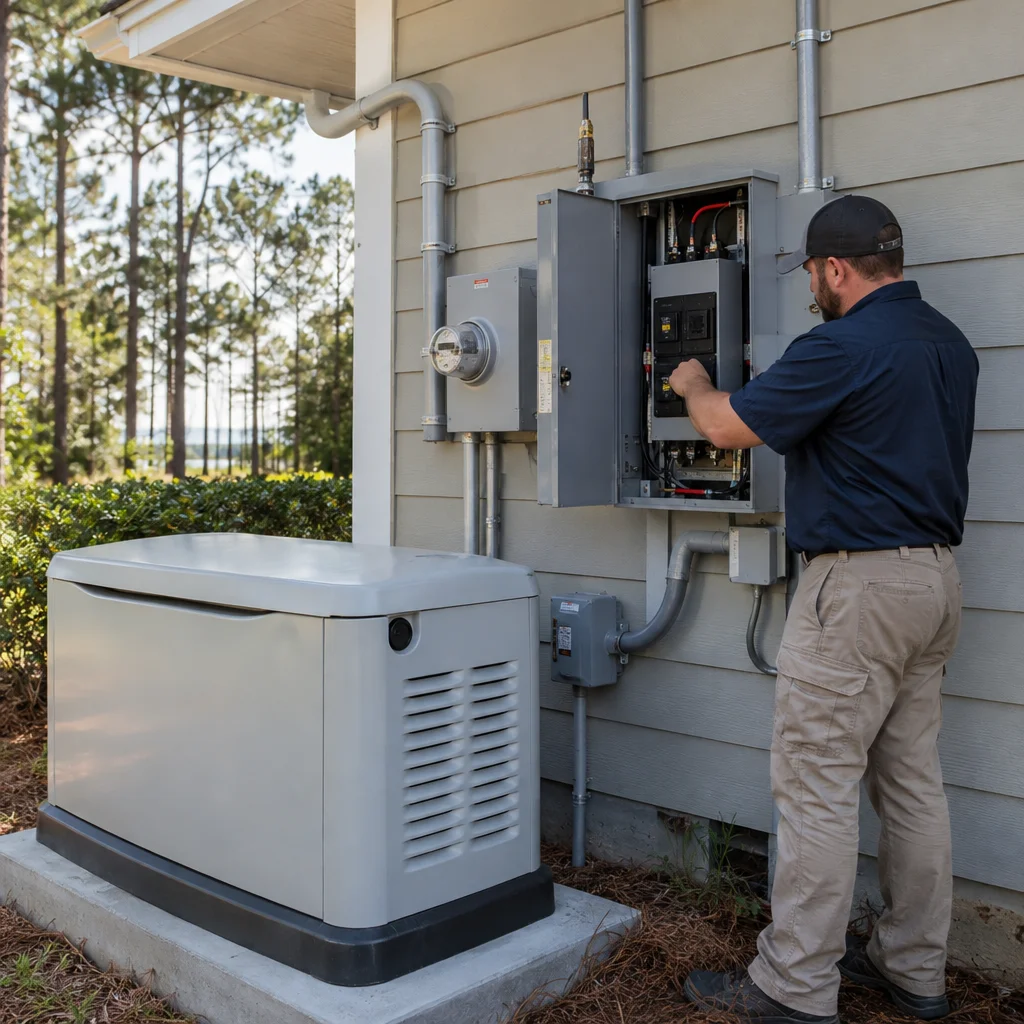
For generator installation, identify essential loads before selecting equipment. A refrigerator circuit may be a priority, while an electric range could exceed a smaller generator's practical capacity. Starting demand matters as well as running demand. A properly designed battery backup system likewise needs a realistic load and runtime plan.
Generators require approved transfer equipment or an appropriate listed interlock arrangement to prevent utility backfeed. Never connect a portable generator through a household receptacle. Operate portable units outdoors, at least 20 feet from doors, windows, and vents, with exhaust directed away from the home.
A useful site visit should produce a clear scope
An appliance circuit assessment should establish the equipment requirements, panel condition, available capacity, wiring route, and final connection location. The electrician should also discuss permits and inspections required by the local authority. Code corrections discovered during the assessment should be explained separately from optional improvements.
Ask whether the estimate includes the breaker, cable, receptacle or disconnect, labeling, testing, and any required protection. Clarify who handles drywall repairs and whether appliance delivery must wait for inspection. These details matter in occupied homes and vacation rentals where installation downtime affects daily routines or guests.
Local electrical service matters because equipment selection and scheduling must account for coastal exposure, local inspection requirements, and the actual building. A Superior Mechanical serves Panama City homeowners and offers service across Bay County, helping coordinate appliance circuit work with broader electrical needs.
Keep the finished circuit reliable
After installation, keep the panel directory accurate and save appliance instructions and inspection records. Do not add power strips or extension cords to supply other equipment from an appliance connection. Test GFCI and AFCI devices according to manufacturer instructions, and keep electrical panels accessible rather than hidden behind storage.
Schedule maintenance based on equipment condition, exposure, and the electrician's recommendations. Visits can also identify damaged switches, loose receptacles, or smoke detector installation needs during a remodel. The practical approach described in smarter electrical repairs for nearby coastal homes applies here: address the cause instead of repeatedly replacing the symptom.
If an emergency electrician near me search becomes necessary because of overheating or repeated trips, stop using the affected equipment and describe the symptoms clearly. Do not keep resetting the breaker. For planned upgrades, contact A Superior Mechanical before appliance delivery so panel capacity, wiring, outlets, and required inspections can be addressed without a last-minute workaround.
Find Dedicated Circuits for Appliances in Panama City, FL
If you need Dedicated Circuits for Appliances in Panama City, FL, visit our local service page or contact A Superior Mechanical today.
Map of Panama City, FL
Frequently Asked Questions
Does every kitchen appliance need a dedicated circuit?
No. Requirements depend on the appliance rating, manufacturer instructions, connection method, and applicable electrical code. Electric ranges and wall ovens commonly need individual circuits, while refrigerators and countertop appliances require a more specific evaluation. An electrician can determine which loads may share a circuit and which need their own.
Will adding a dedicated appliance circuit require a panel upgrade?
Not always. If the existing panel is in suitable condition, has an approved breaker position, and the service has enough calculated capacity, a new branch circuit may be sufficient. A subpanel can provide additional circuit spaces but does not increase service capacity. Panel or service upgrades should be based on documented capacity or condition concerns.
Can a dedicated circuit stop my appliance breaker from tripping?
It can help when the cause is an overloaded shared circuit. It will not fix a faulty appliance, damaged wiring, a ground fault, or a loose connection. Have the cause diagnosed before adding a circuit or replacing a breaker, and never install a larger breaker simply to stop trips.
Related Articles
Photo Gallery