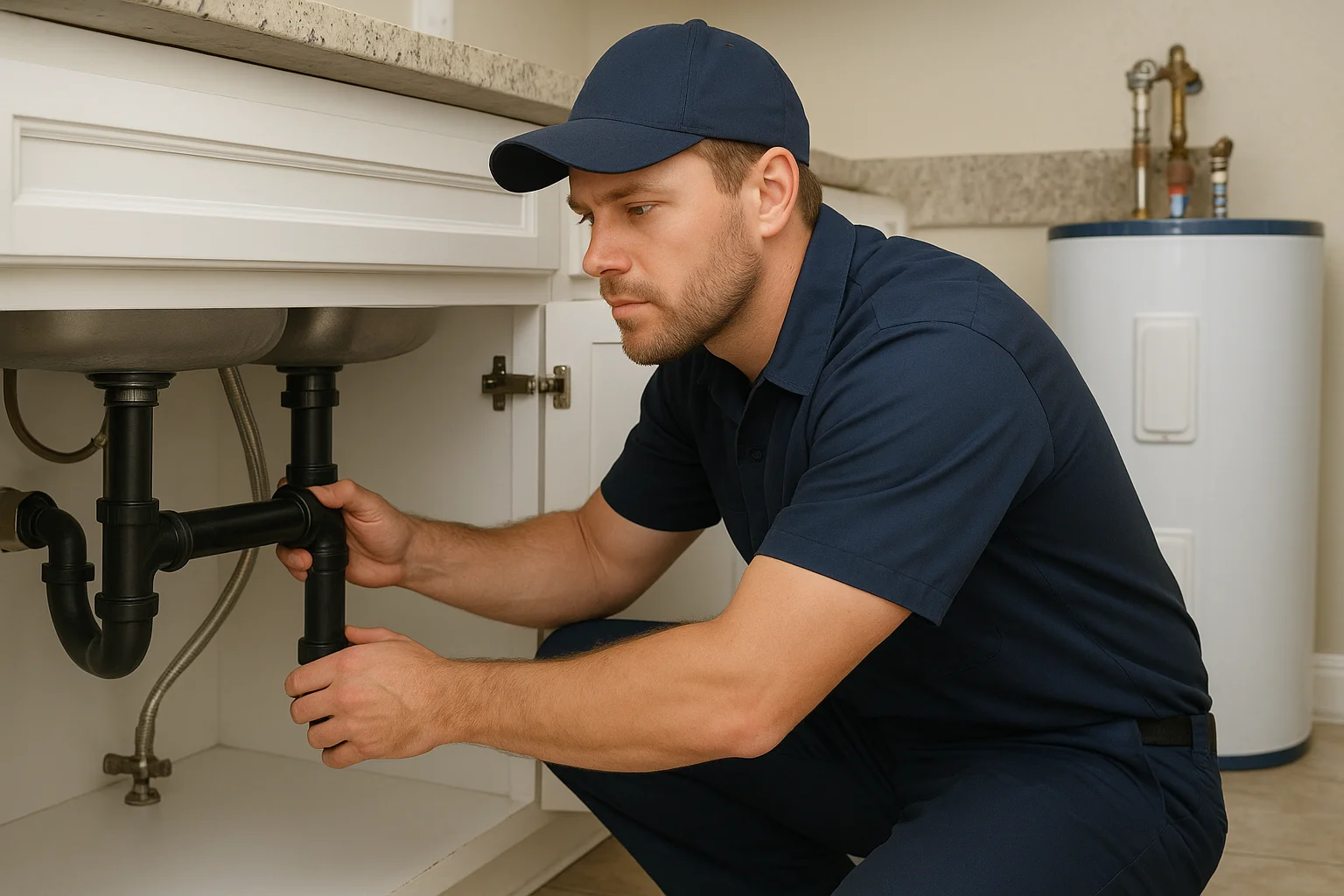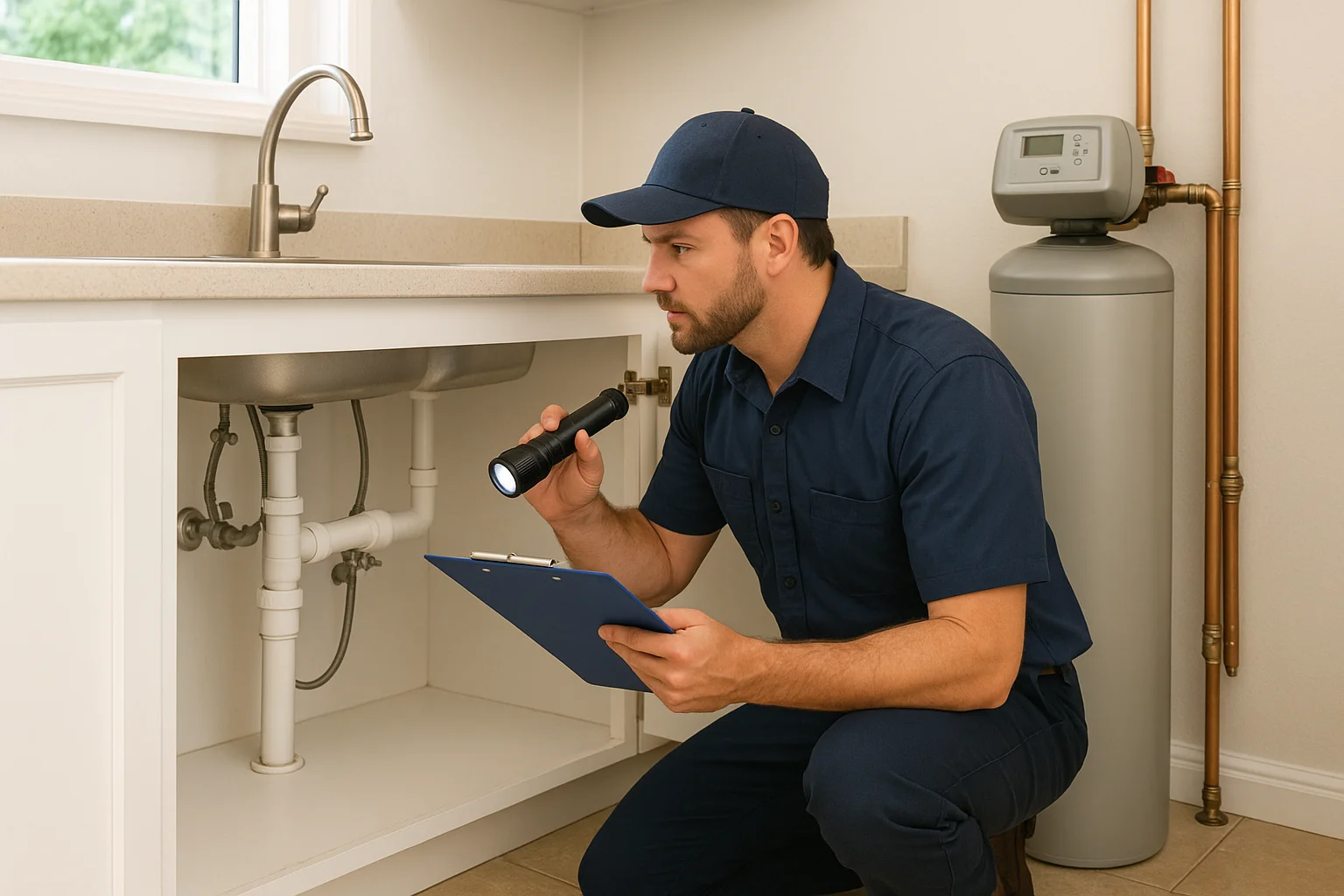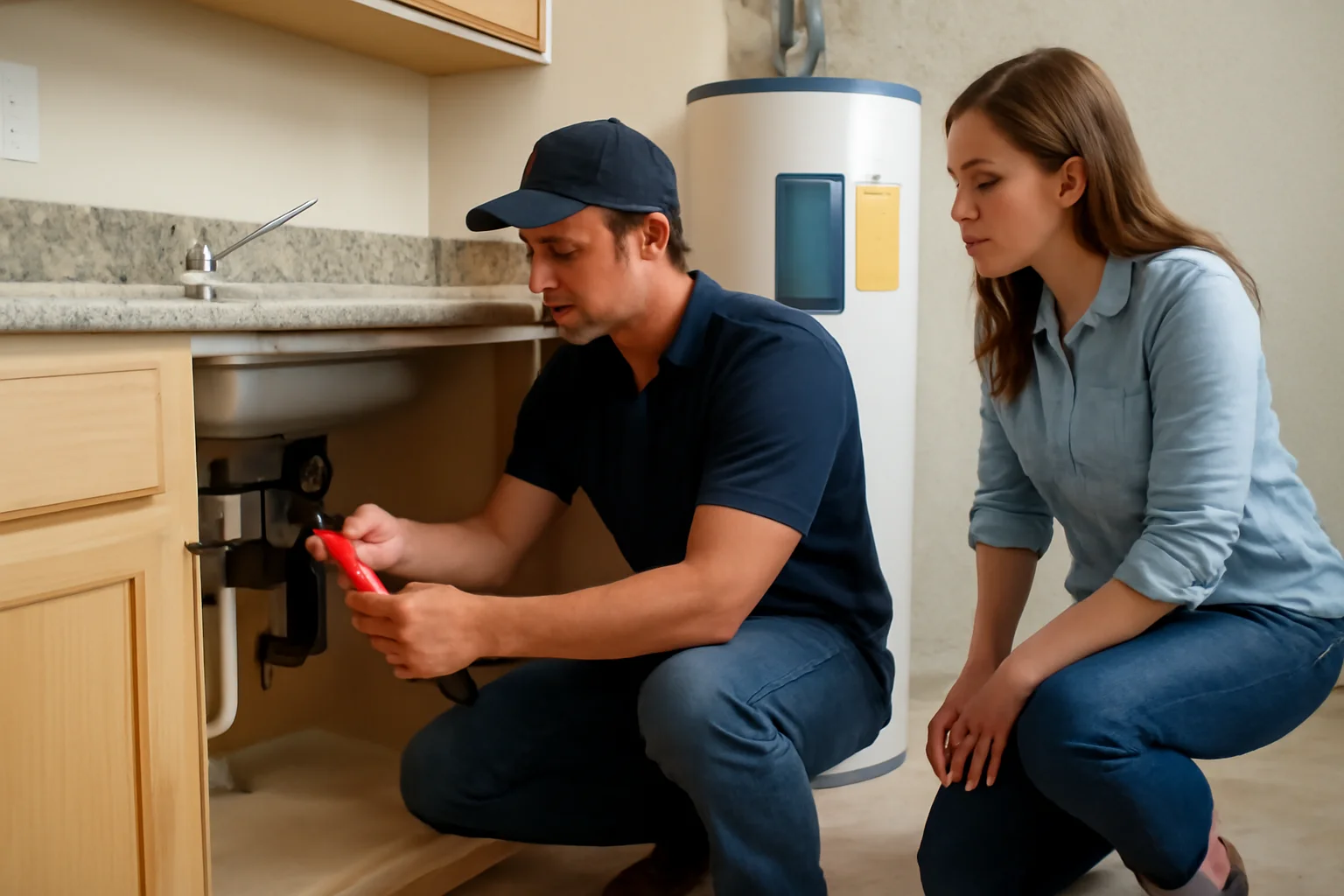
Springfield, FL homes see everything from heavy seasonal rain to long stretches of warm, humid weather. That means your plumbing system has to handle real-world water use, shifting moisture, and sometimes hard water. If you are planning a new build, a renovation, or a property upgrade in Springfield, a little planning now can prevent messy interruptions later, reduce the chance of leaks, and keep drains and sewer lines working the way you expect.
If you are searching for a plumbing installation plumber in Springfield, FL, start by thinking like a homeowner and an installer at the same time. The best results come from matching your fixtures, pipes, and water heater choices to your household needs, your property layout, and local conditions.
Start with your goals, not just the fixtures
It is easy to focus on the visible parts of plumbing installation: a new shower, updated faucets, a better toilet, or a new water heater. Those matter, but the system behind them determines whether you will have steady water pressure, reliable drainage, and fewer emergency plumbing concerns.
Before work begins, write down what you are trying to improve:
- More consistent water pressure across bathrooms and laundry
- Better drain performance and fewer clogs
- Reduced leaks around fixtures, under sinks, or near toilets
- Upgrading a water heater for higher recovery or energy savings
- Preparing for a new bathroom, kitchen, or wet bar
- Addressing older pipe materials or sewer line concerns
This planning step also helps your plumber estimate the right scope. For example, if you are adding a bathroom, you may need new supply lines, a properly sized drain line, and venting that supports smooth flow. If you are replacing fixtures only, you still want to confirm the shutoff valves, supply lines, and drain connections can support the change.
Know your water pressure and flow before installation
In Springfield homes, water pressure can vary based on neighborhood supply conditions and household demand. During plumbing installation planning, ask how your current system behaves at peak times. Low pressure can lead to weak shower flow, slow filling toilets, and poor performance from some fixtures. High pressure can stress pipes and fittings and increase the risk of leaks over time.
When planning upgrades, consider:
- How pressure feels in showers versus kitchen sink use
- Whether faucets spit or air-bubble when you turn them on
- Whether toilets fill slowly or run intermittently
- Whether you notice hammering noises when water turns off
A licensed plumber can check pressure and recommend changes such as pressure regulation, better supply line routing, or fixture selections designed for your system. This is also a smart moment to discuss hard water. Hard water can contribute to mineral buildup in water heaters and restrict flow through pipes and fixtures, which can later turn “plumbing repair near me” searches into frequent maintenance.
Plan drains, vents, and slope like you mean it
Drain performance is one of the biggest reasons homeowners end up calling for plumbing repair near me. Many clog and backup issues start with installation details that were never verified, especially after renovations or additions.
When you plan plumbing installation in Springfield, FL, confirm these items are addressed:
- Drain line sizing for the fixtures you are adding or changing
- Proper slope so wastewater moves steadily and does not collect
- Vent placement to prevent slow drains, gurgling, and siphoning traps
- Cleanout access so future drain cleaning does not require destructive work
For homeowners who have dealt with clogs before, it can be tempting to “just snake it” later. But if the slope, venting, or fixture connections are off, the same problem can return. If you want to stay ahead, review Keeping Springfield Drains Clear Before Small Plumbing Problems Spread and make sure your installation plan supports long-term flow.
Choose fixtures that match your plumbing system
Modern toilets, faucets, and showerheads can be more efficient, but they still need the right water supply and drainage conditions. When planning a remodel, ask your installer how your chosen fixtures will perform with your existing pipes and water pressure.
Common fixture planning issues include:
- Toilet compatibility with supply line size and shutoff valve type
- Faucet cartridge requirements for smooth operation and leak prevention
- Shower valve performance based on pressure stability
- Dishwasher and laundry drain connections that avoid backflow
If you are already noticing running toilet repair near me issues, slow drains, or water pooling around a fixture, address those problems during the planning phase. A new fixture can look great and still fail if the connection or venting is not set up correctly.
Water heater planning: location, sizing, and recovery
Water heaters are central to comfort in Springfield homes, especially when humidity and seasonal weather changes increase household hot water demand. Planning ahead for water heater installation helps you avoid cold showers, long recovery times, and premature wear.
Before you schedule smarter water heater installation, consider:
- Correct sizing for your household size and peak usage
- Fuel type and venting requirements
- Safe placement that supports service access
- Drain pan and leak detection where appropriate
- Compatibility with hard water to reduce mineral buildup
If you are searching for “water heater installation near me” because your current unit is aging, planning can also include deciding whether you need a new expansion tank, updated shutoffs, or better protection against leaks. For homeowners who already suspect a problem, water heater service may be needed alongside plumbing repair, especially if you are seeing corrosion, inconsistent hot water, or moisture near the unit.
Think about sewer lines before a remodel turns into a crisis
Renovations often require moving fixtures, changing layouts, or adding bathrooms. That is a good time to assess sewer line condition, especially in older Springfield homes where pipe materials may have aged.
Planning steps that can prevent major disruptions include:
- Confirming the route of main drain lines and how new fixtures will tie in
- Ensuring cleanouts are accessible for future maintenance
- Considering a sewer camera inspection if you have slow drains, recurring backups, or unknown pipe history
If you have ever had a sewer backup repair near me search turn into an emergency, you already know how fast the situation can escalate. A proactive inspection can reveal issues like buildup, misalignment, or early signs of failure before you add more load to the system.
For deeper guidance, read Why Springfield Families Benefit from Sewer Camera Inspections Before Small Plumbing Problems Grow and talk through what the findings would mean for your installation plan.
Plan for the realities of Springfield moisture and temperature swings
Springfield’s humid climate and seasonal rainfall can increase the chance of moisture-related plumbing problems, especially around slab areas, crawl spaces, and exterior wall penetrations. Even well-installed plumbing can suffer if water intrusion is not managed.
During planning, ask your plumber to consider:
- Where plumbing penetrates exterior walls and how it is sealed
- How condensation is managed near water lines
- Whether your home has areas prone to dampness under fixtures
- Whether you have signs of slab leaks, such as unexplained water bills, warm spots, or recurring moisture
Slab leak repair near me searches often start after the homeowner notices a pattern. Planning can reduce the odds by ensuring proper installation practices, good access for future service, and attention to sealing and protection measures.
Map shutoffs, access points, and “service paths”
A plumbing system is more than pipes and fixtures. It is also access. When you plan plumbing installation, consider where shutoff valves are located and whether you can reach them without tearing out finished walls.
Homeowners often regret not planning for access after a leak or fixture failure. If you want to avoid the inconvenience of repeat repairs, request:
- Shutoff valves near key fixtures where appropriate
- Service access panels for valves, traps, and cleanouts
- A clear plan for how future pipe repair will be performed
- Labeling or documentation of what was installed and where
This is also where local plumbing maintenance planning becomes practical. When you know where components are, routine checks and drain cleaning can be scheduled before small issues become plumbing repair near me emergencies.
Budget for quality materials and code-compliant installation
Planning ahead includes budgeting for quality where it counts. Plumbing installation should be code-compliant and designed for long-term performance. That does not always mean the most expensive option, but it does mean the right materials, correct connections, and proper testing.
During planning, ask about:
- Pipe material choices for your home’s layout and water conditions
- Connection methods and how leaks are prevented at joints
- Testing procedures after installation, including pressure checks
- Warranty coverage for workmanship and parts
If your project includes a water softening or purification upgrade, it can also affect how your plumbing performs. Explore Water Softening and Water Purification as part of a broader plan for hard water and longer fixture life.
Use a phased approach for renovations
Renovations can move quickly, but plumbing installation often benefits from a phased plan. For example, it can be smarter to install and test rough plumbing before drywall or tile goes in. This reduces the chance that a hidden issue becomes a major tear-out later.
A practical renovation sequence for many Springfield homes looks like this:
- Rough-in planning with fixture placement, drain routes, and venting
- Rough plumbing installation and testing
- Wall and floor work after successful checks
- Fixture installation and final adjustments
- Documentation for future service
If you are also coordinating other trades, communicate early about plumbing penetrations and access needs. This is especially important when you are upgrading existing plumbing services or adding new supply and drain lines.
Prevent emergencies with simple maintenance habits
You do not have to be a plumber to prevent common problems. Small habits can reduce the frequency of clogs, leaks, and drain backups.
Consider these maintenance habits for Springfield homes:
- Run cold water when using garbage disposals and avoid dumping grease
- Use strainers in kitchen and bathroom sinks
- Keep hair and debris out of shower drains
- Look for slow draining early and schedule drain cleaning before it becomes a backup
- Check toilet fill behavior and address running toilet repair concerns promptly
When small problems are ignored, they can turn into bigger issues like main drain cleaning near me calls or sewer backup repair near me emergencies. Planning also means knowing what is normal in your home so you can spot change early.
When to call a professional plumber during installation planning
Some homeowners try to handle parts of planning with DIY research. That can work for cosmetic updates, but plumbing installation requires the right system design, materials, and testing. Call a professional if you notice any of the following during planning or right now:
- Persistent leaks around fixtures, shutoffs, or toilet bases
- Frequent clogs or gurgling drains that suggest venting or slope issues
- Unexplained water bill increases that could point to hidden leaks or slab leak repair near me situations
- Signs of sewer line trouble such as recurring backups or foul odors
- Water heater performance issues that suggest you need water heater service or a replacement plan
- Cracked or failing pipe connections where broken pipe repair near me searches often start
If you need help coordinating multiple parts of your system, you can also review Plumbing Services for the broader range of installation and repair options available in Springfield.
Keep your project aligned with Springfield and Bay County realities
Springfield is part of Bay County, and local service matters because plumbing systems are affected by region-specific conditions and typical home layouts. From older neighborhoods with mature pipe systems to newer builds, the right plumbing installation plumber near me should understand what local homeowners commonly deal with: hard water effects, drain performance issues, aging sewer lines, and the moisture factors that can make leaks harder to detect.
A Superior Mechanical serves homeowners across Springfield and throughout Bay County. If your project includes upgrades beyond standard fixture swaps, professional planning helps ensure your plumbing system is built for long-term performance, not just the first year after installation.
Questions to ask before your plumbing installation begins
Bring these questions to your planning call. They keep the work focused and prevent surprises.
- What changes do you recommend for water pressure and flow based on my home?
- Will my fixture choices require specific supply line sizes or shutoff updates?
- How will you handle drain slope, venting, and cleanout placement?
- Do you recommend a sewer camera inspection before tying into existing lines?
- What water heater size and installation approach fits my household usage?
- How do you test the system after rough-in to confirm there are no leaks?
- Where will shutoffs and service access points be located?
When these points are addressed early, you are less likely to face emergency plumber situations later, and you can plan the rest of your renovation with confidence.
How planning protects your budget
Planning ahead for plumbing installation is not just about comfort. It is also about cost control. A well-designed system reduces callbacks, prevents hidden leaks, and lowers the chances that you will need emergency repairs after walls are already finished.
It also supports smarter long-term maintenance. With the right installation and access points, drain cleaning, leak repair, and water heater service become simpler and more affordable. That is the difference between occasional plumbing maintenance near me and repeated urgent calls.
If you are ready to plan your plumbing installation in Springfield, start with a clear scope for your home and schedule an assessment through A Superior Mechanical’s plumbing installation service area page. For additional context on how plumbing issues grow, you can also review What Springfield Homeowners Should Know About Commercial Plumbing Before a Small Issue Spreads if your project includes a rental, shop, or property upgrade with shared plumbing loads.
Find Plumbing Installation in Springfield, FL
If you need Plumbing Installation in Springfield, FL, visit our local service page or contact A Superior Mechanical today.
Map of Springfield, FL
Frequently Asked Questions
What should I check first when planning plumbing installation in my Springfield, FL home?
Start with your goals and household water use, then confirm water pressure and flow, fixture compatibility, and how drains and vents will be routed. If your home has recurring clogs or slow drains, ask about a sewer camera inspection before you add new fixtures.
How do hard water and humidity in Springfield affect plumbing after installation?
Hard water can increase mineral buildup in water heaters, reduce flow through fixtures, and make maintenance more frequent. Springfield’s humidity and seasonal moisture can also worsen leaks at penetrations and under fixtures. Planning for proper sealing, correct materials, and water heater choices helps reduce long-term issues.
Do I need sewer line inspection before a renovation?
Not every project requires it, but it is a smart step if you have recurring backups, foul odors, multiple slow drains, or you are tying new bathrooms or kitchen lines into older sewer pipes. A camera inspection can prevent surprises and reduce the chance of sewer backup repair later.
How can I reduce the chance of leaks after plumbing installation?
Leaks are often tied to connection quality, shutoff access, and system testing. Ask your installer about pressure testing after rough-in, service access points, and shutoff placement so future pipe repair or faucet repair does not require major demolition.
When should I call an emergency plumber for plumbing problems?
Call an emergency plumber if you have active flooding, a major sewer backup, water heater leaks, or a suspected slab leak with rapidly rising water usage. If you see persistent leaks, recurring clogs, or signs of pipe failure, contact a local plumber promptly to address the issue before it escalates.
Related Articles
- Keeping Springfield Drains Clear Before Small Plumbing Problems Spread
- Why Springfield Families Benefit from Sewer Camera Inspections Before Small Plumbing Problems Grow
- What Springfield Homeowners Should Know About Commercial Plumbing Before a Small Issue Spreads
- A Springfield Homeowner’s Guide to Smarter Water Heater Installation and Fewer Plumbing Surprises
Photo Gallery