Electrical systems rarely get much attention until something stops working. A breaker trips repeatedly, an outlet feels warm, or the kitchen lights flicker when an appliance starts. For homeowners in Bid-A-Wee, Florida, these problems can be especially concerning because coastal humidity, salt exposure, seasonal storms, and changing household power demands all influence electrical system performance.
Whether you own an older beach cottage, a renovated vacation rental, or a newer home near Panama City Beach, thoughtful electrical planning can help prevent inconvenient outages and potentially dangerous conditions. Understanding how your panels, wiring, outlets, and protective devices work together makes it easier to recognize problems before they become expensive repairs.
A Superior Mechanical provides electrical repair in Bid-A-Wee, FL, helping homeowners and property managers address electrical concerns with practical troubleshooting, appropriate repairs, and attention to electrical safety.
Why Electrical Planning Matters in Coastal Bid-A-Wee
Homes along the Gulf Coast face electrical challenges that differ from those in many inland communities. Bid-A-Wee's proximity to the Gulf of Mexico brings humid air, salt exposure, heavy rainfall, and the possibility of tropical storms. These conditions can accelerate deterioration in electrical equipment, particularly components installed outdoors or in poorly protected locations.
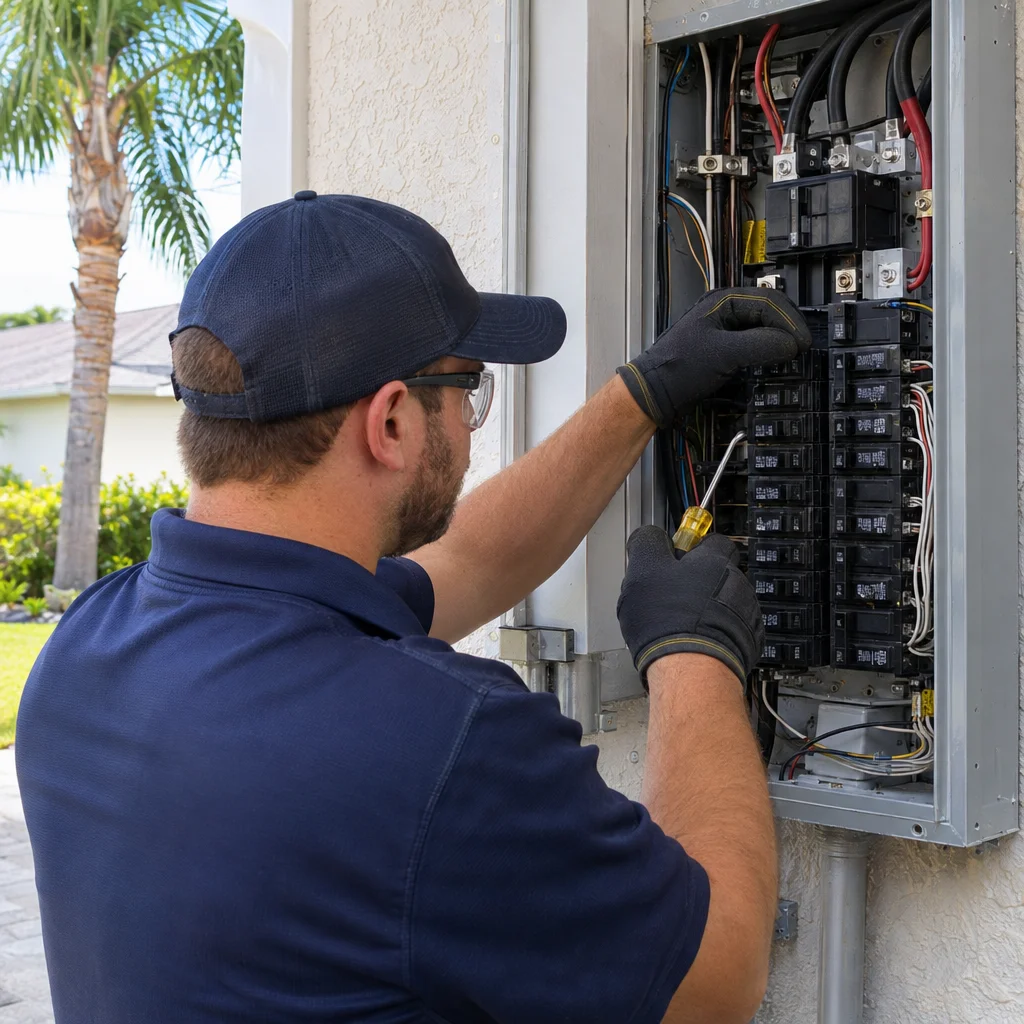
Corrosion may develop around electrical connections, exterior outlets, disconnects, and service equipment. Moisture intrusion can interfere with electrical devices and increase the risk of short circuits or ground faults. Storm damage may affect overhead service connections, outdoor lighting, and equipment exposed to wind-driven rain.
Older homes may also have electrical systems designed for substantially lower power consumption. Modern kitchens, air conditioning equipment, entertainment systems, electric vehicle chargers, and home offices place additional demands on circuits that were never intended to support them.
Newer properties are not automatically immune. Installation defects, damaged components, overloaded circuits, and equipment failures can occur regardless of a home's age.
For property owners throughout Bid-A-Wee, preventive electrical maintenance should account for both everyday usage and the local coastal environment.
Electrical Panels: The Starting Point for a Safer System
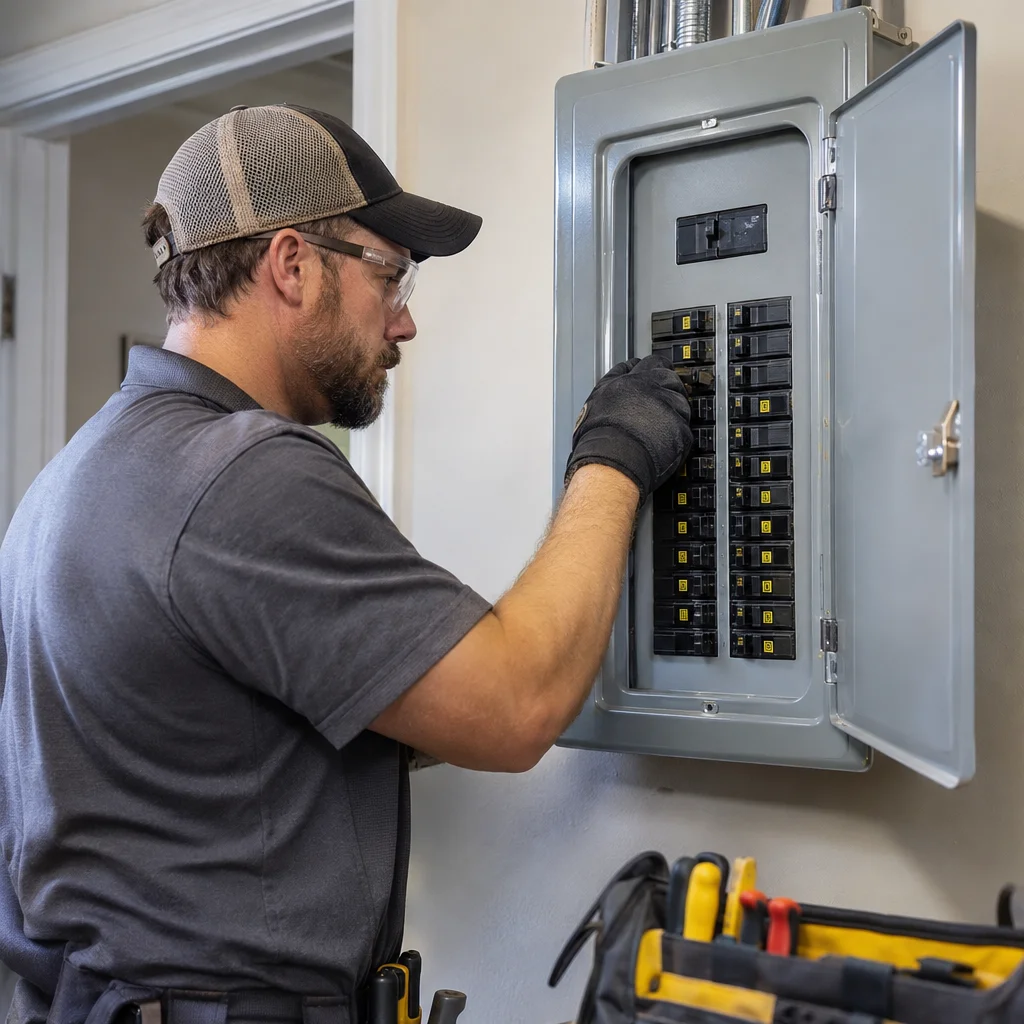
Your electrical panel distributes power throughout the house. Circuit breakers protect individual circuits by interrupting current when certain overloads or faults occur. When the panel is properly sized, installed, and maintained, it supports safe operation of connected equipment.
Panel problems can affect several areas of the home simultaneously, making accurate electrical troubleshooting especially important.
Recognizing Electrical Panel Problems
Some electrical panel concerns are relatively easy to notice. Others require professional testing to identify.
- Breakers that trip repeatedly under ordinary household use.
- Buzzing, crackling, or unusual noises near the electrical panel.
- Burning odors, discoloration, or visible heat damage.
- Corrosion, rust, or signs of moisture inside or around equipment.
- Lights that dim significantly when major appliances start.
- Insufficient circuit capacity for planned appliances or renovations.
A breaker that trips once during an unusual overload may be functioning as intended. Repeated trips, however, deserve investigation. The underlying cause could be an overloaded circuit, damaged wiring, a faulty appliance, a loose connection, or a defective breaker.
Do not repeatedly reset a breaker that continues tripping. Breakers are protective devices, and repeated operation may indicate an unresolved hazard.
Breaker Repair or Electrical Panel Upgrade?
Not every electrical problem requires replacing the entire panel. Sometimes a qualified electrician can correct a circuit issue or replace a defective breaker with an approved, compatible component.
Other situations justify evaluating a larger upgrade. An older panel may lack adequate circuit spaces, have deteriorated components, or be unsuitable for expanding household electrical demand.
Homeowners considering an EV charger, major kitchen remodel, electric range, or additional living space should have available electrical capacity evaluated before installation.
A Superior Mechanical can help property owners explore electrical panel repairs and upgrades in Bid-A-Wee based on system condition, equipment requirements, and applicable electrical codes.
An electrician should perform a proper load calculation rather than assuming that a particular panel amperage is suitable for every property.
Wiring Problems That Should Never Be Ignored
Most household wiring remains hidden behind walls, ceilings, and floors. That makes wiring problems difficult to diagnose without appropriate testing.
In older Bid-A-Wee homes, previous renovations may have introduced wiring changes that no longer match current needs. Some properties contain outdated wiring methods, ungrounded receptacles, deteriorated insulation, or connections that require closer evaluation.
Salt exposure and humidity can also affect connections in susceptible locations, especially where outdoor electrical equipment lacks appropriate protection.
Electrical Wiring Warning Signs
Flickering lights, unexplained power interruptions, warm switch plates, and unusual odors can indicate electrical trouble. A buzzing outlet or switch may point to a loose connection or failing device.
Frequent breaker trips can also originate from damaged conductors rather than the breaker itself.
These symptoms should not be treated as normal inconveniences. Loose electrical connections can generate heat, while damaged insulation may create shock or fire hazards.
Professional wiring repair may involve locating the affected circuit, testing conductors, correcting connections, replacing damaged sections, or recommending broader rewiring where necessary.
For older properties, an electrical inspection can also identify questionable previous work and determine whether grounding and circuit protection meet applicable requirements.
Planning Wiring During Remodels and Additions
Remodeling creates an opportunity to improve electrical reliability before walls and ceilings are finished.
Kitchen renovations may require additional small appliance circuits, dedicated circuits for certain equipment, updated receptacle placement, and suitable GFCI protection.
Bathroom renovations often involve improved lighting, exhaust fans, protected outlets, and circuit capacity considerations.
Room additions may need new branch circuits, smoke alarm coverage, lighting controls, and properly located receptacles.
Planning these requirements early can reduce costly changes after construction begins. For additional guidance, read Planning a Safer Electrical System in Bid-A-Wee: Panels, Rewiring, and Everyday Power.
Outlets, Switches, and GFCI Protection
Outlets and switches experience years of daily use. Over time, internal contacts may wear, connections can loosen, and devices may become damaged.
An outlet that no longer grips a plug securely should be evaluated. Loose contact can cause overheating, particularly when connected to equipment drawing substantial current.
Other reasons to schedule outlet repair include intermittent power, cracked receptacles, discoloration, sparking, or a device that feels unusually warm.
Why GFCI Outlets Matter Near the Coast
Ground fault circuit interrupters, commonly called GFCIs, help protect people from electric shock by detecting certain differences between incoming and returning electrical current.
They are especially important in locations where moisture increases electrical risk.
Depending on the applicable code and installation, GFCI protection may be required for receptacles in bathrooms, kitchens, garages, outdoor areas, laundry spaces, and other specified locations.
Protection can be provided through compatible GFCI receptacles or circuit breakers.
Homeowners should periodically test accessible GFCI devices according to manufacturer instructions. A device that fails its test, will not reset, or repeatedly trips requires evaluation.
A Superior Mechanical offers assistance with outlet and switch repairs in Bid-A-Wee, including troubleshooting damaged devices and evaluating appropriate protection.
Switch Repairs and Lighting Improvements
Faulty switches can cause intermittent lighting, unusual sounds, or unreliable operation. Dimmer switches may also produce flickering when paired with incompatible LED bulbs or fixtures.
Professional switch repair and dimmer installation can help resolve these problems while maintaining appropriate wiring connections and device compatibility.
For homeowners planning kitchen lighting installation, recessed lighting, exterior fixtures, or ceiling fans, circuit capacity and installation conditions should be reviewed before adding equipment.
Ceiling fan boxes must be rated for fan support, and outdoor lighting should use fixtures suitable for the location's exposure to moisture and weather.
Surge Protection and Storm Electrical Safety
Thunderstorms and tropical weather are familiar concerns throughout Bay County. Lightning and utility disturbances can introduce electrical surges that damage sensitive equipment.
Surges can also originate inside a home when certain electrical equipment switches on and off.
Plug-in surge protectors offer limited protection for connected devices, but they are not a complete substitute for a coordinated surge protection strategy.
Whole Home Surge Protection
A properly selected whole home surge protective device helps limit certain transient overvoltages entering or circulating through the electrical system.
These devices are typically installed at or near electrical distribution equipment and must be compatible with the system.
Whole home protection can help reduce the risk of damage to appliances, electronics, and connected equipment. However, no surge protective device can guarantee protection against every lightning event, particularly a direct strike.
Homeowners interested in additional protection can explore whole home surge protection services in Bid-A-Wee.
Proper grounding and bonding are also important parts of electrical safety. An electrician can evaluate these systems during an inspection and identify deficiencies requiring correction.
After a Major Storm
Storm damage should be approached carefully. Floodwater, fallen utility lines, damaged service equipment, and exposed wiring can create life-threatening hazards.
Never touch a fallen power line or equipment that may be energized. Report damaged utility lines to the utility provider and maintain a safe distance.
If electrical equipment has been submerged, do not turn it back on until a qualified professional has evaluated the affected components. Some equipment requires replacement after water exposure, even when it appears dry.
If you notice smoke, arcing, a burning odor, or suspected electrical fire conditions, move away from the hazard and contact emergency services when necessary.
For urgent electrical concerns, homeowners can review emergency electrical services in Bid-A-Wee and request appropriate assistance.
Generators and Backup Power Planning
Power outages can interrupt refrigeration, lighting, communications, and essential household equipment. For vacation rentals and year-round residences, extended outages may also create security and property management concerns.
Backup generator planning should begin with identifying essential electrical loads.
Some homeowners need limited backup power for refrigerators, selected outlets, and lighting. Others want to support larger loads, potentially including air conditioning systems or well equipment where applicable.
Safe Portable Generator Connections
Portable generators must never be connected to household wiring through an improvised cord or backfed receptacle.
A properly installed transfer switch or approved interlock arrangement, where permitted, helps prevent dangerous backfeeding into utility lines.
Generator connections, inlet equipment, conductors, and overcurrent protection must be properly sized and installed.
Generators powered by combustion engines must operate outdoors, away from doors, windows, vents, and occupied spaces, following manufacturer clearance instructions. Carbon monoxide can be deadly, even when a generator is operating near an open garage.
An electrician can help determine whether the existing panel can accommodate a safe generator connection and whether additional electrical improvements are necessary.
EV Chargers and Increasing Household Power Demand
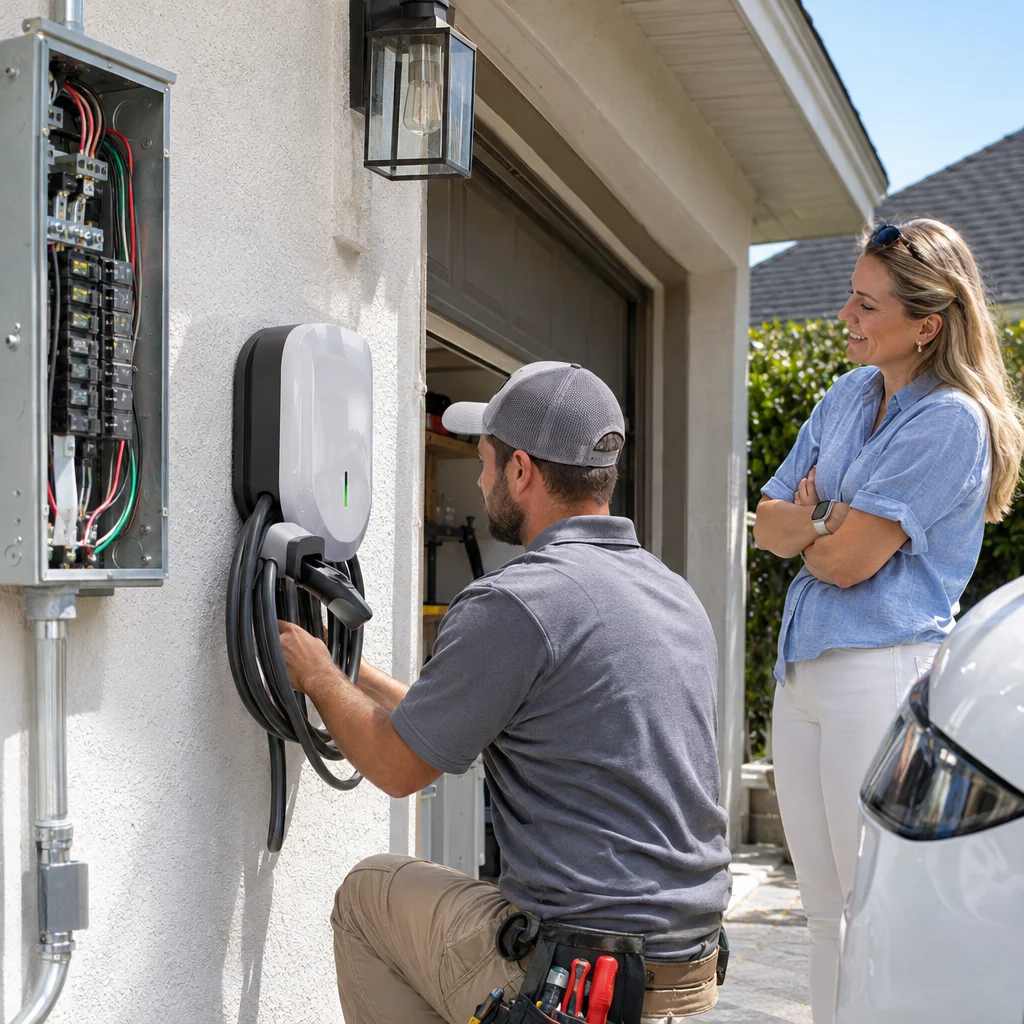
Electric vehicles are becoming a more common consideration during residential electrical planning. Installing a home charging station can make daily charging convenient, but the electrical requirements deserve careful evaluation.
Many Level 2 EV chargers require a dedicated 240-volt circuit, with circuit sizing based on charger specifications and applicable electrical requirements.
Because EV charging can represent a substantial continuous electrical load, an electrician should evaluate the home's existing service capacity, panel configuration, conductor sizing, and protective devices.
Some properties may accommodate an EV charger without a full panel replacement. Others may require load management equipment, circuit modifications, or service upgrades.
Outdoor charging equipment should also be appropriately rated for weather exposure, particularly in coastal environments.
Planning the charging location, cable routing, and future vehicle needs before installation can help avoid unnecessary expense.
Electrical Inspections, Code Corrections, and Home Safety
Electrical inspections are useful beyond real estate transactions. They can help homeowners understand system condition before remodeling, purchasing major appliances, installing backup power, or addressing recurring electrical problems.
For older homes, inspections may identify outdated equipment, improper grounding, deteriorated wiring, missing protective devices, or previous installations requiring correction.
Newer homes may benefit from inspections after major additions, storm damage, or unexplained electrical performance issues.
What an Electrical Safety Inspection May Include
The scope depends on the property's condition and the reason for the inspection. An electrician may examine accessible panels, breakers, receptacles, switches, grounding and bonding connections, and selected branch circuits.
Testing may include verifying receptacle operation, evaluating GFCI protection, checking for improper connections, and investigating reported electrical symptoms.
Smoke detector installation and maintenance should also be considered during home safety planning. Appropriate alarm placement, interconnection, power sources, and replacement schedules depend on applicable requirements and manufacturer instructions.
Electrical code corrections should follow the currently applicable Florida and local requirements for the work being performed. Permit and inspection requirements can vary by project, so homeowners should confirm them before beginning substantial electrical work.
Properties throughout Bay County may have different construction histories and electrical needs, making property-specific evaluation more useful than a standard checklist alone.
Practical Electrical Maintenance for Bid-A-Wee Homeowners
Preventive maintenance does not mean opening electrical panels or attempting repairs without training. Many useful precautions involve observing equipment, testing accessible safety devices, and arranging professional service when something changes.
Simple Habits That Help Prevent Problems
- Pay attention to recurring breaker trips, flickering lights, and unusual electrical odors.
- Test accessible GFCI receptacles and smoke alarms according to manufacturer instructions.
- Keep electrical panels accessible and free from stored items.
- Avoid overloading receptacles, power strips, and extension cords.
- Inspect visible outdoor electrical covers for damage without opening energized equipment.
- Arrange professional evaluation after flooding, significant storm damage, or suspected electrical overheating.
- Review electrical capacity before adding large appliances, EV chargers, or major renovations.
Vacation rental owners should pay particular attention to frequently used outlets, exterior lighting, kitchen circuits, and safety devices. Regular property turnover can make minor electrical issues harder to track.
Commercial property owners may also need scheduled inspections based on occupancy, equipment loads, and business operations.
Preventive maintenance cannot eliminate every electrical failure, but it can improve the chances of discovering deterioration before an unexpected interruption occurs.
When Electrical Repair Requires a Professional
Some electrical problems are straightforward to describe but complicated to diagnose. A dead outlet might involve a failed receptacle, tripped GFCI, open connection, defective breaker, or damaged wiring elsewhere on the circuit.
Similarly, flickering lights could result from a loose bulb, incompatible dimmer, appliance startup, or a more serious connection issue.
Homeowners searching for electrical troubleshooting near me should look for a qualified electrical professional who investigates the underlying cause rather than simply replacing the most visible component.
A search for electrical panel replacement near me should also lead to an assessment of actual panel condition, available capacity, and future electrical needs.
For recurring outlet failures, a gfci outlet repair near me search may uncover a broader moisture, grounding, or wiring concern that requires professional attention.
If the issue involves smoke, sparks, exposed energized conductors, significant overheating, or damaged service equipment, treat it as an urgent safety concern rather than a routine repair request.
Why Local Electrical Service Makes a Difference
Electrical work in Bid-A-Wee benefits from familiarity with coastal construction, local weather conditions, and the mix of residential properties found around Panama City Beach.
Older beach homes may need careful assessment of existing circuits and past renovations. Newer residences may require additional capacity for EV charging, outdoor entertainment areas, or expanded appliances.
Rental properties often need reliable lighting, functional outlets, smoke alarms, and prompt attention to electrical concerns between guest stays.
Local electricians can also help homeowners plan improvements around seasonal storm risks and coordinate necessary code compliance considerations.
When evaluating an electrical contractor near me, consider appropriate licensing, insurance, experience with the proposed work, clear explanations, and whether required permits and inspections will be addressed.
A Superior Mechanical serves homeowners, rentals, and businesses seeking dependable electrical assistance in Bid-A-Wee and surrounding Bay County communities.
Build an Electrical Repair Plan Around Your Home
A useful electrical plan starts with the problems you are experiencing today, then considers what your property may need in the future.
For one homeowner, the priority may be repairing a tripping breaker or replacing deteriorated exterior outlets. Another may need a panel evaluation before installing an EV charger. A vacation rental owner may want an inspection focused on safety devices, lighting, and frequently used circuits.
Coastal weather, home age, previous renovations, and future power demand should all influence repair decisions.
If your Bid-A-Wee property has recurring electrical problems, outdated equipment, or planned improvements, contact A Superior Mechanical to discuss your electrical service needs. Professional troubleshooting and carefully planned repairs can help keep your electrical system safer, more reliable, and better prepared for everyday use and Florida's changing weather.
Find Electrical Repair in Bid-A-Wee, FL
If you need Electrical Repair in Bid-A-Wee, FL, visit our local service page or contact A Superior Mechanical today.
Map of Bid-A-Wee, FL
Frequently Asked Questions
How do I know if my Bid-A-Wee home needs electrical panel repair or replacement?
Repeated breaker trips, burning odors, buzzing sounds, visible corrosion, or insufficient capacity for new appliances can indicate electrical panel problems. However, these symptoms do not automatically mean the entire panel needs replacement. A qualified electrician can inspect the equipment, test affected circuits, and determine whether breaker repair, wiring corrections, or a panel upgrade is appropriate.
Can coastal humidity and storms damage electrical wiring and outlets?
Yes. Bid-A-Wee's coastal humidity, salt exposure, heavy rain, and storms can contribute to corrosion and moisture-related electrical damage, particularly in outdoor equipment and exposed locations. Damaged covers, deteriorated connections, and water intrusion can increase electrical hazards. Professional inspections can help identify problems before they cause equipment failures or unsafe conditions.
Should I upgrade my electrical panel before installing an EV charger or generator?
Not necessarily. Whether an upgrade is needed depends on your existing electrical service capacity, panel condition, available circuit spaces, and the equipment being installed. An electrician should evaluate the system and perform appropriate load calculations. EV chargers may require dedicated circuits, while generators need approved transfer equipment or other code-compliant connection arrangements to prevent dangerous backfeeding.
What electrical problems require emergency service in Bid-A-Wee?
Electrical emergencies may include sparking equipment, smoke, burning odors, exposed energized wiring, severe overheating, damaged electrical service connections, or electrical equipment affected by flooding. Keep away from suspected energized hazards and contact emergency services when there is immediate danger. A qualified electrician should evaluate damaged equipment before it is returned to service.
How often should homeowners schedule electrical inspections in Bid-A-Wee, FL?
There is no single inspection interval that fits every property. Older homes, vacation rentals, properties with recurring electrical problems, and homes exposed to flooding or significant storm damage may benefit from more frequent evaluations. Inspections are also useful before major renovations, panel upgrades, EV charger installations, or generator connections. A Superior Mechanical can help homeowners determine an appropriate inspection scope based on their electrical system and property conditions.
Related Articles
Photo Gallery