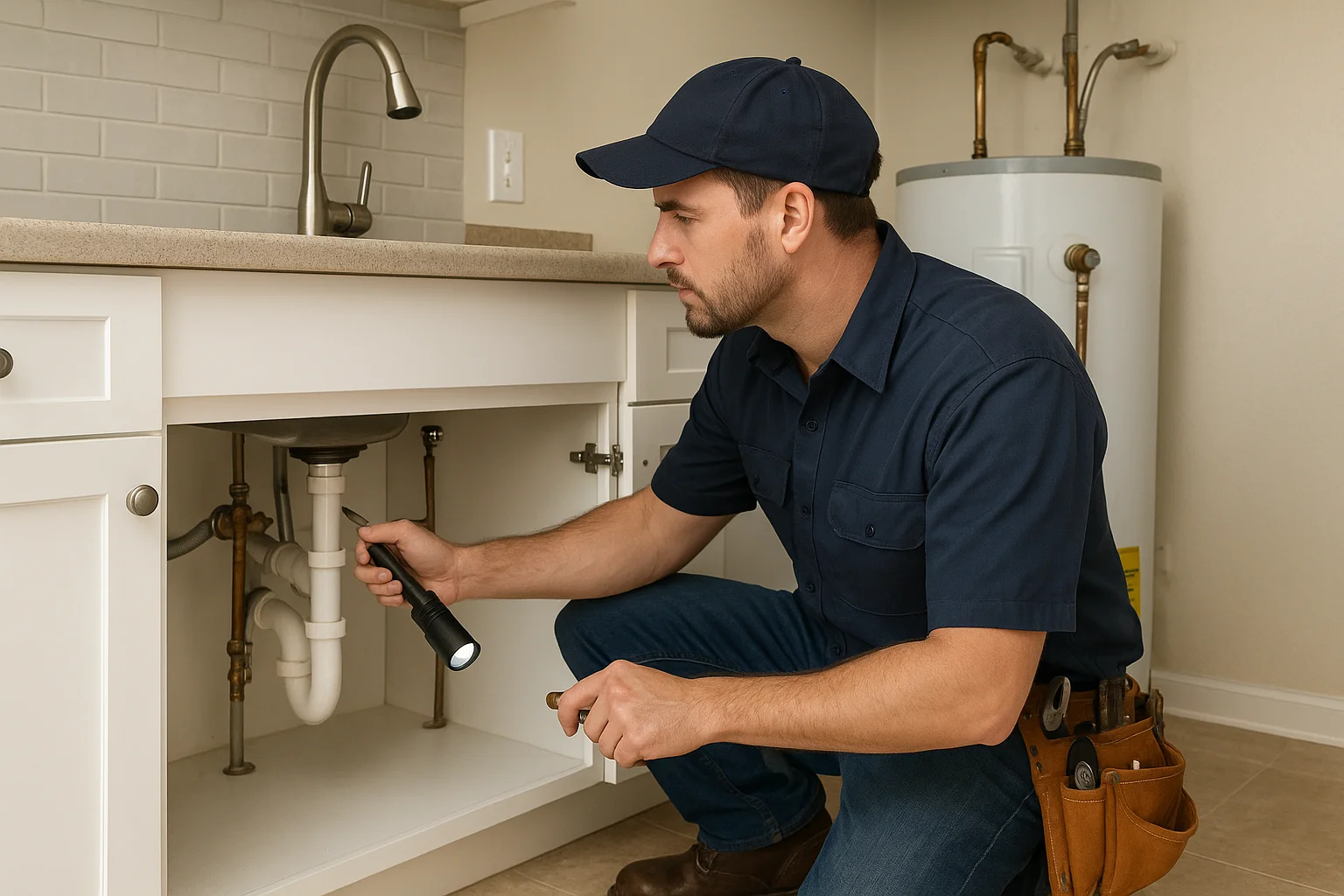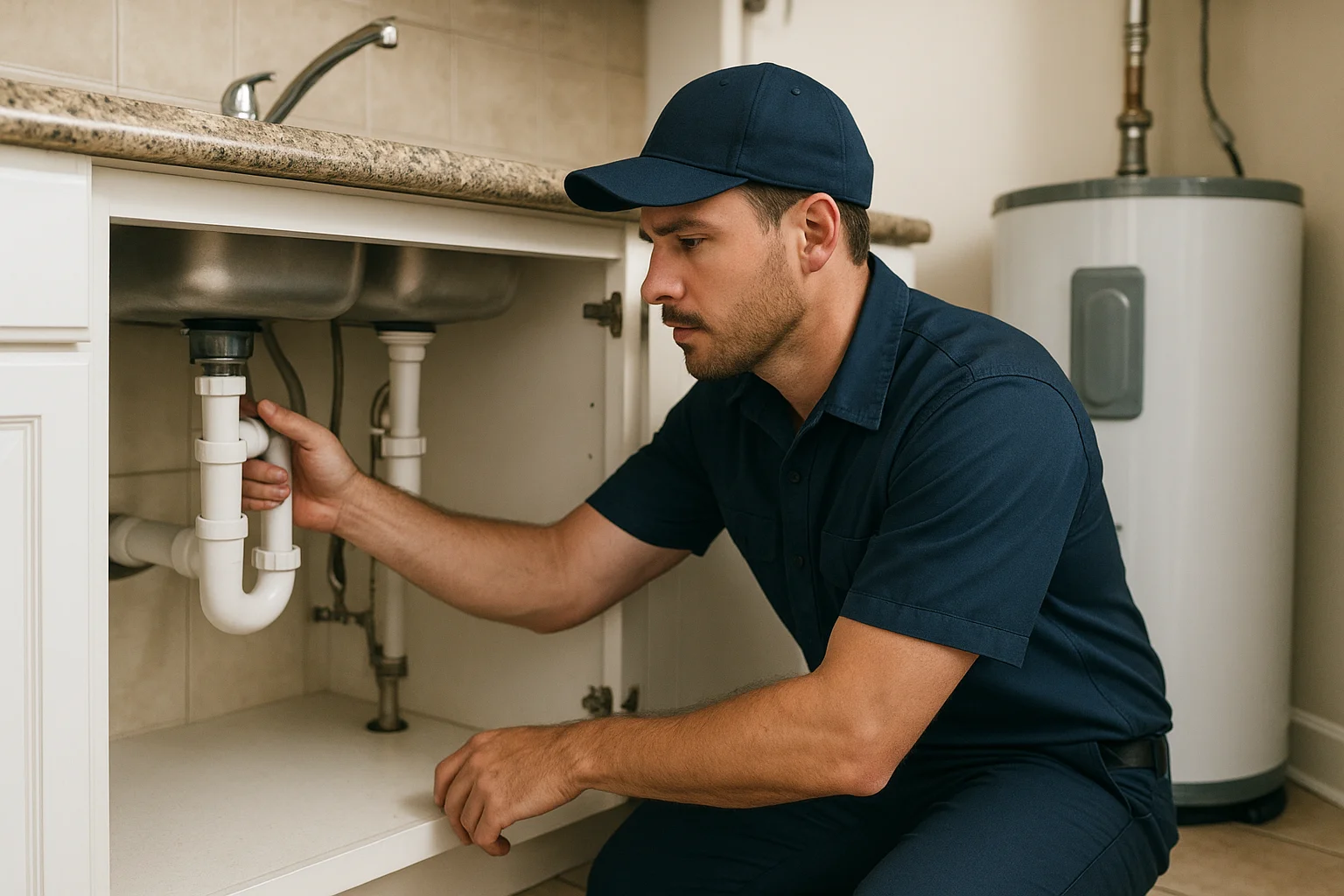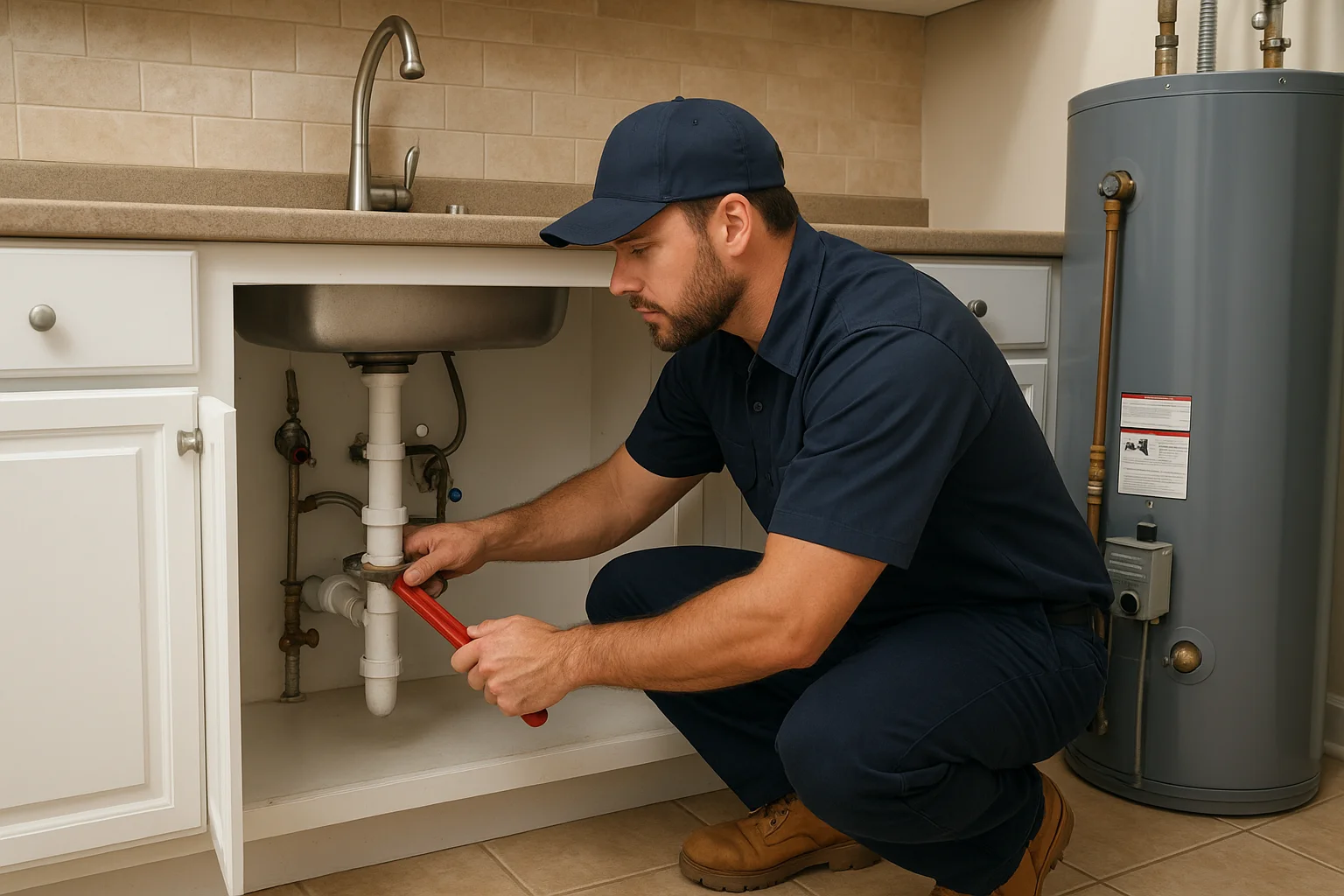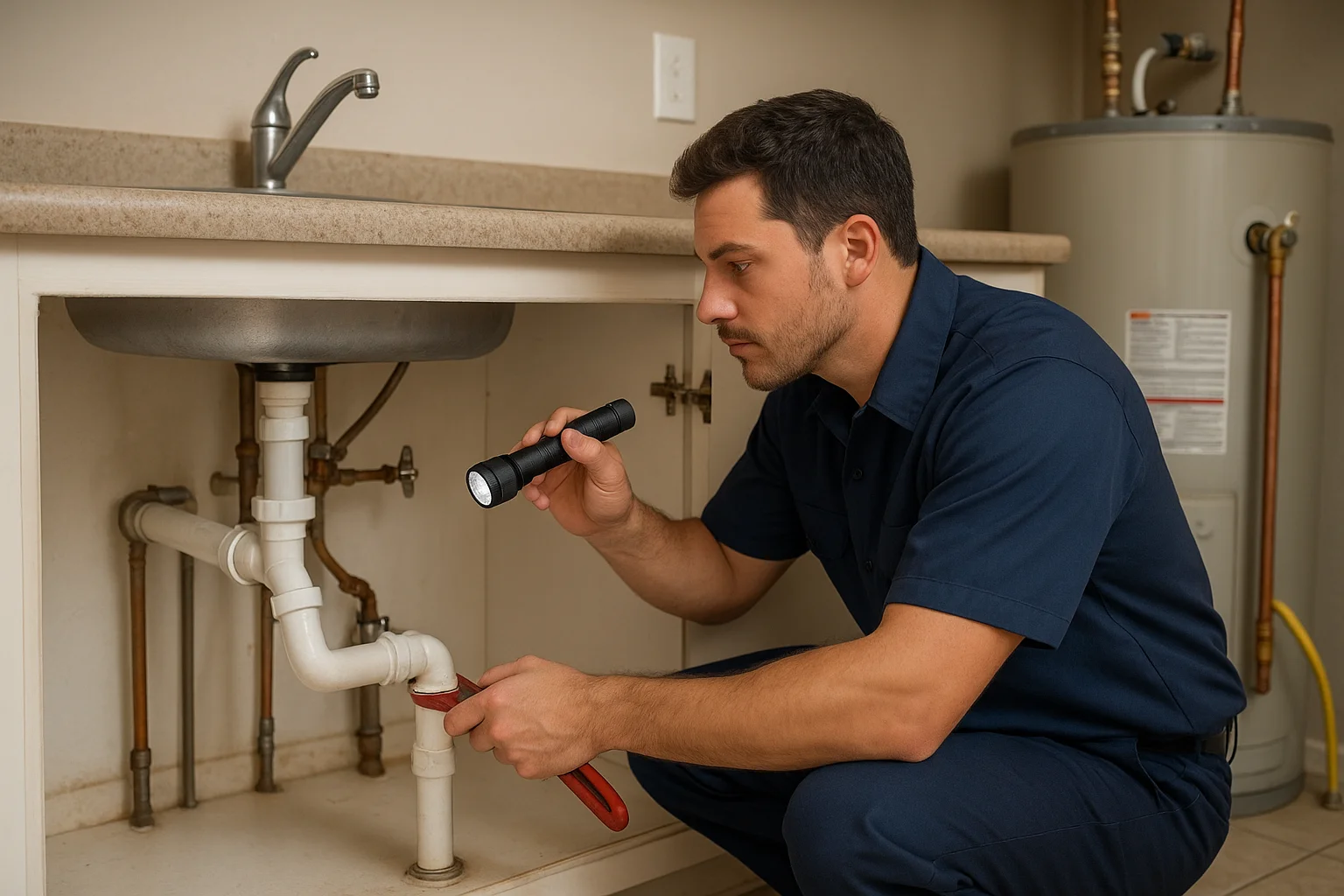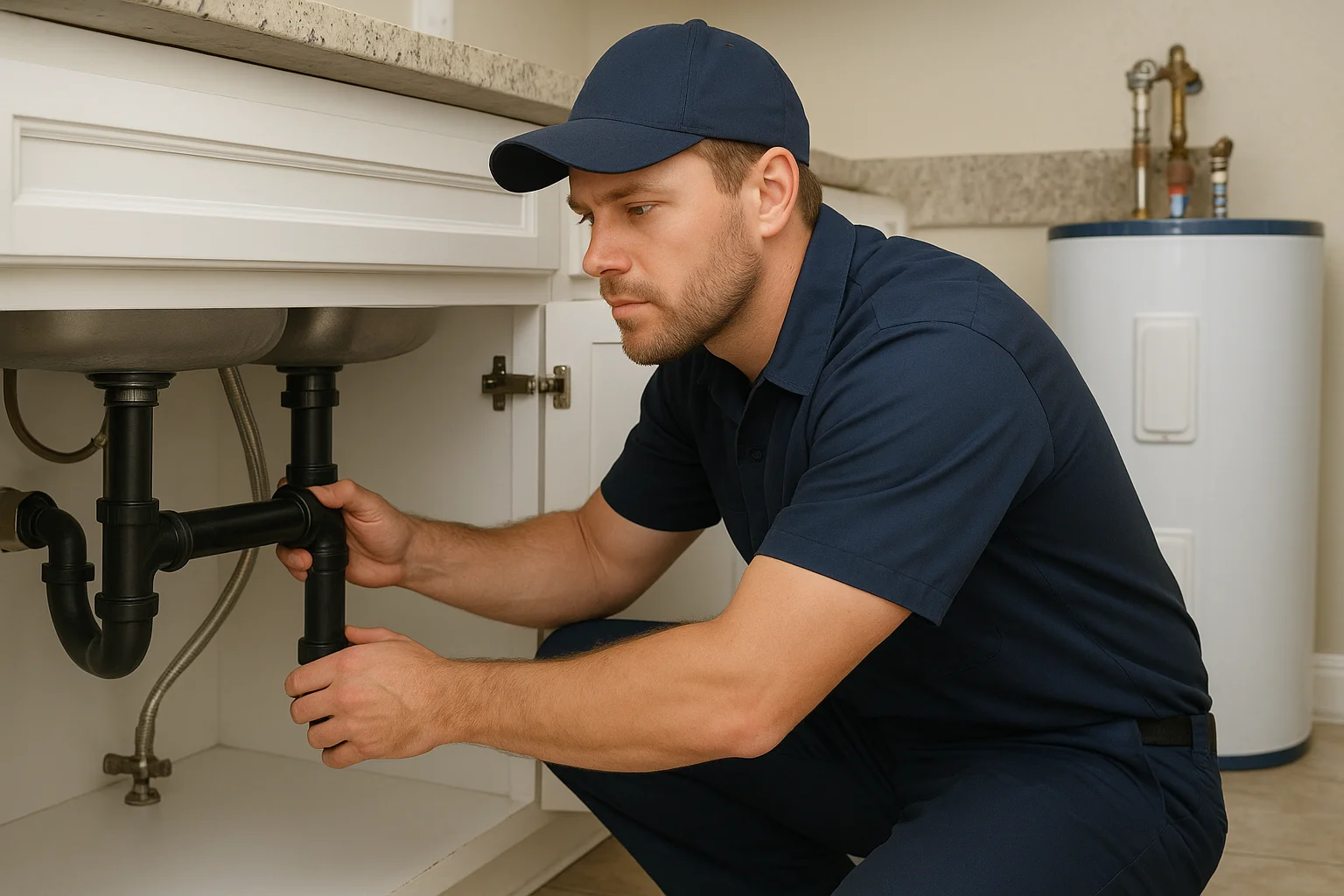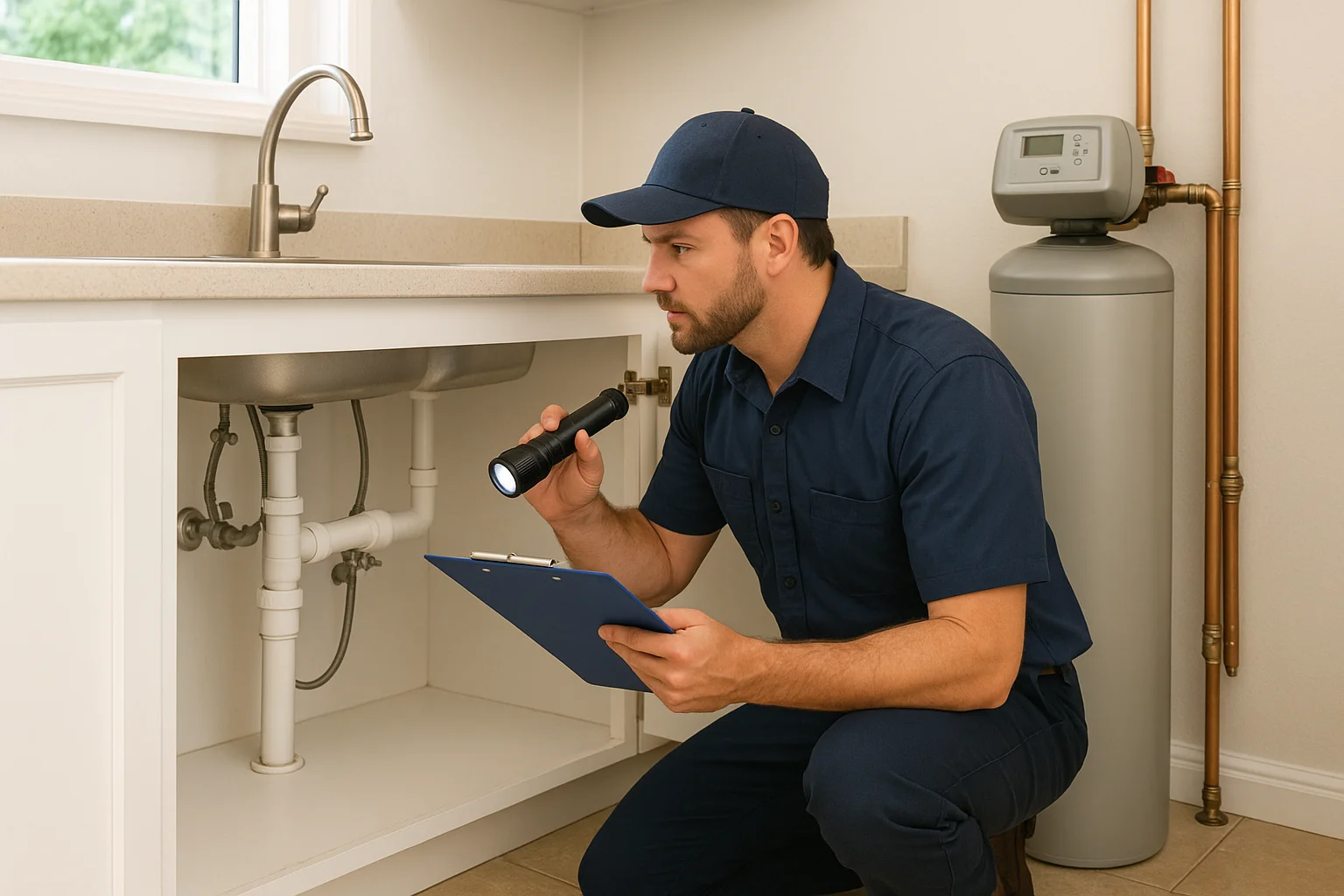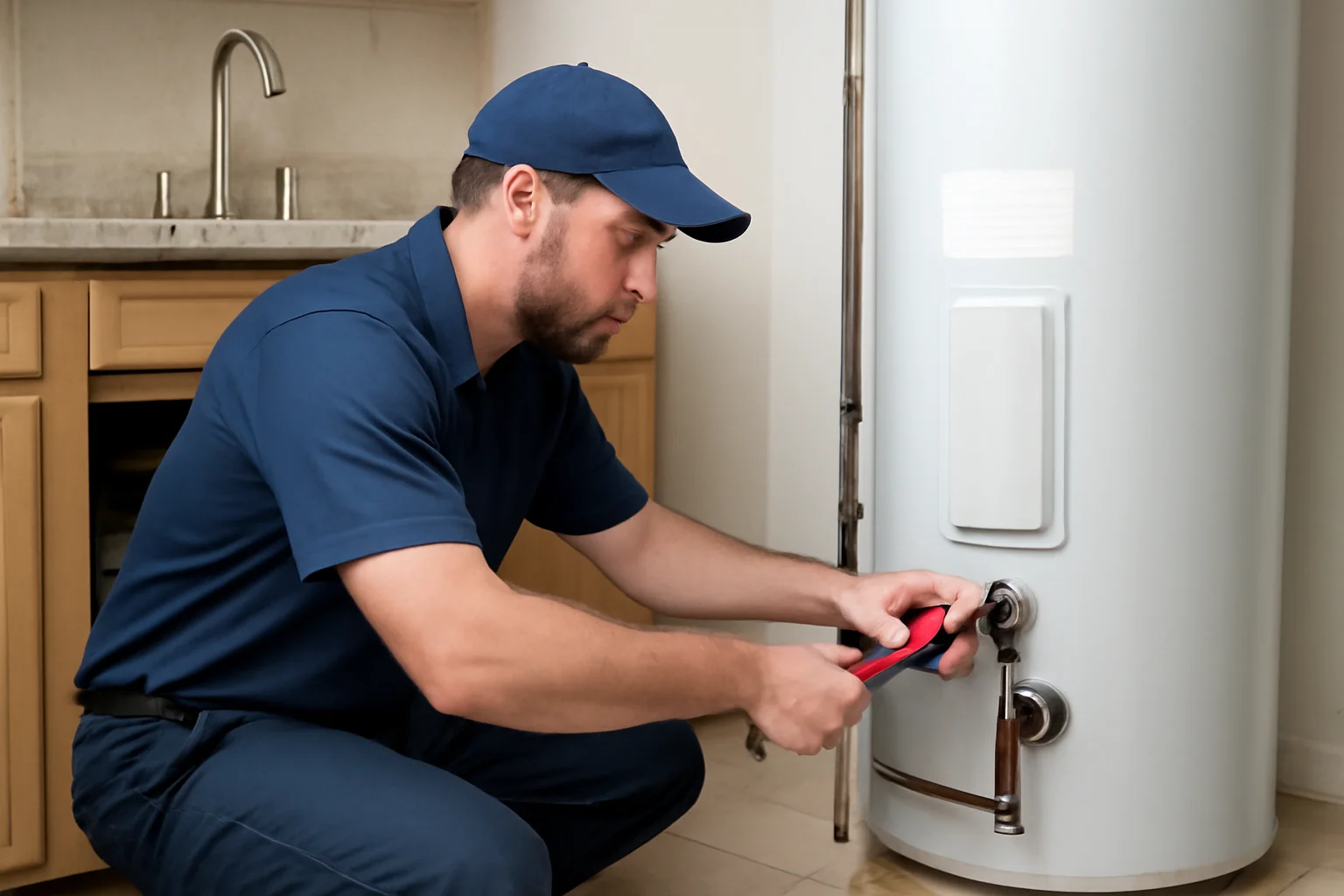
Wright, FL homes run on hot water every day, from morning showers to laundry and dishwashing. When a water heater starts failing, the problem is rarely only “no hot water.” It can turn into hidden leaks, water pressure swings, drain backups, and even slab leak concerns that are expensive to repair. A well-planned water heater replacement is one of the most practical ways to protect your home from water damage while catching plumbing problems early.
Below is a homeowner focused guide to help you recognize early warning signs, understand common causes in Wright and Okaloosa County, and plan replacement and maintenance with a local plumber near me you can trust.
Why water heater replacement can prevent water damage
Water heaters sit at the center of your home’s plumbing system. They feed hot water to fixtures and appliances, and they connect to cold water lines, venting, drains, and safety components. Over time, parts wear out, corrosion builds, and connections loosen. When that happens, water may show up as a small drip today and become a soaking problem tomorrow.
In Wright’s humid coastal climate, plumbing materials can experience accelerated corrosion. Couple that with typical household water use patterns like frequent showers, long laundry cycles, and outdoor watering, and you get more cycles and more stress on valves, fittings, and supply lines. If your home also has hard water, mineral buildup can shorten the life of a tank water heater and contribute to premature failure.
Replacing an aging unit before it fails does two things:
- Reduces leak risk. A new water heater comes with new seals, properly rated connections, and updated safety controls.
- Improves system performance. Stable operation helps maintain consistent water pressure and reduces strain on pipes and fixtures.
If you already suspect issues, it also gives a licensed plumber a chance to inspect nearby plumbing, including shutoff valves, supply lines, discharge piping, and drain pathways.
Early warning signs homeowners often miss
Many water damage events begin with small clues. If you catch them early, you can often avoid emergency plumbing concerns like active leaks inside walls or floors.
1) Hot water changes that hint at internal problems
Look for:
- Water that runs out faster than usual
- Short cycling where the unit turns on and off repeatedly
- Rumbling or popping sounds from the tank
- Water that smells like sulfur or looks cloudy
These can be signs of sediment buildup, failing heating elements in electric units, or corrosion inside the tank. Sediment can also increase the chance of overheating and premature failure.
2) Signs of moisture around the unit
Check the base and surrounding area for:
- Water pooling or damp drywall
- Rust streaks on the tank or fittings
- Wet insulation or a musty smell in a utility closet
Even a slow seep can spread under flooring or into nearby wall cavities before you notice.
3) Water pressure that swings
If you notice the pressure dropping when hot water runs, or pressure changes that affect shower flow and faucet output, the issue may involve the water heater, the pressure regulator, or supply line restrictions. In some cases, a failing water heater can contribute to pressure instability that stresses pipes and fixtures.
4) Discharge pipe issues and safety valve drips
Many tanks have a temperature and pressure relief valve with a discharge line. If you see dripping, leaking, or corrosion at that area, it can indicate temperature or pressure problems. That is a safety concern and a water damage risk.
5) Stains or dampness near drains and nearby fixtures
Sometimes homeowners connect the dots too late. A leak from the water heater can show up as dampness near:
- Floor drains or drain pans
- Utility sink lines
- Nearby toilet supply lines
- Bathroom or kitchen fixtures
If you are seeing recurring damp spots, slow drains, or wet drywall, a plumber should inspect the water heater connections and the plumbing network it feeds.
Common causes of water heater and plumbing failures in Wright
Wright homes often experience the same underlying plumbing issues, but local conditions can make them show up sooner. Here are the most common causes A Superior Mechanical sees when homeowners ask for water heater service or water heater replacement.
Corrosion from age and humidity
Corrosion can attack tank walls, fittings, and threaded connections. In humid areas, moisture stays longer around supply lines and venting. Over time, that can lead to pinhole leaks.
Hard water and sediment buildup
Hard water deposits build up inside tank systems. This reduces heating efficiency, increases energy use, and can shorten the tank’s lifespan. Sediment can also clog small passages that affect flow and contribute to inconsistent hot water.
If you are concerned about hard water, consider exploring water softening services as part of a longer-term protection plan.
Water pressure problems and thermal expansion
High water pressure can stress valves and joints. When water heats up, it expands. If your system does not manage that expansion properly, you can see relief valve discharge or leaks at fittings.
Loose fittings, worn supply lines, and aging shutoff valves
Many water damage events happen at connections, not the tank itself. Supply line fittings can loosen, and shutoff valves can fail to seal. A replacement visit is a good time to verify these components.
Drain and venting issues that affect the whole system
When drains back up, it can create pressure and increase the chance of leaks at other points. Water heater discharge and nearby drain lines should be checked so the system does not rely on a compromised drain pathway.
How to catch plumbing problems early during a replacement
Replacing a water heater is more than swapping equipment. The best local plumbing service treats it like a full system check. Here are the inspections and questions that help prevent hidden water damage.
Inspect the connections and shutoffs
A licensed plumber should check:
- Cold water inlet connections
- Hot water outlet piping
- Shutoff valve condition and sealing
- Dielectric unions if applicable (to reduce corrosion)
This is where many “plumbing repair” issues start. A small leak can hide behind walls or under flooring.
Verify discharge piping and safe drainage
The discharge line for the temperature and pressure relief valve should be properly routed and not capped. If discharge piping is missing, incorrectly directed, or clogged, it can create a safety risk and water damage.
Check water pressure and temperature settings
Correct settings help protect both the homeowner and the plumbing system. Too high a temperature increases risk and can accelerate wear. Pressure readings also help identify whether you need pressure regulation.
Look for signs of slab leak concerns or hidden moisture
Wright homes with slab foundations can develop leaks that are difficult to spot. If you notice unusual dampness, warm spots, unexplained water bills, or recurring moisture near plumbing routes, it is worth investigating. While a water heater replacement alone will not “fix” a slab leak, the inspection can reveal clues that justify further testing.
Confirm drain pathways and nearby fixture connections
A water heater feeds the hot side of your plumbing. If you are also dealing with slow sinks, recurring toilet issues, or faucet leaks, the replacement is a good moment to evaluate:
- Sink drain lines and P-traps
- Toilet supply lines and seals
- Faucet repair points like cartridges and supply connections
If you are searching for “sink repair near me” or “faucet repair near me,” you can often solve bigger water issues by addressing the root connections rather than only treating the symptom.
If you suspect a bigger sewer line problem, ask for a system assessment as well. Many homeowners first notice it as repeated drain clogs, slow drains, or water backing up at fixtures.
Tank versus tankless: choosing the right replacement for leak prevention
Homeowners in Wright choose both tank and tankless systems. The best choice depends on your household hot water demand, space, and how your plumbing is set up.
Tank water heaters
Tank systems store hot water and can be efficient when sized correctly. However, the tank itself is a potential leak source as it ages. That is why replacement timing matters. If your tank is older, showing rust, or producing inconsistent hot water, a planned swap can reduce risk.
Tankless water heaters
Tankless systems heat water on demand. They can reduce standby losses and may offer long-term efficiency. Still, they are not maintenance free. Proper installation, venting, and water filtration matter. Homeowners searching for “tankless water heater replacement near me” should also plan for periodic checks that keep scale and pressure issues from damaging components.
Whether you choose tank or tankless, professional installation is key to leak prevention. If the piping layout, venting, or shutoff valves are not correct, you can end up with recurring issues.
Maintenance steps that reduce the chance of emergency leaks
Even with a new unit, smart maintenance helps protect your pipes, drains, and fixtures. These are practical steps homeowners in Wright can take between service visits.
Do a quick monthly moisture check
Once a month, look for dampness around the base, valves, and discharge pipe. If you catch a small leak early, you can schedule plumbing repair before it becomes a floor or drywall replacement.
Watch your water bill and hot water performance
A sudden rise in water use can point to a leak. If hot water performance drops at the same time, the water heater may be involved. If you are seeing toilet running or “running toilet repair near me” becomes a recurring search, address those issues too. Continuous toilet leaks waste water and can mask other plumbing problems.
Keep drains flowing and handle clogs early
When a clogged drain repair near me search turns into an urgent problem, it can lead to backups that affect multiple fixtures. Use strainers in sinks, avoid flushing non-approved items, and schedule drain cleaning before clogs become recurring.
Consider water softening if you have hard water
Hard water accelerates buildup in heaters and can affect pipe scaling. A water softener can reduce mineral deposits and help your replacement last longer. Explore water softening services if you notice scale on faucets or showerheads.
Know how to shut off water safely
Locate your home’s main shutoff and the water heater shutoff. During an emergency, quick action can limit damage while an emergency plumber near me handles the repair.
When you should schedule water heater replacement in Wright, FL
Some issues are better handled with a repair. Others call for replacement because the risk of a failure is too high. Here are common scenarios where homeowners in Wright often benefit from scheduling replacement.
- Your water heater is older and showing rust, corrosion, or repeated valve issues
- You have frequent hot water interruptions or inconsistent temperature
- You notice water around the base, discharge piping, or nearby fittings
- Pressure changes affect showers, faucets, or laundry performance
- You have ongoing plumbing repairs tied to the same area, such as recurring leak repair near me calls
If you are dealing with a suspected slab leak, persistent dampness, or multiple wet locations that change over time, contact a plumber promptly. Early intervention can prevent the kind of hidden damage that is hard to reverse.
How A Superior Mechanical helps Wright homeowners protect their plumbing
A Superior Mechanical provides local water heater service with a focus on preventing water damage. That means careful evaluation of the existing setup, attention to connection quality, and installation that supports safe operation. If you need water heater services or a new system, the goal is to get you back to reliable hot water while reducing the odds of leaks in pipes, fixtures, and drains.
For homeowners planning a full upgrade, you can review water heater installation and choose the right system for your household. If you are dealing with more than one fixture issue, pairing water heater replacement with targeted plumbing fixture work can prevent recurring problems. For example, you may find help in A Smarter Way to Handle Plumbing Fixture Replacement in Wright, FL.
Wright also includes many commercial properties and rentals across Okaloosa County. If you manage a multi-unit building, maintenance planning matters. You can read A Practical Guide to Smarter Commercial Plumbing Maintenance in Wright, FL for a broader approach that reduces emergency calls.
Emergency plumbing concerns: don’t wait if water is actively leaking
Some problems require immediate action, especially when water is moving into areas that can be damaged quickly. If you see active leaking from the water heater, water pooling, or rapid dampness on floors or walls, treat it as an emergency plumbing concern.
Also act quickly if you suspect broken pipe repair near me issues, such as:
- Water spraying or dripping from a visible pipe
- Sudden loss of water pressure with wet areas
- Water backing up from drains
- Toilet leaks that keep refilling or running
In situations like these, reaching an emergency plumber near me can limit damage and help you avoid the higher costs that come with delayed action. If you are searching for “water leak repair near me” or “emergency pipe repair near me,” start by turning off water at the heater shutoff if you can do so safely, then call a licensed plumber.
Protecting your home starts with local plumbing maintenance
Plumbing problems do not always announce themselves clearly. A small leak, a pressure issue, or a failing water heater can create a chain reaction that shows up later as drain problems, fixture leaks, or even more serious concerns like slab leaks. Local plumbing service matters because a plumber familiar with Wright homes understands the typical layout, common materials, and the realities of Okaloosa County water use and humidity.
If you are planning water heater replacement, use the process to build protection into your plumbing system. Schedule an evaluation, ask for a connection and discharge inspection, and address related plumbing repairs while the work area is accessible. For Wright homeowners, that is often the difference between a controlled upgrade and an unexpected water damage event.
You can get started with water heater replacement in Wright, FL and explore other local plumbing help on the Wright service page or across Okaloosa County.
Find Water Heater Replacement in Wright, FL
If you need Water Heater Replacement in Wright, FL, visit our local service page or contact A Superior Mechanical today.
Map of Wright, FL
Frequently Asked Questions
How do I know if I need water heater replacement instead of water heater repair?
If you see rust, water around the tank, repeated temperature and pressure relief valve issues, or the unit is old and struggling with hot water consistency, replacement is often the safer choice. A licensed plumber can inspect connections, pressure, and discharge piping to confirm the best option.
Can a leaking water heater damage my home even if the leak seems small?
Yes. Small leaks can spread under flooring, into wall cavities, or around nearby drains and fixtures before you notice. Moisture can also increase corrosion on surrounding pipes. Catching it early during water heater replacement or service helps prevent bigger repairs.
What plumbing checks should be done during a water heater replacement in Wright?
Ask for an inspection of supply and hot water connections, shutoff valve condition, temperature and pressure relief valve discharge piping, water pressure readings, and nearby drain or fixture connections that share the same plumbing routes.
Is tankless water heater replacement in Wright harder to maintain than tank heaters?
Tankless systems typically require attention to scale prevention, proper venting, and periodic checks for flow and pressure. With the right installation and maintenance, many homeowners do well, but professional service is important for long-term reliability.
What should I do if I suspect an active leak from my water heater?
Shut off the water to the heater if you can do so safely, limit water use, and call a local plumber right away. Active leaks can become emergency plumbing concerns quickly, especially in areas near floors, utility closets, and drain pathways.
Related Articles
Photo Gallery