A chilly morning in Parker can reveal problems that were easy to overlook during cooling season. One bedroom stays cold, the heat pump runs longer than expected, or the thermostat says the house is comfortable while everyone reaches for another layer. Reliable heating depends on more than whether the equipment turns on.
For homeowners in Parker, FL, good HVAC planning connects heating performance with airflow, humidity, equipment condition, and preventive maintenance. A Superior Mechanical provides heating services in Parker that help address immediate problems and support practical decisions about repairs, replacements, and comfort upgrades.
Parker Weather Makes Heating a Year-Round HVAC Decision
Bay County has a long cooling season, but winter cold fronts still place real demands on heating equipment. A heat pump that cooled the house through a humid summer may switch into heating with dirty coils, restricted airflow, or worn components already affecting its performance.
Coastal weather adds another consideration. Salt air can contribute to corrosion on outdoor units, coil surfaces, cabinets, and connections. Storms can leave debris around equipment or damage exposed components. These conditions make regular inspection valuable even when the heating system gets relatively little winter use.
Local HVAC service also matters because Parker homes vary considerably. Older homes may have aging ductwork and air leaks, while newer homes may need airflow adjustments or closer attention to ventilation. Remodels and additions can change the heating load without any corresponding changes to the original HVAC system.
Know Which Equipment Is Heating Your Home
Heat pumps and backup heat
A heat pump moves heat rather than generating all of it directly. During heating, its outdoor coil absorbs heat from outside air, and the indoor coil releases heat into the home. That makes the outdoor unit important in winter, not just during air conditioning season.
Many systems have electric resistance backup heat inside the air handler. Auxiliary heat can operate normally during colder weather or defrost cycles, but frequent operation in mild conditions deserves investigation. Poor airflow, a control problem, or a refrigerant issue may be increasing reliance on backup heat.
Furnaces and ductless systems
Homes with furnaces need service appropriate to their fuel and equipment type. Gas furnace service should include attention to ignition, combustion, venting, and safety controls. A heating repair approach that works for a heat pump does not automatically apply to a furnace.
Ductless mini splits can provide heating and cooling for suitable additions, converted spaces, or rooms without practical duct access. They still require correct sizing, clean filters and coils, and proper condensate drainage. They are not a substitute for diagnosing an underlying whole-house airflow problem.
Read Comfort Problems Before Replacing Equipment
Uneven temperatures do not automatically mean the heating system is too small. Start by noting which rooms are uncomfortable, when the problem occurs, and whether it changes with doors open or closed. Those details help a technician separate equipment trouble from air distribution or building-envelope problems.
A cold room above a garage may have insulation gaps. A bedroom that becomes uncomfortable only with its door shut may lack an adequate return-air path. Weak airflow throughout the house can point toward a loaded filter, blower problem, dirty indoor coil, or excessive duct resistance.
Homeowners searching for heating repair or thermostat repair near me should describe symptoms rather than assume a failed part. Frequent starts and stops, unexplained temperature swings, unusual sounds, and rising electricity use are useful clues. A proper diagnosis connects those clues with measurements instead of relying on guesswork.
Airflow Is Often the Missing Piece
Filters, vents, and return paths
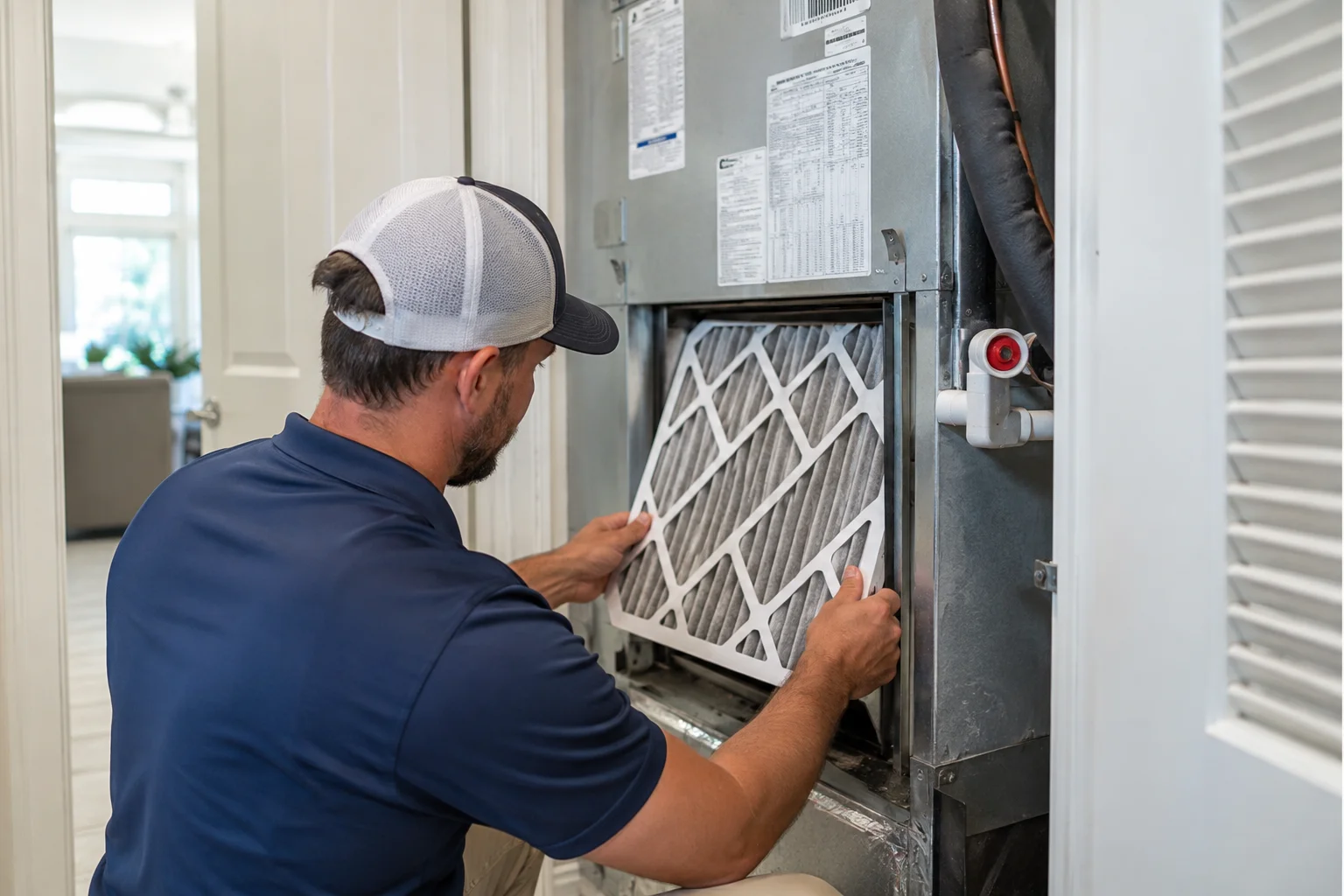
Check the air filter first. Use the size and filtration level recommended for the system, and inspect it regularly. Replacement frequency depends on filter type, operating hours, pets, dust, and household conditions. A filter that looks heavily loaded should not remain in place simply because a calendar reminder has not arrived.
Keep supply vents and return grilles clear of furniture, rugs, and curtains. Closing several vents to push more heat elsewhere can increase duct pressure and reduce overall performance. It is better to have the airflow evaluated than to keep restricting outlets.
Ductwork repair and sealing
Leaking ducts can lose conditioned air into an attic or draw unwanted air into the system, depending on the leak location. Disconnected branches, crushed flexible ducts, and deteriorated insulation can all contribute to uncomfortable rooms and wasted energy.
Professional duct sealing and ductwork repair should address verified defects using appropriate materials. In an older Parker home, testing may reveal a repairable distribution issue that matters as much as the heating equipment itself. After a remodel, duct sizing and return capacity may also need review.
Humidity Still Matters During Cooler Weather
Heating changes relative humidity, but it does not necessarily remove moisture from indoor air. During mild, damp weather, a house can feel clammy even with the thermostat set correctly. Moisture may come from outdoor air leakage, showers, cooking, or damp building materials.
A small hygrometer can help distinguish a temperature complaint from a moisture problem. An indoor relative humidity around 30 to 50 percent is a useful general target, and persistent readings above 60 percent deserve attention. The appropriate level also depends on condensation risk and household conditions.
Use bathroom and kitchen exhaust fans that discharge outdoors, and investigate recurring condensation or musty odors. Parker's humid climate means adding a humidifier should not be an automatic winter upgrade. Indoor air quality and humidity control decisions should follow actual measurements, ventilation needs, and equipment performance.
Heating and AC Problems Often Share the Same Source
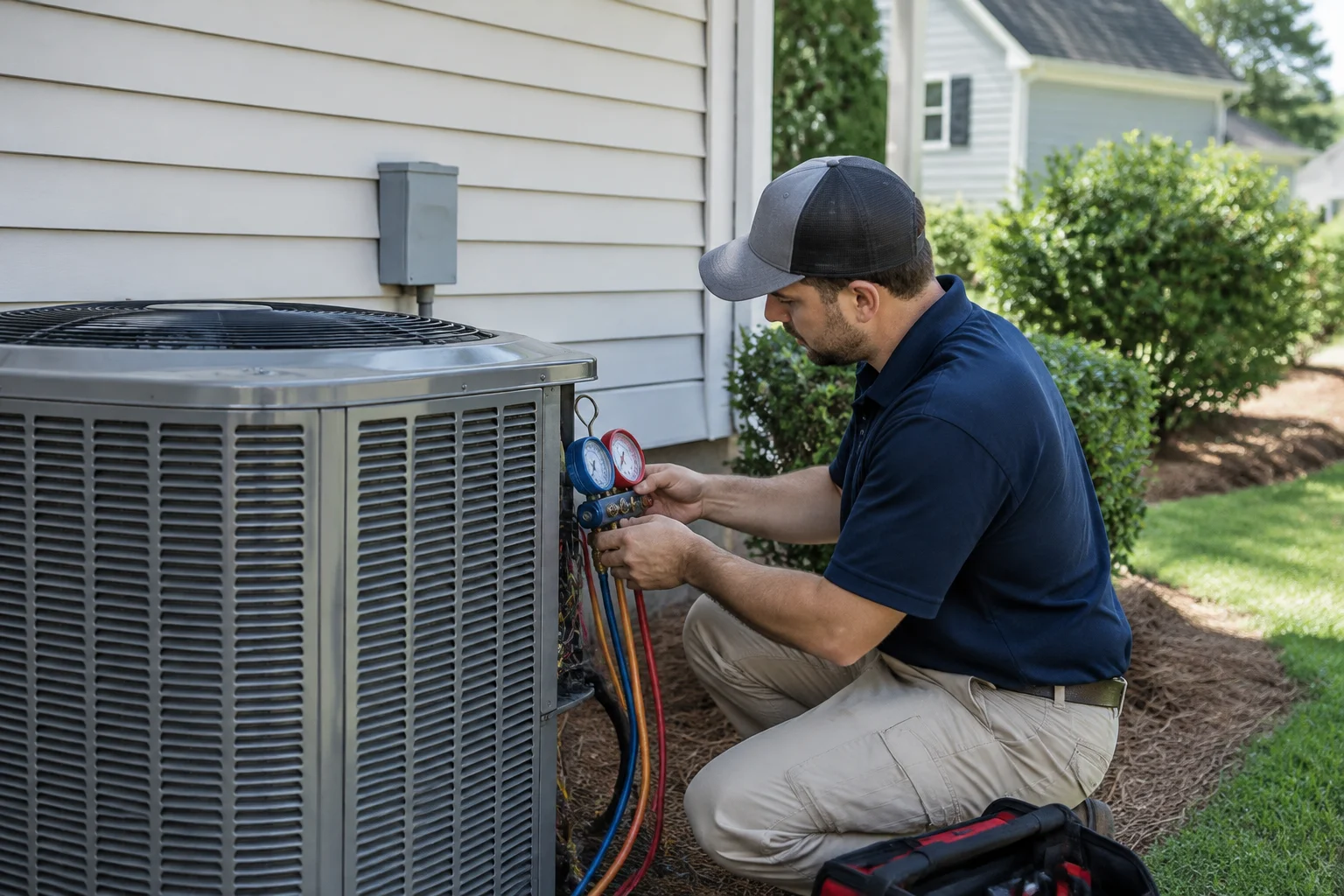
In a heat pump system, heating and cooling share major components, including the compressor, refrigerant circuit, blower, and controls. A refrigerant leak that hurts summer cooling can also reduce winter heating. Refrigerant should not need routine replenishment in a properly sealed system.
Homeowners often call outdoor units condensers and indoor coils evaporator coils because of their cooling roles. In heating mode, a heat pump reverses those roles. Both coils still need appropriate airflow and clean surfaces, so a dirty component can affect performance across seasons.
Cooling-season drain lines also deserve attention. A clogged condensate drain may trigger a safety switch or create water damage, depending on the installation. Coordinating heating maintenance with air conditioning service in Parker helps address shared issues instead of treating AC repair and heating repair as unrelated jobs.
Thermostat Settings That Support Steady Comfort
With a heat pump, large temperature increases can bring on auxiliary heat, depending on the controls and outdoor conditions. A moderate, consistent setting or a carefully configured schedule often works better than repeatedly raising the setpoint several degrees to warm the house faster.
Thermostat installation should account for equipment compatibility, heat pump staging, auxiliary heat settings, and sensor placement. A thermostat near a draft, sunny window, or supply vent may not reflect the temperature where people spend time.
Smart thermostats for Parker homes can support scheduling, remote adjustments, and operating alerts when properly selected and configured. They cannot correct undersized ducts or a failing blower. Fix the physical comfort problem before expecting software to solve it.
Plan Maintenance Before the First Busy Cold Front
A search for fall heating tune up near me is most useful before seasonal demand increases. Scheduling ahead leaves more time to investigate concerns, obtain parts if needed, and consider options without the pressure of an uncomfortable house.
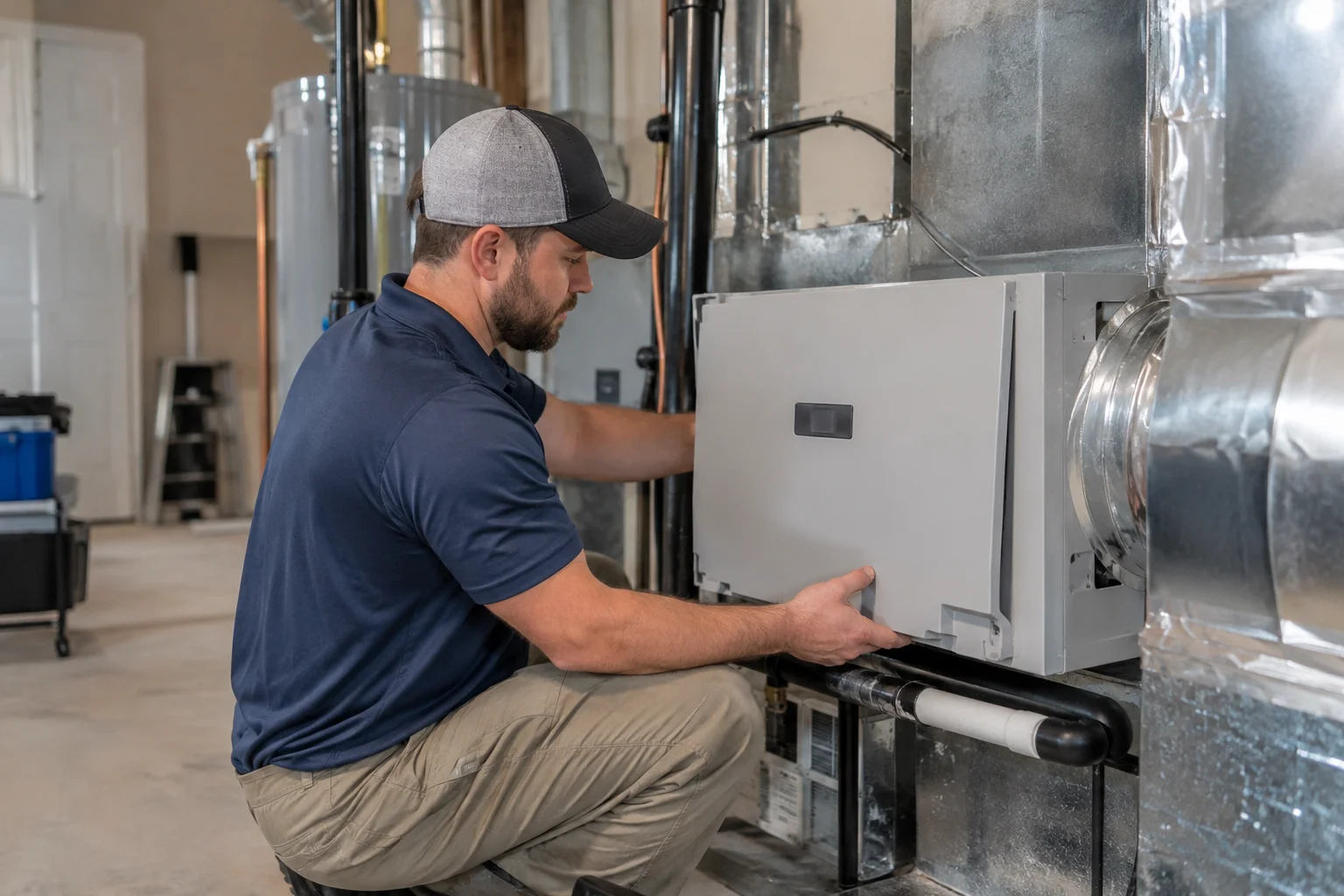
A professional heating maintenance visit should follow the equipment manufacturer's guidance. Depending on the system, useful checks include blower operation, airflow, coil condition, electrical connections, thermostat response, safety controls, and heat pump defrost operation. Furnaces require additional checks appropriate to combustion and venting.
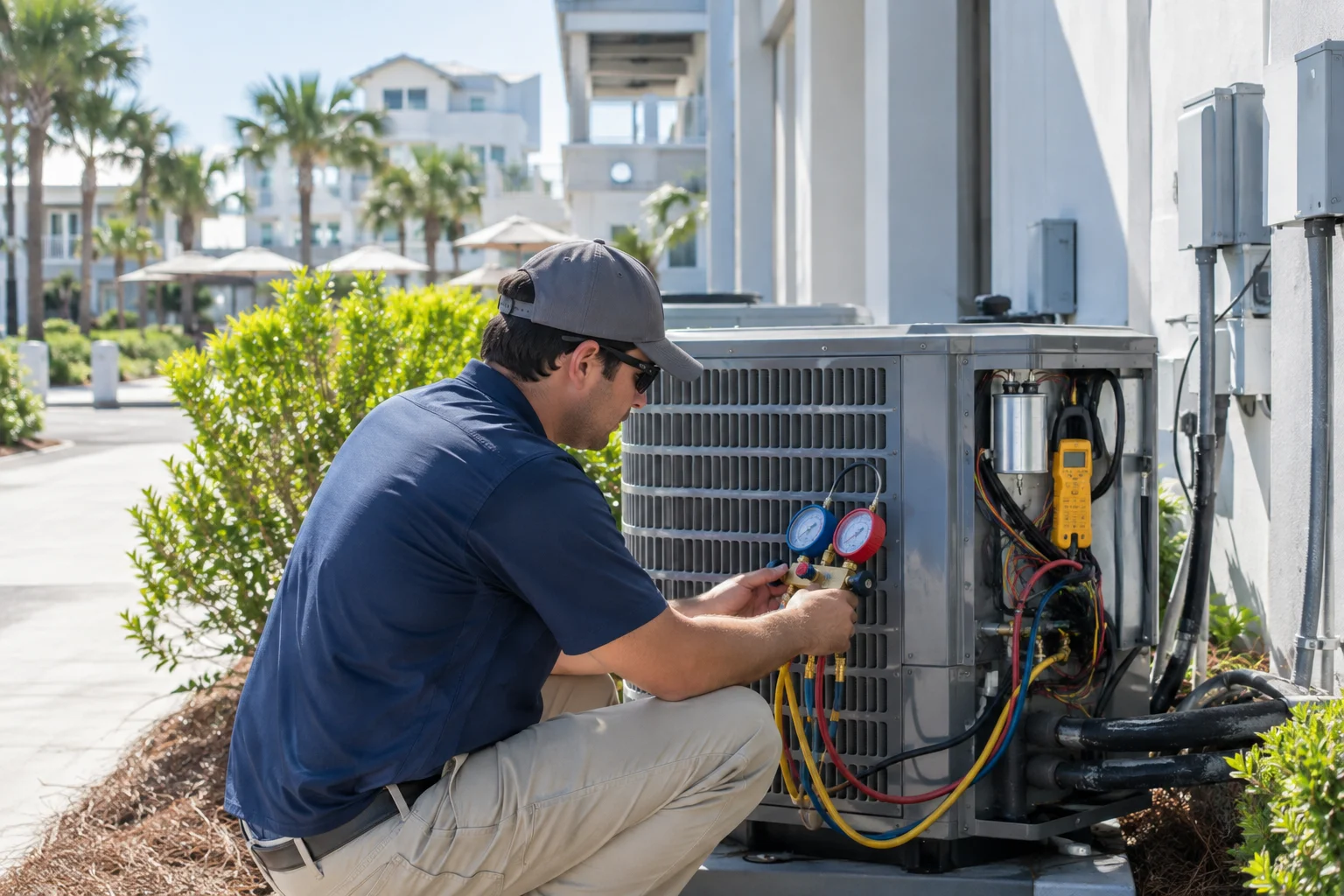
Between visits, keep vegetation and debris away from the outdoor unit while maintaining manufacturer-required clearance. Do not cover a heat pump while it is operating. Ask about appropriate cleaning and corrosion prevention for coastal exposure rather than applying household chemicals or aftermarket coatings without approval.
Separate Normal Operation From Urgent Trouble
A brief change in sound, outdoor steam, and a temporary pause in heating can accompany a normal heat pump defrost cycle. Persistent heavy ice, repeated shutdowns, grinding noises, or a system that cannot maintain temperature are different. Those symptoms warrant professional evaluation.
If you notice smoke, sparking, or a strong burning odor, stop using the equipment and seek help. If a gas odor or carbon monoxide alarm occurs, leave the building immediately and contact emergency services or the gas utility from a safe location. Do not stay inside to troubleshoot.
When searching for emergency heating repair near me, explain whether there is no heat, a safety concern, or vulnerable occupants in the home. Confirm availability directly rather than assuming same-day service. After flooding or significant storm damage, do not restart affected equipment until it has been evaluated.
Repair, Replace, or Improve the Distribution?
A sound recommendation considers equipment age, repair history, operating costs, refrigerant requirements, and overall condition. A repairable control problem on otherwise healthy equipment is different from recurring compressor trouble combined with extensive coastal corrosion.
Before committing to heat pump replacement, ask for a load calculation rather than a size match based only on the old unit. Additions, insulation improvements, new windows, and changed room layouts can alter the home's needs. Oversizing can cause short cycling and compromise cooling-season humidity control.
If you are comparing heat pump installation near me, ask how each proposal addresses duct capacity, efficiency ratings, backup heat, thermostat compatibility, permits, and commissioning. Mini splits or zoning may solve specific comfort challenges, but each option needs a design that fits the home rather than a product-first recommendation.
Build a Practical Heating Plan for Your Parker Home
Start with the problem that affects daily comfort most. Record uneven temperatures, unusual operating patterns, humidity readings, and recent utility changes. Gather equipment information and mention any remodeling or storm exposure. This gives your HVAC contractor a useful starting point.
A Superior Mechanical offers local HVAC support in Parker within its Bay County service area. Request an assessment that considers heating equipment, airflow, controls, and maintenance together. The goal is a clear plan for necessary repairs now, sensible prevention next, and upgrades only where they provide a practical benefit.
Find Heating Services in Parker, FL
If you need Heating Services in Parker, FL, visit our local service page or contact A Superior Mechanical today.
Map of Parker, FL
Frequently Asked Questions
Why does my heat pump run longer during cold weather in Parker?
Heat pumps can run longer as outdoor temperatures fall because the house needs more heat and the equipment's available capacity may decrease. Longer cycles are not automatically a problem. Have the system checked if it cannot maintain the set temperature, develops persistent heavy ice, or relies heavily on auxiliary heat during mild weather.
Can ductwork problems make one room colder than the rest of the house?
Yes. Leaking or damaged ducts, restricted branches, and inadequate return-air paths can cause uneven heating. Insulation gaps and air leaks can produce similar symptoms. An airflow and ductwork evaluation helps identify the cause before you replace equipment or add supplemental heating.
How often should a Parker homeowner schedule heating maintenance?
Have heating equipment professionally checked at least annually, following the manufacturer's recommendations. For a heat pump used for both heating and cooling, a fall heating check and a spring cooling visit can help address seasonal needs. Coastal exposure, equipment condition, and heavy use may justify additional attention.
Related Articles
Photo Gallery