A smart switch, USB charging outlet, or garage EV charger can make everyday life easier. But the device you see on the wall is only part of the installation. Behind it are connections, wiring, circuit protection, and a panel that must support the change safely.
For homeowners in WaterColor, FL, electrical planning also means accounting for humidity, coastal exposure, summer storms, and changing household demand. A Superior Mechanical offers device upgrades in WaterColor that help bring those details together. The goal is not simply newer hardware. It is reliable electrical performance that fits how you actually use your home.
Start with the Rooms, Not the Shopping Cart
Before choosing devices, identify the problems you want to solve. Perhaps kitchen outlets are crowded with chargers, porch lighting is difficult to control, or a bedroom fan needs separate controls for speed and light. These everyday frustrations help define a useful upgrade plan.
Walk through the house and note outlet locations, switch functions, flickering lights, and equipment that trips breakers. Include future purchases, such as an electric range, workshop tools, or a second electric vehicle. Remodels and additions are especially good opportunities to plan new circuits before walls close.
A homeowner searching for outlet installation near me may need more than an additional receptacle. The existing circuit might already serve several busy rooms. An electrician should determine whether extending that circuit is appropriate or whether a dedicated circuit would better support the intended equipment.
Check Panel Capacity Before Adding Major Loads
A panel with unused breaker spaces does not necessarily have capacity for another large appliance. Service size, calculated demand, conductor ratings, and the condition of the equipment all matter. Conversely, a full panel does not automatically mean the entire electrical service needs replacement.
Separate Device Changes from Service Upgrades
Replacing a standard switch with a compatible smart switch usually adds little demand. Installing a Level 2 EV charger, electric cooking equipment, or spa can substantially change the load. These projects deserve an electrical assessment before equipment is ordered.
If your search starts with 200 amp panel upgrade near me, ask whether a load calculation supports that upgrade. Some homes need panel replacement or utility service changes; others may have options involving circuit improvements or approved load management. The recommendation should match the home, not a preset panel size.
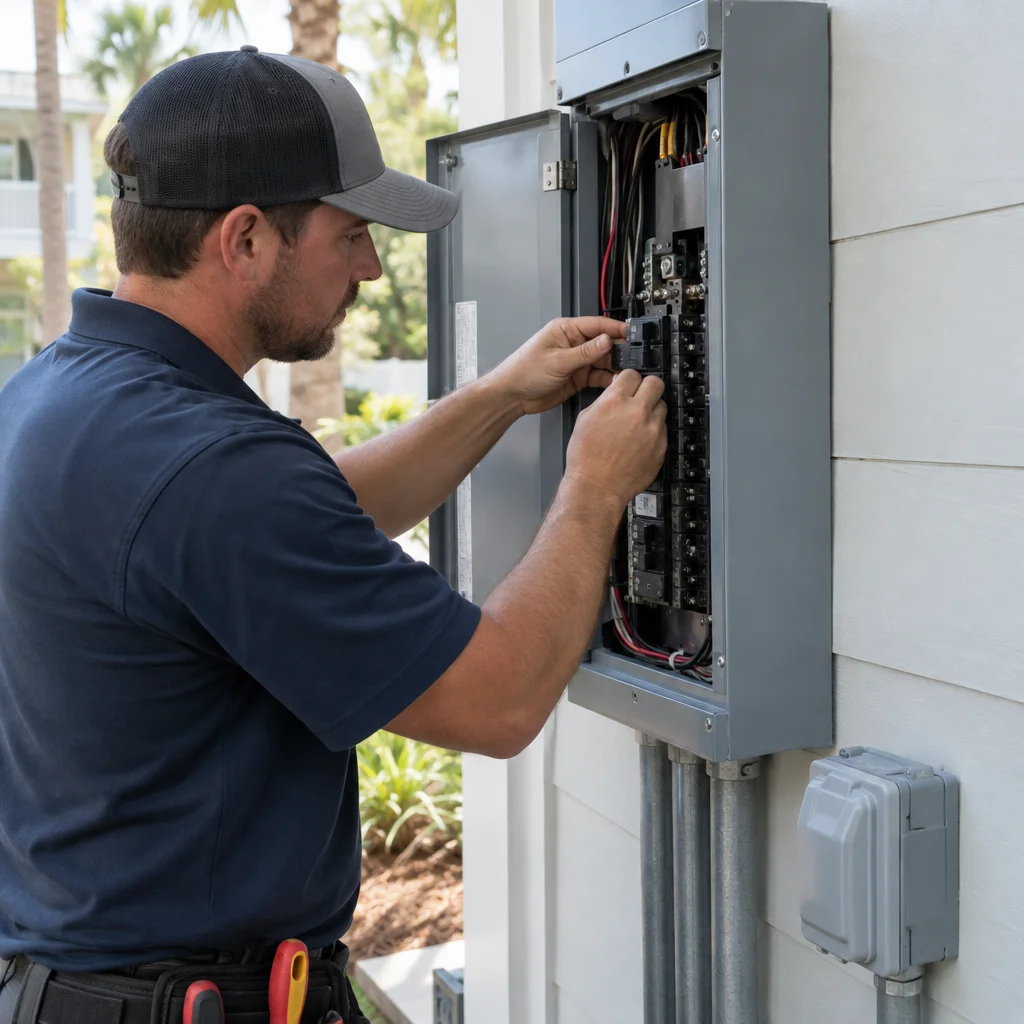
Panel condition also matters. Corrosion, damaged components, overheating, and improper breaker combinations require attention regardless of available capacity. Never remove the panel cover yourself to investigate.
Breakers and Wiring Tell Part of the Story
A breaker that trips repeatedly is doing something important: interrupting a potentially unsafe condition. Overloads, short circuits, ground faults, damaged equipment, and failing connections can all be involved. Repeatedly resetting it without finding the cause is not a repair.
Breaker repair may involve correcting the underlying circuit problem or replacing a defective breaker with one specifically approved for that panel. Installing a larger breaker to stop nuisance trips can leave the wiring dangerously underprotected.
Older homes and earlier remodels may contain worn devices, crowded boxes, or undocumented circuit changes. Newer homes can also need wiring repair after damage or modifications. Age alone does not establish safety. The WaterColor electrical repair guide explains how symptoms at an outlet or light can point to a broader electrical issue.
Choose Outlets for Their Location and Purpose
Outlet upgrades should solve a specific need. USB receptacles can reduce countertop charger clutter, but their charging output and supported standards should match your devices. Worn receptacles that no longer grip plugs securely need evaluation because poor contact can generate heat.
GFCI Protection and Grounding Are Different
GFCI protection helps reduce shock risk by detecting current imbalance. It is required in many locations, including bathrooms, garages, outdoor areas, and other locations identified by the applicable code. Depending on the circuit, protection may come from a receptacle or breaker.
For homeowners looking for gfci outlet installation near me, the important question is whether the whole installation is properly protected and tested. A three-slot receptacle does not prove an equipment ground exists. A GFCI does not create a ground, either. Certain replacements on ungrounded circuits are permitted with specific protection and labeling, but an electrician must evaluate the situation.
Outdoor receptacles also need appropriate weather-resistant devices and covers for their exposure. In coastal WaterColor, damaged covers can allow moisture to reach connections that should remain protected.
Make Smart Switches Work with the Existing Wiring
Smart controls are not interchangeable with every switch. Some require a neutral conductor at the switch box. Others have restrictions on lamp types, minimum loads, or multi-location switching. Box size and conductor count can also limit which devices fit safely.
Discuss how you want each room to operate before installation. A hallway controlled from several locations needs a different approach from a single bathroom light. Good planning preserves convenient manual operation, even when an app or network connection is unavailable.
Switch repair is appropriate when a control is loose, unreliable, unusually hot, or making crackling sounds. Replacing its faceplate will not correct a damaged connection behind it. Some dimmers produce normal operating warmth, but new heat, discoloration, or odor warrants professional assessment.
Reliable connectivity matters too. Where a larger smart-home project needs wired network improvements, data network cabling can support compatible equipment without relying entirely on wireless coverage.
Coordinate Lighting and Ceiling Fan Improvements
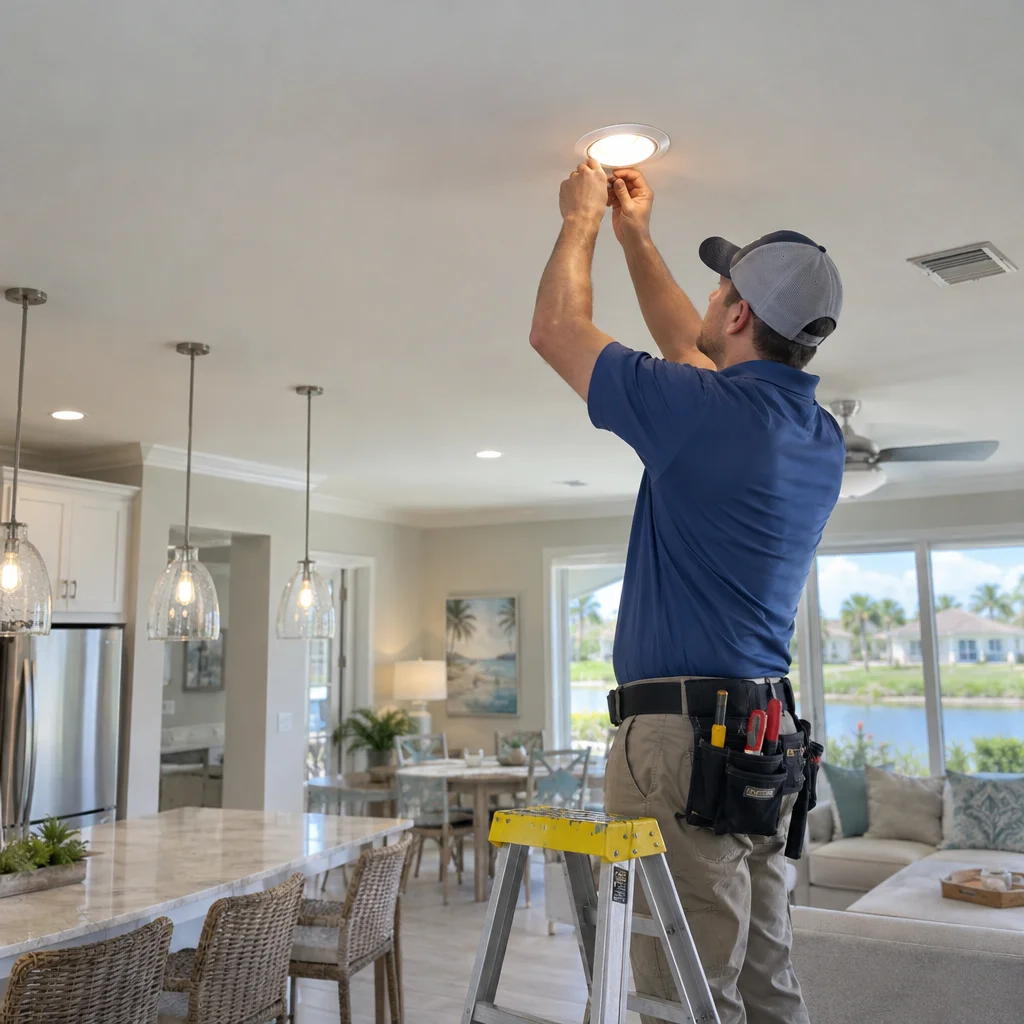
Lighting installation is most useful when fixture placement, brightness, and controls are considered together. Kitchen task lighting should illuminate work surfaces without harsh glare. Bathroom fixtures must be suitable for their location, particularly near showers and tubs.
LED flicker can come from incompatible dimmers, lamp drivers, or electrical connection problems. An electrician should distinguish a compatibility issue from a wiring fault before recommending replacements.
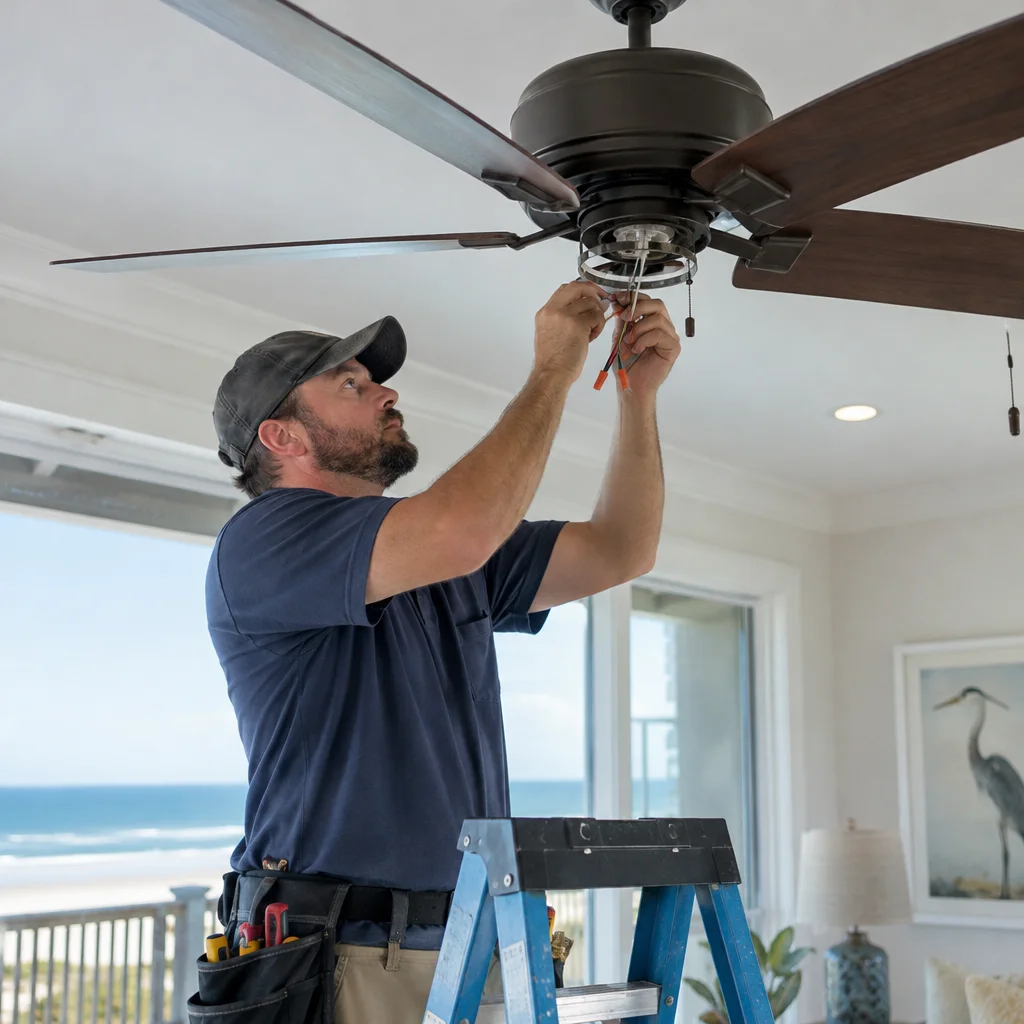
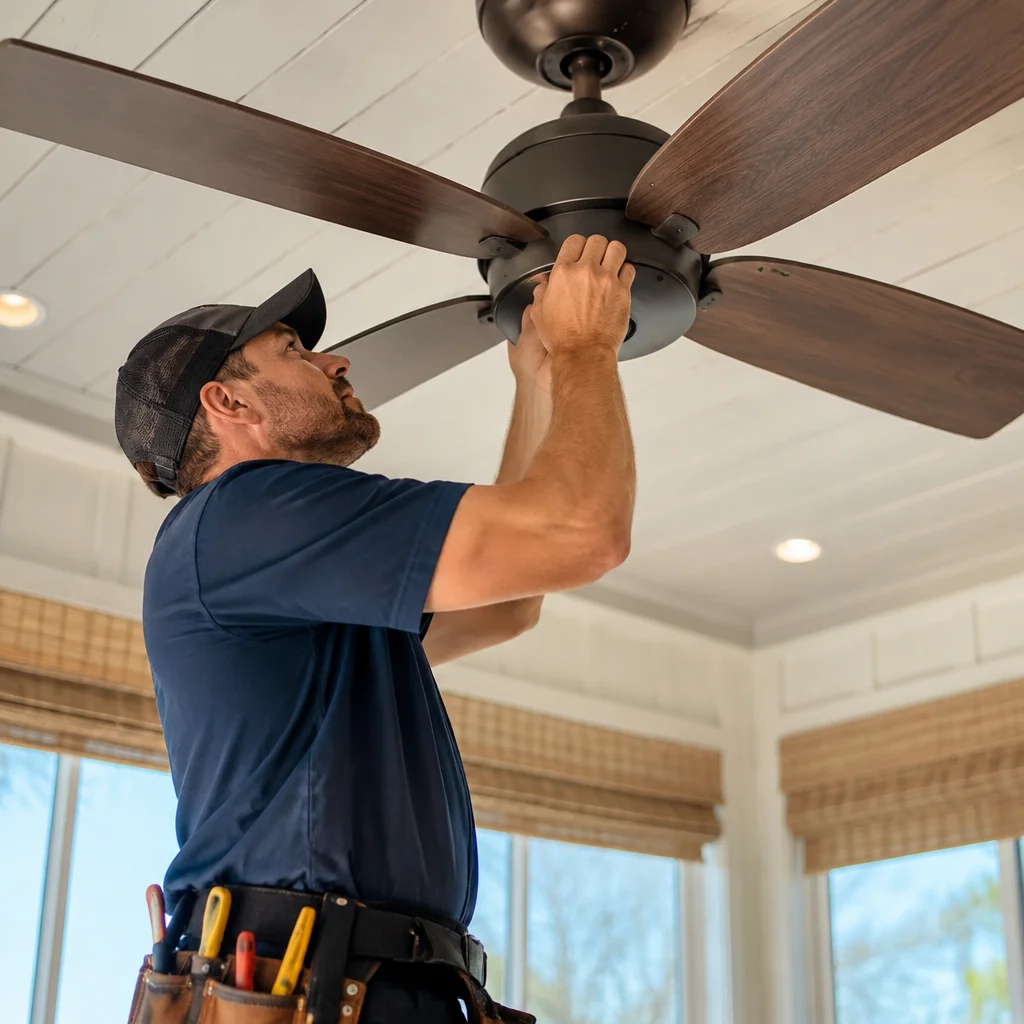
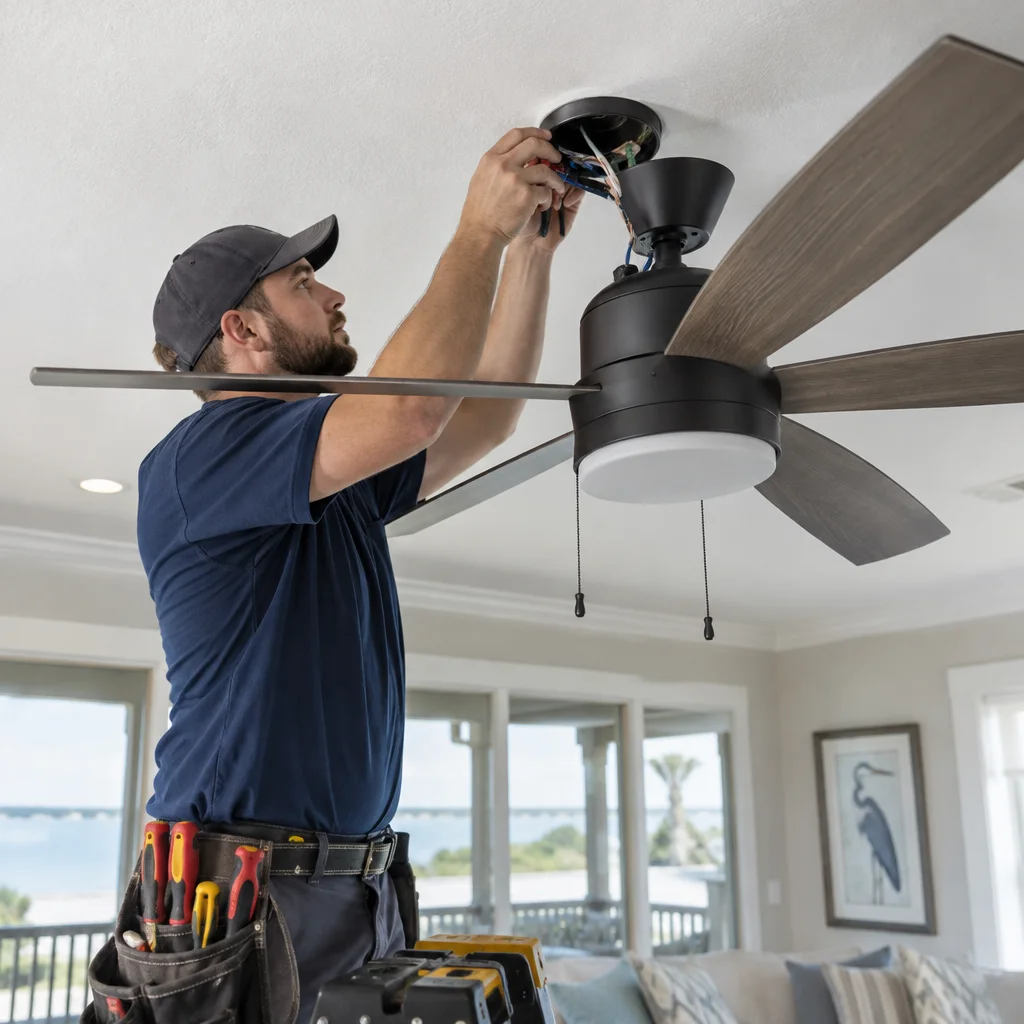
Ceiling fans require a properly rated support box and secure mounting. A box suitable for a light fixture may not support a fan. Fan motors also need compatible speed controls, not ordinary light dimmers. For covered porches and other exposed spaces, equipment ratings must match the moisture exposure. Planning the wiring and controls together avoids adding an attractive fixture that cannot operate safely or conveniently.
Give EV Chargers and Larger Equipment Their Own Plan
EV charging should be designed around the vehicle, daily driving needs, parking arrangement, and available electrical capacity. The highest-output charger is not always necessary. A properly sized installation may provide all the overnight charging a household needs without unnecessary service changes.
When comparing options for level 2 ev charger installation near me, ask about the load calculation, circuit rating, cable route, equipment listing, and permit requirements. Hardwired and receptacle-connected installations have different considerations, including manufacturer instructions and applicable GFCI requirements.
Dedicated circuits may also be needed for appliances, workshop equipment, and other substantial loads. Extension cords and adapters are not substitutes for permanent wiring. If backyard plans include water features or a spa, coordinate pool, spa, and hot tub wiring early. These installations involve specific protection, grounding, and bonding requirements that should not be treated as ordinary outdoor outlet work.
Plan for Storms Without Confusing Surge Protection and Backup Power
WaterColor's coastal weather brings lightning, wind-driven rain, and outages that can affect electrical equipment. Surge protection and generators address different problems. Surge protective devices help limit transient voltage spikes; generators supply power when utility service is unavailable.
A panel-mounted surge protective device can provide broad protection, supplemented by appropriate point-of-use protection for sensitive electronics. Proper grounding and bonding remain essential. No surge device guarantees protection against every lightning event, and status indicators should be checked according to the manufacturer's instructions.
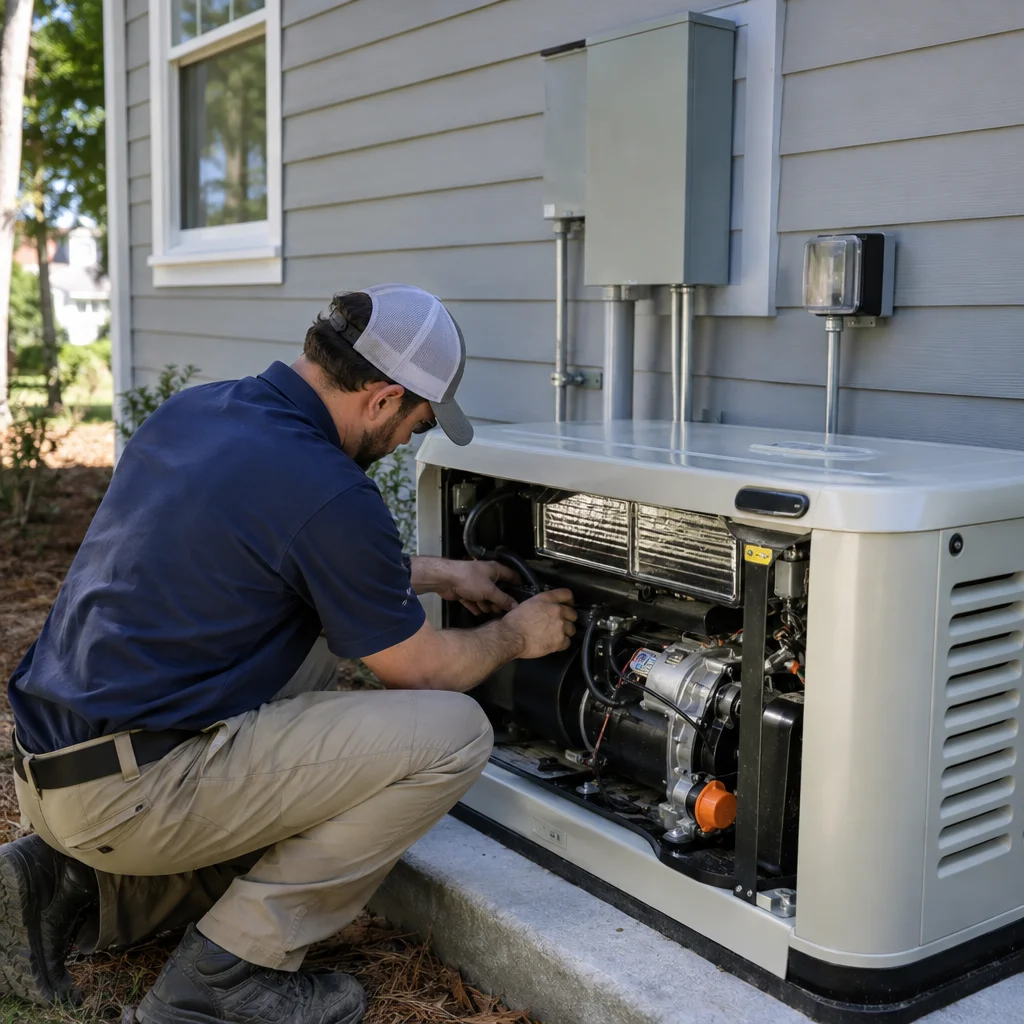
Generator installation requires decisions about which loads will operate during an outage. A portable generator hookup needs properly installed transfer equipment or an approved interlock arrangement where permitted. Never backfeed a home through a wall receptacle. Portable generators must operate outdoors, at least 20 feet from doors, windows, and vents, with exhaust directed away from buildings. Never operate one in a garage, even with the door open.
Include Alarms and Code Corrections in the Project
Device upgrades are a practical time to review smoke alarms and carbon monoxide protection. Alarm age, placement, power source, and interconnection all affect performance. Follow manufacturer replacement instructions and applicable requirements rather than assuming an alarm is dependable because its indicator light is on.
A Superior Mechanical's smoke detector and carbon monoxide detector services can be part of a coordinated upgrade plan. Fuel-burning equipment and attached garages make carbon monoxide protection especially important.
Electrical inspections may also identify missing covers, improper splices, absent protection, or grounding and bonding defects. The scope of code corrections depends on the work and applicable requirements. Ask your electrical contractor which permits and inspections are needed and whether utility coordination is involved. A simple device replacement and a service upgrade should not be treated as identical projects.
Build Coastal Maintenance into the Upgrade
Local electrical maintenance starts with observation, not opening equipment. Check outdoor covers for damage, watch for discoloration around receptacles, and test GFCI devices and alarms at the intervals specified by their manufacturers. Keep panel access clear and circuit labels readable.
After a significant storm, look for visible damage from a safe distance. Salt-laden air, humidity, and water intrusion can affect exposed equipment and metal connections. Flooded or water-damaged electrical equipment requires professional evaluation before reuse.
For vacation homes, arrange periodic checks rather than waiting until a busy visit reveals multiple failures. Local service matters because exposure, occupancy patterns, and access conditions vary across Walton County. Maintenance recommendations should reflect the actual property rather than a generic schedule.
Know Which Problems Cannot Wait
A burning odor, smoke, active sparking, shocks, or a hot and discolored panel requires urgent attention. Stop using affected equipment. Do not touch a hot panel or approach equipment surrounded by water. For smoke or fire, leave the building and call 911.
Repeated trips, buzzing connections, and sudden partial power loss also deserve prompt assessment. Use emergency electrical services for urgent electrical concerns rather than waiting for a planned upgrade appointment.
For nonemergency improvements, gather your device wish list and note existing problems before scheduling. A Superior Mechanical can help connect those goals with practical electrical service in WaterColor. Request an assessment to discuss immediate repairs, useful device changes, and any panel or circuit work needed to support the next stage of your home.
Find Device Upgrades in WaterColor, FL
If you need Device Upgrades in WaterColor, FL, visit our local service page or contact A Superior Mechanical today.
Map of WaterColor, FL
Frequently Asked Questions
Do smart switches and USB outlets require a panel upgrade?
Usually not by themselves. These changes typically add little electrical demand, but the existing wiring, grounding, box space, and device compatibility still need evaluation. Larger additions, such as EV chargers or electric appliances, may require a load calculation and circuit or panel improvements.
Can a GFCI outlet replace an ungrounded outlet in a WaterColor home?
Certain replacements are permitted with GFCI protection and specific labeling, but a GFCI does not create an equipment ground. An electrician should evaluate the wiring and applicable code requirements before selecting the replacement. Equipment that requires grounding may need additional wiring work.
What should I have checked before installing an EV charger?
Have an electrician evaluate service capacity, calculated demand, panel condition, the proposed circuit, charger location, and wiring route. The installation must also follow manufacturer instructions and applicable permit, inspection, and GFCI requirements. Approved load management may be an option when capacity is limited.
Related Articles
- A Practical Guide to Electrical Repair in WaterColor, FL: Panels, Wiring, Outlets, and Prevention
- A Smarter Electrical Foundation for Device Upgrades in Lower Grand Lagoon
- Keeping WaterColor Businesses Comfortable: A Smarter Commercial HVAC Maintenance Plan
- Grounded in Comfort: Planning Geothermal HVAC for WaterColor Homes
Photo Gallery