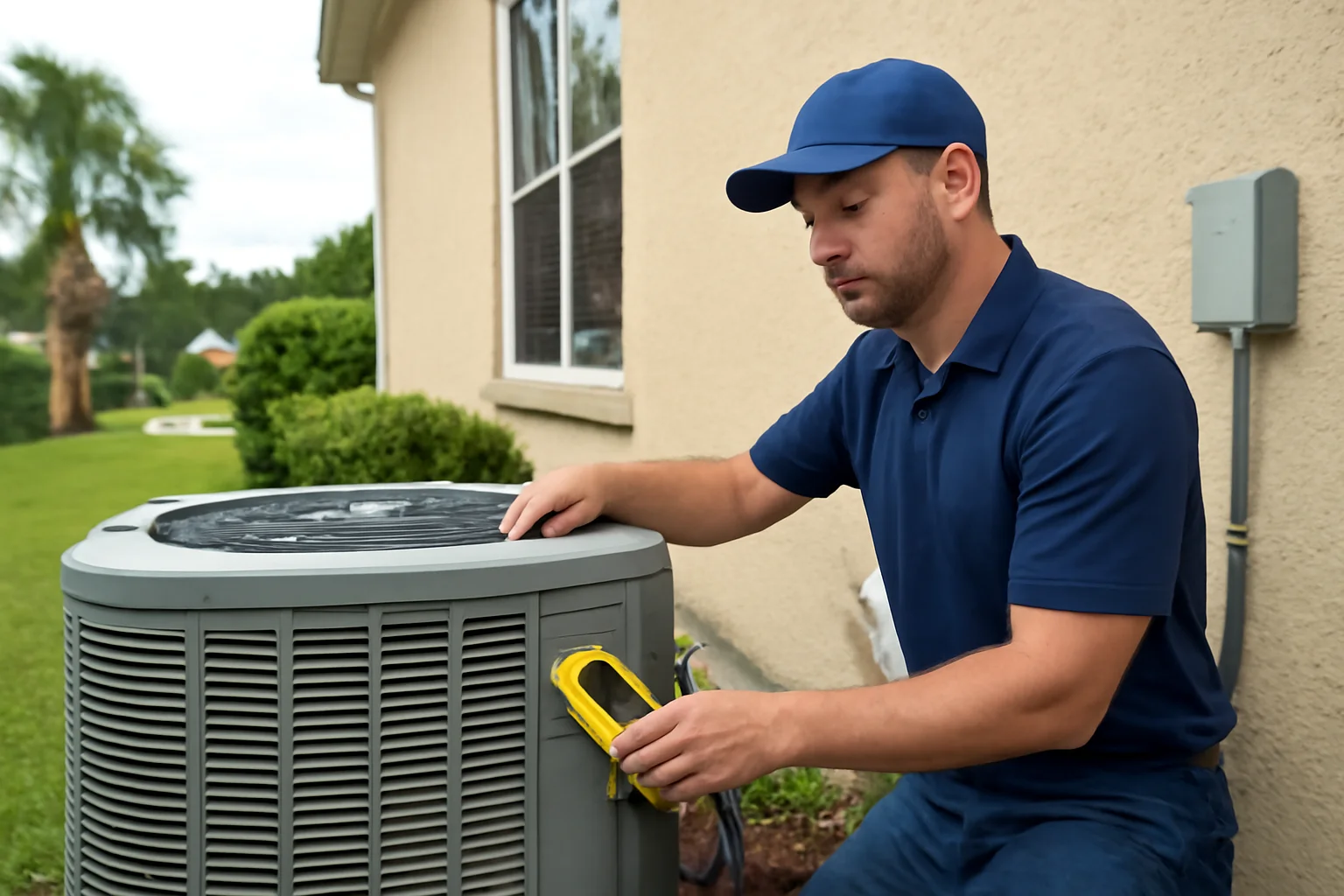
Hammock Bay summers bring heat, humidity, and salty coastal air that can stress an HVAC system. Even when your new air conditioner is the right model, installation details still matter. When airflow, condensate drainage, ductwork, or thermostat settings are slightly off, the system may cool less effectively and work harder than it should.
This guide covers HVAC warning signs homeowners in Hammock Bay should watch for after AC installation, plus simple daily habits that help prevent problems. It also explains when it is time to schedule professional air conditioning service with a licensed HVAC contractor near you, like A Superior Mechanical.
Why installation details can trigger HVAC warning signs in Hammock Bay
In Walton County, your home likely faces a mix of challenges that affect cooling performance: warm outdoor temperatures for long stretches, high indoor humidity, and salt air that can accelerate corrosion on some components over time. Add to that the way many homes are built, with varying duct layouts, attic conditions, and return air paths.
Air conditioning installation is not just about mounting equipment and connecting lines. The system has to be matched to your home, piped and sealed correctly, and configured so airflow and refrigerant systems operate as intended. If any part of the installation is off, homeowners often notice warning signs before a full breakdown happens.
If you want to review the broader process, see A Practical Guide to Air Conditioning Installation for Bluewater Bay Homes.
Warning sign 1: The house feels warm, but the air coming out is not
One of the most confusing HVAC warning signs is when the air conditioner seems to run, yet rooms stay warm. Sometimes the air coming from vents feels cool at first, then the temperature stops dropping.
Common installation-related causes include:
- Airflow problems in the ductwork, such as leaky supply ducts, poor duct sealing, or blocked returns that reduce circulation.
- Incorrect blower settings that do not move enough air across the coil.
- Blocked or improperly routed condensate drainage, which can indirectly affect performance when moisture management fails.
In humid Florida weather, poor airflow often shows up first as uneven cooling. Rooms near the vents may feel cooler while other areas stay sticky. That can increase energy use because the system keeps trying to catch up.
If you suspect airflow issues, a duct inspection near me style evaluation can help identify whether ductwork is contributing to comfort problems. You can also explore Duct Cleaning if dust buildup is affecting airflow, especially in homes with older duct systems.
Warning sign 2: Humidity stays high even when the thermostat says “cool”
In Hammock Bay, humidity is not just uncomfortable. Elevated indoor humidity can make your cooling system feel ineffective. Homeowners may notice condensation on windows, damp smells, or bathrooms and closets that never fully dry.
When high humidity shows up after an air conditioning installation, possible causes include:
- Refrigerant system imbalance due to installation or setup issues. This is not something homeowners should attempt to diagnose themselves.
- Airflow and coil contact issues that reduce the coil’s ability to remove moisture from air.
- Condensate drainage problems, such as a line that is kinked, pitched incorrectly, or not properly connected. When condensate management fails, moisture can linger indoors.
- Thermostat settings or mode selection that prevent the system from running long enough to dehumidify.
Simple habit: keep an eye on comfort, not just temperature. If your thermostat setpoint is stable but the home still feels muggy, it is a sign to schedule air conditioning inspection near me with a professional.
Warning sign 3: The system short cycles or runs constantly
Short cycling means the system turns on and off frequently, sometimes within minutes. Constant running means it never seems to reach a steady rhythm.
Both patterns can be tied to installation details:
- Oversized or undersized equipment relative to the home’s cooling load. In coastal Florida, load can shift based on attic heat, insulation quality, and air leakage.
- Return air restrictions that limit airflow and change how the system senses conditions.
- Thermostat placement that causes inaccurate readings. If the thermostat sits in direct sun or near a heat source, it can trigger improper cycling behavior.
Energy use often rises with both short cycling and constant operation. Homeowners may also notice higher humidity because the system does not spend enough time in a steady cooling cycle to remove moisture.
Warning sign 4: Strange noises that start after the install
Some sounds are normal during startup or defrost cycles on heat pumps, but new noises after an AC installation deserve attention. Watch for:
- Rattling or vibration near the indoor air handler or outdoor unit.
- Hissing that continues while the system runs.
- Banging when the blower starts or shuts off.
Installation factors that can contribute include loose mounting, duct connections that are not secured properly, or airflow restrictions that cause the blower to work differently. If you hear persistent hissing or any sound that feels like it is getting worse, contact an HVAC contractor promptly. Homeowners searching for AC repair near me should prioritize an experienced team that can inspect airflow paths, condensate drainage, and refrigerant system connections during an on-site visit.
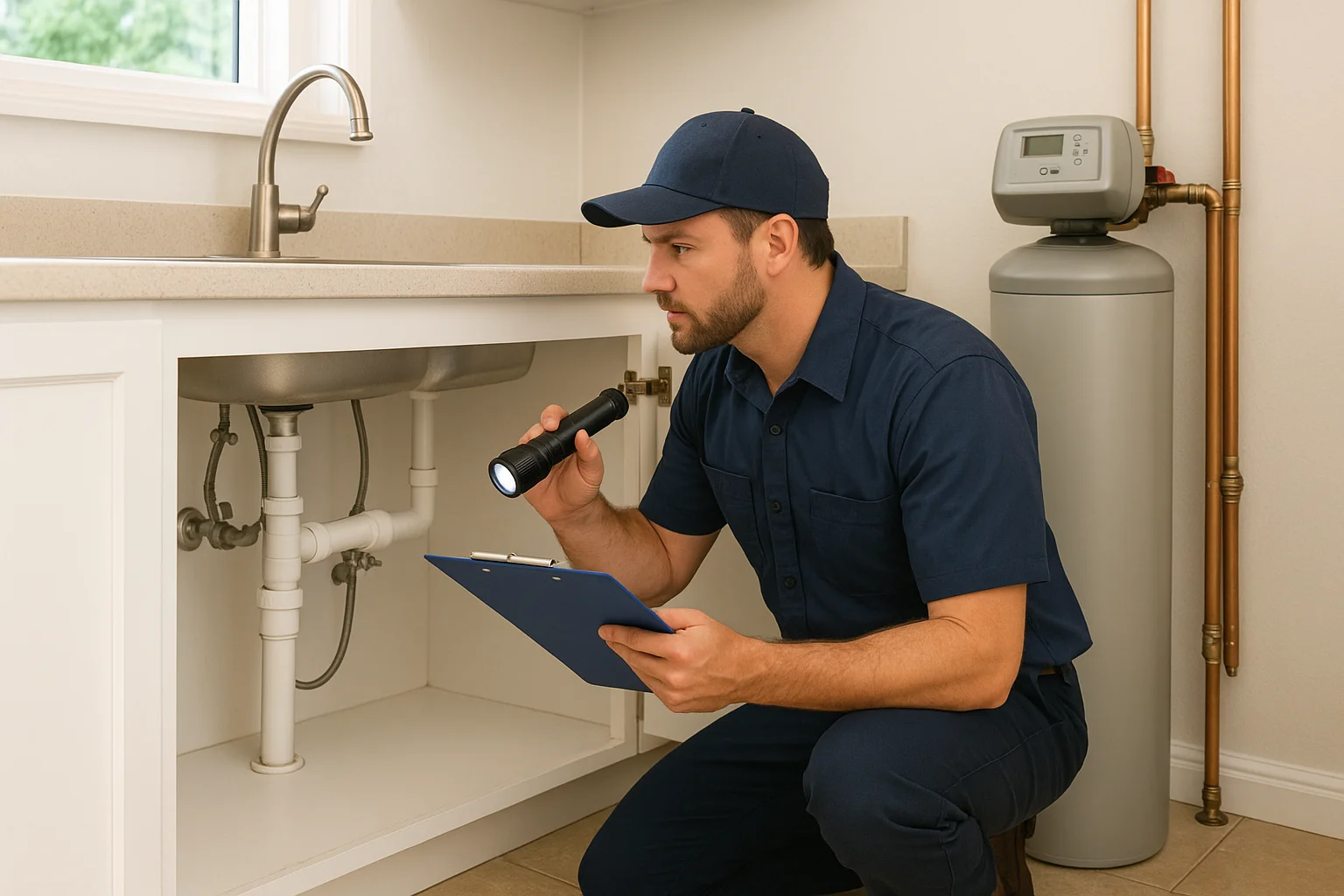
Warning sign 5: Condensate drainage issues, leaks, or water where it should not be
When your system cools, it naturally produces condensate. In a properly installed setup, condensate drainage safely routes water away from the home.
After an air conditioning installation in Hammock Bay, watch for:
- Water pooling around the indoor unit or near the base pan.
- Wet drywall or stains on ceilings below air handlers.
- Gurgling sounds near the condensate line.
- Musty odors that appear soon after cooling cycles begin.
Condensate drainage problems can lead to moisture damage and can also affect indoor air quality services near me needs because excess moisture can support mold growth. If you see any leak or standing water, do not wait for it to “dry out.” Schedule an inspection, especially in humid climates where moisture can linger.
Warning sign 6: Airflow feels weak or some rooms never cool
Weak airflow can show up as barely-there streams from vents. Some rooms may feel like they are always warmer, while others may feel too cold.
Common reasons include:
- Ductwork leaks or disconnected sections that reduce delivered airflow.
- Supply and return imbalance, where the system pulls air from one area but supplies air somewhere else.
- Dirty filters that restrict airflow. Filters can clog faster during pollen season, and coastal dust can also play a role.
Simple habit: check and replace your air filter on schedule, and consider whether your home needs a filter that matches your system requirements. If airflow problems persist even after filter changes, you likely need professional evaluation of ductwork and system operation.
Warning sign 7: The thermostat shows odd behavior or comfort swings
Thermostat issues can look like HVAC problems, especially when homeowners are trying to keep up with Florida heat. After an installation, pay attention to:
- Temperature that does not match what you feel.
- Frequent mode changes, like switching between cool and fan unexpectedly.
- Short cycling that seems tied to schedule or settings.
- Delayed response after setpoint changes.
Sometimes the solution is straightforward, such as correcting settings for fan operation or adjusting schedules. Other times, thermostat placement or wiring configuration can be involved. If you installed a new thermostat, it is worth confirming settings with your installer or an HVAC technician. For homeowners considering upgrades, see Smart Thermostats.
Warning sign 8: Higher energy bills paired with reduced comfort
Energy use can rise for many reasons, but after installation, a steep jump with worse comfort often points to performance issues. In Hammock Bay, where cooling runs frequently, the system should maintain comfort without excessive strain.
Potential installation or setup contributors include:
- Airflow restrictions that make the system work harder.
- Improper duct sealing that wastes conditioned air.
- System configuration issues that affect how the cooling cycle operates.
Homeowners should avoid assuming a single cause from utility data alone. A professional evaluation helps connect comfort symptoms to airflow, humidity control, and system operation.
Simple habits that help prevent HVAC issues after AC installation
You can reduce the chance of problems growing by focusing on habits that support airflow, humidity control, and safe operation. These habits are practical in Hammock Bay’s climate.
1) Keep vents and returns clear
Do not block supply vents with furniture, and avoid covering return grilles. Airflow needs a clear path to cool effectively and maintain indoor air quality.
2) Use the thermostat settings that support dehumidification
In humid Florida conditions, cooling should not only lower temperature but also reduce moisture. If your system has options for fan operation or humidity-related settings, use them as recommended by the installer. If the home feels muggy despite cooling, schedule service rather than constantly changing settings.
3) Check the condensate drain area during humid stretches
After heavy rainfall or high humidity days, take a quick look for water near the indoor unit and for any signs of odor. If you notice pooling or staining, contact a professional for condensate drainage inspection.
4) Replace filters on time and watch for fast clogging
Filters protect airflow and help maintain indoor air quality. If filters are clogging quickly, the system may be pulling in more dust than expected. That is a good time to ask about duct inspection near me and whether duct cleaning is appropriate for your home.
5) Pay attention to airflow balance
If one room is consistently warm or consistently cold, note which rooms. This pattern can help technicians identify ductwork and airflow issues without guessing.
When HVAC warning signs mean it is time to schedule professional service
Homeowners can do basic checks, but there are warning signs that should be handled by a qualified team. Schedule HVAC repair near me or local air conditioning service when you notice:
- Persistent high humidity or condensation that does not improve.
- Water leaks, wet drywall, or repeated condensate drainage issues.
- Hissing sounds, strong burning smells, or system behavior that gets worse quickly.
- Major airflow problems that do not resolve after filter changes.
- Short cycling or constant running that continues despite normal thermostat operation.
A Superior Mechanical can inspect airflow, thermostat operation, condensate drainage, and the cooling system performance during an in-person visit. For homeowners looking for licensed HVAC contractor near me support in Walton County, professional evaluation helps prevent small installation or setup issues from turning into emergency cooling concerns during peak heat.
How A Superior Mechanical approaches AC installation and follow-up in Hammock Bay
Every Hammock Bay home has its own cooling needs based on layout, insulation, ductwork, and how air moves through the house. Professional installation and preventive HVAC maintenance are especially important in Florida heat and humidity because the system runs often and the margin for error is smaller.
When problems show up after installation, technicians can review the details that impact comfort, including:
- Airflow delivery through ductwork, returns, and registers.
- Condensate drainage routing and moisture management.
- Thermostat settings and how the system responds.
- System operation under real indoor conditions.
If you are comparing installation options or planning a replacement, you may also find helpful guidance in Planning Air Conditioning Installation in DeFuniak Springs for a Cooler, More Reliable Home and A Practical Look at Air Conditioning Installation for Smarter Maintenance in Fort Walton Beach. For homeowners in the same region, Choosing the Right Air Conditioning Installation for Freeport Homes That Need to Stay Comfortable covers selection considerations that also affect performance in Hammock Bay.
Get help for air conditioning installation issues in Hammock Bay
If you are noticing HVAC warning signs connected to your AC installation, start with an inspection by a local team that understands Walton County conditions. You can request air conditioning installation support for Hammock Bay directly at /service-areas/walton-county/hammock-bay/air-conditioning-installation-hbfl, or browse more options on /service-areas/walton-county/hammock-bay and /service-areas/walton-county.
For homes that also need to address airflow and moisture from the duct system, consider pairing cooling service with duct-related support like Duct Cleaning. And if your home uses advanced temperature control, reviewing your setup with a technician can help you get more stable comfort from your thermostat and HVAC system.
If your home is commercial or you manage multiple units, it can help to align comfort goals across spaces. Learn more about options like Commercial HVAC Repair for more complex schedules.
Note for homeowners: refrigerant systems and cooling components require professional handling. Avoid attempting refrigerant diagnosis, electrical diagnosis, or DIY adjustments that could affect system safety or performance. An in-person HVAC evaluation is the right path when warning signs suggest issues beyond basic airflow or thermostat settings.
Find Air Conditioning Installation in Hammock Bay, FL
If you need Air Conditioning Installation in Hammock Bay, FL, visit our local service page or contact A Superior Mechanical today.
Map of Hammock Bay, FL
Frequently Asked Questions
How soon after an air conditioning installation should I expect problems to show up?
Some installation-related issues show up quickly, especially airflow problems, condensate drainage concerns, or thermostat setup. Others may become more obvious after repeated cooling cycles during humid Florida weather. If you notice persistent high humidity, water, weak airflow, or unusual noises, schedule an inspection even if the system is still cooling.
Can high indoor humidity after AC installation be caused by ductwork or condensate drainage?
Yes. Poor airflow through ductwork can reduce the coil’s ability to remove moisture. Condensate drainage problems can also increase indoor dampness. A professional evaluation can check airflow paths, condensate routing, and system operation rather than guessing.
What simple checks can I do before calling for AC repair near me?
Start with the air filter, confirm vents and return grilles are not blocked, and verify thermostat settings and mode. If the system runs but comfort remains poor, or if you see water, odors, or recurring condensation, call for service. Those signs often require an on-site HVAC inspection.
Is it safe to troubleshoot refrigerant system issues myself?
No. Refrigerant systems require trained handling. If warning signs suggest a refrigerant or cooling performance problem, contact a licensed HVAC contractor for an in-person evaluation.
How does preventive HVAC maintenance help in Hammock Bay’s heat and humidity?
Preventive maintenance supports stable airflow, proper moisture control, and safer system operation. Regular checks can help catch duct airflow restrictions, condensate drainage concerns, and thermostat or control issues before they lead to emergency cooling problems during peak summer days.
Related Articles
- A Practical Guide to Air Conditioning Installation for Bluewater Bay Homes
- A Practical Look at Air Conditioning Installation for Smarter Maintenance in Fort Walton Beach
- Planning Air Conditioning Installation in DeFuniak Springs for a Cooler, More Reliable Home
- Choosing the Right Air Conditioning Installation for Freeport Homes That Need to Stay Comfortable
Photo Gallery