Bid-A-Wee families rely on clean water for everything from drinking and cooking to bathing, laundry, and daily kitchen routines. When hard water shows up as hard water spots on glass, scale buildup on faucets, or cloudy ice cubes, it is not just annoying. It can also interfere with how well a reverse osmosis system performs and how long it lasts. The good news is that better water treatment and smarter maintenance can help your reverse osmosis system keep delivering better drinking water while reducing wear on plumbing and appliances.
Why hard water is such a big deal for reverse osmosis in Bid-A-Wee
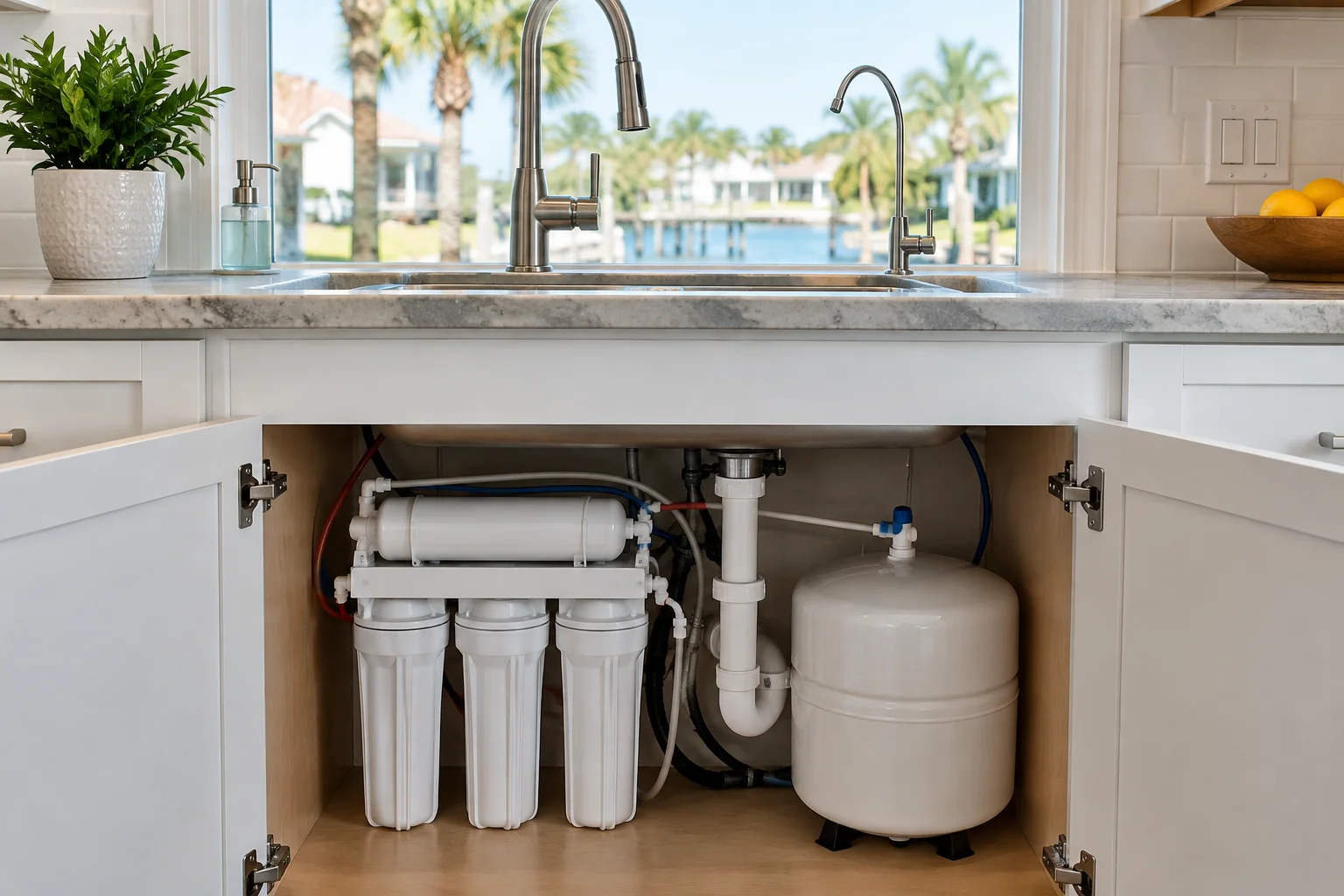
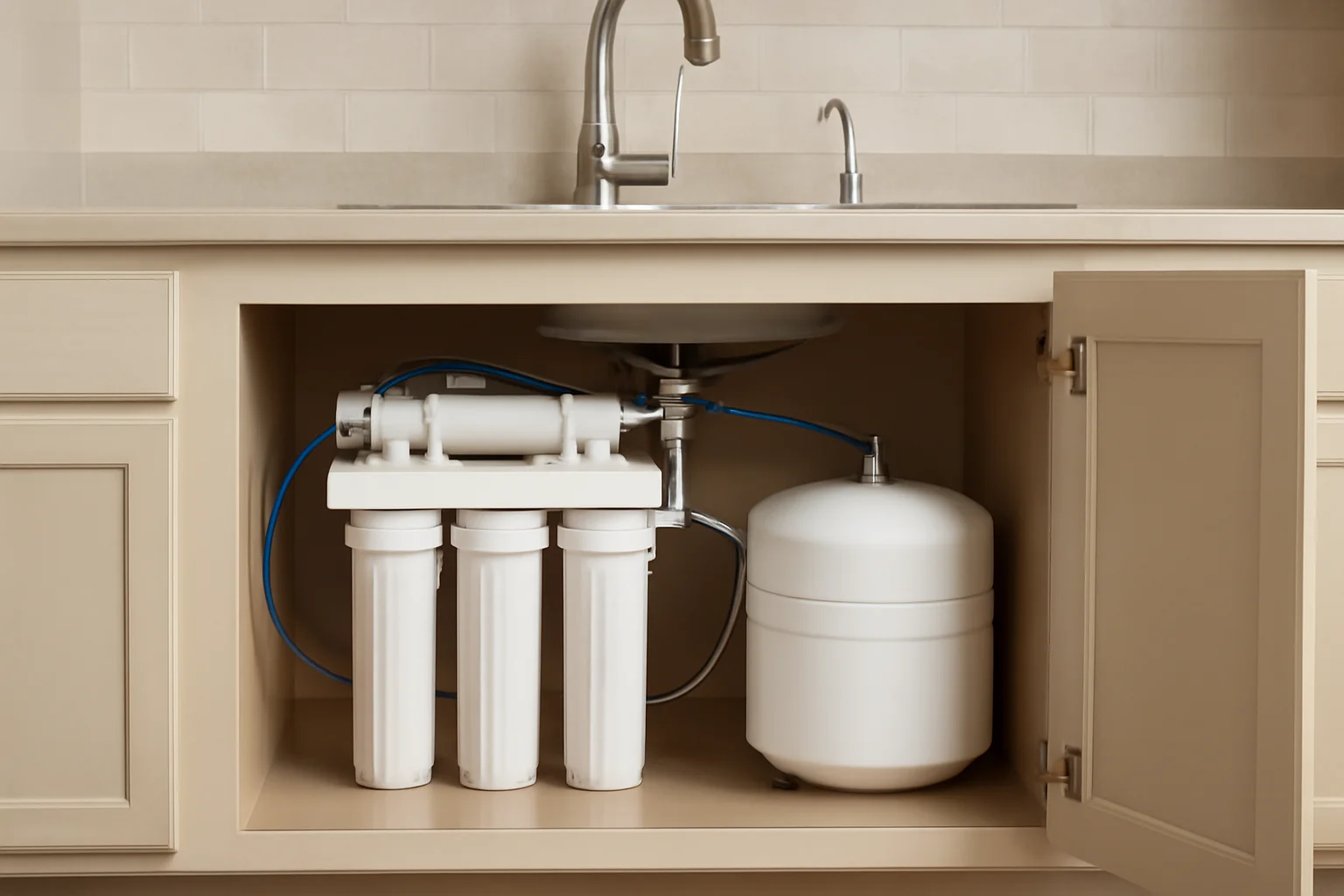
Reverse osmosis (RO) is designed to remove dissolved impurities. In homes dealing with hard water, the water entering the RO system often contains minerals that can form scale. That scale can build up inside the system, especially on membranes and flow restrictors. Over time, this can reduce water production, lower purification performance, and increase how often filters need attention.
In Bid-A-Wee, homeowners commonly notice the telltale signs of mineral-rich water. You might see:
- Hard water spots on glass after showers or dishwashing
- Scale buildup around faucets, showerheads, and plumbing
- Dry skin or dull hair after bathing
- Metallic, chlorinated, or unpleasant taste in drinking water
- Visible sediment, discoloration, and odor concerns
- Soap that does not lather or rinse well
It can also show up in the kitchen. Many residents notice poor tasting coffee and cooking water, and some see cloudy ice cubes that look like they have a haze. When water quality is inconsistent, your RO system has to work harder to produce the clean, great-tasting water you expect.
How better water treatment helps RO systems last longer
Most RO systems are not a standalone solution. They work best when the water entering the system is conditioned. The goal is to reduce scale-forming minerals and protect the RO membrane so it can do its job efficiently.
Here are the main ways better water treatment supports reverse osmosis installation and long-term performance:
1) Pre-treatment reduces scale before it reaches the membrane
If your feed water is hard, minerals can precipitate as water flows through the RO process. With the right approach, you can reduce the risk of scale buildup that clogs components and slows production. That means better purification over time and less strain on the system.
Depending on your water test results, a technician may recommend a combination of filtration and water softening strategies. Many homeowners benefit from water softening upstream of RO to address the mineral load that causes scale.
2) Sediment filtration protects flow and reduces maintenance surprises
RO systems depend on consistent flow. Sediment in household water can interfere with filters and affect how water moves through the system. Proper pre-filtration helps keep sediment from reaching sensitive RO components.
This matters for real life. If you are dealing with a home, rental property, or vacation home in Bid-A-Wee that may sit vacant between stays, sediment and mineral deposits can build up when water sits. A well-designed setup supports stable performance when you turn the water back on.
3) Better taste and odor control improves daily use
RO can improve taste, but not every water issue is purely “dissolved salts.” Some homes also notice chlorine taste in water or unpleasant odors. Pairing RO with appropriate filtration stages can create a smoother overall water treatment plan, so your family actually wants to drink the water you are paying for.
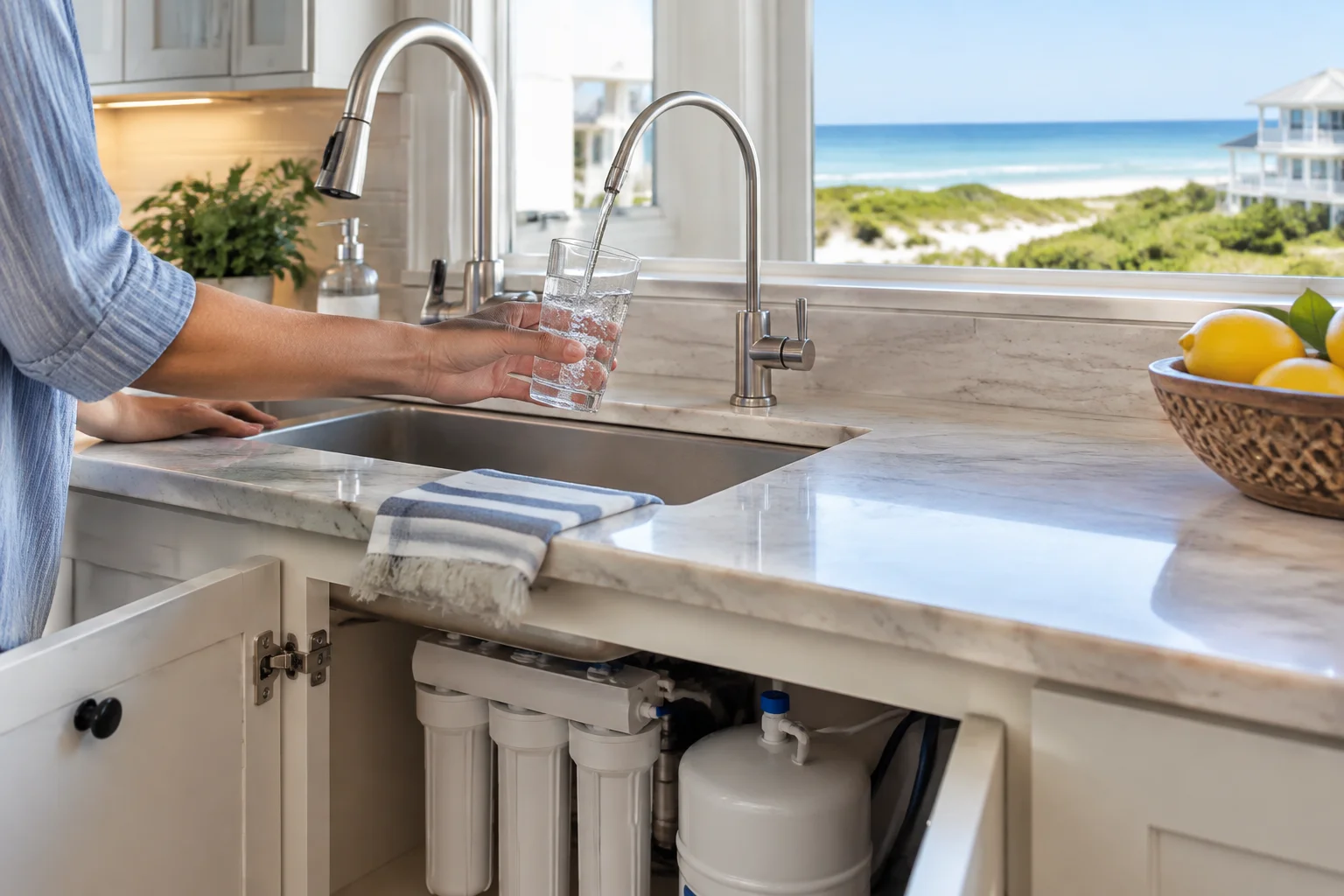
Think about the kitchen moments that make water quality feel real: refilling a glass at lunch, making filtered water for coffee and cooking, or rinsing produce. When the taste is clean and consistent, you notice it every day.
4) Whole home water filtration can reduce the overall burden on RO
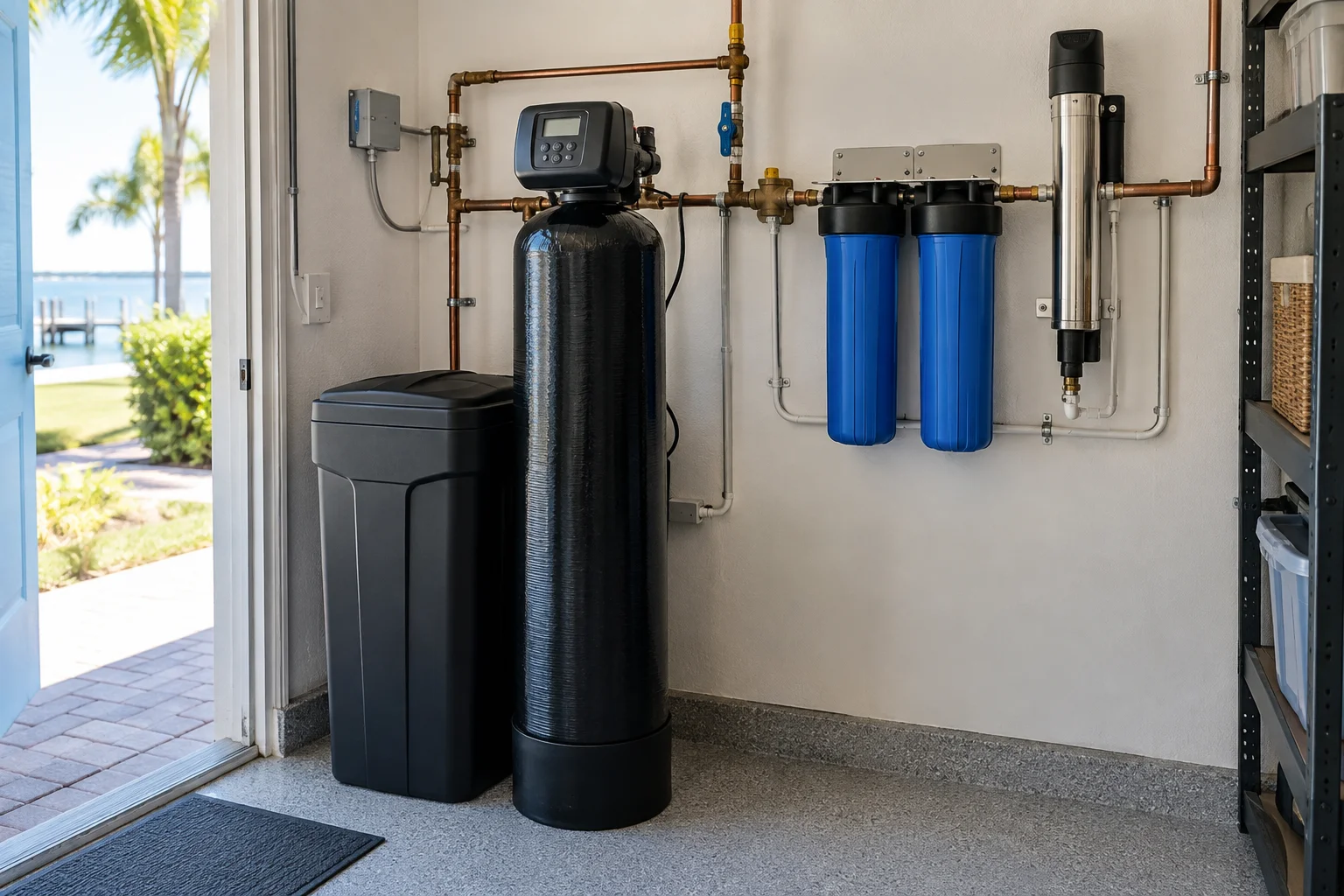
Some homeowners install RO only at the drinking faucet. That can still be a great choice. But if your household is struggling with hardness, sediment, and odor throughout the home, a whole home water filtration approach can help reduce how much the rest of the plumbing and fixtures contribute to scale and residue.
Whole home filtration can also support laundry and bathing comfort by reducing the “film” that makes soap harder to rinse away. It is a practical way to protect fixtures and appliances, not just one tap.
What “better maintenance” looks like for Bid-A-Wee RO systems
Even with the right equipment, maintenance is what keeps RO running efficiently. Better maintenance is not just replacing filters. It is matching service schedules to your local water conditions and verifying performance.
Replace filters based on condition, not guesses
RO systems typically include pre-filters that capture sediment and reduce particulate load. If those filters plug up, system flow drops and the RO unit works harder. That can lead to inconsistent production and faster wear.
When you work with a water treatment professional, you can plan filter changes based on usage and water test findings. This is especially helpful for homes with variable occupancy, like rentals or seasonal properties.
Watch for performance clues that your RO needs attention
Homeowners often notice issues before a system fails completely. Common performance clues include:
- Less purified water than usual
- Longer refill times
- Changes in taste or odor
- Cloudy ice cubes returning
- A drop in how well the kitchen water performs for coffee and cooking
These symptoms can point to filter exhaustion, membrane stress, or inadequate pre-treatment. Addressing the cause early helps prevent more expensive repairs.
Keep an eye on the storage tank and system pressure
RO systems rely on stable pressure and proper tank function. If the system is cycling oddly or the tank is not holding water effectively, you may experience intermittent output. That can make it feel like your system is inconsistent, even if it is still producing water.
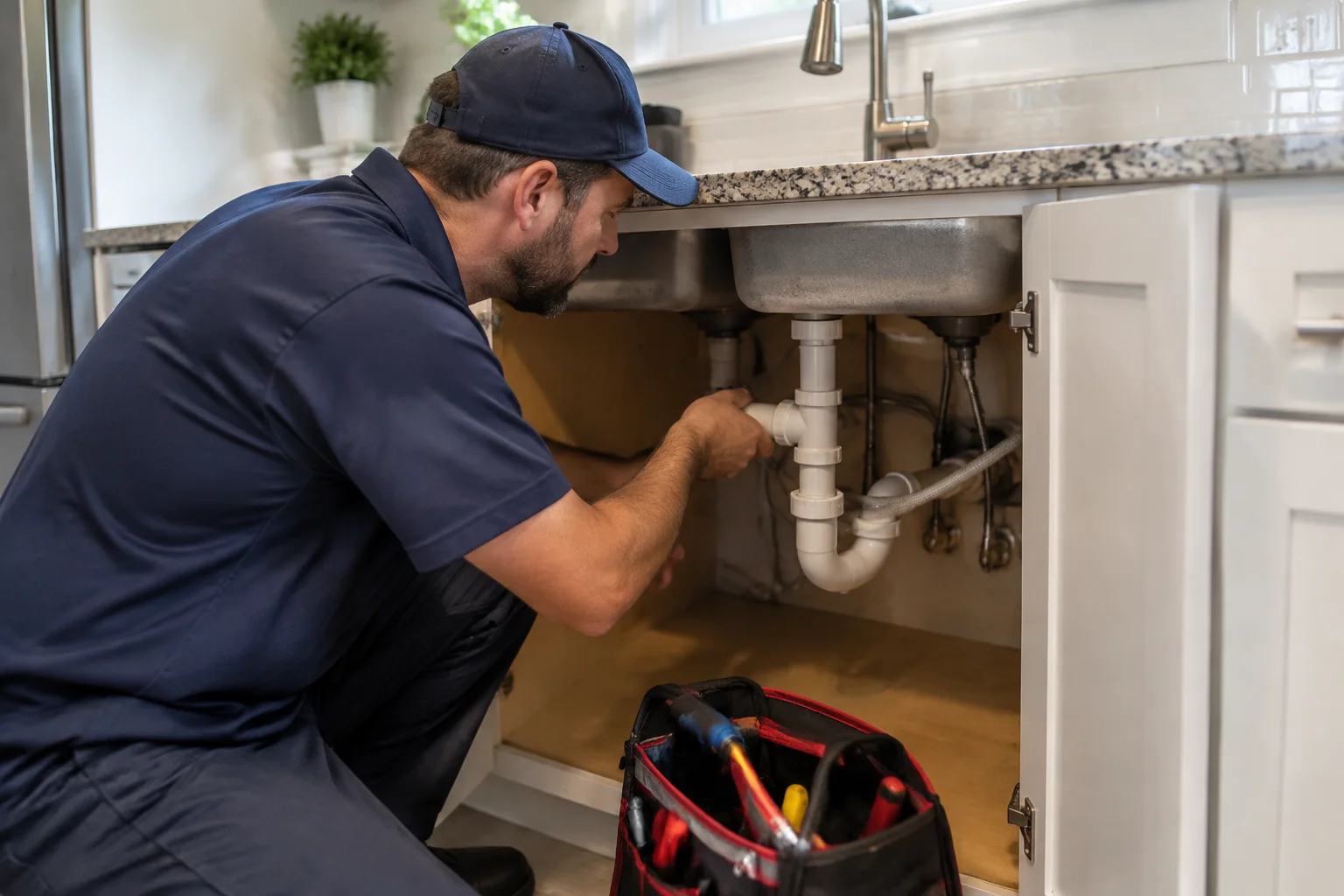
A maintenance visit typically includes checks that go beyond “swap the cartridge.” Technicians verify pressure, inspect components, and confirm that the system is operating within expected ranges.
Test your water so treatment stays aligned with reality
Bid-A-Wee households can see changes in water quality over time. Seasonal patterns, plumbing conditions, and local supply conditions can all influence what your water is bringing to your RO system. Periodic testing helps ensure your water treatment plan is still targeting the right issues.
This is also where AO Smith water filtration systems can fit well. When paired with the right service plan, AO Smith RO setups can be maintained to keep performance steady for clearer, better-tasting drinking water.
How better water treatment protects your whole home, not just the RO faucet
When hard water treatment becomes part of protecting fixtures and appliances, the benefits show up in multiple rooms.
Bathrooms: less scale, better rinsing, more comfortable skin
Scale buildup around showerheads and faucets can reduce water flow and create a rough residue that is harder to clean. When water is softened or filtered more effectively, you often see fewer mineral deposits and less soap scum. That can help with dry skin from hard water and the “tight” feeling some people notice after bathing.
Kitchen: clearer ice, better coffee, and cooking water you can trust
Bid-A-Wee homeowners often associate RO with drinking water, but the kitchen uses it for much more. When water quality improves, you may notice:
- Cloudy ice cubes become clearer
- Poor tasting coffee and cooking water improves
- Better results when boiling pasta, cooking rice, or making tea
These changes come from controlling mineral content and reducing impurities that affect flavor.
Laundry and cleaning: soap that lathers and rinses well
Hard water can make soap work harder. Many homeowners report soap that does not lather or rinse well, and laundry can feel less fresh. With better water treatment, detergent performance improves and residue decreases, which helps clothes look and feel cleaner.
Appliances: slower wear and fewer maintenance headaches
Scale is not limited to visible fixtures. It also builds inside water-using appliances over time. When mineral deposits accumulate, appliances can wear out faster. That includes:
- Water heaters
- Dishwashers
- Coffee makers and other water-fed appliances
By reducing the mineral load entering your plumbing, you can help appliances run more efficiently and extend service life.
RO plus water softening and filtration: a smart combo for Bid-A-Wee homes
Homeowners often ask how to balance RO with other treatment options like water softeners or whole home water filtration. The most effective setups are usually built around your specific water test results and your home’s plumbing layout.
A common strategy for hard water homes is to combine:
- Water softening to reduce scale-forming minerals
- Pre-filtration to capture sediment and protect the RO process
- Reverse osmosis for purified drinking and cooking water
- Optionally, whole home water filtration to improve overall water quality
If you are searching for reverse osmosis system near me or water filtration near me, it helps to choose a provider that treats the system as part of a broader plan. That is where local service matters. A technician who understands Bid-A-Wee water conditions can help you avoid “band-aid” setups that leave the RO membrane exposed to scale.
Signs your RO system is struggling with hard water
Here are practical signs that your reverse osmosis system may be under-protected or due for service. Any one of these can be a clue, especially if you also see hard water issues elsewhere in the home.
- Hard water spots on glass persist even when using “filtered” water for drinking
- Scale buildup on faucets and showerheads is increasing
- Cloudy ice cubes return or get worse
- Metallic tasting water or a lingering unpleasant taste develops
- Filtered water for coffee and cooking does not taste as clean as it used to
- Visible sediment, discoloration, and odor concerns show up in or around the RO area
- Appliances wearing out faster with more frequent cleaning for scale
If you notice these patterns, it is often time to review pre-treatment, filter schedules, and membrane condition. That is one reason homeowners choose professional water treatment service rather than DIY guesswork.
AO Smith RO and whole home filtration: what local homeowners can look for
Many Bid-A-Wee homeowners choose AO Smith water filtration solutions because they are designed to deliver high-performance results for drinking water. AO Smith RO systems can be a strong fit for households that want purified water for daily use, especially when paired with the right pre-treatment.
When you are considering AO Smith water filtration, ask how your system will be protected against hard water. A good plan typically includes:
- Proper staging of sediment and hardness reduction
- Clear service intervals for filters and system components
- Water testing so maintenance stays aligned with your household needs
- Recommendations for whole home water filtration if your water issues extend beyond the drinking tap
For many families, the easiest way to feel the difference is through everyday routines. A morning glass of water, a pot of coffee, a quick pasta dinner, and a shower that leaves skin feeling more comfortable. Better maintenance is what keeps those experiences consistent.
Why local service in Bid-A-Wee matters for water treatment
Water treatment is not one-size-fits-all, especially in Bay County. Local water conditions, household plumbing, and how the home is used all influence how your RO system performs. Bid-A-Wee homes may also experience different water patterns depending on season and water usage, which can affect scaling and filtration needs.
That is why it helps to work with a local provider that offers reverse osmosis installation and service in Bid-A-Wee. You can explore service options on our reverse osmosis systems page for Bid-A-Wee, and you can also review the broader approach to home water quality at our water filtration and RO water softeners landing page. For service coverage and local context, see our Bid-A-Wee service area and Bay County service area.
Related reading that connects RO to real plumbing conditions
If you want to understand how plumbing and maintenance decisions affect water purification, these guides can help:
- Cleaner Everyday Water Starts With Reverse Osmosis Systems in Bid-A-Wee, FL
- How Plumbing Conditions Change Water Purification in Bid-A-Wee Homes
- Why plumbing problems in Bid-A-Wee deserve earlier attention
- Why Property Management Plumbing Keeps Bid-A-Wee Homes Comfortable and Repairs Under Control
Schedule a service check before scale turns into a bigger problem
Hard water issues are often visible, but the damage to RO membranes and internal components can be gradual. When homeowners stay ahead of scale and sediment through appropriate pre-treatment and regular service, the benefits are easier to enjoy. Your kitchen water tastes better, ice looks clearer, and everyday tasks like bathing and laundry feel more comfortable.
If you are searching for water treatment near me or planning reverse osmosis installation near me, look for a service approach that includes water testing, protection against scale, and maintenance that matches Bid-A-Wee conditions. That is how you protect your home and keep your reverse osmosis system working the way it should.
Find Reverse Osmosis Systems in Bid-A-Wee, FL
If you need Reverse Osmosis Systems in Bid-A-Wee, FL, visit our local service page or contact A Superior Mechanical today.
For a broader look at whole-home water filtration, reverse osmosis, and water softener options, visit our water filtration, RO, and water softener page.
Map of Bid-A-Wee, FL
Frequently Asked Questions
Can hard water damage a reverse osmosis system?
Yes. Hard water can cause scale buildup on RO components, especially the membrane. When scale forms, the system may produce less water and purification performance can drop. Proper pre-treatment and maintenance help prevent this.
What pre-treatment works best before reverse osmosis for Bid-A-Wee homes?
It depends on your water test. Many homes benefit from sediment filtration and water softening to reduce scale-forming minerals. A technician can recommend the right combination based on hardness, sediment, and taste or odor concerns.
How often should an RO system be serviced?
Service schedules vary by household use and water quality. Typically, pre-filters and related components need periodic replacement, and the system should be checked to confirm flow, pressure, and performance. Water testing helps set accurate intervals.
Will whole home water filtration help if I already have RO for drinking water?
Often, yes. Whole home filtration can reduce hardness and impurities throughout the plumbing, which helps with fixtures, bathing, laundry, and appliance protection. It can also lower the overall burden on your water system.
What are the most common signs my RO system needs attention?
Look for reduced output, changes in taste or odor, cloudy ice cubes, and performance issues like slower refill times. If you also see more scale around faucets and showerheads, it may indicate the RO is not adequately protected from hard water.
Related Articles
Photo Gallery