Dust around a ceiling vent, a bedroom that stays warm, and a musty smell when the AC starts can seem like the same problem. Sometimes they are connected. Often, they point to different issues that need separate solutions. For Panama City homeowners, smart duct cleaning starts with figuring out what is actually happening inside the HVAC system.
A Superior Mechanical provides duct cleaning in Panama City, FL. The most useful approach pairs cleaning decisions with an inspection of airflow, moisture, filters, and duct condition. That helps homeowners address the source of trouble rather than repeatedly removing its symptoms.
Coastal Comfort Depends on More Than Clean Vents
Panama City's long cooling season gives air conditioning equipment plenty of work. Warm, humid outdoor air enters through doors, building leaks, and poorly sealed return ducts. Meanwhile, air handlers and evaporator coils must remove both heat and moisture to keep rooms comfortable.
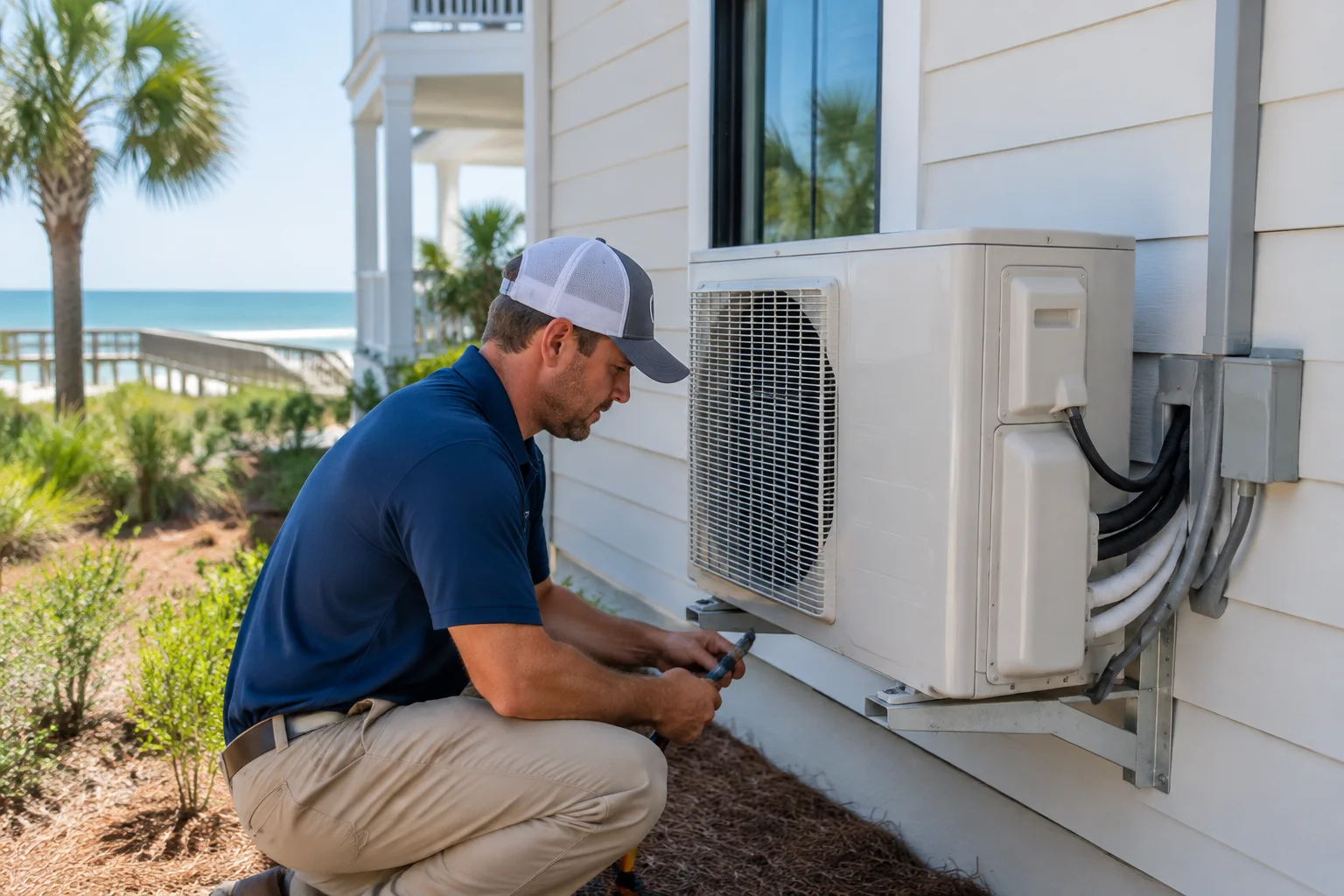
Coastal weather adds other challenges. Salt air can accelerate corrosion on outdoor units and condensers. Storms can damage roofs, wet insulation, and disturb attic ductwork. None of those conditions automatically means ducts need cleaning, but each can affect how the system operates and whether contamination develops.
Older homes may have aging duct connections or insulation that no longer protects cold surfaces from humid attic air. Newer homes can contain construction debris or have comfort problems related to sizing and balancing. Remodels and additions may introduce drywall dust while changing the amount of airflow each room needs.
Decide Whether Cleaning Matches the Problem
Duct cleaning is not a universal cure for indoor air quality concerns, and a light layer of settled dust does not automatically require professional cleaning. A condition-based inspection is more useful than choosing service solely because a certain number of years have passed.
Evidence that deserves a closer look
Professional evaluation makes sense when substantial debris is visible inside ducts, particles repeatedly blow from registers, pests have entered the air distribution system, or renovation work has left heavy contamination. Suspected microbial growth also needs investigation, including identification of the moisture source. Appearance or odor alone cannot reliably confirm mold.
Notice where and when symptoms occur. Does dust appear at every supply vent or only one? Does the odor begin after rain? Did airflow change following an attic repair? Photographs and a short timeline can help a technician narrow the inspection.
Symptoms that may need another service
A dirty grille might need surface cleaning, while a hot room might have a crushed flex duct. A musty odor can originate at a wet evaporator coil, drain pan, or damp building material. Cleaning ducts without correcting these conditions may leave the original complaint unchanged.
For homeowners searching for air duct repair near me, the important distinction is whether the ductwork is dirty, damaged, leaking, or poorly designed. Those conditions can overlap, but they require different work.
Trace Airflow from the Filter to the Room
A useful inspection follows the entire air path. Air passes through return grilles, filters, the blower and coil section, supply ducts, and room registers. A restriction or leak anywhere along that path can affect comfort.
Filters, blowers, and evaporator coils
A loaded filter can restrict airflow before air reaches the duct system. Dust on the blower or evaporator coil can also interfere with operation. Ask whether the filter fits securely and whether its efficiency rating is suitable for the equipment. A more restrictive filter is not automatically a better choice.
Low airflow across an evaporator coil can contribute to icing. Refrigerant leaks can also cause cooling problems and sometimes icing, but duct cleaning cannot correct refrigerant charge. A technician should identify the cause rather than assuming every weak vent means dirty ducts.
Supply and return duct condition
Disconnected branches, sharp bends, damaged insulation, and undersized returns deserve attention. Return leaks can pull hot, humid, dusty attic air into the system. Supply leaks can waste conditioned air before it reaches occupied rooms.
A search for duct leakage repair near me should lead to inspection and appropriate sealing, not simply cleaning accessible registers. Where deterioration or poor layout is extensive, this guide to duct replacement for better comfort and humidity control explains why replacement planning may matter more than another cleaning.
Humidity Control Starts with Finding the Moisture
Clean ducts do not dehumidify a home. Moisture control depends on equipment performance, runtime, building leakage, ventilation, and proper condensate drainage. An oversized AC system may cool rooms quickly without running long enough to remove sufficient moisture.
A simple indoor humidity monitor can help reveal patterns. Many homes are comfortable around 40 to 50 percent relative humidity, and keeping levels below 60 percent helps limit conditions that support mold growth. Persistent high readings deserve evaluation rather than a lower thermostat setting alone.
Check drainage and duct insulation
Condensate drain lines and pans need attention during maintenance. A clogged line can cause water damage or trigger a safety switch that stops cooling. Condensation on duct exteriors may indicate damaged insulation, gaps in the vapor barrier, or unusually humid surrounding air.
For homes that remain damp after equipment and building issues are addressed, whole home dehumidifiers in Panama City may provide additional control. Homeowners searching for a whole home dehumidifier near me should request sizing and drainage planning based on the home's actual moisture load.
Plan the Cleaning Scope Before Work Begins
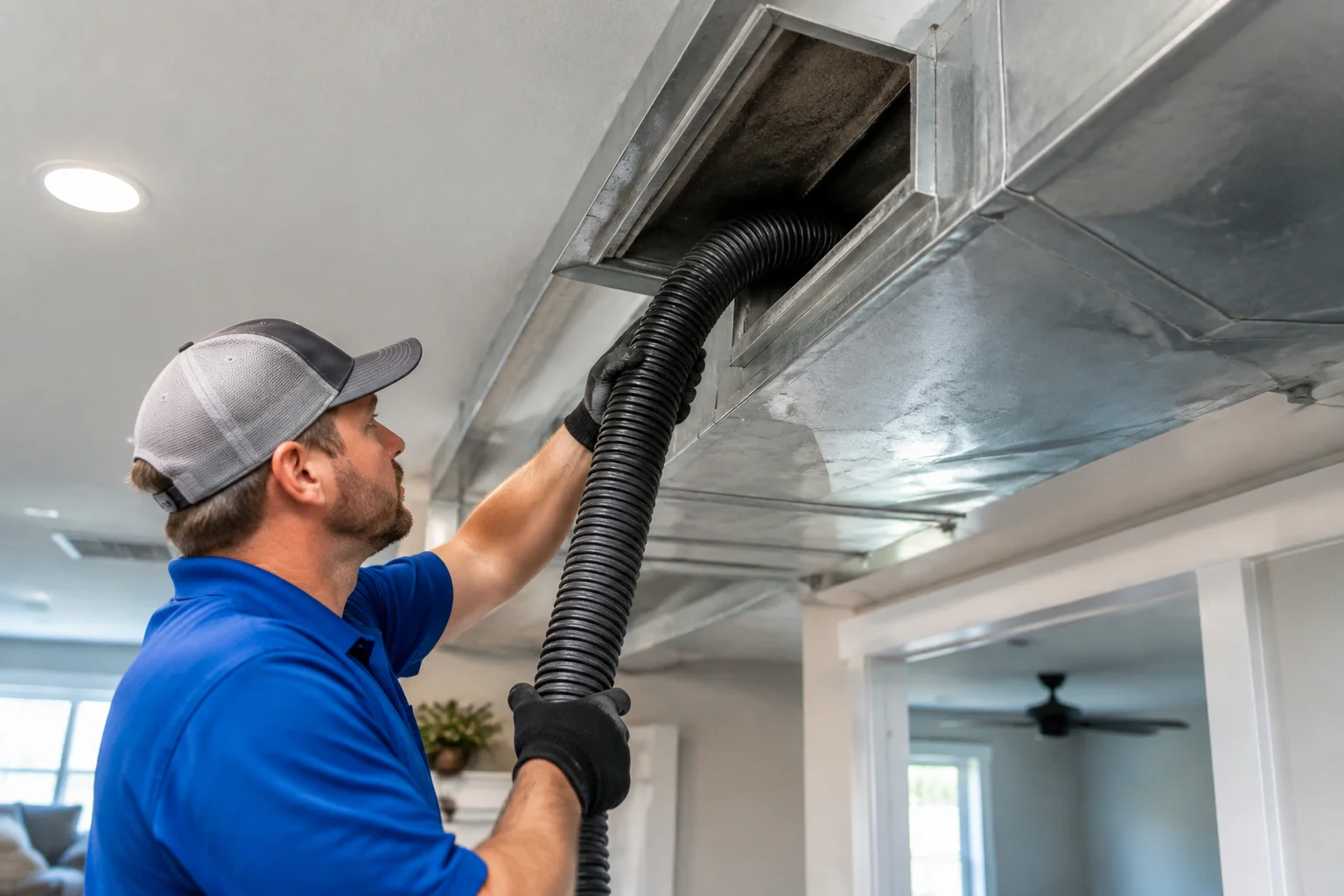
Ask the contractor to explain what the inspection found and which components the proposed service includes. Cleaning only visible vent covers is different from removing accumulated debris from the air distribution system. The estimate should make that distinction clear.
Discuss how debris will be loosened, captured, and kept from spreading into occupied rooms. Professional methods should suit the duct material and condition. Older flex duct, fiberglass duct board, and internally lined ducts require particular care because aggressive tools can damage them.
Ask whether return ducts, supply branches, registers, and relevant air handler components are included or priced separately. Also ask how access openings will be closed and sealed afterward. Before-and-after photographs can help document accessible conditions without promising that every hidden surface can be photographed.
Do not assume disinfectants, fragrances, or sealant coatings are necessary. Any proposed chemical treatment should have a specific justification and be appropriate for the material and intended use. Wet or mold-contaminated porous duct materials may require replacement rather than cleaning.
Set Realistic Expectations for Air Quality and Efficiency
Removing substantial debris can reduce a source of particles within the HVAC system. If buildup is restricting airflow, cleaning may also help restore air delivery. However, routine duct cleaning alone has not been shown to consistently prevent health problems or guarantee lower energy bills.
Indoor air quality also depends on source control, filtration, moisture management, and ventilation. Pet dander, outdoor pollen, cooking particles, and renovation dust can continue entering the air after duct cleaning. Families managing asthma or allergies should treat HVAC improvements as one part of a broader plan, not a medical treatment.
For energy efficiency, prioritize demonstrated faults: duct leakage, dirty coils, restricted filters, incorrect airflow, and equipment that short cycles. Thermostat installation or thermostat repair may help if controls are inaccurate or poorly located, but new controls cannot compensate for damaged ducts.
Keep Buildup from Returning
Prevention usually costs less disruption than repeated corrective work. Check filters regularly and replace them according to their condition, the equipment instructions, and household needs. Homes with pets, frequent guests, or nearby construction may need more frequent checks.
Keep furniture and stored items away from return grilles and supply vents. Avoid closing numerous registers to push air elsewhere, since that can raise duct pressure and create new airflow problems. A room that stays uncomfortable needs balancing or diagnosis, not a collection of blocked vents.
During remodels, coordinate dust containment with the contractor and protect HVAC openings appropriately. Do not operate equipment with returns blocked or filters removed. Once dusty work is complete, inspect filters and accessible components before deciding whether duct cleaning is warranted.
Schedule air conditioning maintenance before peak summer demand when possible. Include drainage, blower condition, coils, electrical connections, and operating performance. Keep vegetation and storm debris away from outdoor equipment according to manufacturer clearance requirements.
Account for Heating Systems and Home Additions
Many Panama City homes use heat pumps, so the same ducts distribute air during cooling and heating. Weak airflow can affect both seasons. Heat pump service can distinguish duct problems from defrost, refrigerant, or equipment issues.
Homes with furnaces also need heating maintenance. Duct cleaning does not replace furnace service, combustion safety checks where applicable, or heating repair. Problems with ignition, overheating, or unusual operating noises require equipment-specific diagnosis.
Additions deserve a fresh load and airflow assessment. Extending a branch duct may not give the new space enough capacity. Ductless mini splits can serve some additions independently, although their filters, coils, blowers, and drains still need maintenance. A ductless indoor unit is not serviced through conventional central duct cleaning.
Recognize Problems That Should Not Wait
Routine dust accumulation is generally not an HVAC emergency. A sudden loss of cooling during extreme heat, significant water leakage near the air handler, a burning smell, or repeated breaker trips calls for prompt attention. Stop operating equipment when continuing could create a safety risk or worsen damage.
Ice on the refrigerant lines or evaporator coil also deserves diagnosis. Turn cooling off and contact a professional rather than chipping away ice or repeatedly restarting the system. Tell the dispatcher if older adults, infants, or medically vulnerable occupants are affected by indoor heat.
Homeowners searching for emergency AC repair near me should describe the symptoms clearly, including any water, ice, unusual odors, or thermostat messages. Our article on why timely HVAC response matters in Panama City homes offers more context for urgent cooling concerns.
Build a Practical Service Plan for Your Home
Local HVAC service matters because coastal exposure, attic conditions, storm damage, and seasonal demand shape the work a home needs. A contractor should consider those conditions while verifying the specific problem, not recommend the same package for every address.
Ask A Superior Mechanical about HVAC services in Panama City and start with your main concern: dust, odor, uneven temperatures, or excess humidity. An inspection can help separate cleaning needs from duct sealing, ductwork repair, air handler repair, or equipment maintenance.
For homeowners and property managers elsewhere in the area, explore our Bay County service area. The goal is a clear order of work: address safety and moisture first, repair airflow defects, clean where evidence supports it, and maintain the system so the same problem is less likely to return.
Find Duct Cleaning in Panama City, FL
If you need Duct Cleaning in Panama City, FL, visit our local service page or contact A Superior Mechanical today.
Map of Panama City, FL
Frequently Asked Questions
How often should ducts be cleaned in a Panama City home?
There is no single cleaning interval that fits every home. Consider an inspection after major dusty renovations, pest activity, water intrusion, or visible debris blowing from vents. Cleaning should be based on documented conditions rather than a calendar alone.
Will duct cleaning fix high humidity or uneven cooling?
Not necessarily. Cleaning may help airflow when substantial debris is restricting it, but high humidity and uneven temperatures can come from duct leaks, damaged insulation, equipment sizing, drainage problems, or poor balancing. Those causes need separate diagnosis and correction.
Should damaged or mold-contaminated ducts be cleaned or replaced?
The answer depends on the duct material, extent of damage, and moisture history. Some sound ductwork can be cleaned, while deteriorated flex duct or wet, mold-contaminated porous materials may need replacement. The moisture source must also be corrected to reduce the chance of recurrence.
Related Articles
Photo Gallery