A new smart switch, USB charging outlet, or kitchen receptacle can make daily life easier. But the device on the wall is only one part of the system. Its performance depends on the wiring, connections, grounding, circuit protection, and electrical panel behind it.
For homeowners considering device upgrades in Lower Grand Lagoon, FL, the best starting point is a practical look at both today's needs and tomorrow's plans. A Superior Mechanical helps homeowners approach these improvements as part of a safer, more useful electrical system, rather than a collection of isolated replacements.
Coastal Living Changes the Electrical Planning Checklist
Lower Grand Lagoon homes face humid summers, salt exposure, heavy rain, and tropical weather. These conditions can accelerate corrosion at exposed electrical equipment and allow moisture into damaged outdoor boxes. Storm outages and power disturbances also make surge protection and backup power worth discussing before the next major weather event.
Local housing varies, too. An older coastal home may have limited receptacles or wiring from several renovation eras. A newer home may have modern protection but still need circuits for an EV charger, workshop, or outdoor kitchen. Vacation rentals can put outlets and switches through frequent use while making small developing problems easier to overlook.
Working with an electrical contractor familiar with Lower Grand Lagoon homes and electrical needs helps connect the upgrade to coastal exposure, existing construction, and applicable permitting requirements.
Start With How Each Room Actually Uses Power
Before choosing devices, walk through the house and note where cords, adapters, and power strips accumulate. Look at furniture placement, countertop appliances, bedside charging, outdoor equipment, and spaces scheduled for remodeling. The goal is convenient access without treating extension cords as permanent wiring.
Separate convenience improvements from added electrical demand
Replacing a basic receptacle with a listed USB charging model usually adds convenience without requiring a new circuit, provided the existing circuit and box are suitable. Adding an electric range, EV charger, or other substantial load is different. Those projects require an assessment of circuit requirements and available capacity.
A homeowner searching for outlet installation near me may simply need a better receptacle location. But if the same circuit already serves several heavily used areas, adding more outlets does not create more power. The electrician should determine whether an extension of the existing circuit is appropriate or a dedicated circuit is needed.
Look Beyond Empty Spaces in the Panel
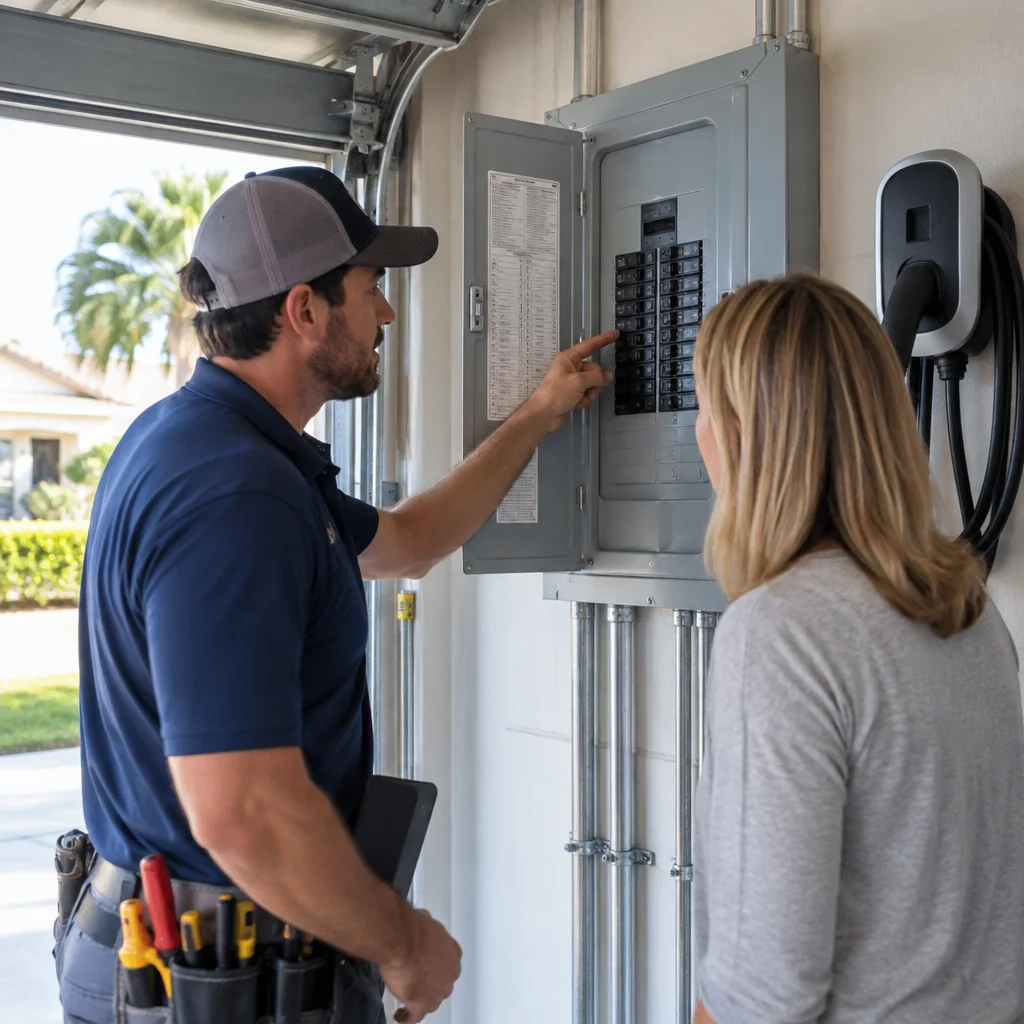
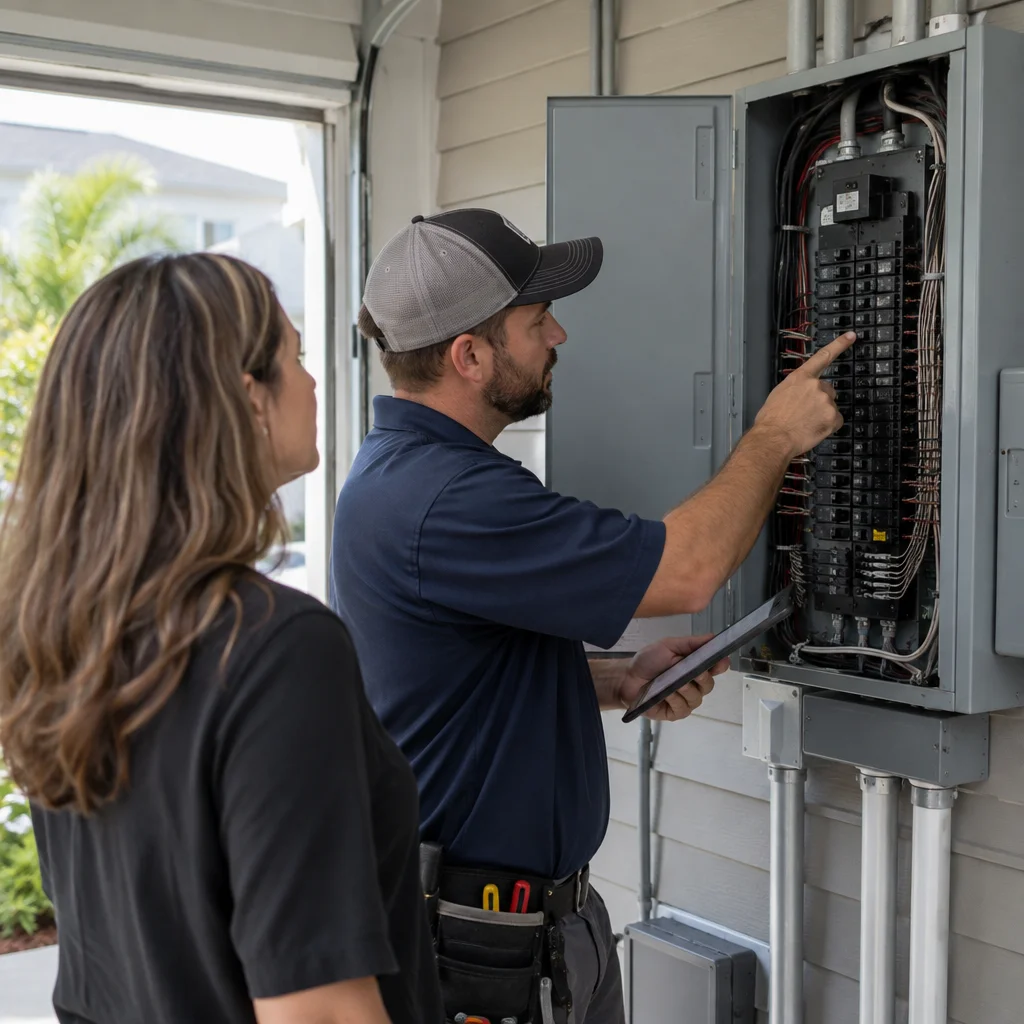
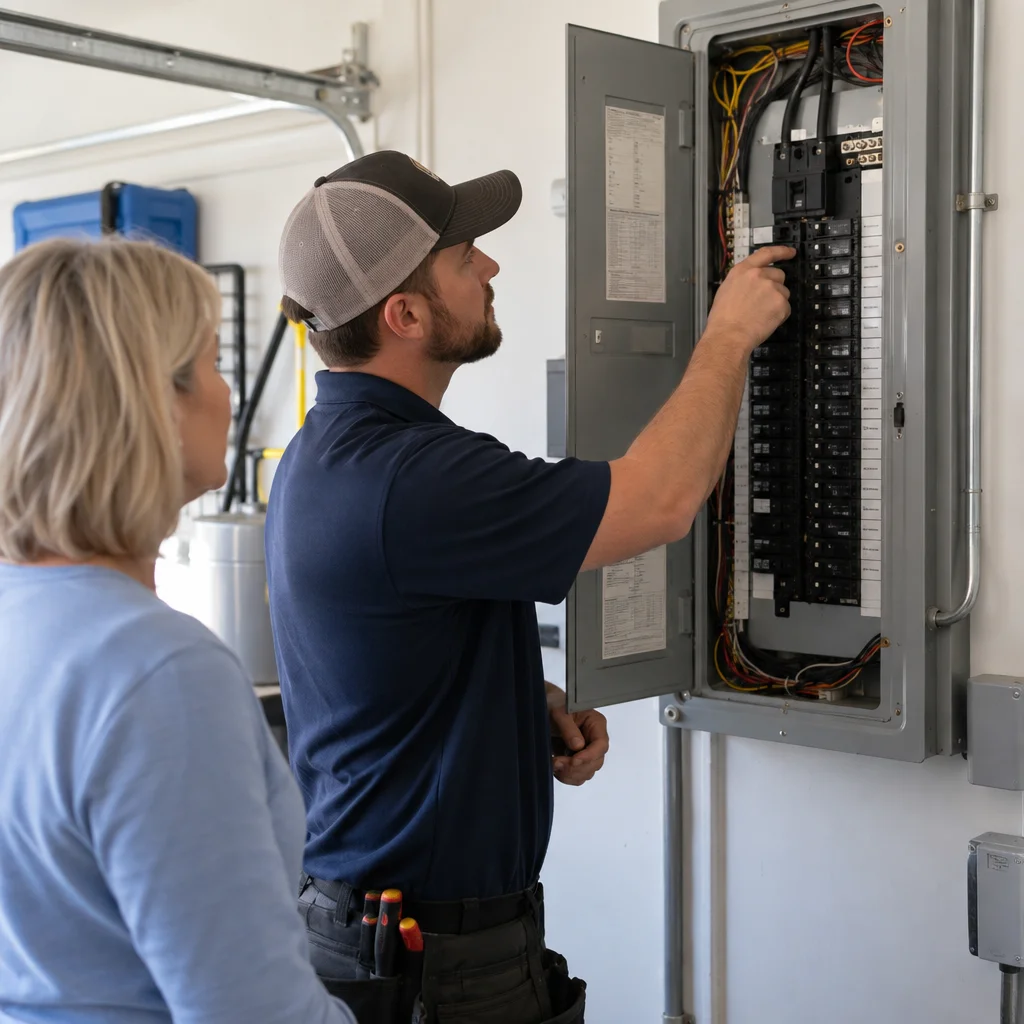
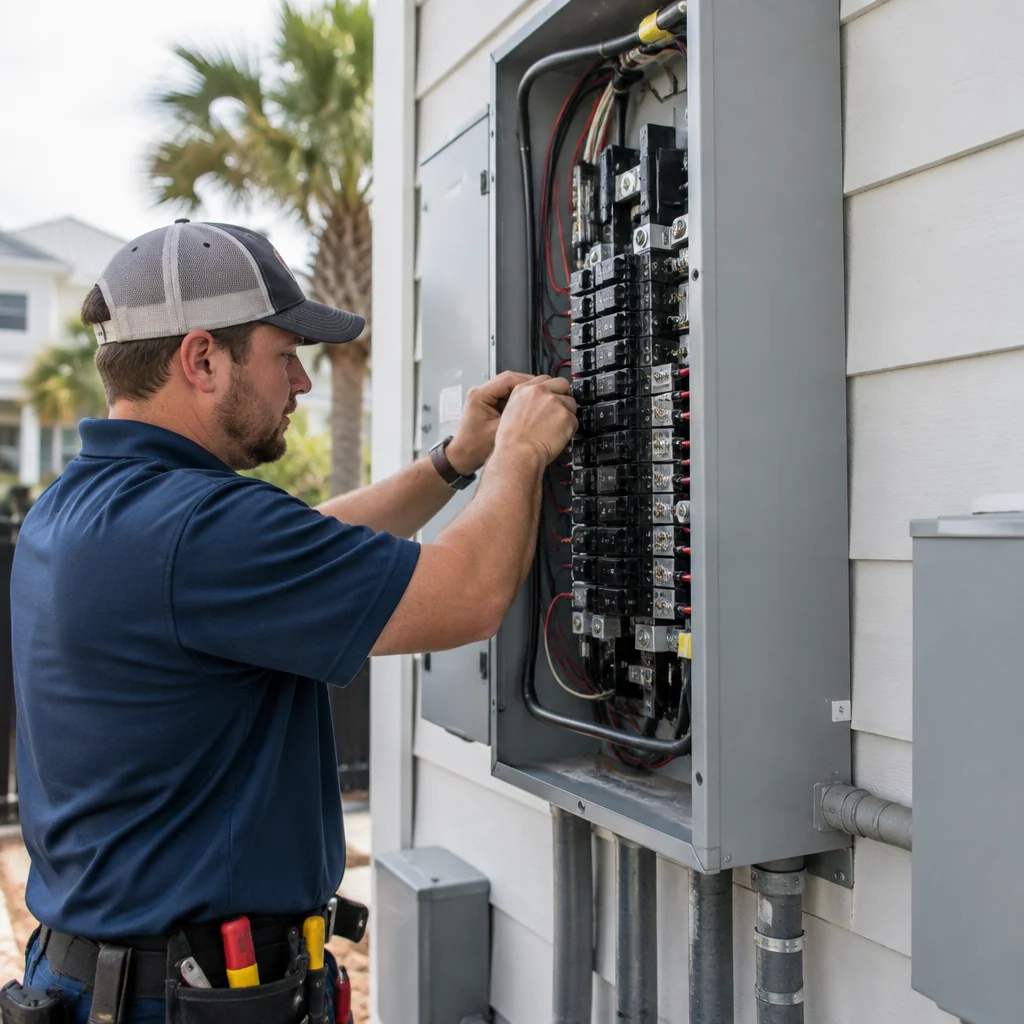
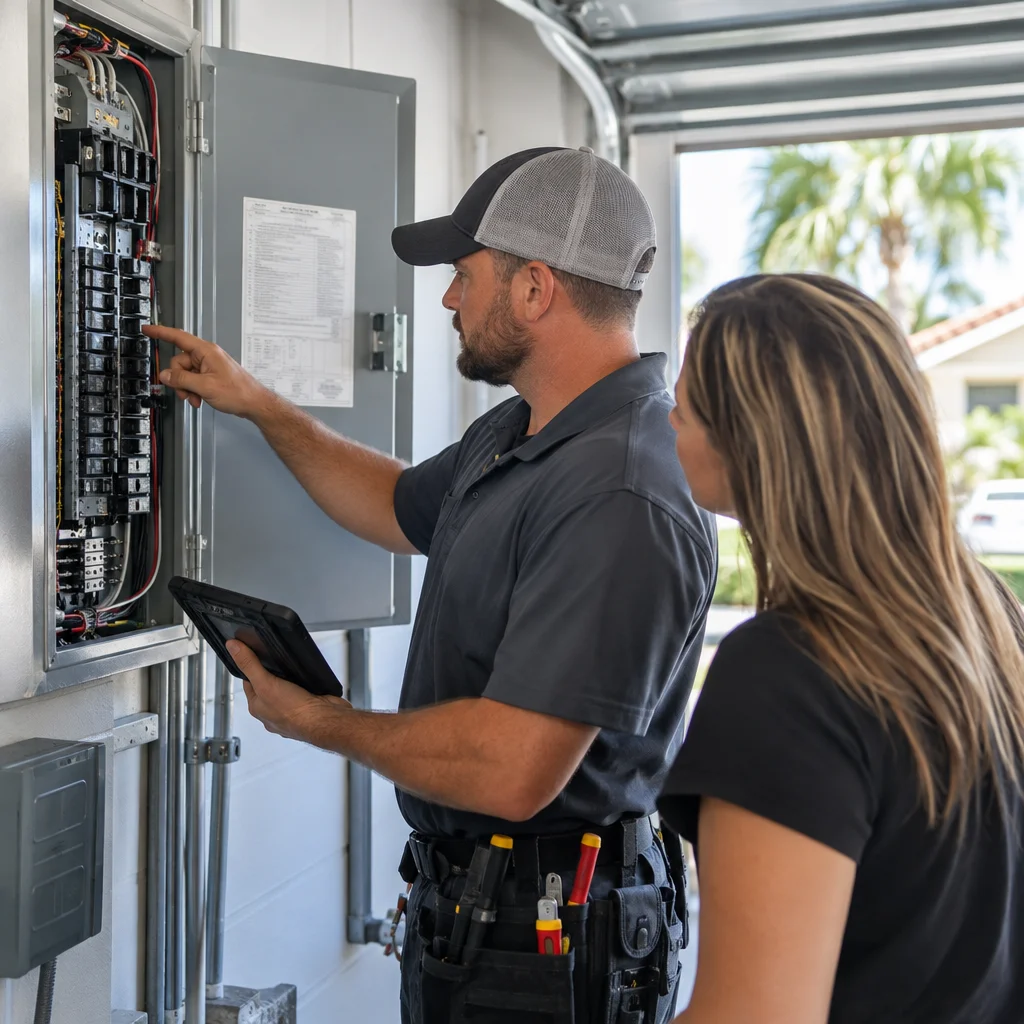
An open breaker position does not automatically mean a panel can support another large load. Available capacity depends on the service rating, calculated demand, equipment ratings, and existing installation. Panel condition matters just as much as space.
During an electrical inspection, the electrician can assess accessible equipment for overheating, corrosion, improper breaker types, damaged components, and questionable past alterations. Remodels and additions are especially good times to review the system because new appliances and room layouts can change demand significantly.
Repeated tripping needs diagnosis, not a larger breaker
A breaker that trips repeatedly may be responding to an overload, short circuit, ground fault, or another problem. Breaker repair should begin with finding the cause. A defective breaker may need replacement, but installing a higher-rated breaker without verifying conductor and equipment ratings can create a fire hazard.
Panel upgrades are appropriate when condition, capacity, or compatibility calls for them, not simply because a homeowner wants smart controls. For projects involving monitoring or managed loads, smart panels may offer useful options. Their features do not eliminate the need for proper load calculations.
Outlets, GFCI Protection, and Grounding Work Together
Loose plug retention, cracked faces, discoloration, buzzing, and intermittent power are reasons to have a receptacle checked. A new cover plate cannot correct a loose connection inside the box. Outlet repair may involve replacing the device, repairing damaged conductors, or correcting an upstream connection.
Kitchens, bathrooms, garages, outdoor areas, and other locations require GFCI protection under applicable code rules. GFCI devices help protect people by interrupting power when they detect certain current imbalances. They are not substitutes for overcurrent protection or proper grounding.
If a search for gfci outlet repair near me follows repeated trips, the cause might be moisture, a faulty appliance, damaged wiring, or a failed device. Repeatedly resetting it without investigating can leave the actual problem unresolved.
Older wiring needs more than a three-slot face
Replacing a two-slot receptacle with a three-slot model does not create an equipment grounding path. An electrician should determine what grounding exists and which replacement options are permitted. Certain GFCI-protected replacements are allowed with required labeling, but they still do not provide an equipment ground.
AFCI protection addresses a different hazard by detecting certain arcing conditions. Depending on the location and scope of work, upgrades may require AFCI, GFCI, or both. Code compliance should be evaluated for the specific project.
Match Smart Switches and Lighting to the Wiring
Smart switches and dimmers are not interchangeable with every existing control. Some require a neutral conductor that may not be present in an older switch box. Box capacity, grounding, multi-location switching, and the connected load all affect device selection.
LED lamps and drivers also need compatible dimmers. Flickering or buzzing after a lighting upgrade can result from an incompatible combination, but loose wiring and supply problems can produce similar symptoms. Persistent flickering deserves diagnosis rather than repeated bulb changes.
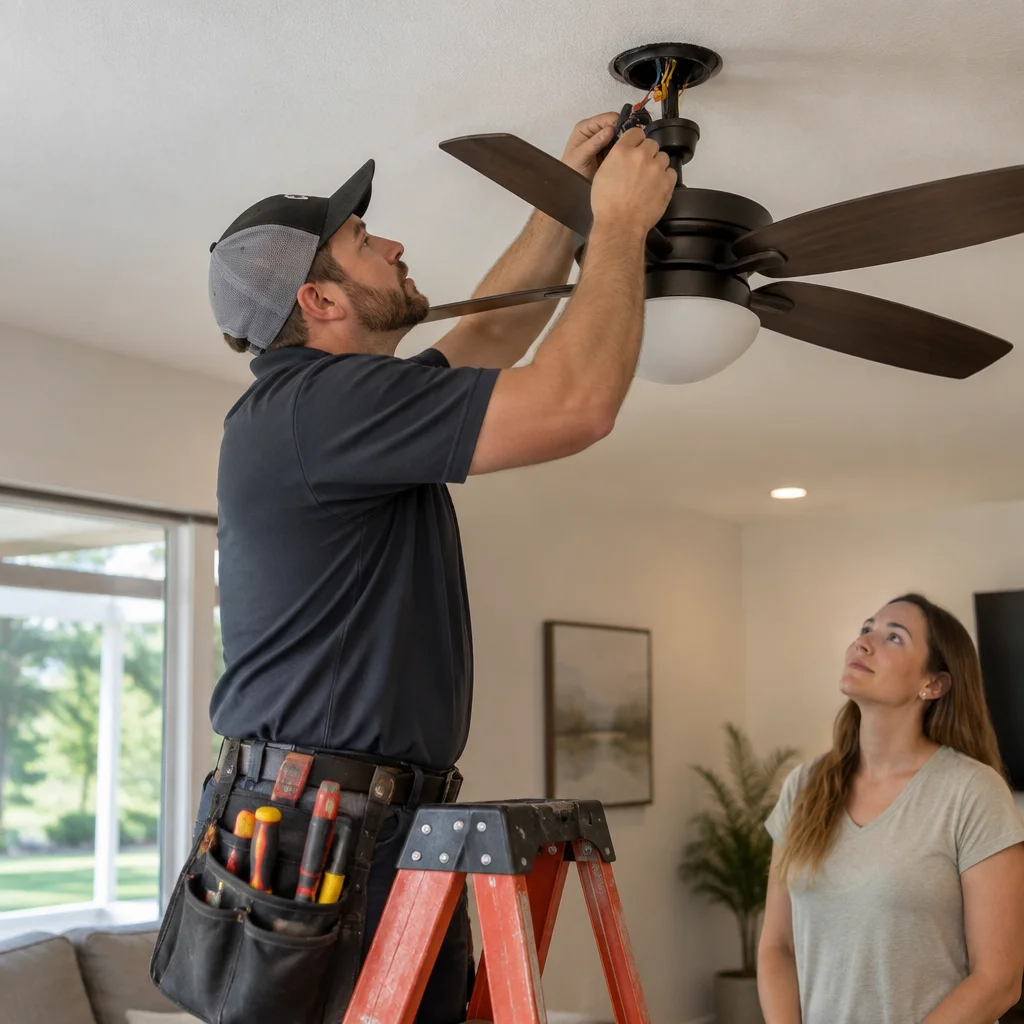
For recessed lighting installation, consider fixture clearances, insulation contact ratings, and suitability for damp or wet locations where required. Ceiling fans need properly rated support boxes, and fan motors require controls intended for that use. A lighting dimmer should not be substituted for an approved fan speed control.
Outside, outdoor landscape lighting should combine useful illumination with suitable fixtures, protected connections, and weather-appropriate installation. Salt exposure makes equipment selection and periodic inspection especially important.
Use Remodels to Address Wiring and Dedicated Circuits
Opening walls during a remodel creates an opportunity to correct poorly placed boxes, damaged wiring, and circuits that no longer suit the room. Kitchen and laundry projects often reveal how much household power demand has changed since the original installation.
Appliance circuit installation should follow equipment instructions and applicable code. A new range may need different wiring or a different receptacle than the appliance it replaces. An addition may require more than extending the nearest convenient circuit.
Age alone does not prove all wiring needs replacement. Condition, wiring type, grounding, past modifications, and intended use should guide the recommendation. Where deterioration or incompatible equipment makes piecemeal repairs impractical, electrical replacement can be planned alongside the renovation.
Code corrections should address the actual deficiencies found. Ask which corrections are required for the project, which are safety priorities, and which improvements can reasonably be scheduled later.
Plan EV Charging and Generator Power Before Installation
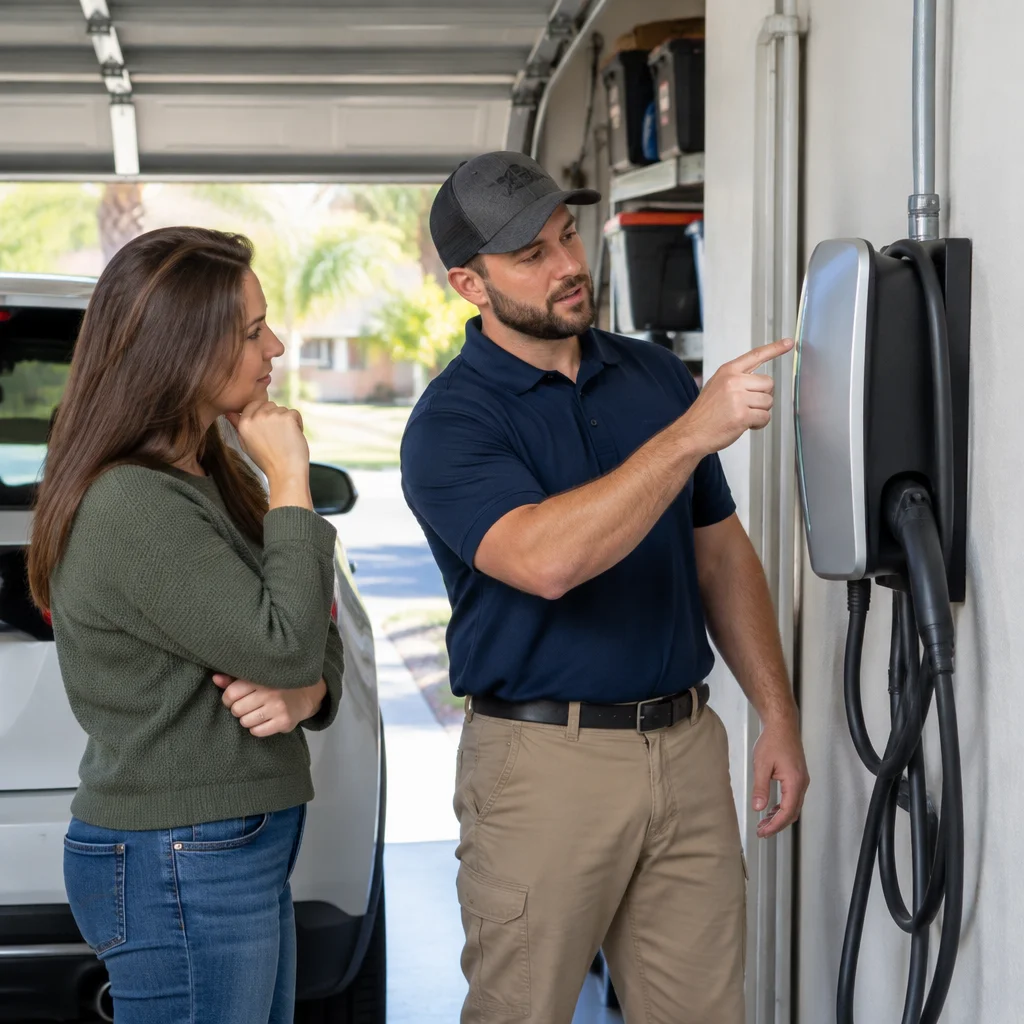
EV charging adds a sustained electrical load. Homeowners searching for level 2 ev charger installation near me should be ready to discuss the vehicle, daily driving needs, charger location, and existing service. The right charging rate is not always the highest rate available.
A dedicated circuit, properly rated wiring, required protection, and suitable equipment are central to the installation. In some homes, approved load management can help accommodate charging without a service upgrade. That decision requires a site-specific assessment.
Generator installation also starts with load planning. Decide whether backup power should cover refrigeration, selected lighting, communications, medical equipment, or larger portions of the house. Proper transfer equipment prevents dangerous backfeeding into utility lines.
Our guide to generator power planning for Lower Grand Lagoon homes explains why circuit priorities matter. Portable generators must operate outdoors, at least 20 feet from doors, windows, and vents, with exhaust directed away from buildings. Never run one in a garage, even with the door open.
Build Prevention Into the Upgrade
Whole-home surge protection can reduce damage from many transient voltage events, while appropriate point-of-use protection adds another layer for sensitive electronics. Neither guarantees protection against every lightning event. Grounding and bonding should also be evaluated because they are essential parts of the electrical safety system.
Smoke detector installation deserves attention during electrical improvements. Depending on the property and work involved, requirements may address alarm placement, power source, and interconnection. Carbon monoxide alarms are also important where fuel-burning equipment or other applicable conditions create a risk. Follow manufacturer testing and replacement instructions.
A manageable maintenance routine
Test GFCI devices according to their instructions, commonly monthly. Check outdoor covers for damage and make sure they close correctly. Watch for loose plugs, unusual sounds, damaged cords, and moisture around electrical equipment. Keep panel access clear and maintain an accurate circuit directory.
For rental properties, ask occupants to report tripping breakers or intermittent outlets promptly. Schedule local electrical maintenance based on equipment condition, usage, exposure, and manufacturer guidance. Across Bay County, storm exposure and humidity make follow-up checks especially valuable when equipment has been affected.
Know Which Problems Cannot Wait
Smoke, active sparking, a burning odor, shock sensations, or visible heat damage should not wait for a routine device upgrade appointment. If there is fire or immediate danger, leave the area and call 911. Stay away from downed wires and report them to the utility.
Never approach a wet panel or touch flooded electrical equipment. Equipment exposed to floodwater requires professional evaluation before reenergizing, and replacement may be necessary even after it appears dry. Sudden widespread brightening and dimming can indicate a serious supply or connection problem that needs prompt attention.
For urgent problems without an active fire, arrange emergency electrical services. Utility-side concerns may also require the power company. Do not remove panel covers or attempt energized wiring repairs yourself.
Give the Next Upgrade a Clear Scope
When comparing results for licensed electrician near me, look for a contractor who explains the existing conditions before recommending replacements. Ask about permit requirements, inspections, device compatibility, circuit capacity, and any limitations in the proposed work.
Bring a short list of current problems and future plans to the appointment. Include upcoming appliances, an EV purchase, a room addition, or backup power goals. That information helps avoid installing a convenient new device today only to reopen the same wall later.
Contact A Superior Mechanical to discuss device upgrades in Lower Grand Lagoon. A coordinated plan can prioritize urgent electrical repairs, place outlets and controls where they are useful, and prepare the system for the way your household actually lives.
Find Device Upgrades in Lower Grand Lagoon, FL
If you need Device Upgrades in Lower Grand Lagoon, FL, visit our local service page or contact A Superior Mechanical today.
Map of Lower Grand Lagoon, FL
Frequently Asked Questions
Do smart switches and upgraded outlets require a panel upgrade?
Usually not by themselves. The electrician should check circuit condition, grounding, box capacity, and device compatibility. A panel or service upgrade may be needed if you are also adding substantial loads, or if existing equipment is damaged, unsuitable, or lacks adequate capacity.
Can a GFCI outlet replace an ungrounded outlet in an older Lower Grand Lagoon home?
Certain GFCI-protected replacement arrangements are permitted when installed and labeled correctly under applicable code. However, GFCI protection does not create an equipment ground. An electrician should verify the wiring and determine whether the proposed replacement meets safety requirements and the needs of connected equipment.
Which electrical improvements are worth discussing before coastal storm season?
Consider evaluating outdoor outlets and covers, grounding and bonding, surge protection, panel condition, and any equipment with corrosion or moisture damage. If you want backup power, plan generator loads and proper transfer equipment in advance. Flood-exposed electrical equipment needs professional evaluation before power is restored.
Related Articles
Photo Gallery