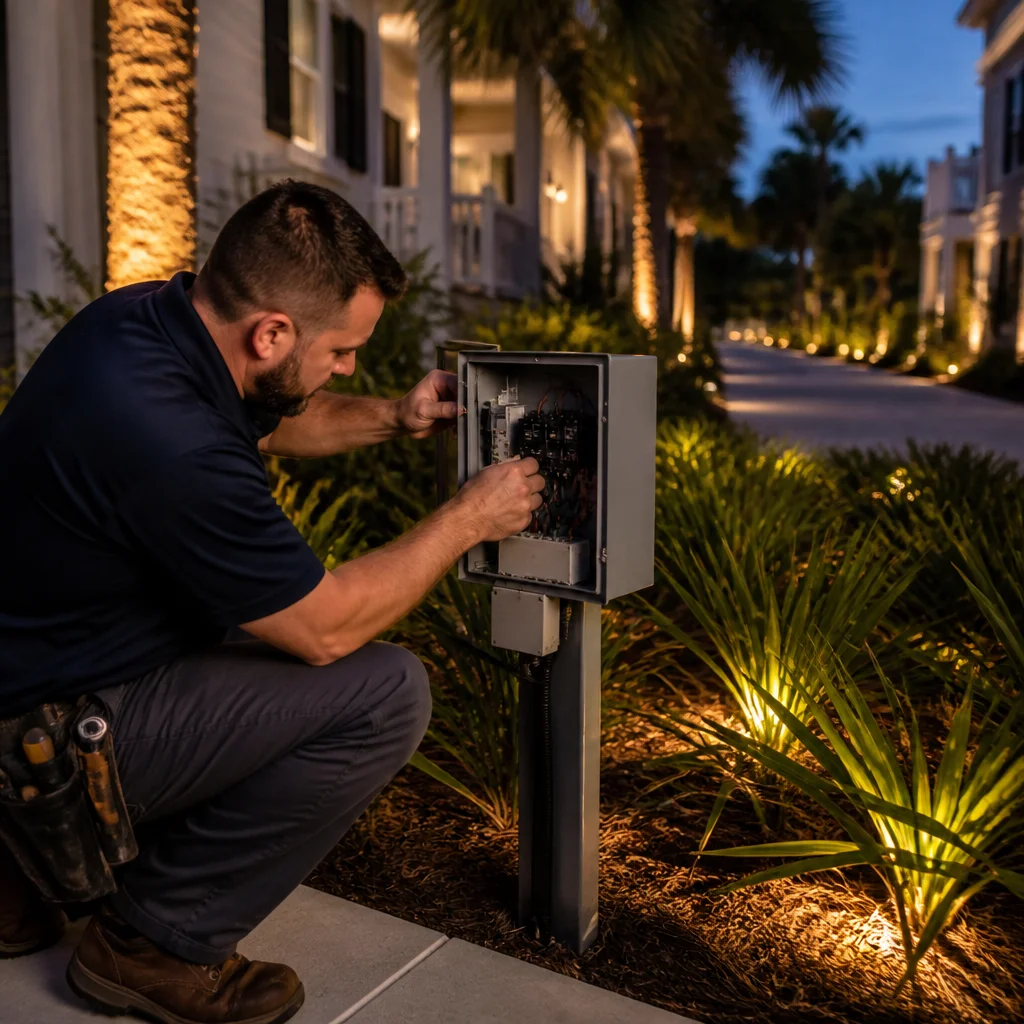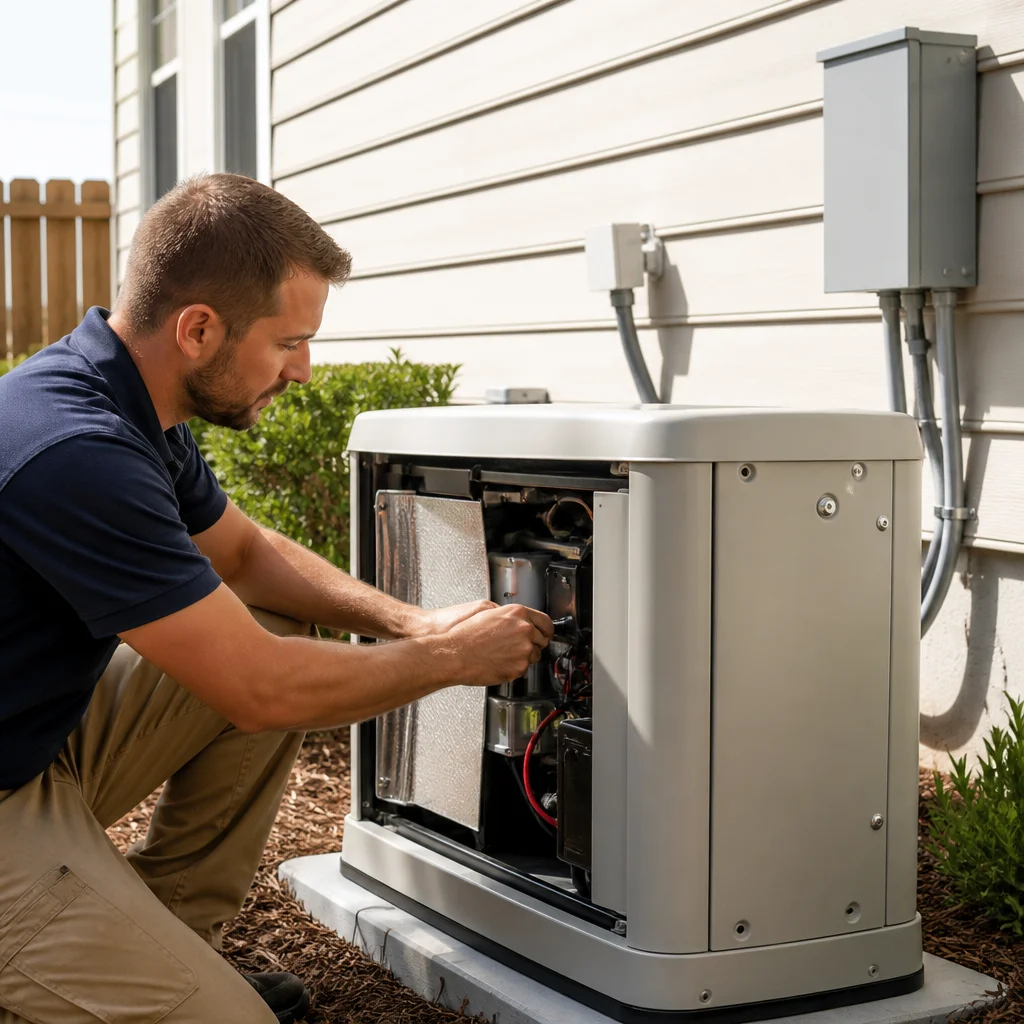
Backup power is most useful when it works as part of a safe, well planned electrical system. For Crestview homeowners, that means looking beyond the generator itself. The service panel, transfer equipment, breakers, wiring, grounding, outlets, and selected circuits all affect how reliably a home can operate during an outage.
A Superior Mechanical provides power backup generator services in Crestview, FL for homeowners who want dependable emergency power without creating hazards elsewhere in the electrical system. Careful planning also helps homeowners choose equipment based on actual needs rather than an oversized sales estimate or an undersized temporary solution.
Crestview Weather Makes Electrical Readiness Important
Crestview is inland from the Gulf, but homes throughout northern Okaloosa County still experience thunderstorms, tropical systems, wind, heavy rain, lightning, and utility interruptions. Hot, humid weather also makes a prolonged outage more than a minor inconvenience. Refrigeration, well equipment, medical devices, communication equipment, lighting, and selected cooling loads may become priorities quickly.
Storms are not the only cause of power trouble. Utility equipment failures, damaged service conductors, fallen branches, loose electrical connections, overloaded circuits, and failed breakers can interrupt power or create symptoms that resemble an outage. An electrician should determine whether the problem is on the utility side, inside the home, or related to generator equipment before repairs begin.
Homeowners searching for a power outage electrician near me should report sparking, a burning odor, buzzing at the panel, smoke, or a hot meter area as an emergency. Stay away from damaged equipment and do not open a panel or attempt to reconnect conductors.
Start With a Realistic Backup Load Plan
Generator sizing begins with deciding what must remain available during an outage. Some households only want refrigeration, lights, internet equipment, a garage door opener, and a few outlets. Others need a well pump, electric water heating, cooking equipment, medical equipment, or selected heating and cooling loads. Starting wattage matters because motors and compressors can draw significantly more power when they start than while they are running.
A qualified electrician can document the amperage and starting requirements of important loads, then compare them with generator capacity. This prevents too many large appliances from starting at once. Load management equipment may allow a properly designed system to prioritize essential circuits and temporarily delay lower priority equipment.
Homeowners researching whole home generator installation near me should understand that the phrase does not always mean every appliance can operate simultaneously. The practical goal is a balanced system that supports the home's priorities safely. Generator capacity, fuel availability, transfer equipment, panel condition, conductor size, and household habits all need to agree.
The Electrical Panel Is Central to Generator Planning
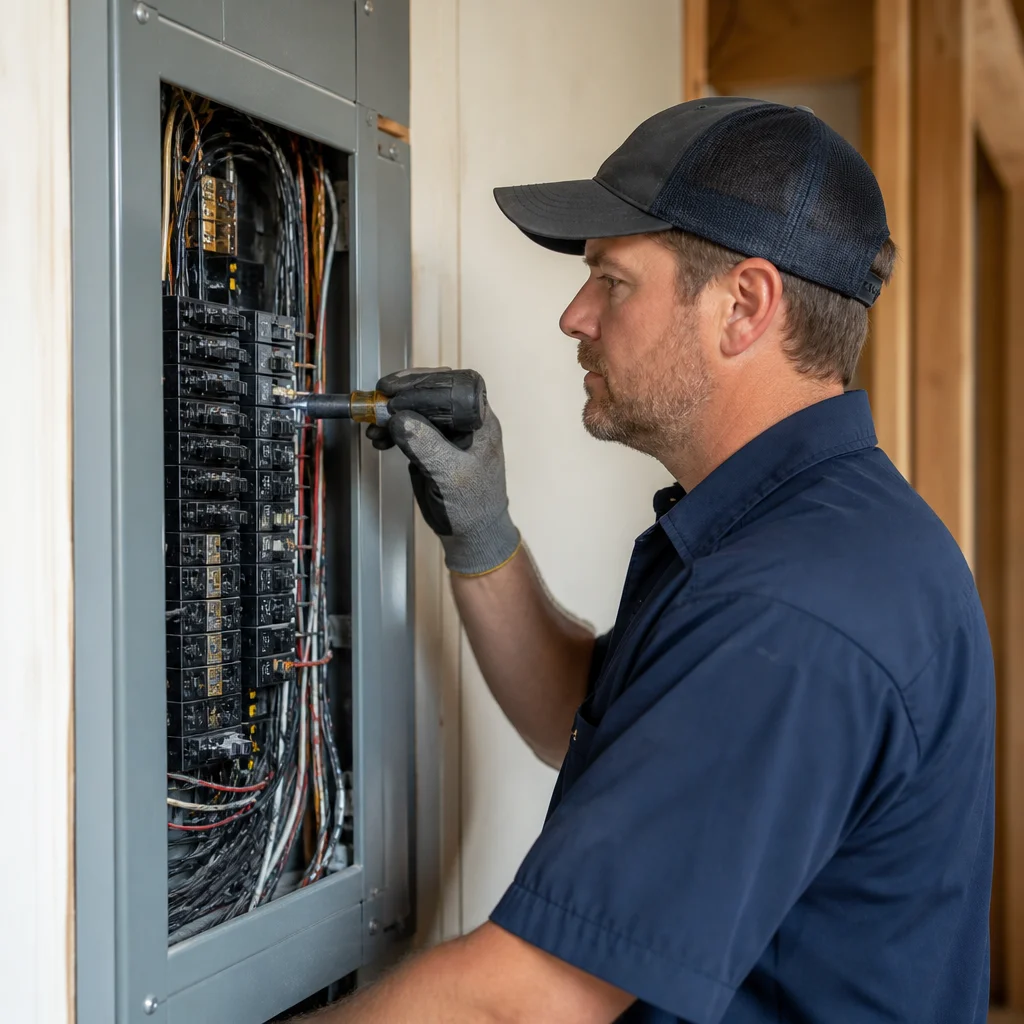
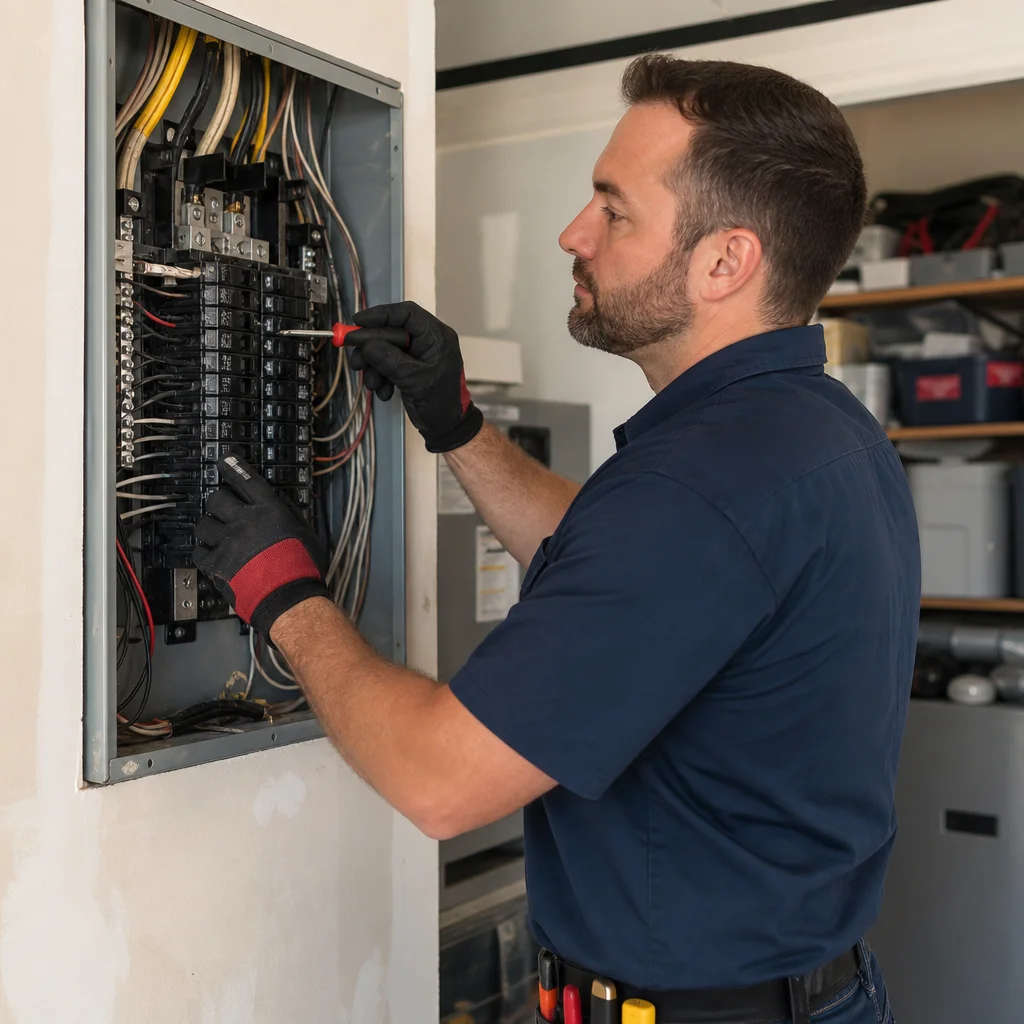
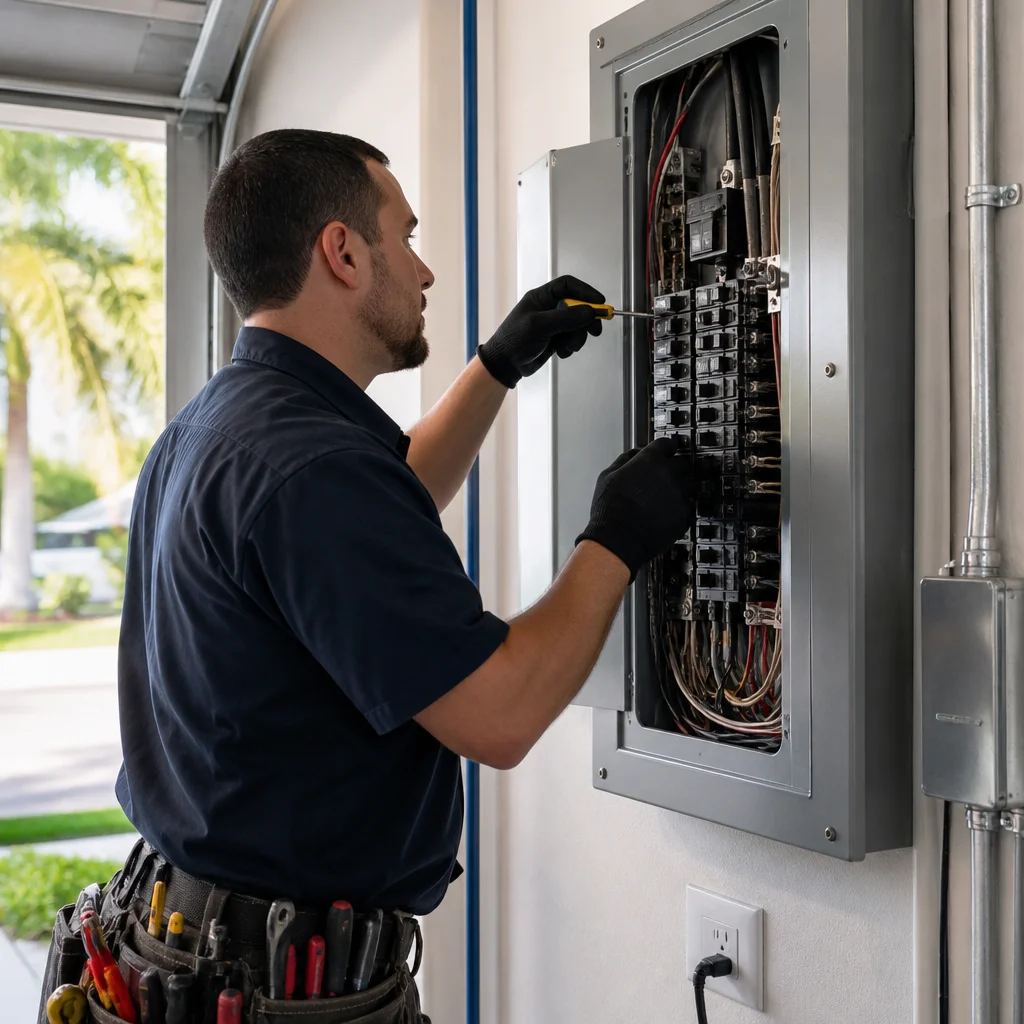
The main panel distributes power through breakers to individual circuits. During generator installation, electricians evaluate its rating, available space, breaker condition, labeling, neutral and grounding arrangement, and signs of heat or corrosion. A crowded panel, damaged bus connection, obsolete equipment, or previous unpermitted work may need attention before backup power is connected.
A panel upgrade is not automatically required for every generator. It may be appropriate when the existing equipment is deteriorated, the service is undersized for current demand, or there is no safe way to incorporate approved transfer equipment. Homeowners searching for a 200 amp panel upgrade near me should request a load calculation rather than assuming a larger panel is always necessary.
Some homes can use a properly designed subpanel for selected backup circuits. Others may benefit from modern energy management through smart panel services in Crestview. The correct approach depends on the existing service, household priorities, generator type, and local code requirements.
Transfer Equipment Prevents Dangerous Backfeeding
A transfer switch or approved interlock arrangement controls whether circuits receive utility power or generator power. Its most important job is isolation. Generator electricity must not feed backward onto utility lines, where it could endanger utility crews, neighbors, and anyone handling electrical equipment.
Automatic transfer switches are commonly paired with permanently installed standby generators. They monitor utility power and transfer approved loads after an outage is detected and the generator starts. When utility service returns and stabilizes, the system transfers the home back and allows the generator to complete its shutdown cycle.
Portable generators require an equally careful connection plan. A listed inlet, correctly sized conductors, proper overcurrent protection, and approved transfer method allow selected loads to be supplied without running cords through doors or windows. A homeowner looking for a portable generator hookup near me should never use a homemade cord with two male ends or connect a generator through a dryer or range outlet. Those methods can cause backfeeding, fire, shock, equipment damage, and carbon monoxide exposure if generator placement is also unsafe.
Wiring and Breakers Must Match the Equipment
Generator circuits carry substantial current and may operate for hours during an extended outage. Conductors must be sized for the calculated load, installation method, temperature conditions, terminals, and applicable electrical code. Breakers protect those conductors, so simply installing a larger breaker to stop nuisance tripping is not a safe repair.
Repeated breaker trips can result from an overloaded circuit, a short circuit, a ground fault, damaged equipment, loose connections, or a failing breaker. Discoloration, melted insulation, crackling sounds, and heat around a breaker or transfer switch call for prompt electrical repair. An electrical wiring repair near me search may reveal a problem that affects both normal utility operation and generator performance.
Older Crestview homes can contain aging insulation, crowded junction boxes, limited circuits, or past additions that were not integrated cleanly. Newer homes can also develop trouble from loose terminations, storm damage, remodel changes, or increasing power demand. Age alone does not determine safety, which is why inspection and testing matter.
Outlets, GFCI Protection, and Dedicated Circuits
Backup power planning should account for where power is actually needed. Refrigerators, freezers, sump or condensate pumps, well equipment, communication devices, and medical equipment may need dedicated or carefully selected circuits. Extension cords should not become the permanent distribution system during every storm.
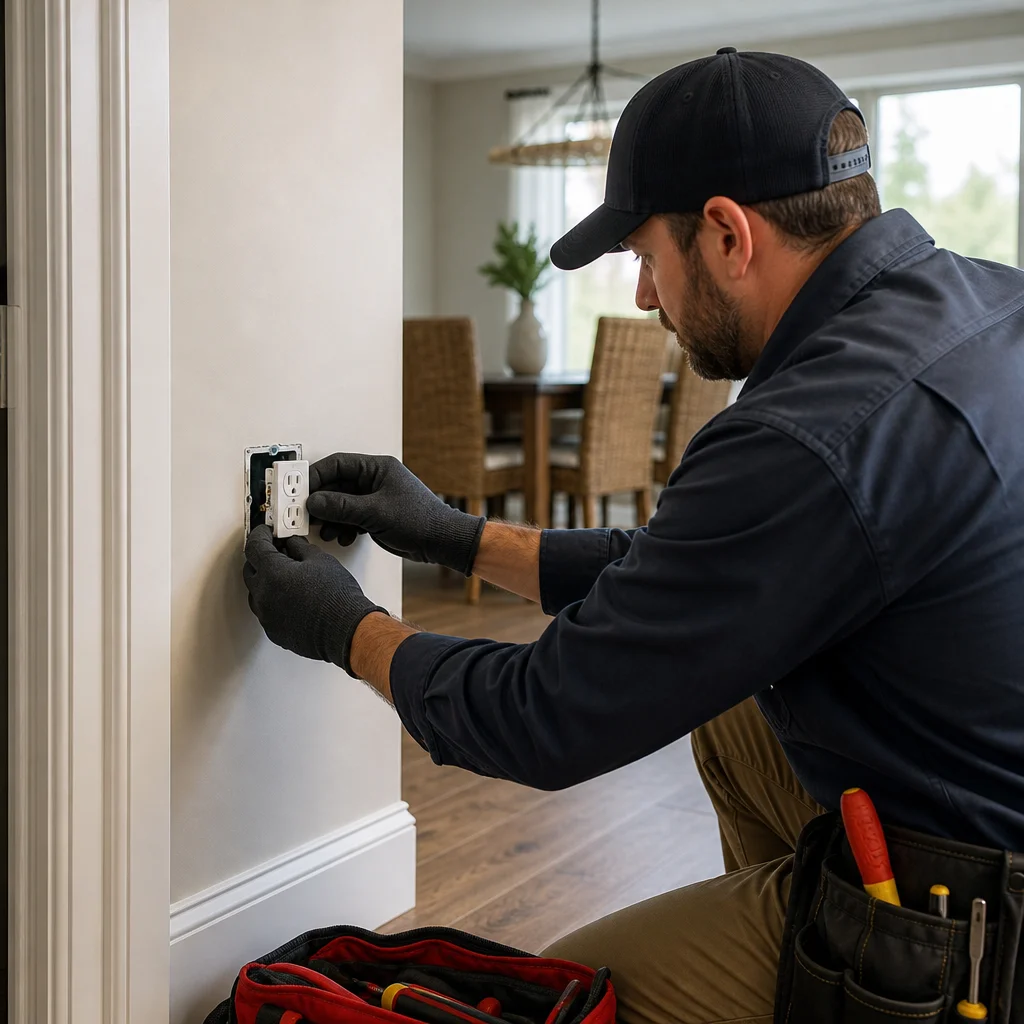
Kitchens, bathrooms, garages, laundry areas, exterior locations, and other applicable spaces require appropriate GFCI protection. A GFCI outlet that will not reset may indicate a loss of incoming power, moisture, a downstream fault, reversed wiring, or a failed device. Replacing it without diagnosing the circuit can leave the underlying problem unresolved.
Range outlets, workshop tools, pumps, and other high demand equipment require correct receptacles, conductor sizes, and breakers. If an outlet repair reveals scorched wiring or a loose connection, that circuit should be repaired before it is included in a backup power plan. Dedicated circuits also reduce the chance that one appliance fault will disable several essential loads.
Grounding, Bonding, and Surge Protection Work Together
Grounding and bonding create an effective fault current path and help protective devices operate as intended. Generator grounding requirements depend on the generator design and how the transfer equipment switches conductors. Neutral and ground connections cannot be guessed or copied from an unrelated installation. Incorrect bonding can place current on metal parts or interfere with protective devices.
Surge protection is another important layer for Crestview homes. Lightning and utility switching events can send voltage spikes through service conductors, communication lines, and connected equipment. A whole home surge protective device at the service panel can reduce risk, while point of use protection can add another layer for electronics. No surge protector can guarantee protection from every lightning event, but a coordinated system is preferable to relying on inexpensive power strips alone.
Generator controls, smart appliances, televisions, networking equipment, EV chargers, and home automation can all be sensitive to power disturbances. Homeowners adding connected controls may also want to review specialty smart services and the guidance in Protecting Crestview Homes With Smarter Electrical Integration.
Remodels and New Electrical Loads Change the Plan
A backup system designed years ago may no longer match the house. Room additions, converted garages, kitchen remodels, pools, ceiling fans, exterior lighting, home offices, theater equipment, and workshops can alter circuit demand. Even low wattage devices add up when many are expected to run during an outage.
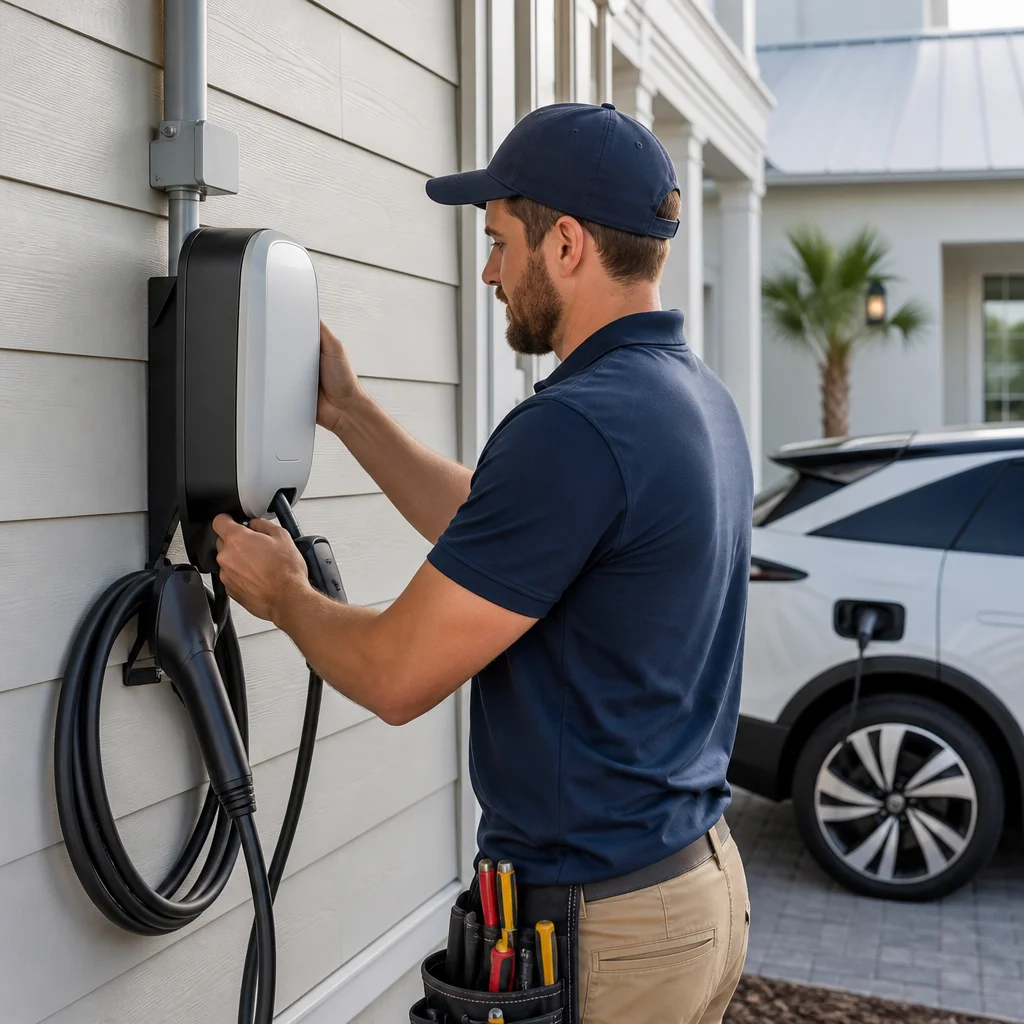
Electric vehicles deserve special consideration. A level 2 charger is usually a major continuous electrical load and may require service calculations, a dedicated circuit, and energy management. Homeowners searching for level 2 EV charger installation near me should discuss whether the charger will be disabled, limited, or managed while the generator is operating. Most residential backup plans do not treat full speed vehicle charging as an essential storm load.
Kitchen lighting installation, smoke detector installation, ceiling fan work, outlet additions, and home theater and AV wiring should also be documented on the panel directory. Accurate labels help electricians identify which circuits are backed up and help residents shed loads safely during an extended outage.
Warning Signs Around a Generator Electrical System
A generator that fails to start is an obvious concern, but electrical warning signs can be less direct. Lights that dim severely when equipment starts, frequent breaker trips, buzzing transfer equipment, warm panel covers, flickering on several circuits, and outlets that stop working deserve investigation. Generator voltage warnings, fault codes, unusual cycling, fuel odors, or visible corrosion should also be addressed according to manufacturer guidance.
During utility power operation, partial power can indicate a lost service conductor or another serious problem. If some 120 volt circuits appear unusually bright while others are dim, turn off sensitive equipment and contact the utility and a qualified electrician. Do not assume starting the generator will correct an unstable service condition.
Smoke, arcing, fire, damaged overhead lines, flooding near electrical equipment, or a strong burning smell require immediate caution. Call emergency services when there is an active fire, avoid standing water, and keep people away from the equipment. Generator exhaust must always remain outdoors and away from doors, windows, vents, and occupied areas.
Maintenance Helps the System Work Before the Storm
Standby systems need maintenance even if outages are rare. Service needs vary by manufacturer, model, operating hours, fuel type, and environment. Typical professional checks can include battery condition, fluid levels where applicable, filters, fault history, enclosure condition, transfer operation, electrical connections, and signs of pests or corrosion.
Homeowners should keep the area around outdoor equipment clear and watch for vegetation, standing water, physical damage, and blocked airflow. Test schedules and maintenance intervals should follow the manufacturer rather than a one size fits all calendar. Fuel systems should be inspected by appropriately qualified professionals, while transfer switches, breakers, wiring, and panels require electrical expertise.
An electrical inspection before storm season can also identify loose connections, damaged surge protection, missing panel labels, failed GFCI devices, and circuits that no longer match the original backup plan. For help budgeting larger corrections, Understanding Electrical Financing Before Small Problems Turn Unsafe in Crestview explains why delaying electrical work can increase risk and repair scope.
Local Planning Supports Safer Code Compliance
Generator projects can involve electrical permits, inspections, equipment clearances, manufacturer requirements, utility coordination, and fuel related rules. Requirements vary with the property and system design. Local knowledge is valuable because homes in Crestview range from older properties with modest services to newer houses with multiple HVAC systems, smart controls, EV charging, and substantial electrical demand.
Service throughout Okaloosa County also means accounting for humid conditions, storm exposure, corrosion, and differences between city and county permitting jurisdictions. A professional assessment should document the existing panel, calculate loads, identify essential circuits, confirm generator placement requirements, and explain any code corrections before installation begins.
If a backup system is unreliable, the panel is overheating, breakers keep tripping, or an addition has changed household demand, contact A Superior Mechanical through the service request page. A focused electrical evaluation can separate generator trouble from panel, wiring, outlet, grounding, or utility problems and provide a practical plan for dependable backup power.
Find Power Backup Generator Services in Crestview, FL
If you need Power Backup Generator Services in Crestview, FL, visit our local service page or contact A Superior Mechanical today.
Map of Crestview, FL
Frequently Asked Questions
Does every Crestview home need a whole home standby generator?
No. Some households are well served by a portable generator connected through approved transfer equipment, while others need an automatic standby system. The right choice depends on essential loads, outage concerns, fuel availability, property layout, budget, and the condition of the electrical system.
Will generator installation require an electrical panel upgrade?
Not always. An electrician should inspect the panel rating, condition, breaker space, load calculation, grounding, and compatibility with transfer equipment. An upgrade may be recommended if the panel is damaged, obsolete, overcrowded, or too limited for the planned loads.
Can a portable generator be plugged into a dryer or range outlet?
No. Connecting a generator through an appliance outlet can backfeed utility lines and create severe shock, fire, and equipment hazards. Portable generators should use a listed inlet and an approved transfer switch or interlock installed for the specific electrical system.
How often should a standby generator be serviced in Crestview?
Follow the generator manufacturer's schedule because intervals vary by model, operating hours, fuel type, and installation conditions. Humidity, storms, corrosion, battery age, and extended operation can affect service needs. The transfer switch and related electrical equipment should also receive periodic professional inspection.
Related Articles
Photo Gallery