Clean water affects more of your day than you might realize. It is in the glass you fill before leaving for work, the coffee brewing in your kitchen, the shower your family uses every morning, and the laundry running in the background. When household water contains excess minerals or unwanted tastes and odors, those ordinary routines can become frustrating.
For homeowners in Fort Walton Beach, FL, hard water spots on glass, mineral deposits around fixtures, and unpleasant drinking water are familiar concerns. Some households notice cloudy ice cubes or soap that never seems to rinse completely. Others discover that their faucets, showerheads, and water heaters require more attention than expected.
Fortunately, the right water treatment equipment can address many of these issues. Professional water softening systems in Fort Walton Beach, FL help reduce hardness minerals, while filtration and reverse osmosis systems can address other water quality concerns.
A Superior Mechanical helps homeowners throughout Fort Walton Beach and Okaloosa County understand their water and choose practical treatment solutions for their homes.
Why Water Quality Deserves Attention in Fort Walton Beach Homes
Living along Florida's Emerald Coast comes with plenty of advantages, but the region's warm, humid climate and varied water sources make household water quality worth monitoring. Fort Walton Beach homes may receive treated municipal water, while some properties in surrounding Okaloosa County communities rely on private wells.
Water characteristics can differ depending on the source, treatment process, distribution system, and household plumbing. Groundwater naturally interacts with underground mineral deposits, potentially collecting calcium and magnesium. These minerals contribute to water hardness.
Municipal water treatment also commonly involves disinfectants such as chlorine, which help control harmful microorganisms. Although disinfectants serve an important public health purpose, some homeowners notice a chlorine taste in water or an odor that becomes especially noticeable when filling a drinking glass.
Fort Walton Beach's warm weather can also influence household water use. More frequent showers, outdoor activities, laundry, and everyday cleaning mean families regularly interact with their water supply.
That makes water treatment more than a convenience. It can improve daily comfort, reduce mineral deposits, and help protect equipment that depends on water.
Hard Water Spots on Glass, Dishes, and Bathroom Fixtures
One of the most recognizable hard water complaints is finding white spots on glasses after they come out of the dishwasher. You may notice the same cloudy residue on drinking glasses, shower doors, bathroom mirrors exposed to splashing, and polished metal fixtures.
These deposits usually form when water evaporates and leaves dissolved minerals behind. Calcium and magnesium are common contributors.
Even after careful cleaning, the spots return because the minerals remain in the water supply.
Why Hard Water Makes Cleaning More Difficult
Hardness minerals interfere with how some soaps and detergents perform. You might add extra dish soap to the kitchen sink only to find that the suds disappear quickly. In the shower, shampoo may feel difficult to rinse away, while soap leaves a film on tile and glass.
If soap does not lather well in multiple areas of your home, water hardness may be contributing to the problem.
A properly sized water softener removes much of the calcium and magnesium responsible for these deposits through an ion exchange process. The result is water that generally works better with soap and produces less mineral residue.
Homeowners often appreciate spending less time scrubbing shower doors, polishing faucets, and rewashing dishes.
Scale Buildup Can Affect More Than Appearance
White crust around a faucet may look like a minor cleaning issue, but mineral scale can also accumulate inside water using equipment.
Scale buildup around faucets and showerheads can restrict openings, creating uneven spray patterns or reduced flow. Similar mineral deposits may develop inside plumbing components and water heaters over time.
As deposits accumulate, equipment may need additional maintenance. Water heaters are particularly important because mineral buildup can interfere with efficient heat transfer, depending on the heater design and operating conditions.
Protecting Appliances From Mineral Deposits
Dishwashers, washing machines, water heaters, and certain refrigerator components all rely on household water.
Hardness minerals can contribute to deposits in these appliances, potentially affecting performance and increasing maintenance needs. In some cases, mineral accumulation contributes to components wearing out faster.
Water softening cannot prevent every appliance failure, but reducing hardness can help limit one common source of buildup.
This is especially useful for Fort Walton Beach households managing busy kitchens, frequent laundry loads, and daily showers.
If you are replacing fixtures because of persistent mineral deposits, understanding the underlying water conditions can help prevent the same frustrations from returning. Our article about protecting plumbing during fixture replacements in Fort Walton Beach offers additional guidance.
Dry Skin and Dull Hair After Bathing
Your bathroom routine can reveal water quality problems that are less obvious than spots on a faucet.
Some homeowners describe their skin as feeling tight or dry after showering. Others notice dull hair, shampoo that takes extra effort to rinse, or a lingering film after bathing.
Hard water can contribute to these experiences because calcium and magnesium interact with soap and may leave residue on skin and hair.
Water hardness is not the only possible cause of dryness or irritation. Florida's sun, personal care products, skin conditions, and other environmental factors can also play a role.
Still, reducing hardness may improve how soap and shampoo behave, making bathing more comfortable for some households.
Families with children often appreciate softer water because bath time can involve less soap residue on tubs, washcloths, and bathroom surfaces.
Better Drinking Water Starts With Identifying the Problem
Imagine preparing breakfast on a Saturday morning. Someone fills a reusable bottle at the kitchen sink, another family member starts the coffee maker, and ice drops into a glass of water.
If the water tastes metallic, smells unpleasant, or leaves a strange flavor in coffee, everyone notices.
Water softening can improve certain aspects of household water, but it is important to understand what a softener actually removes.
Water softeners primarily target hardness minerals. They are not designed to remove every contaminant, eliminate all odors, or provide comprehensive drinking water purification.
For unpleasant taste, odor, sediment, or specific dissolved contaminants, a dedicated filtration system may be the better solution.
Metallic, Chlorinated, and Unpleasant Water Taste
A metallic taste can have several possible causes, including certain dissolved metals or interactions with household plumbing. A chlorine taste in water may be related to municipal disinfection.
Neither issue should automatically be attributed to hard water.
Activated carbon filtration can reduce chlorine taste and odor when the filter is properly selected and maintained. Other concerns may require specialized media, reverse osmosis, or additional treatment.
Because taste alone cannot reliably identify contaminants, testing is a useful first step before choosing equipment.
Cloudy Ice Cubes and Poor Tasting Coffee
Cloudy ice cubes are not always evidence of contaminated water. Air bubbles, dissolved minerals, and the freezing process can all affect their appearance.
However, if ice has an unpleasant taste or odor, the water supply, refrigerator filter, or ice maker may deserve attention.
Coffee and cooking water can also reveal water quality differences. Chlorine, certain minerals, and other dissolved substances may influence the flavor of coffee, tea, soups, and foods prepared with water.
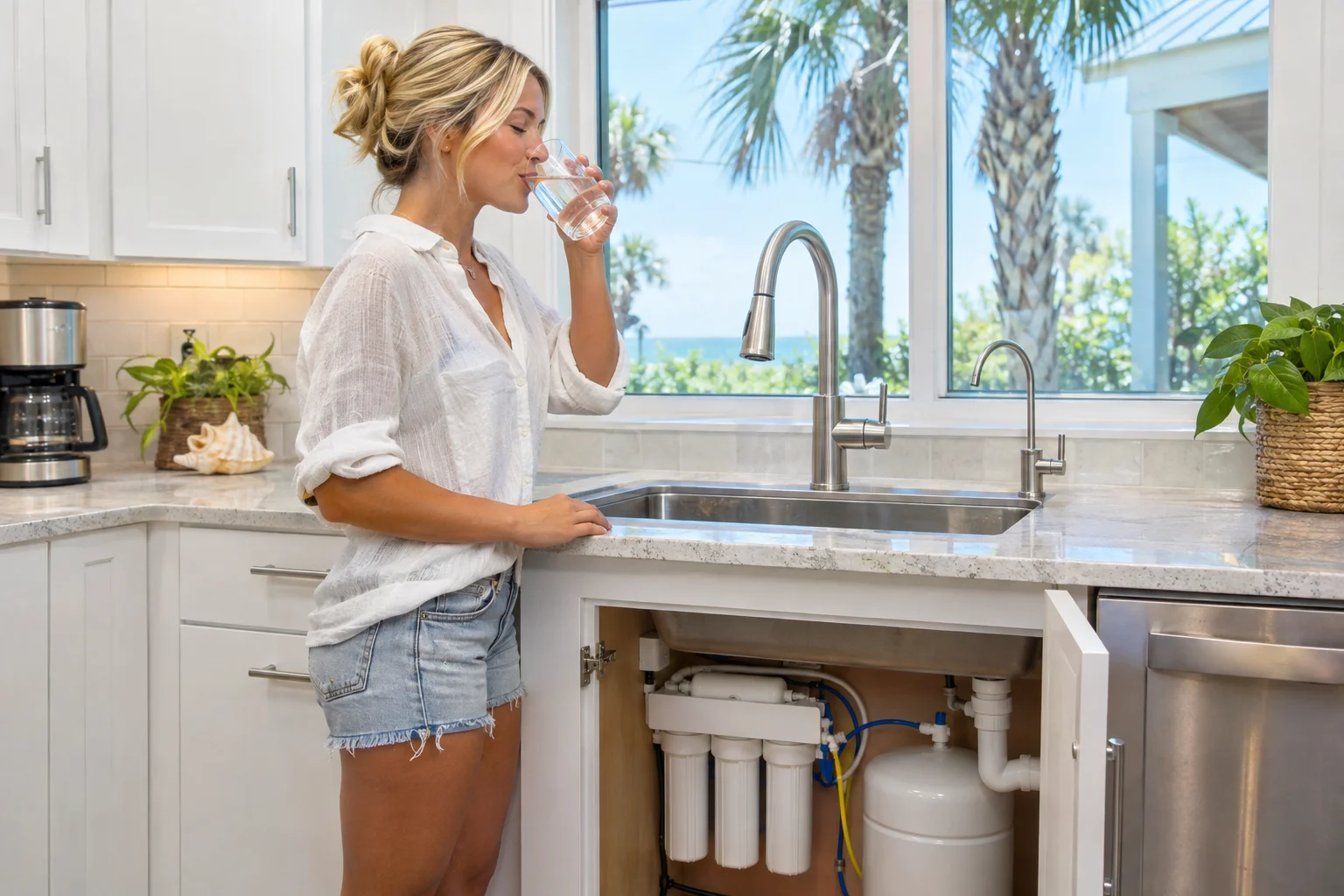
A properly selected drinking water filtration system can help families enjoy better tasting water without relying as heavily on bottled water.
Water Softening, Whole Home Filtration, and Reverse Osmosis: Different Jobs
Homeowners searching for water treatment near me often discover several types of equipment that appear to offer similar benefits.
Understanding the differences helps prevent spending money on a system that does not address the actual concern.
Water Softening Systems Reduce Hardness Minerals
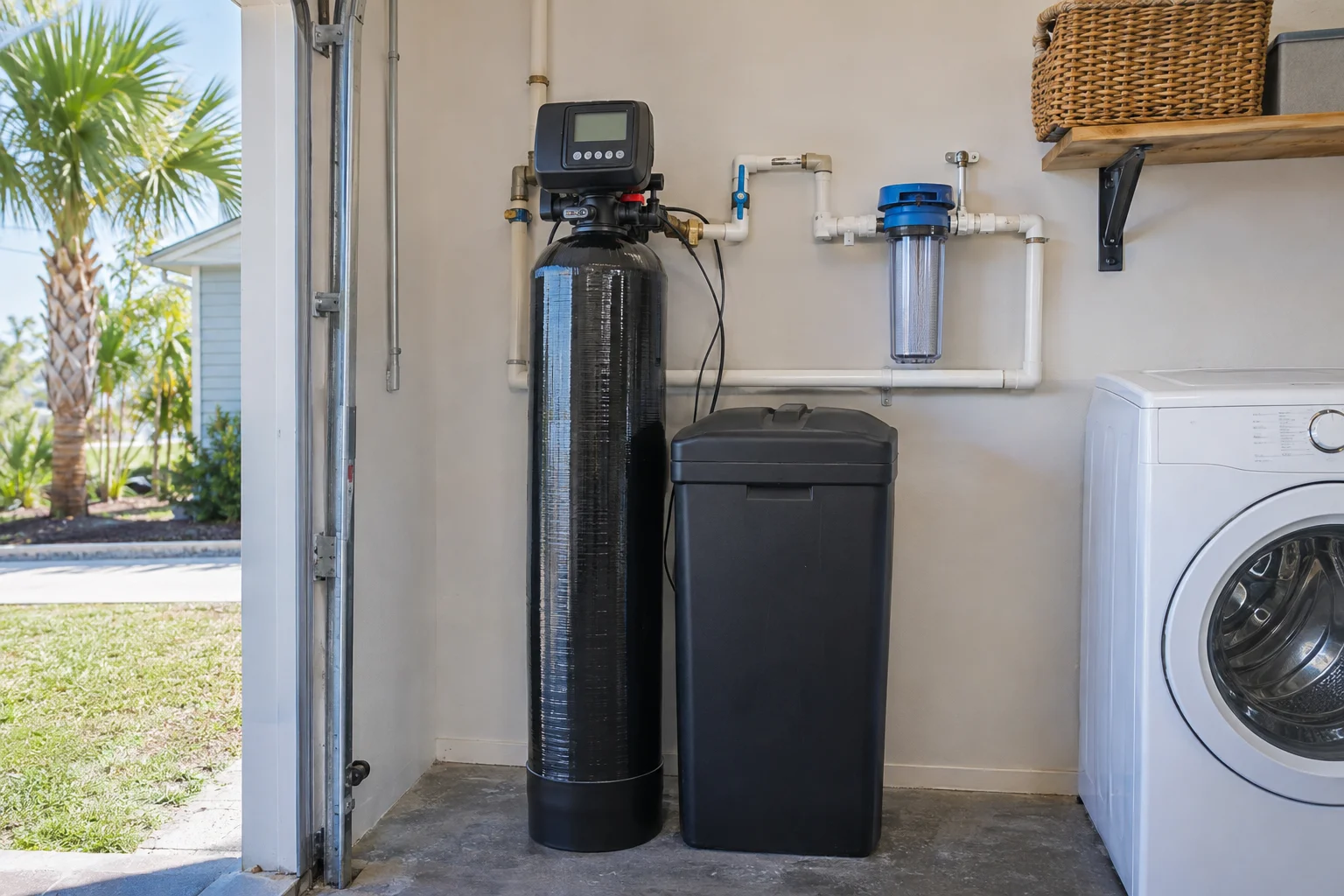
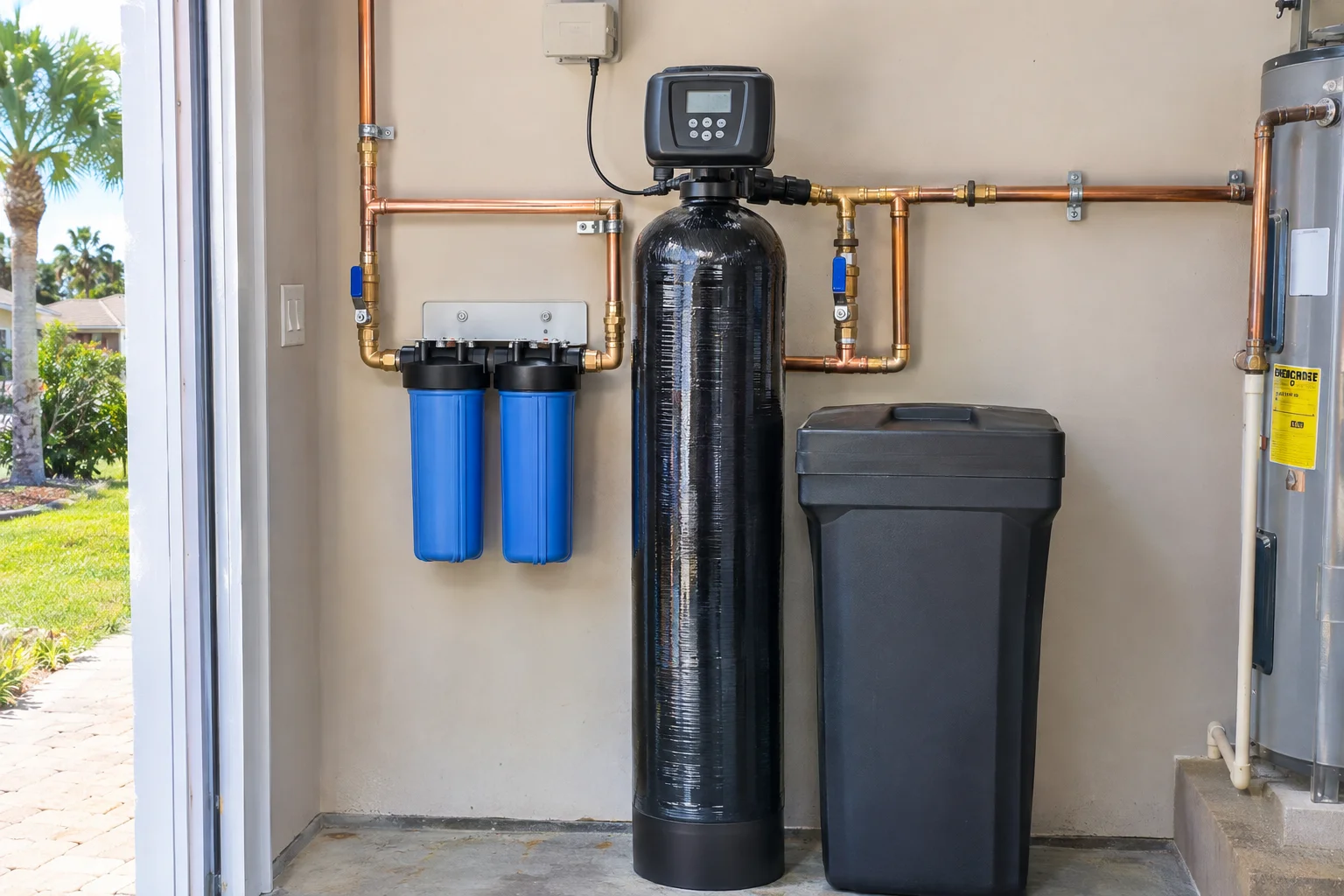
Traditional salt based water softeners use ion exchange resin to remove calcium and magnesium from water, replacing those hardness ions primarily with sodium or potassium, depending on the regenerant used.
This process helps reduce scale, spotting, and soap performance problems.
A Superior Mechanical installs Evolve® and A. O. Smith® water softening equipment for residential and light commercial properties throughout the area.
Proper sizing matters because an undersized unit may struggle with household demand, while an unnecessarily large system may increase initial costs without providing meaningful benefits.
Whole Home Water Filtration Addresses Broader Concerns
A whole house water filter treats water entering the home, allowing multiple fixtures to benefit from the selected filtration process.
Depending on the system, whole home filtration may reduce sediment, chlorine, certain tastes, or specific substances identified through water testing.
For example, homeowners dealing with visible sediment in household water may benefit from sediment filtration. Those concerned about chlorine odors may consider appropriately rated carbon filtration.
AO Smith water filtration products offer options for different treatment needs, although specific capabilities depend on the model and filter media.
Explore A Superior Mechanical's water filtration, reverse osmosis, and water softener solutions to learn how these technologies can work together.
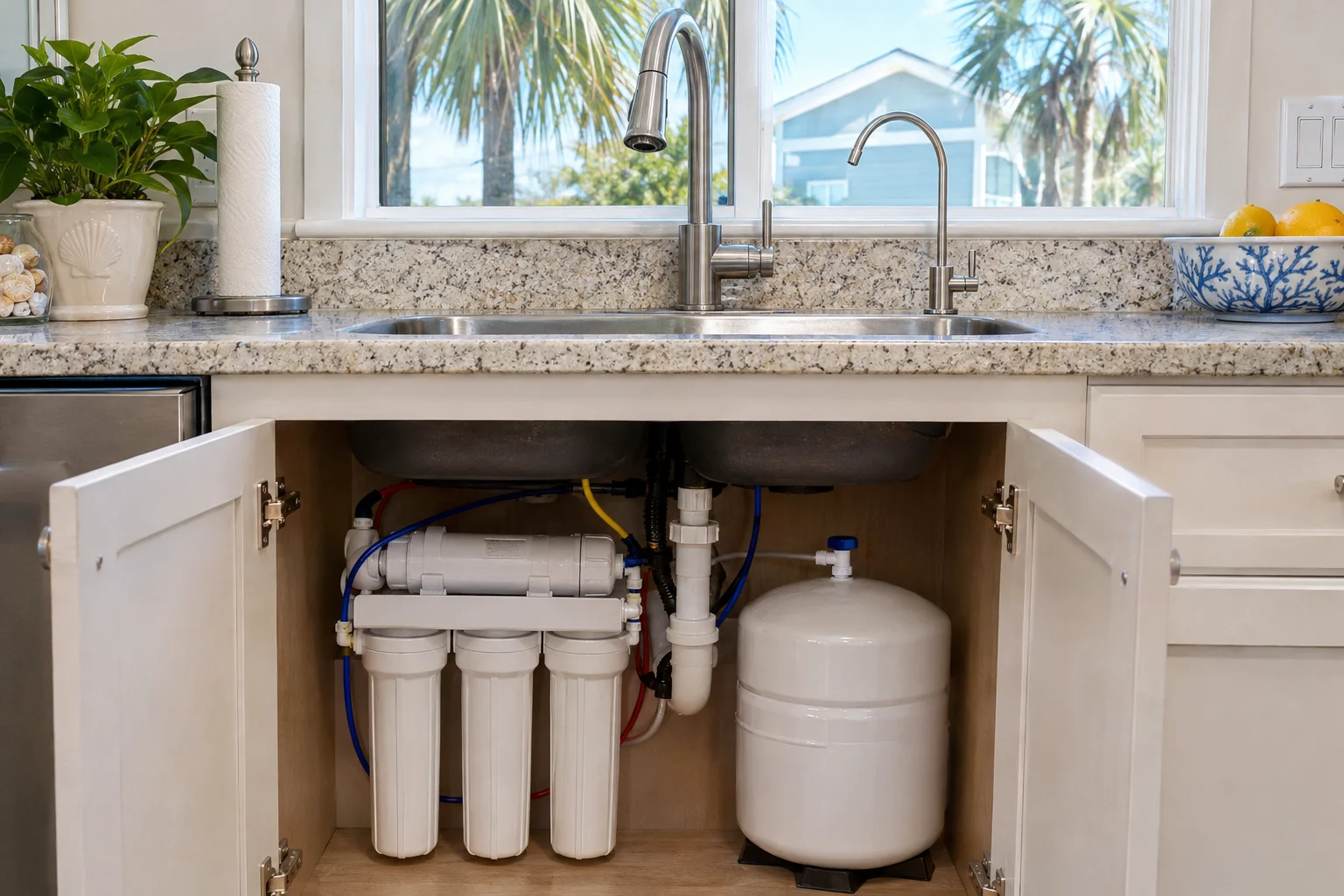
Reverse Osmosis Systems Improve Water at the Kitchen Tap
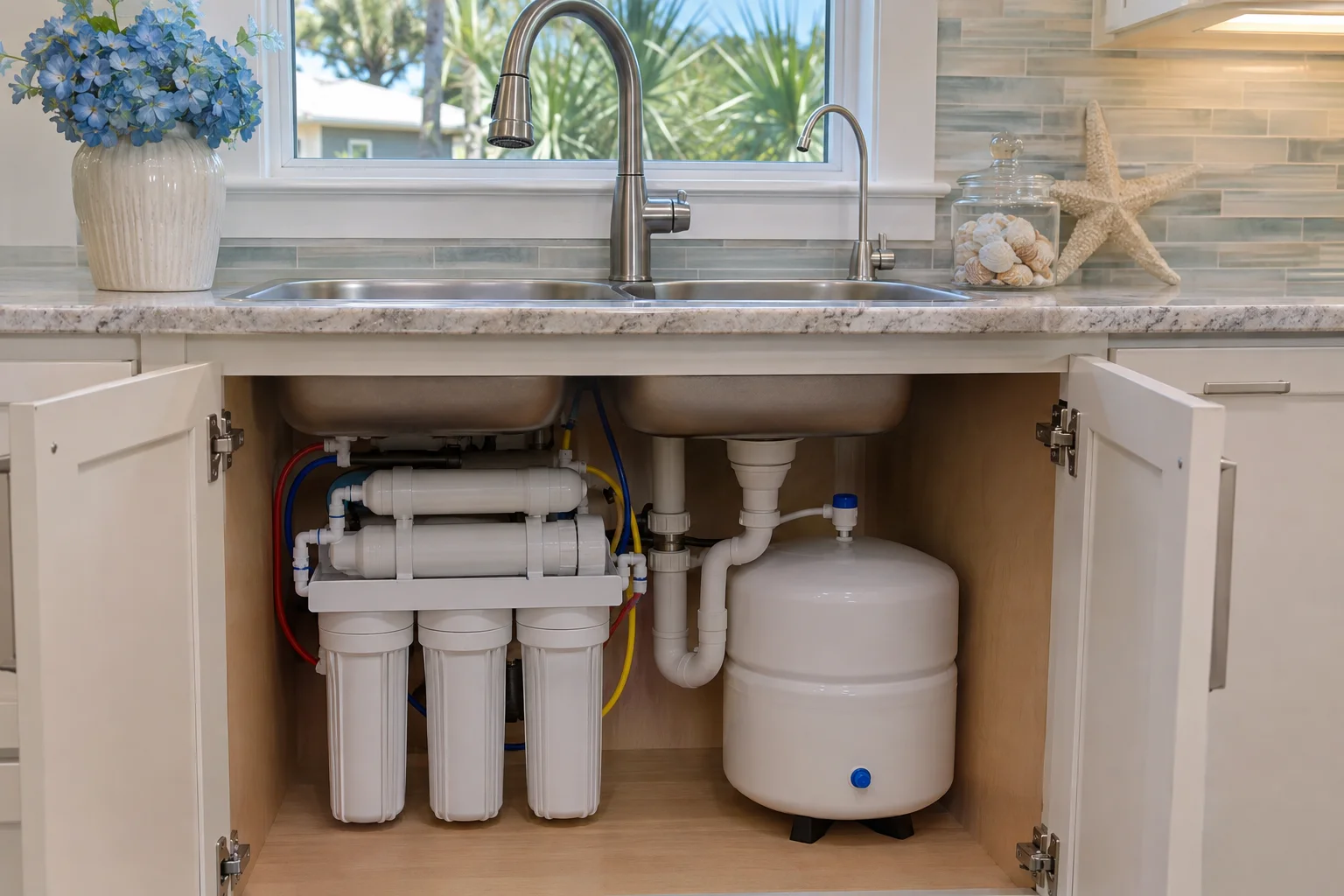
Reverse osmosis uses a semipermeable membrane to reduce a range of dissolved substances from water.
These systems are commonly installed near a kitchen sink and may supply a dedicated drinking water faucet. Some configurations can also serve a refrigerator or ice maker.
A reverse osmosis system can be particularly appealing when the main concern is drinking water quality rather than scale throughout the house.
Homeowners searching for a reverse osmosis system near me should ask which contaminants a proposed model is certified or rated to reduce, how much water it produces, and what maintenance it requires.
Reverse osmosis also produces wastewater during operation, so efficiency and installation requirements deserve consideration.
Visible Sediment, Discoloration, and Water Odors Need Investigation
Not every water quality concern can be solved by installing a softener.
Brownish water, particles collecting in a sink, or a sudden change in odor may indicate a different issue.
Sediment can originate from water sources, distribution systems, plumbing disturbances, or aging household components. Discoloration may involve iron, corrosion products, or other suspended material.
Odors also have different possible explanations. A rotten egg smell, for example, may involve hydrogen sulfide or conditions within a water heater or plumbing system.
If an odor appears only in hot water, that distinction can help guide troubleshooting.
Sudden or unexplained changes should be investigated rather than masked with a filter. If contamination is suspected, follow guidance from the water utility or local health authorities and use an appropriate alternative drinking water source until safety is established.
For broader information about treatment options, read our guide to whole home water purification in Fort Walton Beach.
Choosing Water Treatment for Your Fort Walton Beach Home
The best treatment system depends on your water, household size, plumbing arrangement, and daily usage.
A family of five with multiple bathrooms may have very different requirements from a couple living in a smaller coastal home.
Properties with municipal water may also have different treatment priorities than homes supplied by private wells.
Start With Water Testing
Before selecting equipment, identify which water characteristics need attention.
A hardness test measures the minerals responsible for scale. Other testing may evaluate pH, iron, manganese, sediment, disinfectant levels, or specific contaminants.
Private well owners should consider appropriate laboratory testing for health related contaminants, including bacteria and nitrate, following guidance from local health authorities.
When reviewing results, distinguish between aesthetic issues and potential health concerns. A water softener can address hardness, but it does not make microbiologically unsafe water safe to drink.
Match Equipment to Household Water Demand
Professional installation involves more than connecting a tank to a water line.
A technician should consider hardness levels, household consumption, available installation space, drain access, water pressure, and the equipment's flow capacity.
For a softener, regeneration settings and salt storage also matter. For filtration, the correct media and replacement schedule are essential.
Some households benefit from combining a water softener with whole home carbon filtration and a separate kitchen reverse osmosis system.
Others may only need one carefully selected treatment system.
A Superior Mechanical can help homeowners evaluate Evolve and A. O. Smith equipment based on their actual water conditions rather than assuming every property needs the same setup.
How Better Water Changes Everyday Household Routines
The benefits of water treatment often become noticeable through small improvements rather than one dramatic change.
In the kitchen, glasses may come out of the dishwasher with fewer mineral spots. Coffee may taste better when the drinking water has an appropriate filtration system. Cooking with filtered water can also help avoid unwanted flavors from chlorine or other taste related substances.
In the bathroom, reduced hardness may mean less crust around showerheads, fewer deposits on fixtures, and improved soap performance.
In the laundry room, softened water can help detergents work more effectively, potentially reducing the amount needed for satisfactory cleaning. Fabrics may also accumulate less mineral residue.
Behind the scenes, controlling hardness can reduce scale formation in water using appliances and plumbing components.
These improvements are especially practical in Fort Walton Beach, where warm weather, beach outings, and active family schedules can mean frequent showers and laundry.
Keeping Water Treatment Equipment Working Properly
Even high quality clean water systems need routine attention.
Water softeners generally require monitoring of salt levels, occasional inspection, and appropriate regeneration settings. The specific maintenance schedule depends on the model and water conditions.
Whole home filtration systems require filter or media replacement according to manufacturer recommendations and actual water usage.
Reverse osmosis systems also need periodic cartridge and membrane service. Neglecting maintenance can reduce performance and, in some circumstances, contribute to water quality problems.
Homeowners should watch for returning scale, unusual pressure changes, persistent odors, or changes in drinking water taste.
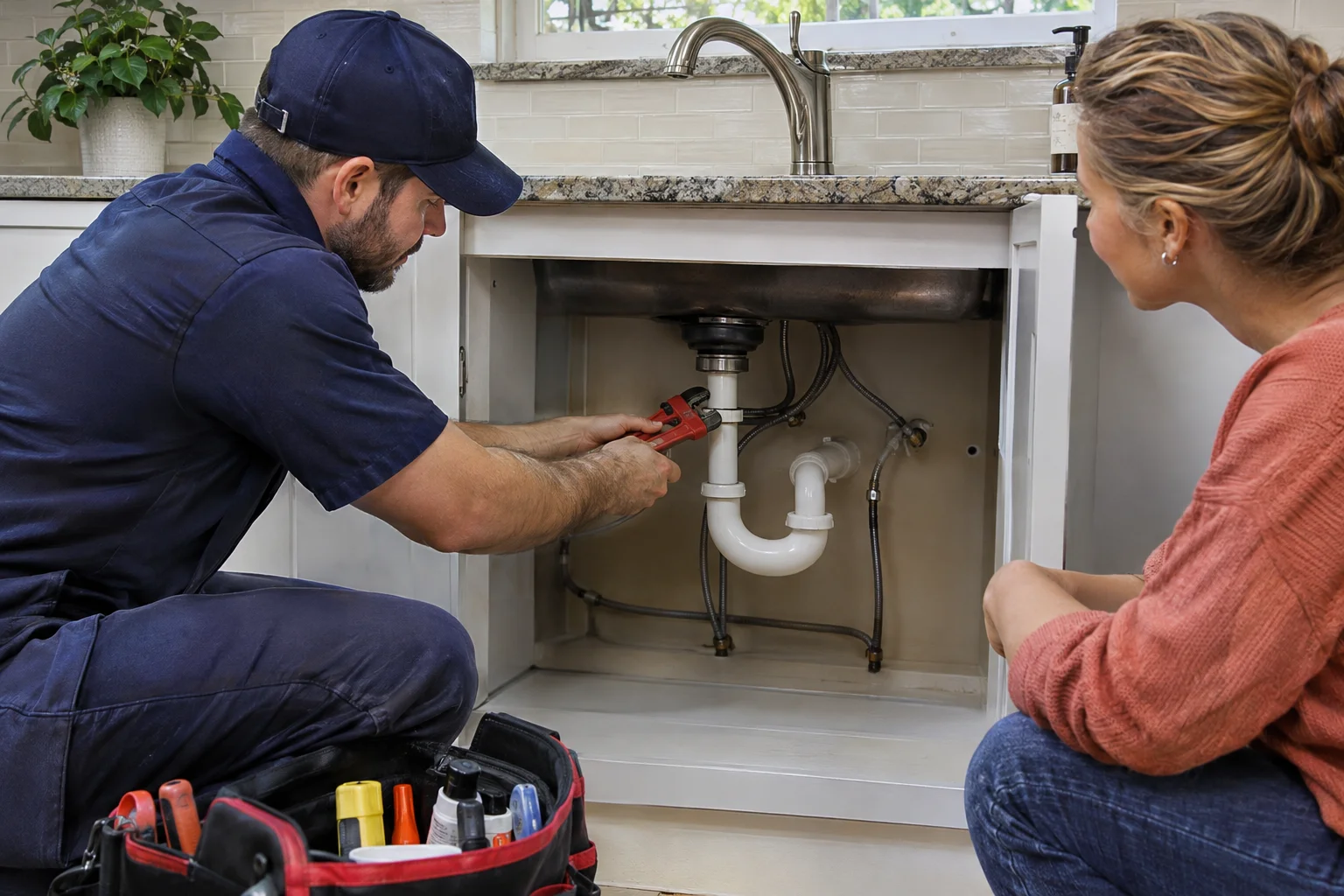
If a system stops performing as expected, professional water softener service can help identify whether the issue involves settings, exhausted media, a malfunctioning component, or changing source water conditions.
For additional guidance on maintaining household plumbing, see a smarter approach to plumbing services in Fort Walton Beach homes.
Why Local Water Treatment Experience Matters in Okaloosa County
Water treatment is not a universal purchase. The right equipment for one home may be unnecessary or ineffective in another.
Working with a local provider means discussing water concerns in the context of Fort Walton Beach homes, regional water sources, household plumbing, and the demands of Florida living.
A Superior Mechanical provides water softening solutions for homeowners and light commercial properties in Fort Walton Beach and surrounding Okaloosa County communities.
Whether your priority is reducing hard water spots, protecting fixtures from scale, improving bathing comfort, or exploring better drinking water, professional guidance can help identify the most appropriate equipment.
Homeowners searching for water filtration near me should look for a company that explains the difference between softening and filtration, evaluates the property's needs, and provides clear maintenance recommendations.
It is also worth asking about installation requirements, equipment warranties, replacement filters, and ongoing service before making a decision.
Make Your Home's Water Work Better for Your Family
Persistent spots on drinking glasses, mineral crust around faucets, dry feeling skin, and disappointing coffee can all make household water more frustrating than it needs to be.
The important step is identifying what causes each problem. Water softening targets calcium and magnesium, while whole home filtration and reverse osmosis can address different water quality concerns when properly selected.
For Fort Walton Beach homeowners, that may mean installing an Evolve or A. O. Smith water softener, adding filtration for chlorine taste and odor, or combining technologies to improve water throughout the house.
A Superior Mechanical offers professional water softening system installation in Fort Walton Beach, FL, with solutions designed around household demand and local water conditions. If mineral spots, scale, or water quality concerns are affecting your daily routine, explore professional water softening services in Fort Walton Beach and contact A Superior Mechanical to discuss the right approach for your home.
Find Water Softening Systems in Fort Walton Beach, FL
If you need Water Softening Systems in Fort Walton Beach, FL, visit our local service page or contact A Superior Mechanical today.
For a broader look at whole-home water filtration, reverse osmosis, and water softener options, visit our water filtration, RO, and water softener page.
Map of Fort Walton Beach, FL
Frequently Asked Questions
Do Fort Walton Beach homes need water softening systems?
Some Fort Walton Beach homes experience hardness that contributes to mineral spots, scale buildup, and reduced soap performance. However, water hardness varies by source and property. Testing your home's water is the best way to determine whether a water softener would provide meaningful benefits. A Superior Mechanical can help homeowners evaluate water softening options based on their specific needs.
Will a water softener remove chlorine taste and unpleasant odors?
Traditional water softeners primarily remove calcium and magnesium, which cause water hardness. They are not designed to remove chlorine or most substances responsible for unpleasant tastes and odors. Activated carbon filtration may reduce chlorine taste and odor, while other concerns may require specialized filtration or reverse osmosis. The appropriate solution depends on the source of the problem.
What is the difference between whole home water filtration and reverse osmosis?
Whole home water filtration treats water entering the property and can address selected concerns throughout the house, depending on the filtration media. Reverse osmosis typically treats water at a dedicated drinking water location, such as a kitchen sink. It uses a membrane to reduce a range of dissolved substances. Some Fort Walton Beach households benefit from both systems, particularly when they want improved water throughout the home and additional treatment for drinking and cooking water.
Can water softening systems help protect appliances and plumbing?
Yes. Water softening reduces calcium and magnesium, which contribute to scale deposits in water heaters, dishwashers, washing machines, faucets, and showerheads. Reducing mineral buildup may improve equipment performance and decrease certain maintenance needs. A softener cannot prevent every plumbing or appliance problem, but it can help control issues associated with hard water.
How often does a water softener or filtration system need maintenance?
Maintenance depends on the equipment, household water consumption, and incoming water quality. Salt based water softeners generally require periodic salt replenishment and occasional system inspections. Whole home filters need cartridge or media replacement, while reverse osmosis systems require scheduled filter and membrane maintenance. A Superior Mechanical can explain the maintenance requirements for Evolve and A. O. Smith water treatment equipment installed in Fort Walton Beach homes.
Related Articles
- Why Fixture Replacements Go Wrong in Fort Walton Beach Homes and How to Protect Your Plumbing
- A Smarter Way to Handle Plumbing Services in Fort Walton Beach Homes
- A Smarter HVAC Budget for Fort Walton Beach: Financing Comfort That Lasts
- Cleaner Water, Healthier Pipes: Whole Home Water Purification in Fort Walton Beach
Photo Gallery