In Callaway, FL, homeowners deal with a mix of coastal humidity, heavy summer rain, and older plumbing materials that can wear down faster than expected. Clean water systems are often thought of as a water quality upgrade, but they also play a practical role in protecting pipes, fixtures, drains, and water heaters from preventable damage. For many homes in Bay County, better water treatment can mean fewer service calls, less buildup inside plumbing lines, and a lower risk of expensive repairs.
A Superior Mechanical helps homeowners and property owners find the right balance between water quality and plumbing protection. If you are looking for a trusted local plumber near me, plumbing repair, drain cleaning, leak repair, or water heater service, it helps to start with the water itself. You can learn more about our local service at Clean Water Systems in Callaway and explore our broader Callaway service area for plumbing help built around local conditions.
Why water quality matters to plumbing in Callaway
Water in coastal Florida can bring its own challenges. Depending on the source and the condition of the plumbing, homeowners may notice mineral buildup, sediment, chlorine taste, or staining around sinks and tubs. Over time, those issues can affect more than drinking water. Hard water and sediment can leave scale inside pipes, reduce fixture performance, and shorten the life of appliances that depend on steady water flow.
In Callaway homes, that matters because plumbing systems already work hard in warm weather. More showers, more laundry, more irrigation use, and more demand on water heaters can expose weak points quickly. A clean water system can help reduce the wear caused by minerals and contaminants, which can support better performance from faucets, toilets, dishwashers, and tank or tankless water heaters.
The plumbing issues clean water systems can help reduce
Clean water systems are not a cure-all, but they can help limit several common plumbing problems. One of the biggest is scale buildup. Mineral deposits can collect inside pipes and fixtures, making water flow less efficient. That can show up as low pressure at a faucet, a showerhead that clogs often, or a water heater that struggles to heat efficiently.
Another issue is sediment. If your home has older plumbing or a water heater that has not been flushed regularly, sediment can settle in low spots and create noisy operation, reduced capacity, and added strain on parts. In some homes, sediment and corrosion work together, especially where small leaks have gone unnoticed for a while.
Water quality also affects seals and moving parts. Faucet cartridges, toilet components, and valve assemblies can wear faster when water carries debris or leaves mineral residue behind. That can lead to constant drips, running toilets, and the need for repeated plumbing repair. If your home has recurring fixture trouble, it may be worth looking at both the plumbing and the water treatment setup.
Leaks, slab leaks, and the role of water treatment
Not every leak is caused by water quality, but poor water conditions can make some problems worse over time. Corrosion inside pipes can thin metal lines and create weak spots. Scale buildup can add stress to joints and fittings. In slab homes, even small changes in pressure or pipe condition can turn into a hidden leak under the foundation.
That is why homeowners who are already dealing with unexplained water bills, damp flooring, or the sound of running water should consider both leak detection and water quality. Our Leak Detection and Slab Leak Repair service can help find the source of hidden water loss before it spreads to floors, walls, or the slab itself. If the plumbing system has been stressed for years by hard water or sediment, addressing the water condition can be part of preventing the next leak.
Drain problems that start with buildup inside the system
Many homeowners think of drain cleaning as a response to clogs caused by hair, grease, or soap. Those are common, but mineral buildup and residue inside pipes can also make drains slower and more likely to back up. In homes with older lines, narrow drain paths, or frequent kitchen and bathroom use, even a small amount of buildup can reduce flow enough to cause recurring issues.
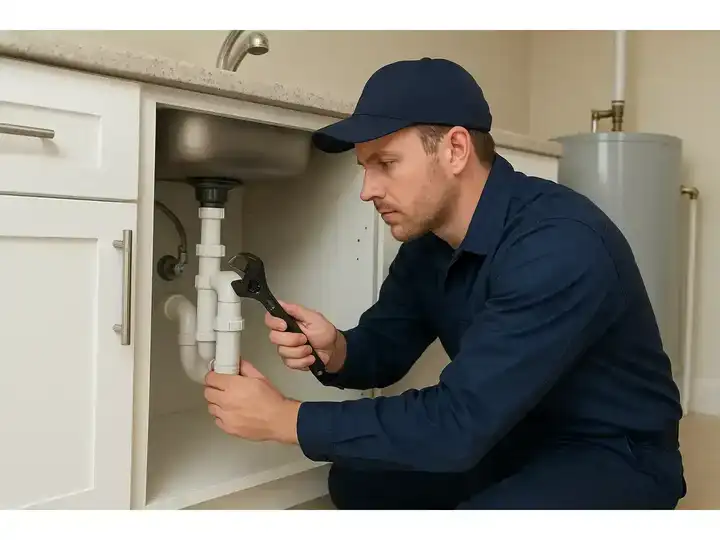
When drains slow down, the problem is not always in one fixture. A kitchen sink that backs up, a tub that drains slowly, or a toilet that gurgles after flushing can point to a larger issue in the line. That is why homeowners in Callaway often benefit from a full plumbing check, not just a quick plunge or chemical cleaner. If you are dealing with repeated clogs or sewer concerns, our Sewer and Drain Services page explains how local service can help protect the whole system.
For a deeper look at how drain service helps homes stay ahead of bigger issues, see How Better Sewer and Drain Service Helps Callaway Homes Stay Ahead of Plumbing Problems.
Water heaters and fixtures feel the effects first
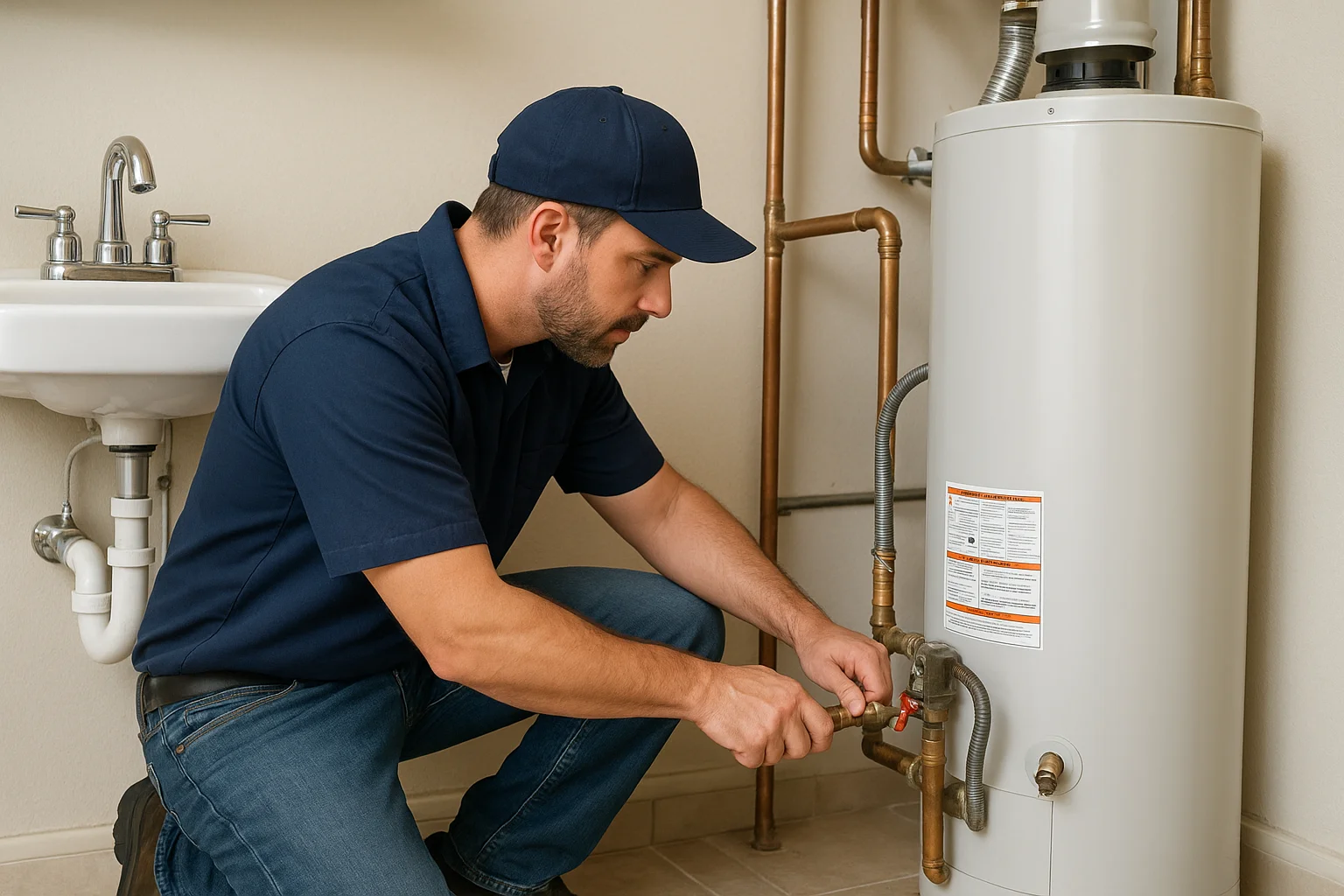
Water heaters are often the first place homeowners notice the impact of poor water quality. Hard water can leave mineral deposits on heating elements and tank surfaces. That reduces efficiency and can lead to popping noises, longer heat times, and higher utility costs. In some cases, sediment buildup can shorten the lifespan of the unit and lead to premature replacement.
Faucets and showerheads can also show the effects early. If aerators clog often, if the shower spray weakens, or if sink fixtures develop crusty white residue, the water may be carrying more minerals than the plumbing system can comfortably handle. Toilets can also suffer when fill valves or flappers are exposed to debris and scale. These are the kinds of issues that make routine plumbing maintenance worthwhile, especially in homes that already see frequent water use.
When water heater performance starts to slip, it is smart to ask whether the unit needs service, flushing, or replacement. For homes and businesses planning a larger plumbing update, Planning Plumbing Installation the Right Way in Callaway, FL offers helpful context on getting new systems set up correctly from the start.
What Callaway homeowners should watch for
Some plumbing warning signs are easy to see. Others are subtle and show up slowly. In Callaway homes, keep an eye out for cloudy water, metallic taste, frequent fixture clogs, stains around sinks or tubs, and water pressure that changes from one fixture to another. A sudden spike in the water bill can also point to a hidden leak or a toilet that runs between uses.
Listen for new sounds too. Water hammer, rattling pipes, or a water heater that pops and crackles can indicate buildup or pressure issues. If a faucet repair only helps for a short time, or a toilet repair does not solve the underlying problem, there may be a larger water quality or pressure issue contributing to the failure.
Homes in Bay County can also face seasonal stress from storms and heavy rain. Drain lines, sewer connections, and exterior plumbing can all be affected by shifting soil, excess water, or root intrusion. That is why local plumbing service matters. A plumber who understands Callaway and the surrounding Bay County area is better positioned to connect the dots between water quality, drain performance, and hidden pipe wear.
Prevention starts with the right system and regular maintenance
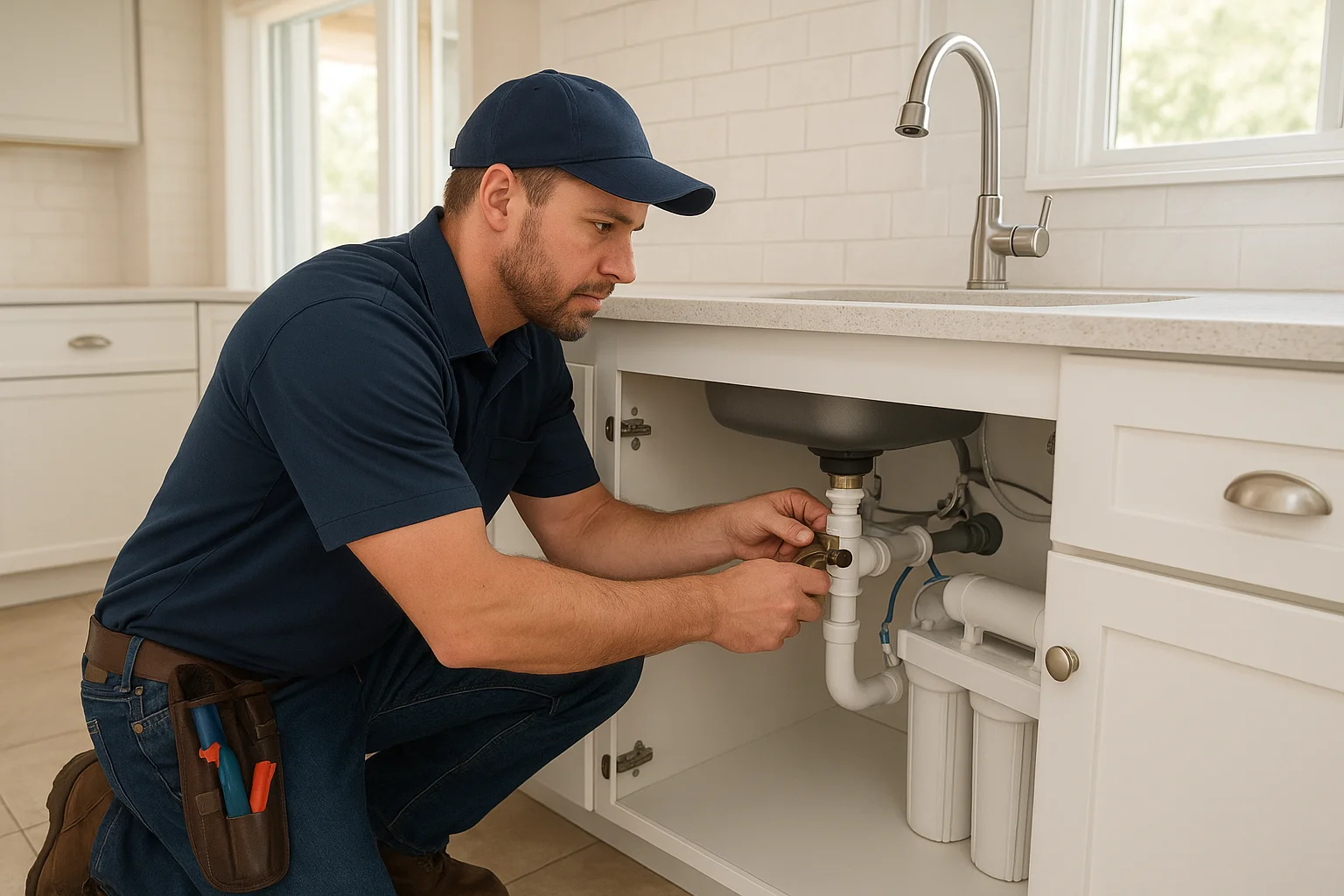
The best clean water setup depends on what your home actually needs. Some properties benefit from filtration to improve taste and reduce sediment. Others need water softening to address mineral content. Some homes use reverse osmosis at the kitchen sink for drinking water, while the rest of the plumbing benefits from broader filtration or conditioning. In many cases, the right answer is a combination of solutions rather than a single device.
Regular maintenance matters just as much as the equipment itself. Filters need replacement, softeners need salt or service, and water heaters should be flushed on a schedule that matches the home’s water conditions. Drains should be cleaned before buildup turns into a backup. Small leaks should be fixed before they damage cabinets, floors, or drywall. If you manage rental properties or small commercial spaces, those tasks become even more important because water use is often heavier and problems can spread faster.
For property owners who want a broader plumbing plan, How Small Plumbing Problems Grow in Callaway Property Management is a useful read. It shows how minor issues can become costly when they are left alone.
When to bring in a local plumber
Call a professional when water problems keep coming back, when pressure changes suddenly, when you suspect a slab leak, or when drains and fixtures are acting up across more than one room. A local plumber can inspect the system, check for corrosion or buildup, and recommend whether the best fix is plumbing repair, drain cleaning, leak detection, water heater service, or a clean water system upgrade.
That local knowledge matters in Callaway because homes here can vary widely. Some have older pipe materials. Some have newer fixtures but aging supply lines. Others may have hard water issues that show up first in the water heater or the kitchen sink. A service call from a plumber who works in the area regularly can save time and help avoid unnecessary replacements.
If budget is part of the decision, financing may make a needed upgrade easier to handle. You can review options through our Plumbing Financing page, especially if the project involves water treatment equipment, pipe repair, or a larger plumbing replacement.
Clean water systems for homes, rentals, and businesses
Clean water systems are useful in more than just single-family homes. Rental properties, duplexes, offices, and small commercial buildings in Callaway can all benefit from better water quality and more stable plumbing performance. Fewer mineral deposits mean less strain on fixtures and appliances, and that can help reduce service interruptions for tenants, employees, or customers.
For business owners, consistent water quality can also protect restrooms, break rooms, and water-dependent equipment. Our Commercial Plumbing Services page covers plumbing support for properties that need dependable service and practical maintenance planning.
Whether the issue is a stubborn faucet, a toilet that will not stop running, a water heater that is losing efficiency, or a sewer line concern that keeps coming back, clean water systems can be part of a smarter long-term fix. They help protect the plumbing you already have while improving the water your household uses every day.
If you are comparing repair options, replacement plans, or a new water treatment setup, it helps to work with a local team that understands how plumbing systems behave in Callaway homes. A Superior Mechanical provides clean water systems in Callaway, FL, along with plumbing repair, drain cleaning, leak repair, and water heater service designed for local conditions.
Find Clean Water Systems in Callaway, FL
If you need Clean Water Systems in Callaway, FL, visit our local service page or contact A Superior Mechanical today.
Map of Callaway, FL
Frequently Asked Questions
How can a clean water system help prevent plumbing damage?
Clean water systems can reduce sediment, minerals, and other buildup that wear down pipes, fixtures, and water heaters. That can help limit scale, improve flow, and reduce strain on parts over time.
Do I need water treatment if my water already looks clear?
Yes, possibly. Clear water can still carry minerals or other contaminants that affect plumbing performance. If you have recurring clogs, fixture buildup, low pressure, or water heater issues, water treatment may still help.
Can hard water cause leaks in my Callaway home?
Hard water does not directly create every leak, but it can contribute to corrosion, scale, and wear that weaken plumbing components. Over time, that can increase the chance of leaks, especially in older systems.
What plumbing problems should I have checked right away?
Sudden pressure loss, repeated drain backups, running toilets, water heater noises, unexplained wet spots, and a higher water bill should all be checked quickly. Those issues can point to hidden leaks or larger plumbing problems.
Related Articles
Photo Gallery