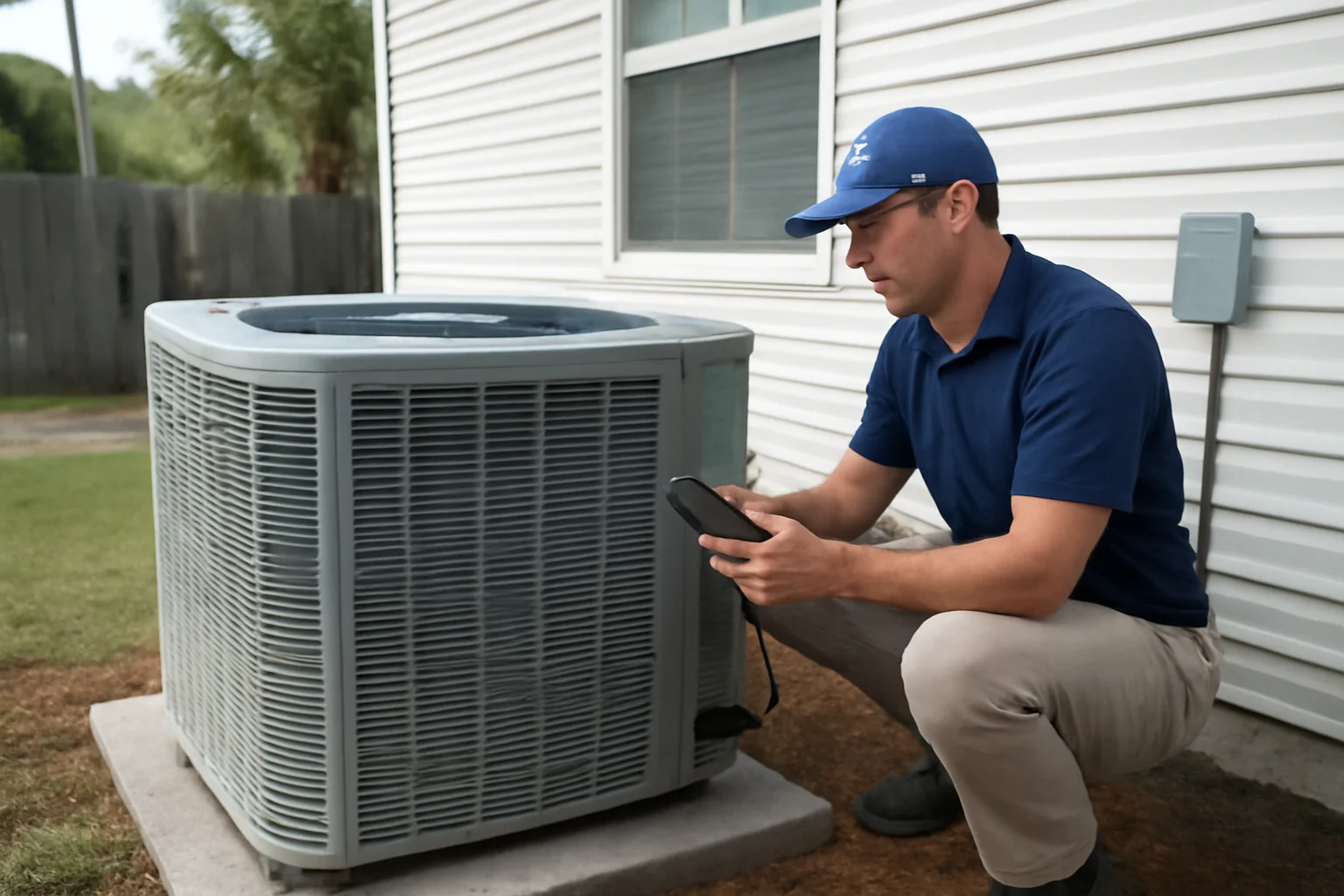
Lower Grand Lagoon sits in a coastal pocket of Bay County where summer heat and humidity can push air conditioning systems hard year after year. Whether your home has a long-running older unit or a newer system installed to handle modern comfort needs, wear and tear can show up in different ways. Understanding how it affects airflow, refrigerant systems, condensate drainage, thermostats, ductwork, and indoor air quality helps you spot problems early and choose the right air conditioning service.
If you are searching for air conditioning systems in Lower Grand Lagoon, FL, this guide will help you connect common symptoms to likely causes, and it will explain why professional HVAC maintenance matters in coastal Florida.
Why Lower Grand Lagoon is hard on air conditioning systems
Coastal Florida brings a mix that is tough on HVAC components. In Lower Grand Lagoon, homeowners deal with:
- High humidity: Moisture in the air increases the load on cooling and can strain parts that manage condensate.
- Heat swings and long cooling seasons: AC systems run more hours, which accelerates normal wear.
- Salt air exposure: Coastal air can contribute to corrosion over time, especially on outdoor components and in areas where airflow carries airborne particles.
- Airflow challenges from ductwork: Leaky or poorly sealed ducts can waste conditioned air, forcing the system to work harder.
These factors do not just affect older equipment. Even newer systems can struggle when airflow, duct sealing, indoor air quality needs, or condensate drainage are not handled correctly.
How “wear and tear” shows up in older AC systems
Older air conditioning systems can cool less effectively even when they still turn on. Many problems build gradually, so the first signs are often comfort-related rather than mechanical alarms.
1) Reduced airflow and uneven cooling
As systems age, filters, blower components, and ductwork can collect dust, microbial growth, and debris. If airflow drops, the indoor coil may not absorb heat as efficiently. Homeowners often notice:
- Hot spots in certain rooms
- Weak airflow from vents
- Longer run times to reach thermostat settings
In Lower Grand Lagoon, humidity makes airflow problems feel worse because the system has to cool and dehumidify at the same time. When airflow is restricted, humidity can linger indoors.
2) Condensate drainage issues
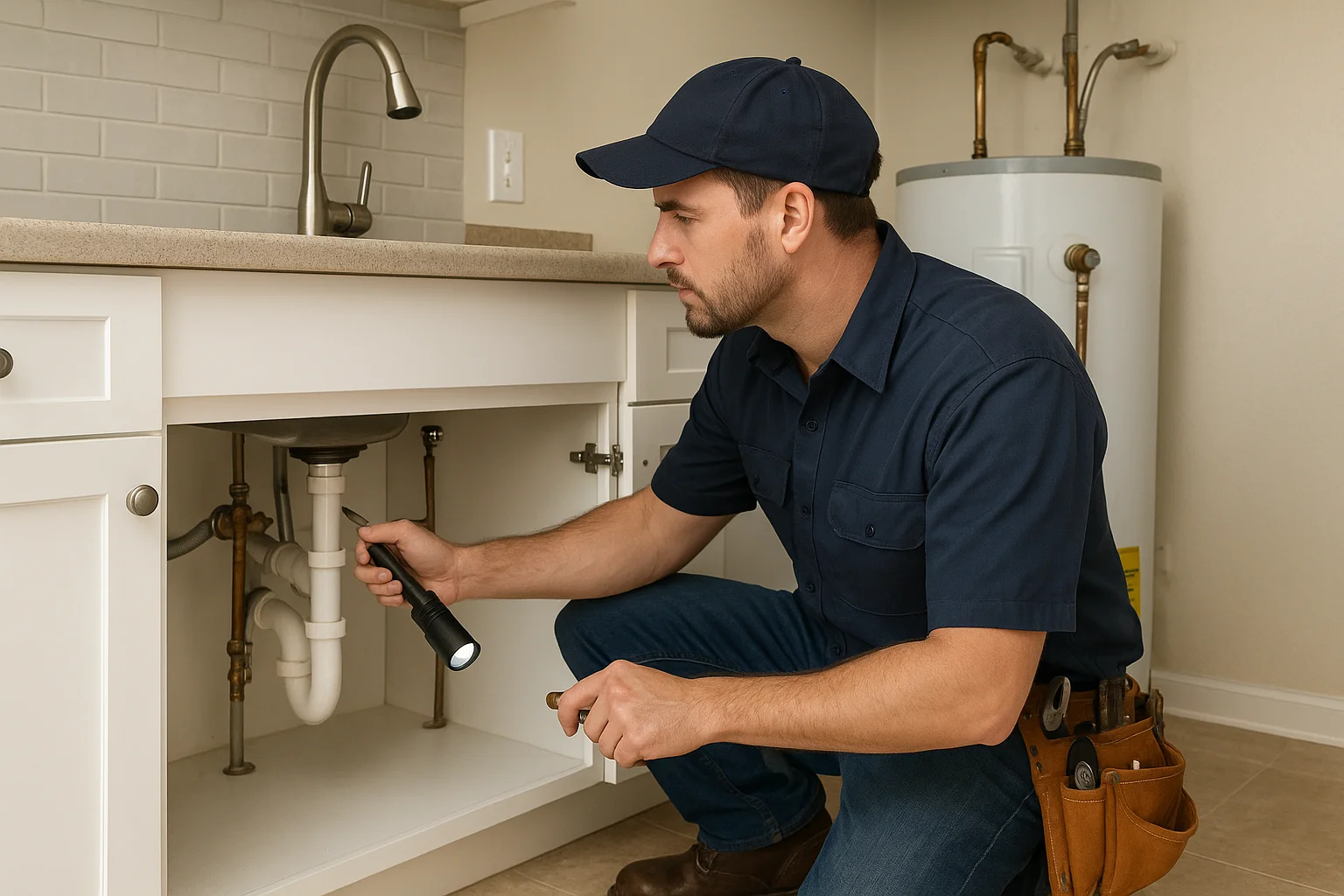
During cooling, your AC removes moisture from the air. That moisture drains through condensate lines and a drain pan. Over time, condensate drainage can become partially blocked by algae, debris, or buildup. Symptoms include:
- Water dripping near the indoor unit
- Musty odors
- Signs of moisture around the air handler
- Indoor humidity that stays high
When drainage is not functioning properly, it can also contribute to indoor air quality concerns. Moisture and stagnant conditions can support microbial growth, which affects comfort and can aggravate allergies.
3) Refrigerant system strain and performance drift
AC systems rely on refrigerant systems to move heat. As components age, wear can affect how the system cycles and how efficiently it transfers heat. Homeowners may notice:
- Short cycling or inconsistent temperature swings
- Freezing or icing on components
- Cooling that seems weaker during the hottest, most humid afternoons
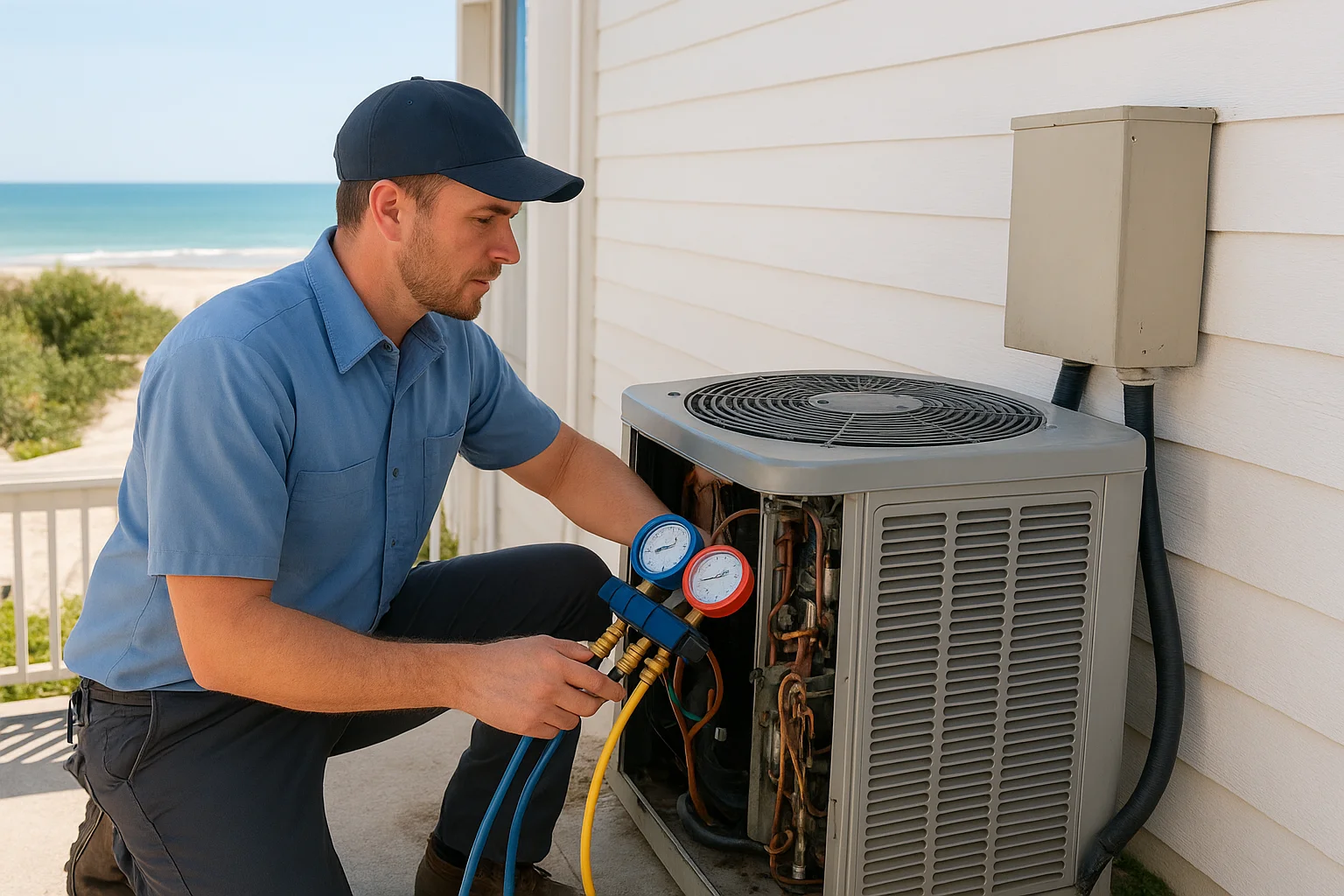
It is important to remember that refrigerant-related issues should be evaluated in person by a licensed HVAC contractor. Refrigerant diagnosis requires proper testing and safe handling. Avoid guessing or attempting DIY checks.
4) Thermostat and control problems
Older thermostats may not manage humidity or comfort as precisely as modern controls. Wear can also lead to inaccurate temperature readings or inconsistent cycling. If your thermostat is set correctly but comfort does not match, the issue may involve the thermostat itself, the way the system responds to it, or underlying airflow and ductwork problems.
If you are considering upgrades, explore Smart Thermostats for better control of schedules and comfort settings.
How newer AC systems still experience wear in coastal conditions
Newer air conditioning systems are designed with improved efficiency and modern controls. Still, Lower Grand Lagoon’s climate can create wear patterns that show up even after installation.
1) Installation and ductwork still matter more than people expect
Two homes can have “new AC” and very different results if ductwork and airflow are not matched to the system. Leaks, poor duct routing, and inadequate sealing can cause the system to run longer than necessary. That increases wear on components and can also affect indoor air quality.
If you suspect airflow issues, a ductwork and Aeroseal services approach can help address hidden leakage and comfort losses.
2) Humidity management challenges
Modern systems often include better control strategies, but humidity problems can still occur if the AC is not sized correctly, if airflow is restricted, or if condensate drainage is not operating as intended. Homeowners may notice:
- Sticky indoor feel despite the thermostat being set to cool
- Condensation on nearby surfaces
- Frequent cycling that prevents proper dehumidification
These comfort signals are not always “the thermostat’s fault.” They can point to airflow, coil performance, condensate drainage, and system operation.
3) Salt air corrosion and outdoor unit exposure
Even with newer equipment, outdoor components are exposed to coastal air. Over time, corrosion can affect airflow paths, fan performance, and the outdoor coil. Regular cleaning and inspection help, but only professional service can safely assess the condition of the refrigerant system components and related parts.
Common symptoms homeowners notice in Lower Grand Lagoon
When air conditioning systems wear down, the most noticeable changes are comfort and performance. Use these as practical checkpoints when you are deciding whether to schedule air conditioning repair or a full air conditioning inspection near me.
Cooling is inconsistent room to room
Uneven temperatures often tie back to ductwork airflow, filter and blower performance, or improper air distribution. In coastal homes, humidity can also make uneven cooling feel more severe.
Humidity stays high even when the house is set to cool
Dehumidification depends on coil performance, airflow, and proper condensate drainage. If your home feels damp, check whether there are condensate signs near the indoor unit and whether filters are being changed regularly.
Higher energy use during peak summer
Wear and tear can increase runtime and reduce efficiency. When the system has to work longer to achieve the same comfort, energy use typically rises. This is especially relevant during the warm, humid stretches when AC runs continuously.
Strange smells or visible moisture
Musty odors can be linked to moisture and microbial growth. Water pooling or dripping can indicate condensate drainage problems. These issues overlap with indoor air quality services needs, not just “cooling comfort.”
Short cycling or the system struggles at start-up
Short cycling can happen when airflow is restricted, controls are misreading conditions, or components are not operating within expected ranges. A licensed HVAC contractor can evaluate the system safely and determine what is actually occurring.
Preventive HVAC maintenance that reduces wear in coastal Florida
Preventive HVAC maintenance near me is not just about keeping the system running. In Lower Grand Lagoon, maintenance helps protect comfort, indoor air quality, and long-term reliability under humidity and salt air exposure.
1) Replace or service filters on schedule
Filters affect airflow. When airflow is reduced, the system runs longer and can struggle to dehumidify. Follow your filter recommendations and check them more often during high pollen or heavy use periods.
2) Keep indoor airflow pathways clear
Return vents, supply registers, and the area around the indoor unit should not be blocked. Dust accumulation can be worse in humid environments because particles can cling and redistribute.
3) Inspect condensate drainage and drain lines
Condensate drainage is a major wear-and-tear point. Routine inspection helps catch early buildup before it becomes a moisture issue or emergency cooling concern.
4) Schedule an air conditioning inspection before the hottest weeks
Having an air conditioning inspection near me scheduled before peak summer helps you address airflow issues, check system operation, and plan repairs. It also gives you time to coordinate maintenance or replacement decisions if needed. For homeowners with older systems, this step is especially valuable.
5) Address duct leakage and airflow losses
Ductwork can lose conditioned air, which forces the AC to run more often. If you notice uneven temperatures or persistent humidity, consider Duct Sealing & Aeroseal Services to improve distribution and reduce wasted energy.
When to call for AC repair or air conditioning service
Some problems are safe to monitor briefly, but cooling emergencies are not the time for trial and error. If you are dealing with any of the items below, contact a licensed HVAC contractor promptly for air conditioning repair near me.
Emergency cooling concerns
In hot, humid Florida weather, an AC failure can quickly impact indoor comfort and health. Call for service if:
- The system stops cooling entirely during peak heat
- There is water leakage that could damage the home
- You see signs of icing that keep returning
- There are burning smells, electrical odors, or repeated cycling failures
Even if you think the cause is “small,” a professional evaluation helps prevent further system damage.
Comfort problems that keep getting worse
If cooling performance drops gradually over weeks, do not wait until the system fails. A technician can check airflow, condensate drainage, thermostat operation, and the refrigerant system performance using proper tools. They can also help you decide whether repairs are appropriate or whether HVAC replacement near me planning makes more sense.
Indoor air quality concerns
When moisture, odors, or persistent humidity appear, it can be more than a comfort issue. Indoor air quality services near me may be needed alongside AC repair to reduce conditions that allow microbial growth and improve how air feels indoors.
Older vs. newer: how wear influences the repair conversation
Homeowners often ask whether they should repair or replace. The answer depends on the whole system, not one symptom. In Lower Grand Lagoon, wear patterns can affect multiple parts at once, such as airflow, condensate drainage, and control behavior.
Repairs can make sense when the system is otherwise healthy
If your AC is still cooling reasonably and the issues are limited to airflow, drainage, or control components, repairs may restore performance. A professional can evaluate the refrigerant system operation and confirm the root cause without guesswork.
Replacement planning matters when multiple wear points show up
When several parts are failing or comfort issues persist despite service, replacement may be the more practical long-term path. This is especially relevant when ductwork problems or indoor air quality issues repeatedly show up and the system cannot perform as needed.
To understand how costs and timing can fit your household, homeowners may find helpful guidance in A Local Homeowner’s Guide to HVAC Financing in Lower Grand Lagoon, FL.
Why professional service is the difference in coastal reliability
In Lower Grand Lagoon, the climate can turn small issues into bigger ones. A licensed HVAC contractor brings the right approach to:
- Confirm airflow problems related to ductwork and system operation
- Inspect condensate drainage and moisture risks
- Evaluate refrigerant systems performance safely and accurately
- Check thermostat operation and comfort control behavior
Professional service also helps you avoid unnecessary replacements. Repairs and diagnostics should be based on what is found in your home during an in-person evaluation, not on assumptions.
Related local resources for Lower Grand Lagoon homeowners
If you are tackling comfort and system performance from multiple angles, these services and reads can connect the dots between wear and everyday living:
- Heating Control Systems for better whole-system comfort control strategies.
- Why Better HVAC Maintenance Pays Off for Valparaiso Air Conditioning Systems for a broader view on maintenance benefits that also apply across Bay County.
- A Pretty Bayou Homeowner’s Guide to Air Conditioning Systems That Handle Coastal Florida for guidance tailored to coastal conditions.
- How Lower Grand Lagoon Homes Stay Comfortable with Better Duct Sealing and Aeroseal for insight on airflow and humidity comfort.
For homeowners comparing options across the area, you can also explore service areas in Lower Grand Lagoon and Bay County HVAC coverage.
When the air feels damp, the vents feel weak, or the system runs longer than it used to, it is not always the AC unit alone. In Lower Grand Lagoon, wear and tear is often a team effort between the AC, the ductwork, the condensate drainage, the thermostat control, and the indoor air quality conditions. A Superior Mechanical can help you sort out what is happening in your home and set a plan for dependable cooling through Florida heat and humidity.
Contact A Superior Mechanical for air conditioning systems service in Lower Grand Lagoon and discuss whether repair, maintenance, or replacement planning fits your situation.
Find Air Conditioning Systems in Lower Grand Lagoon, FL
If you need Air Conditioning Systems in Lower Grand Lagoon, FL, visit our local service page or contact A Superior Mechanical today.
Map of Lower Grand Lagoon, FL
Frequently Asked Questions
How does humidity in Lower Grand Lagoon affect AC wear and tear?
High humidity increases the cooling and dehumidification workload. That can mean longer run times, more condensate production, and added strain on components like the indoor coil and condensate drainage system.
Why does my AC cool unevenly even when the thermostat is set correctly?
Uneven cooling is often related to airflow and ductwork issues, such as duct leakage, blocked returns, or blower performance changes over time. A professional air conditioning inspection can help identify the cause.
What are early signs of condensate drainage problems?
Look for water dripping near the indoor unit, musty odors, increased indoor humidity, or visible moisture around the air handler. Condensate drainage concerns can also affect indoor air quality.
Can I check refrigerant myself if cooling seems weak?
Refrigerant system issues require proper testing and safe handling. DIY checks are not recommended. Have a licensed HVAC contractor evaluate the system in person so you do not miss the real cause or create safety risks.
How often should I schedule preventive HVAC maintenance in coastal Florida?
Most homeowners benefit from regular preventive maintenance before peak summer use. If your home runs the AC heavily or you notice comfort or humidity issues, scheduling an air conditioning inspection sooner can prevent a mid-summer breakdown.
Related Articles
- A Local Homeowner’s Guide to HVAC Financing in Lower Grand Lagoon, FL: Comfort, Airflow, Humidity, and Prevention
- Why Better HVAC Maintenance Pays Off for Valparaiso Air Conditioning Systems
- How Lower Grand Lagoon Homes Stay Comfortable with Better Duct Sealing and Aeroseal
- A Pretty Bayou Homeowner’s Guide to Air Conditioning Systems That Handle Coastal Florida
Photo Gallery