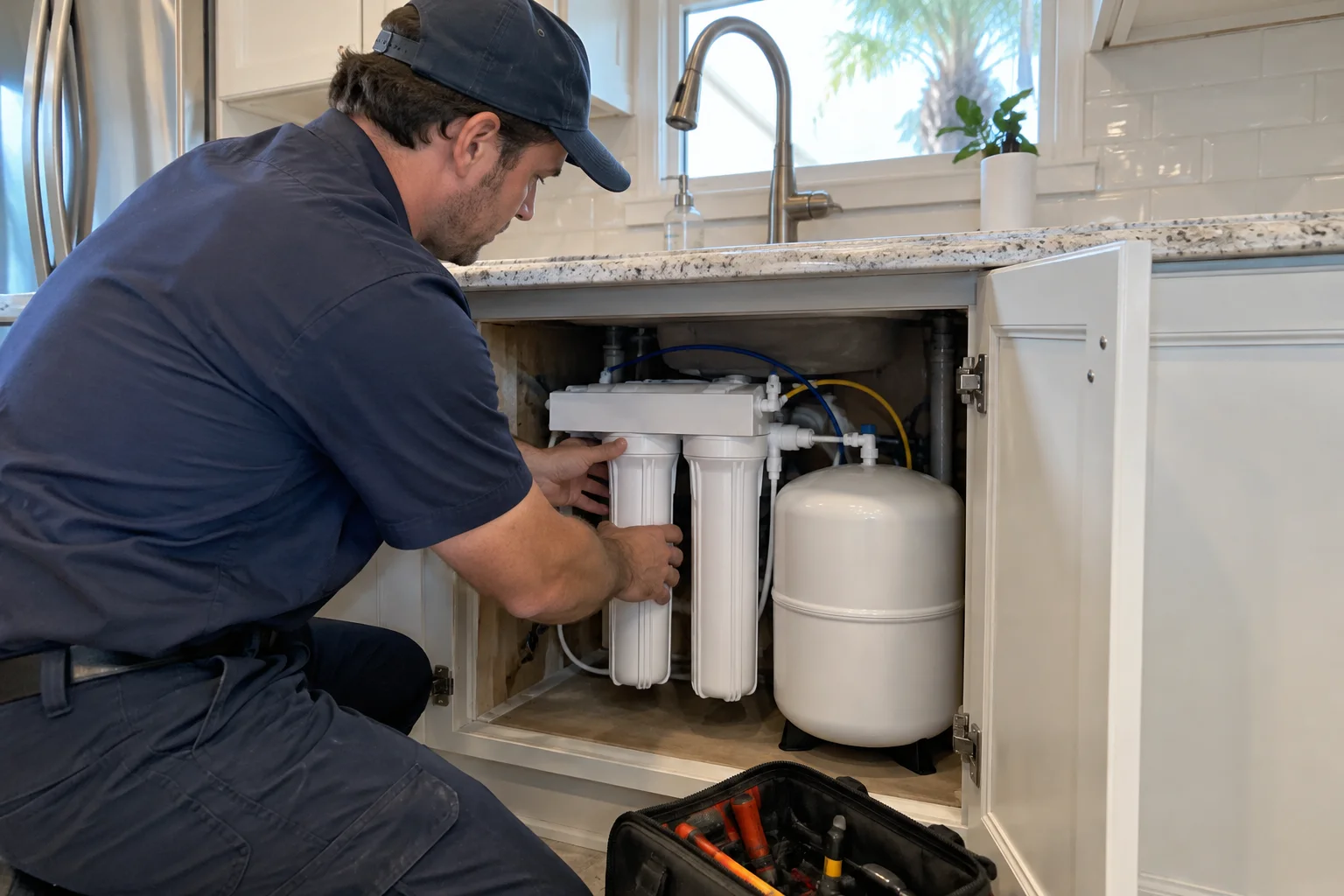
A reverse osmosis system should make drinking water more convenient, not leave you wondering why the cabinet is damp or the kitchen drain keeps gurgling. Because an RO unit connects to your water supply, a dedicated faucet, and usually a drain, its performance depends on the plumbing around it.
For homeowners in Lower Grand Lagoon, FL, that means looking beyond filter changes. Busy kitchens, seasonal occupancy, and unnoticed leaks can affect reliability. These practical checks help protect your system and distinguish a small maintenance issue from a plumbing problem that needs professional attention.
Good drinking water starts with sound plumbing
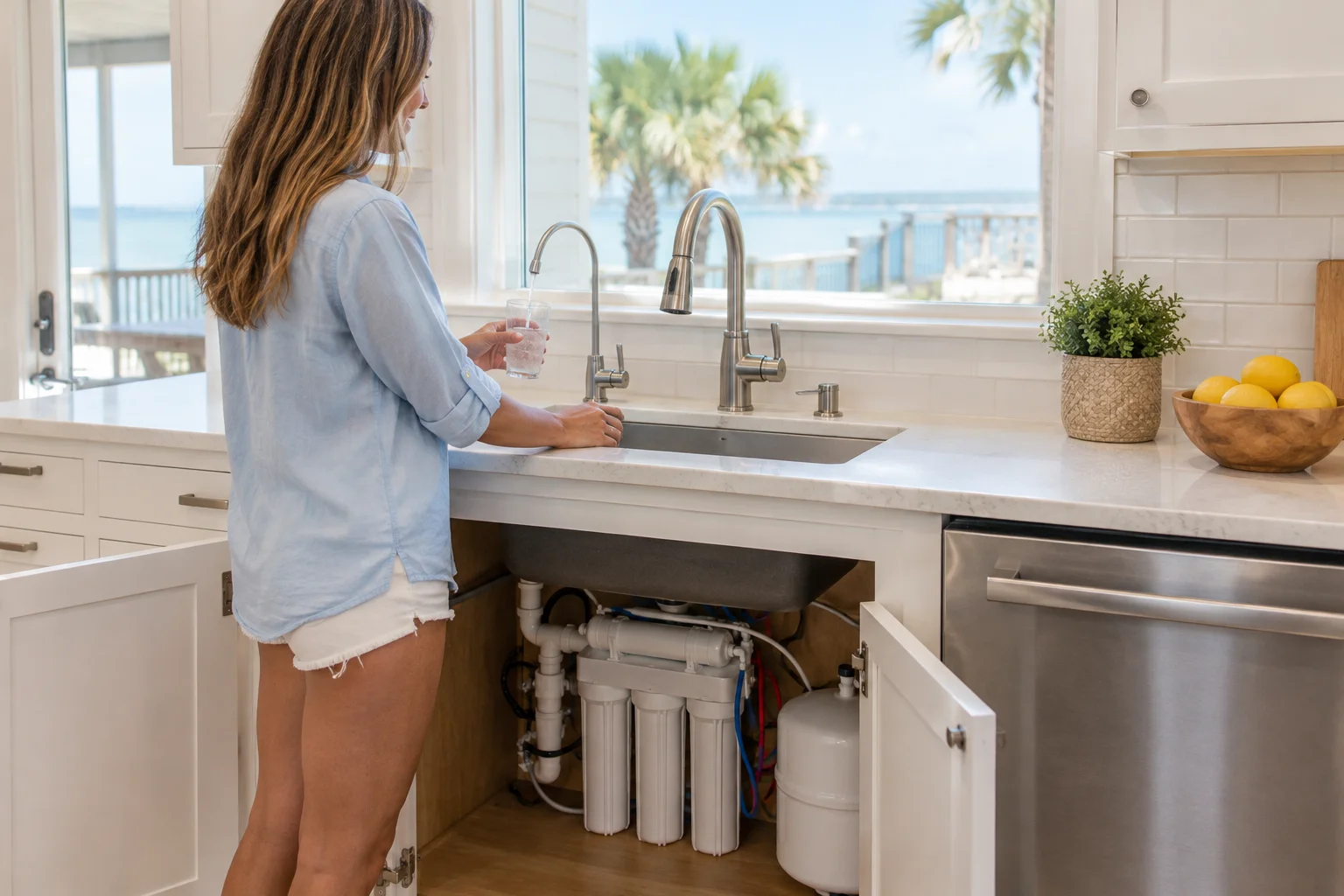
Most under-sink reverse osmosis systems push cold water through prefilters and a membrane. Treated water flows to a dedicated faucet, often through a storage tank, while a separate stream carries rejected dissolved substances to the drain. Tankless models work differently, so maintenance should always follow the specific manufacturer's instructions.
A Superior Mechanical provides reverse osmosis system installation, repair, and maintenance in Lower Grand Lagoon, including AO Smith solutions for homes, rentals, and businesses. A proper installation considers available space, supply pressure, shutoff access, drain configuration, and expected drinking water use.
RO treatment can reduce certain dissolved contaminants, depending on the system's certifications. It does not automatically make every water source safe, and a kitchen unit does not treat water throughout the house. Match equipment to water test results and verified treatment claims.
Why coastal homes benefit from regular checks
Lower Grand Lagoon's warm, humid climate makes an enclosed sink cabinet a poor place to ignore moisture. Small leaks can stay hidden behind cleaning supplies, and damp materials may develop odors or damage before anyone notices water on the floor. Humidity can also produce condensation, which needs to be distinguished from a leaking fitting.
Owner-occupied homes, vacation properties, and condos have different water-use patterns. A system that sits unused between visits needs different attention than one supplying a busy household every day. In shared buildings, plumbing work may also require coordination with property management.
Local service matters because access, occupancy, and existing plumbing vary from property to property. A Superior Mechanical's Lower Grand Lagoon plumbing services can address the RO unit alongside the fixtures, supply lines, and drains supporting it.
Find the source of an under-sink leak
Check connections without disturbing them
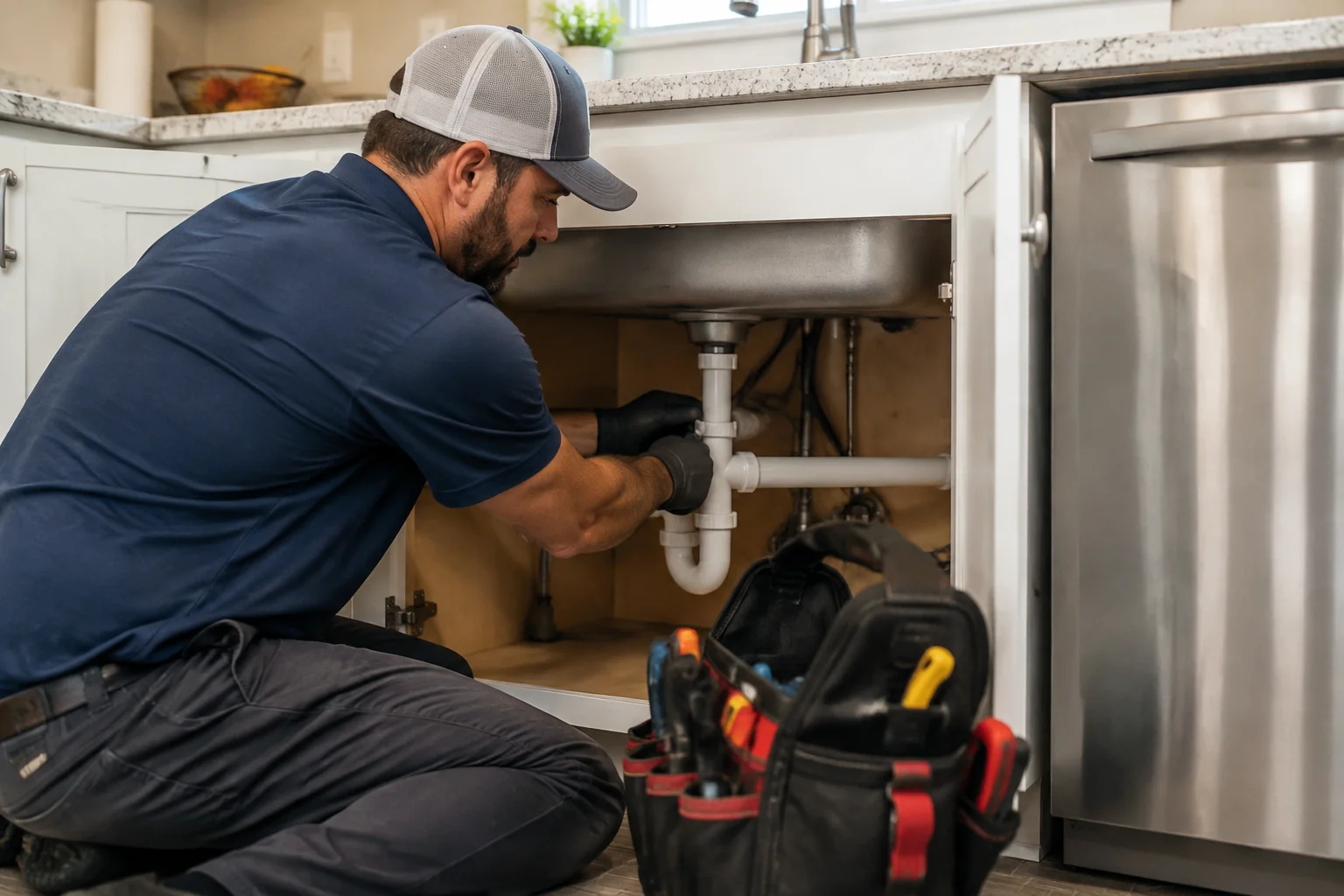
Use a flashlight to inspect filter housings, tubing connections, the feed-water valve, tank valve, and faucet base. Look for droplets, mineral residue, swollen cabinet material, or rust on nearby hardware. Dry accessible surfaces, then watch for returning moisture while the system operates.
Common causes include tubing that is not fully seated, damaged seals, cracked housings, and fittings stressed by stored items. A leak appearing after filter replacement may involve a misplaced O-ring or an incorrectly assembled housing. Tightening harder is not a reliable fix and can crack plastic components.
Contain the problem before troubleshooting
If water is actively leaking, close the RO feed valve and, on tank-equipped systems, the storage tank valve if you can safely identify them. A full tank can continue releasing water even after the incoming supply is closed. Follow the manufacturer's shutdown instructions and avoid loosening pressurized housings.
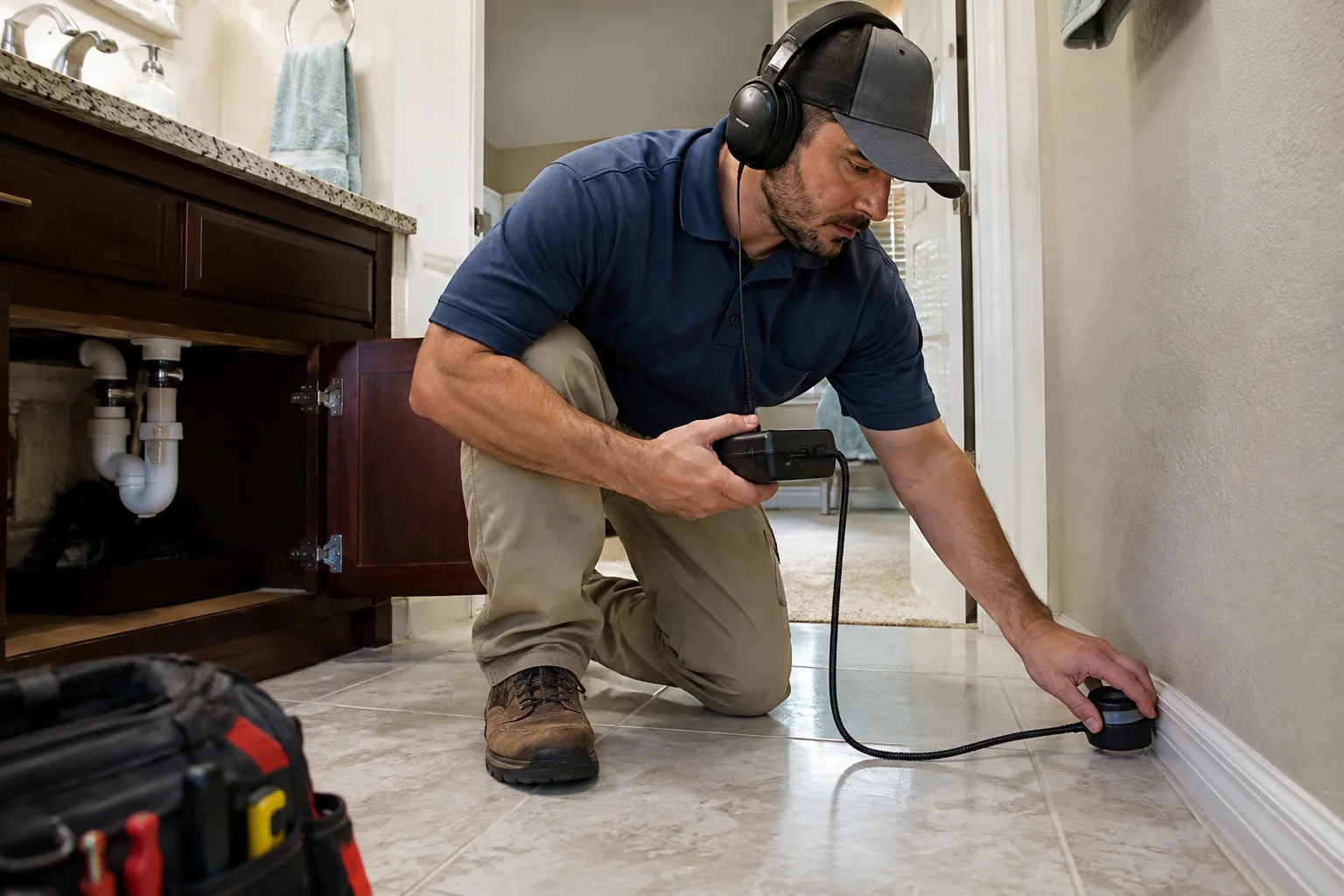
If the leak continues or the source is unclear, shut off the appropriate fixture supply or main water valve if safe. Keep away from wet electrical equipment. Homeowners searching for leak detection near me should mention whether moisture is confined to the RO cabinet or appearing elsewhere.
Low RO flow does not always mean low house pressure
A slow drinking-water faucet can result from clogged prefilters, a depleted tank, incorrect tank air pressure, membrane fouling, cold incoming water, or a restricted supply. Compare it with the kitchen's regular cold-water flow. If only the RO faucet is slow, start with the treatment system rather than assuming the whole house needs pressure adjustments.
Heavy use can temporarily empty a storage tank faster than the system refills it. Recovery time varies by model, temperature, and operating conditions. A plumber can compare actual performance with the manufacturer's specifications instead of guessing from faucet flow alone.
If multiple fixtures lose pressure, the issue may involve a supply restriction, pressure regulator, or leak. Excessively high pressure can also stress RO fittings, toilet fill valves, and faucet connections. Many plumbing codes require pressure reduction above 80 psi, but the system's own pressure limits and local requirements also apply.
Do not add air to an RO tank without following the specified procedure. Tank precharge is generally checked with the water side empty; measuring a full tank can produce misleading results.
Keep the RO drain connection working properly
An RO system normally sends some water to the drain while producing treated water. However, constant draining after a storage tank should be full can indicate a shutoff problem, check-valve fault, inadequate pressure, or another malfunction. Drain behavior varies by design, so an inspection should account for the model.
Watch for gurgling, backups, and air-gap leaks
Some systems use an air-gap faucet to help protect against drain-water backflow. Water escaping from its vent may indicate a blocked or improperly routed drain tube, a restricted connection, or a backed-up sink drain. Never plug the vent to stop the symptom.
The drain connection must follow manufacturer instructions and applicable plumbing requirements. Poor placement near a disposal, pinched tubing, or an unsuitable drainage arrangement can cause repeated trouble. Do not move or drill a new drain connection without confirming the correct configuration.
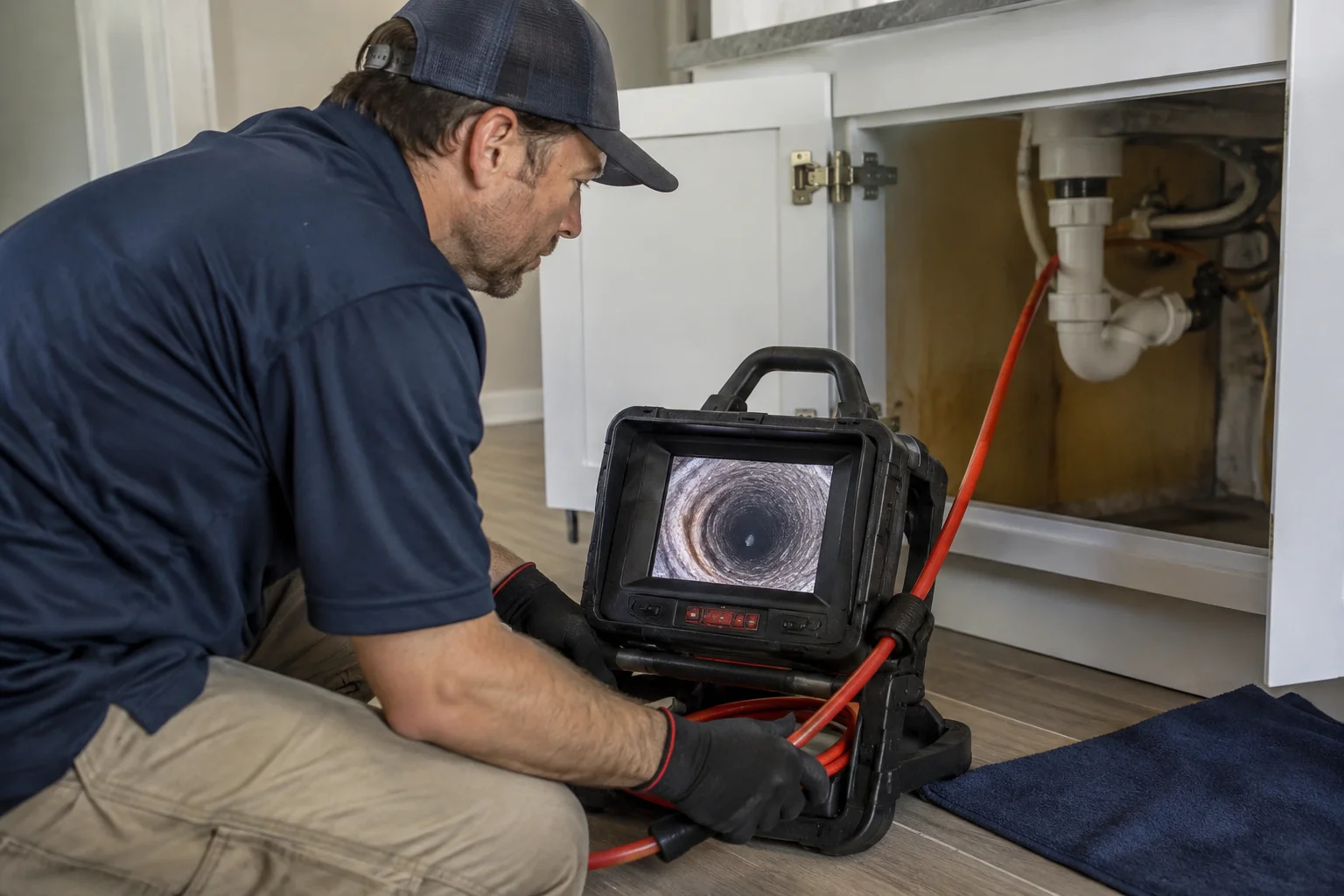
If the sink itself drains slowly, address that restriction too. A clogged drain repair near me search may lead to a problem beyond the RO equipment. Professional clogged drain and pipe cleaning can identify buildup without treating recurring backups as a filter problem.
Separate RO trouble from sewer and pipe problems
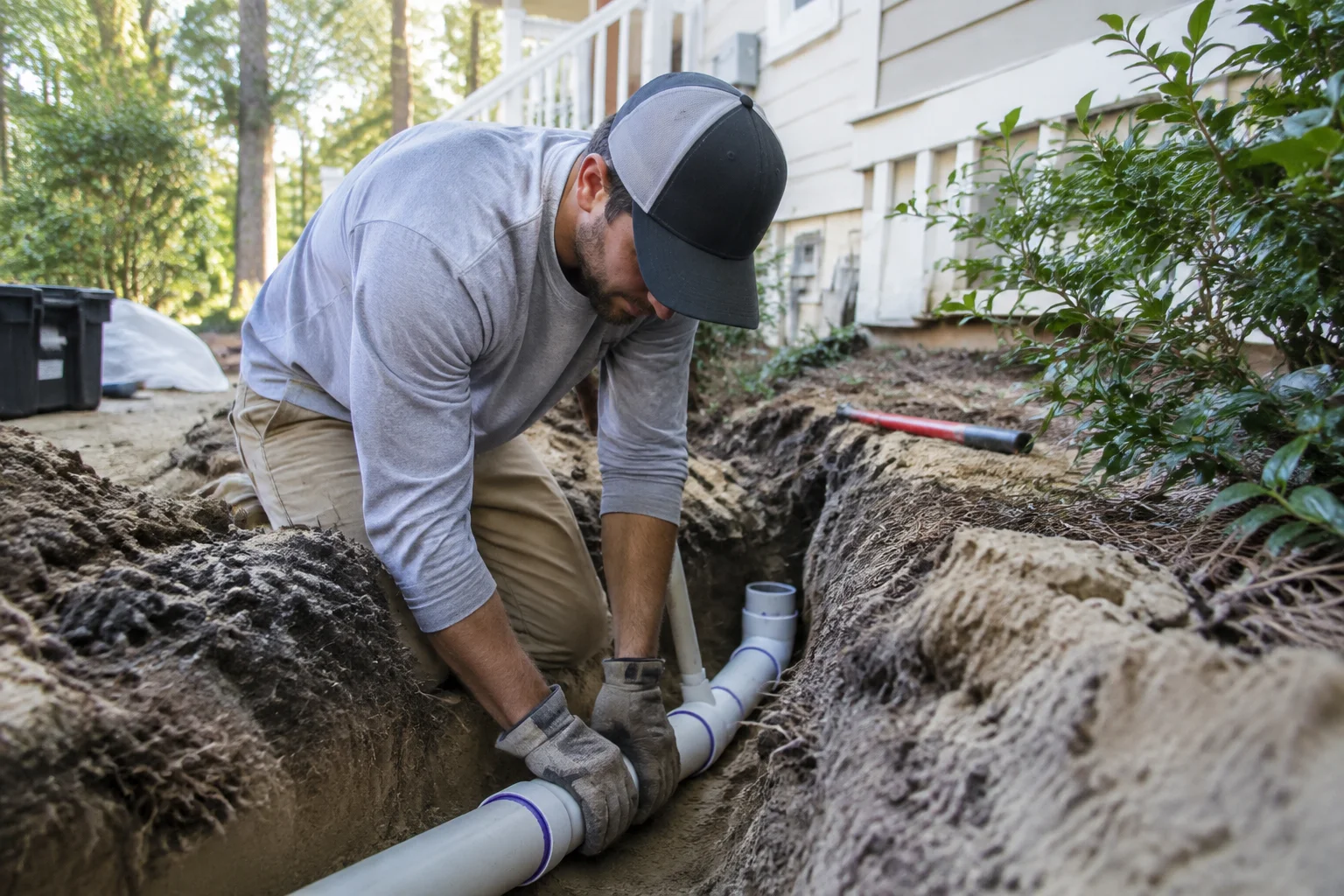
One noisy RO drain connection is different from several fixtures backing up together. A shower drain that rises when a toilet flushes, sewage entering a tub, or repeated blockages in different rooms can point to a shared drain or sewer line issue.
Stop unnecessary water use when wastewater is backing up. Avoid running the dishwasher or repeatedly flushing toilets to test the problem. A Superior Mechanical offers sewer repair and maintenance to investigate problems that filter changes cannot resolve.
Hidden supply leaks also deserve attention. An unexplained increase in water use, damp flooring, or the sound of running water with fixtures off may justify a broader inspection. In slab-on-grade homes, a concealed pipe leak can occur beneath the floor. These clues do not prove a slab leak, but persistent symptoms warrant professional testing.
Hard water, water heaters, and the limits of kitchen filtration
White deposits around faucets can suggest mineral buildup, but appearance alone does not establish water hardness. Source water conditions vary, and testing is more useful than assuming every Lower Grand Lagoon home needs the same equipment.
A point-of-use RO system may reduce minerals in drinking water, but it does not protect shower valves, toilets, or the water heater from untreated incoming water. If testing confirms a whole-home concern, water purification services can help determine whether additional treatment is appropriate.
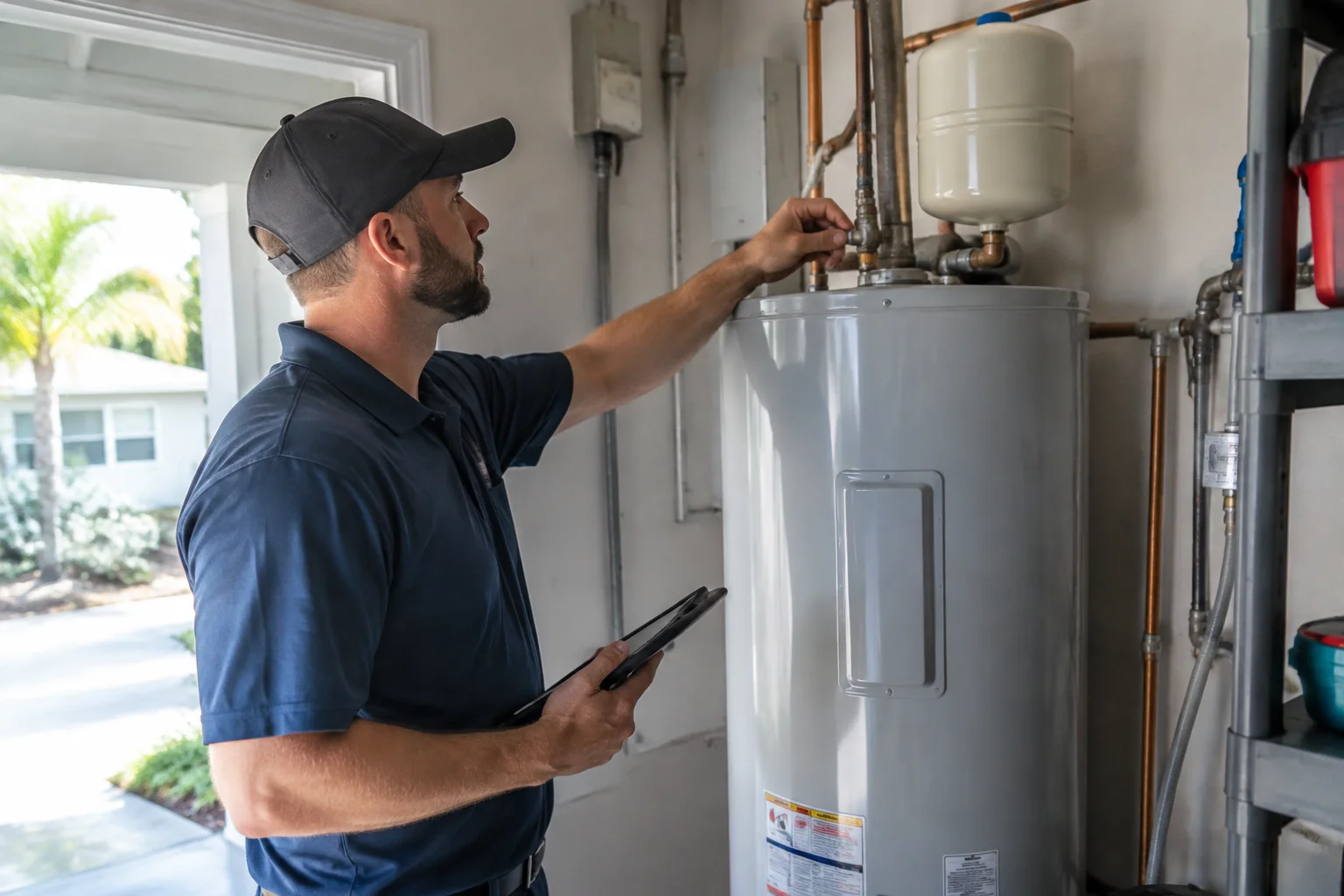
Connect a typical residential RO unit only to the approved cold-water supply. Hot water can damage components not designed for it. Water heater leaks, unstable hot-water temperatures, and sediment concerns require separate water heater service, not RO adjustments. Likewise, a dripping kitchen faucet or running toilet needs its own repair.
Our article on filtration and plumbing in Lower Grand Lagoon homes explains how treatment choices fit into broader plumbing care.
A maintenance routine that prevents surprises
Make visual inspections a habit
Check the cabinet periodically and after every filter replacement. Keep stored items away from tubing, leave valves accessible, and look for new moisture. A battery-powered leak alarm near the equipment can provide an early warning, although it does not replace inspections or automatically stop water unless designed to do so.
Follow the actual filter schedule
Replace prefilters and postfilters according to the manufacturer's schedule and actual water use. Membrane life depends on incoming water quality, pressure, and maintenance. Record service dates and use compatible replacement parts rather than choosing cartridges solely by appearance.
Sanitize the system and flush new components as directed. A handheld dissolved-solids meter can help track membrane performance when used correctly, but it cannot prove water is safe or detect every contaminant. Taste alone is not a reliable safety test either.
Plan for absences and storm interruptions
Before leaving a seasonal property, follow the manufacturer's shutdown guidance. After extended inactivity, follow the prescribed flushing, sanitation, or filter replacement procedure before drinking the water. During a boil-water advisory or suspected contamination event, do not assume an ordinary RO system makes the water safe. Follow utility and health-department instructions.
For a broader routine, see plumbing maintenance for Lower Grand Lagoon homes. Combining RO checks with supply-line, faucet, and toilet inspections makes small issues easier to catch.
Bring in a plumber before a small problem spreads
Arrange professional service for recurring leaks, cracked housings, persistent drain discharge, unreliable pressure, or water that changes unexpectedly after maintenance. If you are searching for plumbing repair near me, describe the symptoms, system model, last filter change, and whether other fixtures are affected. Photos of the installation can also help explain the situation.
Active flooding, sewage backups, or a leak you cannot isolate calls for urgent help. Shut off water if safe and contact an emergency plumber rather than continuing to use affected fixtures. Avoid entering standing water near electrical equipment.
For a new purchase or a home with several recurring problems, a home plumbing inspection near me search can be a useful starting point for evaluating pipes, fixtures, pressure, and treatment equipment together. A Superior Mechanical serves Bay County properties and can assess how an RO system fits the home's existing plumbing.
Whether you need an AO Smith installation, replacement filters, or help tracing a stubborn leak, schedule service with A Superior Mechanical. The goal is dependable drinking water with accessible shutoffs, sound connections, and a drain arrangement that works properly.
Find Reverse Osmosis Systems in Lower Grand Lagoon, FL
If you need Reverse Osmosis Systems in Lower Grand Lagoon, FL, visit our local service page or contact A Superior Mechanical today.
Map of Lower Grand Lagoon, FL
Frequently Asked Questions
Why does my reverse osmosis system keep sending water to the drain?
Some drain flow is normal while an RO system produces treated water. On a tank-equipped model, continued draining after the tank should be full may indicate low supply pressure, a shutoff valve problem, a faulty check valve, or another issue. A plumber can check operation against the specific model's requirements.
Will an under-sink RO system protect my water heater from hard water?
No. A typical under-sink RO system treats water delivered to its dedicated drinking-water faucet, not the supply serving your water heater, showers, or toilets. Water testing can help determine whether separate whole-home treatment is appropriate.
What should I do if my reverse osmosis system leaks under the sink?
If you can safely identify them, close the RO feed valve and the storage tank valve, following the manufacturer's instructions. If leaking continues, isolate the fixture supply or shut off the main water valve if safe. Avoid wet electrical equipment and have damaged housings, tubing, or fittings inspected before restarting the system.
Related Articles
- A Homeowner’s Guide to Better Reverse Osmosis Systems in Lower Grand Lagoon, FL
- Why Better Plumbing Maintenance Pays Off for Lower Grand Lagoon Homes
- Cleaner Water, Better Plumbing: Why Filtration Matters in Lower Grand Lagoon Homes
- Cleaner Water, Easier Plumbing: Why Better Reverse Osmosis Systems Fit Seaside Homes
Photo Gallery