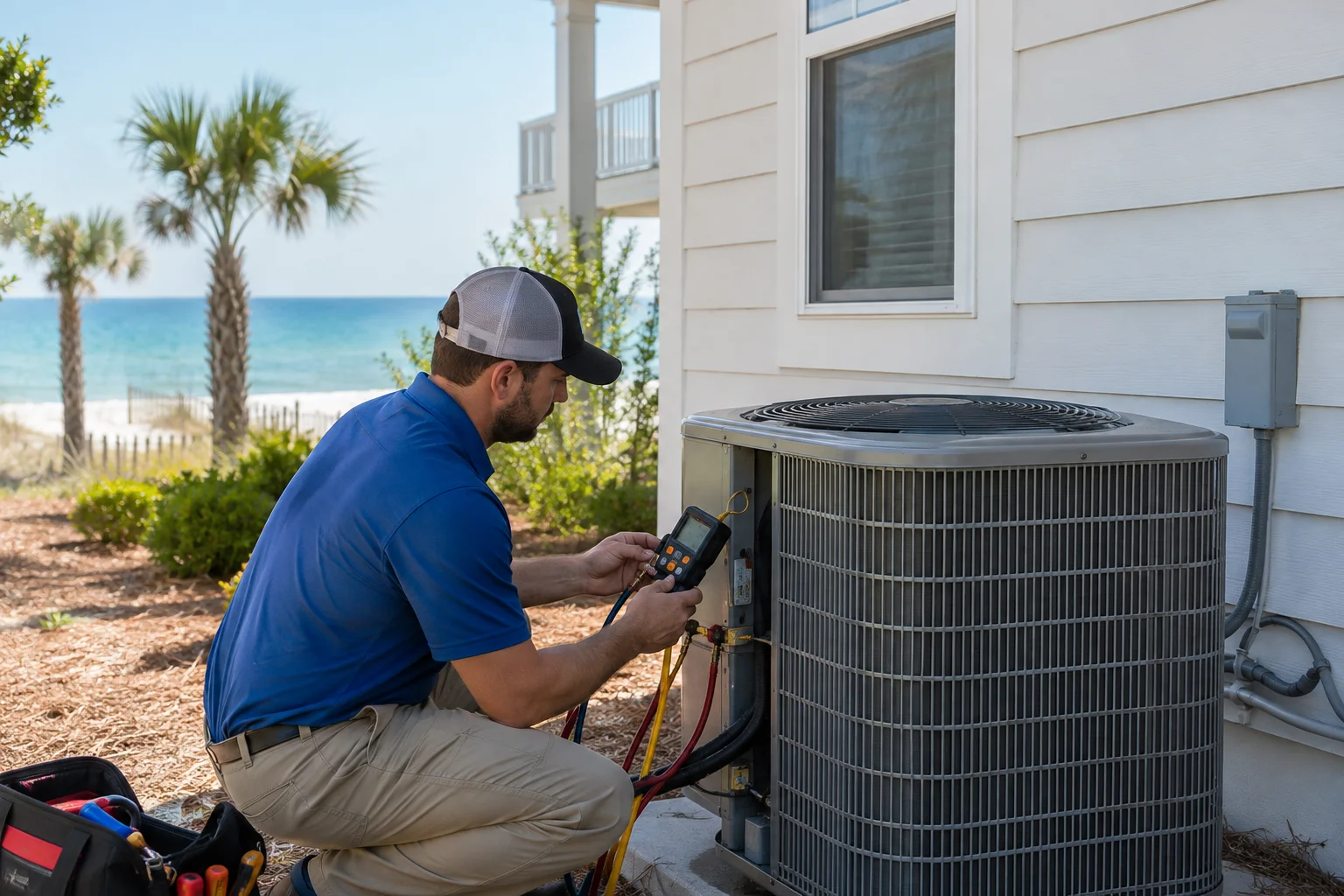
A new air conditioner should do more than lower the thermostat reading. It should cool the back bedroom, manage sticky indoor air, and move air through the house without excessive noise. In Panama City Beach, FL, those details matter because cooling equipment faces long operating seasons, heavy humidity, and coastal exposure.
The best replacement plan starts with the house, not a model number. For homeowners considering air conditioning replacement in Panama City Beach, A Superior Mechanical is a local resource for discussing equipment upgrades alongside airflow, moisture control, and maintenance needs.
Why Coastal Comfort Requires a Whole-System Approach
Bay County's hot, humid weather puts two demands on an air conditioner: removing heat and removing moisture. A system can satisfy the thermostat while leaving rooms clammy, especially when it cools too quickly or receives humid air through leaking ducts.
Salt air can accelerate corrosion on outdoor condensers, while storms can leave debris around equipment or expose low-lying installations to flooding. Older homes may have aging ductwork and uneven insulation. Newer homes can still have comfort problems when equipment sizing, ventilation, or controls do not match actual conditions.
Local HVAC service matters because installation details must suit both the building and its surroundings. A replacement recommendation should account for coastal exposure, drainage, equipment access, and how the household uses each room.
Decide Whether the Problem Calls for Repair or Replacement
Age alone does not settle the question. Compare the system's condition, repair history, comfort performance, and likely repair costs. An older unit with repeated refrigerant leaks and worsening corrosion presents a different decision than a sound system with a failed capacitor.
Problems worth diagnosing before replacing equipment
Weak cooling can come from a dirty filter, blocked evaporator coil, thermostat fault, restricted airflow, or electrical component failure. Homeowners searching for air conditioning repair near me should expect diagnosis before a recommendation to replace the entire system. Even substantial comfort complaints sometimes have a repairable cause.
Conditions that strengthen the replacement case
Replacement becomes more reasonable when major components are deteriorating, repairs recur, or the system cannot meet the home's needs after underlying airflow problems are addressed. If you are comparing options after searching for ac replacement near me, request written repair and replacement scopes rather than choosing from equipment prices alone.
Size the New AC for Today's House
Replacing an existing unit with the same capacity is not always the right choice. The old system may have been oversized, or the house may have changed since its installation. New windows, insulation improvements, remodels, and additions can alter cooling requirements.
A residential load calculation should consider square footage, ceiling heights, insulation, window exposure, air leakage, and other building characteristics. Room-by-room needs also matter. A sunny upstairs bedroom may need a different airflow solution than a shaded living room.
Oversized equipment can cycle off before removing enough moisture. Undersized equipment may struggle to maintain temperature during peak conditions. Long cycles alone are not proof of undersizing, however. Properly selected variable-capacity equipment often runs longer at reduced output to maintain steady comfort.
Check Ductwork Before Buying More Cooling Capacity
A new condenser cannot overcome a poorly performing air distribution system. Leaking supply ducts can lose cooled air into an attic. Return-side leaks can pull hot, humid, dusty air into the equipment. Crushed flexible ducts, undersized returns, and restrictive grilles can limit performance even when the cooling components work correctly.
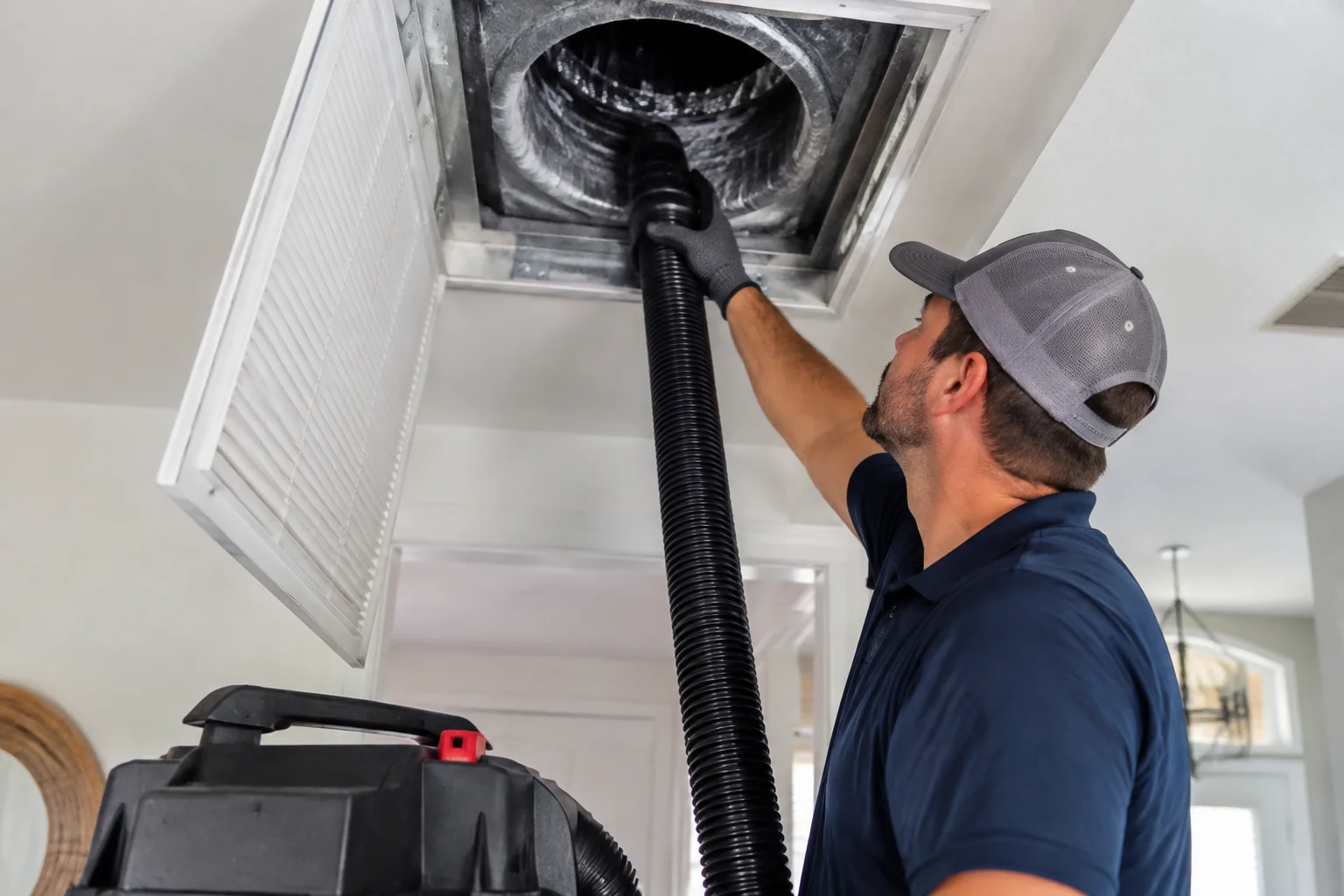
Ask the contractor to evaluate accessible ductwork, measure static pressure, and check airflow against equipment requirements. Ductwork repair and duct sealing may belong in the replacement scope, especially if some rooms have always been uncomfortable.
Homeowners searching for air duct repair near me often describe the same symptoms as people considering a new AC: hot rooms, noisy vents, or long cooling cycles. Identifying the cause first prevents paying for new equipment while leaving the original problem untouched.
Keep supply and return paths open
Furniture should not block vents or return grilles. Bedrooms with closed doors need a suitable return-air pathway. Closing multiple supply vents to redirect cooling can increase system resistance and make airflow problems worse.
Make Humidity Control Part of the Specification
Indoor humidity affects comfort, odors, and building materials. Persistent moisture can also support mold growth. A practical goal is generally around 40 to 50 percent relative humidity when achievable, while keeping levels below 60 percent. A separate hygrometer helps verify conditions rather than relying on how the air feels.
Variable-speed air handlers and compatible controls can improve moisture removal when properly selected and configured. They cannot compensate for every source of humidity, such as duct leaks, open windows, or uncontrolled outdoor-air infiltration.
Some homes benefit from whole-home dehumidifier installation, particularly during mild but humid weather when little cooling is needed. The decision should follow an assessment of moisture sources and equipment operation. Simply lowering the thermostat may make the house colder without resolving the underlying problem.
Choose Compatible Equipment, Not Just a Higher Efficiency Rating
The outdoor unit, evaporator coil, air handler or furnace blower, and controls must work together. A properly matched combination supports rated performance and reliable operation. Ask the contractor to identify the proposed equipment pairing and explain what will be replaced or retained.
SEER2 ratings help compare seasonal cooling efficiency under standardized conditions. Actual energy use also depends on duct losses, thermostat settings, insulation, installation quality, and maintenance. A higher rating does not guarantee a particular reduction in your utility bill.
Discuss refrigerant requirements as well. Refrigerants are not interchangeable, and newer equipment may require different installation procedures or safety provisions. Existing refrigerant lines should be evaluated for compatibility, condition, sizing, and manufacturer requirements rather than automatically reused.
Heat pumps and existing furnaces
A heat pump can provide cooling and heating through one system, making it worth considering in Panama City Beach's relatively mild winters. Homes retaining a furnace need compatible cooling equipment and blower performance. Include any unresolved heating repair, heat pump repair, or furnace service concerns in the replacement discussion.
Use Controls and Zoning to Solve Specific Comfort Problems
Thermostat installation deserves attention during replacement. A thermostat near direct sunlight, a supply vent, or a draft may misread household conditions. Smart features are useful only when the control supports the equipment's staging, variable-capacity operation, and humidity functions.
Ask whether compatible heating and cooling controls would improve operation. Avoid aggressive temperature setbacks that leave the home uncomfortably humid, especially during extended absences.
Zoning can help separate upstairs and downstairs needs, but it requires suitable equipment and duct design. For an addition, converted garage, or isolated room, ductless mini splits may be more practical than extending an already strained central system. Placement, condensate drainage, and ongoing filter access still need careful planning.
Protect the Installation From Coastal Exposure
The outdoor unit needs a stable location with manufacturer-required clearances for airflow and service. Landscaping should not crowd the condenser. Avoid enclosing operating equipment in a tight cover or decorative surround that traps discharge air.
Ask about corrosion-resistant features and manufacturer-approved coil care for salt exposure. No finish eliminates the effects of coastal conditions. Gentle freshwater rinsing may be appropriate when the manufacturer allows it, but pressure washing can damage fins and components.
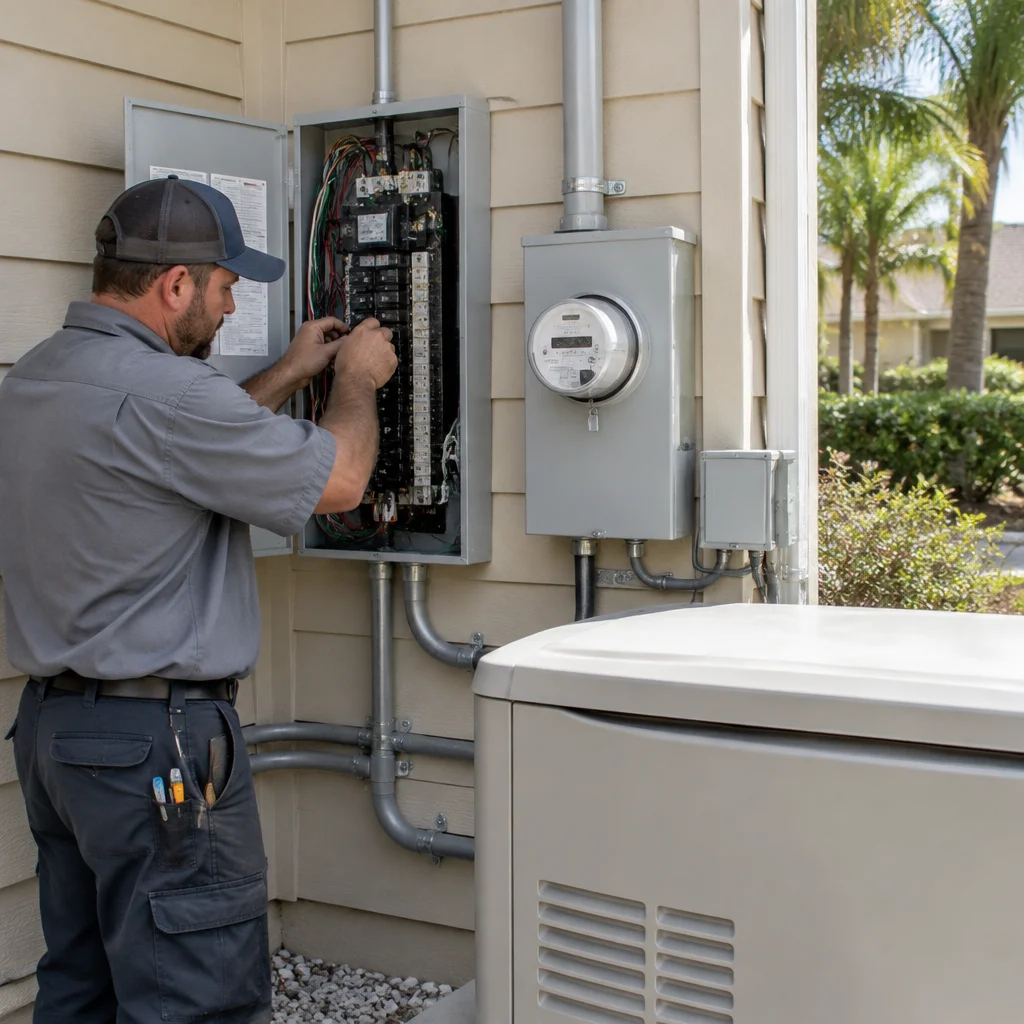
Storm planning should include compliant anchoring and an evaluation of flood exposure and elevation requirements where applicable. After flooding or visible storm damage, do not restart equipment until it has been professionally inspected. Water-damaged electrical components can remain unsafe after surfaces appear dry.
Do Not Overlook Drainage and Indoor Air Quality
Cooling systems remove substantial moisture from indoor air. That water must leave through a properly installed condensate drain line. During replacement, the contractor should evaluate drainage, accessible cleaning points, the drain pan, and overflow protection appropriate to the installation.
A clogged drain can stop cooling or damage ceilings and flooring. If water appears around an air handler, turn the system off and arrange service rather than repeatedly resetting it. Water near electrical components requires particular caution.
For indoor air quality, start with effective filtration, clean coils, moisture control, and sound ductwork. Choose filters that the blower and filter cabinet can accommodate without excessive restriction. More restrictive filtration is not automatically better. Musty odors deserve investigation because a new air conditioner will not remove existing mold or repair moisture-damaged materials.
Compare Installation Details and Plan Around Seasonal Demand
Spring and summer heat can increase demand for local HVAC contractors throughout Bay County. Planning before a complete failure gives you more time to compare equipment, understand financing terms if offered, and schedule work without an emergency deadline.
For homeowners searching for central ac installation near me, a useful estimate should identify equipment models, duct modifications, thermostat work, drainage provisions, applicable permits, equipment disposal, and warranty terms. Ask about labor coverage separately from the manufacturer's equipment warranty.
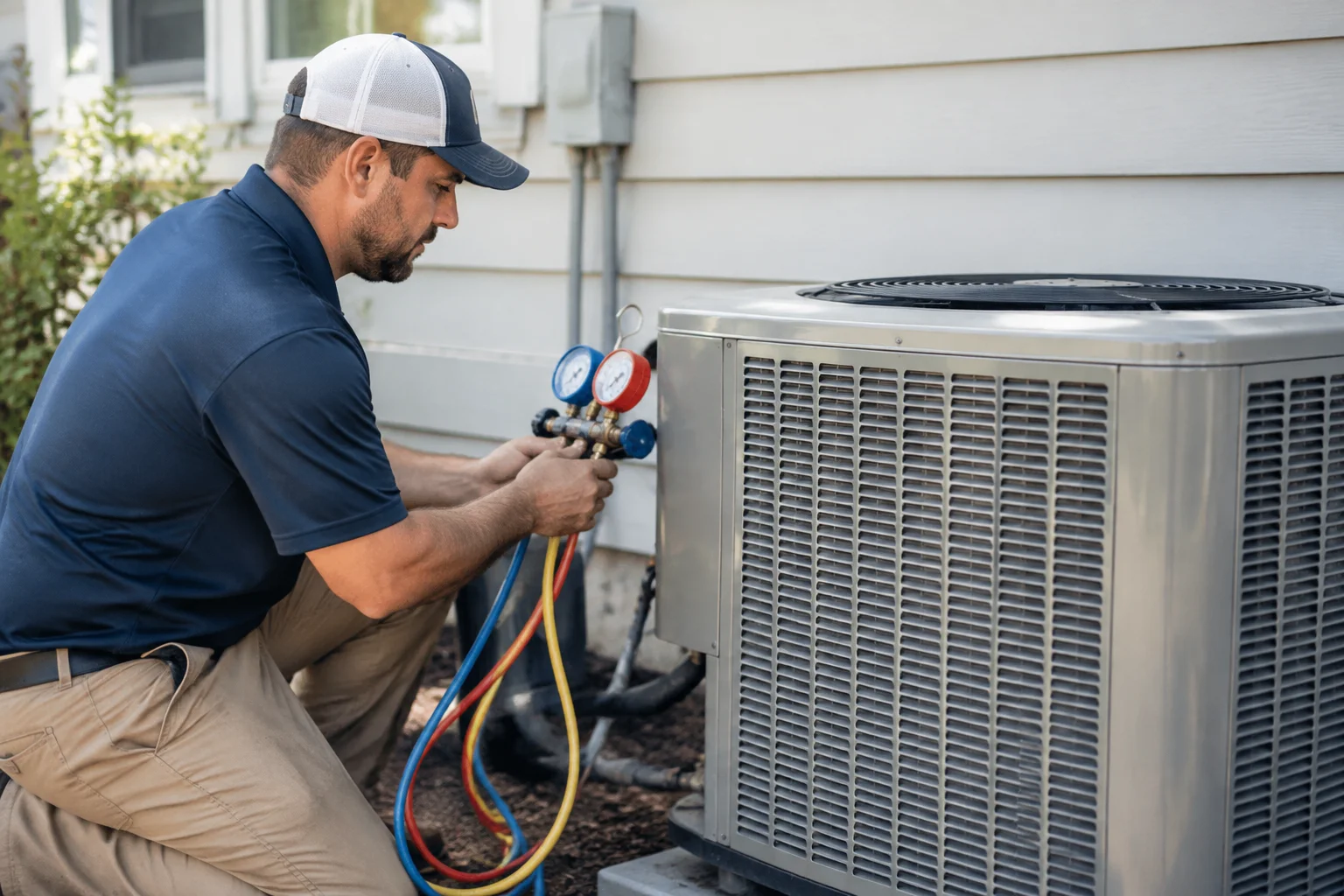
Startup checks should include airflow verification, refrigerant setup according to manufacturer procedures, drainage testing, and confirmation of control operation. A walkthrough should explain filter replacement, thermostat use, and maintenance access. These details often matter more to everyday comfort than a small difference in advertised efficiency.
Preserve Performance After Replacement
Schedule air conditioning maintenance in Panama City Beach according to equipment recommendations and operating conditions. Long cooling seasons, pets, renovation dust, and coastal exposure can change how quickly filters and coils need attention.
Check filters regularly, keep vegetation away from the outdoor unit, and watch for changes in airflow, noise, humidity, or drainage. Professional maintenance can address coil condition, electrical connections, refrigerant performance, and condensate operation. Refrigerant is not normally consumed during use, so a low charge calls for investigation rather than routine topping off.
Stop operation and seek prompt service for smoke, a burning smell, repeated breaker trips, severe icing, or water near electrical parts. Leave the home and contact emergency services if there is an active fire. Never keep resetting a breaker to force cooling.
Build Your Replacement Plan Around Real Comfort Needs
Before scheduling an estimate, note which rooms stay warm, when humidity feels highest, and which repairs the system has needed. Gather available equipment records and mention planned additions or renovations. That information helps shape a more useful recommendation.
A Superior Mechanical's Panama City Beach HVAC service information and Bay County service area page provide local starting points. Request an AC replacement assessment that considers sizing, ductwork, drainage, controls, and coastal protection together, so the new system addresses the reasons your home needs an upgrade.
Find Air Conditioning Replacement in Panama City Beach, FL
If you need Air Conditioning Replacement in Panama City Beach, FL, visit our local service page or contact A Superior Mechanical today.
Map of Panama City Beach, FL
Frequently Asked Questions
Should I replace my AC if it still runs but struggles with humidity?
Not necessarily. High indoor humidity can result from oversized equipment, incorrect airflow, leaking ducts, or outdoor-air infiltration. Have those conditions evaluated before replacing a working system. Depending on the findings, repairs, control adjustments, a properly sized replacement, or a whole-home dehumidifier may be appropriate.
Does AC replacement in Panama City Beach require new ductwork?
Not every replacement requires new ducts. Existing ductwork should be checked for leakage, deterioration, sizing, and airflow capacity. Targeted duct sealing or repairs may be enough, while severely damaged or poorly designed sections may need replacement to support the new equipment.
How can I protect a replacement air conditioner from coastal weather?
Keep the outdoor unit clear of vegetation and debris, follow manufacturer-approved cleaning instructions, and schedule regular maintenance. Ask your contractor about corrosion-resistant features, compliant anchoring, and flood exposure. After flooding or significant storm damage, leave the system off until a qualified professional inspects it.
Related Articles
Photo Gallery