A comfortable commercial building should not have a freezing reception area, a stuffy back office, and windows collecting condensation. Yet those problems often share the same root: HVAC equipment that is not working well with the building around it.
In Panama City, long cooling seasons, coastal humidity, and changing occupancy make that relationship especially important. A Superior Mechanical provides commercial HVAC services in Panama City, FL, including repair, maintenance, installation, replacement, and indoor air quality solutions. Good planning connects those services to how a business actually operates, rather than treating every comfort complaint as a reason to lower the thermostat.
Start With the Building, Not Just the Equipment
An office, restaurant, retail store, and multi-unit property can have very different cooling needs even when their floor areas match. People, cooking equipment, lighting, glass exposure, business hours, and outdoor ventilation all affect the load. Frequent door openings also bring warm, moist air inside.
A useful assessment starts with a comfort history. Which rooms get warm? Does the problem appear after lunch, during busy hours, or after closing? Have utility bills increased without a change in operations? These observations help a contractor distinguish an equipment fault from a control, ventilation, or ductwork problem.
Homeowners who also manage rental buildings or run businesses from converted homes will recognize many of these issues. Older homes converted into offices may have duct systems designed for residential occupancy. Newer homes and commercial spaces can still develop problems when layouts, schedules, or ventilation requirements change.
Coastal Weather Changes the Maintenance Priorities
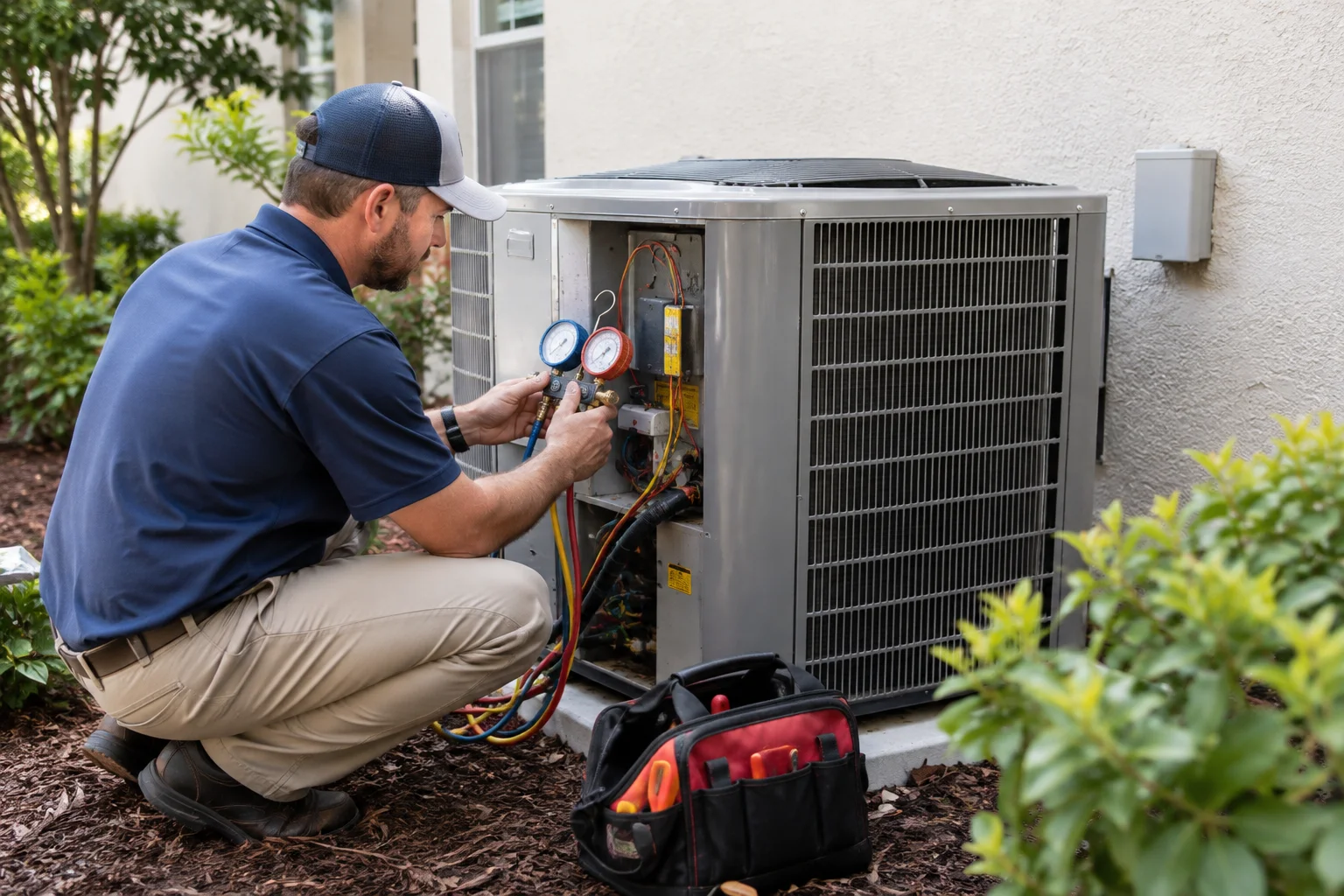
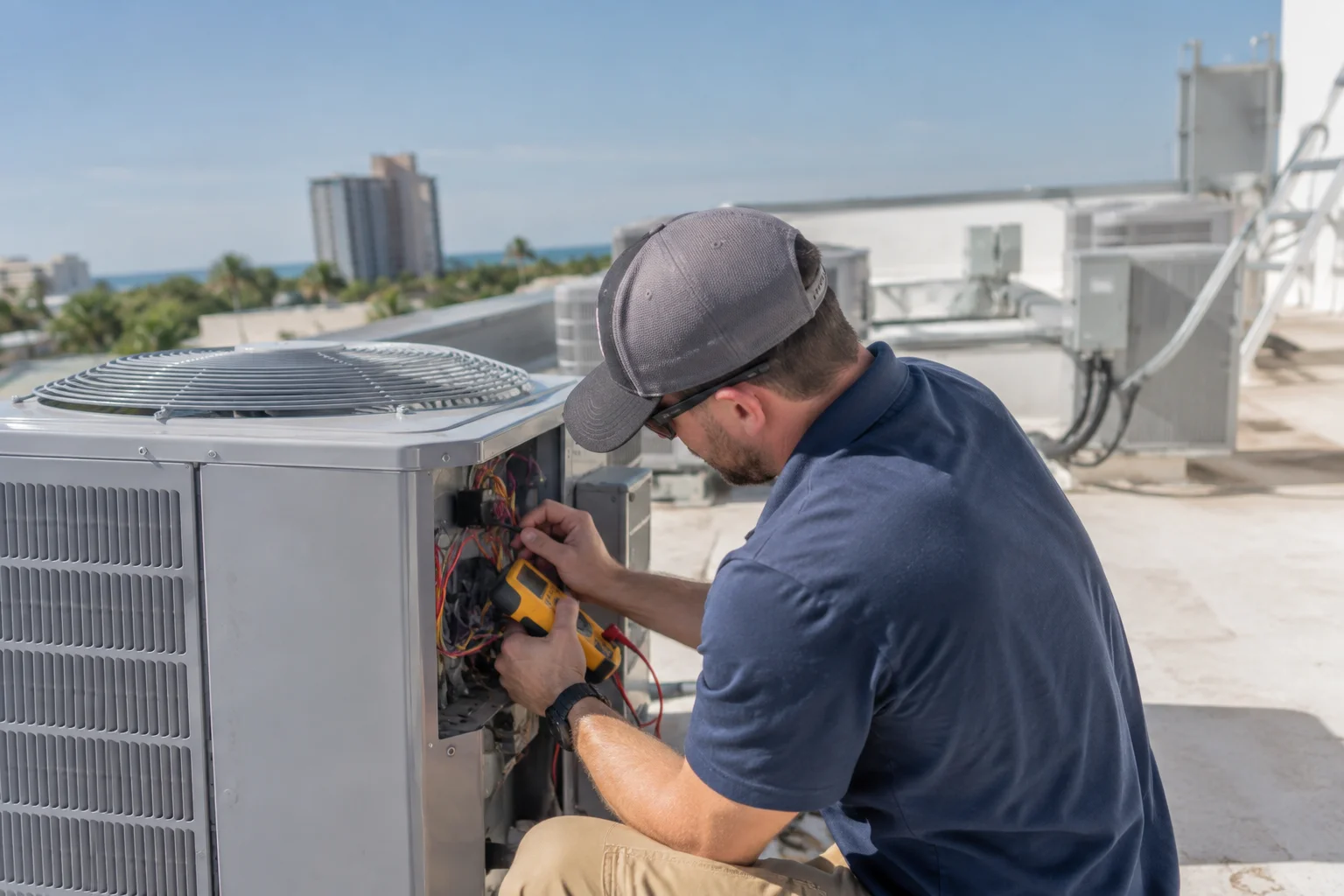
Panama City's hot, humid weather keeps air conditioning systems working for much of the year. Coastal salt air can accelerate corrosion on outdoor units, condenser coils, cabinets, and exposed connections. Exposure varies by location, wind, equipment placement, and surrounding buildings, so maintenance should reflect the actual site.
Storms add another concern. Windblown debris can obstruct condensers, and heavy rain can expose drainage or mounting problems. Keep vegetation and stored materials outside the manufacturer's required clearance. A technician can recommend appropriate coil cleaning and corrosion protection without damaging delicate fins or applying incompatible products.
Local HVAC service matters because the contractor needs to consider these conditions alongside seasonal demand. Scheduling evaluations before the busiest cooling periods leaves more room for planned repairs. Property owners can explore HVAC service in Panama City and coordinate maintenance for additional locations across Bay County.
Airflow Problems Often Look Like Cooling Failures
A system can produce cold air and still fail to deliver comfort. Restricted filters, dirty evaporator coils, blower problems, crushed flexible ducts, and leaking duct connections can reduce delivery to occupied rooms. Poor return airflow can create pressure differences and leave individual spaces uncomfortable.
Notice the pattern before requesting a repair
Weak airflow throughout the building suggests a different problem than one warm conference room. Whistling near a return grille, doors that pull shut, and rooms that become stuffy when doors close can point toward airflow restrictions or pressure imbalances. Blocked vents and furniture placed against returns are simple issues to check first.
Business owners searching for HVAC service near me should describe these patterns instead of simply reporting that the AC is weak. A technician may need to measure static pressure, inspect blower operation, and evaluate supply and return pathways before recommending changes.
Repair ducts where the evidence points
Leaks outside the conditioned space can waste cooled air or draw unwanted air into the system. Duct sealing and Aeroseal services may help when testing confirms leakage and the duct system is suitable. Disconnected sections, damaged insulation, and undersized returns may require physical ductwork repair or redesign instead. Sealing alone does not correct every airflow problem.
Humidity Needs Its Own Plan
Temperature and humidity are related, but they are not interchangeable. A space can reach its thermostat setting and still feel clammy. Musty odors, persistent window condensation, damp ceiling areas, and complaints about sticky indoor air deserve investigation, especially if cooling performance otherwise seems normal.
Possible causes include oversized equipment that cycles too quickly, excess outdoor air infiltration, inadequate moisture removal, duct leakage, or controls that do not match operating hours. In restaurants, exhaust and makeup air must also work together. Excessive negative pressure can pull humid outdoor air through doors and building gaps.
For many occupied spaces, roughly 40 to 60 percent relative humidity is a useful comfort range, though the right target depends on building conditions and use. Consistently elevated readings warrant attention. A contractor may recommend control adjustments, ventilation corrections, dedicated dehumidification, or equipment changes after evaluating the moisture source.
The same principles apply to local homes with clammy bedrooms or uncomfortable additions. Our guide to planning air conditioning systems in Panama City explains why cooling capacity, air distribution, and moisture control need to work together.
Know Which Symptoms Need Prompt Professional Attention
A sudden loss of cooling during occupied hours can disrupt business quickly. Before calling, check the thermostat mode, schedule, and accessible filter. Do not repeatedly reset a tripping breaker, open equipment panels, or keep operating a system with ice forming on refrigerant lines.
People searching for air conditioner repair near me should report whether the outdoor unit runs, whether indoor airflow continues, and whether there is ice or water near the air handler. These observations help guide diagnosis, but they do not establish the cause. Frozen coils can result from airflow problems or refrigerant issues.
Refrigerant leaks require professional leak diagnosis and an appropriate repair plan, not repeated topping off without investigation. Grinding noises, burning odors, smoke, or water near electrical components require immediate caution. Shut the system off if it is safe. For smoke, fire, a gas odor, or a carbon monoxide alarm, leave the affected area and contact emergency services or the gas utility as appropriate.
When searching for emergency HVAC repair near me, confirm availability directly and explain any safety concerns first. After flooding, leave affected equipment off until it has been evaluated. Rooftop access and storm-damaged equipment are not safe do-it-yourself inspection tasks.
Maintenance Should Follow Usage and Risk
A commercial HVAC maintenance plan should account for operating hours, equipment type, filter loading, occupancy, and environmental exposure. A busy restaurant may need attention at different intervals than a small office. Manufacturer requirements and documented equipment condition should guide the schedule.
Filters, coils, and drainage
Inspect filters regularly and replace them based on loading and system requirements. Installing a more restrictive filter without checking airflow can cause problems. Technicians should assess evaporator coils, condenser coils, blower components, condensate pans, and drain lines. Restricted drainage can lead to water damage or safety switch shutdowns.
Controls and operating performance
Maintenance should also verify thermostat accuracy, operating sequences, electrical connections, and system performance using appropriate measurements. Refrigerant charge should be evaluated when operating conditions and symptoms justify it. Keeping service records makes recurring faults easier to identify and helps separate routine wear from a larger system problem.
For owners comparing HVAC maintenance near me, ask what the proposed service includes, how findings are documented, and which repairs require approval. A useful visit should produce clear observations and priorities, not just a vague statement that the equipment was checked.
Thermostats and Zoning Should Match Real Occupancy
Thermostat installation is more than choosing a screen with convenient features. Location, sensor accuracy, equipment compatibility, and programming all matter. A thermostat near direct sunlight, an exterior door, or a heat-producing appliance may not represent conditions where people work.
Commercial schedules should balance energy efficiency with humidity control and recovery time. Aggressive temperature setbacks can leave a building uncomfortable at opening or allow moisture levels to rise. Fan settings also matter because continuous fan operation can, in some systems and conditions, reintroduce moisture from a wet coil.
Buildings with rooms that operate on different schedules may benefit from zoning. VRF multi-zone systems can serve certain commercial layouts well, while ductless mini splits may suit isolated offices or additions. Neither approach automatically supplies required outdoor ventilation, so fresh air needs must be planned separately.
Remodels and Replacements Are Opportunities to Correct Old Problems
Moving walls, enclosing a porch, adding a treatment room, or expanding a storefront changes how air moves. Remodels and additions can increase loads or isolate a room from its return pathway. Simply extending an existing duct may leave both the original space and the addition underserved.
For major changes, request load calculations and an evaluation of duct capacity, ventilation, humidity control, and equipment condition. The planning behind new construction air conditioning is valuable early, before ceilings close and equipment locations become difficult to change.
Replacement decisions should weigh repair history, corrosion, downtime, parts availability, refrigerant type, and operating costs. Bigger equipment is not automatically better. A properly evaluated air conditioning replacement should address the system around the equipment, including controls and ducts.
For another coastal perspective, our article on AC replacement planning in Panama City Beach covers why replacing the unit alone may leave comfort problems unresolved.
Do Not Overlook Heating or Indoor Air Quality
Panama City has a cooling-dominated climate, but cool weather still exposes heating problems. Heat pumps need proper controls, defrost operation, and backup heat performance. Furnaces require service appropriate to their fuel type, including combustion safety checks where applicable. Schedule heating repair or heat pump repair before a cold morning disrupts opening hours.
Indoor air quality also depends on more than an accessory. Source control, appropriate ventilation, filtration, moisture management, and clean equipment come first. Air cleaners may help with certain airborne particles when correctly selected, but they cannot repair a wet duct, eliminate a refrigerant leak, or replace required ventilation.
Build a Practical Service Plan With A Superior Mechanical
Start with the problems people notice, then support decisions with measurements. Record comfort complaints, keep filters accessible, maintain clear space around outdoor equipment, and save repair history. For multi-unit buildings, identify which system serves each space and who can authorize service.
A Superior Mechanical helps Panama City businesses plan commercial HVAC repairs, maintenance, replacements, and indoor air quality improvements. Request an assessment that considers comfort, airflow, humidity, operating schedules, and equipment condition together. That gives your business a practical basis for deciding what needs attention now and what can be budgeted for later.
Find Commercial HVAC Services in Panama City, FL
If you need Commercial HVAC Services in Panama City, FL, visit our local service page or contact A Superior Mechanical today.
Map of Panama City, FL
Frequently Asked Questions
How often should commercial HVAC equipment be serviced in Panama City?
Many systems benefit from professional checks before the main cooling and heating seasons, but commercial service intervals should reflect operating hours, manufacturer guidance, salt exposure, and filter loading. Restaurants and heavily used properties may need more frequent inspections. Filters and condensate drainage may also need attention between scheduled visits.
Why does my commercial space feel humid even when the AC is cooling?
Possible causes include short cycling, outdoor air infiltration, duct leakage, ventilation imbalances, or control settings that limit moisture removal. A technician should measure humidity and evaluate equipment operation, airflow, and ventilation before recommending dehumidification or replacement.
Should I repair or replace an older commercial HVAC system?
Compare the immediate repair cost with equipment condition, recurring failures, corrosion, parts availability, energy use, and the cost of business downtime. Replacement may make sense when reliability is declining, but an airflow or control problem may be repairable without replacing the equipment. A documented assessment helps support the decision.
Related Articles
- A Better Cooling Plan for Panama City Beach: AC Replacement Beyond the Equipment
- From Spotted Glasses to Better Sips: Water Purification in Panama City Beach
- A Clearer Look at Panama City Plumbing With Sewer Camera Inspection
- Cool Rooms, Drier Air: Planning Air Conditioning Systems in Panama City, FL
Photo Gallery