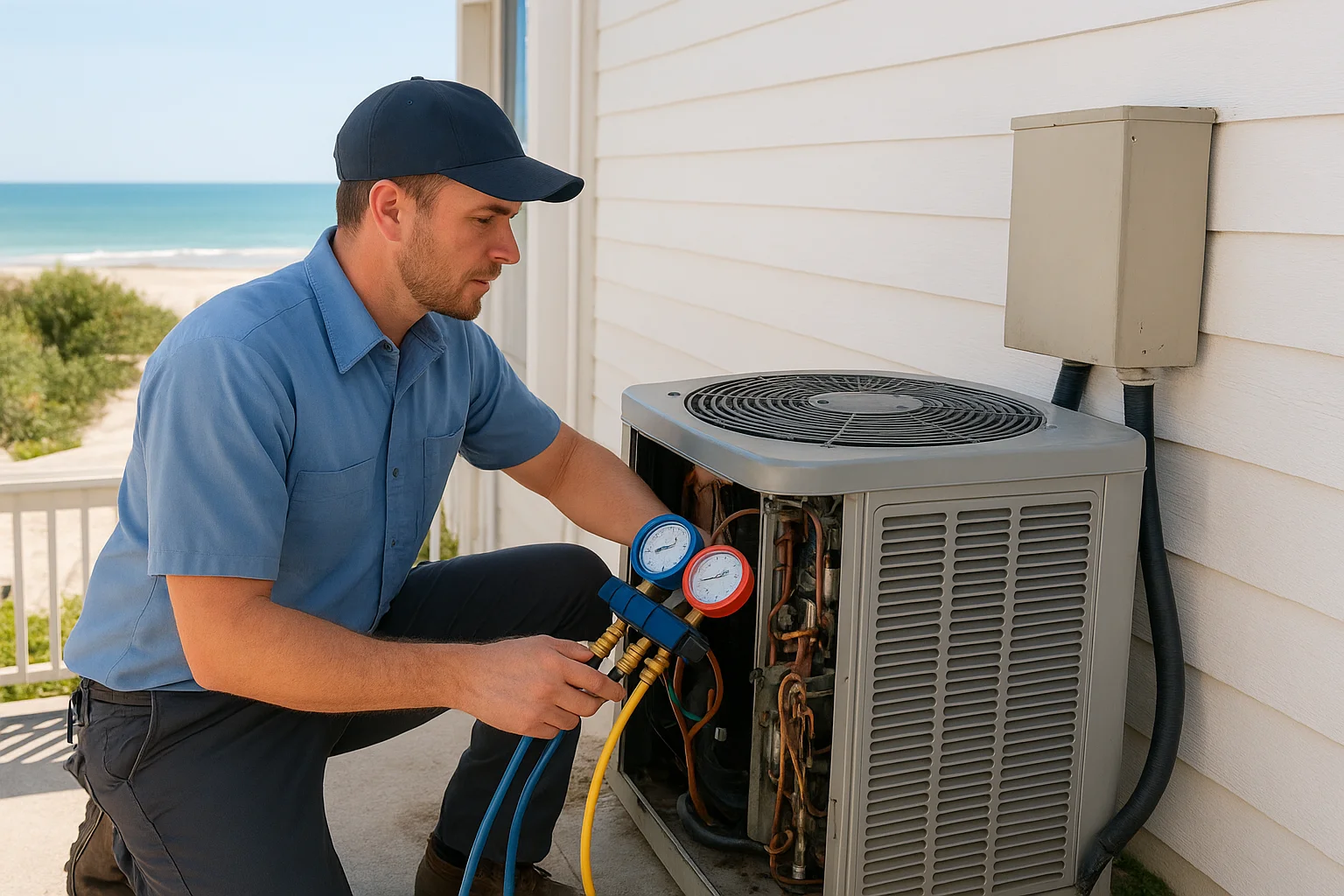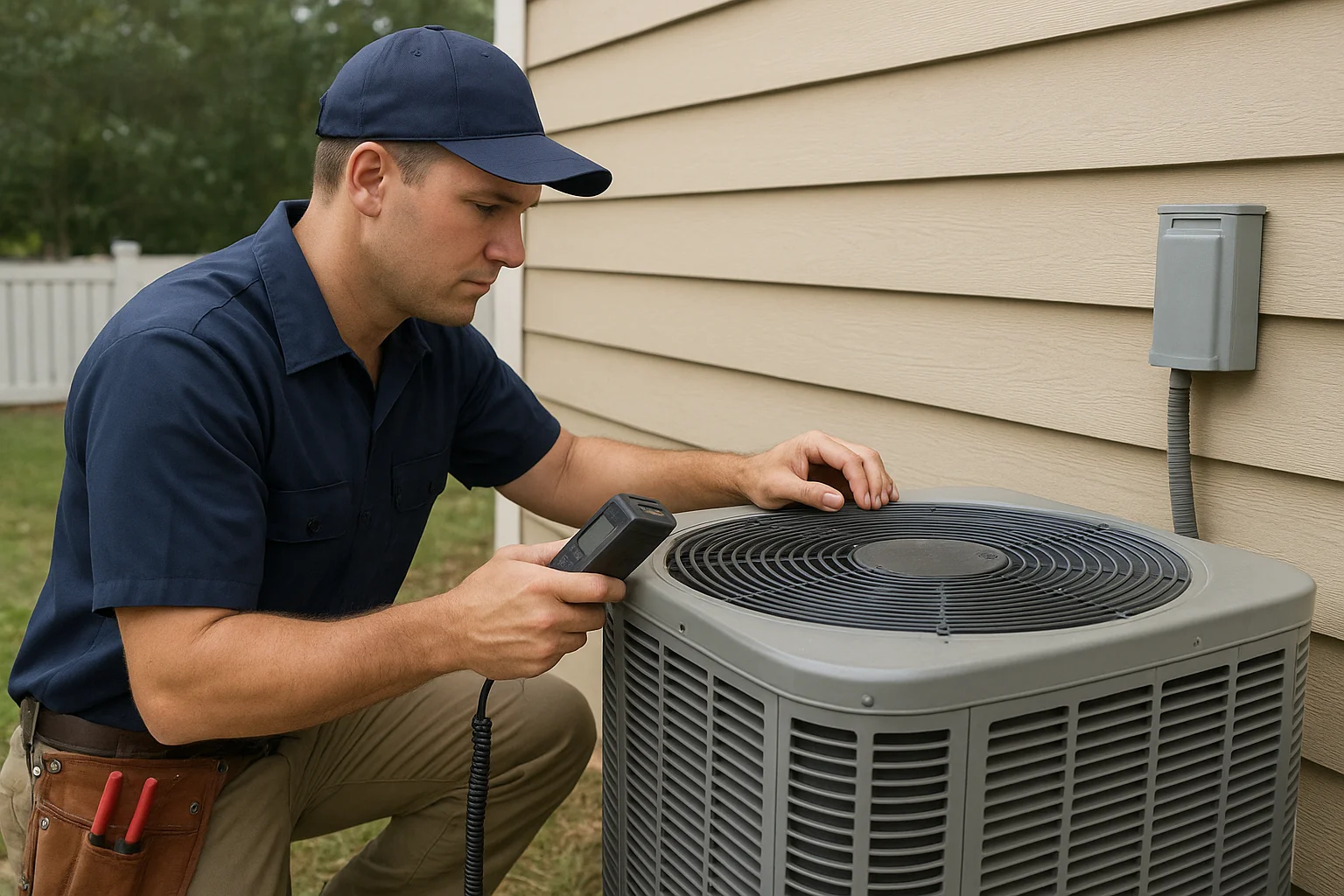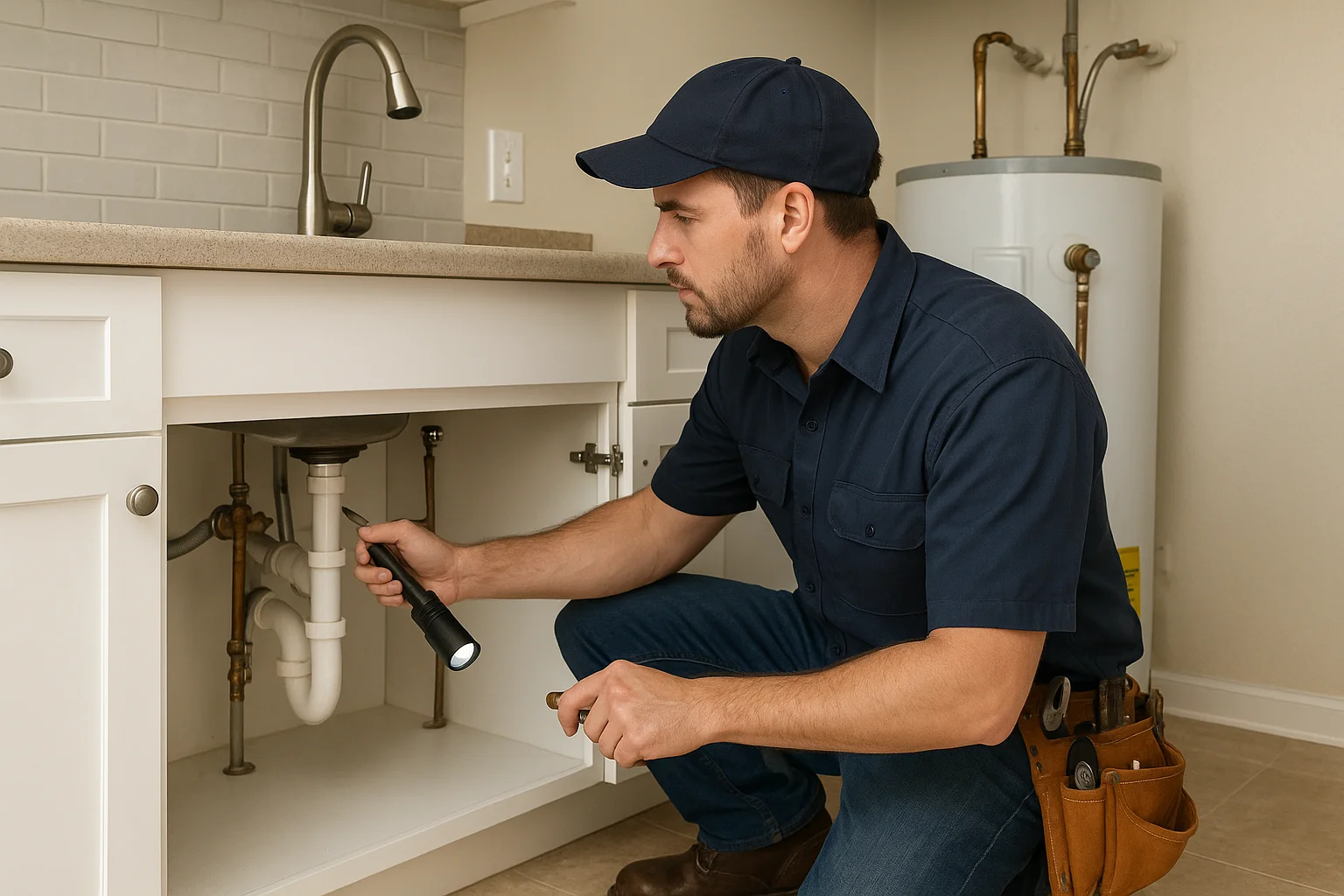
Blue Mountain Beach businesses rely on comfort. When Florida heat and humidity climb, commercial HVAC systems work harder to control temperature, manage moisture, and keep indoor air quality steady. With salt air in the mix, corrosion and airflow problems can show up faster than many property managers expect. A solid commercial HVAC maintenance plan helps your system handle those conditions, supports efficient energy use, and reduces the odds of emergency cooling concerns.
If you are searching for commercial HVAC maintenance in Blue Mountain Beach, this guide covers what matters most for managing heat and humidity, what to watch for, and how professional service keeps systems running better year-round.
Why Blue Mountain Beach HVAC systems struggle with heat and humidity
Florida summers bring intense outdoor temperatures, frequent humidity swings, and heavy moisture loads. For commercial buildings, that means the air conditioning cycle must do two jobs at once: cool the air and remove enough moisture to keep indoor spaces comfortable and controlled. When the system cannot manage humidity effectively, you often see comfort complaints like sticky air, uneven temperatures, and windows that fog or sweat.
Blue Mountain Beach also has coastal salt air. Salt can accelerate corrosion on outdoor units, coil surfaces, and metal components over time. Even when your system still cools, corrosion and buildup can reduce heat transfer, strain refrigerant systems, and contribute to airflow and condensate drainage issues.
That is why commercial HVAC maintenance is not just about “keeping it running.” It is about keeping the cooling process stable in Florida’s climate and protecting the components that manage moisture, airflow, and temperature.
Humidity control starts with airflow and cooling performance
Humidity management depends heavily on airflow across cooling coils. If airflow is restricted, the coil may not reach the right operating conditions to remove moisture effectively. Common airflow-related causes include dirty filters, blocked return or supply pathways, dust buildup on coil surfaces, and ductwork that is not distributing air evenly.
During commercial HVAC maintenance, technicians typically focus on:
- Air filter condition and fit to support proper airflow
- Supply and return airflow checks to confirm the system is moving air where it should
- Coil inspection for dirt and buildup that can reduce cooling performance
- Indoor blower operation to ensure consistent circulation
When you hear homeowners talk about “AC tune up near me,” the same idea applies to commercial systems. Regular maintenance supports consistent airflow, which supports both temperature control and humidity removal.
Condensate drainage matters more in humid climates
When air conditioning runs, moisture condenses on the cooling coil. That condensate has to drain properly through the condensate drainage system. If drainage is restricted or the drain path is not functioning correctly, moisture can back up, increase indoor humidity, and contribute to odors and indoor air quality issues.
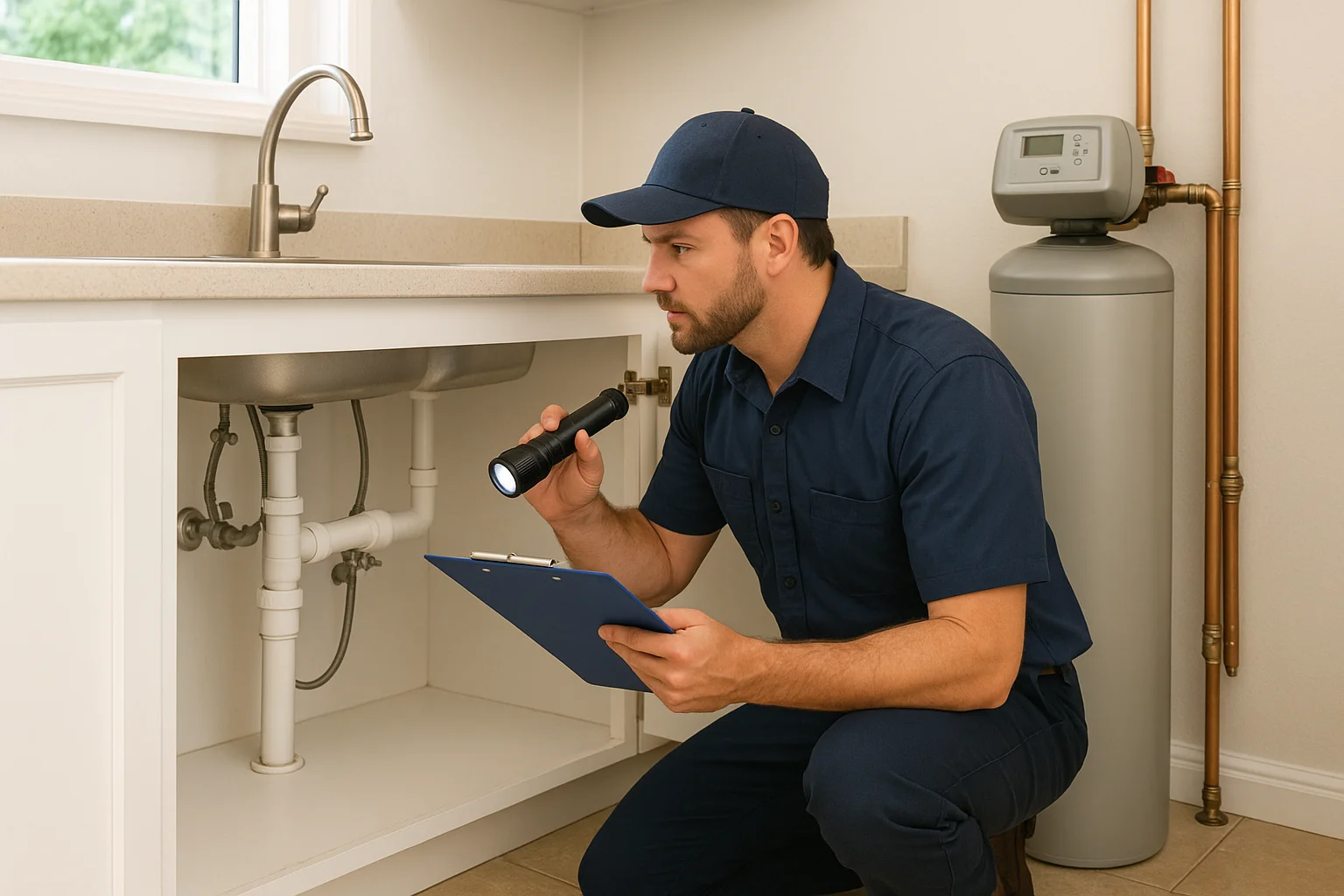
Commercial HVAC maintenance should include attention to condensate drainage, such as:
- Inspecting drain lines for blockages or improper slope
- Checking condensate pans for cleanliness and proper alignment
- Confirming drain operation during system cycles
- Reviewing overflow protection where applicable
In coastal Walton County humidity, small drainage problems can become larger comfort problems quickly.
Salt air and corrosion: protecting coils, fans, and outdoor components
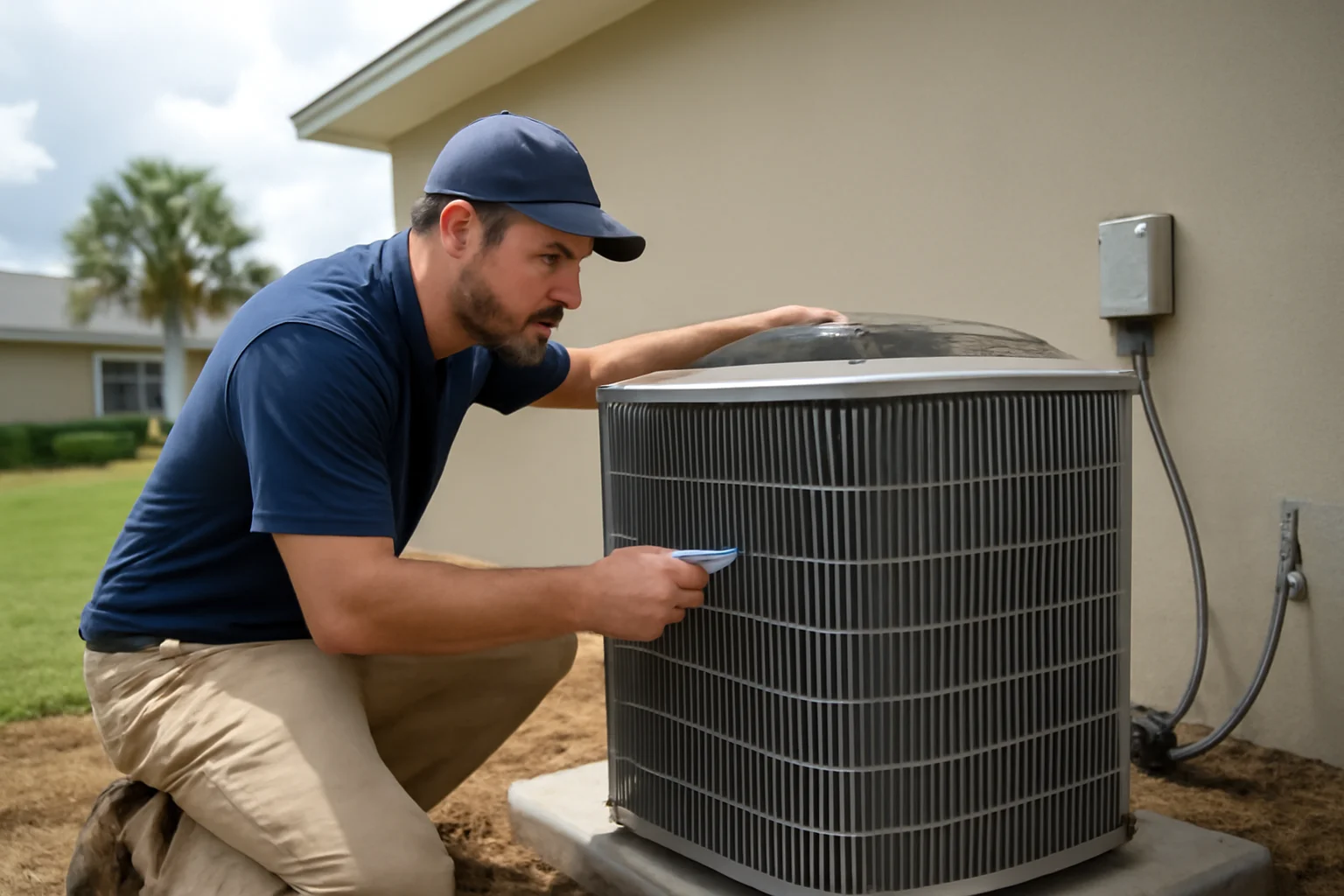
Outdoor units in coastal areas can face corrosion from salt exposure and moisture. Over time, that corrosion can affect:
- Coil surfaces and heat transfer
- Fan operation and airflow
- Electrical connections and control components through environmental stress
Professional commercial HVAC maintenance includes inspections designed to catch early deterioration before it turns into a breakdown. If you ever notice a unit that looks “more tired” than it should, or if cooling performance seems to drop during the hottest weeks, corrosion and buildup could be part of the story.
Refrigerant systems: why maintenance supports stable cooling, not guessing
Many people associate refrigerant with repairs, but maintenance supports refrigerant systems indirectly by keeping airflow and heat transfer surfaces clean and by ensuring the overall cooling process operates as intended. Dirty coils and restricted airflow can cause cooling performance issues that may appear related to refrigerant problems.
It is important to avoid assumptions. A refrigerant diagnosis requires an in-person professional evaluation. If refrigerant issues are suspected, a licensed HVAC contractor should assess the system, check operating conditions, and confirm the cause before recommending any service.
For homeowners managing commercial properties, the best approach is preventive HVAC maintenance that reduces the likelihood of refrigerant system stress, while also identifying performance problems early.
Thermostats and controls: comfort depends on correct settings and calibration
Thermostats and building controls influence how often equipment runs, how it cycles, and whether the system can maintain stable temperature and humidity. In commercial spaces, schedules also matter. If your thermostat schedule does not match occupancy patterns, the system may run too little, too much, or at inefficient times.
During maintenance, technicians may verify:
- Thermostat operation and response
- Control settings that affect staging and cycling
- Sensor cleanliness and placement issues
- Compatibility of controls with current operating needs
If you are searching for thermostat installation near me or thermostat upgrades for a commercial building, start with maintenance and control verification. Proper controls help reduce unnecessary energy use and support consistent comfort.
Ductwork and distribution: uneven comfort often starts here
Even a well-maintained air conditioner can struggle if ductwork is leaking, poorly insulated, or not delivering balanced airflow. In humid climates, duct leaks can also contribute to moisture movement and indoor air quality problems.
Commercial HVAC maintenance often includes ductwork inspection and airflow evaluation, especially if you notice:
- Hot and cold spots across the building
- Rooms that feel stuffy even when the system runs
- Higher humidity in specific areas
- Inconsistent comfort between floors or zones
If duct distribution is a concern, you may want to explore Duct Sealing & Aeroseal Services as part of an overall airflow and comfort strategy.
Indoor air quality services and maintenance go hand in hand
Humidity and airflow issues can affect indoor air quality. When moisture is not controlled, it can encourage conditions that lead to musty odors and comfort complaints. Dust and debris can also accumulate when filtration or airflow is not performing as expected.
Maintenance supports indoor air quality by focusing on:
- Filter performance and replacement schedules
- Coil and drain cleanliness
- Airflow stability across occupied spaces
Some businesses also benefit from dedicated indoor air quality services. If you are searching for indoor air quality services near me because of persistent odors, complaints, or allergy-related concerns, ask your HVAC contractor how maintenance and ventilation work together for better results.
Energy use and cost control: maintenance reduces waste
When commercial HVAC systems are not maintained, they often compensate by running longer, cycling more frequently, or operating under less efficient conditions. That can increase energy use while still failing to deliver the comfort you need.
Preventive HVAC maintenance helps address energy waste by:
- Supporting proper airflow and heat transfer
- Keeping coils cleaner and reducing strain on cooling cycles
- Ensuring control systems operate correctly
- Reducing the chance of performance drift during peak summer demand
For property managers, better energy use is not just about bills. It is also about system longevity and fewer service interruptions during high-demand weeks.
Common commercial HVAC maintenance issues in Walton County
Blue Mountain Beach is part of Walton County, and coastal weather patterns create predictable maintenance challenges. Here are some issues that often show up during commercial HVAC service calls:
1) Dirty or mismatched filters
Filters that are clogged or not sized correctly can restrict airflow, worsen humidity control, and strain blower and cooling components.
2) Coil buildup and reduced cooling capacity
Dust and coastal residue can reduce heat transfer. When coils get dirty, the system may run longer to reach setpoints.
3) Condensate drainage clogs
In humid conditions, drainage problems can become comfort and indoor air quality concerns quickly.
4) Uneven airflow from duct leaks or imbalance
Leaky ducts, poor distribution, or blocked returns can lead to hot spots, cold spots, and persistent humidity differences.
5) Thermostat scheduling or control problems
Incorrect scheduling can cause comfort complaints even when equipment is functioning.
If you are looking for air conditioning inspection near me or HVAC maintenance near me for a commercial building, these are the areas a professional should evaluate as part of a preventive plan.
How often should you schedule commercial HVAC maintenance?
Many commercial facilities benefit from seasonal maintenance aligned with Florida’s cooling demand. However, the right schedule depends on factors like building size, equipment type, occupancy patterns, filter strategy, and how often systems run.
Instead of relying on guesswork, work with an experienced commercial HVAC contractor to set a maintenance rhythm that matches your operations. A written plan can help you avoid gaps that happen when the hottest weeks arrive.
If you want a broader view of how maintenance affects comfort across the region, these reads may help:
- Keeping Valparaiso Comfortable Starts With Smarter Commercial HVAC Maintenance
- What Fort Walton Beach Homes Can Learn From Commercial HVAC Maintenance
- Why Commercial HVAC Maintenance Matters More in DeFuniak Springs Than Most Businesses Realize
Even though those examples are not your exact building, the maintenance principles for humidity, airflow, and comfort remain consistent across Northwest Florida.
Signs your commercial system needs more attention before a breakdown
Preventive maintenance is the goal, but it is also important to recognize early warning signs. When these show up, it may be time to schedule HVAC service rather than waiting for a full emergency cooling situation.
- Humidity feels higher than usual, especially when the system is running
- Air feels weak or uneven across zones
- Musty odors or damp smells in certain areas
- Frequent cycling or longer run times to reach setpoints
- Visible condensate drainage issues, such as standing water or overflow concerns
- Thermostat behavior changes, like delayed response or inconsistent temperature control
In a coastal climate, waiting can turn a manageable issue into an emergency. If your business cannot pause operations, it is smarter to address comfort and airflow problems early.
When to call for emergency cooling concerns
Florida heat can escalate quickly. If your commercial HVAC system stops cooling, cannot maintain temperature, or shows signs of major failure, treat it as urgent. Emergency cooling concerns can affect employee comfort, customer experience, and in some businesses, product or equipment temperature requirements.
Call a licensed HVAC contractor promptly if you experience:
- No cooling or repeated shutdowns
- Condensate overflow or significant drainage problems
- Sudden and severe comfort loss across the building
- Strange noises or signs of component failure
Professional help matters because some issues require careful in-person evaluation. A technician should confirm the cause through operational checks and inspections, not guesswork.
Maintenance that supports long-term planning, including system replacement
Most businesses want to avoid HVAC replacement near me scenarios by keeping systems running efficiently. Still, every commercial HVAC system has a service life. Maintenance helps you understand performance trends and plan responsibly.
When a system becomes less reliable or cannot maintain humidity and temperature control even with maintenance, a professional can discuss options. That may include repairs, upgrades to improve comfort and airflow, or system replacement depending on the building’s needs.
If you are evaluating equipment options, explore related service pages like Commercial HVAC Services, Air Conditioning Systems, and Air Conditioning Installation.
Why local commercial HVAC service from A Superior Mechanical matters
Commercial HVAC maintenance in Blue Mountain Beach is about more than a checklist. A local team understands the conditions that affect coastal systems: heavy humidity loads, salt air exposure, and the way airflow and condensate drainage behave in real buildings across Walton County.
When you work with A Superior Mechanical, you can connect your maintenance plan to the comfort goals of your specific property. That includes managing heat and humidity, protecting refrigerant system performance by supporting airflow and clean heat exchange surfaces, and reducing the risk of emergency cooling concerns during peak demand.
If you manage a commercial facility and want dependable preventive service, start with the right maintenance coverage at /service-areas/walton-county/blue-mountain-beach/commercial-hvac-maintenance-bmbfl. To learn more about service coverage in the area, visit /service-areas/walton-county/blue-mountain-beach or browse /service-areas/walton-county.