Running a business in DeFuniak Springs means your HVAC system is part of your daily operations. When commercial cooling and heating fail, it is not just uncomfortable for customers and employees. It can disrupt schedules, affect indoor air quality, and create expensive downtime. This guide covers what local property owners should know about commercial HVAC repair in DeFuniak Springs, FL, with practical details about common symptoms, likely causes, and the maintenance steps that help prevent breakdowns.
Why DeFuniak Springs HVAC problems often show up fast
Commercial HVAC equipment in Walton County has to handle a climate that is hard on building systems. Florida heat and humidity are the obvious challenges, but salt air and rapid weather swings can also increase corrosion risk and stress components over time. In many properties, comfort complaints show up during peak cooling months, especially when airflow is weak or dehumidification is not keeping up.
Even if your system “runs,” performance can degrade. A unit that cools unevenly, struggles to maintain temperature, or repeatedly cycles can quietly drive up energy use and wear out parts faster. That is why commercial HVAC repair is not only about fixing failures. It is also about restoring proper airflow, controlling humidity, and ensuring refrigerant systems and condensate drainage are working as intended.
Common commercial HVAC repair issues property owners notice first
1) Uneven temperatures and hot or cold zones
One of the most common signs of a commercial HVAC issue is inconsistent comfort. You might notice a lobby that feels warm while offices stay cold, or a hallway that never seems to cool down. Causes can include ductwork restrictions, blocked return paths, improper airflow balance, failing blower components, or issues related to filters and coils.
Airflow problems are particularly important in commercial buildings because comfort complaints can also affect productivity and customer experience. If you are searching for “HVAC repair near me” because your building feels inconsistent, start by documenting which areas are affected, when it happens, and whether it changes after doors open or during certain hours.
2) High humidity and comfort that never feels “cool”
In DeFuniak Springs, humidity is not just a comfort issue. When indoor moisture stays high, it can make cooling feel ineffective and can contribute to mold risk, musty odors, and damage to finishes. Many businesses notice symptoms such as condensation on surfaces, sticky indoor air, or employees complaining that the space feels clammy.
Humidity control depends on more than turning the thermostat down. It requires proper coil performance, correct airflow across the evaporator, adequate condensate drainage, and controls that operate as designed. If you are considering whole home dehumidifiers as part of your comfort strategy, a professional assessment of your current system and ductwork is the right starting point.
3) Condensate drainage concerns and water-related symptoms
Condensate drainage is a quiet but critical part of cooling. When condensate lines clog, drain pans overflow, or water cannot evacuate properly, you may see leaks, wet ceilings, or recurring shutdowns. Some businesses also notice water damage near air handlers or below rooftop units.
Because condensate drainage is tied to coil operation and airflow, it is best handled as part of a broader commercial HVAC inspection. A technician can evaluate whether the drainage issue is isolated or whether other factors, like dirty coils or airflow restrictions, are contributing.
4) Thermostat and control issues that cause cycling
Commercial thermostats and control systems play a major role in comfort. If the thermostat is inaccurate, improperly calibrated, or not communicating correctly with the HVAC system, the equipment may short cycle or run longer than needed. Short cycling can increase wear on components and create temperature swings.
Sometimes the thermostat itself is the problem. Other times, the issue is airflow, sensor placement, or control settings. If you are looking for “thermostat installation near me” or thermostat troubleshooting, it is important to match the control approach to your building’s HVAC type and zoning.
5) Refrigerant system symptoms that show up as performance loss
Refrigerant systems are designed to move heat efficiently through a sealed process. When performance drops, businesses sometimes assume the unit is “just getting old” or that it needs a simple recharge. In reality, refrigerant-related problems can be caused by multiple factors and should be evaluated in person.
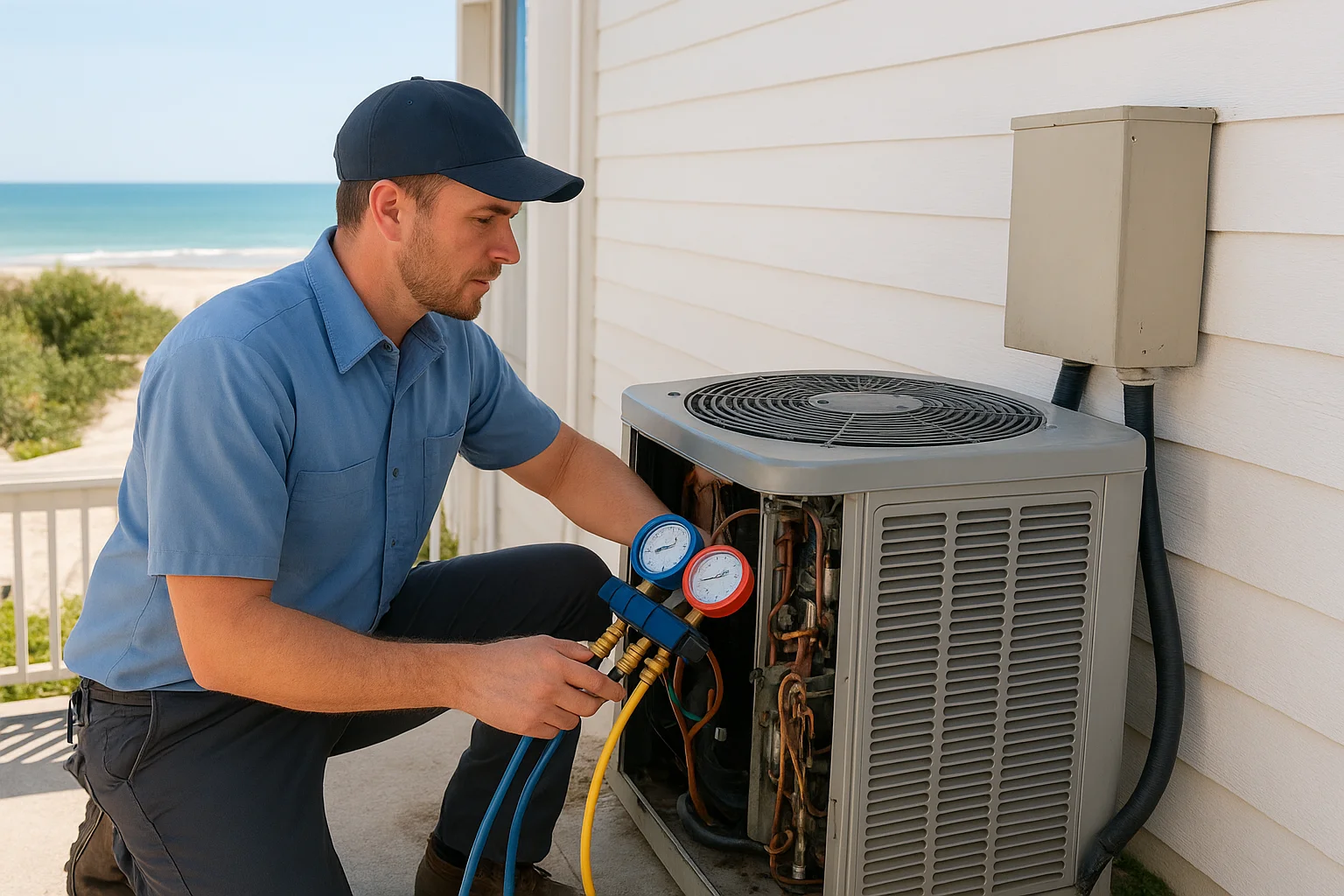
If you notice cooling that takes longer than usual, warmer-than-expected supply air, or frequent cycling, do not guess. An HVAC professional should inspect the system, verify operating conditions, and determine whether refrigerant system performance is actually the root cause. Refrigerant diagnosis requires proper tools and safe procedures.
6) Ductwork problems that reduce airflow and strain equipment
Ductwork is often overlooked until comfort fails. Leaks, poor insulation, blocked sections, or duct design that does not match current airflow needs can reduce system efficiency. In commercial spaces, ductwork issues can also affect indoor air quality by limiting how much air is delivered and how well filtration performs.
If you are searching for “duct inspection near me” because of ongoing comfort complaints, a technician can check airflow paths, inspect for restrictions, and evaluate how the duct system supports the equipment you have.
How to recognize an emergency cooling concern
Some HVAC failures cannot wait. Emergency cooling concerns typically include situations where a business cannot maintain safe operating conditions for people or sensitive equipment, or where the system is failing in a way that could quickly lead to more damage.
Examples include a complete loss of cooling, abnormal noises paired with rapid performance loss, repeated shutdowns, or clear water overflow from condensate drainage. If you are searching for “emergency AC repair near me,” it is because the building needs cooling right away, not later.
When emergency cooling is a concern, document the symptoms you see. Note the time it started, what areas are affected, thermostat settings, and any error codes. This helps technicians focus their commercial HVAC repair approach and reduces guesswork.
What a professional commercial HVAC inspection should include
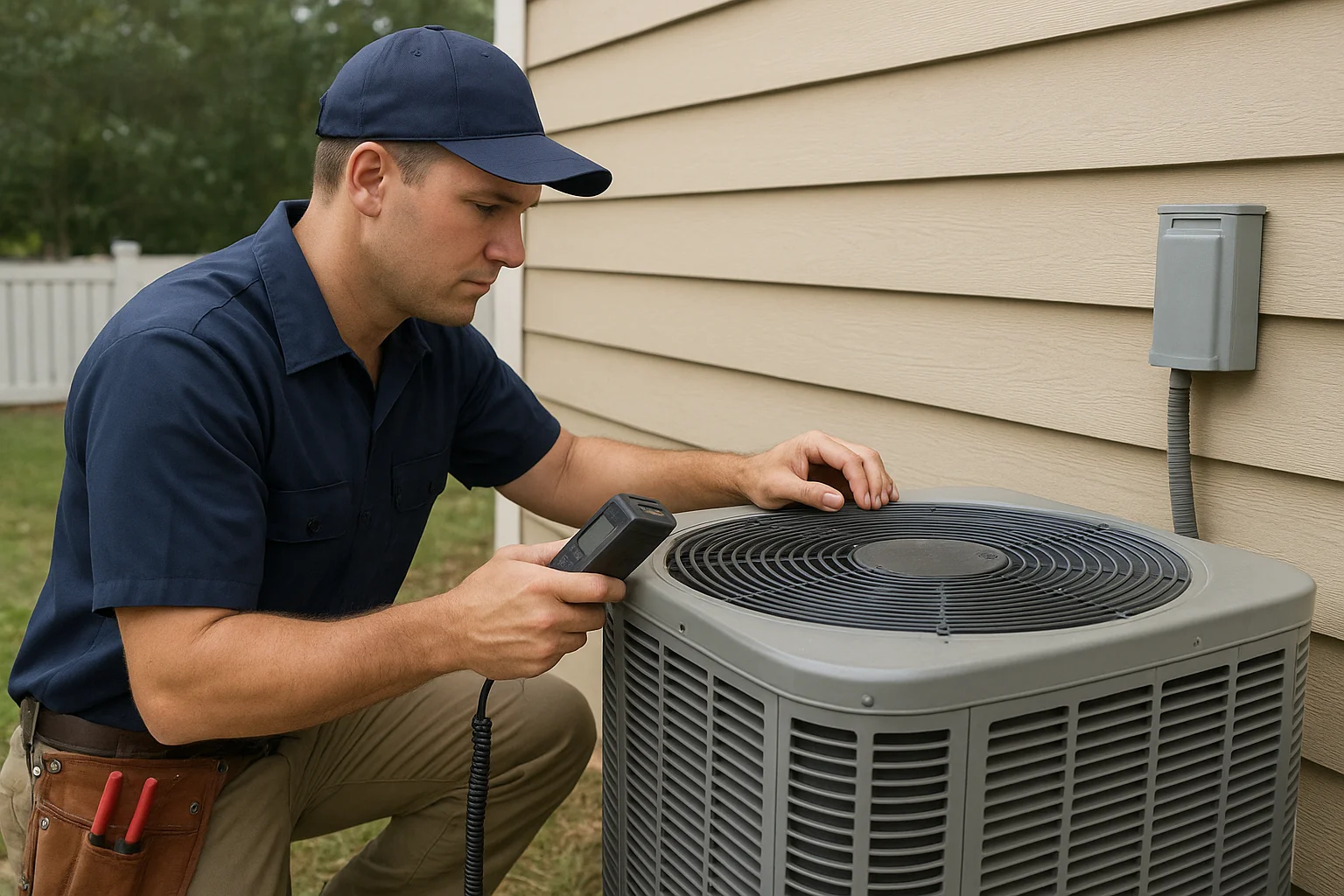
Homeowners and property managers often want to know what “diagnostics” really means. A quality commercial HVAC service call should focus on airflow, comfort performance, and system operation. While the exact steps vary by equipment type, a thorough inspection commonly includes:
- Reviewing thermostat and control behavior, including schedules and setpoints
- Checking air filters and evaluating airflow across coils and through the duct system
- Inspecting coils and drainage components tied to condensate evacuation
- Assessing blower operation and distribution of air to occupied spaces
- Evaluating refrigerant system performance through safe, in-person measurements
- Looking for ductwork issues that restrict airflow or increase humidity
- Documenting observations to guide repair decisions
Because the goal is to restore comfort and protect equipment, a technician should not rely on assumptions. Even when symptoms look similar across buildings, the causes can differ. That is why professional local HVAC service matters in DeFuniak Springs, where humid air and seasonal load changes can reveal problems that do not show up in other climates.
Maintenance that prevents repeat repairs during Florida’s busiest months
Preventive HVAC maintenance is often where commercial properties win back reliability. When you maintain the system before peak load, you reduce the risk of mid-summer breakdowns and improve indoor air quality. It also supports energy efficiency because equipment does not have to work as hard to achieve the same comfort targets.
Businesses that schedule regular commercial HVAC maintenance typically focus on:
- Filter changes and airflow verification to prevent coil strain
- Coil cleaning and inspection to support proper heat transfer
- Condensate drainage checks to prevent clogs and water damage
- Thermostat and control review so schedules and sensors behave correctly
- Ductwork inspection where comfort complaints repeat or humidity runs high
- Operational checks that identify abnormal cycling or distribution issues
If you want to understand how maintenance impacts reliability in this specific area, read Why Commercial HVAC Maintenance Matters More in DeFuniak Springs Than Most Businesses Realize.
Indoor air quality: the business comfort factor that connects to HVAC repairs
When HVAC performance slips, indoor air quality can suffer. Poor airflow, dirty coils, and inadequate filtration can increase airborne contaminants and reduce ventilation effectiveness. In humid climates, moisture management is especially important because it affects how the system handles humidity and how surfaces stay dry.
If your tenants, staff, or customers complain about odors, dryness, or stuffiness, the HVAC system may need repair or service beyond basic cooling. You may also want to review indoor air quality options. Explore Indoor Air Quality Services to see how professional assessment can connect HVAC performance with healthier airflow.
Energy use and operating costs: why repairs affect your bill
Commercial HVAC systems are major energy users. When airflow is restricted, humidity control is weak, or controls do not operate correctly, the system can consume more energy to achieve the same comfort. That can show up as higher utility bills and increased wear on components.
Energy use is also affected by ductwork condition, filter maintenance, and how well the system matches the building load. A professional HVAC repair service can help identify where the system is underperforming, whether the issue is airflow, coil performance, controls, or drainage.
If you are comparing “HVAC replacement near me” versus repairs, focus on the whole picture. A short-term fix that ignores airflow or humidity management can lead to repeat problems. A careful inspection helps you understand what is repairable now and what may need longer-term planning.
System replacement versus repair: how to make the decision responsibly
Many property owners eventually face the question of replacement. Replacement may become appropriate when a system cannot meet comfort needs reliably, when repairs are becoming frequent, or when the equipment no longer performs efficiently for the building.
However, replacement decisions should be based on an in-person evaluation of the system’s condition, performance, and related components such as ductwork and controls. Avoid making assumptions from a phone call or a single symptom. A technician should inspect the equipment and discuss repair options versus replacement planning after they understand the underlying cause.
If you are weighing options for budgeting maintenance and upgrades, you may also find helpful A Homeowner’s Guide to HVAC Financing for Smarter Maintenance in DeFuniak Springs, FL.
Local help that understands commercial comfort demands
Commercial HVAC repair is not one-size-fits-all. DeFuniak Springs businesses often deal with older ductwork, humid indoor conditions, and equipment that may be exposed to salt air or weather swings. A local HVAC company that regularly services commercial systems can better recognize patterns and recommend solutions that fit the building.
A Superior Mechanical provides professional commercial HVAC repair for businesses across Walton County. If you are dealing with comfort issues, humidity that will not come down, condensate drainage concerns, or airflow problems, you can review service details at /service-areas/walton-county/defuniak-springs/commercial-hvac-repair-dswcfl and learn more about coverage in /service-areas/walton-county/defuniak-springs and /service-areas/walton-county.
Steps you can take before the technician arrives
You can help your HVAC repair visit go smoother by doing a few simple things:
- Write down what you are seeing: uneven temperatures, humidity, noises, water signs, or repeated cycling
- Check the thermostat schedule and confirm the setpoints match your normal operating plan
- Note which areas are affected and whether symptoms change throughout the day
- Look for visible condensate drainage issues, wet spots, or blocked drain areas near indoor equipment
- Confirm filter condition and whether anyone has recently changed filters
- Gather any error codes shown on the thermostat or equipment control panel
These details help technicians focus on the right parts of the system, including airflow, ductwork, condensate drainage, and refrigerant system performance where applicable.
How to prevent repeat problems after a repair
After a commercial HVAC repair, follow through with maintenance. If your system was struggling with airflow or humidity, ask what steps will keep performance stable. Many problems return when filters are neglected, condensate drainage is not checked, or ductwork issues are ignored.
For a maintenance-focused approach, consider Air Conditioning Maintenance. For businesses managing comfort and humidity, it can also help to review dehumidification strategies and indoor air quality support.
If you want to see how smarter repair planning reduces repeat failures, read Keeping DeFuniak Springs Businesses Comfortable Through Smarter Commercial HVAC Repair.
Final checklist for property owners
- Track comfort complaints by location and time, not just “the system is not working.”
- Watch humidity levels and any signs of condensation or musty odors.
- Pay attention to airflow and ductwork when some areas never feel right.
- Take condensate drainage symptoms seriously, especially recurring leaks.
- Use emergency AC repair options when cooling loss impacts safety or operations.
- Schedule preventive HVAC maintenance to avoid repeat breakdowns during Florida’s peak load.
Commercial HVAC repair is about restoring comfort and protecting your property. In DeFuniak Springs, that means addressing airflow, humidity, condensate drainage, controls, and refrigerant system performance with the right in-person evaluation.
Find Commercial HVAC Repair in DeFuniak Springs, FL
If you need Commercial HVAC Repair in DeFuniak Springs, FL, visit our local service page or contact A Superior Mechanical today.
Map of DeFuniak Springs, FL
Frequently Asked Questions
What are the most common commercial HVAC repair problems in DeFuniak Springs, FL?
Many businesses experience uneven temperatures, high humidity, airflow issues tied to filters or ductwork, and condensate drainage problems during humid weather. Thermostat and control issues can also cause short cycling and comfort complaints.
How can I tell if my issue is airflow or something refrigerant-related?
Airflow problems often show up as weak supply air, hot or cold zones, and inconsistent comfort. Refrigerant-related performance issues can look similar, so the safest approach is an in-person inspection. A technician can check operating conditions and system performance without guessing.
Is high humidity a sign I need commercial HVAC repair?
It can be. Humidity control depends on coil performance, airflow, and condensate drainage. If your building feels clammy, has condensation, or develops musty odors, professional assessment can identify whether repairs or maintenance are needed.
What should I do if the air conditioner stops working completely?
If cooling loss affects comfort, operations, or safe conditions, treat it as an emergency AC repair concern. Document symptoms, thermostat settings, and any error codes, then contact a commercial HVAC repair provider for rapid diagnostics.
How often should a commercial property schedule preventive HVAC maintenance?
Maintenance frequency depends on system type, usage, and operating conditions. A local commercial HVAC technician can recommend a maintenance plan that fits your building and helps prevent mid-summer breakdowns.
Related Articles
- Commercial HVAC Repair in DeFuniak Springs: Problems Property Owners Should Not Brush Off
- Keeping DeFuniak Springs Businesses Comfortable Through Smarter Commercial HVAC Repair
- A Homeowner’s Guide to HVAC Financing for Smarter Maintenance in DeFuniak Springs, FL
- Why Commercial HVAC Maintenance Matters More in DeFuniak Springs Than Most Businesses Realize
Photo Gallery