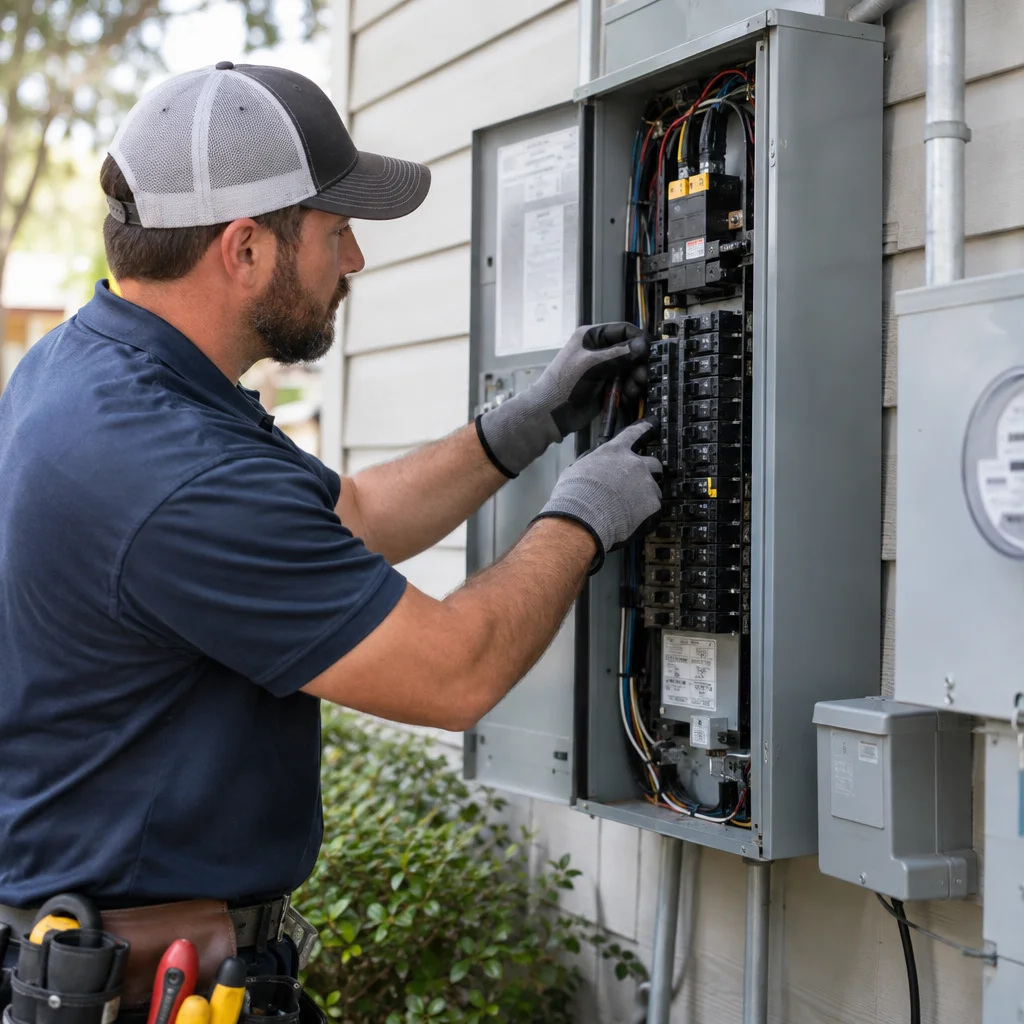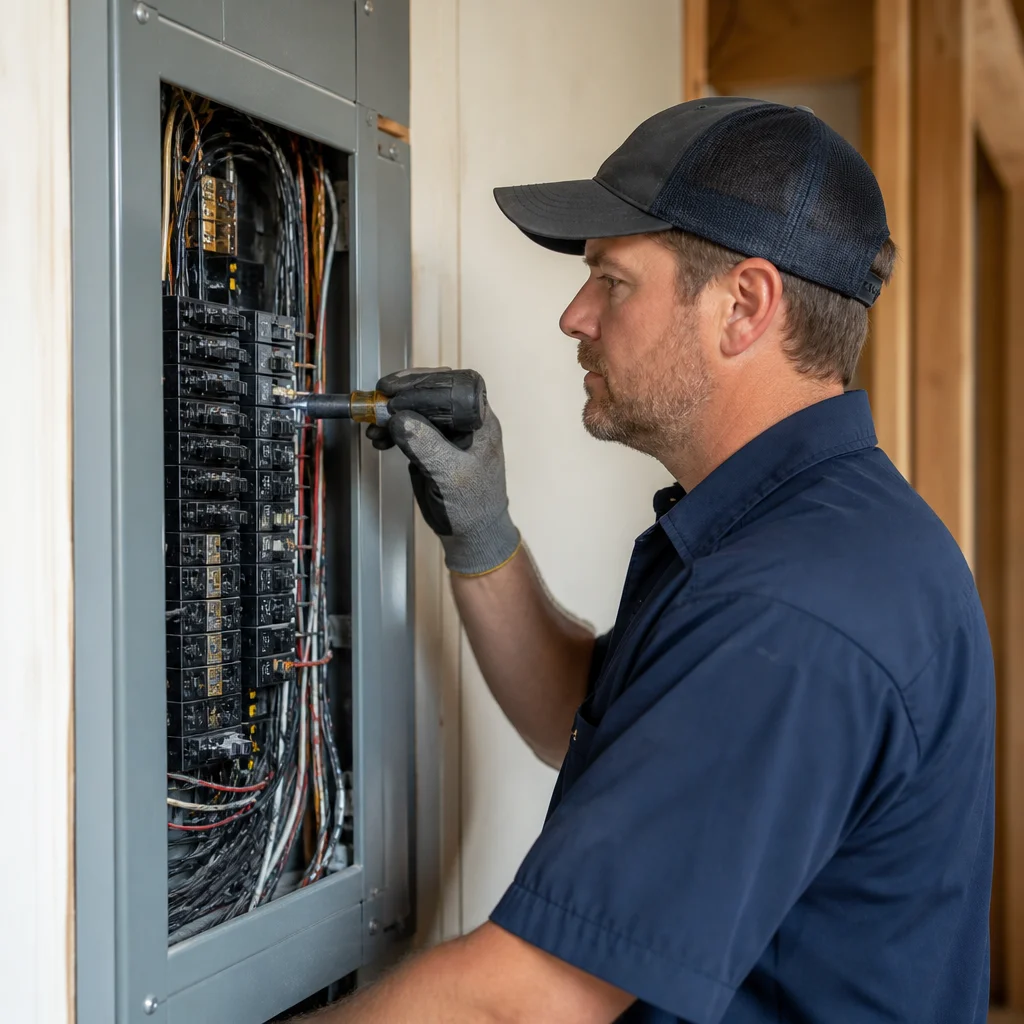
Whole home rewiring is more than replacing old cable behind the walls. It is an opportunity to design a safer electrical system around the way a Niceville household uses power today. Panels, breakers, circuits, outlets, lighting, appliances, generators, and EV chargers should all be considered before work begins.
Careful planning also helps prevent repeated wall openings and future electrical repair. For homeowners comparing whole home rewiring in Niceville, the best place to start is a detailed assessment of the existing system and a realistic plan for future demand.
Why Niceville homes benefit from a complete electrical plan
Niceville includes older houses, newer subdivisions, waterfront properties, vacation rentals, and homes that have grown through additions or remodels. Each type of property presents different wiring concerns. An older home may have undersized wiring, limited grounding, worn receptacles, or an outdated fuse box. A newer home may have safe wiring but too few circuits for a growing collection of appliances and electronics.
Coastal weather adds another consideration. Heat, humidity, salt laden air, thunderstorms, and tropical systems can affect outdoor equipment, service components, panels, and connections. Moisture intrusion and corrosion can create resistance at terminals, while lightning and utility disturbances can damage sensitive electronics. Local electrical service matters because an electrician familiar with Niceville homes and local conditions can account for these risks during design.
A search for home rewiring near me may begin with flickering lights or a warm outlet, but those symptoms can point to a broader problem. Replacing one device will not correct deteriorated cable, overloaded circuits, poor grounding, or an electrical panel that has reached its practical limit.
Start with an electrical inspection and load review
A rewiring plan should begin with an inspection of the service entrance, meter area, service mast where applicable, main panel, subpanels, grounding system, accessible wiring, outlets, switches, and permanently connected equipment. The electrician should identify cable types, circuit sizes, breaker compatibility, visible code concerns, and evidence of overheating or improper alterations.
The inspection should also include a conversation about how the home is used. Electric ranges, dryers, water heaters, air conditioning equipment, workshop tools, pool equipment, home offices, and kitchen appliances place very different demands on a system. Additions and converted garages sometimes rely on circuits that were never designed for their current loads.
Homeowners searching for an electrical inspection near me should ask whether the evaluation includes a load calculation. This calculation helps determine whether the existing service and panel can support the planned circuits or whether an upgrade is appropriate.
Match the panel to present and future demand
The electrical panel is the distribution center for the house. During rewiring, it must have adequate capacity, properly sized breakers, clear circuit identification, and enough physical spaces for required circuits. Simply installing a larger panel does not automatically increase available power. The service conductors, meter equipment, grounding, and utility connection must also be evaluated.
An old fuse panel, damaged bus bars, corrosion, repeated breaker trips, or a panel with obsolete components may justify replacement. Homeowners searching for electrical panel replacement near me should expect the contractor to explain why replacement is recommended and how the proposed rating relates to the calculated load.
Breaker repair requires more than resetting a handle. A breaker may trip because of an overload, short circuit, ground fault, loose connection, damaged appliance, or deteriorated wiring. Installing a larger breaker on existing wire is not a safe shortcut. Breaker size must remain matched to conductor size and circuit design.
Panel planning should leave reasonable room for later additions. A future remodel, detached workshop, pool, generator connection, or electric vehicle can require substantial capacity. Planning those possibilities now is usually less disruptive than revising a newly completed system later.
Design circuits around the rooms and equipment they serve
Smart rewiring divides electrical demand into logical circuits. Kitchens need multiple small appliance circuits as well as dedicated circuits for certain equipment. Laundry rooms may need separate power for a washer and electric dryer. Bathrooms, garages, outdoor areas, and living spaces each have their own protection and circuit requirements.
Major appliances and high demand equipment often need dedicated circuits. These circuits reduce nuisance tripping and keep one appliance problem from shutting down unrelated rooms. The article on dedicated circuits for older and newer Niceville homes explains why appliance loads should be identified before wiring begins.
A detailed circuit schedule should account for the range, dishwasher, disposal, microwave, refrigerator, dryer, water heating equipment, heating and cooling systems, pumps, garage equipment, and other fixed loads. It should also consider countertop appliances, computers, entertainment equipment, and charging stations.
Homeowners looking for electrical wiring installation near me should ask how circuits will be routed, labeled, tested, and documented. Good labeling makes future electrical maintenance safer and faster. It also helps an electrician isolate a problem without turning off more of the house than necessary.
Wiring material and connection quality matter
New cable must be selected for the circuit rating, location, and installation method. Areas exposed to moisture, heat, physical damage, or outdoor conditions may require different materials from dry interior walls. All splices should remain inside approved, accessible electrical boxes. Connections hidden behind drywall create hazards and make later wiring repair difficult.
Some Niceville properties may contain older aluminum branch circuit wiring, damaged insulation, or modifications completed without proper boxes and connectors. These conditions require an electrician to determine whether targeted correction is appropriate or whether old wiring replacement offers the safer long term result.
Put outlets and switches where daily life requires them
A whole home project is the right time to correct inconvenient outlet placement. Too few receptacles encourage the use of extension cords and overloaded power strips. A room by room plan should consider furniture placement, televisions, desks, bedside charging, cleaning equipment, kitchen counters, bathroom appliances, garage tools, and outdoor living areas.
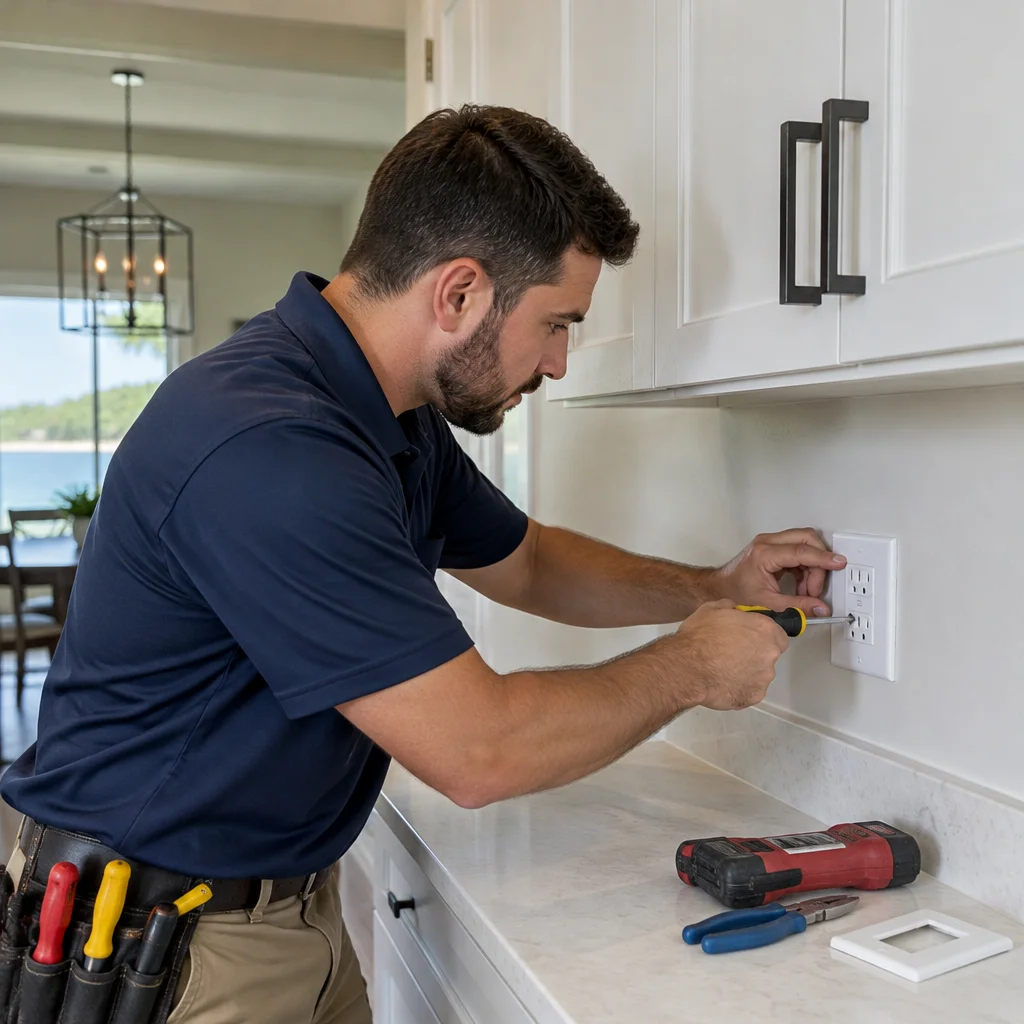
Someone searching for outlet installation near me may only want one additional receptacle, but repeated outlet shortages throughout a home suggest that a larger device plan would be useful. Device upgrades in Niceville can include modern receptacles, switches, dimmers, and controls when the existing wiring supports them.
Loose outlets, cracked devices, scorch marks, buzzing switches, or plugs that fall out easily deserve prompt attention. A device can fail because of wear, but heat damage may also indicate a loose conductor or overloaded connection. If an outlet repair near me search follows a burning odor or visible arcing, shut off the affected circuit if it is safe to do so and arrange professional service.
Include GFCI, grounding, and surge protection
GFCI protection helps reduce shock risk in locations where electricity and moisture may meet, including kitchens, bathrooms, garages, outdoor areas, laundry spaces, and other required locations. Rewiring provides a chance to correct missing protection and verify that existing GFCI devices operate properly.
Grounding and bonding are equally important. The grounding electrode system, equipment grounding paths, panel bonding, metal enclosures, and connected equipment must work together. A grounded receptacle is only useful when it has a valid grounding path. Three slot outlets should not be installed merely to create the appearance of grounding.
Whole house surge protection adds another layer of defense against transient voltage. Niceville thunderstorms and utility switching events can affect appliances, televisions, computers, smart controls, and other electronics. Surge protection cannot prevent every type of lightning damage, but properly installed protection can reduce risk when combined with sound grounding and point of use protection for sensitive equipment.
Plan lighting, ceiling fans, and low voltage wiring together
Lighting installation should be mapped before walls are closed. Homeowners can plan task lighting for kitchens, comfortable bedroom lighting, bathroom fixtures, exterior security lighting, and safe illumination for stairs and entrances. LED fixtures can reduce energy use, but fixture compatibility, dimmer selection, color temperature, and serviceability still matter.
Ceiling fan wiring should include an approved fan rated box and suitable controls. A standard lighting box may not be designed to support the weight and movement of a fan. Covered patios and other damp locations also require equipment rated for the environment.
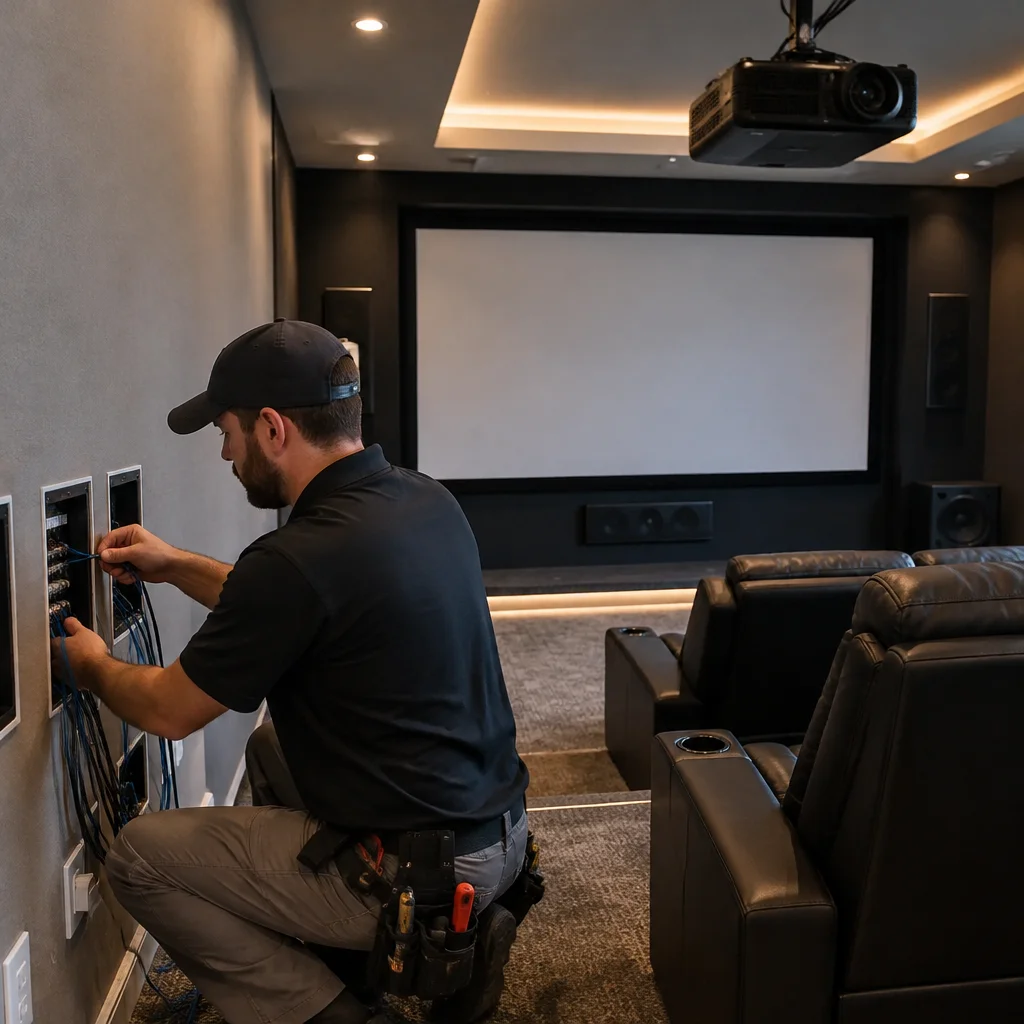
Rewiring creates convenient access for communication and safety systems. Homeowners can coordinate data network cabling for home offices and wireless access points, along with security system wiring for cameras, door contacts, and control equipment. Keeping low voltage cable separated from power wiring helps protect performance and code compliance.
Prepare for generators, EV chargers, and changing power needs
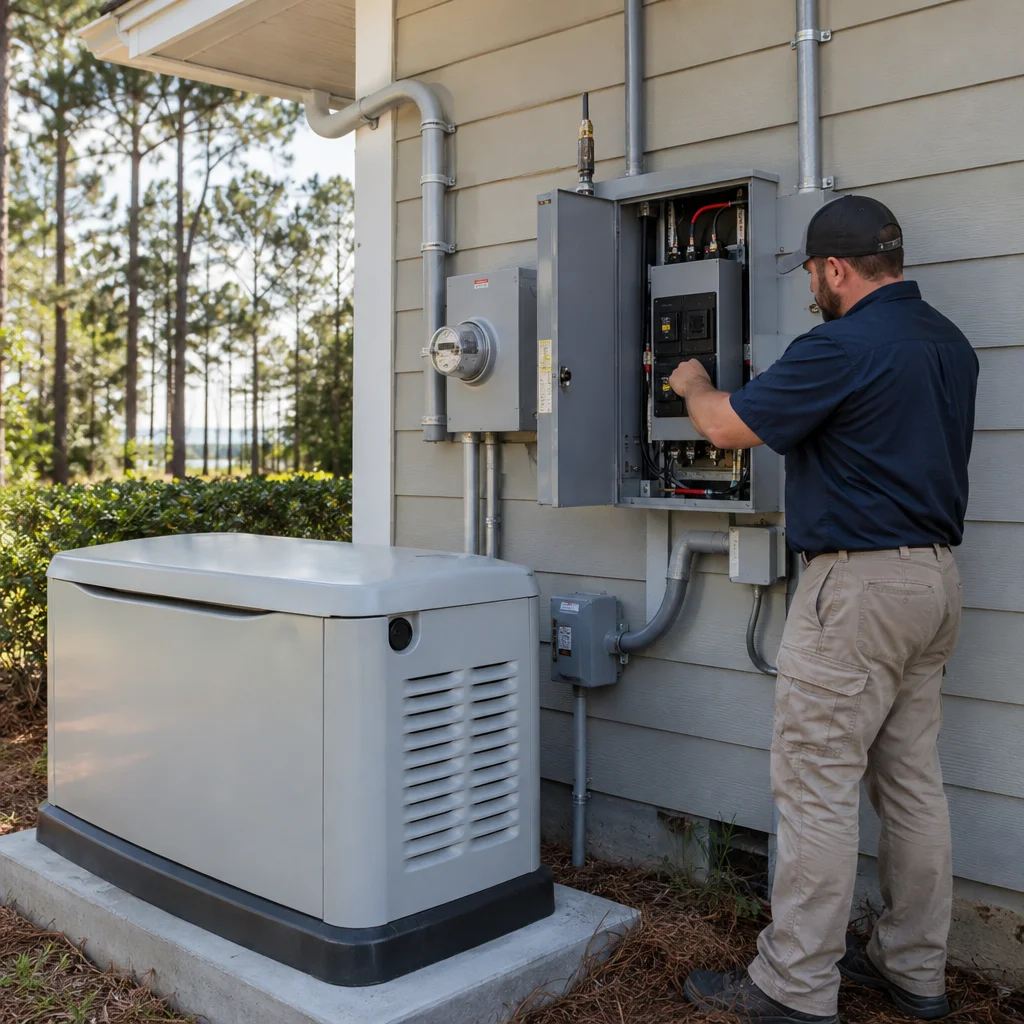
Storm preparation is a practical part of electrical planning in Okaloosa County. A portable generator connection or standby generator requires proper transfer equipment so generator power cannot feed back onto utility lines. A whole home generator installation near me search should lead to a load based design, not an assumption that every appliance can operate at once.
EV charger installation also requires careful load evaluation. Charger output, service capacity, panel space, parking location, cable routing, and manufacturer instructions all affect the design. Homeowners searching for Tesla charger installation near me should understand that the vehicle connector is only one part of the project. The branch circuit and charging equipment must be sized and installed as a complete system.
Even if a generator or EV charger is not being installed immediately, a rewiring project can reserve panel space or establish a practical pathway for future conductors. Similar planning can support a future addition, workshop, pool, outdoor kitchen, landscape lighting, or expanded air conditioning equipment.
Coordinate rewiring with remodels and additions
Electrical work is easiest to coordinate while framing is exposed. During a kitchen renovation, room addition, or major interior remodel, finalize cabinet layouts, appliance specifications, furniture locations, lighting plans, and equipment needs before rough wiring. Late changes can increase labor and create compromises in device placement.
Permits and inspections are an important part of code compliant work. Requirements can vary with project scope, building conditions, and the authority having jurisdiction. A qualified electrical contractor should identify applicable permits, arrange required inspections, and complete corrections before walls are permanently closed.
Plumbing and mechanical changes may also influence electrical planning. New pumps, water heaters, disposals, and appliances may require circuits or disconnects. Niceville homeowners coordinating broader improvements may find useful context in articles about reliable plumbing installation and routine drain care, especially when several trades will work in the same walls.
Warning conditions that should not wait for a remodel
Some electrical symptoms require prompt attention rather than waiting for a planned renovation. These include a burning or melting odor, smoke, sparks, buzzing from the panel, visible arcing, a hot panel cover, repeated breaker trips, partial power loss, water entering electrical equipment, or shocks from appliances and switches.
If there is fire, smoke, or immediate danger, leave the home and call emergency services. Do not touch wet electrical equipment or stand in water near a panel. If conditions allow, power can be turned off from a safe location, but homeowners should not remove a panel cover or handle damaged service conductors.
Less dramatic symptoms still deserve investigation. Flickering lights, warm receptacles, discolored switches, dead outlets, frequently tripped GFCIs, and breakers that will not reset can indicate wiring faults or loose connections. Professional electrical repair in Niceville can determine whether the trouble is isolated or part of a wider system issue.
Preventive maintenance after rewiring
A new system still benefits from routine care. Keep the panel accessible, maintain accurate circuit labels, avoid storing materials against electrical equipment, and test GFCI devices according to manufacturer instructions. Smoke detectors should be tested regularly and replaced based on the manufacturer’s service life. Interconnected alarms and carbon monoxide alarms should be installed where required.
Outdoor receptacles, weatherproof covers, lighting, generator equipment, and service components should be checked after major coastal storms. Look for cracked covers, loose equipment, water entry, rust, damaged conduit, or fallen branches. Do not open electrical enclosures to inspect the interior. Arrange an electrical inspection if storm damage is suspected.
It is also wise to review the electrical system whenever major loads change. A new range, dryer, hot tub, air conditioning system, EV charger, or workshop tool may alter demand. Keeping records of panel work, inspections, permits, and circuit changes gives future electricians a clearer picture of the home.
Build the scope before the first wall is opened
A dependable rewiring proposal should define panel work, circuit quantities, device locations, lighting connections, grounding, surge protection, smoke detector installation, permit responsibilities, testing, wall access, and cleanup. It should also distinguish required code corrections from optional convenience upgrades.
A Superior Mechanical serves homeowners and properties across Okaloosa County. For help developing a practical plan for panels, wiring, outlets, lighting, dedicated circuits, and future equipment, homeowners can request an electrical evaluation before demolition or remodeling begins.
Find Whole Home Rewiring in Niceville, FL
If you need Whole Home Rewiring in Niceville, FL, visit our local service page or contact A Superior Mechanical today.
Map of Niceville, FL
Frequently Asked Questions
Does every older Niceville home need whole home rewiring?
No. The decision depends on the wiring type, insulation condition, grounding, previous alterations, panel condition, circuit capacity, and inspection findings. Some homes need targeted repairs, while others are safer and more practical to rewire comprehensively.
Can a panel upgrade be completed without rewiring the entire house?
Often, yes. A panel can sometimes be replaced while existing branch circuits remain in service if those circuits are safe and compatible. However, a new panel does not correct damaged wiring, missing grounding, overloaded circuits, or unsafe connections elsewhere in the home.
Should generator and EV charger plans be included during rewiring?
Yes. Even if installation will happen later, the electrician can evaluate service capacity, reserve panel space, and plan conductor routes. This can reduce disruption and help prevent an expensive redesign when the generator or charger is added.
Related Articles
- Why cleaner drains make Niceville homes easier to live in
- How Better Plumbing Installation Helps Niceville Homes Stay Reliable Year Round
- Practical ways Niceville homeowners can handle plumbing financing without delaying repairs
- Keeping Appliance Loads in Check: Dedicated Circuits for Older and Newer Niceville Homes
Photo Gallery