Cleaner indoor air in Niceville requires more than choosing the thickest filter at the store. Filtration, humidity control, ductwork, equipment sizing, and thermostat settings all affect one another. A filter that is too restrictive can reduce airflow, while an oversized air conditioner may cool the house before removing enough moisture. Smart planning helps the entire HVAC system manage comfort without wasting energy or creating avoidable repair problems.
A Superior Mechanical provides air filtration and dehumidifier services in Niceville, FL for homeowners who want cleaner air, steadier humidity, and dependable HVAC performance.
Why Niceville homes need a coordinated air quality plan
Niceville has long cooling seasons, humid coastal air, frequent rain, and storm activity. Outdoor moisture enters through open doors, air leaks, attached garages, bathroom exhaust openings, and leaky ductwork. Salt air can also contribute to corrosion around outdoor units, condenser coils, fasteners, and electrical connections. These conditions make local HVAC maintenance especially important.
Older homes may have return ducts that are too small, disconnected duct joints, aging insulation, or air handlers installed in hot attics and garages. Newer homes are often tighter, which improves energy efficiency but can allow indoor pollutants and moisture to linger when ventilation and dehumidification are not properly planned. Remodels and additions can create another challenge if new rooms are connected to ductwork that was designed for a smaller floor plan.
Seasonal demand matters too. During mild but humid weather, an air conditioner may not run long enough to remove much water from the air. After a storm, wet building materials and repeated door openings can increase the moisture load. A local HVAC contractor familiar with Niceville HVAC service can evaluate these conditions instead of recommending equipment based only on square footage.
Start with temperature, humidity, and airflow measurements
A practical plan begins with measurements. Indoor relative humidity should generally remain below 60 percent, with many homeowners finding the 45 to 55 percent range comfortable. The best setting can vary with the season, the home, and the needs of the occupants. A thermostat or separate humidity control should be checked against a reliable meter before equipment changes are made.
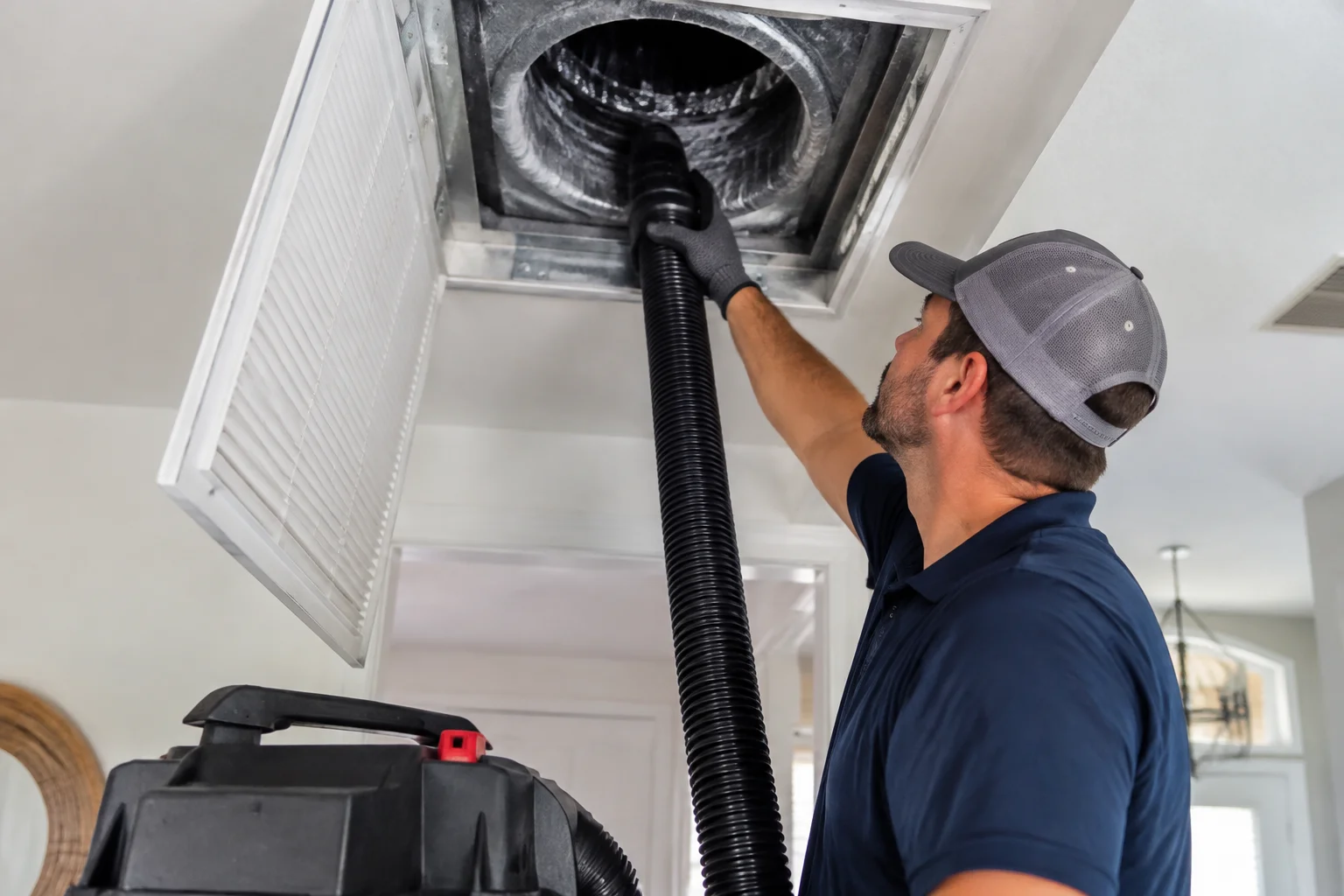
Airflow measurements are equally important. An HVAC technician can inspect supply vents, return grilles, filters, blower settings, static pressure, duct condition, and temperature differences across the evaporator coil. Low airflow can come from a dirty filter, closed vents, a clogged evaporator coil, a weak blower component, crushed flex duct, or undersized return ductwork.
Homeowners searching for an HVAC inspection near me because certain rooms feel damp or stuffy should describe when the problem occurs. Useful details include whether humidity rises overnight, after showers, during rainy days, or only in an addition. This helps separate an equipment issue from a duct leakage, ventilation, or building envelope problem.
Choose filtration that the HVAC system can support
Air filters capture particles as air returns to the air handler. Depending on the filter and system design, filtration may reduce dust, pollen, pet dander, and other airborne particles. Higher filtration is not automatically better if the blower and ductwork cannot move air through the filter.
A one inch filter with a very restrictive rating can create excessive pressure when it becomes loaded with dust. Reduced airflow may cause longer run times, uneven temperatures, higher energy use, or a frozen evaporator coil. In severe cases, poor airflow can contribute to compressor stress and an urgent central air repair. Filter selection should account for cabinet size, surface area, blower capacity, and the system manufacturer's specifications.
A deeper media filter often provides more surface area than a thin filter, allowing effective particle capture with less resistance when it is correctly sized. Air scrubbers and UV purification can also be considered as part of an indoor air quality plan. UV equipment is commonly positioned to treat surfaces near the evaporator coil. It does not replace filtration, humidity control, source removal, or routine cleaning.
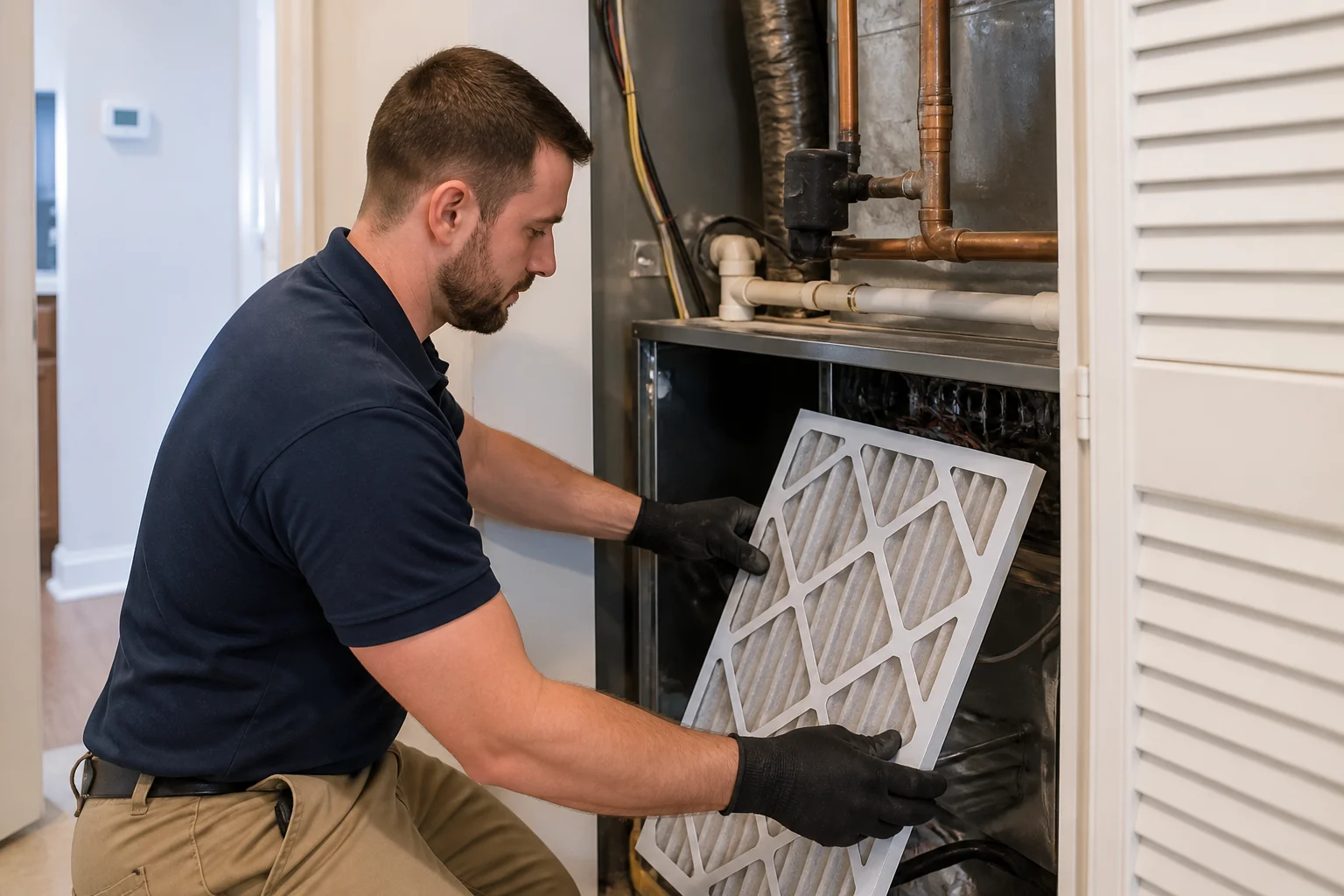
Check filters monthly until you understand how quickly they load in your home. Homes with pets, remodeling dust, frequent door traffic, or allergy concerns may need more frequent replacement. Always install the filter in the correct airflow direction and use the size listed for the cabinet rather than forcing in a filter that leaves gaps.
Whole home dehumidification handles moisture between cooling cycles
An air conditioner removes moisture as warm air passes over the cold evaporator coil. The resulting water flows into the drain pan and through the condensate drain line. This process works well when the equipment is sized correctly, airflow is appropriate, and cooling cycles last long enough.
Problems appear when the air conditioner satisfies the thermostat too quickly or when outdoor conditions are humid but not extremely hot. The house may reach 74 degrees while relative humidity remains uncomfortable. Lowering the thermostat further can make rooms cold without solving the underlying moisture problem.
A properly designed whole home dehumidifier can remove moisture independently of a normal cooling cycle. It may connect to the central duct system or use dedicated ductwork, depending on the home and manufacturer requirements. Correct drainage, return air placement, supply air delivery, capacity, and control settings are essential. Someone searching for a whole home dehumidifier near me should ask whether the estimate includes duct design and commissioning, not merely equipment placement.
Humidity control can help reduce musty odors, window condensation, swollen wood, and conditions that support microbial growth. It cannot repair an active roof leak, plumbing leak, or water intrusion around windows. If visible growth or significant water damage is present, qualified assessment and remediation may be needed in addition to HVAC work. A search for mold prevention HVAC near me should lead to moisture source identification rather than promises that one accessory will solve every problem.
Ductwork determines whether clean, dry air reaches each room
Duct leaks in attics, garages, and other unconditioned spaces can undermine both filtration and humidity control. A leaky return may pull humid, dusty air into the system after it has bypassed the filter. A supply leak sends conditioned air outside the living space, increasing run time and making rooms harder to cool.
Duct sealing should focus on accessible joints, plenums, boots, and equipment connections using materials intended for HVAC systems. Cloth backed utility tape is not a durable duct sealing method. Damaged insulation also matters because cold supply ducts can collect condensation when humid attic air reaches their surfaces.
Uneven rooms may require ductwork repair, additional return capacity, blower adjustments, or proper balancing. Closing several supply vents is rarely a good substitute because it can increase system pressure. Homeowners searching for airflow balancing near me should expect a technician to examine the entire air path, including return air, filter resistance, blower performance, and supply delivery.
Remodels, enclosed porches, bonus rooms, and additions may benefit from separate zoning or ductless mini splits. A mini split can provide efficient room specific cooling, but it still needs filter cleaning, drain maintenance, coil care, and humidity planning. It should not be sized solely by room area without considering insulation, windows, occupancy, and sun exposure.
Equipment faults can look like humidity problems
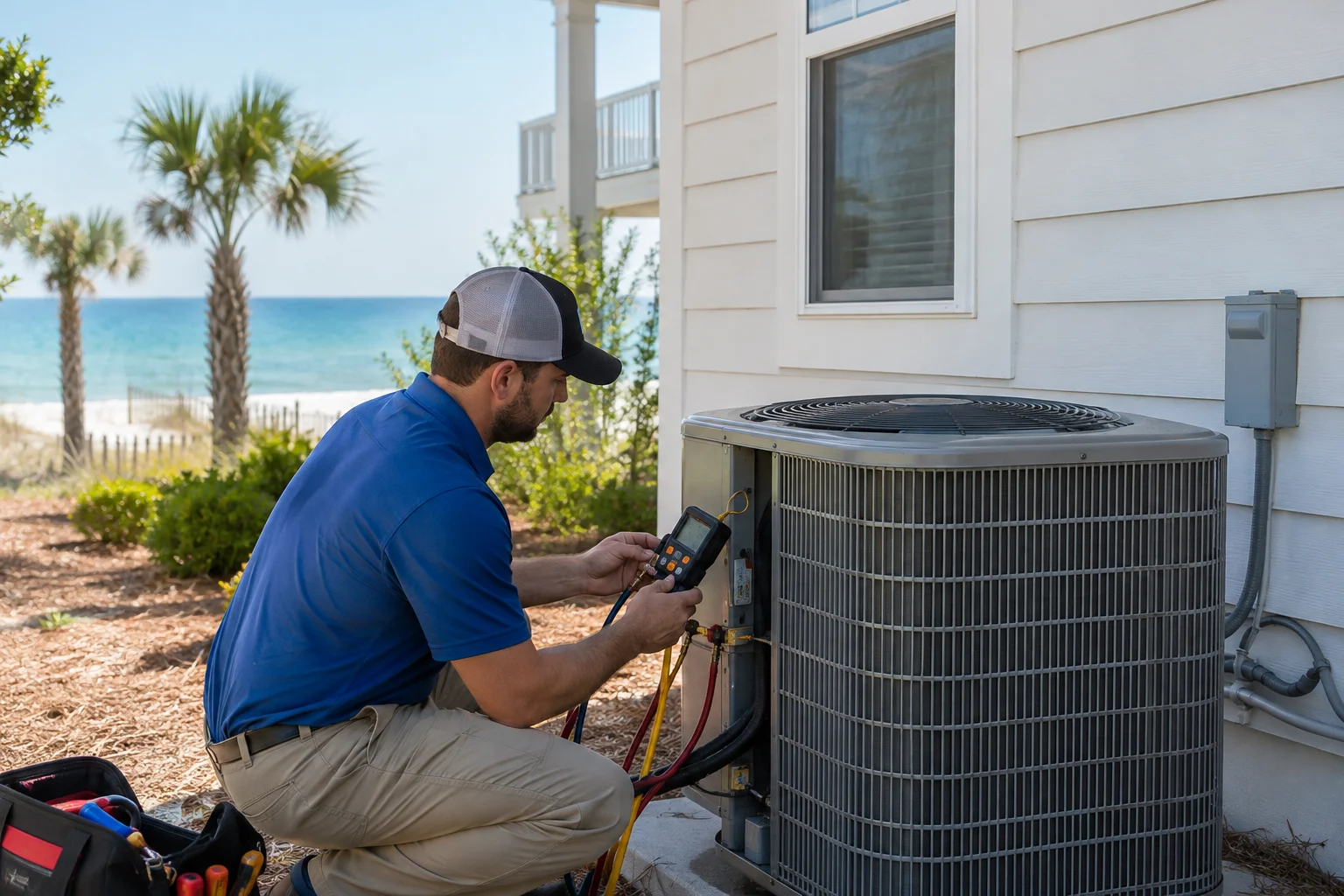
Rising humidity does not always mean a dehumidifier is required. A dirty evaporator coil, clogged filter, blocked drain line, incorrect blower setting, or refrigerant leak can reduce moisture removal. Low refrigerant may eventually cause ice on the evaporator coil, weak cooling, and water around the air handler after the ice melts. Refrigerant does not get used up during normal operation, so a low charge should prompt leak testing rather than repeated topping off.
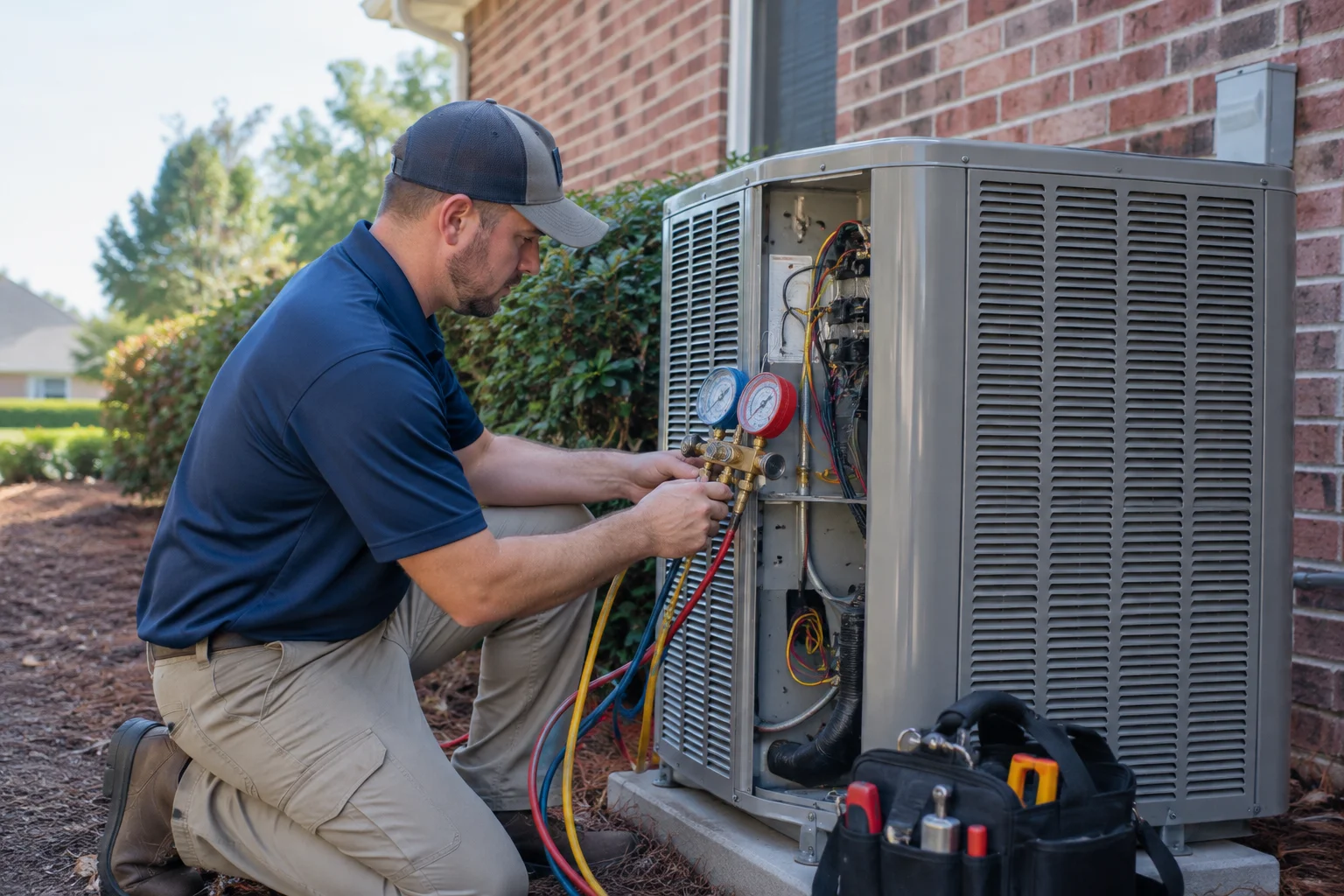
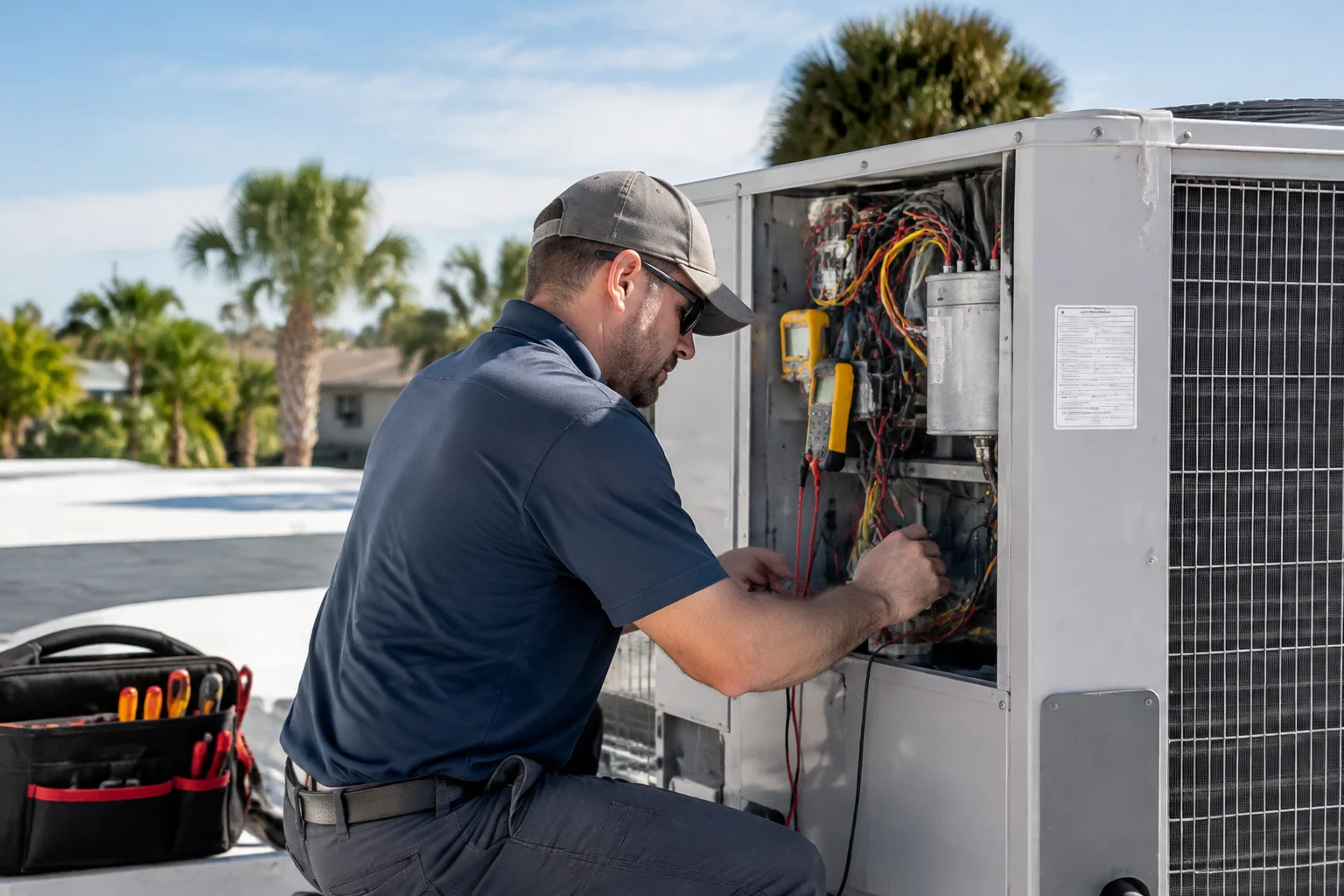
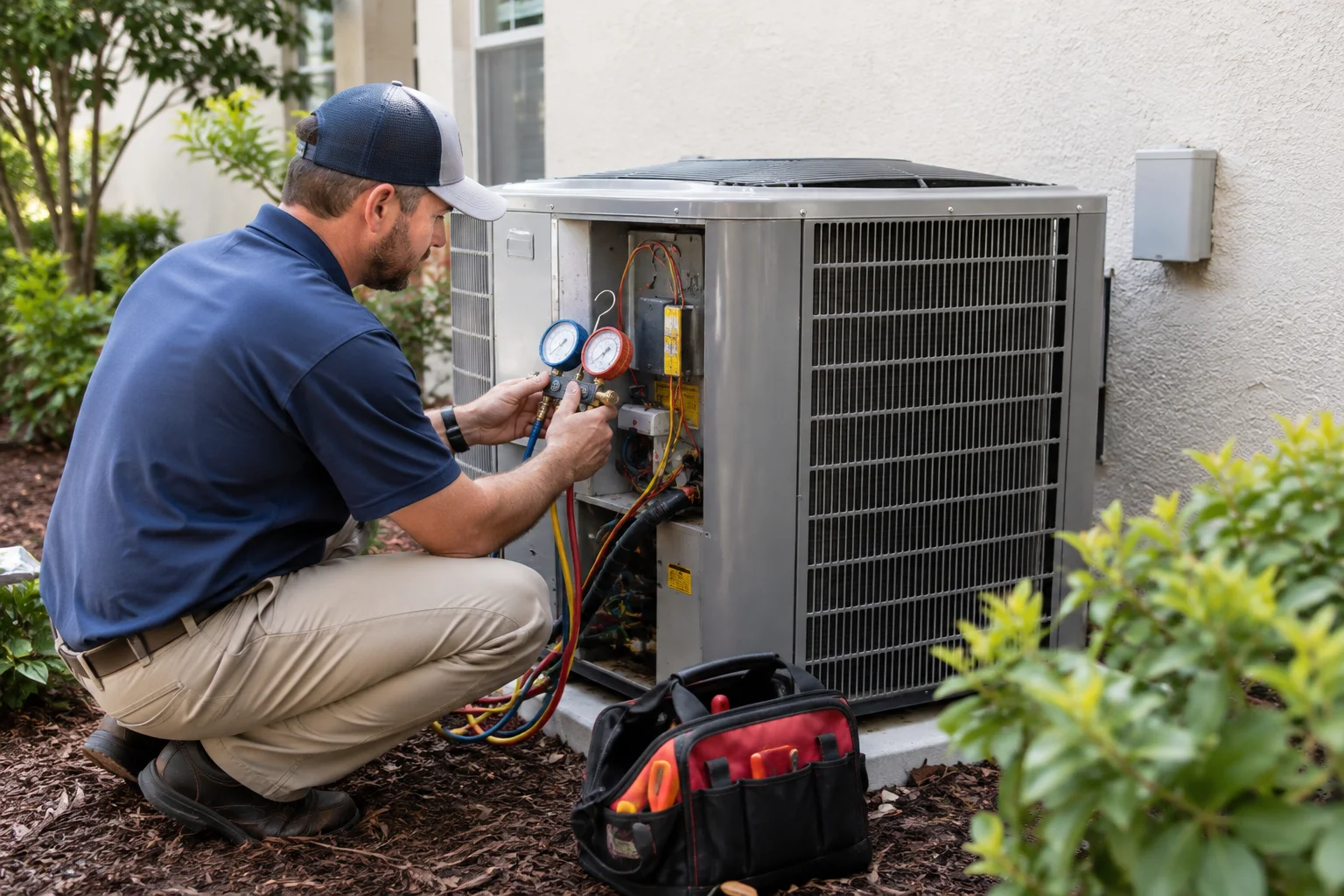
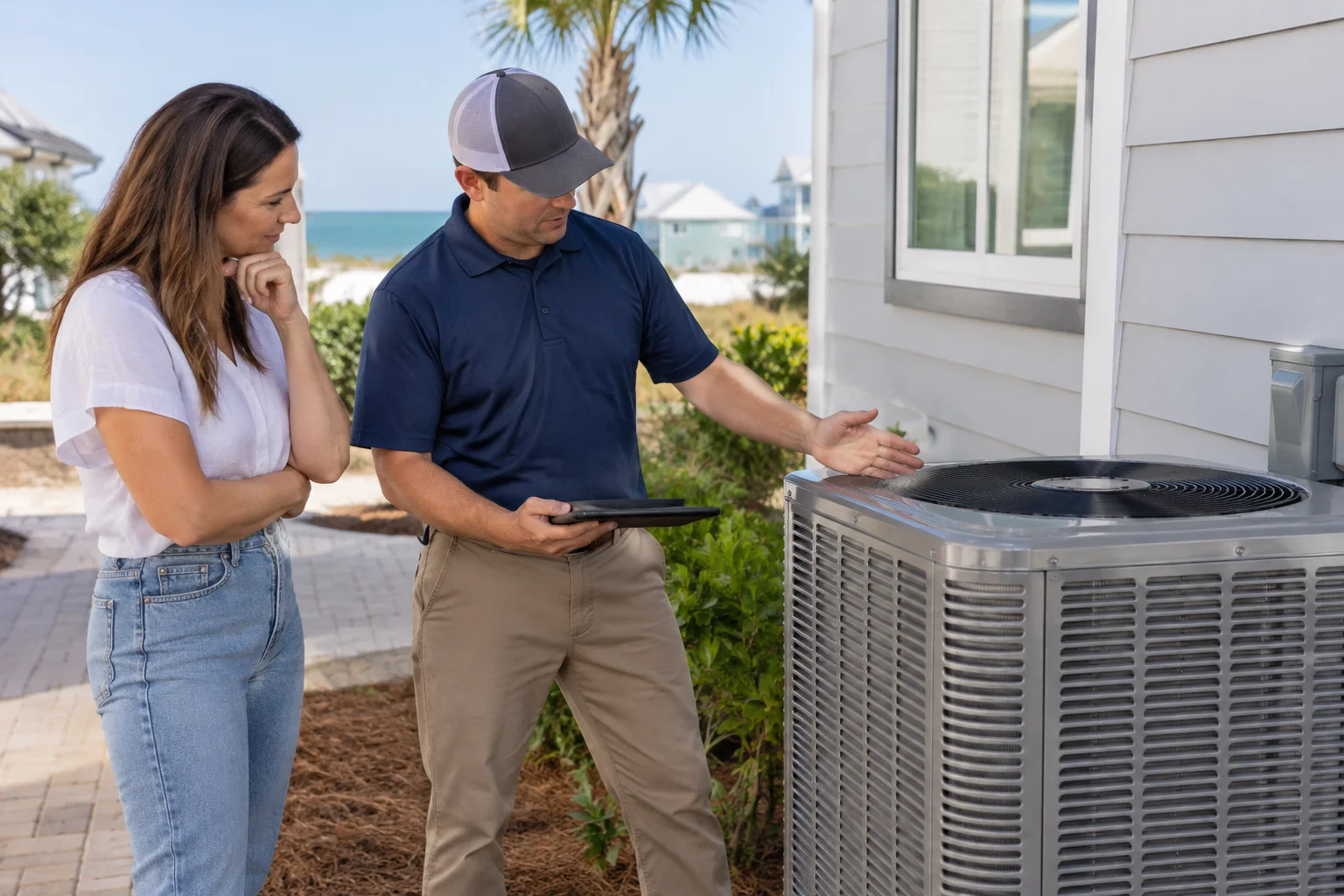
The outdoor condenser also needs attention. Grass, leaves, storm debris, and corrosion can restrict heat transfer or damage components. Capacitor or fan failures may stop cooling altogether. Keep vegetation clear of the unit, but do not use harsh chemicals or high pressure washing on the coil. Professional air conditioning repair may be needed when the condenser hums without starting, cycles rapidly, or produces unusual noises.
Heat pumps serve many Niceville homes for both cooling and heating. Their filters, coils, blowers, drains, and ductwork affect air quality in every season. Scheduling heat pump service before seasonal demand can uncover airflow and drainage concerns. Homes with furnaces also need filter changes, blower inspections, safe combustion checks, and appropriate heating repair or furnace service before cooler weather.
Thermostat settings should support moisture removal
Thermostat installation and setup can change how the system handles humidity. Continuous fan operation may reintroduce moisture from a wet evaporator coil after the compressor stops, particularly in humid climates. Using the automatic fan setting is often more appropriate unless the system was specifically designed for continuous circulation.
Variable speed equipment and compatible smart thermostats may offer humidity based controls, lower blower speeds during moisture removal, and dehumidification calls. These features must be configured for the actual equipment. A thermostat that is wired or programmed incorrectly can cause short cycles, poor comfort, or unnecessary auxiliary heat use.
Electrical reliability also affects HVAC controls, motors, and outdoor units during storm season. Homeowners planning major equipment or thermostat upgrades may find useful background in this guide to a safer electrical backbone for Niceville homes. HVAC electrical diagnosis and building electrical upgrades should be completed by appropriately qualified professionals.
Preventive care protects filtration and humidity performance
Inspect the filter regularly, keep return grilles clear, and avoid placing furniture over supply vents. Look for water near the air handler and confirm that the condensate line drains properly. A backed up drain can activate a safety switch or overflow into nearby ceilings and flooring. Drain pans that rust, crack, or hold standing water should be evaluated.
Outdoor units should be checked after severe weather for flooding, impact damage, and debris. Do not operate equipment that has been submerged. Salt residue and corrosion deserve attention during maintenance visits, especially near exposed coastal areas of Okaloosa County. Indoor service should include the air handler, evaporator coil, blower, filter cabinet, drain components, thermostat, and accessible duct connections.
An AC tune up before peak summer demand can identify dirty coils, weak electrical components, drainage problems, and airflow restrictions before they cause a breakdown. Fall maintenance is also useful for heat pumps and furnaces. Maintenance cannot prevent every failure, but it provides a chance to correct smaller issues while parts and appointment times may be easier to obtain.
Situations that call for professional HVAC service
Arrange service when humidity stays above 60 percent, musty odors return after cleaning, vents have weak airflow, the evaporator coil freezes, or water appears around the air handler. Frequent cycling, rising energy bills, hot and cold rooms, and filters that collapse or become dirty unusually fast also deserve investigation.
Turn the system off and seek prompt help if there is smoke, a burning odor, repeated breaker tripping, severe water leakage near electrical components, or signs of storm or flood damage. An emergency HVAC repair near me search is also appropriate when cooling fails during dangerous heat, particularly in a home with infants, older adults, or people with medical vulnerabilities.
A Superior Mechanical can evaluate filtration, humidity, airflow, thermostats, ductwork, air handlers, condensers, heat pumps, furnaces, and mini splits as one connected system. That whole system approach helps Niceville homeowners choose repairs and indoor air quality upgrades based on measured conditions rather than guesswork.
Find Air Filtration and Dehumidifiers in Niceville, FL
If you need Air Filtration and Dehumidifiers in Niceville, FL, visit our local service page or contact A Superior Mechanical today.
Map of Niceville, FL
Frequently Asked Questions
What indoor humidity level is best for a Niceville home?
Many homes feel comfortable between 45 and 55 percent relative humidity. Keeping humidity below 60 percent is generally important for comfort and moisture control. The right setting depends on the home, season, occupancy, and HVAC design.
Can I install a higher rated filter in my existing HVAC system?
Possibly, but the filter must match the airflow capacity of the blower, return ductwork, and filter cabinet. A restrictive filter can reduce airflow, increase energy use, and contribute to coil freezing. An HVAC technician can measure system pressure before recommending an upgrade.
Does a whole home dehumidifier replace the air conditioner?
No. A whole home dehumidifier controls moisture, while the air conditioner primarily controls temperature and also removes some humidity during cooling cycles. The two systems can work together to improve comfort during Niceville's humid weather.
Related Articles
Photo Gallery