Florida weather does not wait, and neither do HVAC failures. In Springfield, FL, a sudden loss of cooling can feel urgent fast, especially during humid afternoons when airflow drops and indoor temperatures climb. This guide explains what homeowners should know about emergency HVAC services in Springfield, FL, including common causes of AC and heat pump breakdowns, what you can safely do while waiting, and how professional service protects your home and indoor air quality.
Why HVAC emergencies feel different in Springfield, FL
Springfield sits in Bay County, where warm temperatures, high humidity, and frequent coastal air can stress HVAC systems. Salt air and moisture can contribute to corrosion on outdoor components. Heat and humidity also increase the load on your air conditioner, which means refrigerant systems and condensate drainage have to work harder to keep indoor humidity under control.
When something breaks, the symptoms often show up quickly:
- Airflow issues such as weak supply air, uneven cooling, or rooms that never reach temperature.
- Moisture problems such as water on the floor, a clogged condensate line, or a strong musty smell.
- System behavior changes such as short cycling, frequent on off cycles, or a thermostat that seems to be “calling for cooling” but the unit will not respond.
Because these conditions can affect comfort, humidity levels, and energy use, it helps to understand what counts as an emergency and what should be addressed promptly by a local HVAC technician.
What counts as an emergency HVAC situation?
Not every HVAC problem is an emergency, but in Springfield, FL, you should treat cooling and heating failures as urgent when they create unsafe conditions or rapid deterioration in comfort.
Cooling emergencies to take seriously
Call for emergency AC repair near me when you notice:
- The air conditioner will not start, but the thermostat calls for cooling.
- The system runs but air is not cooling, or airflow is dramatically reduced.
- You see water leaking from indoor equipment or notice condensate drainage issues.
- Burning smells, heavy smoke, or unusual electrical odors occur near the indoor unit, outdoor unit, or air handler.
High humidity can make a “not quite cooling” situation feel worse. Even if the unit is running, poor airflow and reduced dehumidification can lead to clammy indoor air and discomfort.
Heating emergencies when temperatures drop
Springfield winters are milder than many areas, but cold snaps still happen. Treat heating failures as urgent when:
- The heat pump or heating system will not start when the thermostat is set correctly.
- Air is blowing but not warming, or the system cycles repeatedly without stabilizing indoor temperature.
- There are signs of airflow restriction, such as dirty filters, blocked vents, or unusual noises from the air handler.
If your home relies on a heat pump, remember that humidity and airflow issues can still affect comfort. For dedicated guidance, homeowners can also explore heat pump services in the area.
Common causes of AC repair emergencies in Bay County
Emergency HVAC calls are often triggered by predictable issues. In Springfield homes and rentals, these problems show up during peak cooling demand or after long stretches of use.
Refrigerant system problems
Many homeowners first notice refrigerant system issues as “it is not cooling like it used to.” Refrigerant performance affects how well the indoor coil can absorb heat and how effectively the system dehumidifies. However, homeowners should not attempt to diagnose refrigerant problems themselves. A professional evaluation is needed before any refrigerant discussion becomes actionable.
What you can observe:
- Warm air coming from vents even when the AC runs.
- Ice buildup on coils or unusual temperature behavior.
- Frequent short cycling or the system not maintaining steady operation.
A Superior Mechanical can assess the system in person, including airflow, indoor coil conditions, and how the thermostat and system controls are behaving.
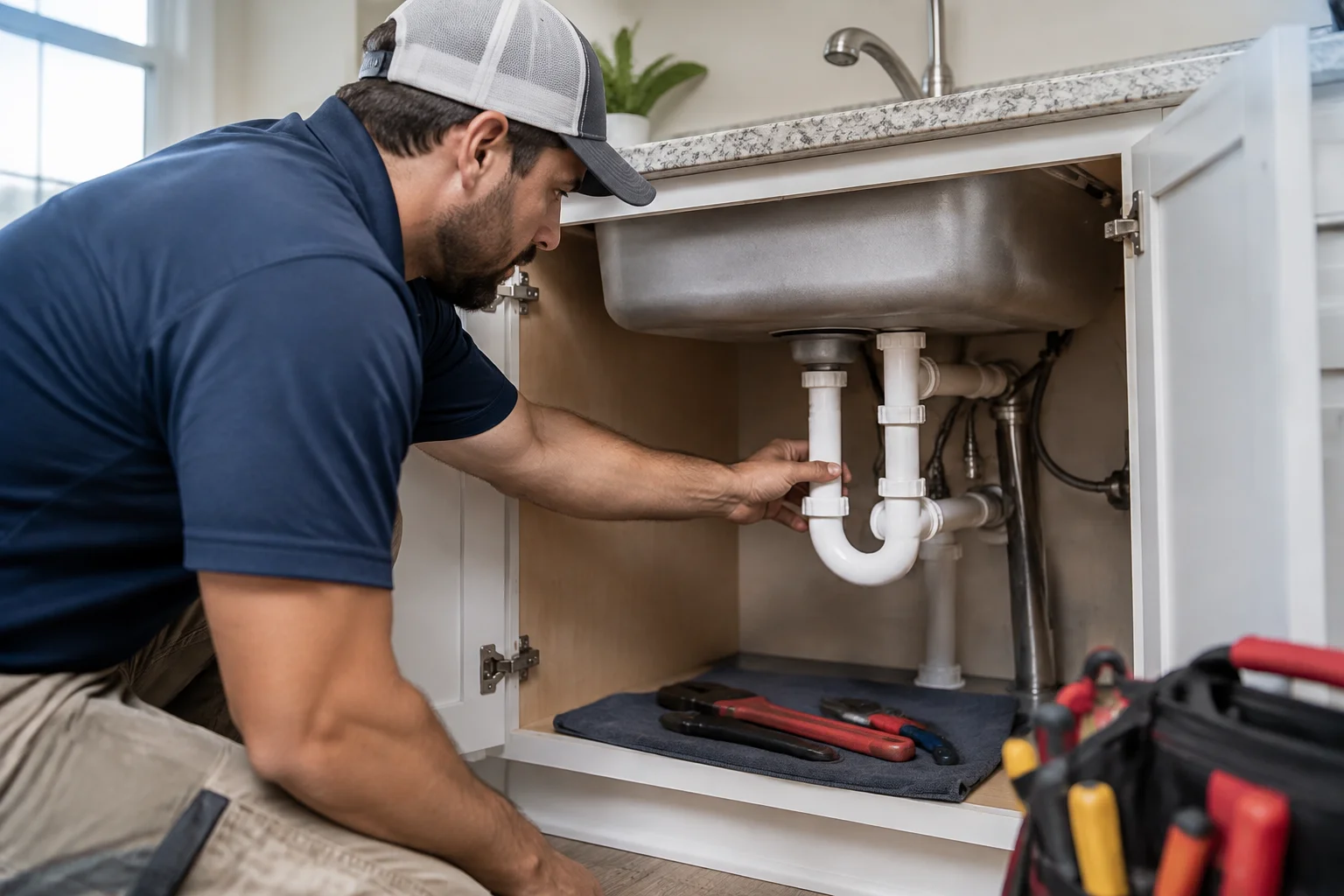
Condensate drainage clogs and water leaks
In humid climates, condensate drainage is a constant pressure point. When the condensate line is restricted or the drain pan is not draining properly, water can back up and cause leaks, odors, or moisture damage.
Homeowners should watch for:
- Water pooling near the indoor unit, air handler, or closet.
- Musty smells that suggest moisture buildup.
- Signs of overflow or wet insulation.
Condensate drainage problems can also affect indoor air quality by increasing moisture in the air stream and around equipment.
Airflow restriction from filters, ducts, or blocked vents
Many “emergency” AC calls are actually airflow problems. A clogged filter, blocked return air path, closed dampers, or ductwork that does not move air effectively can cause the system to struggle. Reduced airflow can lead to coil icing, poor cooling, and higher energy use.
In older Springfield homes and some rental properties, ductwork issues can be more noticeable during high humidity months. If you suspect ductwork is contributing to uneven cooling, consider duct sealing and Aeroseal services as part of a long-term plan. For emergencies, airflow checks are typically part of the immediate troubleshooting.
Thermostat issues and control confusion
Thermostats can trigger emergency calls even when the HVAC equipment is not the real culprit. A thermostat that is misconfigured, has failed wiring, or is reading temperature incorrectly can cause the system to behave oddly. Sometimes the unit runs but does not reach comfort goals because the thermostat settings do not match what the system is actually doing.
Before calling, verify basic settings like mode (cooling vs heat), fan operation, and whether the thermostat is responding properly to temperature changes. If the thermostat is functioning but the system does not respond, that is a strong reason to request air conditioning repair near me or emergency AC repair near me service.
Outdoor unit strain during peak heat and humidity
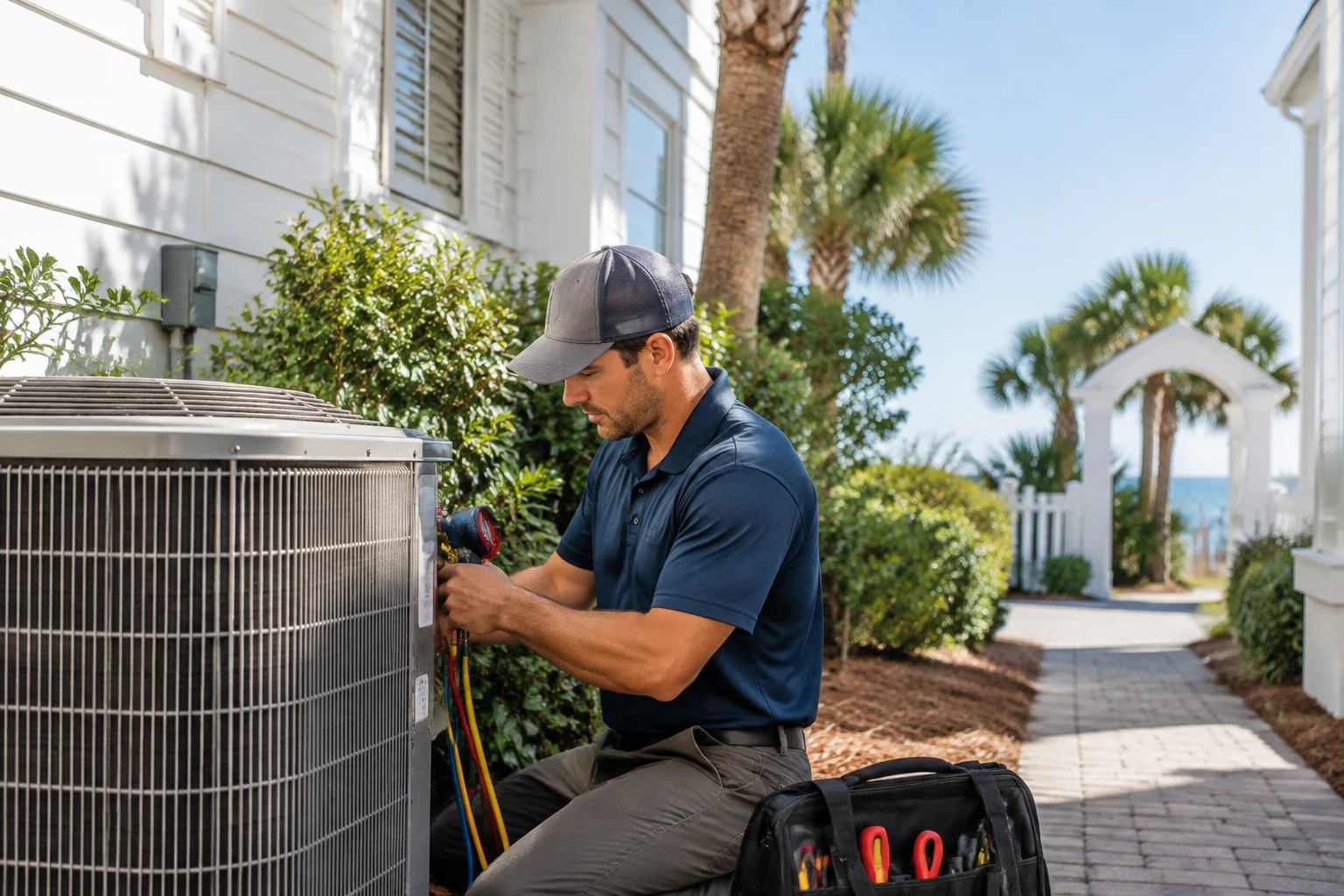
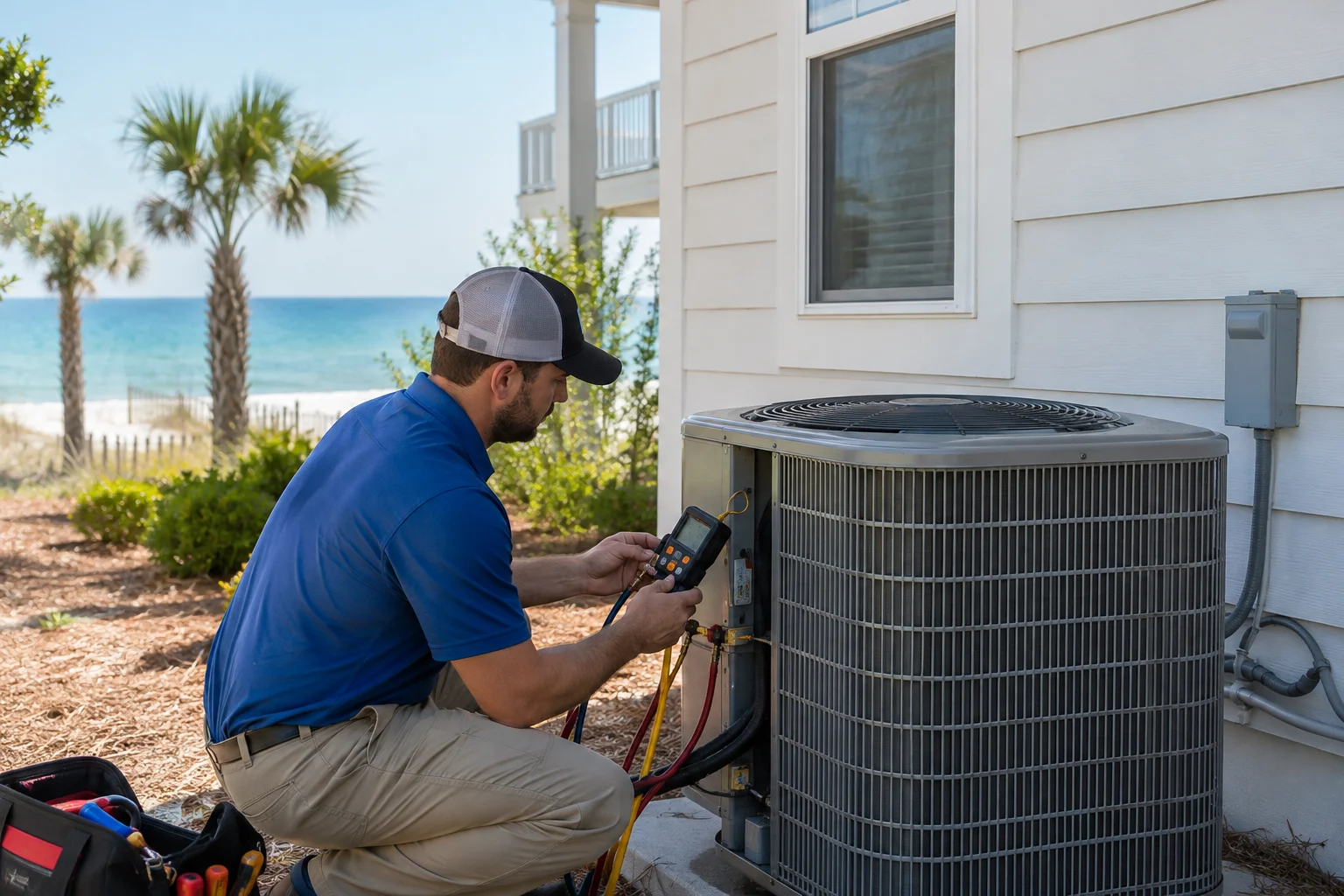
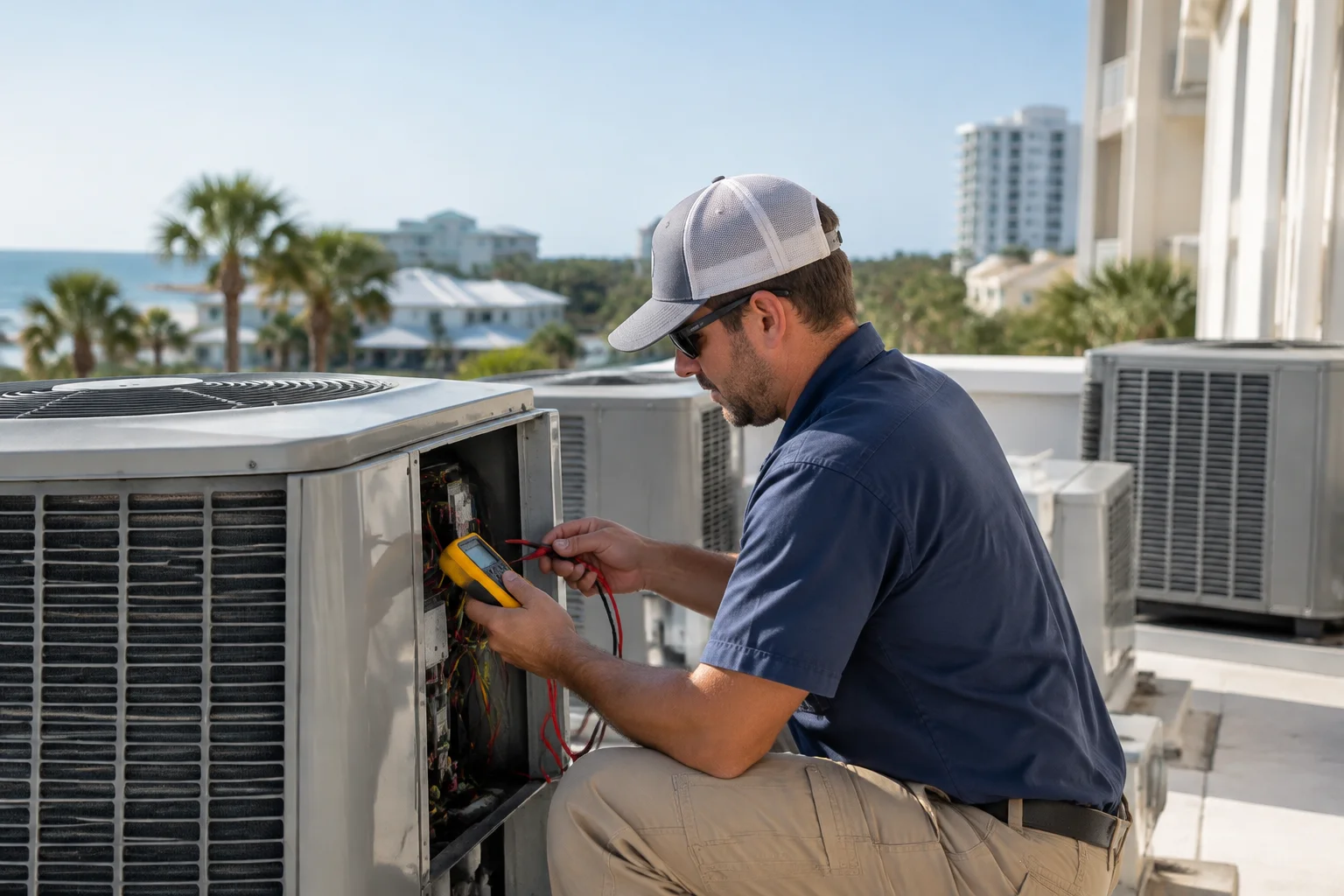
Outdoor components can struggle when the system is pushed hard. Springfield’s warm, humid days can increase run time and stress the outdoor unit. Salt air and moisture can add corrosion risk to contact points and metal surfaces. When the outdoor unit cannot operate as intended, cooling performance drops quickly.
Homeowners should not attempt to open outdoor panels or perform repairs. Instead, request a local HVAC technician who can safely inspect the system, including airflow around the outdoor unit and the condition of key components.
How emergency HVAC service is different from regular maintenance
Emergency HVAC services focus on restoring safe operation and restoring comfort as quickly as possible. That means the technician often prioritizes:
- Assessing system behavior, airflow, and indoor comfort symptoms.
- Checking condensate drainage and moisture-related concerns.
- Confirming thermostat operation and control settings.
- Reviewing ductwork and airflow pathways when performance is inconsistent.
- Evaluating refrigerant system performance only with proper tools and in-person diagnosis.
Regular HVAC maintenance, on the other hand, is designed to prevent these failures. If you are dealing with frequent breakdowns, it may be time to schedule HVAC maintenance near me style service through a qualified local contractor.
If you want to understand how maintenance supports humidity control and comfort, these resources can help homeowners plan ahead, especially in humid coastal environments: Why Better HVAC Maintenance Matters for Whole Home Dehumidifiers in Sandestin.
What you can do right now while waiting for help
While you wait for a professional, focus on safety and basic checks. Avoid anything that could damage equipment or create risk.
1) Check the thermostat settings
Confirm you are in the correct mode (cooling for AC problems), set the temperature appropriately, and ensure the fan setting is not stuck. If the thermostat display is blank or erroring, note the messages for your technician.
2) Inspect filters and airflow paths
If the filter is visibly clogged, replacing it is a reasonable homeowner step. Also make sure return vents and supply vents are not blocked by furniture, curtains, or storage. Airflow restrictions can turn a minor issue into a full emergency by preventing the system from moving heat and moisture effectively.
3) Look for obvious condensate drainage issues
If you see water where it should not be, do not ignore it. Take a photo for reference and note where the water appears. If you have a drain pan overflow concern, inform your HVAC contractor right away so they can bring appropriate tools.
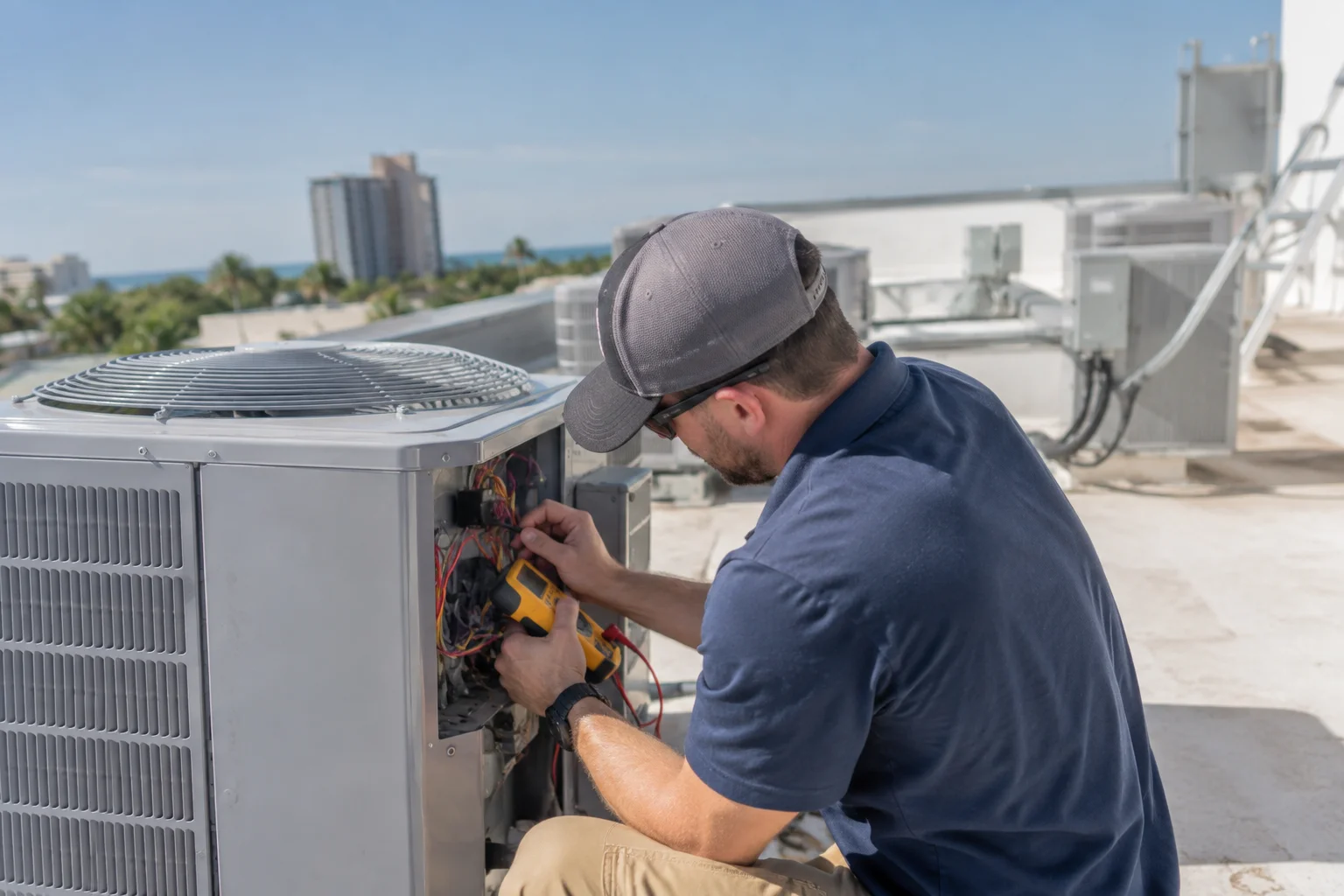
4) Avoid DIY refrigerant or electrical troubleshooting
Refrigerant systems and electrical components require professional diagnosis. Attempting to “fix” refrigerant issues or open electrical panels can be dangerous and can also complicate repairs. A Superior Mechanical will evaluate the system in person before recommending any next steps.
How a professional HVAC technician approaches emergency AC repair
Homeowners often wonder what happens during an emergency call. Here is a realistic overview of the priorities a local HVAC technician near me will focus on in Springfield.
Start with system symptoms, not assumptions
“It is not cooling” can mean many different things. The technician will look at airflow, indoor temperature trends, humidity symptoms, and how the system responds to thermostat calls. Those observations help narrow whether the issue is airflow related, moisture related, control related, or tied to refrigerant system performance.
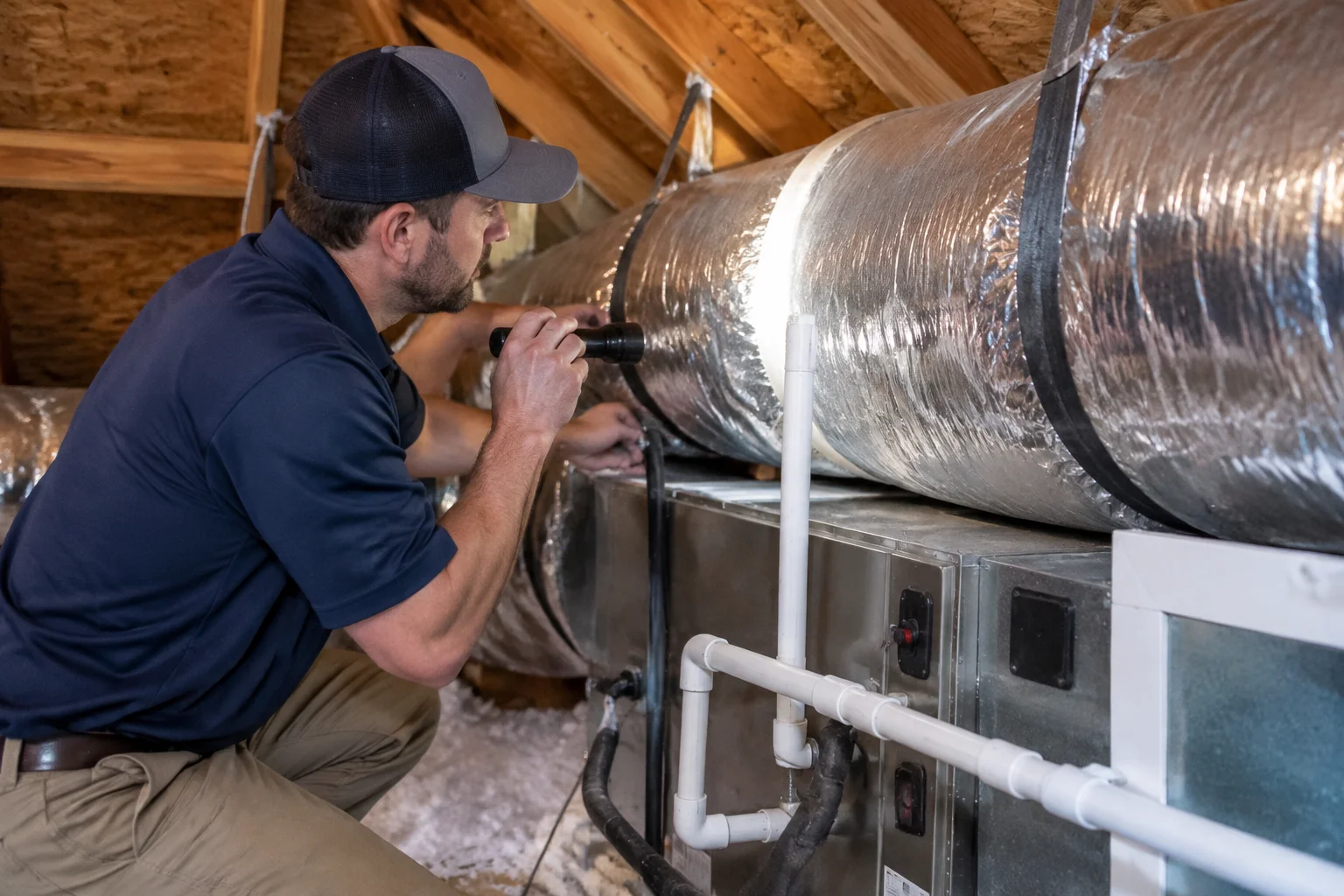
Confirm airflow and ductwork conditions
Air conditioning depends on moving air across coils and through ductwork. If airflow is restricted, cooling and dehumidification suffer. Technicians may check for filter condition, blower operation, and airflow balance. If ductwork is contributing, they can discuss long-term fixes such as sealing strategies. For duct-related concerns, homeowners can also read about airflow planning in coastal areas in Smart HVAC Planning for Rosemary Beach Homes.
Check condensate drainage and moisture impact
In humid conditions, condensate drainage is central to comfort and indoor air quality. If water is present or drainage performance seems off, the technician will address the immediate problem and explain how moisture can affect air quality over time.
Evaluate refrigerant system performance safely
If the symptoms point to refrigerant system performance, the technician will use proper tools and safe procedures. Homeowners should not expect a correct refrigerant diagnosis through remote troubleshooting or quick guesses. Proper evaluation is essential for safe and effective repairs.
Energy use and comfort: why emergency repairs should be more than temporary
When an AC system struggles, it often runs longer and uses more energy to try to meet thermostat targets. Poor airflow, moisture buildup, or refrigerant system performance problems can also lead to uneven cooling, higher humidity, and discomfort that feels worse than the temperature number on the thermostat.
Emergency service should restore safe operation and improve indoor comfort. After the urgent issue is handled, a good technician can recommend preventive HVAC maintenance steps to reduce the chance of another breakdown during peak demand.
Preventing the next emergency in Springfield: practical maintenance habits
Preventive maintenance is the best way to reduce emergency HVAC calls, especially in Florida’s heat and humidity. While homeowners cannot eliminate every failure, consistent care can prevent the most common causes of sudden HVAC problems.
Replace filters on a schedule you can keep
Filters protect airflow and help the system move air efficiently. A clogged filter can contribute to overheating components, coil icing, and poor cooling performance.
Keep indoor airflow pathways clear
Do not block returns or supplies. In many homes, furniture placement and closed doors can reduce airflow and strain the system. If you have rooms that never cool, do not just lower the thermostat. Consider airflow and ductwork factors.
Watch condensate drainage during humid weeks
Especially during Florida’s wettest stretches, keep an eye out for water around the indoor unit. If you have recurring moisture issues, discuss it with your HVAC contractor during regular service.
Plan for coastal and salt air impacts
Salt air and humidity can increase corrosion risk on outdoor equipment. Keeping the area around the outdoor unit clear and scheduling professional inspections can help catch wear before it becomes a breakdown.
Use maintenance to support indoor air quality
Indoor air quality is tied to airflow, humidity control, and overall system cleanliness. When the system struggles, humidity can rise and comfort can drop. Maintenance helps keep the system operating as intended.
For homeowners who want to think about HVAC planning beyond emergencies, these reads can help: Smart HVAC Planning for Air Conditioning Maintenance in Laguna Beach, FL.
Residential vs commercial emergencies in Springfield
Emergency cooling concerns can look different for businesses and rentals. Commercial spaces may have higher occupancy, different thermostat schedules, and more complex ductwork needs. If you manage a property, you may need emergency cooling that restores comfort quickly without disrupting operations.
For businesses seeking help similar to what homeowners want, consider commercial HVAC repair. The same principles apply: airflow, moisture control, and safe evaluation of refrigerant system performance when needed.
Choosing an HVAC contractor for emergency service in Bay County
When you search for HVAC contractor near me or emergency HVAC services, focus on the practical details that affect outcomes, not marketing promises. A good local HVAC partner will:
- Ask questions about symptoms, thermostat behavior, and moisture signs.
- Perform an in-person evaluation before making recommendations.
- Explain what they find in plain language and outline next steps responsibly.
- Respect safety around refrigerant systems, condensate drainage, and electrical components.
For Springfield homeowners and property managers, A Superior Mechanical provides fast emergency HVAC services across Bay County. You can view the service area details at /service-areas/bay-county/springfield/emergency-hvac-services-sfbc, or browse the broader service area at /service-areas/bay-county/springfield and /service-areas/bay-county.
When to schedule preventive service after an emergency
After your emergency AC repair or heating repair, it can be tempting to move on as soon as comfort returns. Still, emergency fixes often reveal underlying maintenance needs. Scheduling preventive HVAC maintenance after an urgent issue can help reduce repeat failures.
If you have a history of recurring airflow problems, moisture concerns, or inconsistent temperature control, ask your technician to review the system’s overall condition. For homeowners who want to reduce humidity-related issues, it can also help to understand how maintenance supports dehumidification equipment, especially in coastal humidity.
Stay comfortable: emergency cooling decisions you should not delay
In Springfield, FL, emergencies often involve comfort and humidity at the same time. If your air conditioner will not start, is blowing weak air, or you see signs of condensate drainage problems, treat it as urgent. When your system struggles during Florida heat, the longer you wait, the more likely you are to experience higher energy use, uneven cooling, and indoor air quality concerns.
Professional emergency HVAC service helps restore safe operation and supports better performance moving forward, whether you need AC repair, heat pump service, ductwork support, or preventive maintenance planning.
Find Emergency HVAC Services in Springfield, FL
If you need Emergency HVAC Services in Springfield, FL, visit our local service page or contact A Superior Mechanical today.
Map of Springfield, FL
Frequently Asked Questions
How do I know if my AC problem is an emergency?
If the thermostat calls for cooling and the system will not run, air is not cooling, airflow is very weak, or you notice water from condensate drainage, treat it as urgent. Burning smells or smoke are also emergency-level issues.
Can I troubleshoot a refrigerant issue myself?
No. Refrigerant system performance requires in-person evaluation and proper tools. DIY refrigerant work can be unsafe and can delay correct repairs. A qualified technician should inspect the system and confirm the cause before recommending any next steps.
What should I check before the technician arrives?
Confirm thermostat mode and temperature settings, check whether the filter is clogged, and look for blocked vents or returns. If you see any water near indoor equipment, note where it is coming from and take a photo for reference.
Why does humidity make HVAC emergencies worse in Springfield, FL?
High humidity increases the cooling and dehumidification load on the system. If airflow is restricted or condensate drainage is not working properly, moisture can build up quickly, making indoor comfort worse and potentially affecting indoor air quality.
After emergency AC repair, should I schedule maintenance?
Often, yes. Emergency service can uncover issues related to airflow, ductwork, condensate drainage, or system wear. Preventive HVAC maintenance can help reduce the chance of another breakdown during peak Florida heat and humidity.
Related Articles
- Smart HVAC Planning for Rosemary Beach Homes: Comfort, Airflow, and Coastal Protection
- Why Better HVAC Maintenance Matters for Whole Home Dehumidifiers in Sandestin
- Why Commercial HVAC Service Matters in Ocean City Homes and Mixed-Use Properties
- Smart HVAC Planning for Air Conditioning Maintenance in Laguna Beach, FL
Photo Gallery