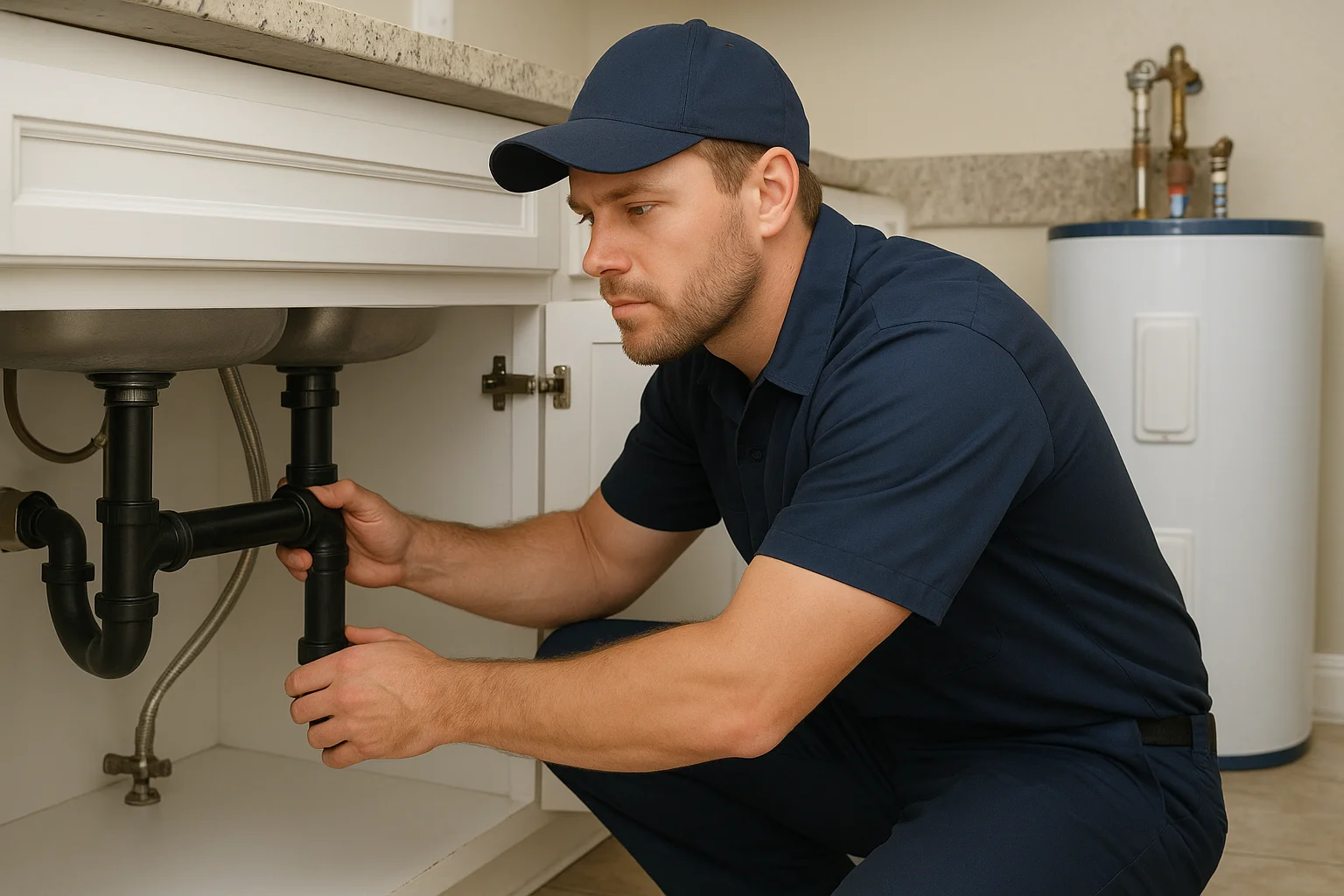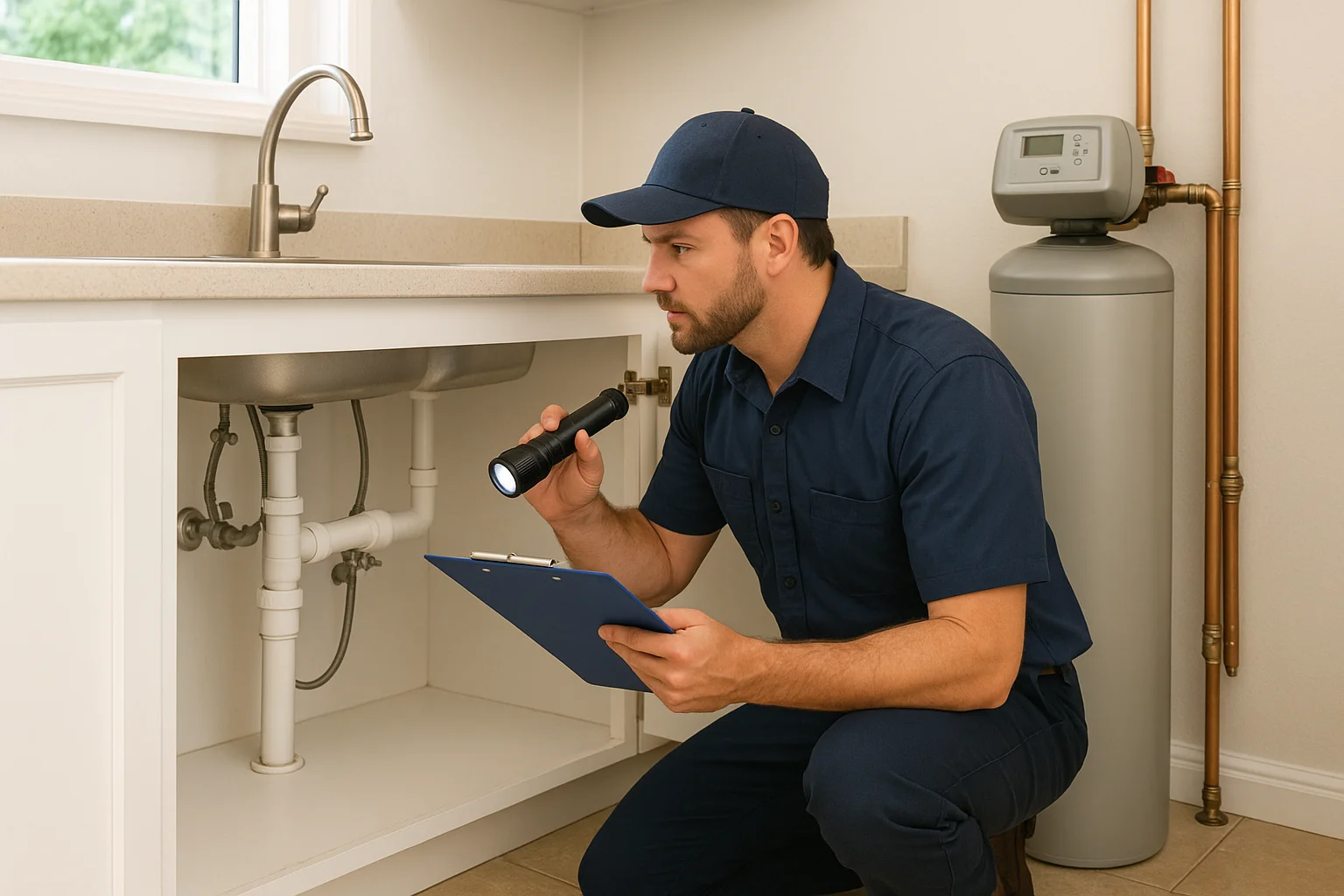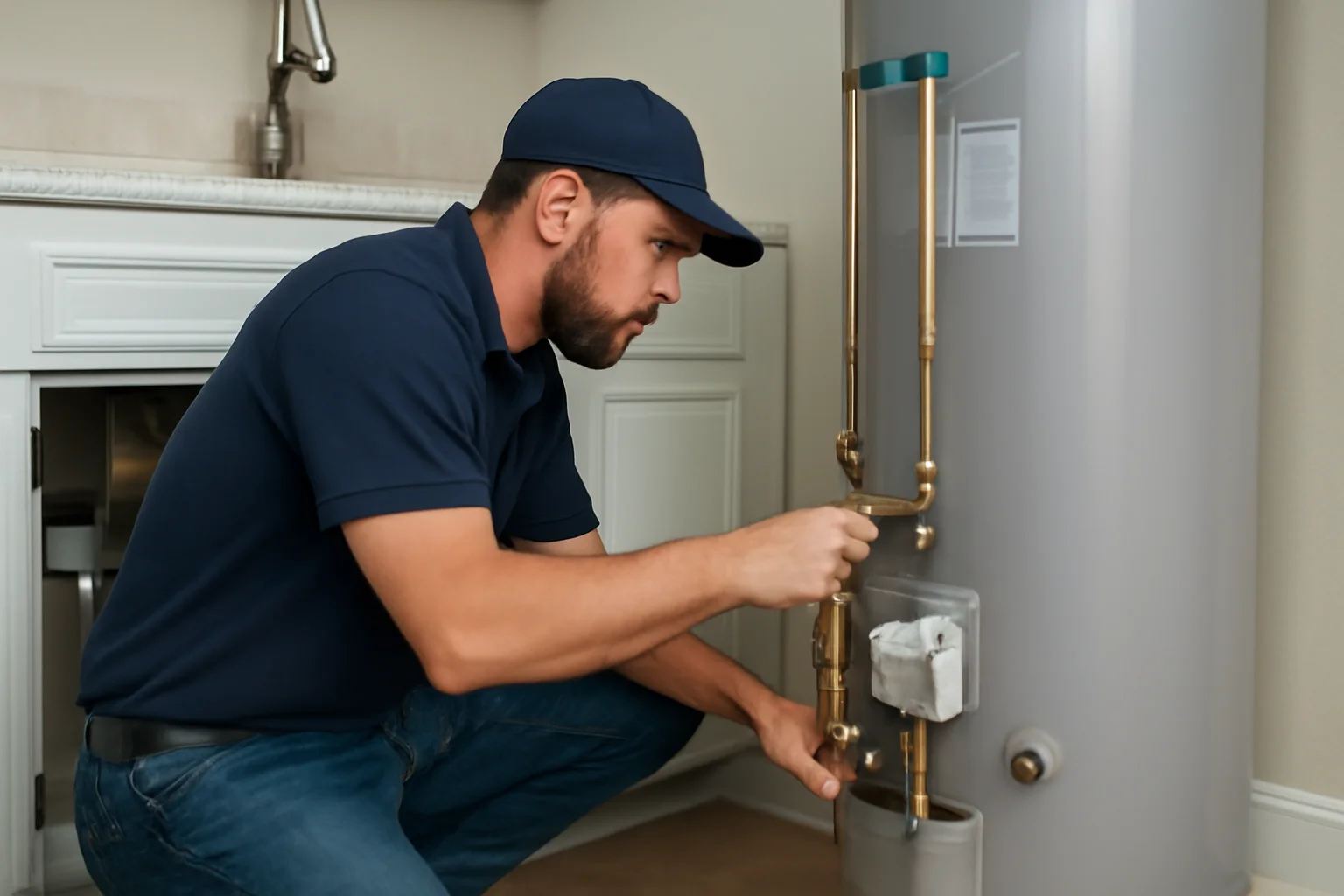
Niceville homes rely on steady hot water for laundry, showers, and everyday comfort, but the plumbing system behind that hot water is easy to overlook. When a water heater starts failing, the damage rarely stays contained to the tank. It can affect water pressure, encourage leaks at nearby pipes and fixtures, strain drains, and even contribute to bigger emergency plumbing concerns like water and sewer line problems.
If you are searching for water heater replacement in Niceville, FL, this guide breaks down the local plumbing risks homeowners often miss and how a properly planned replacement protects your home. For broader service help, you can also explore local plumbing services in Niceville and Okaloosa County plumbing.
Why a failing water heater can trigger plumbing problems beyond hot water
Most homeowners notice a water heater issue as a comfort problem first: not enough hot water, lukewarm showers, or strange noises. But the plumbing system around the heater is where prevention starts. A water heater is connected to supply lines, valves, pressure regulation, drains, and sometimes the venting system. When the heater ages, those connections and components can become failure points.
In Niceville, the combination of steady household water use, changing water pressure from daily demand, and hard water conditions can accelerate wear. Hard water minerals build up inside tanks and on valve seats. That buildup reduces heat transfer, shortens heater life, and increases the odds of leaks and pressure-related stress on pipes.
Local signals Niceville homeowners ignore until repairs get expensive
Replacing a water heater too late can turn a manageable plumbing repair into a larger job. Here are the overlooked indicators that often show up in local homes before a bigger issue develops.
1) Water pressure swings that affect faucets and toilets
When a water heater struggles, the system can cycle more frequently. That cycling can create noticeable pressure changes at fixtures, including kitchen faucet flow, shower temperature stability, and toilet refill speed. In some homes, the pressure changes are subtle until a fixture starts acting up.
Pressure problems can also worsen after partial repairs, because older plumbing components may not tolerate repeated stress. If you are dealing with plumbing repair needs like pipe repair or fixture issues, it is smart to consider whether the water heater is the root cause.
2) Rust, moisture, or “weeping” around the tank and fittings
A small leak near the base of a heater can be easy to miss, especially in a utility closet or garage where floors are sealed or drainage is limited. But even a slow seep can lead to corrosion of nearby pipes, damage to insulation, and water intrusion that shows up later as drywall stains or musty odors.
Rust streaks, wet spots, or mineral deposits around valves and connections are strong reasons to schedule water heater service. If you are searching for water leak repair near me and the leak source is the heater, replacement is often the more protective fix.
3) Drain line issues that look unrelated
Some homeowners assume the heater’s drain is “just for maintenance.” In reality, the temperature and pressure relief valve discharge line, condensate connections on tankless units, and nearby drain connections can all matter. If the discharge line becomes blocked or the wrong piping is used, water can back up into areas you do not expect.
That can contribute to nuisance moisture, floor puddling, or even drain performance problems that lead to searches like kitchen sink drain repair near me or main drain cleaning near me. A properly installed replacement includes correct drain routing and safe clearances.
4) Strange smells, sediment, or “spit” at hot taps
Sediment buildup is common in older tanks, especially with hard water. When the heater overheats or the sediment shifts, you may see brown water, hear popping noises, or notice sputtering from hot faucets. Those symptoms are not only inconvenient. Sediment can clog aerators and strain shutoff valves, which increases the chance of fixture leaks and difficult-to-diagnose plumbing issues.
If you suspect sediment or odor, it is a good time to compare options for water heater maintenance versus full replacement, depending on the heater’s age and condition.
5) Water heater problems that worsen slab leak risk
Niceville homes can include slab foundations and post-tensioned or monolithic pours. While slab leaks are not caused by water heaters alone, a failing heater can increase water exposure around supply lines and increase the chance that a hidden leak goes unnoticed. A slow leak may sit under flooring or within wall cavities until it grows.
When homeowners delay replacement, the plumbing system can take on extra stress from pressure cycling and aging fittings. That is one reason a small heater issue can turn into a bigger plumbing repair. Learn more in Why a Small Water Heater Problem in Niceville Can Turn Into a Bigger Plumbing Repair.
Hard water and local water use: the hidden accelerators
Niceville households typically use hot water throughout the day. That means the heater cycles repeatedly through the morning rush, afternoon laundry, and evening showers. With hard water, mineral scale settles inside tanks and can reduce efficiency. Over time, scale buildup can lead to:
- Lower hot water output and longer recovery times
- More frequent on and off cycling
- Worn-out valves and weaker seals at connections
- Higher likelihood of leaks and premature component failure
Hard water can also affect fixtures, including showerheads and faucet aerators, and it can contribute to clogged lines that mimic other plumbing problems. If you are considering replacement, it is also worth asking about water filtration options that reduce scale and protect plumbing. You can explore Water Filtration Services and Reverse Osmosis Systems to match your household needs.
Water pressure management: a key part of safe replacement
Many homeowners focus on the heater unit itself, but the protection comes from the system around it. A quality water heater replacement includes checking water pressure and verifying that pressure regulation is correct for your home.
High or unstable pressure can stress pipes, cause valve leaks, and contribute to drips at fixtures. Low pressure can also cause performance complaints that lead to unnecessary fixture repairs. When a plumber near me is evaluating a replacement, they should look at the entire hot water delivery path, including:
- Shutoff valves and check valves
- Pressure reducing components (where applicable)
- Temperature and pressure relief valve operation
- Pipe material condition and joint integrity
- Vent and drain routing for safe operation
That is also where local plumbing expertise matters. Niceville homes may have older plumbing layouts, different pipe materials, and varying installation histories. A dependable installation helps prevent repeat calls and reduces the chance that a new heater becomes the trigger for ongoing plumbing repair.
Tank versus tankless: how the choice affects plumbing protection
Tank and tankless water heaters both provide hot water, but they handle water flow and discharge differently. Choosing the wrong option for your home’s demand patterns can create plumbing issues that homeowners mistake for “the unit being bad.”
Tank heaters store hot water and cycle to maintain temperature. Tankless units heat water on demand and rely on consistent flow and proper venting. In both cases, replacement should be sized and configured to your household’s peak usage, including:
- Number of bathrooms and showers running at once
- Laundry frequency and dishwasher use
- Sprinkler or outdoor hot water needs (if applicable)
- Water pressure stability in your neighborhood
If you are looking for water heater installation near me, ask how the contractor will evaluate your plumbing system, not just the heater. A Superior Mechanical can help you match the right setup to your home and explain how the installation supports leak prevention and reliable performance.
The overlooked installation details that protect pipes, fixtures, and drains
Many water heater problems are really installation problems that show up later. When you replace, it is worth paying attention to the details that keep plumbing lines safe and drains functioning correctly.
Correct venting and safe discharge for temperature and pressure relief
The temperature and pressure relief valve is a safety device. During replacement, it must be tested and piped correctly so discharge goes where it should. Incorrect discharge routing can cause moisture damage, corrosion, and repeated nuisance issues.
Using the right connectors and sealing methods
Older homes may have fittings that do not match current standards. A good replacement will include appropriate connectors and seal methods that prevent slow leaks at joints. Those leaks can be hard to spot and can lead to water damage behind walls or under flooring.
Drain line routing that keeps water moving away from your home
Even if the heater is not actively leaking, its drain line and related connections must be clear and correctly pitched. If a line is blocked, water can back up into areas that should stay dry. That can also contribute to drain performance issues that homeowners later describe as “random” or “unrelated,” especially when they start searching for drain cleaning or emergency plumber help.
Checking nearby pipes and fixtures while the system is accessible
Water heater replacement often opens up access to supply lines, shutoffs, and nearby plumbing. This is a smart time to inspect for weak sections, corrosion, or failing shutoff valves that could cause future leaks or toilet repair issues due to supply problems.
For example, if a kitchen faucet repair request is really driven by low hot water flow from a failing heater or clogged lines, a replacement evaluation can save time and prevent repeat service calls.
Preventing sewer line problems: why hot water upgrades can still matter
It may sound indirect, but water heater performance can influence how wastewater behaves in the home. When hot water is inconsistent, some households use extra hot water to compensate, which can increase total wastewater flow during peak periods. In older plumbing systems, that added demand can contribute to slow drains and recurring clogs.
Additionally, if a heater discharge or nearby drain connection is not handled correctly, it can create conditions that contribute to odor, standing water, or nuisance backups. Homeowners who experience repeated clogs may search for sewer backup repair near me or sewer line repair near me.
While a water heater replacement does not replace sewer line diagnostics, a professional plumber should still consider the broader plumbing context. If you are seeing recurring backups, gurgling drains, or foul odors, it is worth discussing drain cleaning and inspection along with the heater work. For broader help across the region, see Okaloosa County plumbing services.
Emergency plumbing concerns: what to do right away
Some situations cannot wait. If you notice any of the following, treat it as an urgent plumbing concern and contact a local plumber for immediate assessment:
- Active water pooling around the water heater or rapid moisture growth
- Water heater discharge that is not draining properly
- Major loss of hot water with signs of leaks or damage
- Multiple fixtures suddenly failing due to supply issues
- Signs of water intrusion near floor drains or damp areas where you do not expect them
During emergencies, shut off the water supply to the heater if you can do so safely, and stop using hot water if it is contributing to leakage. Then call for same day plumber near me or emergency pipe repair near me style service so the source can be identified quickly. Fast action helps limit damage to floors, cabinets, insulation, and nearby plumbing runs.
Maintenance that supports replacement: what homeowners can do between services
Replacement is part of protection, but maintenance extends the life of your new system and helps prevent nuisance plumbing issues. Even in Niceville’s humid coastal environment, simple habits can reduce risk.
Watch the heater area like you would a leak-prone fixture
Check around the base, connections, and any discharge piping. Look for dampness, corrosion marks, or mineral buildup. If you see it, address it early before it spreads to pipes and nearby fixtures.
Pay attention to hot water performance changes
If hot water recovery slows, the heater cycles more often, or you notice sputtering, sediment may be building up. That is a cue to schedule water heater service rather than waiting for a full failure.
Consider filtration to reduce scale from hard water
Hard water can shorten the lifespan of both tanks and components. A water filtration approach can reduce mineral buildup, which helps protect internal parts and helps your home avoid repeated plumbing repairs tied to scale.
How better plumbing installation keeps replacement from becoming a repeat problem
Homeowners often think water heater replacement is “install the unit and move on.” The real protection comes from plumbing installation quality, including correct pipe connections, safe discharge routing, and system-level checks. If your home has older plumbing or past patchwork, the difference between a basic install and a careful one can be dramatic.
To see how installation choices affect long-term reliability, read How Better Plumbing Installation Helps Niceville Homes Stay Reliable Year Round. It pairs well with heater replacement planning because many plumbing problems are tied to how the system was originally built or modified.
Planning a replacement without delaying needed repairs
Some homeowners postpone replacement because of budget timing, then end up paying more when a leak or pressure issue turns urgent. If that sounds familiar, you can plan ahead and still avoid delay that increases risk.
One helpful strategy is to treat the replacement as a home protection project, not just a purchase. If you are trying to manage costs, review options for financing so you do not keep using a failing heater. Practical steps are outlined in Practical ways Niceville homeowners can handle plumbing financing without delaying repairs.
Choosing a local team for water heater replacement in Niceville
When you search for local plumber near me or water heater replacement near me, look for a company that treats the project like system protection. That means evaluating your plumbing layout, checking pressure considerations, confirming safe discharge and drain routing, and inspecting nearby piping and valves while access is available.
For Niceville homeowners, the goal is simple: dependable hot water and fewer plumbing surprises. With the right replacement approach, you reduce the chance that a heater problem becomes a water leak repair call, a drain cleaning emergency, or a bigger issue that affects sewer line performance.
If you want professional water heater replacement in Niceville, FL, start with the service page here: /service-areas/okaloosa-county/niceville/water-heater-replacement-niceville-fwbnvfl. You can also browse the full Niceville service area overview at /service-areas/okaloosa-county/niceville.
Find Water Heater Replacement in Niceville, FL
If you need Water Heater Replacement in Niceville, FL, visit our local service page or contact A Superior Mechanical today.
Map of Niceville, FL
Frequently Asked Questions
How do I know if I need water heater replacement instead of repair in Niceville?
If you see active leaking, persistent hot water shortages, repeated temperature problems, heavy rust, or sediment-related sputtering, replacement is often the safer option. A technician can confirm whether repairs will truly resolve the underlying issue or if the tank has reached the end of its service life.
Can a bad water heater cause leaks somewhere else in my home?
Yes. A failing heater can leak at the tank, fittings, or relief valve connections. Even slow seepage can damage nearby pipes and valves, and pressure cycling can contribute to drips at fixtures. That is why water leak repair near me searches often lead back to the heater area.
What should I ask about during water heater installation near me?
Ask how they will check water pressure, verify the temperature and pressure relief valve discharge routing, confirm drain line routing and clearances, and inspect nearby piping and shutoff valves. These installation details help prevent future plumbing repair issues.
Does hard water in Okaloosa County affect water heater life?
Hard water increases mineral scale buildup inside tanks and on components. That can reduce efficiency, increase cycling, and raise the likelihood of leaks or performance problems. Filtration or other water treatment may help protect your new system.
When is a water heater issue an emergency plumbing concern?
If you notice active flooding, rapid moisture growth, discharge where it should not be, or multiple fixtures suddenly losing proper hot water due to a supply issue, treat it as urgent. Contact an emergency plumber or same day plumber near me service to limit damage.
Related Articles
- How Better Water Heater Replacement Helps Niceville Homes Run More Smoothly
- How Better Plumbing Installation Helps Niceville Homes Stay Reliable Year Round
- Practical ways Niceville homeowners can handle plumbing financing without delaying repairs
- Why a Small Water Heater Problem in Niceville Can Turn Into a Bigger Plumbing Repair
Photo Gallery