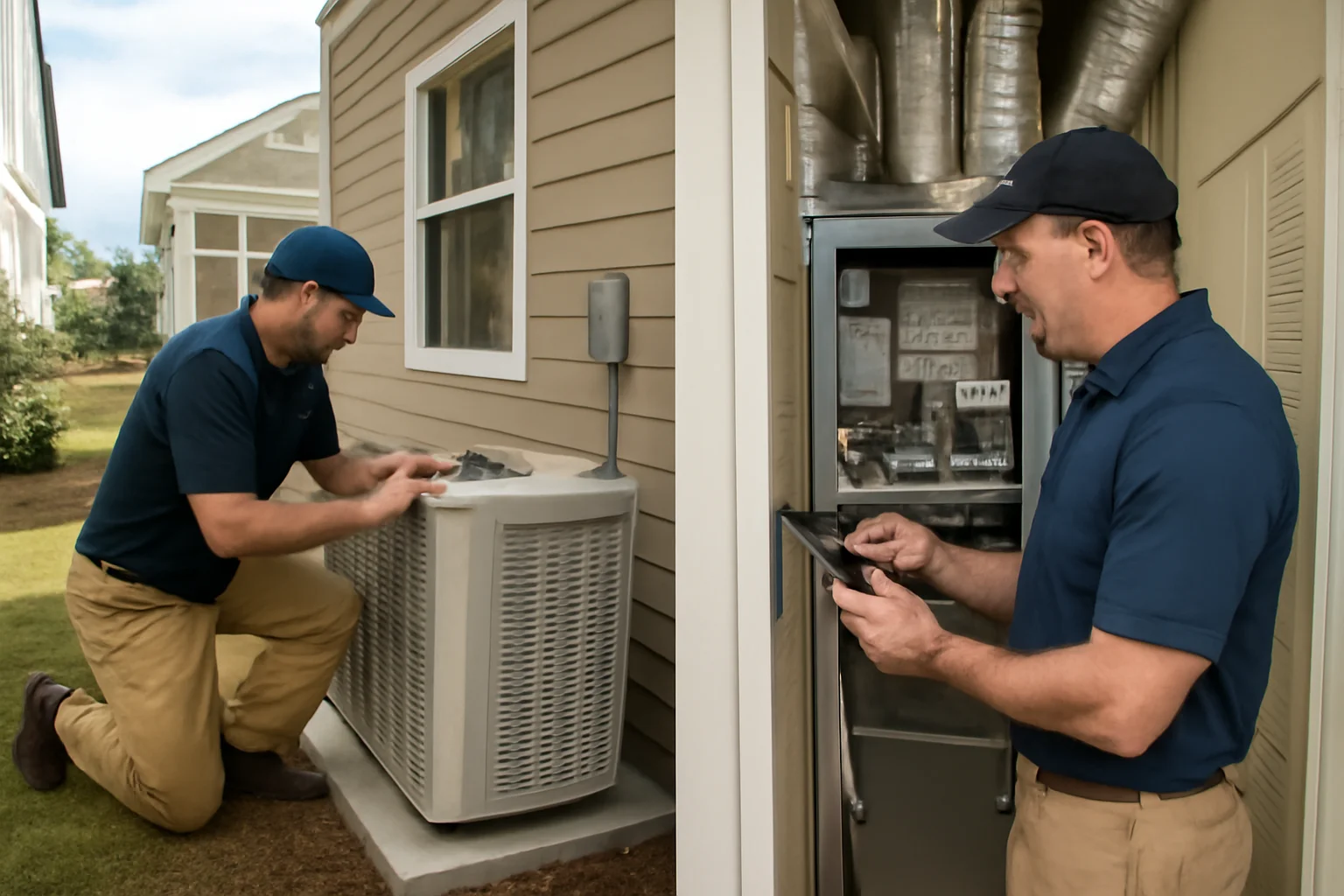
Seaside, FL is beautiful, but it is also demanding on HVAC systems. Salt air, high humidity, and Florida heat put extra stress on airflow, condensate drainage, thermostats, and refrigerant systems. If your home uses geothermal energy, you have a great foundation for quiet, efficient heating and cooling. The difference is that geothermal comfort depends on steady day to day habits and timely maintenance, especially in older homes where ductwork and controls may be aging.
This guide focuses on geothermal energy systems from an HVAC perspective for both older and newer Seaside homes. You will learn what to watch for, why humidity and airflow matter here, and how preventive HVAC maintenance can reduce the odds of needing AC repair or emergency cooling support during peak summer.
How geothermal systems fit Seaside homes and why HVAC habits matter
Geothermal energy systems move heat using the earth as a stable heat source. In most residential setups, the indoor equipment still behaves like a comfort system that relies on airflow, condensate drainage, and a properly operating refrigerant system. That means your geothermal performance is not only about the ground loop. It is also about how air is delivered through ductwork, how indoor humidity is managed, and how the thermostat calls for heating and cooling.
In Seaside and Walton County, the coastal climate adds pressure to the whole system. Warm, humid air challenges dehumidification, and coastal conditions can accelerate wear on components over time. With geothermal, the goal is consistent comfort without overworking the system. The best way to protect that goal is to develop habits that support airflow, drainage, and control accuracy.
Florida heat and humidity: the comfort stress test for geothermal HVAC
Even when geothermal is efficient, Florida heat and humidity can create HVAC issues that feel “mysterious” if homeowners focus only on temperature. Comfort is not just how warm or cool the air feels. It is also how much moisture remains indoors and whether air moves evenly across rooms.
Watch humidity and condensation patterns, not just the thermostat
When humidity is too high, homeowners often report symptoms that look like AC problems: sticky indoor air, musty odors, or uneven cooling. For geothermal systems, poor humidity control can be related to airflow restrictions, dirty filters, or condensate drainage issues. Condensate drainage matters because dehumidification often produces water that needs a clear path to drain.
If you notice water around indoor equipment, damp drywall, or recurring leaks near a condensate line, treat it as an HVAC concern. Drainage problems can lead to moisture buildup, indoor air quality problems, and system strain.
Airflow is a geothermal reliability factor
Geothermal systems still depend on moving air through supply and return ducts. In coastal homes, ductwork can pick up dust, and higher humidity can worsen the effects of poor sealing or airflow imbalance. When airflow drops, indoor coils can run less efficiently. That can contribute to comfort complaints and increased cycling.
Airflow issues can also show up as:
- Rooms that never quite reach the set temperature
- Hot or cold spots that shift over time
- Noticeable changes in airflow from vents
- Long run times on cooling days
If you are searching for ductwork help, consider reading about duct sealing because sealing and airflow balancing often improve comfort and humidity control in humid coastal climates.
Older Seaside homes: common geothermal HVAC weak points
Newer homes in Seaside may include updated insulation, better duct routing, and modern thermostat wiring. Older homes can work well with geothermal, but they often need extra attention to the HVAC “ecosystem” around the system.
Age-related ductwork and airflow restrictions
Older duct systems can have leaks, disconnected sections, or debris buildup. Even a properly installed geothermal system can underperform if the ductwork cannot deliver air where it is needed. Homeowners sometimes interpret this as “the geothermal unit is failing,” but the more common cause is airflow imbalance.
Thermostat settings and control mismatch
Thermostats control how and when the system runs. In older homes, homeowners may have older thermostat models, incorrect settings, or schedules that conflict with real comfort needs. Coastal humidity also changes how long cooling and dehumidification should run.
Thermostat installation and configuration are not always plug and play. If your system seems to short cycle, fail to maintain humidity comfort, or respond slowly to setpoint changes, a professional HVAC contractor can verify thermostat operation and ensure the control strategy matches the geothermal system.
If you are considering thermostat work, you can explore how to prepare for HVAC emergencies so you are not stuck troubleshooting during an extreme heat stretch.
Condensate drainage that has not been maintained
Condensate drainage can become partially blocked over time. In humid Florida conditions, even small drainage issues can lead to overflow, water stains, or increased indoor moisture. Geothermal systems that handle humidity effectively still need clean and properly routed drainage to avoid indoor air quality problems.
Newer Seaside builds: what to protect even with modern upgrades
Newer homes typically have better insulation and tighter building envelopes. That can improve comfort stability, but it can also make airflow and filtration more important. When a home is tighter, the system has to manage humidity carefully, and indoor air quality becomes a bigger part of comfort.
Energy use depends on stable airflow and clean filters
Homeowners often want lower energy use with geothermal. The truth is that energy performance depends on consistent operating conditions. Dirty filters, clogged returns, blocked vents, and duct restrictions can force the system to work harder to move the same amount of air. That means higher energy use and more frequent maintenance needs.
Simple habits help: check filters on schedule, keep return air paths clear, and avoid closing too many vents in a way that disrupts airflow balance.
Salt air and coastal exposure still affect components
Even with geothermal systems, coastal exposure can affect air handling components, ductwork surfaces, and nearby equipment. Salt air is not the same as ocean water, but the environment can still accelerate corrosion and wear on parts that are exposed to moisture-laden air.
Professional geothermal HVAC service includes inspection for corrosion risks, checking airflow pathways, and making sure drainage and indoor air handling components are clean and functioning.
Simple geothermal habits that prevent HVAC issues in Seaside
These habits are designed for real life in Seaside, where humidity and heat are constant companions. They are also the kinds of checks that help homeowners avoid “mystery” comfort problems that usually lead to AC repair or heat pump repair requests.
1) Keep filters clean and use the right type
Dirty filters reduce airflow and can cause comfort problems that look like equipment failure. Check and replace filters on your maintenance schedule, and make sure you are using a filter type compatible with your system. If you are unsure which filter fits your geothermal airflow needs, ask your HVAC contractor during service.
If you also care about indoor air quality services near me, it is worth pairing geothermal comfort with filtration planning. You can explore Air Filtration & Purifiers to match filtration to your home’s humidity and comfort goals.
2) Do not block returns or vents
Furniture, rugs, and storage can block air returns or supply vents. In a geothermal system, restricted airflow can make the system run longer and can contribute to humidity imbalance. Keep returns clear and ensure vents are unobstructed.
3) Monitor condensate drainage and keep the drain area tidy
Look for signs of a drainage problem: water pooling, damp spots, unusual odors, or repeated shutdowns tied to safety controls. If you see water where it should not be, stop and schedule professional help. Condensate issues can become indoor air quality issues quickly, especially in a humid coastal environment.
4) Use thermostat settings that match humidity reality
In Seaside summers, setting the thermostat very low does not always create better comfort if humidity remains high. Many homeowners do better with moderate setpoints and stable schedules that allow the system to manage moisture effectively.
If your thermostat is older or you suspect inaccurate readings, consider professional thermostat installation and calibration. A mismatch can lead to uneven comfort and unnecessary cycling.
5) Keep outdoor and accessible equipment areas clear
Even though geothermal relies on the earth loop, indoor equipment and air handling components still need access for inspection and airflow. Avoid storing items near equipment that requires service access. For homes with nearby outdoor components, keep grass, debris, and airflow obstructions away from intake and service areas.
6) Pay attention to how the system sounds and cycles
Geothermal systems are often quieter than traditional systems, but they still have normal operating sounds. Changes in cycling behavior, new rattling, or unexpected noises can indicate airflow issues, drainage concerns, or control problems. If you notice a pattern that persists over several days, schedule an inspection rather than waiting for it to become an emergency AC repair situation.
Signs your geothermal HVAC needs professional attention
Homeowners can often handle small issues, but some symptoms are best addressed with an in-person evaluation. These are common red flags that affect geothermal heating and cooling performance.
Comfort problems that do not improve with simple resets
If you change the thermostat setting, replace a filter, and ensure vents are not blocked, yet comfort still feels off, you may have an airflow, drainage, or control issue that needs inspection.
Uneven airflow or persistent hot and cold rooms
Uneven temperatures can point to ductwork problems, airflow imbalance, or return restrictions. In coastal homes, duct sealing and balancing can play a major role in restoring consistent airflow.
Musty odors or recurring humidity complaints
Musty odors often relate to moisture. Moisture can come from condensate drainage problems, airflow restrictions that reduce dehumidification, or indoor air quality issues. For homeowners searching for indoor air quality services near me, geothermal comfort and air quality are connected because humidity control affects how the home feels and how air contaminants behave.
Frequent shutdowns or safety-related interruptions
If the system shuts down repeatedly, do not keep restarting it. Safety interruptions can be a sign of airflow, drainage, or control problems. A professional HVAC contractor can inspect the system and confirm what is causing the interruption.
Preventive HVAC maintenance that supports geothermal performance
Preventive HVAC maintenance is where geothermal households win. It is not about waiting for an AC repair call. It is about reducing the chances of breakdowns and maintaining steady comfort through Florida’s long cooling season.
What a geothermal-focused maintenance visit typically includes
While every system is different, a geothermal HVAC service visit often focuses on:
- Inspecting airflow pathways and indoor equipment condition
- Checking condensate drainage and moisture risk areas
- Verifying thermostat operation and control behavior
- Reviewing indoor comfort performance like temperature distribution and humidity comfort
- Assessing ductwork conditions that affect airflow and energy use
For homeowners, the key is choosing a local HVAC company that understands coastal conditions and how geothermal systems behave in Seaside homes.
Why ductwork and airflow service matters in Walton County
Even the best geothermal system can struggle if the ductwork is leaking or poorly balanced. If you see persistent comfort issues, consider ductwork services such as duct sealing. For some homes, duct cleaning can also help reduce airflow restrictions from dust and debris buildup, especially when indoor air quality is a priority. If you are exploring duct cleaning near me, ask for an approach that considers your geothermal airflow and humidity goals.
Emergency cooling concerns: how to reduce the stress of a mid-summer failure
Seaside heat can feel immediate, and when comfort equipment fails, homeowners want relief fast. Geothermal systems can provide stable comfort, but no HVAC system is immune to wear, airflow problems, or unexpected failures.
To reduce emergency cooling risk:
- Keep filters clean so airflow does not become a failure point
- Watch condensate drainage and moisture symptoms early
- Schedule preventive maintenance before peak summer
- Know who to call for HVAC repair near me if the system fails or safety shuts down
If you want a practical checklist for high-demand days, read Keeping Seaside Homes Ready for HVAC Emergencies.
Refrigerant systems and geothermal: what homeowners should and should not do
Geothermal heating and cooling still involve refrigerant systems, and those systems are sensitive to proper operation. Homeowners should not attempt refrigerant diagnosis or troubleshooting. Recharging or adjusting refrigerant without an in-person evaluation can create safety and performance problems.
If you suspect refrigerant-related issues, the right step is to schedule professional geothermal energy systems service. A qualified HVAC contractor can inspect the system, confirm what is happening, and recommend the appropriate repair path based on real conditions in your Seaside home.
When system replacement becomes part of the conversation
Most homeowners do not want to think about replacement. Still, geothermal HVAC performance can decline with age, and some problems may be more cost-effective to address through replacement rather than repeated repairs.
When replacement enters the conversation, homeowners often ask about HVAC replacement near me and new AC installation near me. The best approach is an in-person evaluation that considers system condition, airflow, ductwork health, thermostat compatibility, and indoor air quality needs. Replacement decisions should be based on what the technician finds, not on guesswork.
If you are comparing options for your property, explore geothermal energy systems for Seaside, FL and also review the broader service options on the Seaside page.
Why professional local geothermal service makes a difference in Seaside
Coastal HVAC performance depends on details: airflow balance, humidity control, condensate drainage, thermostat behavior, and system cleanliness. A professional local HVAC contractor understands how Seaside homes are built, how salt air affects comfort equipment over time, and how Florida humidity changes the way systems need to run.
A Superior Mechanical provides geothermal energy systems designed for quiet comfort and long-term performance in Seaside. If you are searching for a commercial HVAC service near me or residential HVAC service near me, the same principle applies: choose service that addresses the full comfort system, not just one symptom.
For homeowners who also need traditional comfort support, A Superior Mechanical can help with services such as Air Conditioning Repair. That matters when your home has a hybrid setup, when ductwork and airflow issues overlap with cooling performance, or when you need fast troubleshooting during hot spells.
Related service areas in Walton County to consider
If your property is in Walton County, it can help to view service coverage broadly as you plan maintenance or upgrades. You can review Walton County HVAC service areas for options that fit your schedule and comfort needs.
Practical habit checklist for Seaside geothermal homeowners
- Check and replace filters on schedule, and keep returns clear.
- Keep vents unobstructed and avoid closing too many registers.
- Watch for moisture signs that could indicate condensate drainage issues.
- Use thermostat schedules that support humidity comfort, not just temperature.
- Schedule preventive HVAC maintenance before peak summer stress.
- If comfort is uneven or musty odors appear, schedule an in-person inspection.
These habits support geothermal reliability by protecting airflow, drainage, and control accuracy. In a coastal climate like Seaside, that is often the difference between steady comfort and a mid-summer breakdown.
If you want geothermal energy systems designed and supported for Seaside, FL properties, start with A Superior Mechanical’s geothermal energy systems service page.
Find Geothermal Energy Systems in Seaside, FL
If you need Geothermal Energy Systems in Seaside, FL, visit our local service page or contact A Superior Mechanical today.
Map of Seaside, FL
Frequently Asked Questions
Do geothermal systems in Seaside still need regular HVAC maintenance?
Yes. Geothermal systems still rely on indoor airflow, condensate drainage, thermostats, and refrigerant system operation. Preventive HVAC maintenance helps protect comfort and reduces the chance of needing AC repair during Florida’s hottest months.
Why does my geothermal system run longer during humid coastal weather?
Humidity and airflow demands can change in Seaside summers. If filters are dirty, ductwork airflow is restricted, or condensate drainage is not clear, the system may run longer to maintain comfort. A technician can inspect airflow and moisture-related performance during an in-person visit.
What are early signs of a condensate drainage problem?
Look for water pooling, damp areas near indoor equipment, recurring musty odors, or repeated system interruptions. Condensate drainage issues can affect indoor air quality quickly, so it is best to schedule professional service rather than waiting.
Can I troubleshoot refrigerant issues myself if cooling feels weak?
No. Refrigerant system diagnosis and any refrigerant adjustment should be handled by a qualified HVAC professional after an in-person evaluation. Weak cooling can also be caused by airflow, thermostat, ductwork, or humidity control problems.
How do I know whether ductwork or the geothermal system is the real problem?
Uneven temperatures, shifting hot and cold rooms, and airflow complaints often point to ductwork or airflow imbalance. A professional inspection can check airflow pathways, duct conditions, and indoor equipment performance to identify the true cause.
Related Articles
- Keeping Seaside Homes Ready for HVAC Emergencies
- Why Seaside Homes Benefit From Indoor Air Quality Testing Before Comfort Issues Spread
- Smart HVAC Planning for Rosemary Beach Homes: Comfort, Airflow, and Coastal Protection
- Why Better HVAC Maintenance Matters for Whole Home Dehumidifiers in Sandestin
Photo Gallery