Breakfast can reveal a lot about your water. A freshly washed glass has chalky spots, the ice looks cloudy, and the coffee tastes slightly off even with good beans. Later, the showerhead sprays unevenly and towels come out of the wash feeling stiff. These frustrations may have different causes, but they all affect how comfortable your home feels.
A Superior Mechanical provides clean water services in Lower Grand Lagoon, FL, including filtration, reverse osmosis, and water softening. The useful starting point is not choosing the biggest system. It is identifying what is in your water, where the problem occurs, and which treatment can address it.
Why local water treatment starts at your own tap
Lower Grand Lagoon's warm, humid coastal climate keeps showers, laundry rooms, and kitchens busy. Beach towels need washing, guests fill water bottles, and vacation rentals may shift from quiet weeks to full occupancy. Those changing demands matter when sizing equipment and planning maintenance.
Being near saltwater does not automatically mean household tap water is salty or excessively hard. Conditions depend on the water supply, treatment practices, building plumbing, and any equipment already installed. Two nearby homes can have different complaints because one has aging pipes or an overdue filter while another has untreated mineral buildup.
For homeowners searching for water treatment near me, local service should mean an assessment of the actual property. A Superior Mechanical serves Lower Grand Lagoon homes and properties with attention to available installation space, occupancy, and the water concerns residents notice every day.
Read the clues before choosing a system
Spots, scale, and soap that will not rinse away
Hard water contains dissolved calcium and magnesium. As droplets dry, minerals can leave spots on glass shower doors, dishes, drinking glasses, and fixtures. White crust around faucets and showerheads may also suggest mineral deposits, although dried soap and cleaning products can leave similar residue.
When soap does not lather well, homeowners often add more. That can leave extra residue on skin, clothing, and shower surfaces. Some people notice dry skin or dull hair after bathing in hard water, but these symptoms can have other causes. A hardness test provides better guidance than appearance alone, and water treatment is not a medical treatment for skin conditions.
Taste, ice, and the kitchen routine
A metallic, chlorinated, or otherwise unpleasant taste deserves investigation. Disinfectant residuals can influence flavor, while metals may come from the supply or household plumbing. Poor tasting coffee water can make a familiar morning brew seem bitter or flat, and the same water affects soup, rice, tea, and ice.
Cloudy ice cubes are not a reliable contamination test. Trapped air, freezing conditions, and dissolved minerals can all contribute. Filtration may improve flavor, but even treated water can produce cloudy ice in a conventional freezer.
Sediment, discoloration, and odor
Visible particles or discoloration may relate to disturbed deposits, corrosion, or other supply and plumbing issues. Sediment in household water needs a source check, especially when it appears suddenly. Compare hot and cold taps and note whether the problem affects one fixture or the whole house.
An odor noticed at the sink may come from the drain rather than the water. Smell a fresh glass away from the sink to help distinguish the two. Sudden strong chemical odors, persistent unusual discoloration, or suspected contamination warrant contacting the water provider and a qualified professional. Follow any public health advisory rather than relying on a household filter.
Match the treatment to the problem
Filtration, softening, and reverse osmosis do different jobs. A system that improves chlorine taste may not reduce hardness. A softener that limits scale does not automatically make water microbiologically safe. Understanding those differences prevents an expensive mismatch.
Whole home water filtration for water throughout the house
Whole home water filtration treats water near its entry point, serving showers, laundry, bathroom sinks, and kitchen fixtures. Depending on the media and design, it can reduce sediment, certain tastes, odors, or specific contaminants. Carbon systems are commonly used for chlorine taste and odor; chloramine reduction requires equipment specifically rated for that purpose.
When comparing whole home water filtration near me, ask about rated flow, pressure loss, replacement intervals, and the substances the system is certified to reduce. A filter should support realistic simultaneous use, such as a shower running while the washing machine fills.
Water softening for mineral scale
A conventional ion exchange softener reduces calcium and magnesium by exchanging them for sodium or potassium ions. Correctly sized and maintained equipment can reduce new scale formation and improve soap performance. Salt-free scale-control products operate differently and generally do not remove hardness minerals.
An AO Smith water softener may be an option after testing establishes hardness and household demand. Selection should account for regeneration requirements, salt storage, drainage, and installation conditions. Softened water can contain added sodium, which matters for some restricted diets and may influence the drinking water treatment plan.
Reverse osmosis for drinking and cooking water
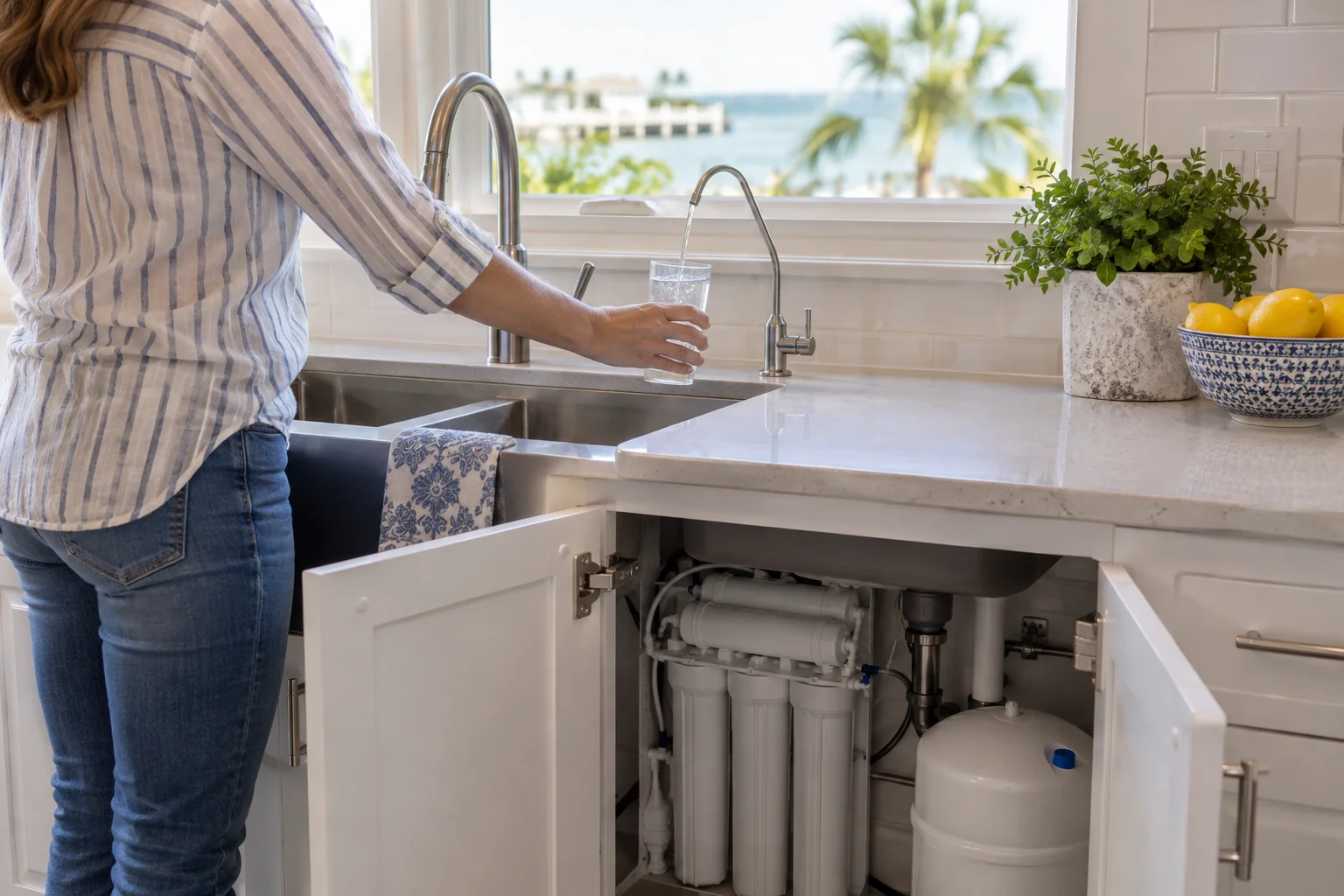
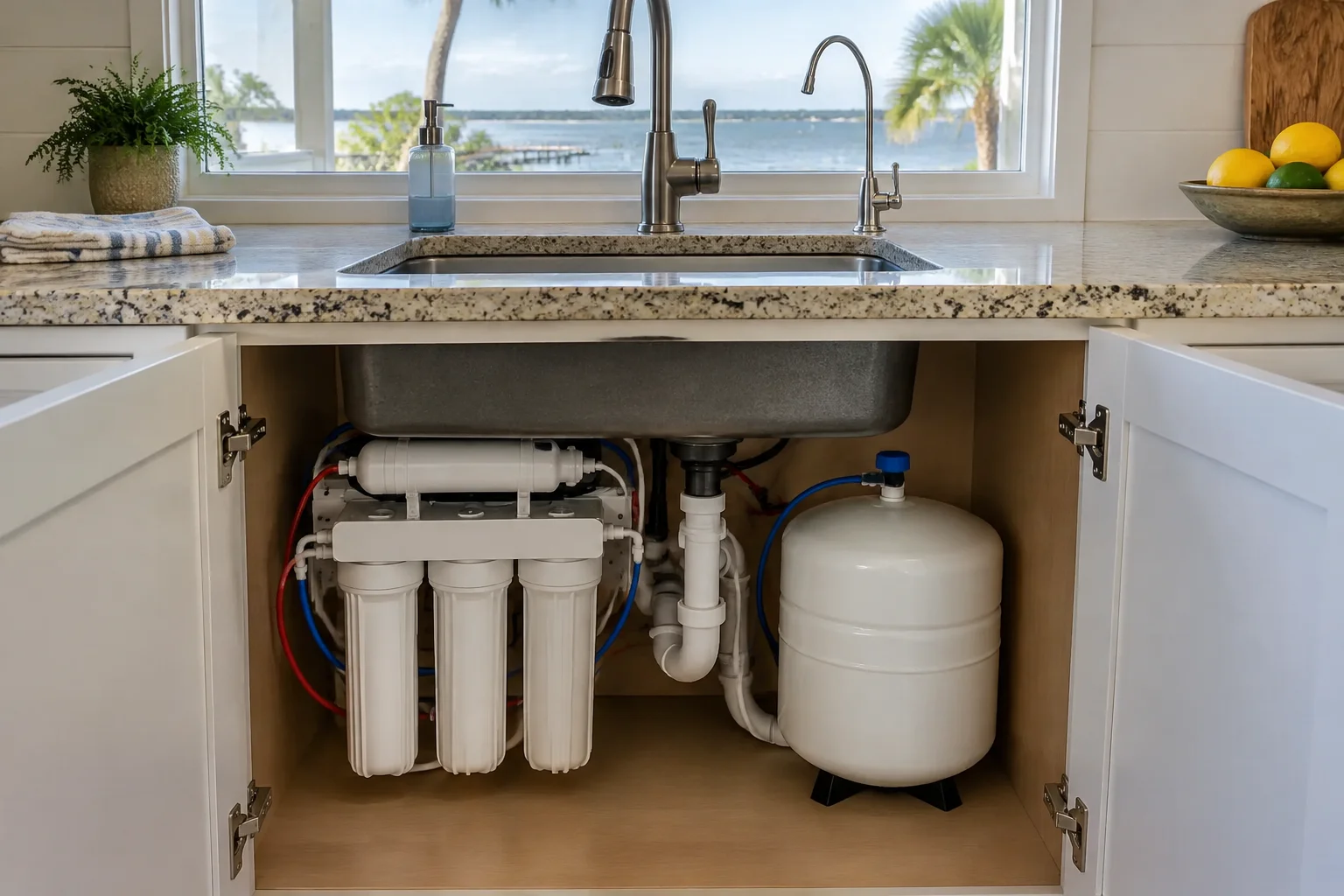
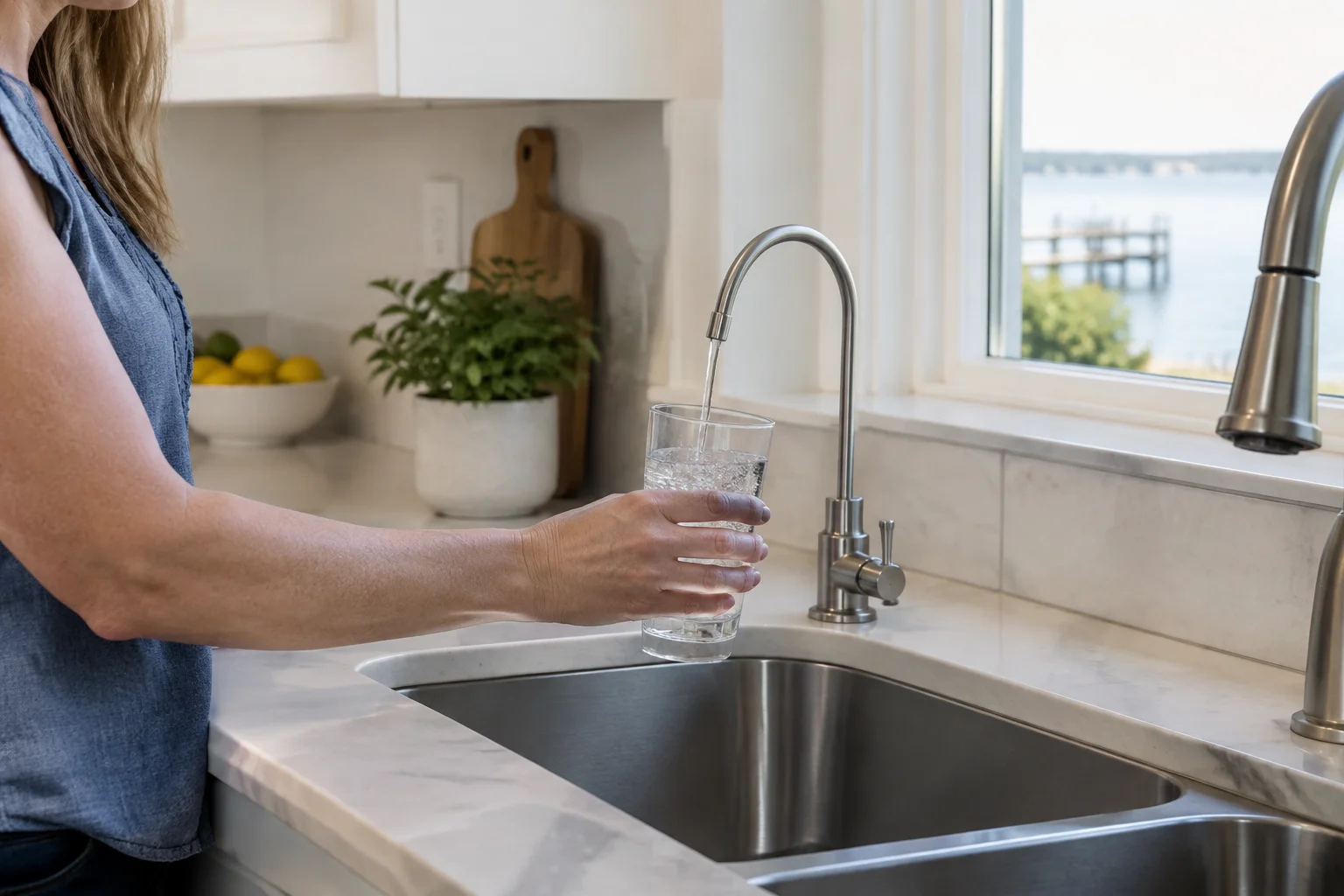
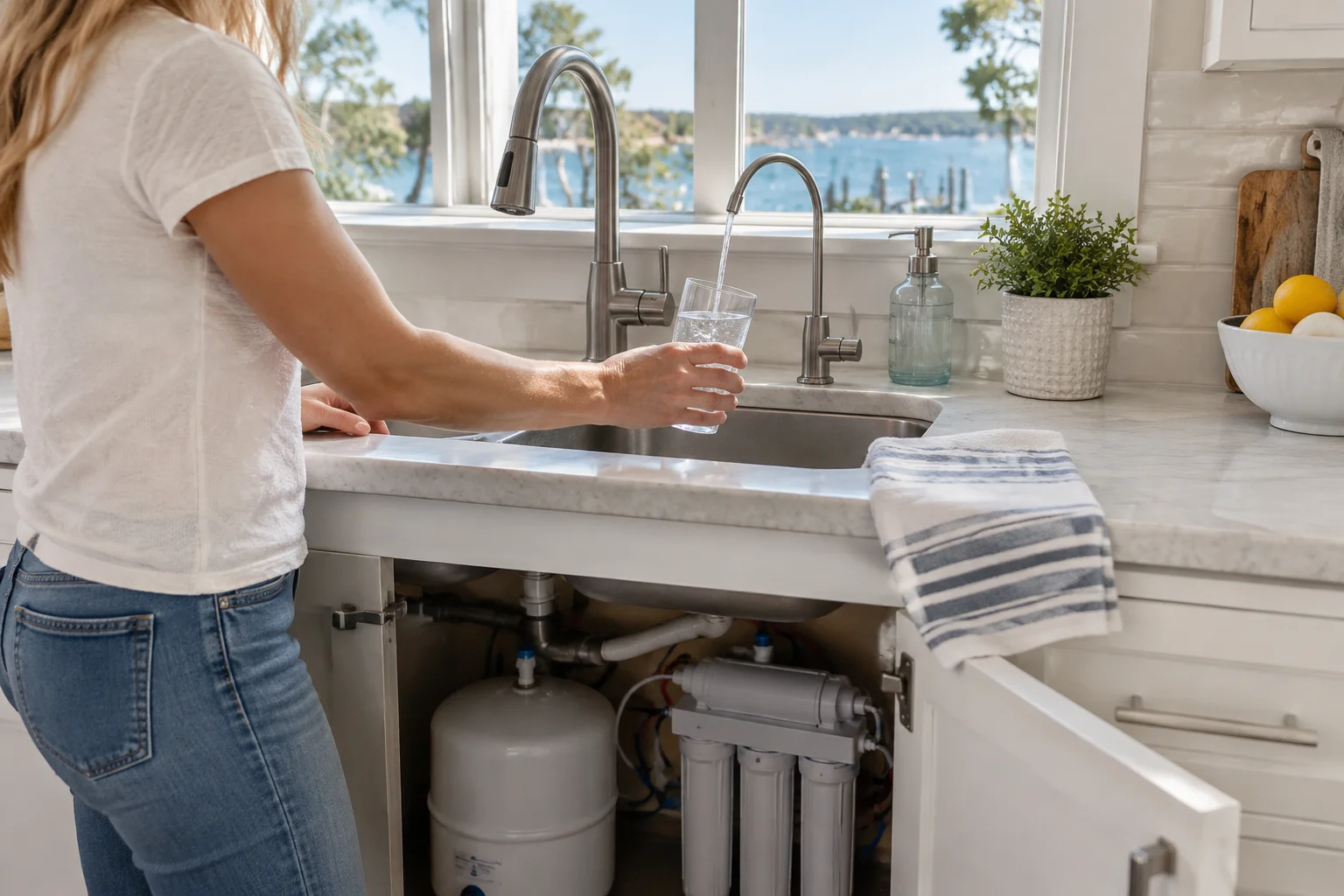
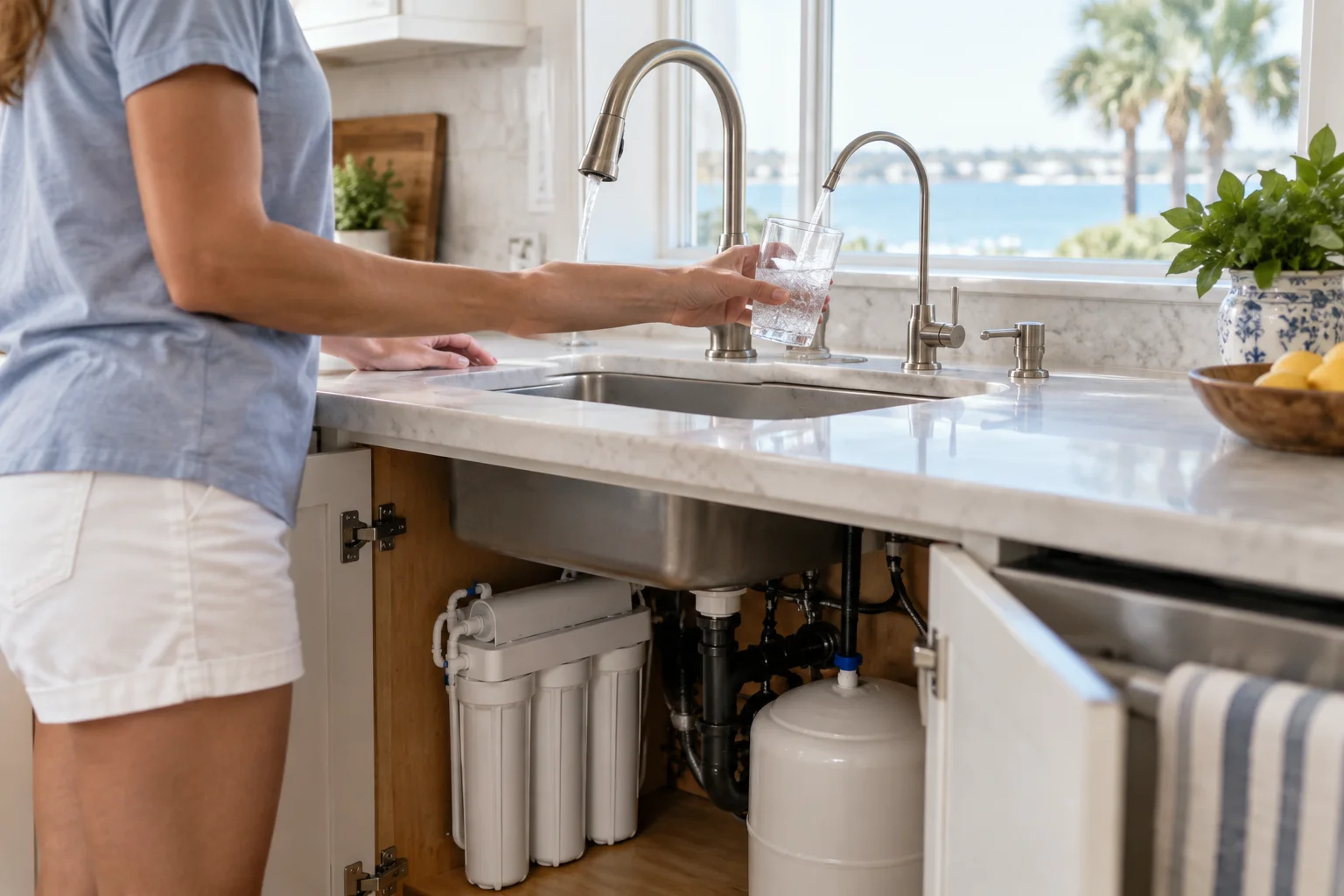
Reverse osmosis, often called RO, uses a membrane and associated filters to reduce many dissolved substances at a dedicated outlet. An under-sink system can serve a separate kitchen faucet and, where compatible, a refrigerator connection. It is especially useful when drinking water flavor is the main concern.
Homeowners researching reverse osmosis installation near me should compare certified reduction claims, usable output, storage needs, and wastewater production. RO is not a universal guarantee against every contaminant. Feed-water conditions, membrane maintenance, and the specific system's certification determine performance.
Where AO Smith water filtration fits
A Superior Mechanical installs, services, and maintains AO Smith water filtration and other clean water equipment suited to the property's needs. The brand name is only part of the decision. The specific model, treatment media, capacity, and verified reduction claims determine whether a system addresses your concerns.
A sediment stage might protect downstream equipment, carbon filtration might address disinfectant taste, and a softener might tackle hardness. A kitchen RO system can then provide targeted drinking water treatment. Not every home needs all four, and their arrangement should follow equipment requirements and test results.
Explore the company's water filtration, RO, and water softener options to understand the available approaches before deciding which combination makes sense.
Better water changes more than what is in your glass
In a busy family kitchen, useful water treatment earns its place through ordinary tasks. Children refill bottles before heading outside, someone rinses produce, and a pot goes on for pasta. Better flavor can make tap water more appealing without depending on disposable bottles for every meal.
In the bathroom, reducing hardness can mean less mineral residue on shower glass and fixtures. In the laundry room, softened water may allow detergent adjustments according to product directions. More detergent is not always better, particularly when residue is the problem.
Appliances deserve attention, too. Scale can collect on water-heating surfaces and restrict small passages in equipment. Where hardness is significant, appropriate treatment can help reduce that burden. Appliances wearing out faster than expected still need diagnosis, since installation, maintenance, usage, and mechanical faults also affect service life. Filtration cannot repair a worn appliance or reverse every existing deposit.
A practical assessment before installation
A useful consultation begins with your observations. Identify whether the concern affects drinking water, bathing, laundry, or all three. Share whether it occurs at every tap, only with hot water, after the home sits unused, or during periods of heavy demand.
Testing may include hardness, disinfectant residual, pH, dissolved solids, or other measurements based on the complaint. A total dissolved solids reading alone does not establish safety or identify individual contaminants. Suspected bacteria, lead, or other health-related concerns may require appropriate laboratory testing. Your utility's water quality report offers context, but it does not describe every condition inside your home's plumbing.
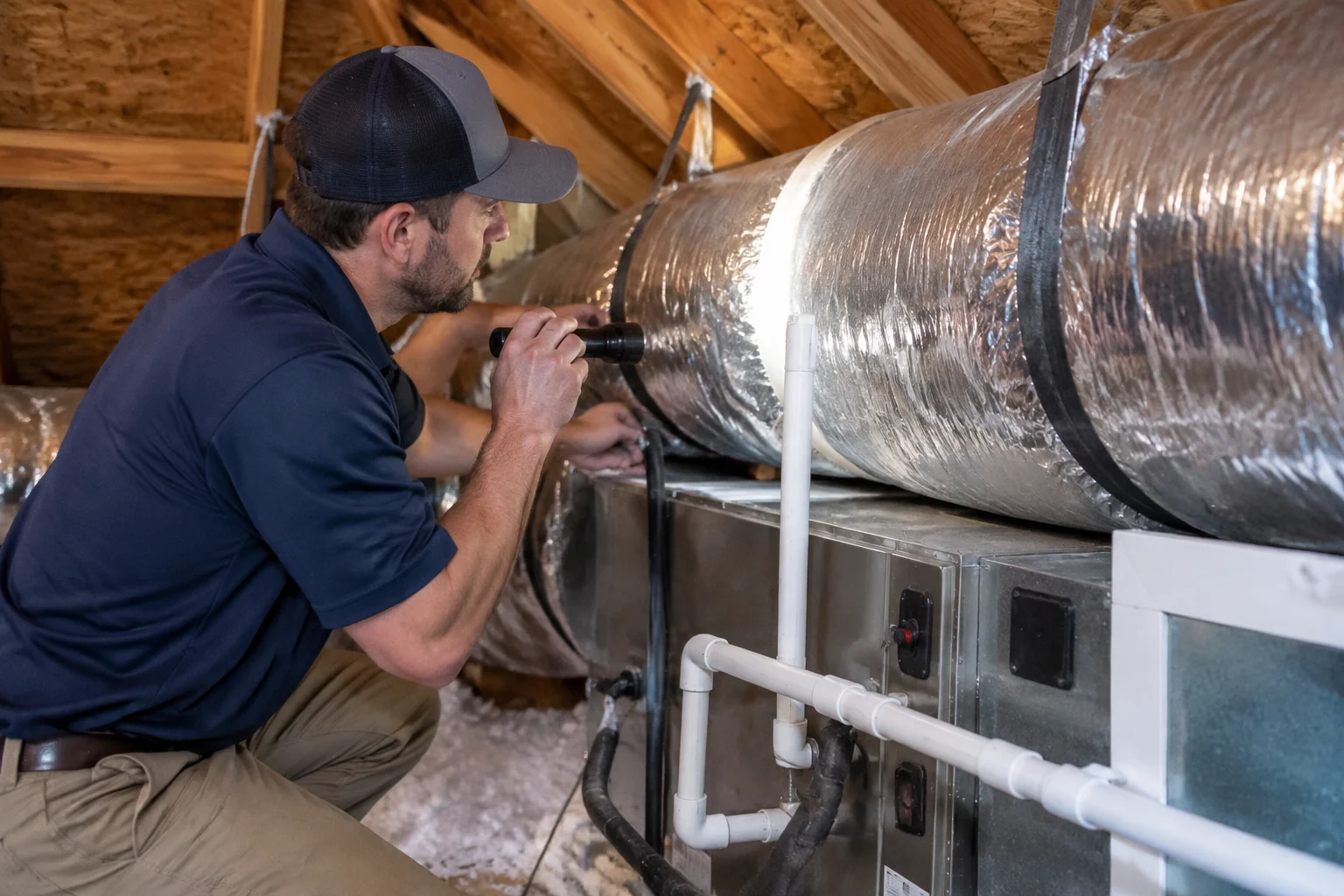
The installer should also review water pressure, peak demand, shutoff access, drainage, electrical requirements, and service clearance. In condos or shared buildings, ownership boundaries and association rules may limit where whole home equipment can go. An accessible installation is easier to maintain than one squeezed behind storage shelves.
Maintenance keeps clean water systems useful
Filters and membranes have finite service lives. Follow the manufacturer's schedule and adjust with professional guidance for actual usage and water conditions. A cartridge that looks clean may still be exhausted, while a clogged sediment filter may reduce flow before a calendar-based replacement date arrives.
Softener care includes checking salt levels, watching for salt bridges, and confirming the unit regenerates properly. A household seeking water softener service near me may notice returning spots, increased salt consumption, or a change in water feel. Those clues can point to settings, valves, or resin problems rather than a need to replace the entire system.
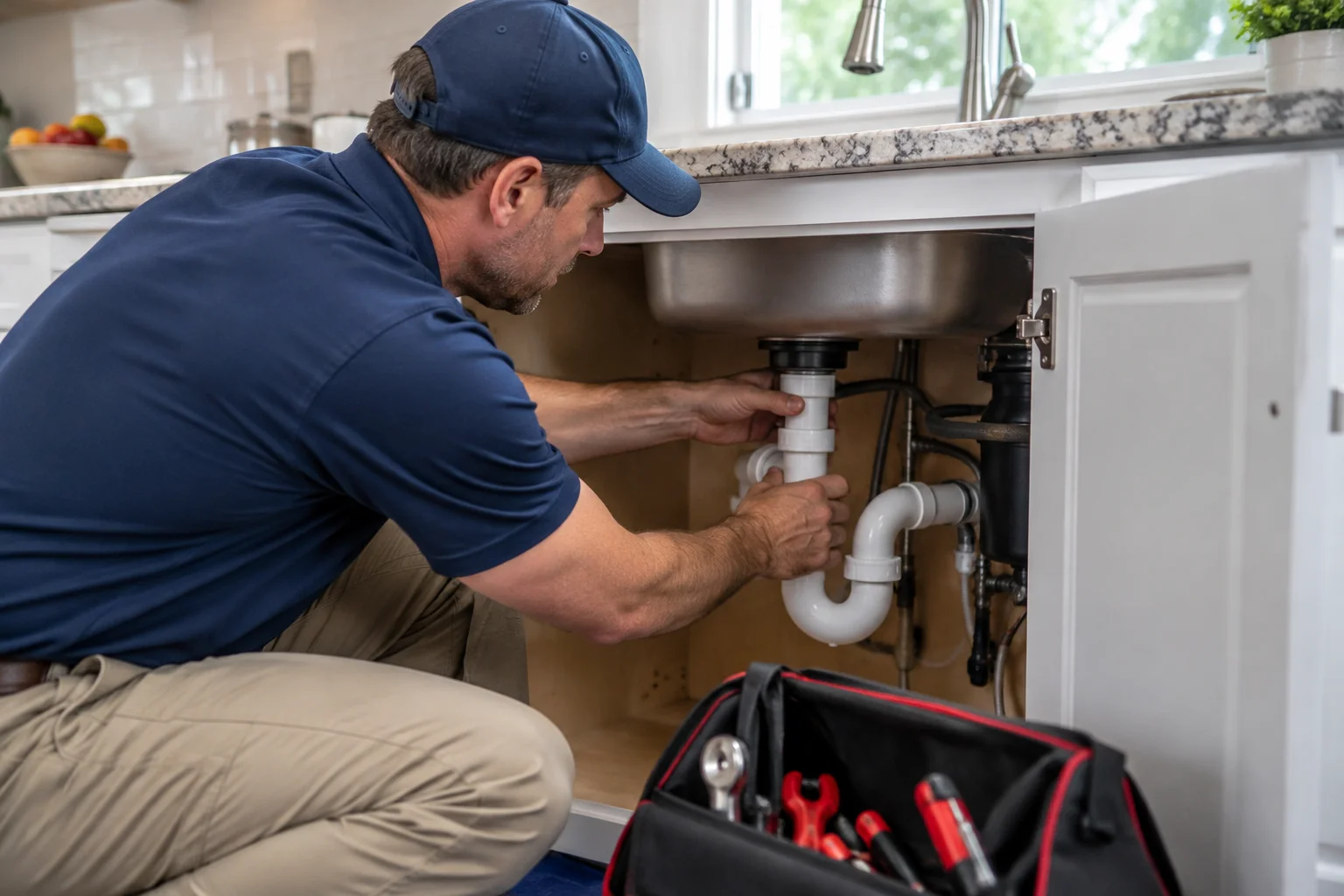
RO equipment needs timely filter changes, membrane checks, and sanitation as directed by the manufacturer. Inspect visible tubing and connections for moisture. The guide to RO plumbing care in Lower Grand Lagoon explains why routine attention to these components matters.
Vacation properties benefit from written maintenance records and a plan for periods of nonuse. Follow manufacturer guidance for shutdown, flushing, or sanitation after extended vacancy. In coastal Florida, equipment also needs an installation location appropriate for heat, weather exposure, and any applicable flood considerations.
Know when cleaning is no longer enough
If deposits return quickly after cleaning, replacing another showerhead is unlikely to address the underlying cause. Persistent taste complaints, repeated filter clogging, unexplained pressure loss, or recurring discoloration call for a closer look at both the supply and treatment equipment.
Water treatment should complement plumbing care rather than replace it. A metallic taste confined to one faucet or discoloration only in hot water may point toward a localized issue. The discussion of filtration and plumbing in Lower Grand Lagoon homes offers additional context for separating treatment needs from repair needs.
A Superior Mechanical provides clean water services across Bay County, including Lower Grand Lagoon homes and vacation rentals. Start with the concern you want solved, whether it is scale, unpleasant flavor, visible sediment, or soap residue. Testing and a practical equipment plan can turn that concern into cleaner water for everyday life, with maintenance requirements you understand before installation.
Find Clean Water Services in Lower Grand Lagoon, FL
If you need Clean Water Services in Lower Grand Lagoon, FL, visit our local service page or contact A Superior Mechanical today.
For a broader look at whole-home water filtration, reverse osmosis, and water softener options, visit our water filtration, RO, and water softener page.
Map of Lower Grand Lagoon, FL
Frequently Asked Questions
Do I need a water softener or a whole home filter for water spots?
If testing confirms that calcium and magnesium are causing the spots, a water softener is generally the appropriate treatment. A standard sediment or carbon filter does not remove dissolved hardness minerals. Some homes benefit from both softening and filtration when hardness and taste or sediment concerns occur together.
Can reverse osmosis improve coffee water and cloudy ice cubes?
A properly selected and maintained RO system can reduce dissolved substances that affect drinking water and coffee flavor. It may also reduce mineral-related cloudiness in ice, but trapped air and the freezer's freezing process can still produce cloudy cubes. Clear ice is not proof that water is safe.
How should Lower Grand Lagoon homeowners choose AO Smith water filtration?
Start with water testing, household usage, and the specific problem you want to address. Compare the model's certified reduction claims, flow capacity, installation requirements, and maintenance costs. A Superior Mechanical can assess whether AO Smith filtration, softening, reverse osmosis, or a combination fits your property.
Related Articles
Photo Gallery