Parker, FL homeowners know that humidity is not just a summer problem. In Bay County, warm air, frequent moisture, and coastal conditions can keep indoor spaces feeling sticky long after the thermostat says the temperature is under control. That is one reason whole home dehumidifiers have become such a practical upgrade for local properties.
When a dehumidifier is sized correctly and maintained well, it can make a home feel cooler, reduce musty odors, and help protect drywall, trim, flooring, and stored belongings. But long term results do not happen by accident. A system in Parker needs the right setup, regular attention, and a few smart habits from the homeowner. If you already have a system or are considering one, this guide covers the issues that most often shorten performance and the steps that help it last.
If you are comparing options or need service for an existing unit, A Superior Mechanical offers whole home dehumidifiers in Parker, FL with humidity control designed for coastal conditions. You can also learn more about our local service area on the Parker page and see how we support homes across Bay County.
Why Parker homes put extra demand on humidity control
Parker sits in a part of Florida where moisture is a constant part of daily life. Even when the weather feels pleasant outside, indoor humidity can climb quickly after a rainstorm, during mild stretches with little AC runtime, or in homes that have older construction and more air leakage. Coastal air can also carry extra moisture into attics, crawl spaces, and ductwork.
That matters because a whole home dehumidifier is not working in a vacuum. It often has to team up with the air conditioner, the duct system, and the home’s ventilation patterns. In Bay County, homes may also deal with older insulation, drafty additions, laundry rooms that stay damp, or plumbing spaces that introduce moisture where it should not be. When those conditions are left alone, the dehumidifier has to run harder and longer to keep the house comfortable.
Small issues that quietly shorten a dehumidifier’s life
Dirty filters and restricted airflow
Airflow problems are one of the most common reasons a whole home dehumidifier underperforms. If the filter is clogged or the return path is blocked, the system cannot move enough air across the coil to remove moisture efficiently. The unit may run more often, but deliver less comfort.
In Parker homes, this can happen faster than expected because dust, pollen, and coastal debris can collect in the system. A filter that looks only slightly dirty may already be reducing performance. Keeping the filter clean is a simple way to protect the equipment and lower strain on the rest of the HVAC system.
Drain line clogs and standing water
Whole home dehumidifiers remove a lot of water, and that water has to go somewhere. If the drain line is partially blocked, kinked, or pitched incorrectly, the system can back up or shut down. In humid Bay County weather, a clogged drain can create a mess quickly and may also lead to odors or water damage near the equipment.
Homeowners sometimes notice the issue only after the unit stops pulling moisture from the air. If you see water around the equipment, smell something musty, or hear the system cycling strangely, it is worth getting the drain checked before the problem spreads.
Wrong sizing for the home
A unit that is too small will struggle to keep up. A unit that is too large may short cycle and fail to manage humidity evenly. In either case, the result is usually the same: rooms still feel damp, the equipment wears faster, and energy use goes up.
Parker homes vary a lot, from older properties with more natural leakage to newer homes that are tighter but still vulnerable to moisture infiltration. The right size depends on the home’s square footage, layout, insulation, air sealing, and how much outside air enters through doors, windows, and ducts. If the system was installed without a full look at those factors, it may never deliver the long term results you expected.
Problems in the duct system
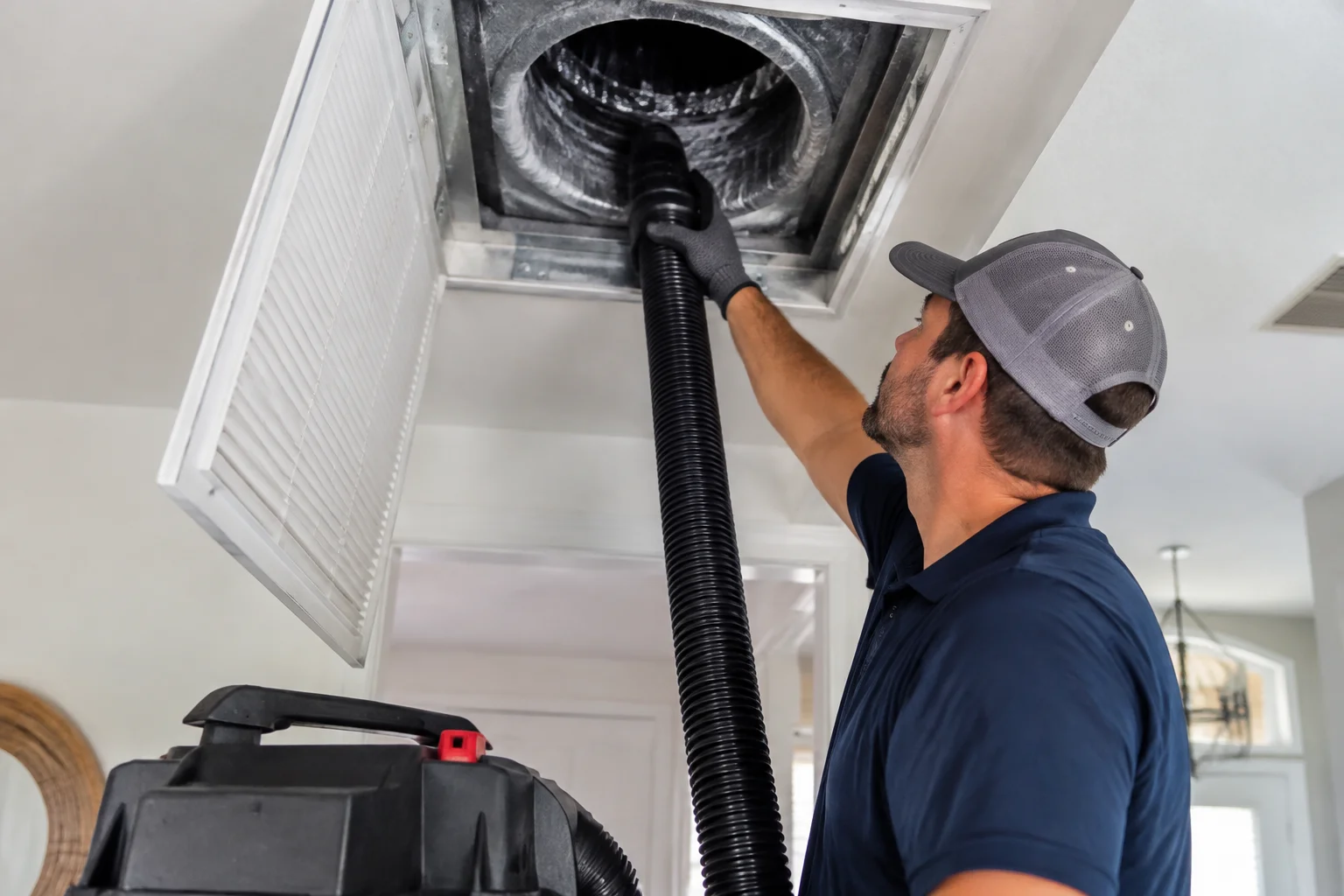
Because whole home dehumidifiers rely on ductwork to move air, duct issues can undermine performance even when the unit itself is in good shape. Leaks, disconnected runs, crushed flex duct, or dirty duct interiors can all make it harder to control humidity.
If your home already has uneven temperatures, weak airflow, or persistent dust problems, a duct inspection can reveal whether the dehumidifier is fighting a duct problem instead of solving it. In some homes, that is the missing piece behind recurring moisture complaints.
Ignoring plumbing or drainage moisture nearby
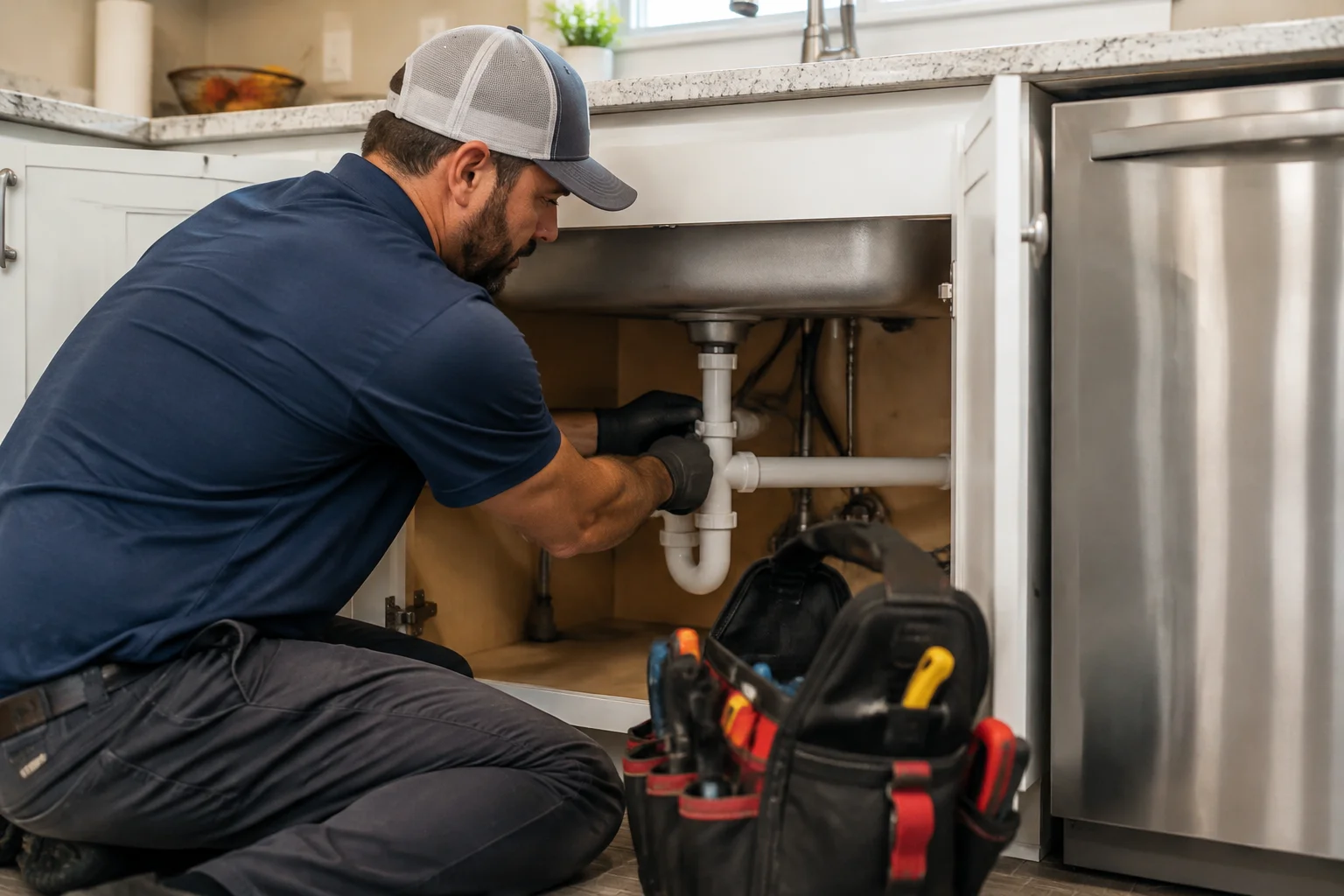
Sometimes the dehumidifier is not the real problem. A slow leak under a sink, a damp slab, a plumbing issue behind a wall, or recurring sewer odors can keep indoor humidity elevated and make the system seem ineffective. If the home has unexplained dampness, it is smart to look beyond the HVAC equipment.
For example, a hidden leak may need attention from leak detection and slab leak repair in Parker, FL, while recurring bathroom issues may point to plumbing needs that are better handled through plumbing replacement or toilet repair and replacement in Parker, FL. If the home has drain or sewer concerns, sewer repair and maintenance may also be part of the solution.
How to get better long term results
Start with the right humidity target
For most homes, the goal is not to dry the air until it feels desert-like. It is to hold indoor humidity at a comfortable and healthy range, usually around 40 to 50 percent. That level helps reduce musty smells, discourages mold growth, and keeps the home from feeling sticky.
In Parker, where outdoor humidity can rise fast, trying to keep indoor air too dry can make the system work harder than necessary. A balanced setting usually gives the best comfort and the most efficient operation.
Keep the equipment clean and accessible
Regular upkeep matters more than many homeowners realize. Dust buildup on coils, blocked air returns, or clutter around the unit can all reduce performance. The area around the dehumidifier should stay dry, clear, and easy to access for service.
If the unit is installed in a tight closet, attic, or mechanical space, make sure service technicians can reach the filter, drain line, and control panel without difficulty. Easy access makes routine maintenance more likely, and routine maintenance is what keeps a system dependable over time.
Pair humidity control with good home habits
Whole home dehumidifiers do their best work when the house is not constantly adding extra moisture. That means using bath fans during showers, checking that dryer vents exhaust properly, and avoiding long periods with windows open when outdoor air is damp. In Parker’s climate, open windows can feel nice for a short time but add a lot of moisture to the interior.
It also helps to watch problem areas such as laundry rooms, bathrooms, kitchens, and closets along exterior walls. These are often the places where homeowners first notice condensation, odors, or soft spots that point to a moisture issue.
Do not ignore performance changes
When a dehumidifier starts running longer than usual, making new noises, or failing to keep the house comfortable, those are early warning signs. It may be a simple issue like a dirty filter or drain blockage, but it can also point to a deeper problem with airflow, controls, or the home’s moisture load.
That is where local service matters. A technician who works in Parker understands how Bay County homes behave in humid weather and can tell the difference between a unit issue and a house issue. If your system is not keeping up, professional service can save time, energy, and frustration.
Why local expertise matters in Bay County
Humidity control is never one size fits all, especially in a coastal area. Parker homes may face salt air, frequent rain, and moisture intrusion that a homeowner in a drier region would never see. Local service providers understand how these conditions affect equipment selection, drainage, ductwork, and maintenance schedules.
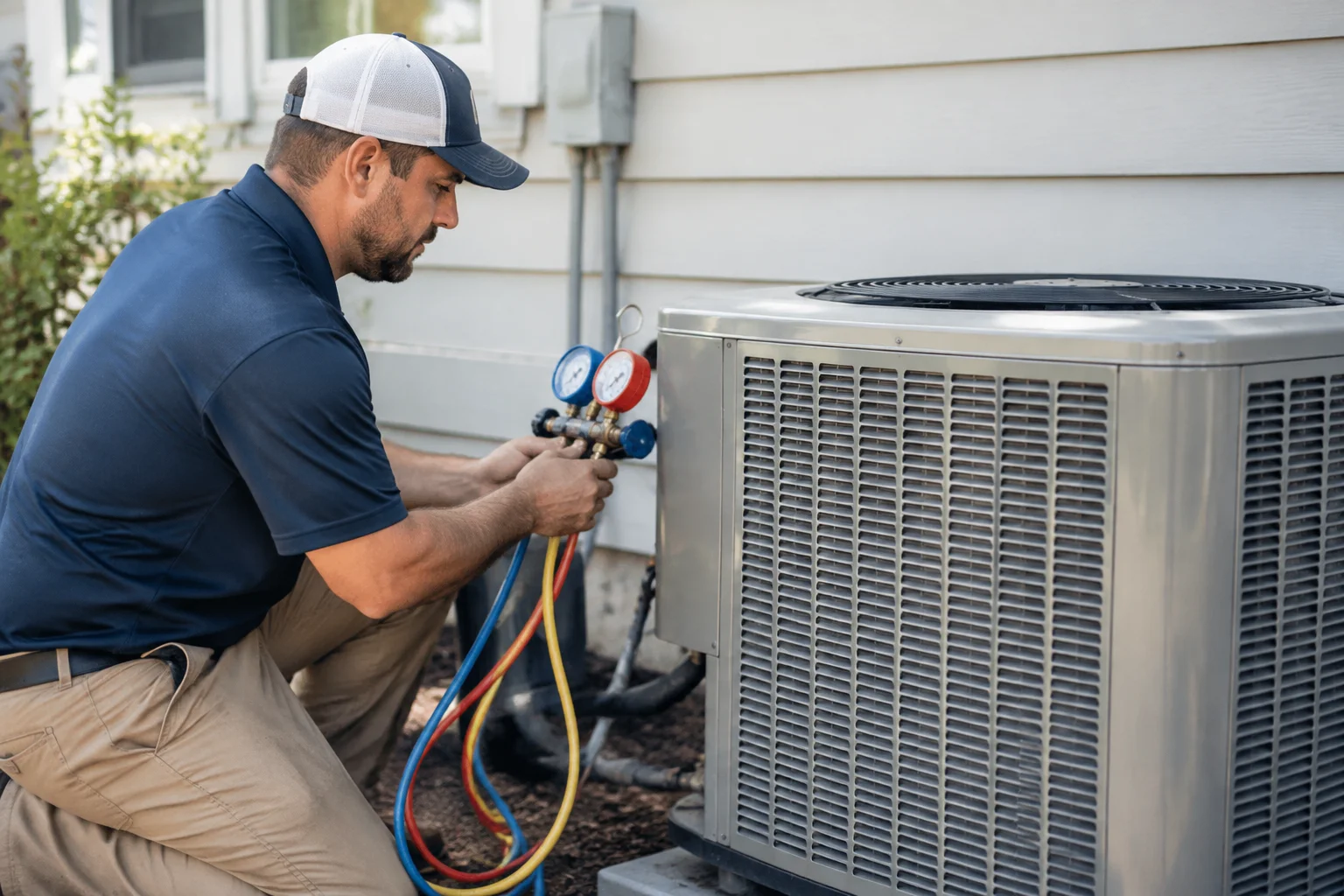
That local knowledge is also important when a dehumidifier is part of a larger comfort strategy. A home with humidity problems may also benefit from air conditioning inspection in Parker, FL if the cooling system is not running efficiently, or from heating services if the home uses equipment that also helps with airflow and comfort during cooler months. In some cases, the best results come from looking at the whole system instead of one piece at a time.
Homeowner habits that help prevent repeat problems
A few simple habits can go a long way:
Check the filter on a regular schedule, especially during humid months. Keep the drain line clear and make sure water is moving away from the unit. Watch for condensation on windows, vents, or supply registers. Pay attention to musty smells in closets, hallways, and bathrooms. If the home has recurring dampness, address the source instead of just lowering the thermostat.
For owners of rental properties, seasonal homes, or busy households, it is even more important to stay ahead of maintenance. A system that works fine in a mild month may struggle once summer humidity arrives or when the home sits closed up for a while. That is why many local property owners schedule service before comfort problems become expensive repairs.
When a professional visit makes sense
Call for service if the dehumidifier is not keeping up, the drain keeps clogging, the unit is short cycling, or you notice moisture damage nearby. It is also wise to schedule a professional inspection if the home still feels damp even though the system seems to be running normally. The issue may involve duct leakage, poor sizing, hidden plumbing moisture, or a control setting that needs adjustment.
A Superior Mechanical helps Parker homeowners and property owners evaluate the full picture, from the unit itself to the duct system and the moisture sources around the home. That kind of service is especially useful in Bay County, where humidity is a year-round reality and small issues can turn into larger comfort and property problems if they are ignored.
If your goal is better long term performance, start with the basics, keep an eye on the warning signs, and get local help when the system is not doing its job. A well maintained whole home dehumidifier can protect comfort, indoor air quality, and the parts of your home that are hardest to replace.
Find Whole Home Dehumidifiers in Parker, FL
If you need Whole Home Dehumidifiers in Parker, FL, visit our local service page or contact A Superior Mechanical today.
Map of Parker, FL
Frequently Asked Questions
How often should a whole home dehumidifier be maintained in Parker, FL?
Most systems should be checked at least once a year, and more often if the home has high moisture levels, heavy AC use, or a history of drainage issues. In Parker’s humid climate, regular filter checks and drain line inspections are especially helpful.
Why does my home still feel damp even with a dehumidifier running?
Common causes include an undersized unit, dirty filters, drainage problems, duct leaks, or another moisture source in the home. Hidden plumbing leaks and poor ventilation can also make humidity harder to control.
Can a whole home dehumidifier help with musty smells?
Yes, if the odor is being caused by excess indoor moisture. A dehumidifier can help reduce the damp conditions that lead to musty odors, but it will not fix mold or a leak that is still adding moisture to the home.
Should I pair a dehumidifier with other HVAC services?
Often, yes. Duct inspection, AC maintenance, and plumbing repairs can all support better humidity control. If the home has airflow issues or hidden moisture problems, those should be addressed along with the dehumidifier.
Related Articles
Photo Gallery