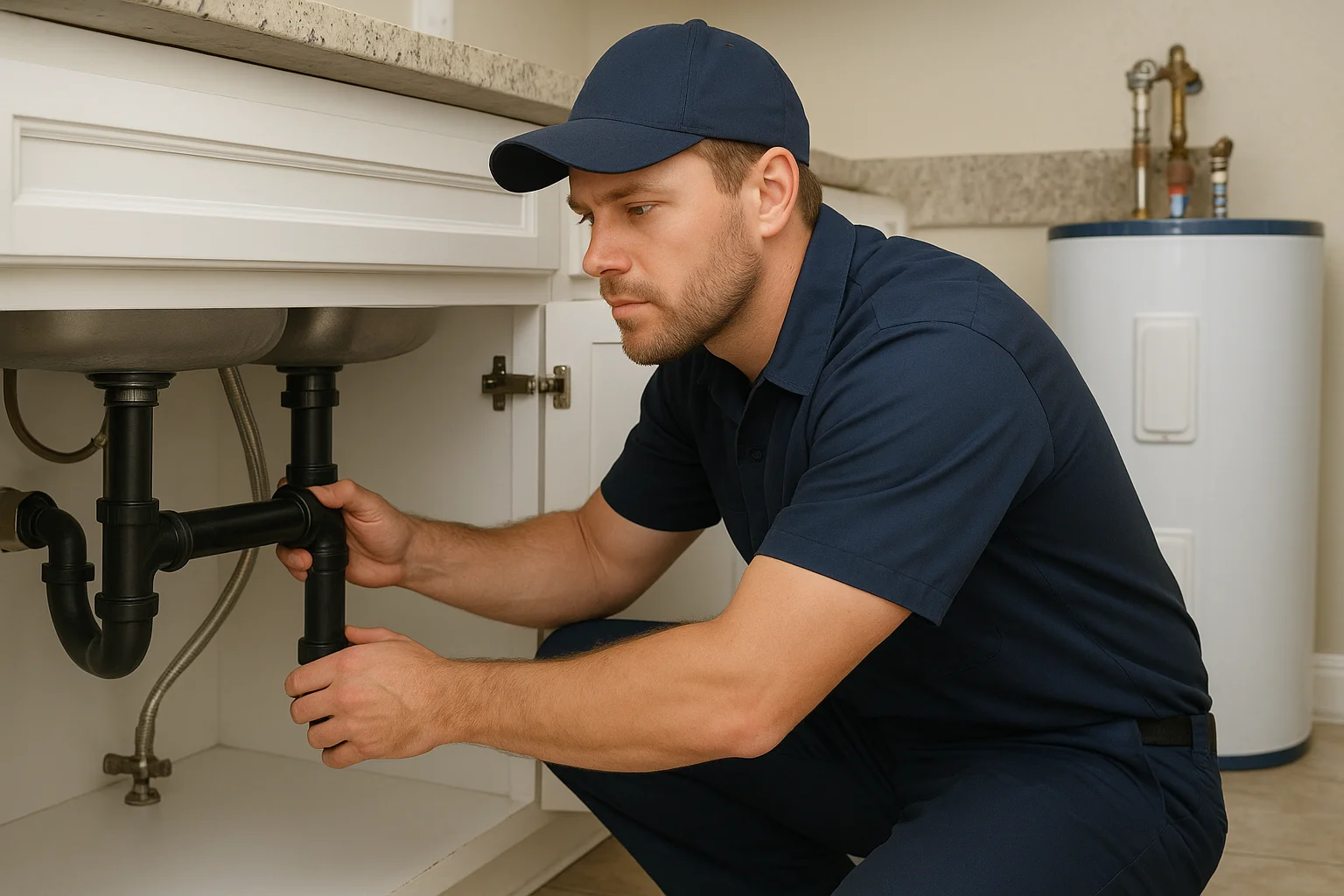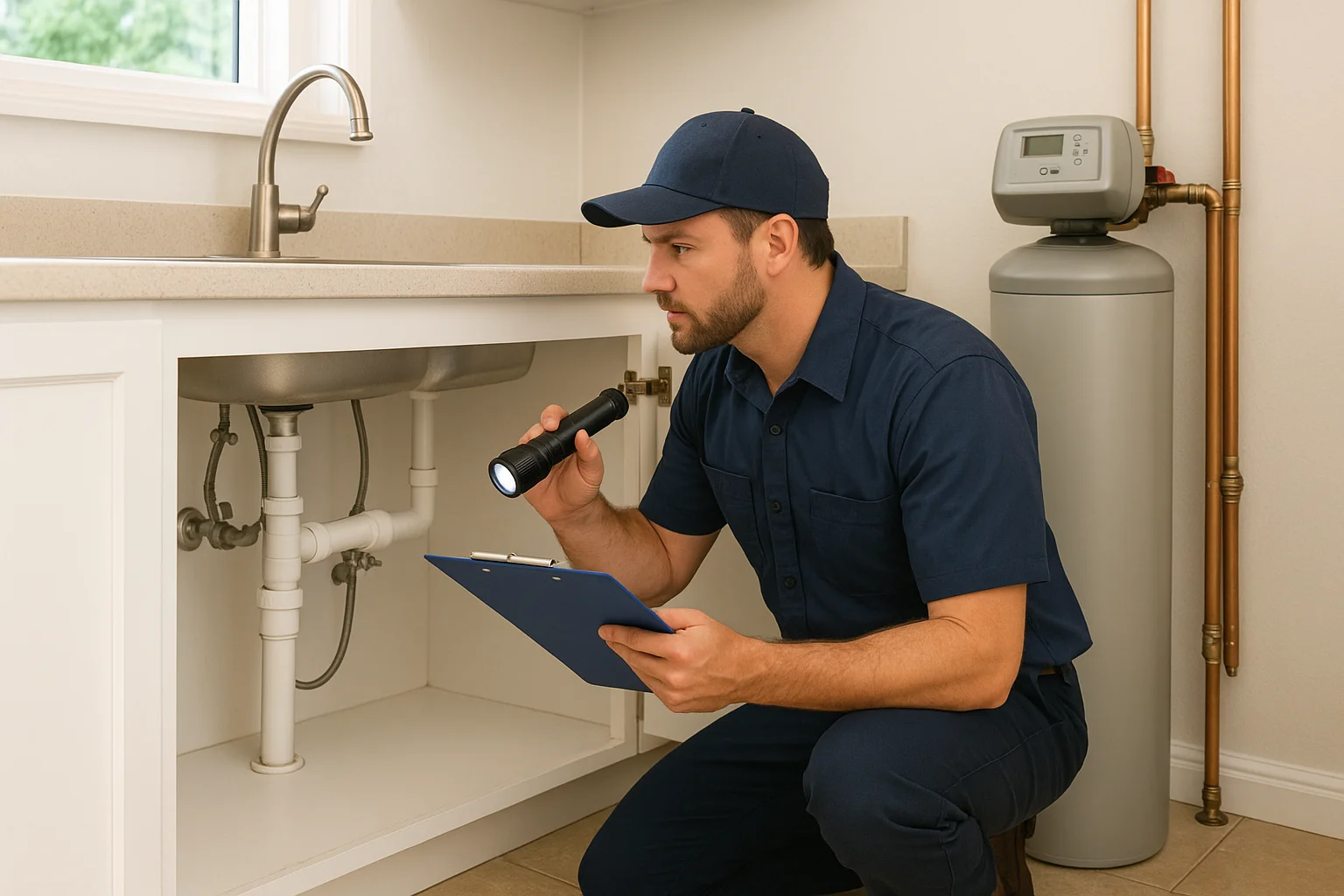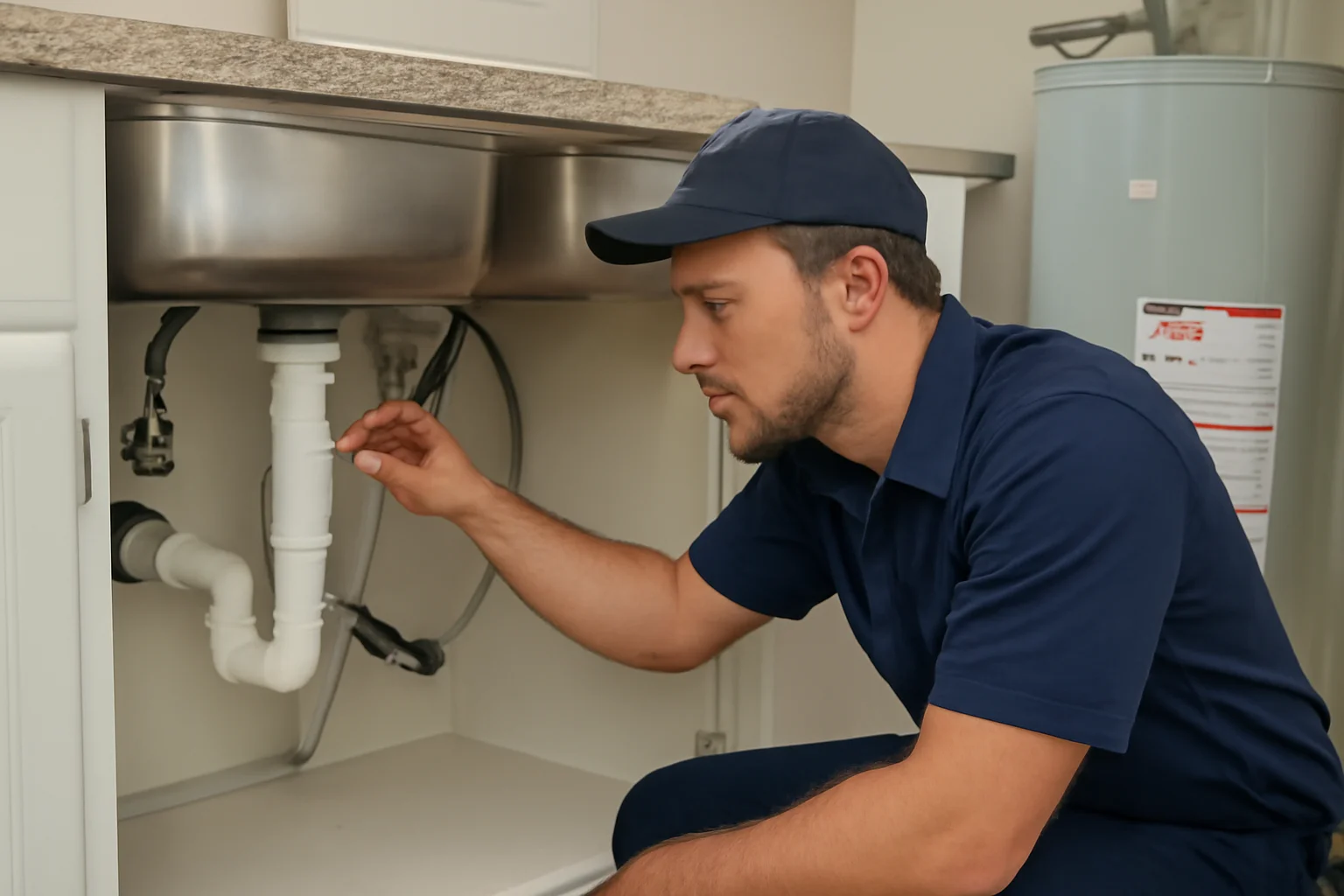
Camp Creek homeowners rely on steady hot water for showers, laundry, and everyday comfort. When your area’s hard water meets an aging water heater, mineral scale can build up inside the tank and on valves, reducing efficiency and increasing the chance of leaks. The good news is that smart maintenance habits can prevent many common failures, protect your plumbing system, and reduce the likelihood of emergency plumbing concerns.
If you are searching for a water heater maintenance service in Camp Creek, FL, the most effective approach combines homeowner prevention with professional inspection. That is especially important in Walton County where water hardness and household water use can accelerate wear on tanks, pipes, drains, and fixtures.
Why hard water in Camp Creek matters for water heater performance
Hard water contains dissolved minerals, mainly calcium and magnesium. As water heats inside your tank, those minerals can settle and form scale. Over time, scale acts like insulation, making it harder for the heating elements or burner to warm the water efficiently. That can lead to:
- Higher energy use and higher utility bills
- Slower recovery after heavy water use, like back to back showers or laundry loads
- More strain on the system components
- Clogging at internal passages and connections
Hard water can also affect the rest of your home’s plumbing. When mineral deposits restrict flow, you may notice changes in water pressure at faucets and showerheads. Low pressure can also show up on hot water only, which is a clue that the water heater is the bottleneck.
Maintenance starts with observing your hot water and water pressure
Before you think about repairs, take a few minutes to track how your system behaves. Small changes often point to bigger problems.
Watch for temperature swings and weak hot water
If you turn on a hot faucet and the water takes longer to arrive, or the temperature feels inconsistent, the heater may be dealing with sediment buildup. Sediment reduces heat transfer and can interfere with proper operation.
Pay attention to water pressure changes
Low water pressure can come from clogged supply lines, valve issues, or sediment. If the problem is only on hot water, it often points back to the water heater. In Camp Creek homes, where outdoor water use and indoor plumbing demands can vary with the season, inconsistent flow can be a helpful diagnostic clue.
Listen for unusual sounds
Rumbling, popping, or banging can indicate sediment collecting at the bottom of the tank. As water heats, trapped pockets can cause noise. That is a strong sign that maintenance is overdue.
How sediment buildup leads to leaks, clogged drains, and plumbing repairs
Sediment is not just an efficiency issue. It can create the conditions that lead to leaks and secondary plumbing problems.
Tank leaks and pressure relief valve discharge
Over time, scale can contribute to corrosion and component failure. If you see water around the base of the heater, puddling near the drain pan, or repeated discharge from the pressure relief valve, treat it as a plumbing repair priority. A small leak can grow quickly, especially if the heater is located near a slab area where water can travel into hidden spaces.
Drain valve clogs and maintenance failures
Many homeowners try to flush their own tanks. If the drain valve is partially clogged with sediment, it can stall the process or create leaks at the valve connection. A professional can safely manage sediment while minimizing the risk of damage to nearby pipes and fittings.
Impact on fixtures and clogged drain repair
Mineral deposits do not stay only inside the tank. Scale can travel into plumbing lines and settle in fixtures. Over time, that can contribute to slow drains. When a clogged drain repair near me search turns into an urgent problem, it is often because underlying flow restriction has been building for months. A proactive water heater maintenance routine helps reduce the amount of sediment that reaches your drains and fixtures.
Seasonal habits for Camp Creek homes dealing with hard water
Florida weather swings and the way households use water can change how quickly problems appear. A few seasonal habits can keep your system stable.
Adjust usage patterns during heavy hot water demand
If your household does laundry frequently, runs the dishwasher back to back, or has guests, watch how the heater recovers. If hot water runs out faster than it used to, that can be a sign of sediment or a failing component. Scheduling water heater service before the system struggles under peak demand can prevent a midweek breakdown.
Check for leaks around connections after peak use
After weeks of high use, inspect accessible areas: the hot and cold supply lines, fittings, and the area around the tank. Look for dampness, mineral streaks, or corrosion. Catching a leak early is often the difference between a manageable repair and a larger plumbing repair job that may involve pipe repair or leak detection near me style troubleshooting.
Be mindful of temperature settings
Setting the thermostat too high can increase wear and raise the chance of pressure relief valve activity. It can also accelerate sediment effects. A proper setting helps maintain comfort while reducing stress on internal components.
What a professional water heater maintenance visit should include
Homeowners can do basic checks, but a real maintenance plan usually includes targeted service steps that protect the tank and your plumbing system.
Sediment inspection and safe flushing
A technician will confirm whether scale has accumulated and determine the best approach for flushing. In hard water homes, sediment removal is one of the most direct ways to improve efficiency and reduce noise. It also helps reduce the chance of internal blockages that can affect water pressure and hot water delivery.
Pressure and temperature safety checks
Maintenance should include verifying safe operation of temperature controls and checking the pressure relief valve. A failing relief valve can lead to discharge events that damage nearby piping and create water exposure risks.
Leak detection around fittings and the drain pan
Technicians look for early signs of moisture at connections, the drain valve, and the surrounding area. For homes with older plumbing runs, that can also help identify issues that mimic water heater problems, such as small slab leaks or hidden pipe leaks.
Assessment of nearby drains and sewer line conditions
While a water heater is not a drain appliance, maintenance can connect to drain and sewer performance. If you have recurring sink or floor drain issues, or if hot water discharge contributes to moisture around a mechanical area, it is worth inspecting the drainage path. In some cases, homeowners notice odors or slow drains that point to sewer line help or main drain cleaning needs. Addressing those issues helps prevent water damage and reduces the chances that a minor plumbing concern becomes an emergency.
Common Camp Creek plumbing issues that often show up with water heater problems
Water heater failures rarely happen in isolation. Here are issues local homeowners frequently see alongside heater maintenance needs.
Corroded or aging supply lines
Older homes can have pipe sections that are more prone to corrosion. When a heater starts leaking, homeowners may assume it is only the tank. In reality, fittings and supply lines can be the source. That is where pipe replacement or plumbing repair may be recommended.
Water pressure imbalances at hot fixtures
If you notice hot water pressure dropping at showers or faucets, the issue may be sediment inside the heater, a partially blocked valve, or a restriction in a hot water line. A plumber near me can help confirm which section is limiting flow.
Fixture performance problems after mineral scale buildup
Showerheads may clog, faucets may drip, and toilets may require more frequent attention. Hard water scale can affect aerators and internal valve parts. If you are dealing with toilet repair needs or faucet repair, it is worth checking whether the water heater is contributing sediment to the system.
Drain backups that appear “random”
When a home experiences slow drains or recurring backups, the cause can include partial blockages in drain lines. Mineral buildup can contribute to restricted flow. If you are searching for emergency drain cleaning near me because backups are happening more often, consider scheduling a plumbing check that includes the water heater’s role in overall system flow.
DIY tasks that can help, and what to avoid
Homeowner maintenance is valuable, but it should not create risk. In Camp Creek homes, where piping runs and connections vary by build year, safety matters.
Helpful DIY checks
- Inspect the area around the water heater for dampness, rust, or mineral streaking
- Verify the drain pan is clear and not overflowing
- Check hot water performance after heavy use to see whether recovery is changing
- Look at faucet aerators and showerheads for scale buildup
DIY tasks to approach carefully
Flushing a tank can help with sediment, but it also carries risks. If you do it incorrectly, you can damage the drain valve, stir up heavy sediment, or cause leaks at fittings. If your heater is older, you have visible corrosion, or you are unsure about the valve condition, professional water heater service is the safer path.
Also avoid ignoring plumbing signs. If you notice water pooling, repeated pressure relief valve discharge, or sudden loss of hot water, treat it as a repair issue, not a “watch it for a while” situation.
When to call a local plumber for water heater service
Some problems should not wait. If you are dealing with hard water and your system shows any of the following, contact a professional plumbing team in Walton County.
- Visible leaks around the tank, drain valve, or supply lines
- Hot water that runs out quickly or takes much longer to recover
- Rumbling, popping, or banging noises that persist
- Repeated pressure relief valve discharge
- Sudden changes in water pressure on hot lines
- Slow drains or recurring clogs that seem linked to overall hot water performance
- Water damage concerns, especially if you suspect a slab leak or hidden pipe leak
Searching for water heater repair near me or hot water heater repair near me is common when these issues show up. A local technician can also evaluate whether the best solution is maintenance, plumbing repair, or hot water heater replacement near me based on tank condition.
Maintenance that protects more than just hot water
When you plan water heater maintenance in Camp Creek, you are also protecting your broader plumbing system. Clean, properly operating hot water delivery reduces sediment transfer to fixtures and drains. It can also lower the odds of secondary issues like clogged drain repair, leak detection needs, and sewer line repair concerns when moisture and odors start showing up.
For homeowners who want a broader plumbing strategy, pairing water heater care with regular checks of drains and pipes can reduce surprises. If you have recurring drain clogs, consider Sewer and Drain Services. If you suspect older plumbing lines are due for upgrades, review Pipe Replacement and Plumbing Repair. For homes dealing with supply line aging, Waterline Replacement may also be relevant.
How A Superior Mechanical helps Camp Creek homeowners stay ahead of hard water problems
Professional water heater maintenance in Camp Creek is about more than flushing a tank. It is about protecting your home’s comfort, managing sediment risk from hard water, and watching for early leak signs in connections and nearby plumbing paths. A Superior Mechanical supports local homeowners with service designed for real-world issues, including changing water use patterns, water pressure complaints, and the plumbing repair concerns that can show up when heaters age.
If you want to schedule maintenance, start here: Water Heater Maintenance in Camp Creek, FL. You can also browse our service area coverage on the Camp Creek page or learn more about our work across the county at Walton County.
Related reading for Camp Creek homeowners with older plumbing
If you are trying to prevent future failures, these guides connect water heater maintenance to the bigger plumbing picture:
- A Practical Guide to Water Heater Replacement in Camp Creek, FL and the Plumbing Problems That Shorten System Life
- How Better Plumbing Management Protects Camp Creek Homes
- What Camp Creek Homeowners Often Miss During Plumbing Installation
- Why Plumbing Replacement Should Move Up the Priority List in Camp Creek Homes
Quick checklist you can use before a problem becomes an emergency
Use this short checklist as a homeowner routine. It is simple, but it helps you catch issues early and reduces the chance you will need emergency plumbing help.
- Check for moisture around the water heater and drain pan
- Notice whether hot water recovery is slowing down
- Listen for rumbling or popping during heating cycles
- Confirm water pressure feels consistent at hot faucets
- Look for recurring slow drains that could be related to flow restrictions
- Schedule professional maintenance when sediment signs appear or the system is overdue
For Camp Creek homes dealing with hard water, staying consistent with maintenance is one of the most practical ways to protect your budget, your plumbing, and your daily hot water reliability.
Find Water Heater Maintenance in Camp Creek, FL
If you need Water Heater Maintenance in Camp Creek, FL, visit our local service page or contact A Superior Mechanical today.
Map of Camp Creek, FL
Frequently Asked Questions
How often should Camp Creek homeowners schedule water heater maintenance?
Most homes benefit from maintenance at least once a year, and hard water homes may need it more often. If you hear rumbling, notice slower hot water recovery, or see mineral scale, schedule service sooner.
Can hard water cause a water heater leak?
Hard water mainly causes mineral scale buildup, which can increase stress on tank components and contribute to corrosion over time. That buildup can lead to failures that show up as leaks or pressure relief valve issues.
Why does my hot water have lower pressure than my cold water?
Low hot water pressure often points to sediment buildup inside the water heater, a restricted hot water line, or a partially closed valve. A plumber can confirm the cause and recommend the right plumbing repair or water heater service.
What should I do if I see water around the base of my water heater?
Shut down water use as much as possible and contact a local plumbing professional. Water pooling can indicate a leaking tank, a failed drain valve, or a connection issue that can worsen quickly.
Can water heater sediment contribute to clogged drains?
Yes. Sediment can travel through plumbing lines and affect fixtures. Over time, it can contribute to slow drains or recurring clogs. If you are dealing with frequent clogging, ask about water heater maintenance as part of the overall plumbing maintenance plan.
Related Articles
- A Practical Guide to Water Heater Replacement in Camp Creek, FL and the Plumbing Problems That Shorten System Life
- How Better Plumbing Management Protects Camp Creek Homes
- What Camp Creek Homeowners Often Miss During Plumbing Installation
- Why Plumbing Replacement Should Move Up the Priority List in Camp Creek Homes
Photo Gallery