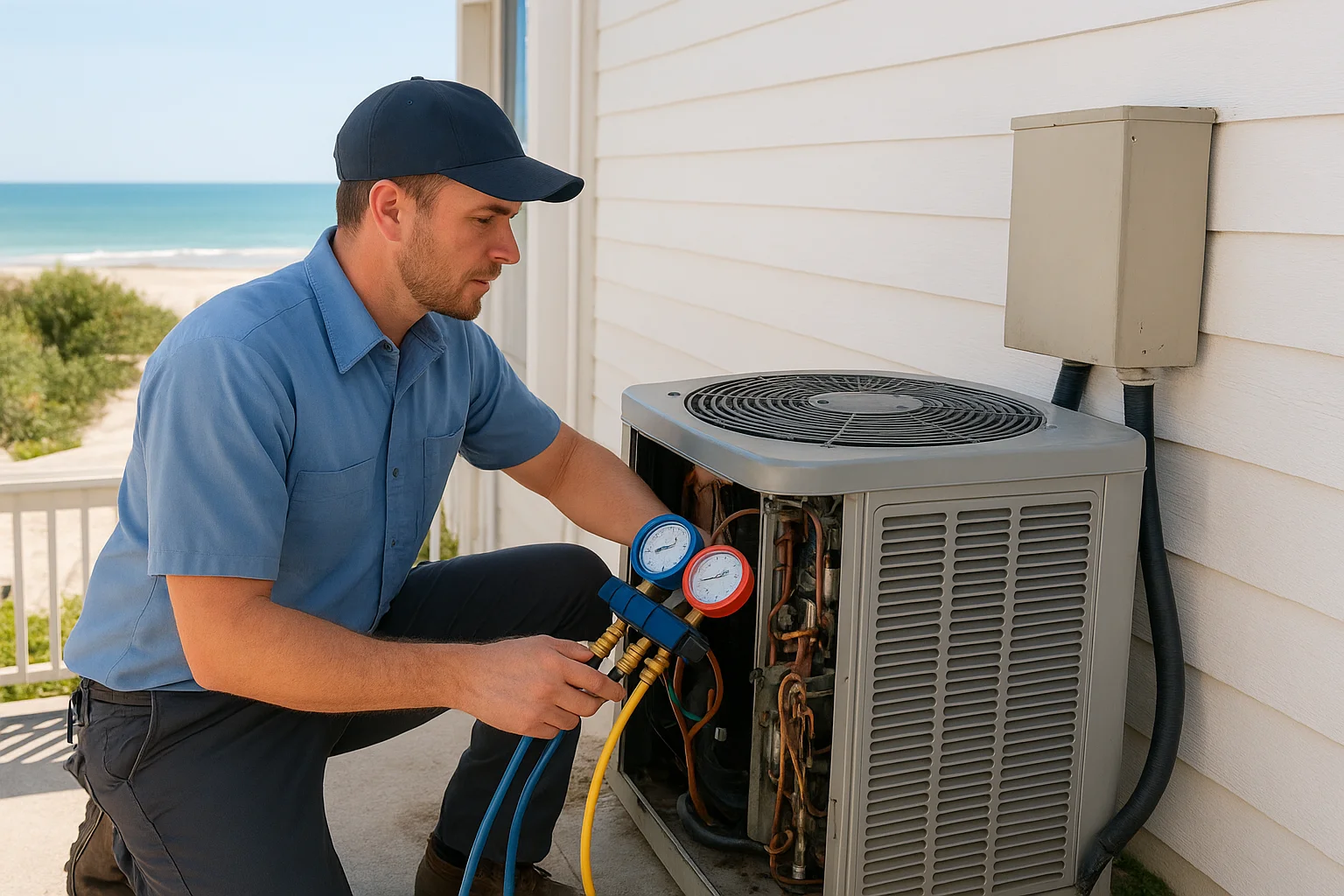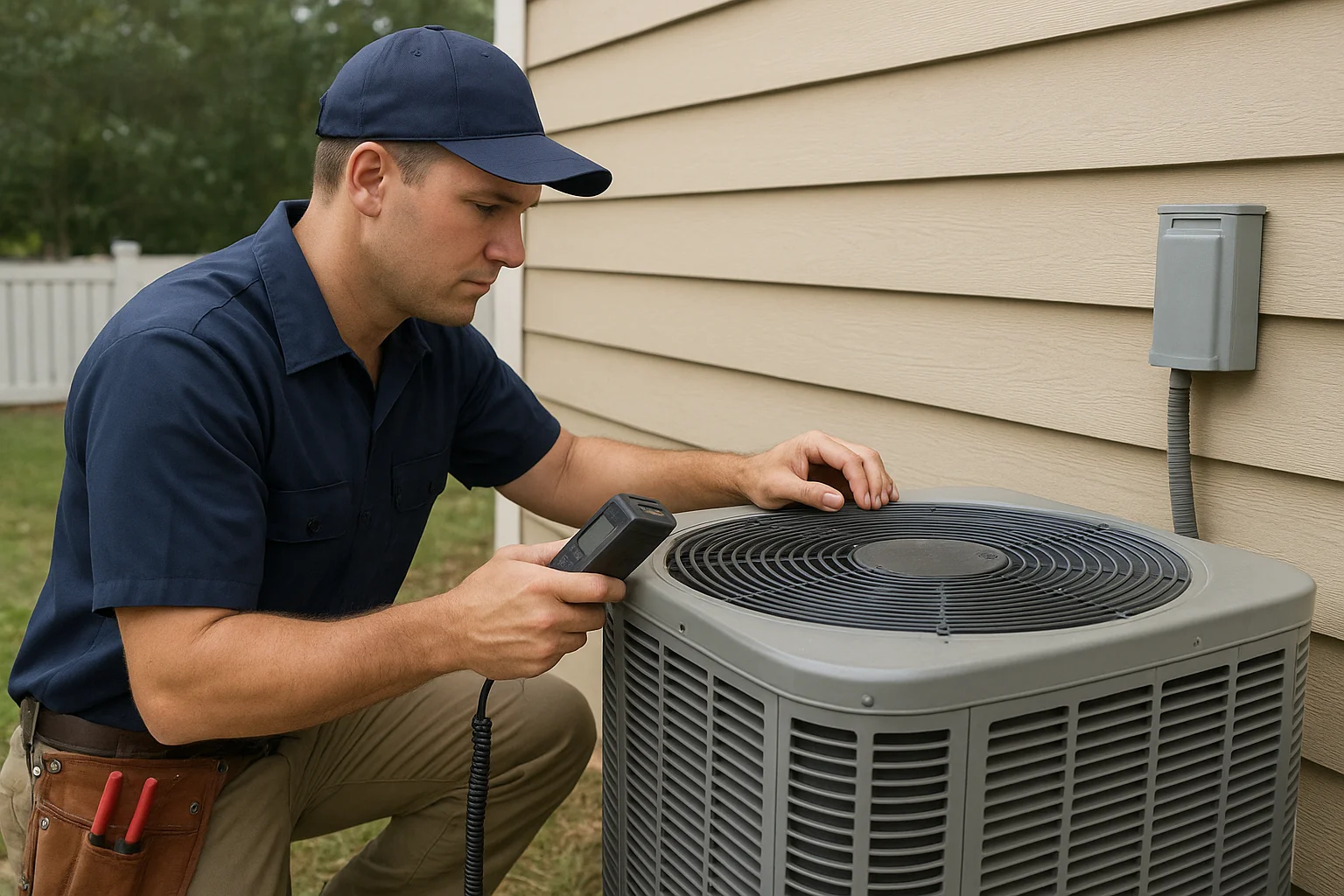
Air conditioning in Inlet Beach, FL has to work harder than it does in many inland areas. The combination of hot summer days, sticky humidity, and salty coastal air can stress refrigerant systems, condensate drainage, and ductwork over time. When those pressures build up, homeowners often feel it as rising energy use, weaker airflow, or cooling that seems to take longer to catch up.
This article breaks down what can cause problems with air conditioning services near Inlet Beach and what can shorten HVAC system life. It also covers practical prevention steps and the moments when an air conditioning services provider in Inlet Beach should evaluate your system.
Why Inlet Beach conditions are hard on air conditioners
Inlet Beach sits in a coastal climate where air temperatures climb into the high heat of summer, and humidity stays high for long stretches. That means your AC does more than “cool.” It also removes moisture from indoor air. When the system cannot manage moisture and airflow effectively, the whole cooling cycle becomes less efficient and more stressful on components.
Salt air and outdoor exposure add another layer. Even when your unit is installed correctly, coastal conditions can accelerate corrosion on outdoor coils, fasteners, and some metal parts. Over time, that corrosion can affect heat transfer and airflow, which then drives the system to run longer.
If you are searching for an HVAC company near me because your system seems to struggle in summer, these are the kinds of local factors a professional air conditioning inspection should consider.
Airflow restrictions that force the system to run longer
Airflow is one of the most common reasons HVAC systems wear out faster. Your AC depends on moving air across coils and through ductwork. When airflow is restricted, the system cannot transfer heat the way it should, so it compensates by running longer and cycling more often.
Dirty filters and clogged returns
Filters are simple, but they matter. In humid coastal climates, filters can load up with dust and debris, especially in homes with high indoor activity or vacation rental turnover. When the filter airflow drops, evaporator coil performance declines. The result can look like weak cooling, higher humidity indoors, and longer run times.
Blocked or leaky ductwork
Ductwork issues can be subtle. Leaks can pull in unconditioned air from attics and crawlspaces, and that air can be hot and humid. Blockages or poor duct sizing can create uneven temperatures room to room. When the system tries to overcome those imbalances, it can increase wear on the compressor and other components.
If you suspect ductwork problems, it is worth prioritizing an air conditioning inspection near me style evaluation that includes airflow checks and duct inspection. If you want to read more about airflow and humidity management, this guide on coastal systems can help: Ductless Mini-Splits in Inlet Beach Homes: Comfort, Airflow, and Coastal Humidity.
Improper supply and return balance
Some homes have returns that are too small, supplies that are blocked by furniture or landscaping, or vents that have been closed over time. Even small changes can reduce effective airflow. A technician can evaluate airflow paths and verify that the system is set up to distribute conditioned air properly.
Humidity problems and condensate drainage stress
Inlet Beach humidity makes moisture removal a core part of air conditioning service, not just a comfort bonus. When condensate drainage or dehumidification performance is impaired, the system can run in ways that increase stress and shorten lifespan.
Clogged condensate drains and pan overflow risk
Most air handlers and indoor units route condensate through a drain line. Over time, algae, dirt, and debris can restrict that line. When drainage slows, water can back up into the pan. That can lead to safety shutdowns, water damage, and corrosion around the unit.
A professional should inspect drainage components and verify proper condensate drainage during maintenance. If you notice water staining, musty odors, or recurring shutdowns, treat it as an AC repair priority.
Frozen coils from airflow or refrigerant cycle issues
When airflow is restricted or the refrigerant system is not operating as intended, evaporator coils can freeze. Frozen coils reduce heat transfer, and the system may short-cycle or run longer to recover. Repeated freezing is hard on equipment and can lead to additional problems.
Homeowners should avoid guessing at refrigerant causes. A local HVAC technician can evaluate the system in person and determine whether airflow, drainage, or refrigerant performance is contributing to the issue.
Refrigerant system problems that increase wear
The refrigerant system is central to cooling. If refrigerant performance is off, the compressor can experience higher workload and uneven heat transfer. That can increase energy use and accelerate component wear.
Because refrigerant work requires training and proper tools, homeowners should not attempt to diagnose refrigerant issues themselves. If your system is low on cooling capacity, making unusual noises, or struggling to maintain temperature, schedule an air conditioning repair evaluation.
Leaks and performance drift
Leaks can develop over time due to vibration, corrosion, or installation-related factors. When refrigerant is not at the correct charge, the system can operate inefficiently. That inefficiency often shows up as longer run times, warm air, or temperature swings.
Even if you suspect a refrigerant issue, it should be verified by a licensed HVAC professional during an on-site assessment. Avoid “top-off” approaches without a proper evaluation, since underlying causes must be addressed.
Corrosion on coils and connections
Coastal salt air can contribute to corrosion on outdoor coils and refrigerant line connections. Corrosion can reduce heat transfer and increase the risk of leaks. This is one reason coastal homeowners benefit from preventive HVAC maintenance that includes coil inspection and cleaning where appropriate.
Outdoor unit issues caused by debris, airflow blockages, and corrosion
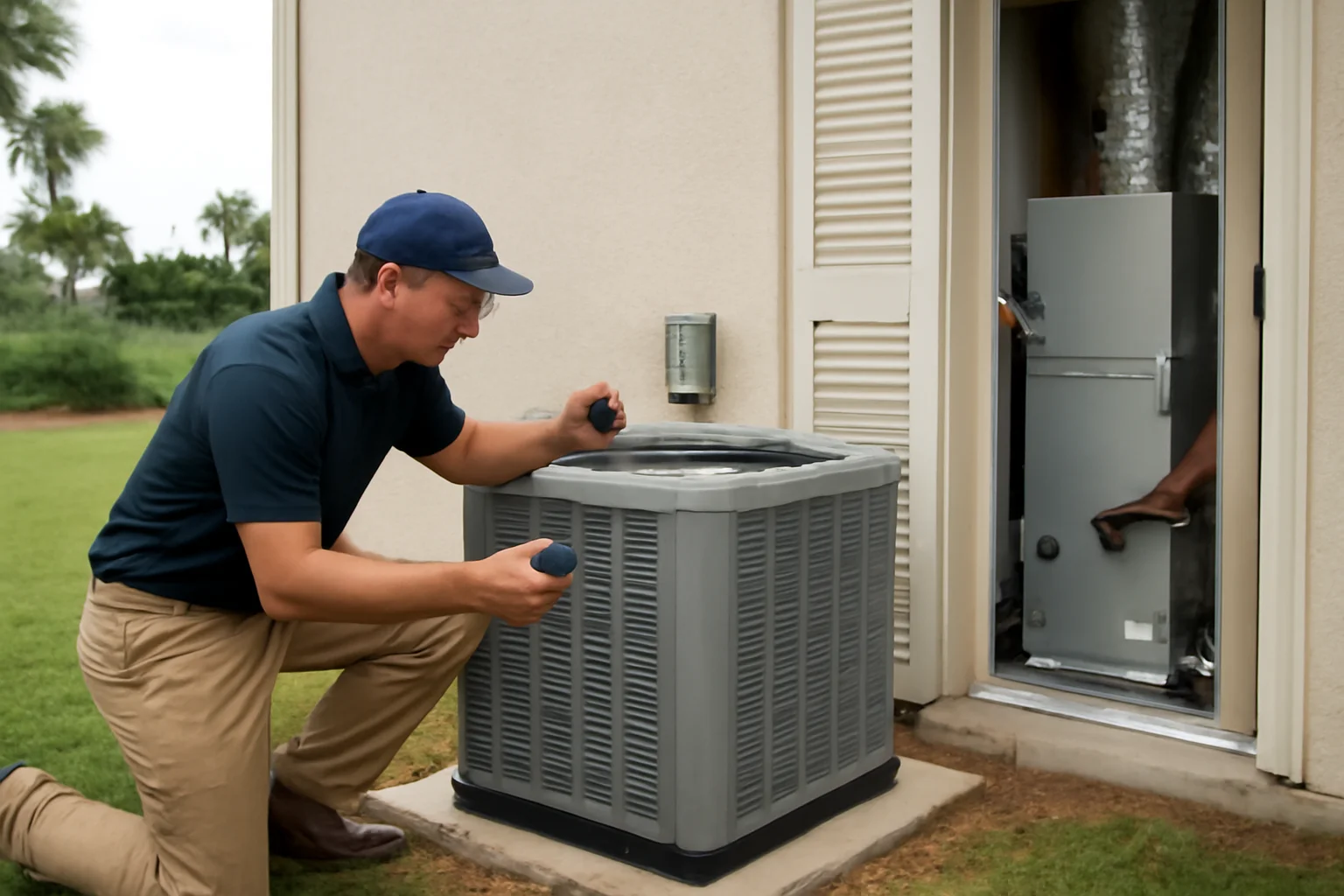
Outdoor units in Inlet Beach face wind-driven sand, yard debris, and salt exposure. When airflow around the condenser is blocked or restricted, heat cannot dissipate effectively. The compressor then works harder to meet cooling demands.
Landscaping and airflow restrictions
Overgrown shrubs, stacked items, or fences placed too close to the outdoor unit can reduce airflow. Even if the unit “looks clear,” small obstructions can matter during peak summer load. Leave adequate clearance around the unit and keep vents unobstructed.
Coil buildup and reduced heat transfer
Outdoor coils can collect debris over time. If the coil surface becomes coated, heat transfer drops, and the system runs longer. Routine service can help address buildup and keep airflow moving across coils.
Signs the outdoor unit is struggling
Look for symptoms such as loud operation, repeated cycling, poor cooling even when the thermostat is set correctly, or increased humidity indoors. These patterns can indicate airflow problems, coil performance issues, or control problems that need professional evaluation.
Thermostat settings, control behavior, and comfort expectations
Sometimes the problem feels like “the AC is failing,” but the thermostat and control behavior are contributing to poor performance. In vacation rental homes and primary residences alike, thermostat schedules are often adjusted frequently. Smart thermostats can also be configured in ways that do not match the home’s comfort needs.
Short cycling from thermostat or staging issues
Short cycling happens when the system turns on and off too frequently. That can occur when the thermostat is misconfigured, when the system is oversized for the home, or when airflow is restricted. Short cycling increases wear and can reduce dehumidification performance.
Schedule settings that increase humidity
During humid periods, keeping the thermostat at a constant temperature can help, but some schedules may allow indoor humidity to rise and then require longer cooling cycles. If your home feels damp or sticky even when temperatures seem “okay,” discuss indoor air quality and humidity control options with your HVAC contractor.
If you are exploring comfort automation, you can review Smart Thermostats for guidance on setup and how controls can affect cooling and humidity management.
Indoor air quality issues that make cooling feel worse
When indoor air quality is poor, cooling can feel inconsistent. Dust, allergens, and humidity can change how air feels and how people experience comfort. Poor indoor air quality can also increase filter loading, which then affects airflow and system performance.
High humidity and comfort complaints
If humidity remains high, you may feel warmer than the thermostat suggests. That can lead to thermostat adjustments that drive additional cooling run time. Over time, those patterns can increase equipment stress.
Dirty ductwork and particulate buildup
Dust and debris in ductwork can contribute to indoor air quality issues and can also keep filters from doing their job. Homeowners sometimes search for duct cleaning near me or duct inspection near me when comfort declines. A technician can help determine whether duct cleaning is appropriate and whether the real issue is airflow, filtration, or humidity control.
For a deeper look at comfort-focused air quality upgrades, see Indoor Air Quality Testing That Helps Inlet Beach Homes Stay Comfortable Longer.
Preventive maintenance gaps that quietly shorten system life
HVAC systems do not fail overnight in most cases. Many lifespan issues develop gradually through small performance losses. When preventive HVAC maintenance is skipped, homeowners often notice problems only after the system has already been under stress for months.
What maintenance helps protect against
Routine service can catch early signs of coil buildup, airflow restrictions, drainage issues, and control problems. Maintenance also helps ensure the system is operating as intended for cooling and moisture removal in Florida’s heat.
In homes with whole home dehumidification equipment, maintenance is even more important because airflow and humidity removal depend on coordinated operation. If you want to understand that relationship, read Why Better HVAC Maintenance Matters for Whole Home Dehumidifiers in Sandestin.
Why “it still cools” can be misleading
Many homeowners delay maintenance because the home cools. But a system can cool while still operating inefficiently, with reduced dehumidification and higher energy use. That inefficiency is often what shortens lifespan.
Energy use and comfort changes that point to AC service needs
When HVAC systems age or drift out of performance, energy use often rises alongside comfort complaints. In coastal Florida, where cooling demands are constant, energy spikes can signal airflow problems, coil fouling, or control issues.
Watch for these patterns:
- Cooling takes longer to reach the set temperature.
- Rooms feel uneven, with hot spots or cold pockets.
- Humidity feels high even when the temperature seems acceptable.
- You hear louder operation, repeated cycling, or unusual noises.
- The system runs longer or more frequently than it used to.
- Condensate drainage seems inconsistent, with odors or moisture around the unit.
Any of these can connect back to airflow, condensate drainage, refrigerant system performance, or control behavior. A professional AC repair evaluation can help identify which factor is most likely and what corrective steps are appropriate.
Why local service matters for Inlet Beach homeowners
Homeowners looking for an HVAC contractor near me often want someone who understands local conditions. Inlet Beach homes and many Walton County properties experience the same seasonal patterns: high humidity, intense summer heat, and coastal exposure that can affect outdoor units and system cleanliness. Local technicians also understand common installation contexts, such as older duct layouts, crawlspace or attic airflow concerns, and the realities of vacation rental occupancy.
Professional local air conditioning service matters because it is not only about fixing a single symptom. It is about protecting system performance across seasons, especially when the system is expected to handle long stretches of heavy cooling demand.
If you are also planning upgrades for comfort and airflow, you can explore Smart HVAC Planning for Rosemary Beach Homes for ideas that apply across the area.
Emergency cooling concerns in coastal summer
Florida summers can be unforgiving. When your AC fails during a heat wave, comfort and safety become urgent. If you are searching for emergency AC repair near me because the system is not cooling, focus on immediate safety and then contact a qualified HVAC team.
Emergency cooling concerns can include:
- The system stops running and the indoor temperature rises quickly.
- You notice smoke-like odors, burning smells, or active electrical safety concerns.
- The unit runs but does not cool, especially during peak heat and high humidity.
- Condensate overflow signs or water intrusion near indoor equipment.
A licensed technician can assess the situation on-site and determine the safest next step. While it is tempting to keep troubleshooting, repeated restarts or prolonged operation under abnormal conditions can increase the risk of additional damage.
How to prevent early AC wear this season
You can take several practical steps to reduce stress on your HVAC system between service visits.
Keep airflow clean and unobstructed
Replace or clean filters as recommended for your system and check returns and registers for blockages. If you have pets, frequent guests, or heavy dust, you may need more frequent filter attention.
Also ensure outdoor unit clearance is maintained and that landscaping does not crowd the condenser.
Watch humidity and drainage indicators
If you notice musty odors, moisture around the indoor unit, or persistent dampness, treat it as a maintenance and inspection issue. Drainage problems can turn into larger problems quickly in humid climates.
Use thermostat schedules that match real occupancy
For vacation rentals, consider how quickly the home needs to recover after guests arrive. Over-aggressive temperature swings can stress the system and raise humidity if the schedule does not manage moisture removal. For primary homes, set schedules that allow steady dehumidification rather than constant cycling.
If you are interested in control improvements, review Smart Thermostats to see how thermostat behavior can affect comfort and system run time.
Plan preventive HVAC maintenance before peak demand
Homeowners who search for licensed HVAC contractor near me during summer often feel the rush. Scheduling preventive HVAC maintenance before the hottest weeks can reduce the chance of mid-summer surprises. Maintenance helps catch airflow issues, coil buildup, and drainage concerns before they become cooling emergencies.
When AC repair or system replacement questions should be on the table
Some problems are repairable, and others point toward end-of-life performance. Because each system and each home is different, it is best not to guess. A professional can evaluate the condition of components, airflow, indoor comfort, and refrigerant system performance.
Consider AC repair evaluation when you notice:
- Cooling capacity is consistently weak or uneven.
- Humidity stays high, or the home feels damp despite cooling.
- The system cycles too frequently or runs continuously.
- Condensate drainage shows signs of backup or overflow.
- Energy use increases without a clear reason.
For replacement planning, homeowners often ask about budgeting and options. If financing would help you manage a larger HVAC decision, explore HVAC Financing.
Get the right air conditioning services for Inlet Beach homes
Inlet Beach homeowners need air conditioning service that accounts for coastal heat, humidity, salt air, and airflow performance. When you choose a local HVAC team like A Superior Mechanical, you get an on-site assessment that can connect the dots between ductwork, indoor comfort, condensate drainage, and overall system operation.
If you are noticing cooling that feels less effective, higher humidity, or rising energy use, visit /service-areas/walton-county/inlet-beach/air-conditioning-services-ibwcfl to learn about AC installation, repair, replacement, and preventive maintenance options. For broader coverage across the area, you can also review /service-areas/walton-county and the Inlet Beach service area page.
Find Air Conditioning Services in Inlet Beach, FL
If you need Air Conditioning Services in Inlet Beach, FL, visit our local service page or contact A Superior Mechanical today.
Map of Inlet Beach, FL
Frequently Asked Questions
How does humidity in Inlet Beach shorten the life of an air conditioner?
In high humidity, the AC has to remove more moisture. If airflow is restricted or condensate drainage is slow, the system can run longer, cycle more often, and experience extra stress on coils and components. That combination can reduce HVAC lifespan.
Can dirty ductwork or poor airflow cause an AC to fail sooner?
Yes. Restricted airflow reduces heat transfer across coils and can lead to uneven temperatures, higher humidity, longer run times, and coil freezing. Over time, the increased workload can wear down parts, so ductwork and airflow should be evaluated during air conditioning inspection.
What are early warning signs that my AC needs professional service in Walton County?
Common red flags include rising energy use, weaker cooling, hot or cold spots, indoor humidity that stays high, unusual noises, frequent cycling, and any signs of condensate drainage problems such as odors or moisture around the indoor unit.
Should I try to diagnose refrigerant issues myself?
No. Refrigerant problems require proper testing and trained evaluation. If cooling is weak or the system is behaving unusually, schedule an in-person assessment so a technician can determine whether airflow, drainage, refrigerant system performance, or controls are contributing.
When is emergency AC repair necessary?
Emergency cooling support is appropriate when your system stops cooling during a heat wave, the indoor temperature rises quickly, you see signs of condensate backup or overflow, or you notice concerning odors or abnormal operation. Contact a qualified HVAC contractor promptly for on-site evaluation.
Related Articles
- Indoor Air Quality Testing That Helps Inlet Beach Homes Stay Comfortable Longer
- Ductless Mini-Splits in Inlet Beach Homes: Comfort, Airflow, and Coastal Humidity
- Smart HVAC Planning for Rosemary Beach Homes: Comfort, Airflow, and Coastal Protection
- Why Better HVAC Maintenance Matters for Whole Home Dehumidifiers in Sandestin
Photo Gallery