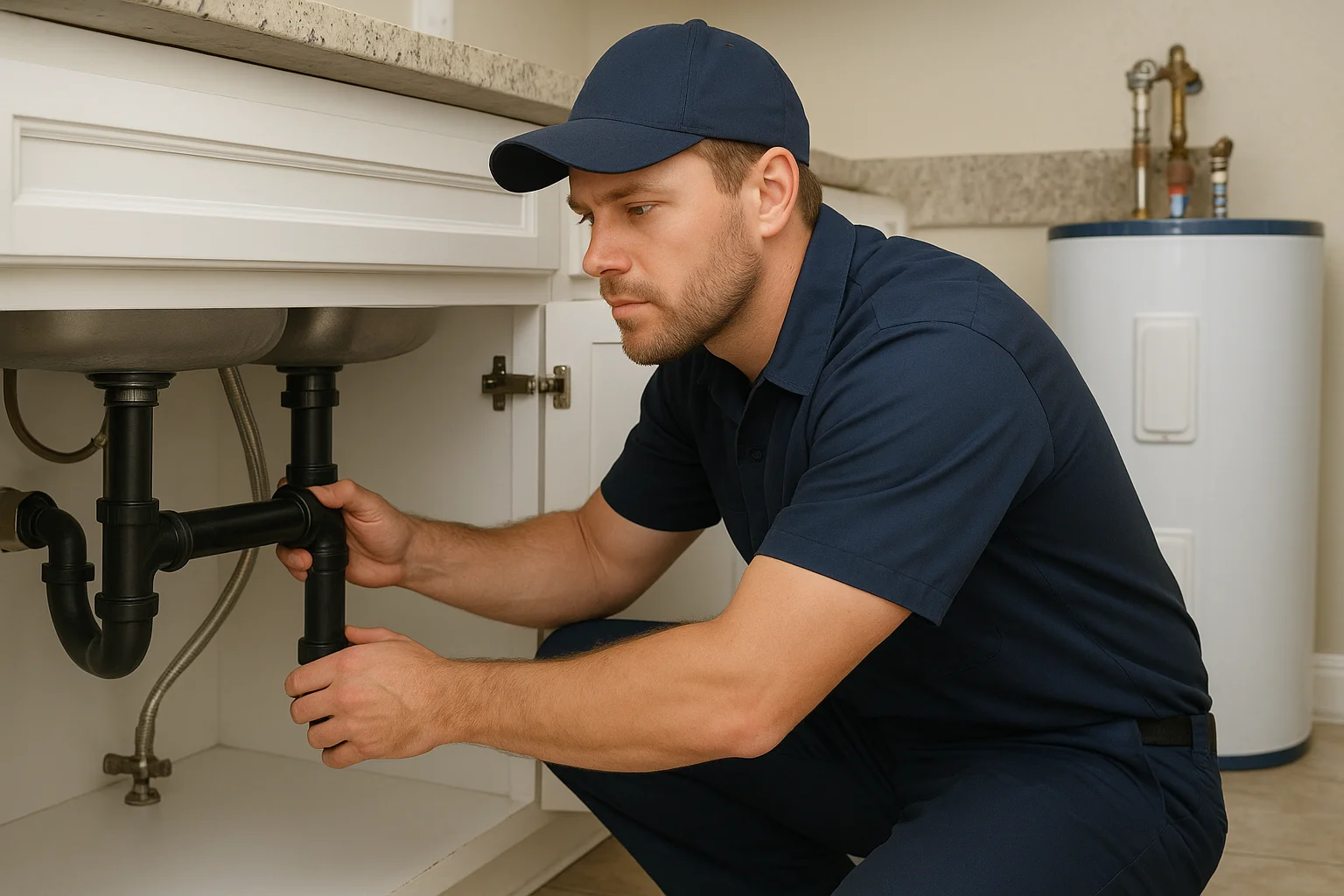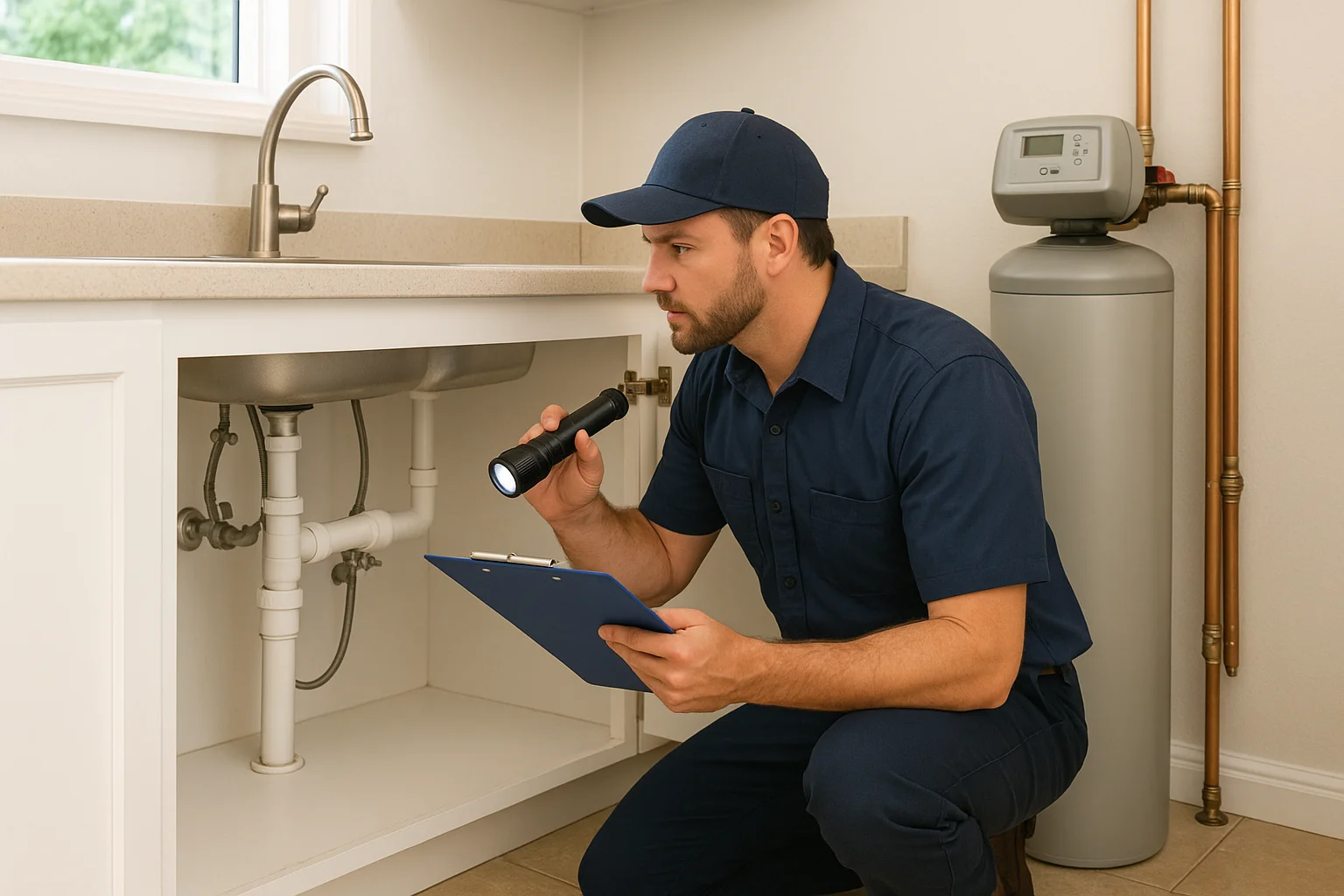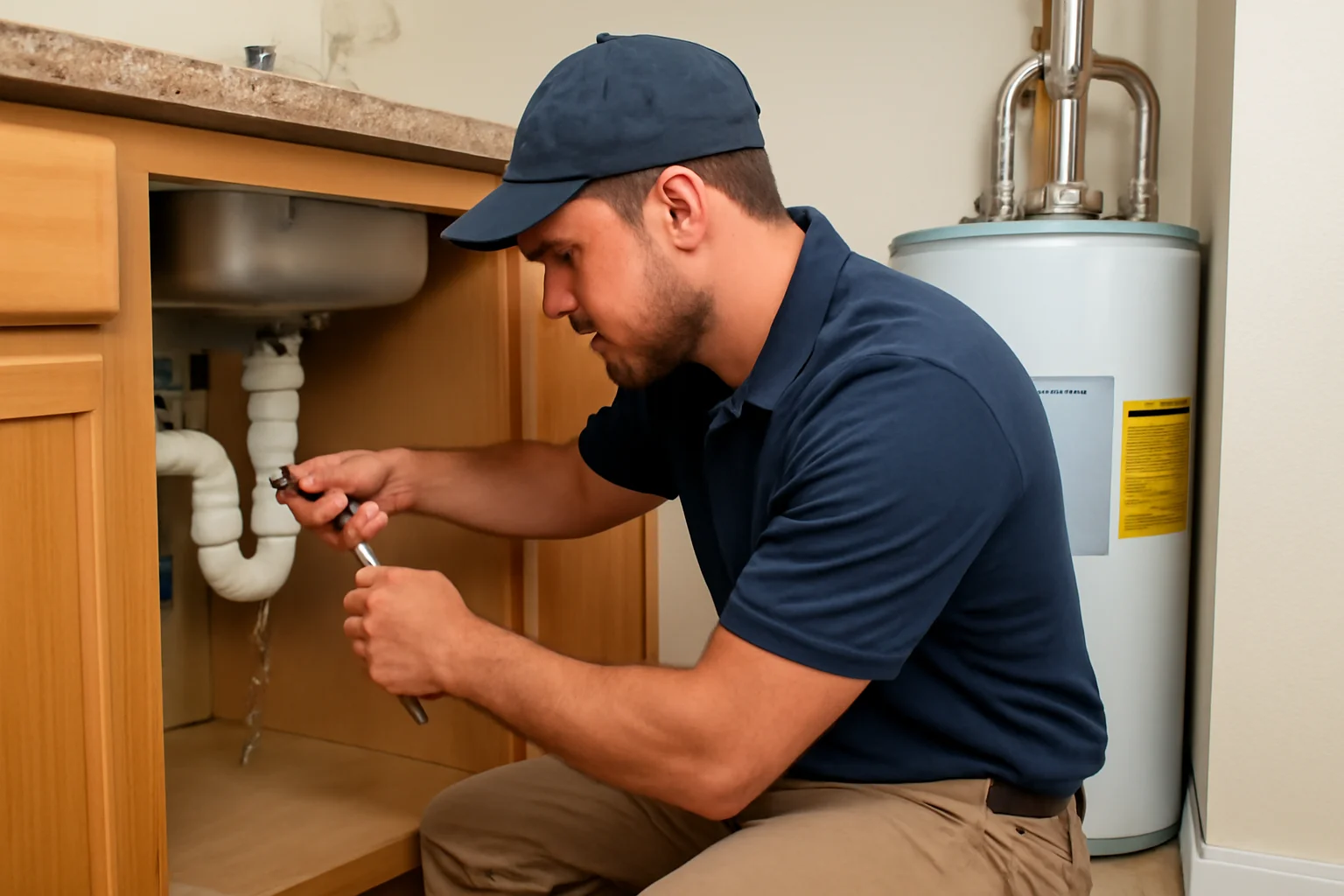
Ocean City, FL homes run on hot water every day, from showers after the beach to laundry, dishwashing, and quick cleanups before work. When a water heater starts acting up, the problem rarely stays isolated for long. A small leak can lead to water damage, a pressure issue can strain pipes and fixtures, and a venting or drainage problem can turn into an emergency plumbing concern.
This guide covers common causes of water heater repair problems in Ocean City and how to catch plumbing issues early. If you are searching for a plumber near me or need water heater service that gets to the root cause, the details below will help you recognize what is happening and why it matters for year round home protection.
Why water heaters in Ocean City see more wear than many homeowners expect
Ocean City and the broader Okaloosa County area have a humid coastal climate and seasonal shifts that affect plumbing systems. Summer demand can spike as households increase showers and laundry use. During cooler months, some homes run less water but still rely on the heater for daily hot water. That cycle of high demand and changing usage puts stress on the tank, valves, connections, and nearby piping.
Hard water is another factor many local homeowners run into. Minerals can build up inside tank units and on heat exchange surfaces for tankless systems. Over time, scale reduces efficiency, increases temperature swings, and can contribute to premature failure. When scale combines with normal corrosion, repairs can become more frequent unless the underlying cause is addressed.
Finally, many Ocean City properties include older plumbing layouts, slab foundations in some neighborhoods, and shared wall or closet piping runs. That means a leak or pressure problem can be harder to spot and more expensive to fix if it is allowed to continue.
Common causes of water heater repair problems that start small
Homeowners often notice a single symptom, like rusty water or lukewarm showers. But water heater repair issues are usually caused by a chain of plumbing factors. Here are the most common culprits we see in Ocean City homes.
1) Sediment buildup and mineral scale inside the tank
For traditional tank water heaters, sediment settles at the bottom over time. In hard water areas, mineral content can accelerate scale formation. When sediment insulates the burner or heating element, the unit has to work harder to heat water. That can lead to:
• Shorter hot water cycles
• Noisy operation (popping, rumbling, or knocking)
• Fluctuating water temperatures
• Increased wear on valves and components
Tankless systems can also experience scaling on internal surfaces. Even if you still have hot water, performance drops can show up as inconsistent flow, slower recovery, or error codes.
2) Pressure problems that stress pipes and fixtures
Water pressure that is too high can damage plumbing components. A failing pressure reducing valve, a bad regulator setting, or pressure spikes from the municipal system can lead to worn seals, dripping faucets, and accelerated wear on water heater connections.
Pressure-related symptoms that often show up alongside water heater service include:
• Frequent dripping from the temperature and pressure relief valve
• Water hammer noises when faucets turn on or off
• Loose fittings that keep working themselves tighter or leak after small temperature changes
• Increased frequency of sink repair near me and toilet repair near me calls as seals fail
Because hot and cold water share the same plumbing network, a pressure issue can show up across multiple fixtures, not just at the heater.
3) Temperature and pressure relief valve (T and P) failure
The T and P valve is a safety device. If it is stuck, leaking, or discharging, it may be responding to overheating or excessive pressure. Sometimes the valve itself is the problem. Other times, the underlying cause is a thermostat issue, a control problem, or scale buildup.
When this valve leaks, it can be easy to mistake for “just a little moisture.” Over time, that moisture can damage flooring, cabinets, and nearby drywall. In homes with limited access, a persistent leak can also hide behind finished surfaces.
4) Corrosion at connections, fittings, and supply lines
Water heater leaks often occur at the joints, nipples, and inlet or outlet connections. Corrosion can develop due to age, water chemistry, or repeated temperature cycling. A drip may start near the top of the heater and then slowly work its way downward.
Look for clues such as:
• Rust-colored moisture around fittings
• Mineral deposits around the base or valve connections
• Dampness in the surrounding cabinet or closet
• A musty odor near the heater area
In many Ocean City homes, the heater is installed in a utility space where humidity already lingers. That makes small leaks more likely to cause hidden damage.
5) Drain line and discharge piping issues
The drain line on many heaters, including T and P discharge piping, must be installed correctly and kept clear. If the discharge line is blocked, kinked, or routed improperly, it can cause leaks or prevent safe relief discharge.
Homeowners sometimes treat this like a “drain cleaning” problem, but it is not always about the heater itself. A blocked drain line can be tied to other plumbing concerns in the home, including:
• Debris buildup in nearby drains
• Improper slope or aging connections
• Tree root intrusion in outdoor lines
If you are searching for emergency drain cleaning near me because water is backing up or discharging where it should not, a water heater related discharge issue may be part of the cause.
6) Venting and combustion air problems for gas water heaters
While this article focuses on plumbing, venting is still a key part of safe water heater operation. In coastal homes, salt air and humidity can affect vent components. Blocked vents, improper clearances, or vent deterioration can lead to shutdowns and performance issues. If you notice soot, strong odors, or repeated interruptions, a qualified technician should inspect the system promptly.
How plumbing problems can start elsewhere and show up at the water heater
Water heaters are connected to the same plumbing network that serves sinks, toilets, and showers. That means issues elsewhere can trigger symptoms that look like water heater failure.
Leaking or clogged drains that affect hot water use
When a home has a partially clogged drain, it may not completely stop flow. Instead, it can slow draining or cause gurgling. That can create pressure changes in the plumbing system and lead to odd behavior at the heater, especially if the issue involves venting or shared lines.
In homes where a clogged kitchen sink drain repair near me search turns into an urgent problem, it is smart to check whether the issue is isolated to the sink or connected to the broader drainage system. In some cases, sewer drain cleaning near me becomes necessary when backups affect multiple fixtures.
Sewer line issues that lead to backups and contamination risk
Ocean City properties can experience sewer line problems from aging pipe materials, shifting soil, and seasonal water table changes. If a sewer backup repair near me call is needed, it can also create contamination risk around utility areas, including where water heaters are installed.
Even if the heater is not the direct cause, a backup can overwhelm drainage and create conditions that damage floors, walls, and finishes. A careful inspection helps determine whether the problem is a localized drain issue or a sewer line concern.
Slab leaks and hidden piping damage
In some Ocean City neighborhoods, slab foundations can conceal leaks in hot and cold supply lines. A slab leak may present as unexplained water heater cycling, rising water bills, or dampness near baseboards, even if the heater itself seems “fine.”
Because the heater relies on steady water flow, a hidden leak can reduce effective pressure and cause temperature instability. If you suspect a leak, pairing water heater service with home plumbing inspection near me can prevent repeated repairs that do not address the real issue.
Early warning signs homeowners can catch before a bigger repair
Catching problems early is the difference between a repair that restores hot water and a failure that causes emergency plumbing damage. Here are practical signs Ocean City homeowners should watch for.
Hot water changes that do not match usage
• Water that suddenly runs cooler or hotter than normal
• Hot water that runs out faster during the same routine
• Delays in hot water recovery, especially after the heater has been stable
These symptoms can point to sediment buildup, a failing thermostat, scale on tankless components, or pressure and flow issues.
Moisture, rust, and “mystery” puddles near the heater
Check around the base, valves, and discharge lines. Even if the leak seems minor, it can worsen with time and temperature cycling. If you see wetness, mineral staining, or corrosion around fittings, it is time for water heater repair.
Strange sounds from the unit
Rumbling, popping, or banging often indicates sediment or scale buildup. A unit can still produce hot water for a while, but the noise is a clue that efficiency and component life are declining.
Frequent cycling or repeated shutdowns
Tankless systems may shut down due to flow sensor problems, venting issues, or scale. Tank units may cycle more often if the thermostat or control is struggling. If you notice repeated interruptions, do not keep resetting the unit. That can delay the real repair.
Pressure and fixture clues around the home
If you are also dealing with dripping faucets, running toilet repair near me issues, or recurring sink problems, it may be related to pressure regulation, cross connections, or broader plumbing wear. A coordinated inspection can reduce guesswork.
What you can do now to protect your water heater year round
Home maintenance does not replace professional service, but it can reduce the risk of sudden failures. Use these steps as part of local plumbing maintenance for Ocean City homes.
1) Make a quick monthly check
Walk by the water heater area and look for moisture, rust streaks, and unusual odors. If you have a tank unit, check for visible leaks around the drain valve and supply connections. For tankless systems, check for signs of water at the unit and plumbing connections.
2) Know your water pressure and watch for spikes
If your home feels like it has “too much pressure,” or you hear water hammer, have a technician evaluate the pressure regulator and related valves. Correct pressure reduces stress on pipes and fixtures and helps the heater run more efficiently.
3) Keep drains and discharge lines clear
Do not store chemicals or items that could block access to heater discharge piping. If you have a history of clogged drains, schedule plumbing repair and drain cleaning before a partial clog becomes a backup. When a clogged drain repair near me search turns into an emergency, it often costs more because the system has already been overwhelmed.
4) Consider water softening if hard water is heavy
Hard water can accelerate scaling and reduce heater efficiency. If you are dealing with mineral buildup on fixtures and showerheads, ask about water softening options. If you want to compare approaches, see What Ocean City Homeowners Should Know Before Choosing Water Softening Services.
5) Use hot water wisely during peak demand
Ocean City households often increase hot water use during summer. Staggering laundry cycles, avoiding simultaneous long showers for multiple occupants, and keeping maintenance current can reduce strain on the heater. This is especially helpful for older units working through sediment buildup.
When water heater repair is urgent for Ocean City homeowners
Some plumbing issues cannot wait because they can lead to water damage, contamination, or loss of hot water during busy days. Treat these situations as time sensitive.
- Active leaks from the tank, fittings, or discharge piping
- No hot water combined with strange noises, repeated shutdowns, or error codes
- Water around the unit that is spreading or soaking nearby materials
- Signs of sewer backup like gurgling drains, foul odors, or water backing up into fixtures
- Suspected slab leak such as unexplained water use, damp floors, or cracking near baseboards
If any of these are happening, an emergency plumber near me search is appropriate. For many homeowners, the fastest path to protection is getting a professional on site quickly to stop the leak, confirm the cause, and restore safe operation.
How a professional inspection finds the real cause
A Superior Mechanical focuses on getting to the root issue instead of treating symptoms. A local water heater service visit in Ocean City typically includes checks of:
• Heater condition and age, including signs of corrosion and internal buildup
• Connections, valves, and discharge piping
• Water pressure and pressure regulator function
• Drainage and venting concerns where applicable
• Related plumbing symptoms that suggest a wider issue, such as drain performance or sewer line warning signs
That approach matters because the same symptom can come from different causes. For example, lukewarm water can be sediment buildup, a thermostat issue, or a flow and pressure problem. With a proper inspection, the repair is more likely to last.
Repair vs replacement: deciding with Ocean City realities in mind
Sometimes repair is the right choice. Other times, water heater replacement is the safer and more cost-effective long term option, especially when the unit is near the end of its expected lifespan or when multiple components are failing.
Homeowners who are searching for same day water heater replacement near me are often dealing with a sudden failure or a leak that cannot be contained. If your unit is leaking, performance is inconsistent, or repairs keep stacking up, it is worth evaluating replacement options and timing.
If you are also planning broader plumbing updates, consider related services like Plumbing Replacement or Waterline Replacement when older piping is contributing to leaks or pressure instability.
Local help for Ocean City homes: A Superior Mechanical
For reliable water heater repair in Ocean City, Florida, A Superior Mechanical provides fast, professional troubleshooting and repairs for homes, rentals, and businesses across Okaloosa County. If you need water heater service, you can review our specific coverage here: Water Heater Repair in Ocean City, FL. For broader plumbing options and service availability, visit Ocean City Plumbing Services and Okaloosa County Plumbing Services.
If you want to connect the dots between heater performance and everyday plumbing care, this article can help: Why Water Heater Repair Matters for Rosemary Beach Homes and Everyday Plumbing Care. For households dealing with water quality and scaling, explore Reverse Osmosis Systems when appropriate.
And if you manage a property with multiple units, it can help to understand how small plumbing issues become costly. See Commercial Plumbing in Ocean City, FL: Small Issues That Turn Costly for Local Families and Property Owners for a broader perspective on consistent maintenance.
Quick checklist for homeowners before you request water heater repair
If you are calling for plumbing repair, having a few details ready can speed things up. Write down:
• The heater type (tank or tankless) and approximate age
• What changed recently, such as cooler water, noise, or visible moisture
• Whether the issue affects only hot water or other fixtures too
• Any drain or sewer backup symptoms, like gurgling or slow drains
• Any recent plumbing work or changes to water pressure
This makes it easier for a technician to diagnose and recommend the right fix for year round home protection.
Find Water Heater Repair in Ocean City, FL
If you need Water Heater Repair in Ocean City, FL, visit our local service page or contact A Superior Mechanical today.
Map of Ocean City, FL
Frequently Asked Questions
What are the most common causes of water heater leaks in Ocean City, FL?
Leaks often come from corroded fittings, failing valves like the T and P valve, loose connections, or a discharge line that is routed or draining incorrectly. Hard water and age can also accelerate corrosion, especially around joints and the base of the tank.
Why does my water heater make popping or rumbling noises?
Popping and rumbling usually point to sediment or mineral scale buildup inside the heater. As water heats, trapped sediment heats unevenly and creates the sound. The unit may still work, but efficiency and component life decline quickly.
Can a clogged drain or sewer line problem affect my hot water?
Yes. Plumbing systems share pressure and venting. A partially clogged drain or sewer backup can create pressure changes, gurgling, and fixture issues that make hot water seem inconsistent. If multiple drains act up, ask for a home plumbing inspection near me approach that checks connections across the system.
When should I treat water heater issues as emergency plumbing concerns?
Call right away if you see active leaks, water spreading near the unit, repeated shutdowns or error codes, or signs of sewer backup such as foul odors and water backing up into fixtures. Quick response helps prevent water damage and contamination.
Should I repair or replace my water heater?
Repair is often the best option when a single component fails. Replacement is usually smarter when the unit is near the end of its lifespan, multiple parts are failing, or the cause points to internal damage. A technician can evaluate condition, leaks, and efficiency before recommending next steps.
Related Articles
- Commercial Plumbing in Ocean City, FL: Small Issues That Turn Costly for Local Families and Property Owners
- Why Water Heater Repair Matters for Rosemary Beach Homes and Everyday Plumbing Care
- Why Commercial HVAC Service Matters in Ocean City Homes and Mixed-Use Properties
- What Ocean City Homeowners Should Know Before Choosing Water Softening Services
Photo Gallery