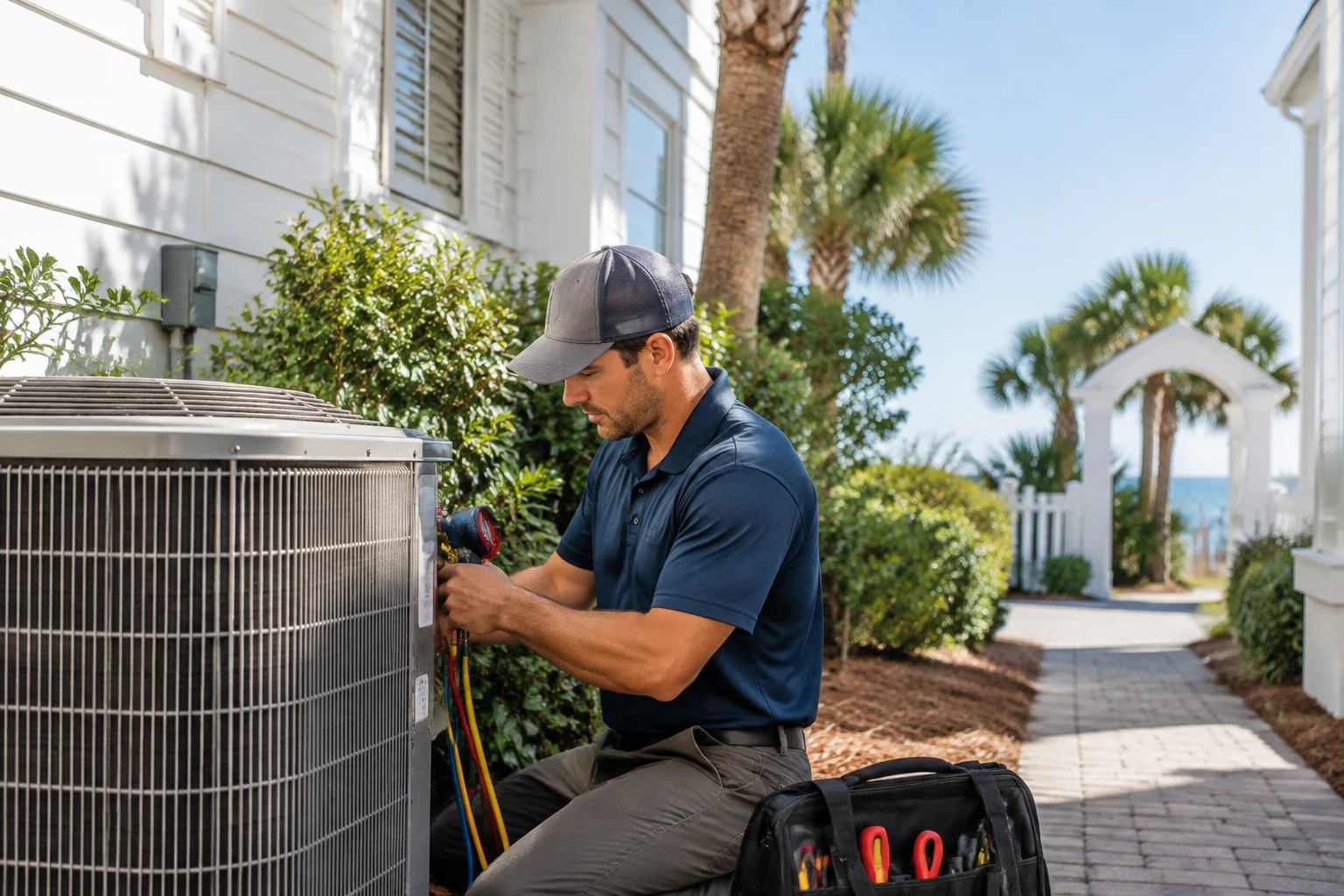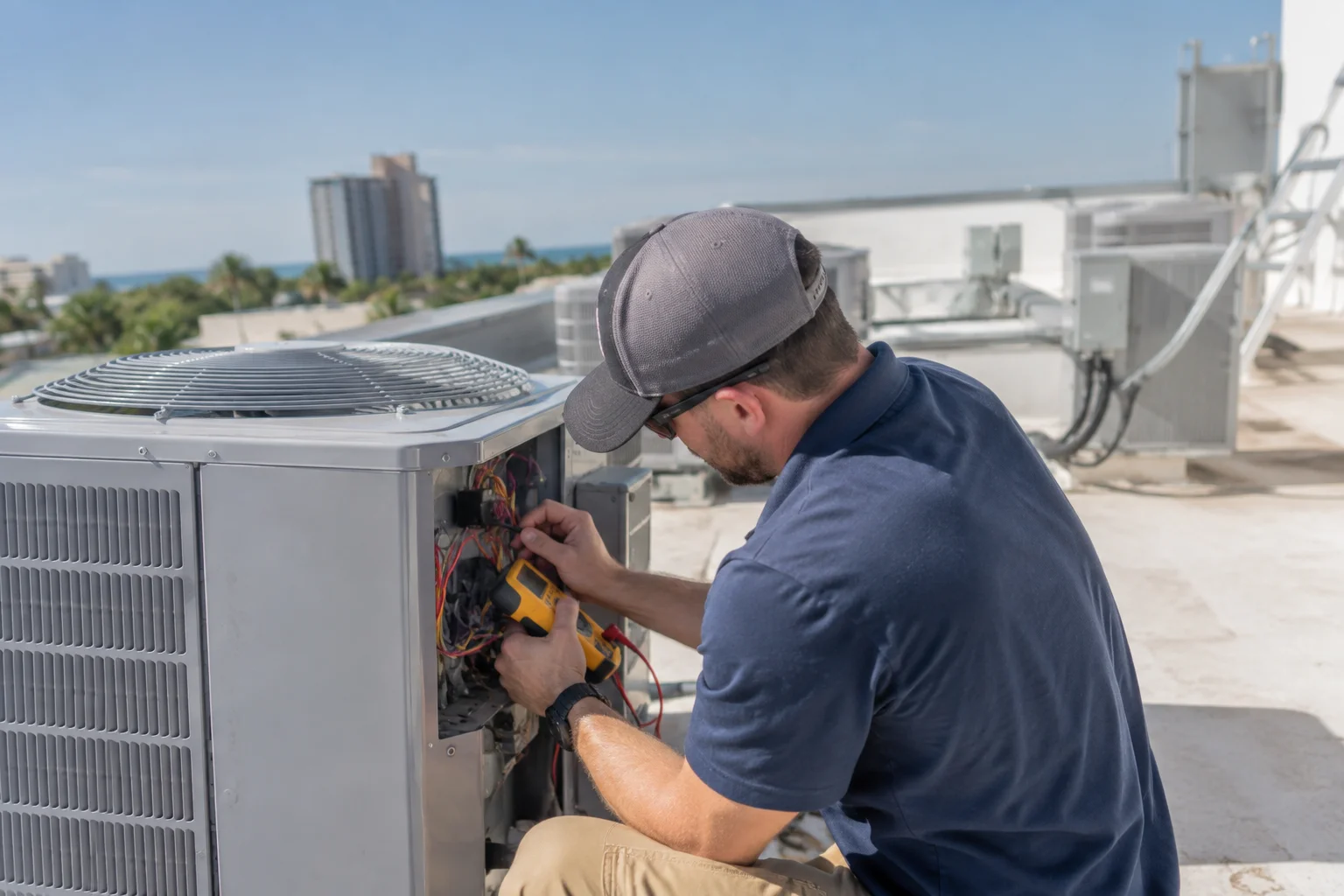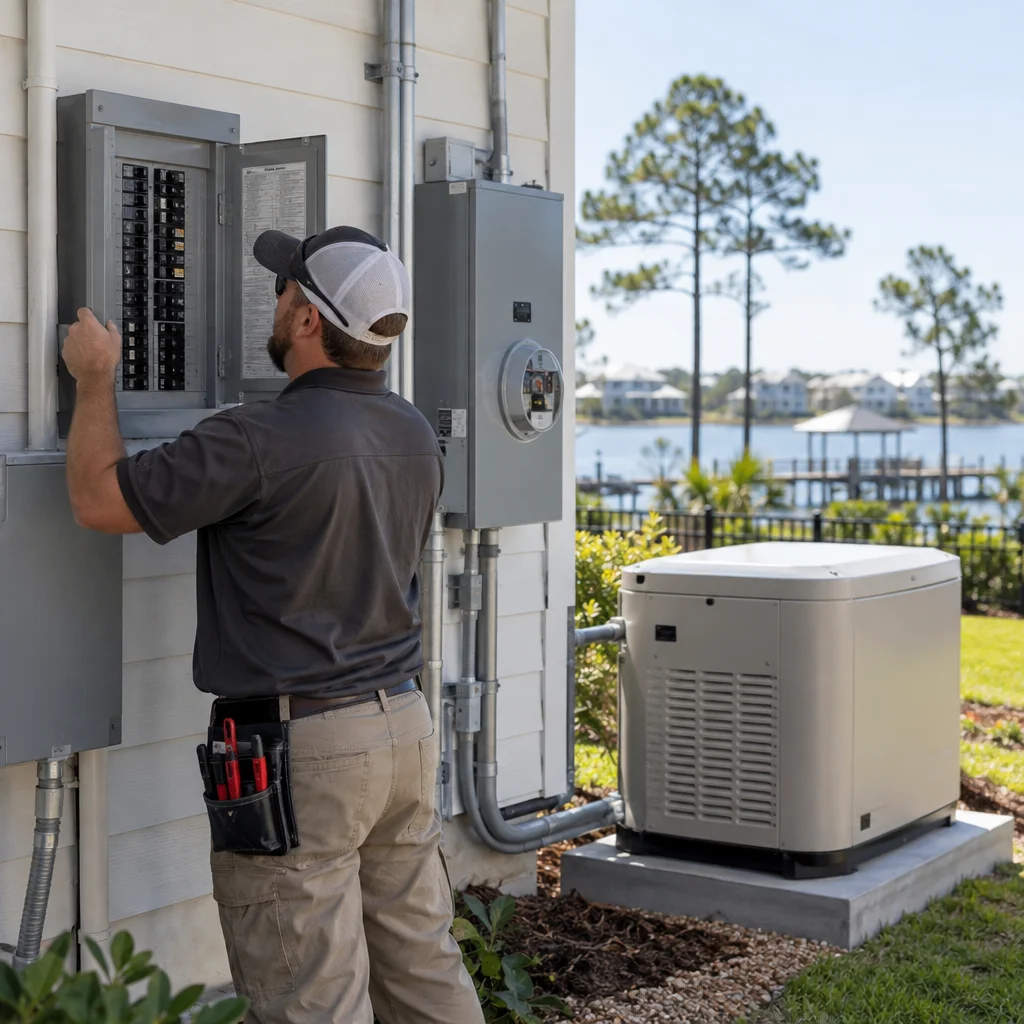
Panama City, FL homes live with Florida heat, humidity, and salt air. For property managers, that means HVAC systems face constant stress, often across multiple units. When warning signs show up, the timing of a repair or maintenance visit can affect comfort for tenants, indoor air quality, energy use, and whether a minor issue stays minor.
This guide focuses on the HVAC warning signs property managers and homeowners should watch for, what those signs can indicate in real-world systems, and how scheduling HVAC service quickly helps prevent bigger disruptions. If you are searching for property management HVAC services in Panama City, FL, it helps to know what to look for before the problem grows.
Why timing matters more for rentals and multi-unit communities in Bay County
In a single-family home, a tenant might tolerate a few uncomfortable days. In a rental or multi-unit community, comfort and habitability are tied to operations. Florida humidity can change how quickly a system fails to keep up. A unit that runs longer to maintain temperature can also pull moisture into the indoor air, encourage musty odors, and worsen indoor air quality when filtration and airflow are not performing as expected.
Timing also affects the path of the repair. Some issues, like restricted airflow through dirty ductwork or blocked returns, can escalate when the system is forced to compensate. Other issues, like condensate drainage problems, can turn into water damage concerns if not addressed. And when refrigerant systems are operating under strain, a delayed response can lead to additional component wear. Professional HVAC service helps ensure the system is evaluated in person, not guessed from symptoms.
If you are trying to find an HVAC service near me for a property, the best approach is to treat warning signs as maintenance priorities, not “wait and see” items.
Warning signs that should trigger fast property management HVAC action
Below are common HVAC warning signs that often show up in Panama City properties. Some are straightforward, while others can overlap. Either way, the goal is the same: schedule an air conditioning service or heat pump service visit early enough to protect airflow, humidity control, and system reliability.
1) Hot spots, uneven cooling, or rooms that never reach set temperature
Uneven airflow is a frequent complaint in rental homes and multi-unit buildings. It can point to ductwork restrictions, poor airflow across the evaporator coil, undersized or blocked returns, or thermostat settings that do not match actual comfort needs. In humid Florida weather, hot spots can also increase indoor moisture, which can make tenants feel like the air is never “dry.”
For property managers, uneven cooling is often not a “tenant issue.” It is a system issue that can be diagnosed during an air conditioning inspection near me or a routine HVAC maintenance visit.
2) Short cycling or frequent starts and stops
Short cycling can happen when a system cannot maintain stable operation. It may be related to airflow, thermostat behavior, condensate drainage, or other factors that affect how the refrigerant system operates. When a unit starts and stops rapidly, it can increase wear on components and reduce dehumidification performance.
If you notice repeated cycling patterns across multiple calls, it is a strong reason to schedule an HVAC contractor near me visit for evaluation, rather than resetting thermostats and moving on.
3) Rising humidity, condensation on windows, or musty odors
Florida humidity is not subtle. When HVAC systems fall behind, occupants often see condensation on windows, feel clammy air, or report a musty smell. This can be connected to airflow problems, filtration issues affecting indoor air quality, or condensate drainage concerns. If drainage is not working correctly, moisture can remain longer in the system and in the home.
Condensate drainage problems can also lead to water where it should not be. Even if you do not see active leaks immediately, slow drainage can still create conditions that affect air quality and building materials.
Because humidity control is part of comfort and habitability, these signs should not wait for the next scheduled maintenance cycle.
4) Weak airflow from vents or noticeable changes in air movement
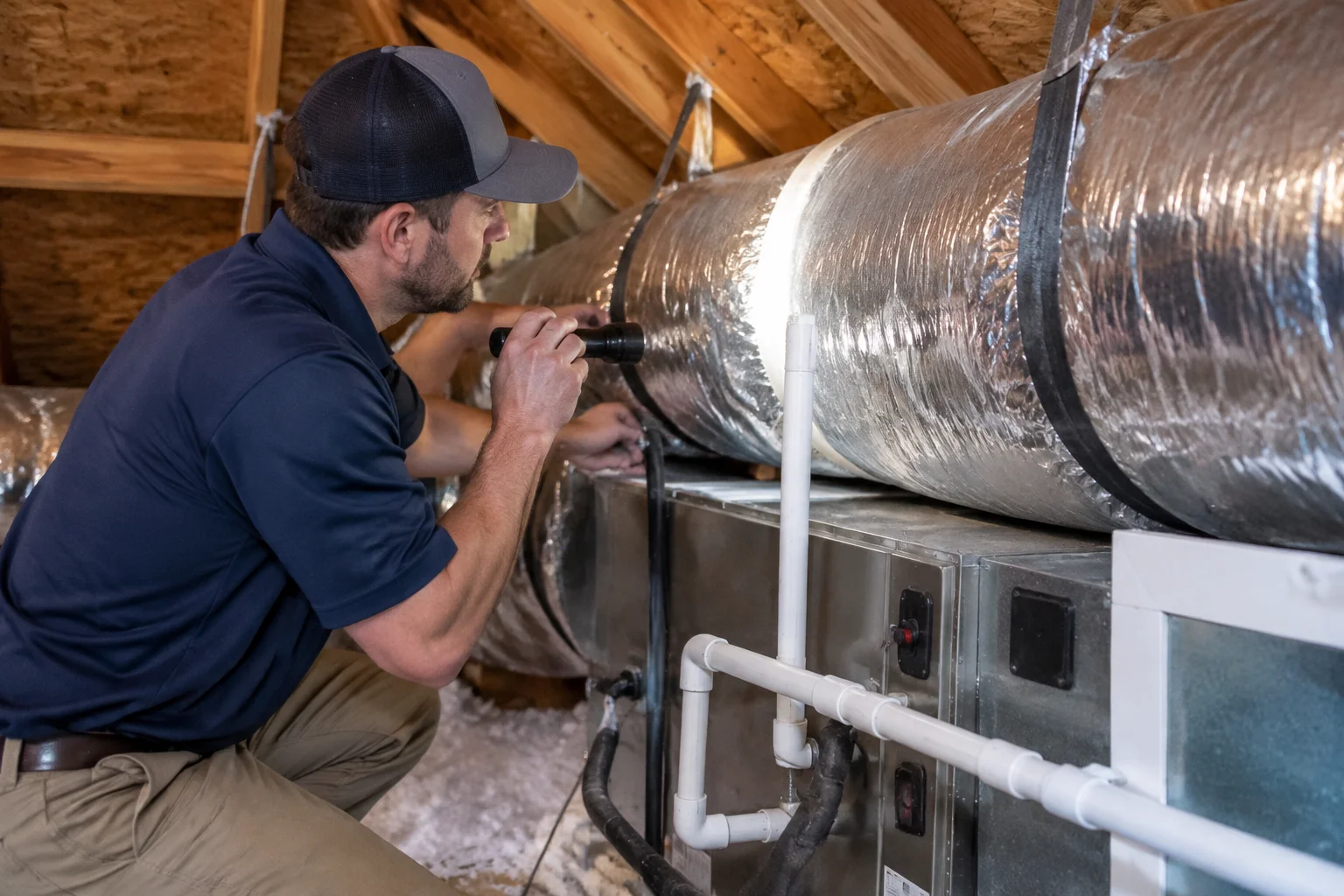
Airflow is the foundation for both cooling and heat pump performance. If supply vents feel weak, returns are noisy, or airflow seems inconsistent, the cause may be ductwork restrictions, dirty filters, blocked registers, or issues within the air handler. In some cases, ductwork can accumulate debris over time, and airflow can drop enough to impact comfort and increase energy use.
Property managers sometimes respond by swapping filters only. While that can help, it does not address ductwork limitations or coil and airflow performance issues. If you are considering duct cleaning near me or ductwork service, it is best to pair cleaning with an HVAC evaluation so the system is not working harder than it should.
5) Unusual noises: rattling, grinding, squealing, or frequent fan surges
Noise can indicate loose components, worn blower parts, airflow turbulence, or drainage-related issues. In older units, noise might also be a sign that the system is operating under stress. For property managers, the key is to document when the noise happens and how it correlates with cooling cycles.
Because noise can have multiple causes, the safest path is to have a licensed HVAC contractor evaluate the system in person. Avoid trying to “repair” noises remotely without confirming what is happening inside the air handler or outdoor unit.
6) Temperature swings after thermostat changes or after filter replacements
Thermostats influence how a system runs. If a unit starts behaving differently after thermostat updates, schedule changes, or filter swaps, it may reveal a system that was already near its limits. Thermostat settings can also affect how often the system runs, which impacts humidity and energy use.
Property managers should treat repeated temperature complaints as a signal to check system performance, not only thermostat programming. A professional evaluation can confirm whether the thermostat is operating as intended and whether the HVAC system can maintain stable airflow and cooling output.
7) Refrigerant system concerns indicated by performance drop
Some performance changes can suggest refrigerant system strain, but refrigerant issues cannot be diagnosed accurately without an in-person evaluation. Homeowners and property managers should watch for symptoms like persistent warm air, rapidly worsening cooling, or repeated trips to “low output” modes.
Because refrigerant systems are complex and safety matters, it is not appropriate to attempt refrigerant diagnosis or recharge decisions based solely on online symptom lists. A professional technician can assess system operation, airflow, and related conditions first.
8) Condensate drainage problems: water around the unit or recurring “drip” complaints
Condensate drainage is easy to overlook until it becomes visible. In humid coastal climates, drainage issues can appear quickly if the drain line is blocked, the slope is incorrect, or the system cannot remove moisture effectively. Water near the air handler, damp ceilings, or recurring wet filter trays are all red flags.
If a drainage issue is ignored, it can affect indoor air quality and lead to water damage. Scheduling a visit early helps prevent escalation and reduces the chances of tenant disruption.
How Florida heat, humidity, and salt air stress HVAC systems
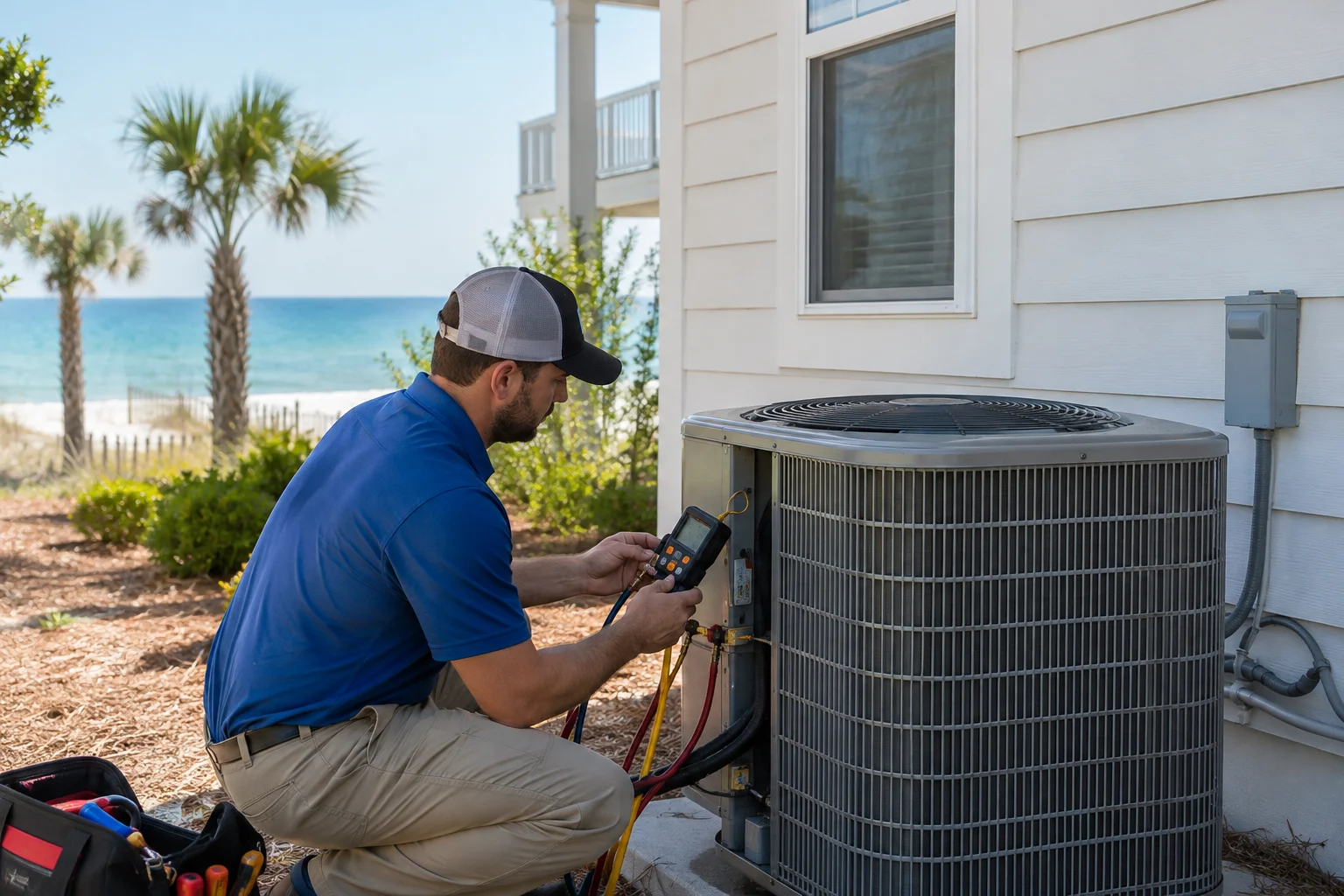
Panama City properties experience long cooling seasons. Outdoor units work harder when humidity is high and the air is warm. Salt air from the coastline can also contribute to corrosion on outdoor components over time. That corrosion can affect airflow, cause physical wear, and reduce the efficiency of the system’s heat exchange.
These environmental factors help explain why the same HVAC warning sign can show up sooner in coastal Bay County than in inland climates. A unit might still cool, but it might do so with reduced dehumidification, higher energy use, and increased runtime. Those conditions can accelerate normal wear and tear.
For property managers, this is why preventive HVAC maintenance is not just a “nice to have.” It is a strategy to keep systems performing in Florida conditions.
What an HVAC contractor should check when warning signs appear
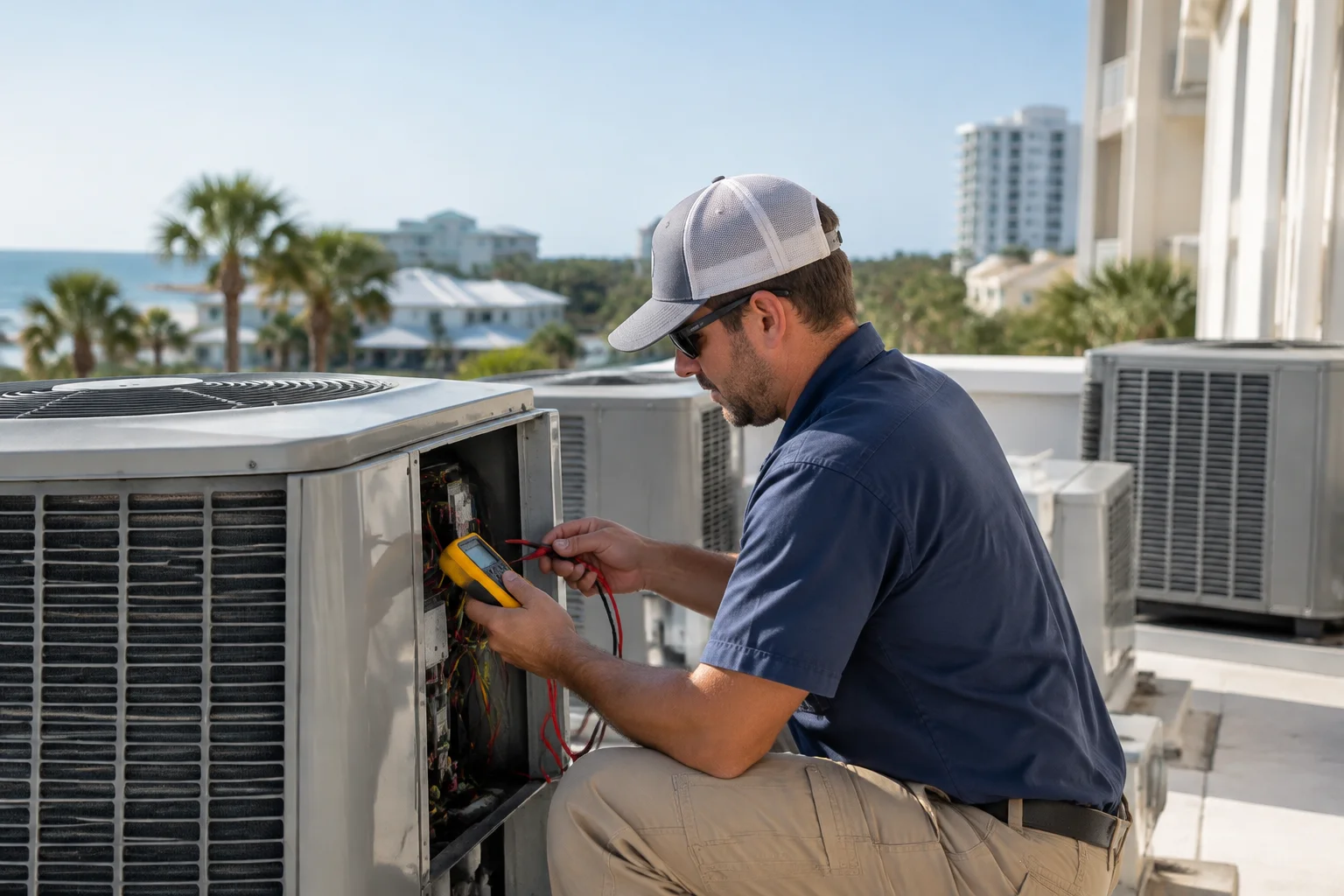
When you schedule property management HVAC services in Panama City, the evaluation should focus on system performance and the underlying causes of the symptoms. While every property is different, homeowners and managers can generally expect a technician to review:
- Airflow paths, including return and supply performance that affects cooling and humidity control
- Ductwork condition, such as restrictions, damaged sections, or mismatched airflow
- Thermostat operation, including how setpoints and schedules influence system runtime
- Condensate drainage, including whether moisture is being removed as intended
- Refrigerant system operation through appropriate in-person assessment, not guesswork
- Indoor air quality factors, including filtration performance and how airflow supports it
If the evaluation points toward duct repair, ductwork adjustments, or indoor air quality services, that information should be communicated clearly so the repair plan matches the actual cause.
Preventive maintenance that reduces emergency cooling concerns
In Florida, “emergency cooling” is not just a phrase. When a system fails mid-summer, tenants can feel unsafe or unable to sleep comfortably. That is why preventative HVAC maintenance matters for property managers.
Preventive maintenance typically includes tasks that support safe, stable operation: checking airflow, inspecting system components, addressing issues before they become failures, and keeping performance consistent. For homes with heat pumps, the maintenance focus also supports heating and cooling cycles, especially during shoulder seasons when humidity and temperatures can shift quickly.
If you manage multiple units, maintenance scheduling can also help you plan ductwork and indoor air quality services before tenants complain. For example, if you suspect airflow limits, pairing maintenance with a targeted approach to duct cleaning can support better airflow and help the system run more effectively.
For commercial-style setups, or properties with advanced systems, you may also want to review whether specialized maintenance is needed. Consider reading about keeping HVAC trouble from turning into an emergency in Panama City for additional context on escalation patterns.
When a repair is not the only option: planning for system replacement
Sometimes warning signs point to aging equipment or repeated performance problems. Replacing an HVAC system is a major decision for any property manager, and it should be based on an in-person evaluation of system condition and performance. It is not appropriate to assume replacement is needed without confirming how the system is operating and why.
If replacement becomes a consideration, the decision should include:
- How the current system performs under Florida humidity and peak cooling loads
- Whether ductwork and airflow support the equipment’s ability to cool efficiently
- Whether the property layout creates distribution challenges that need duct repair or airflow balancing
- How indoor air quality goals align with filtration and airflow
If your property uses multi-zone systems, it may require a different approach than single-zone cooling. For communities that rely on advanced designs, review VRF Multi-Zone Systems to understand how maintenance and service planning can differ.
How to respond as a property manager or homeowner
When warning signs show up, the best response is to act quickly and document what you see. That helps technicians diagnose faster and helps you avoid repeated visits for the same symptom.
Document symptoms with simple, tenant-friendly notes
Ask tenants to note:
- When the issue happens (time of day, after thermostat changes, after rain, or after extreme heat)
- Whether cooling is weak, uneven, or intermittent
- Any humidity clues, like condensation or musty odors
- Any visible drainage concerns around the indoor unit
Avoid temporary fixes that mask airflow problems
Replacing filters can be helpful, but it should not replace a real evaluation when symptoms point to airflow restrictions, condensate drainage issues, or performance drops. Keeping vents open and ensuring returns are not blocked can also help, but it does not correct a failing component or a ductwork issue.
Schedule the next step promptly
For homeowners searching for AC repair near me or air conditioning repair near me, delaying service can mean the system runs longer, increases energy use, and exposes tenants to discomfort and humidity control issues. For property managers, scheduling early can also prevent secondary problems like water intrusion or indoor air quality complaints.
If you need to coordinate across multiple units, it can help to review maintenance plans and emergency priorities in advance. You can also explore why 24/7 HVAC response matters in Panama City homes for guidance on how escalation affects tenant experience.
Related service considerations for better comfort and indoor air quality
HVAC warning signs often connect to indoor air quality and duct performance. If you are seeing symptoms like stale air, odors, or allergies that flare during cooling season, it may be time to discuss indoor air quality services.
When homeowners search for indoor air quality services near me, they are often looking for cleaner, healthier airflow. A professional HVAC team can connect indoor air quality goals to filtration, airflow balance, and system operation. If ductwork is contributing to poor airflow, duct repair or cleaning may be part of the solution.
For properties dealing with dust, airflow complaints, or ongoing odor issues, it can also be helpful to review how system wear affects duct maintenance. See how HVAC wear and tear changes the way duct cleaning works in Panama City Beach homes for a practical perspective.
Where to get help for property management HVAC services in Panama City
When warning signs appear, you want a local team that understands Bay County conditions and can coordinate repairs and maintenance responsibly for rentals and multi-unit properties. A Superior Mechanical provides property management HVAC services in Panama City, FL, with a focus on system performance, airflow, humidity control, and indoor air quality.
To learn more, visit this service area page or browse HVAC services in Panama City and Bay County HVAC service areas for additional coverage details.
Quick checklist: what to do today when you see HVAC warning signs
- Take note of the symptom pattern: uneven cooling, weak airflow, humidity, noises, or drainage concerns
- Check basic items like blocked vents or obviously dirty filters, without assuming that fixes the root cause
- Schedule an air conditioning inspection near me or HVAC service near me promptly, especially during peak heat
- If humidity or musty odors are present, treat condensate drainage and airflow as priorities
- If multiple units show similar symptoms, consider preventive maintenance and ductwork evaluation across the property
For Panama City property managers, acting early is how you reduce repeat calls, protect comfort, and keep tenants from facing emergency cooling concerns.
Find Property Management HVAC Services in Panama City, FL
If you need Property Management HVAC Services in Panama City, FL, visit our local service page or contact A Superior Mechanical today.
Map of Panama City, FL
Frequently Asked Questions
What HVAC warning sign should a property manager treat as urgent in Panama City, FL?
Rising indoor humidity, musty odors, or any condensate drainage issues are typically urgent because they can affect indoor air quality and increase the risk of water damage. Uneven cooling and short cycling also deserve prompt attention during peak heat.
Can I fix HVAC performance issues by replacing the air filter and resetting the thermostat?
Sometimes a dirty filter contributes to weak airflow, but thermostat resets and filter changes should not replace an in-person HVAC evaluation. If symptoms persist, the cause may involve ductwork, condensate drainage, airflow paths, or refrigerant system operation that cannot be confirmed remotely.
How does Florida humidity affect HVAC repairs for rentals?
High humidity increases the cooling system’s workload and can worsen comfort when airflow or dehumidification is reduced. It can also make condensate drainage problems more likely, which is why humidity clues should be addressed quickly in Bay County.
What should be included in a property management HVAC inspection?
A proper inspection focuses on system performance and the symptom cause, including airflow and ductwork condition, thermostat operation, condensate drainage, indoor air quality factors like filtration and airflow support, and an in-person assessment of how the refrigerant system is operating.
Do duct issues show up as HVAC warning signs?
Yes. Restricted ductwork or blocked returns can cause hot spots, weak airflow, and poor humidity control. If you are considering duct cleaning or duct repair, it is best to pair that with an HVAC evaluation so the system is not forced to compensate.
Related Articles
Photo Gallery