Bluewater Bay, FL is a place where comfort depends on more than just temperature. With Florida heat, high humidity, and salt air influences along the coast, your HVAC system has to do more work than it would in a drier climate. When indoor air quality (IAQ) starts slipping, it is often tied to the same HVAC problems that lead to poor airflow, inefficient energy use, and emergency cooling concerns during the hottest weeks.
Indoor air quality services are not only about filters. They also connect to how your air handler moves air, how your ductwork distributes it, how condensate drainage handles moisture, and how your thermostat controls run time. Timing matters because many IAQ problems worsen quickly in humid weather, then become harder and more expensive to resolve.
Indoor air quality problems rarely start with “air” alone
Homeowners often notice IAQ issues as symptoms: musty smells, sticky humidity, dust that seems to settle faster, or air that feels “stale” even after running the air conditioner. Those symptoms can trace back to HVAC performance factors such as:
- Airflow restrictions from dirty filters, clogged returns, or ductwork leaks
- Moisture accumulation when condensate drainage is slow or blocked
- Reduced filtration effectiveness when filters are mismatched to system needs or simply overdue
- Temperature and humidity control drift caused by thermostat settings or failing thermostat components
- Refrigerant system inefficiency that can change how the air conditioner dehumidifies, which impacts IAQ
In Bluewater Bay and across Okaloosa County, these issues can show up seasonally, but the underlying causes often build over time. When humidity stays high, even small airflow or drainage problems can create a cycle that makes indoor air feel worse.
Why Florida humidity and salt air can accelerate IAQ failures
Florida heat and humidity are not just discomfort factors. They change how HVAC systems behave. When the air conditioner runs, it removes moisture. If the system cannot dehumidify properly, indoor humidity rises, and that can encourage:
- Surface moisture that contributes to musty odors
- Higher dust and allergen settling because air movement and filtration are less effective
- Potential microbial growth in places where moisture lingers, such as around ducts, drain lines, and air handler components
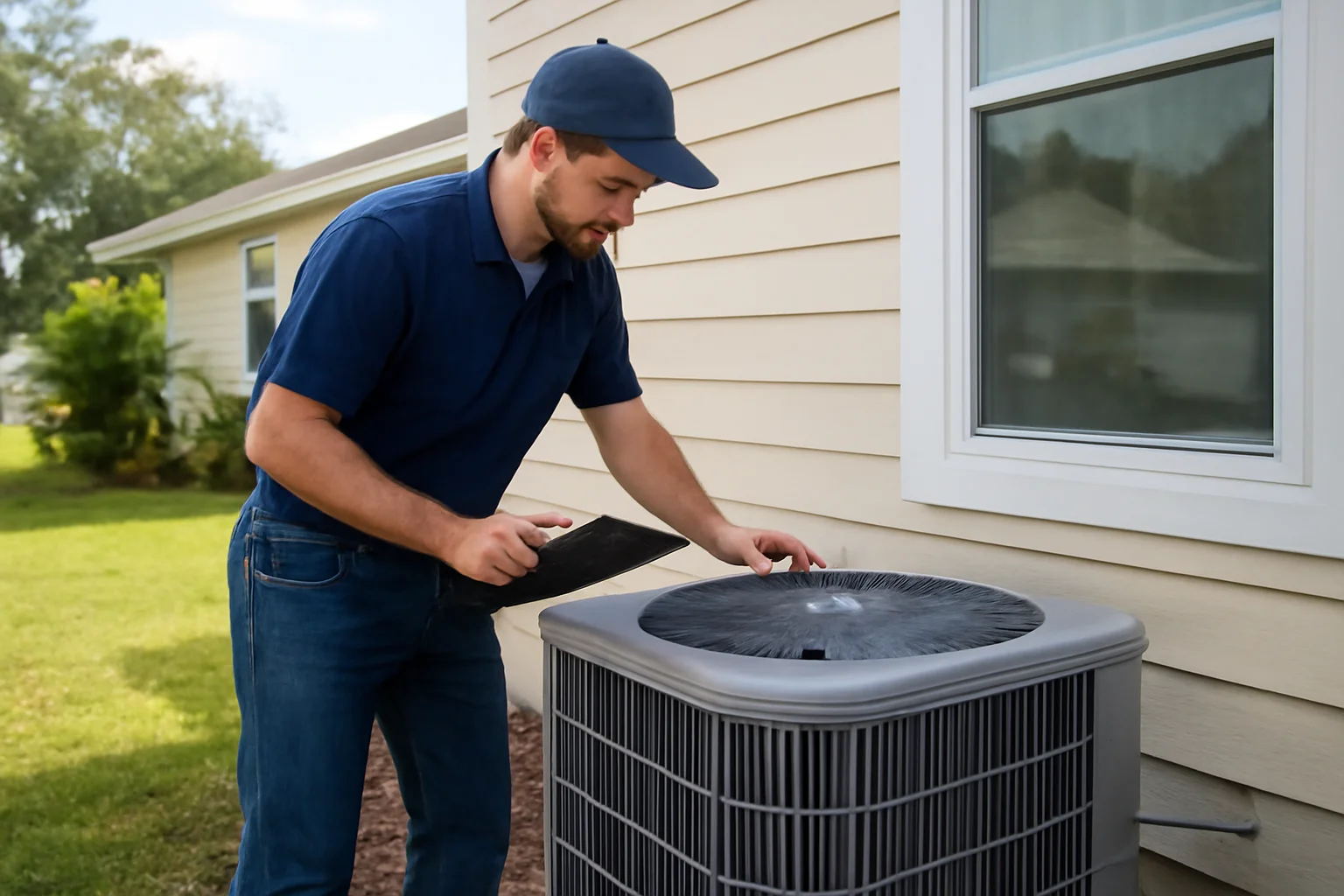
Salt air is another local factor. Coastal environments can affect how quickly outdoor units collect corrosion-prone contaminants and how easily outdoor air brings in more particles. Even when your home is sealed well, the HVAC still has to manage outdoor air infiltration, filter loading, and condensation cycles.
This is one reason IAQ services in Bluewater Bay often focus on the full airflow and moisture control path, not just a single component. If you only address one part after the problem is obvious, you may miss the root cause that is driving the symptoms.
Common HVAC causes of poor indoor air quality in Bluewater Bay homes
1) Ductwork leaks and poor airflow balance
Leaky ductwork can pull in unconditioned air from attics, crawl spaces, or garages. In a humid climate, that can raise indoor moisture and bring in dust and particles. It can also cause uneven temperatures, which leads to longer run times and inconsistent dehumidification.
If you suspect airflow problems, it helps to review how air is moving through the system and whether duct sealing is needed. You can also read Why Ductwork Problems Hit Bluewater Bay Homes Harder Than You Think for a local perspective on how leaks and airflow issues show up in coastal Florida.
For related service options, consider Duct Sealing to help support better distribution and healthier indoor air.
2) Dirty or mismatched filtration
Filters trap dust, pollen, and other airborne particles. But if the filter is overdue, the system may struggle to push air through. That can reduce airflow, increase energy use, and shorten equipment life. On the other hand, using the wrong type of filter can also create airflow resistance if the system is not designed for it.
When homeowners search for indoor air quality services near me, they are often looking for a filtration strategy that matches their system and their home’s conditions. A professional can help you choose a practical approach based on your HVAC setup and comfort goals.
3) Condensate drainage issues that keep moisture trapped
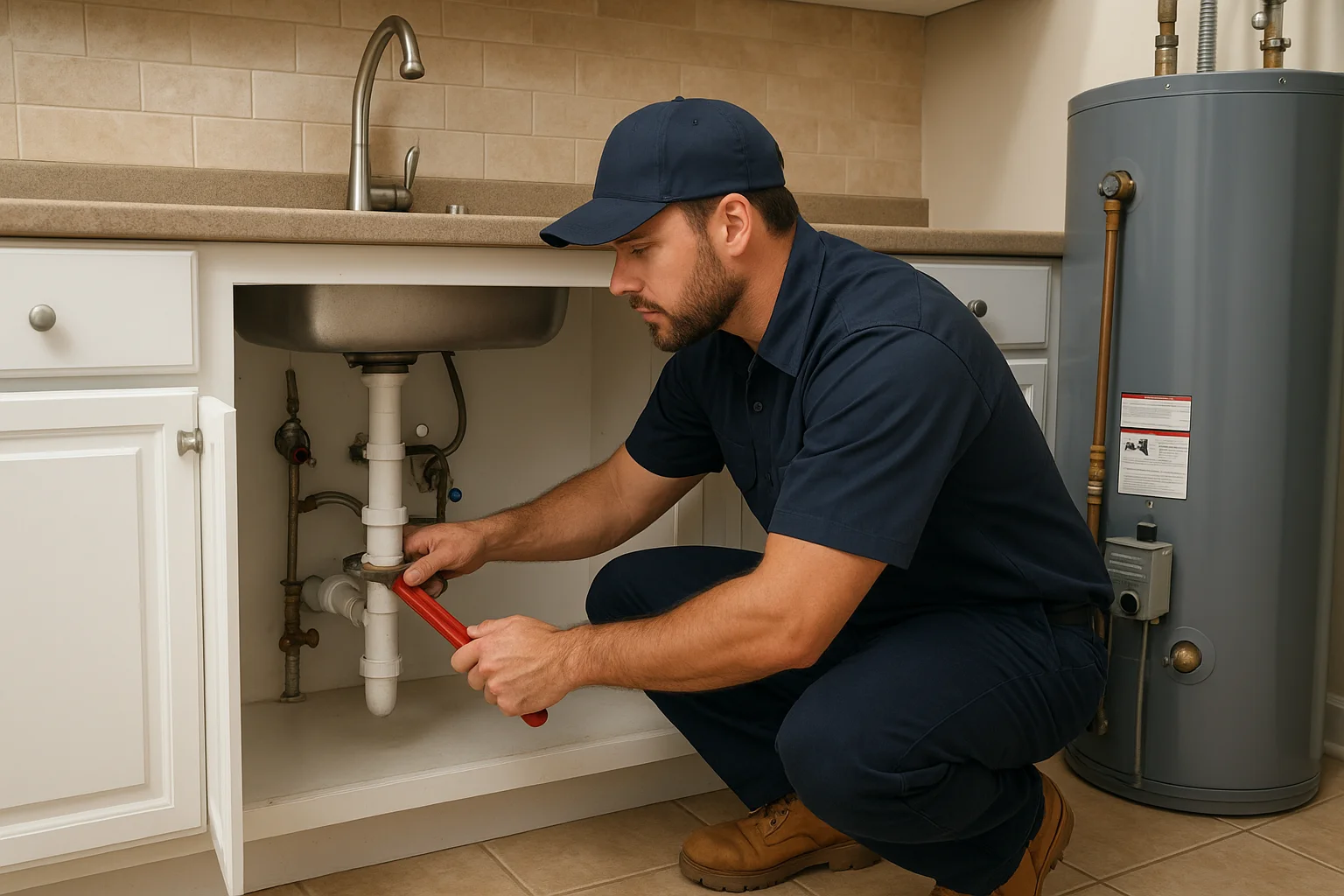
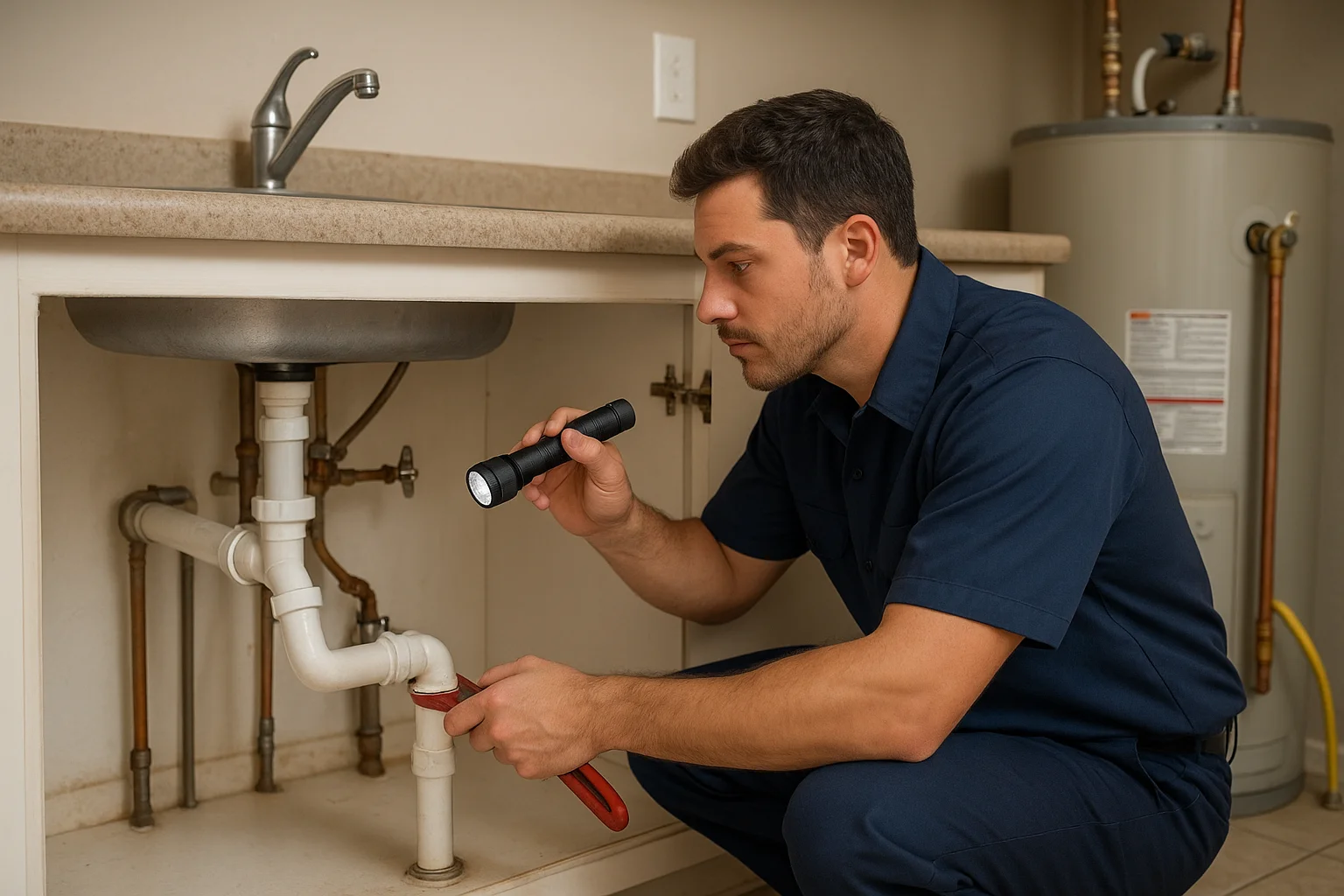
During cooling cycles, the air conditioner creates condensate. That water needs to drain properly. When the condensate drain line is slow, partially blocked, or improperly routed, moisture can remain in the air handler area or drain pan. Over time, this can lead to odors and contribute to IAQ problems.
Condensate drainage problems can be subtle at first. You might notice a faint smell, increased humidity, or water where it should not be. Because moisture can build during peak humidity periods, the timing of repairs matters. Waiting too long can allow more contamination to develop in the system environment.
4) Refrigerant system inefficiency that impacts dehumidification
Air conditioners do more than cool. They dehumidify as part of the cooling process. If the refrigerant system is not performing as intended, the air conditioner may not remove moisture effectively. That can show up as higher indoor humidity, clammy air, and a perception that the system is “running a lot but not improving comfort.”
It is important to be clear here: refrigerant diagnosis should be performed in person by a licensed HVAC professional. A technician can evaluate performance and determine whether refrigerant-related issues are present. Homeowners should avoid trying to troubleshoot refrigerant problems themselves.
5) Thermostat issues that disrupt run time and humidity control
Thermostats influence comfort by controlling temperature and, for many systems, how long the air conditioner and fan operate. If thermostat readings are off, if sensors are failing, or if settings are inconsistent with your humidity needs, the HVAC may short-cycle or run too long in ways that reduce comfort quality.
For homeowners considering upgrades, explore Smart Thermostats to help support better control strategies for comfort and humidity.
6) Air handler and blower performance that reduces circulation
IAQ depends on air movement. If blower operation is weak, airflow is restricted, or components are not clean, air may not circulate through filters and ductwork as intended. That can cause dust to linger and reduce the effectiveness of filtration and any air purification equipment.
These are also the kinds of issues that can increase energy use. When airflow is reduced, the system may need more time to reach temperature targets, which can increase utility costs and wear components sooner.
Why timing matters: how small IAQ problems become bigger HVAC repair issues
In Bluewater Bay, the HVAC season can feel continuous because humidity and heat do not take breaks. That means an IAQ problem can progress faster than it might in a cooler or drier region.
Humidity builds when repairs are delayed
When condensate drainage, airflow, or filtration is failing, humidity can rise. Higher humidity can then increase odor and dust accumulation. If you keep running the system in that condition, you may also load the system with more contaminants, which can make cleaning and restoration more involved.
Airflow issues can lead to emergency cooling concerns
Airflow restrictions and moisture-related problems do not just affect air quality. They can stress the system and contribute to breakdowns during peak heat. If you are facing emergency AC repair near me because cooling stops when humidity is highest, that is often the point where the original IAQ-related cause has already been present for a while.
Addressing IAQ risks early through preventive HVAC maintenance can reduce the odds of a mid-summer failure when your home needs cooling most.
Energy use rises as comfort and humidity control drift
When your system cannot move air effectively or dehumidify as it should, it runs longer. That increases energy use, and it can also worsen indoor air quality by cycling more air through ducts and filters that are not performing at their best.
If you are trying to keep costs down while improving comfort, focus on the HVAC performance factors that drive IAQ, not just the thermostat temperature setting.
What to look for at home: IAQ and HVAC timing red flags
These are common homeowner observations that often signal indoor air quality services could help, especially during hot, humid stretches:
- Musty or stale odors that show up after the AC runs
- Higher indoor humidity even when the thermostat is set to cool
- Visible dust on surfaces that seems to return quickly
- Uneven rooms with hot spots, cold spots, or persistent comfort complaints
- Water signs near the air handler, drain line area, or closet where equipment sits
- Frequent cycling or the system running longer than expected
Some of these issues can overlap. For example, ductwork leaks can raise humidity and also make dust more noticeable. Condensate drainage problems can contribute to odors and also reduce comfort quality. A professional assessment helps connect symptoms to causes.
How indoor air quality services support smarter HVAC maintenance
IAQ services are most effective when they are integrated into your maintenance plan. That means technicians do not treat indoor air quality as a separate project. They connect it to how your HVAC system is operating in Bluewater Bay’s climate.
Airflow review and ductwork considerations
Technicians can evaluate whether airflow is being delivered where it should be. If ductwork is leaking or poorly sealed, it can undermine filtration and humidity control. If you are considering duct cleaning near me, it is also wise to ask how ductwork condition and airflow balance are being addressed. Cleaning alone does not fix leaks or moisture problems.
For many homes, duct sealing work is part of a more complete approach. If you want to explore that, see Duct Sealing.
Filtration and air purification strategy
Some homeowners look for a single “whole home air purifier” solution. Those systems can help, but they work best when the HVAC system is also moving air correctly and filtration is appropriate. A technician can help you choose an approach that fits your system and your home’s needs.
If you are searching for air scrubber installation near me or whole home air purifier near me, ask what the plan includes beyond installation. For example, you may want to confirm how air will reach the equipment, how often maintenance is needed, and how the HVAC airflow rate affects performance.
Moisture management and condensate drainage checks
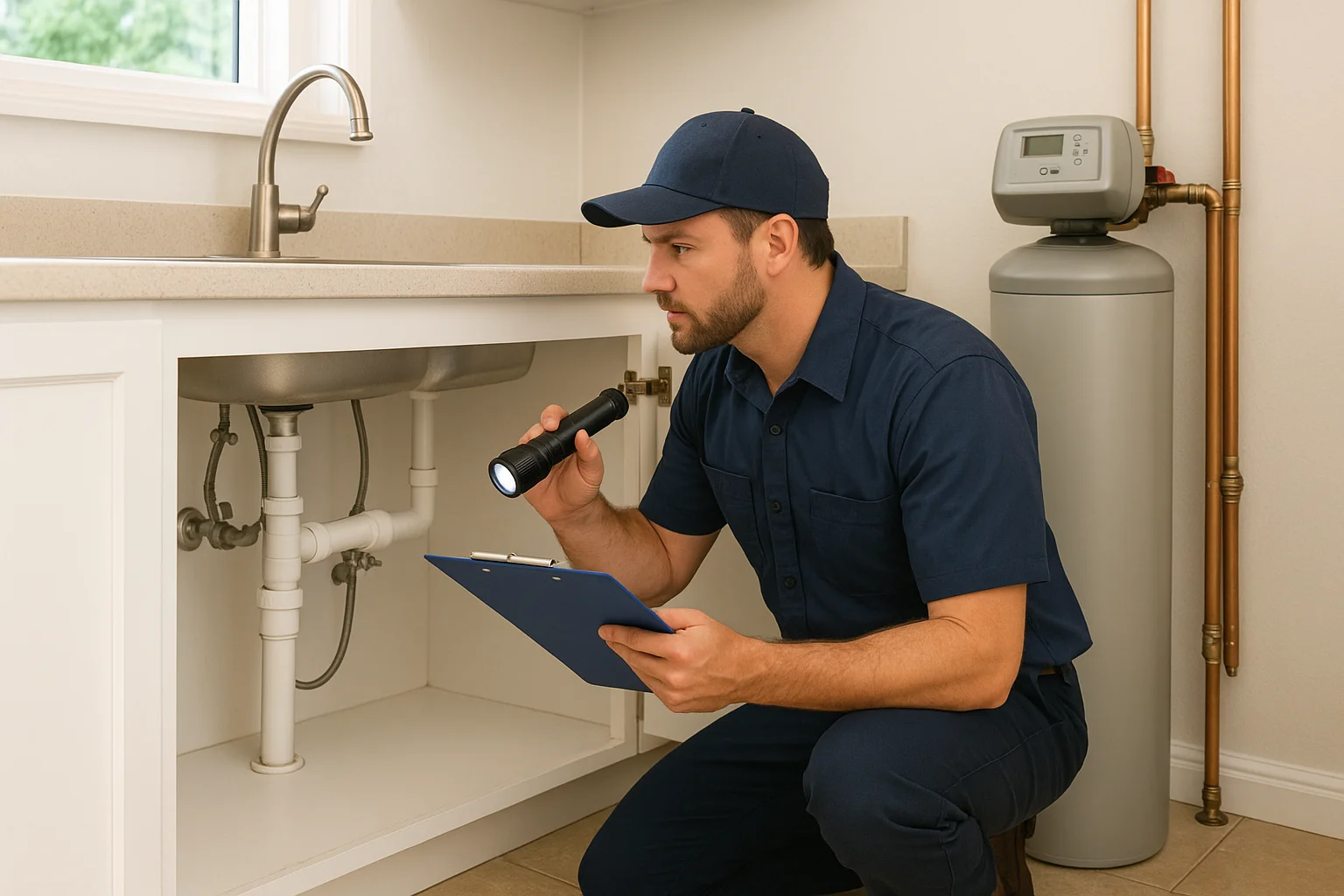
Because humidity is a major driver of IAQ problems in coastal Florida, condensate drainage evaluation is a key part of IAQ-focused maintenance. Technicians can inspect drainage paths, look for signs of buildup, and help confirm that the system can remove moisture as intended.
Thermostat and control review
Comfort and humidity control depend on proper thermostat function and settings. If your thermostat is not controlling run time in a way that matches your home’s humidity needs, IAQ can suffer. A professional can review control behavior as part of the maintenance plan.
AC repair timing: what homeowners should do when symptoms appear
When you notice IAQ symptoms, waiting can turn a manageable repair into a multi-step problem. That is especially true in Bluewater Bay when humidity is high and cooling demand is constant.
Here is a practical way to think about timing:
- Address airflow and moisture concerns promptly if odors, humidity, or water signs appear after cooling cycles.
- Schedule AC repair before peak breakdown risk if your system is struggling to maintain comfort or dehumidify.
- Plan preventive HVAC maintenance so small issues are found earlier, not after they have affected indoor air quality.
If you are dealing with persistent comfort problems, it is reasonable to contact an air conditioning repair near me or air conditioner service near me provider that understands IAQ in humid coastal areas.
For homeowners who want to explore broader comfort and system readiness, you can also review Air Conditioning Services and Heating Services to keep the system balanced year-round.
When system replacement enters the conversation
Some homeowners assume indoor air quality issues always mean duct cleaning or a filter change. In reality, aging systems can struggle with airflow, moisture control, and consistent temperature regulation. If your system is frequently unable to keep comfort stable, a professional evaluation may include whether system replacement is appropriate.
Because decisions about replacement require in-person inspection, you should not assume that replacing equipment is the right next step based on symptoms alone. A licensed HVAC contractor can evaluate overall performance, comfort trends, and the condition of key components.
If you are considering a new system, it can help to read A Practical Guide to Air Conditioning Installation for Bluewater Bay Homes to understand how installation decisions connect to comfort and indoor air quality.
Preventive HVAC maintenance that protects indoor air quality
Think of preventive HVAC maintenance as IAQ insurance. It is how you catch the early causes of poor indoor air quality before they grow into emergency cooling concerns.
A strong maintenance plan for Bluewater Bay homes typically includes:
- Filter checks and airflow verification
- Inspection of condensate drainage and moisture management
- Review of thermostat behavior and control settings
- Assessment of ductwork performance and air distribution
- General inspection of refrigerant system performance during cooling operation
These steps support better humidity control, healthier airflow, and more reliable cooling. They also help manage energy use, because systems that run with proper airflow and moisture control do not need to work as hard to maintain comfort.
If you are building a plan around IAQ and comfort, start with the right service focus. Learn more about indoor air quality services in Bluewater Bay and how the team at A Superior Mechanical approaches cleaner air, better humidity control, and dependable HVAC performance across Okaloosa County.
You can also explore the broader local service area here: Bluewater Bay.
Heat pump considerations for indoor air quality
Many Bluewater Bay homes use heat pumps for year-round comfort. Heat pumps still rely on airflow and moisture management, and they can be affected by the same humidity and airflow challenges that impact air conditioners. If your heat pump is not controlling comfort well, indoor air quality can suffer due to inconsistent humidity control and reduced air movement.
If you are searching for heat pump repair near me because you notice odor, humidity issues, or weak circulation, choose a licensed HVAC contractor that will evaluate the whole comfort system, not only one symptom.
Why local, professional service matters in Okaloosa County
Indoor air quality problems are not identical across regions. Bluewater Bay homes deal with Florida heat, coastal air influences, and humidity that can overwhelm systems that are slightly out of alignment. That is why local HVAC service matters. A contractor familiar with the area can better connect HVAC performance issues to IAQ outcomes, including airflow problems, condensate drainage concerns, and control issues.
When you work with a professional like A Superior Mechanical, you are not just buying a one-time fix. You are supporting smarter HVAC maintenance that protects comfort and indoor air quality throughout the cooling season.
If you are comparing options for an HVAC company near me, look for a team that treats indoor air quality as part of overall system performance. That approach is especially important when you are trying to avoid a mid-summer breakdown and keep your home’s air feeling clean and comfortable.
For emergency situations, it also helps to be familiar with how local cooling issues can escalate. See Why Bluewater Bay Homes Rely on Fast Emergency HVAC Service for context on how timing affects comfort when the weather turns.
Find Indoor Air Quality Services in Bluewater Bay, FL
If you need Indoor Air Quality Services in Bluewater Bay, FL, visit our local service page or contact A Superior Mechanical today.
Map of Bluewater Bay, FL
Frequently Asked Questions
Can poor indoor air quality be caused by my ductwork?
Yes. Leaks or poorly performing ductwork can pull in unconditioned, humid air and spread dust through the home. That can reduce filtration effectiveness and make humidity and odors worse.
Why does my home feel humid even when the AC is running?
Humidity issues can come from airflow restrictions, condensate drainage problems, thermostat control issues, or refrigerant system inefficiency that impacts dehumidification. An in-person HVAC evaluation is needed to identify the cause.
How do condensate drainage problems affect indoor air quality?
When condensate drains slowly or gets blocked, moisture can remain around the air handler or drain pan. That can lead to musty odors and contribute to indoor air quality problems, especially during Florida humidity.
Is duct cleaning the same as indoor air quality service?
Duct cleaning can help in certain situations, but it does not automatically fix the HVAC performance issues that often drive IAQ problems, such as duct leaks, airflow imbalance, or moisture control. A professional can recommend the right combination of services.
When should I schedule HVAC repairs for indoor air quality concerns?
Schedule promptly if you notice persistent musty odors, rising humidity, water signs near the air handler, or uneven cooling. Addressing issues early helps prevent them from worsening during peak heat and humidity.
Related Articles
Photo Gallery