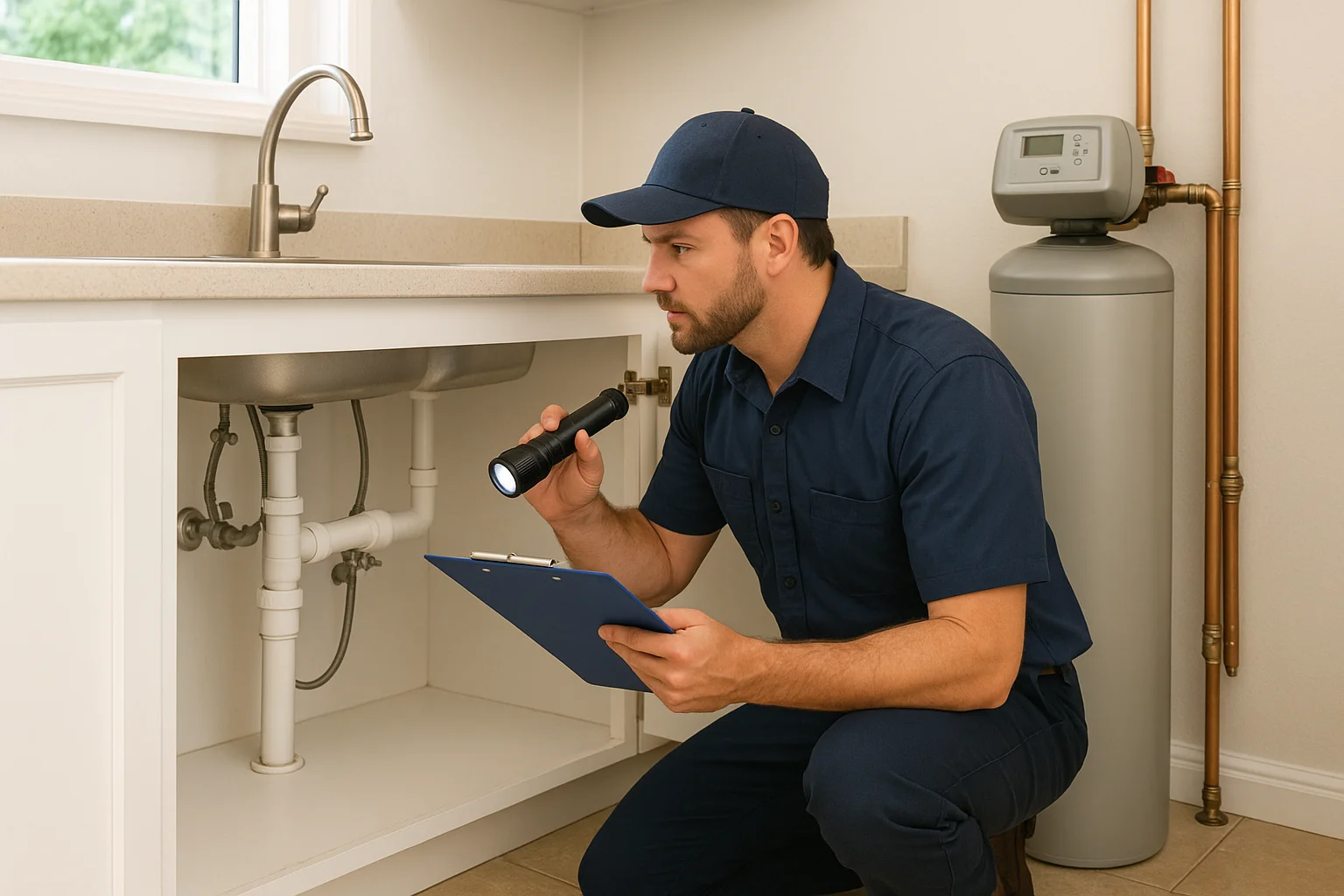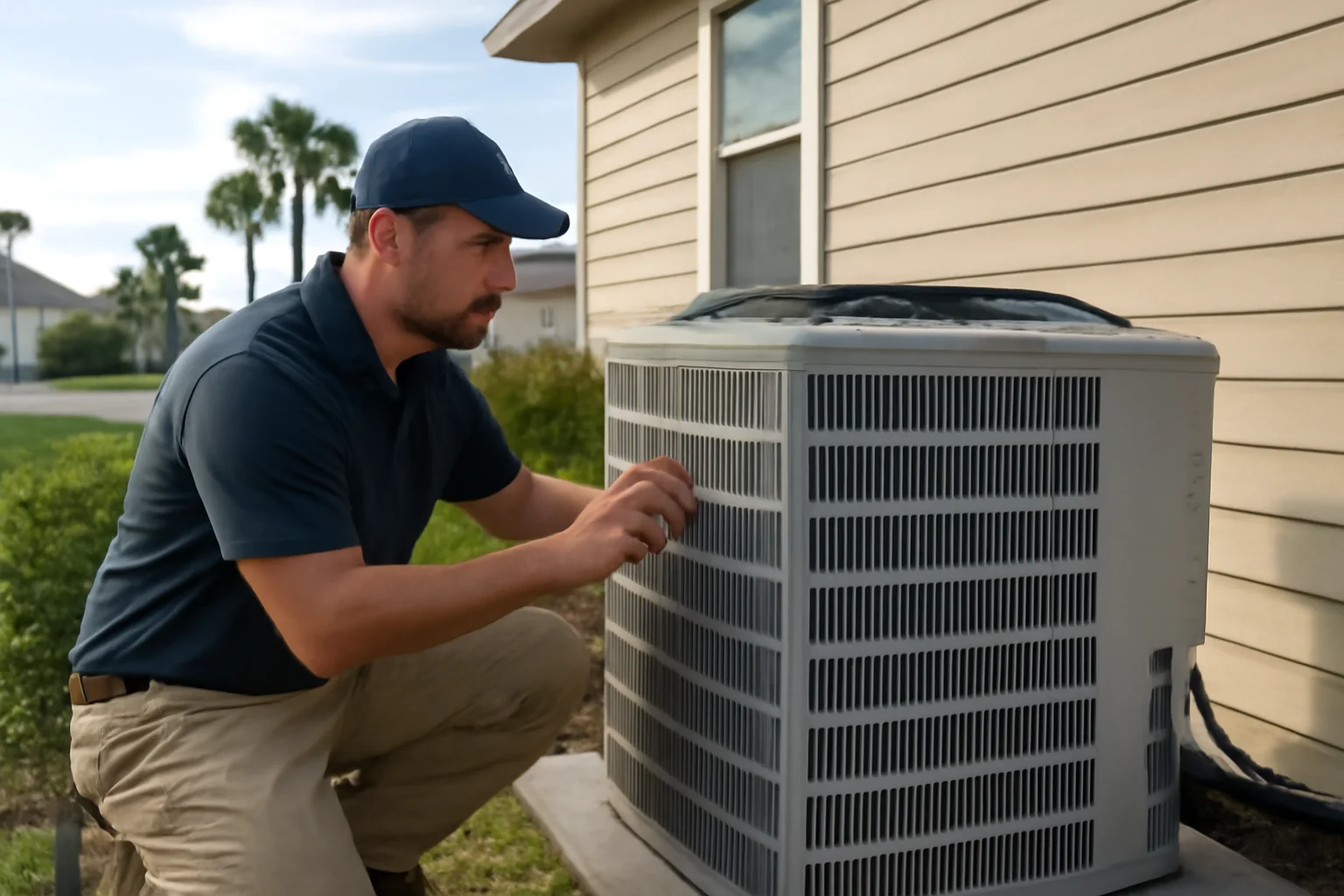
Ocean City, FL has a unique mix of heat, humidity, and salt air that can turn a small HVAC mistake into a full-blown emergency. For homeowners who manage mixed use properties, rental spaces, or small commercial buildings, the goal is simple: avoid sudden loss of cooling, clogged airflow, and system problems that can feel urgent during the hottest weeks.
This guide focuses on commercial HVAC installation in Ocean City, FL and the practical steps that reduce the odds of emergency AC repair calls later. It also ties into regular commercial HVAC maintenance so comfort stays steady instead of reactive.
Why Ocean City conditions can trigger “emergency” HVAC problems
Even when an HVAC system is installed correctly on paper, Ocean City’s climate can expose weaknesses fast. Summer days bring high humidity, strong sun exposure, and frequent humidity swings. Salt air near the coast adds another layer of stress to outdoor components, and that can affect airflow and refrigerant system performance over time.
When cooling fails during peak heat, it is rarely one single cause. More often, it is a chain reaction involving airflow restrictions, condensate drainage issues, thermostat settings that do not match the building, and refrigerant system problems that cannot be confirmed without an in person inspection.
That is why commercial HVAC service matters for homeowners, not just for businesses. A property with shared ventilation, multiple zones, or ductwork that serves different rooms can be especially sensitive to installation details.
Start with the right installation plan, not just the right equipment
Emergency calls often begin with mismatched design choices. For example, a system that is sized incorrectly can short cycle or struggle to control humidity. Ductwork that is undersized or poorly routed can reduce airflow, which can lead to uneven comfort and higher energy use. A thermostat that is not set up for the building’s operation can cause the system to run too little or too much.
During commercial HVAC installation for Ocean City homes and mixed use properties, a professional should focus on the full system, including:
- Airflow design for the building layout, not only the equipment selection
- Humidity control needs based on Florida heat and indoor comfort goals
- Proper refrigerant system setup and commissioning checks
- Condensate drainage routing and drainage system verification
- Thermostat and control strategy alignment with how the property is used
If any of these pieces are missing, the system may operate initially but develop failures that show up as emergency cooling concerns later.
Airflow is the most common path from “installation” to an emergency
In humid Florida conditions, airflow problems can lead to comfort complaints quickly. Reduced airflow can make cooling feel weak, raise indoor temperatures, and increase humidity. Over time, that strain can also contribute to system wear.
When homeowners are researching an HVAC contractor near me for commercial installation, ask how the team will verify airflow. You want commissioning steps that confirm the system is delivering the intended air distribution through the ductwork.
Common airflow related installation issues include:
- Ductwork that has leaks or poorly sealed joints, which can reduce delivered airflow
- Improper duct sizing or restrictive bends that limit air movement
- Filters installed incorrectly or left at a temporary position that later gets forgotten
- Air handler and supply return setup that does not support balanced circulation
These issues can show up as “the AC is running but the building is not cooling,” which often leads to emergency AC repair calls. Preventing that starts with correct ductwork and airflow verification during installation.
Humidity control and condensate drainage should be treated as critical, not optional
Ocean City humidity is not a minor inconvenience. When air conditioning removes moisture, the system produces condensate. If condensate drainage is not properly designed and verified, water can back up, create leaks, or contribute to indoor air quality problems.
During commercial HVAC installation, condensate drainage should be checked for:
- Proper slope and routing away from sensitive areas
- Correct trap and drain line setup to support safe condensate removal
- Drain line termination that prevents water from re entering the system
- Clear access for future maintenance, so blockages do not become an emergency
Homeowners also should pay attention to symptoms that often point to drainage trouble: water spots, musty odors, damp ceilings, or rooms that feel clammy even when the thermostat is set low.
Because condensate and humidity issues can also affect microbial growth and comfort, it is worth aligning installation with indoor air quality goals, especially for properties with occupants who are sensitive to air quality.
Refrigerant systems and commissioning checks must be handled in person
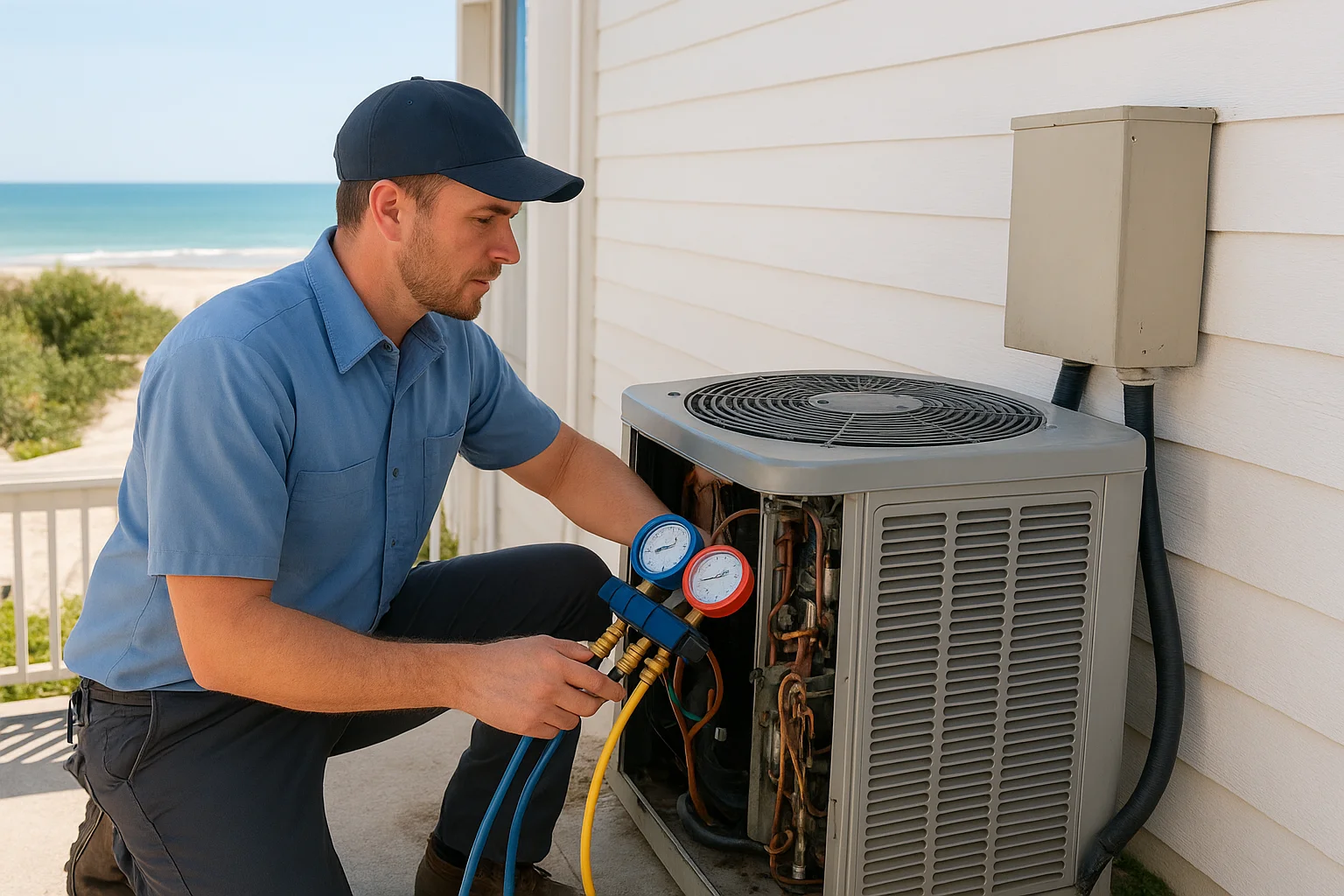
Refrigerant systems are central to cooling performance, but they are also the area where homeowners should avoid guessing. If a system is not operating correctly, a refrigerant diagnosis needs real measurements and an in person professional evaluation.
For emergency prevention, the key is commissioning and verification during installation. A reputable team will confirm that the refrigerant system is operating as intended for the building and that airflow conditions match the design. Refrigerant performance depends on airflow, coil conditions, and system setup.
If you are hearing stories about “DIY refrigerant fixes” or quick adjustments, treat them as red flags. Wrong refrigerant handling can create bigger risks and more costly repairs. Instead, ask your contractor how they will commission the system safely and how they will document the checks completed.
Thermostats and controls that match how the property is actually used
Commercial buildings and mixed use properties often have different occupancy schedules than a typical single family home. That is where thermostat settings and control strategy can make the difference between stable comfort and emergency calls.
Consider these common thermostat and control problems during installation:
- Schedules that run cooling too late or too short for morning humidity buildup
- Setpoints that do not account for Florida heat load and indoor humidity
- Zone control settings that do not align with actual room usage
- Controls that do not support proper staging or safe operation
For homeowners managing multi tenant spaces or areas with different comfort needs, thermostat setup should be part of the installation plan, not an afterthought. A properly configured thermostat helps reduce the likelihood of “sudden” performance problems during peak demand.
Ductwork details that homeowners can notice before they become problems
Ductwork is not always visible, but homeowners can still look for installation quality cues. Even when you cannot measure airflow yourself, you can observe whether the system appears to be installed with care and future access in mind.
During walkthroughs, ask questions about:
- How ductwork is sealed and supported to prevent leaks and vibration
- Whether returns are placed to support balanced pressure and even comfort
- How filter access is designed so filters are not skipped
- Whether supply and return placement supports airflow to the rooms that need it most
If your property includes older ductwork or additions, installation should address how new and existing duct sections work together. The details that get missed can show up later as weak cooling, uneven comfort, and higher energy use. If you want more local context, read The Details That Get Missed in Commercial HVAC Installation in Freeport, FL.
Salt air and outdoor unit protection for coastal Ocean City properties
Salt air can contribute to corrosion and accelerate wear on outdoor components. That does not mean you need to “cover everything” in a way that blocks airflow. It means installation and maintenance should account for coastal exposure.
Ask your installer how they plan to protect outdoor components while maintaining airflow. Also ask what maintenance items are most important for coastal conditions, such as keeping coils clean and ensuring airflow is not restricted around the outdoor unit.
When outdoor airflow is restricted, systems can run longer, struggle to meet cooling demand, and become more likely to trigger emergency cooling concerns when temperatures spike.
Indoor air quality: comfort complaints can be HVAC installation clues
In humid climates, poor airflow and moisture management can lead to indoor air quality issues. Homeowners might notice more dust, musty odors, or rooms that feel stale. These are not always “emergency” symptoms, but they can lead to urgent calls when the system cannot keep up.
During installation, indoor air quality should be supported by:
- Correct filter sizing and proper installation of the filter in its track
- Ductwork sealing and balanced airflow to reduce dust movement
- Proper condensate drainage to prevent moisture buildup
- Thermostat and control settings that avoid excess humidity
If you are actively planning an installation, it can help to pair it with a broader air quality plan. For related reading on why HVAC service matters in this area, see Why Commercial HVAC Service Matters in Ocean City Homes and Mixed-Use Properties.
Preventive maintenance is what keeps installation problems from turning into emergencies
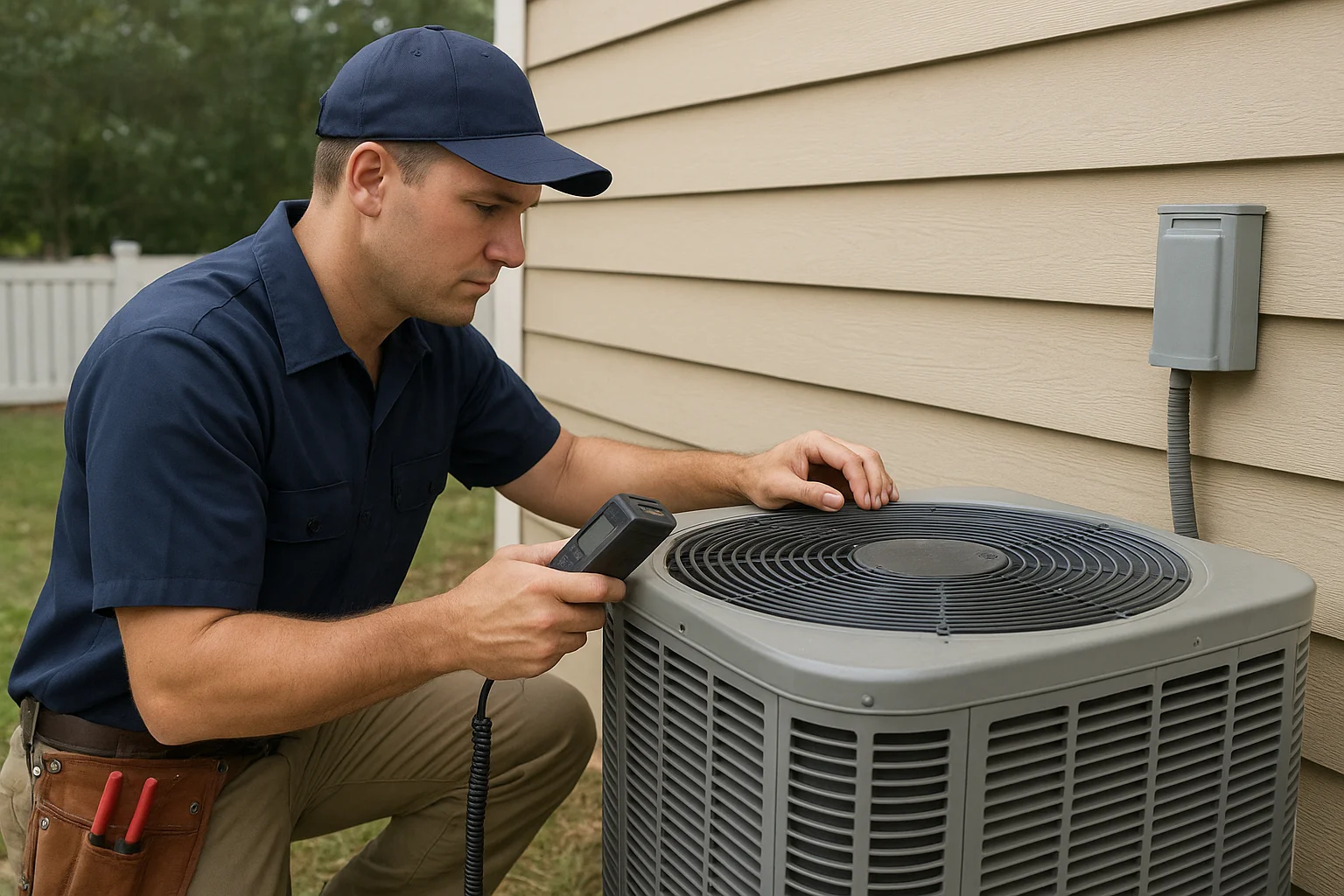
A well installed system still needs preventive HVAC maintenance. Filters clog, airflow changes, minor drainage issues can develop, and controls can drift out of alignment with schedules. Preventive maintenance is how these slow changes get caught before they become emergency AC repair near me situations.
For Ocean City properties, preventive maintenance should include checks that relate directly to emergency risk:
- Airflow and filter verification
- Coil cleaning and inspection where applicable
- Condensate drainage inspection to confirm proper operation
- Thermostat and control checks to confirm correct operation
- System performance checks that help prevent weak cooling during peak heat
If you are deciding between maintenance options, consider starting with Commercial HVAC Maintenance and ask how the plan is tailored for coastal humidity and airflow needs.
Know the early warning signs that usually precede emergency cooling
Emergency calls are more likely when problems are ignored for long enough that the system cannot recover. Watch for early warning signs that suggest an installation detail or maintenance need has not been addressed.
Common early signs include:
- Cooling that feels uneven across rooms or zones
- Airflow that seems weaker than it used to be, even when the thermostat is calling for cooling
- Musty odors or signs of moisture where condensate drains
- Frequent short cycling, where the system starts and stops quickly
- Sudden increases in energy use without a comfort improvement
- Thermostat behavior that seems inconsistent with the schedule
If you notice any of these, it is often better to schedule an Air Conditioning Inspection rather than waiting for the next hot day to force the issue.
When emergency AC repair near me is avoidable, and when it is not
There is a difference between a system that needs adjustment and a system that is truly failing during extreme heat. Homeowners can reduce emergency risk by handling issues early, but some situations require urgent attention.
Call a professional right away if you experience:
- Total loss of cooling during peak heat
- Active water leaks or signs of condensate overflow
- Burning smells, unusual electrical smells, or repeated system shutdowns
- Visible icing on coils or persistent abnormal operation
For problems that are not urgent but still concerning, schedule timely service. This approach can reduce the chance that a minor airflow or drainage problem becomes a “must fix today” situation.
Planning for replacement or upgrades without creating new risks
Sometimes an emergency is caused by the system being near the end of its service life, or by outdated ductwork that cannot support modern cooling demands. If your building is considering new AC installation near me or a commercial system replacement, installation quality and commissioning matter just as much as equipment selection.
If you are weighing options for financing or timing, use a planning approach. For local guidance, see A Homeowner’s Guide to Better HVAC Financing in Ocean City, FL.
Also, if your property has multiple areas or you are exploring different comfort strategies, ask whether ductless mini split installation near me is a fit for the layout. A ductless system can help in certain zones, but it should be evaluated based on airflow, humidity needs, and how the spaces connect.
Choosing the right team for commercial HVAC installation in Ocean City
In Ocean City and across Okaloosa County, the best HVAC contractor is the one who treats installation as a system job, not a single-day swap. Look for a contractor who clearly explains how they will address airflow, refrigerant system commissioning, condensate drainage, thermostat setup, and ductwork airflow distribution.
When you are comparing options, you can also ask for documentation of what gets checked during installation and how the team plans follow up service. If you are also seeing issues across the region, it can help to review related coverage like Commercial HVAC Installation in Laguna Beach, FL: The Issues Local Property Owners Should Not Overlook.
For homeowners who want a broader service area view, A Superior Mechanical serves Okaloosa County and supports Ocean City properties through the entire installation and maintenance process. You can explore more at Ocean City HVAC services.
A practical checklist to reduce emergency HVAC calls before the hottest weeks
Use this checklist to keep commercial HVAC installation on track and reduce the chance of emergency cooling problems later:
- Confirm the design supports airflow for your building layout, including returns and supply placement
- Verify condensate drainage routing and drainage operation for Florida humidity
- Ask how the refrigerant system will be commissioned, and insist on in person evaluation for performance questions
- Review thermostat schedules and control strategy for your occupancy patterns
- Inspect ductwork sealing, filter access, and airflow balance during installation walkthroughs
- Plan preventive HVAC maintenance and schedule it before the system is under peak demand
- Address early warning signs quickly with an inspection rather than waiting for a full failure
For homeowners who want a steady plan for air conditioning service and ongoing support, pairing installation with service like Air Conditioning Maintenance can help keep cooling reliable through Ocean City summers.
Find Commercial HVAC Installation in Ocean City, FL
If you need Commercial HVAC Installation in Ocean City, FL, visit our local service page or contact A Superior Mechanical today.
Map of Ocean City, FL
Frequently Asked Questions
What are the most common reasons commercial AC systems fail during Ocean City summers?
The most common causes are airflow problems, humidity and condensate drainage issues, and control settings that do not match how the building is used. Refrigerant system performance also depends on correct commissioning and proper airflow, which is why in person evaluation matters.
How can I tell if ductwork installation is causing weak cooling?
Look for uneven temperatures across rooms, weaker airflow from supply vents, and increased run time without comfort improvement. A professional air conditioning inspection can verify airflow balance and ductwork performance.
Does high humidity in Ocean City mean my system is installed incorrectly?
Not always, but persistent clammy indoor conditions can point to airflow restrictions, thermostat and control settings, or condensate drainage concerns. A qualified technician can assess the system’s operation in person and help determine the real cause.
When should I schedule preventive maintenance to avoid emergency AC repair?
Schedule preventive HVAC maintenance before the hottest weeks so filters, drainage, coils, and controls can be checked before performance drops. Waiting until the system starts struggling increases the odds of an emergency cooling situation.
Can a homeowner adjust refrigerant if the system is not cooling well?
No. Refrigerant diagnosis and adjustments require proper tools and safety procedures. If cooling is weak, the safest step is to schedule service so a technician can evaluate airflow, controls, condensate drainage, and refrigerant system operation on site.
Related Articles
- Why Commercial HVAC Service Matters in Ocean City Homes and Mixed-Use Properties
- A Homeowner’s Guide to Better HVAC Financing in Ocean City, FL
- The Details That Get Missed in Commercial HVAC Installation in Freeport, FL
- Commercial HVAC Installation in Laguna Beach, FL: The Issues Local Property Owners Should Not Overlook
Photo Gallery