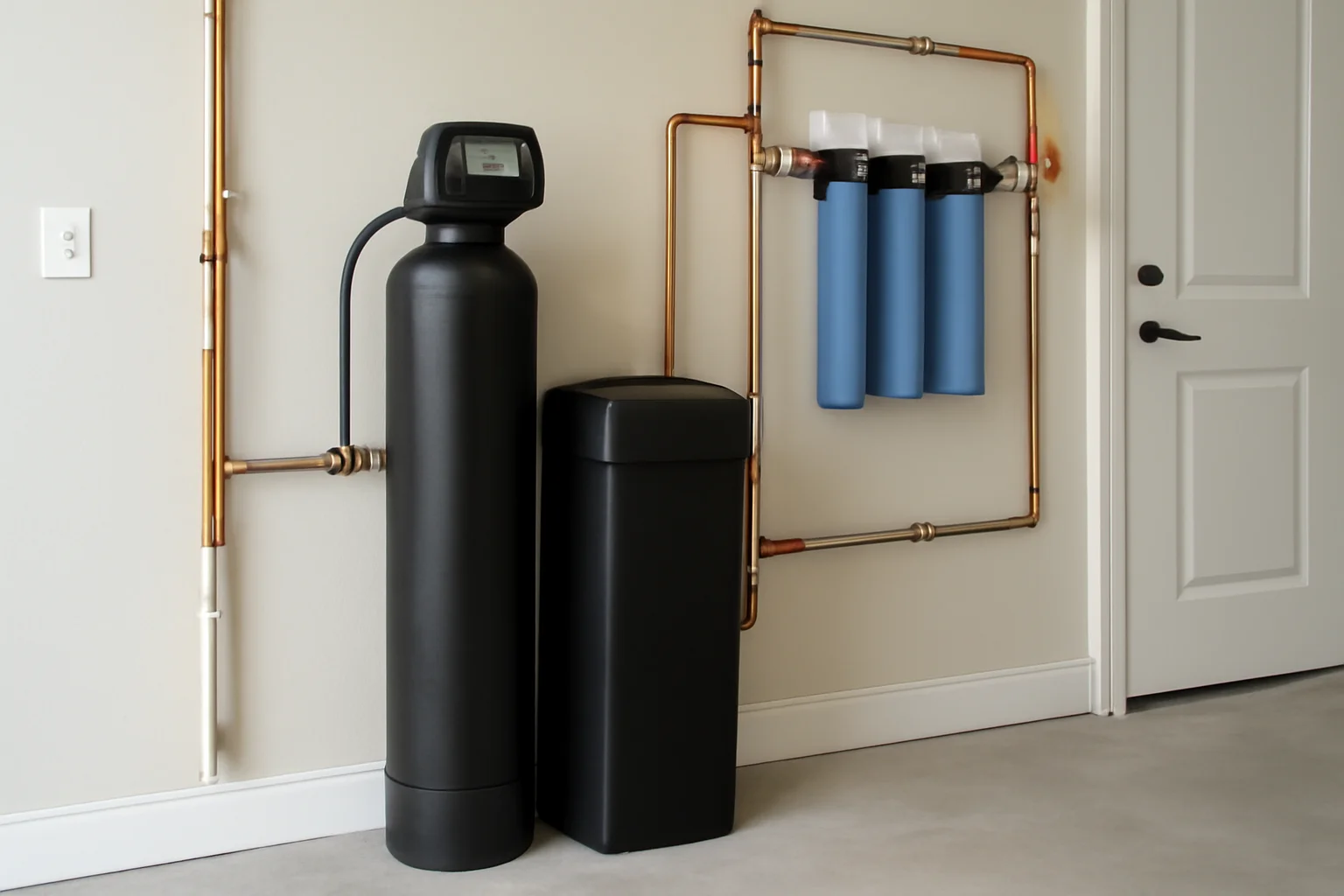
If you have ever watched hard water spots form on bathroom glass, noticed your shower leaving your skin feeling tight, or found your coffee tasting off, you have already met one of the biggest water quality challenges in 30A, FL. Water softening matters here because local homes see the effects of hard water across the whole household, from bathing and laundry to fixtures and appliances.
In Walton County, seasonal changes, local water conditions, and the way water moves through pipes can make mineral buildup a steady problem. The good news is that the right water treatment, installed and maintained by a professional, can make your water feel better and help protect plumbing long-term.
What hard water does to a 30A home
Hard water is water that contains high levels of dissolved minerals, most commonly calcium and magnesium. When that water heats up, evaporates, or sits on surfaces, minerals can separate and form scale. Over time, scale becomes visible and stubborn, and it can also build up inside plumbing and water-using appliances.
Spots on glass, dishes, and fixtures
Hard water spots on glass are one of the most noticeable signs. You might see cloudy film on shower doors, etched-looking streaks on faucets, and white residue after dishes air-dry. Even if you clean regularly, the mineral residue can return quickly because it is coming from the water itself.
Scale buildup around faucets and showerheads
Scale buildup around faucets, showerheads, and plumbing connections can reduce flow and create uneven spray patterns. If you have ever had to remove showerheads to clear mineral deposits, you have seen how quickly hard water can take over.
Dry skin or dull hair after bathing
When hard water mixes with soap and shampoo, it can make it harder for soap to lather and rinse well. That can leave residue on skin and hair, contributing to dry skin from hard water and hair that feels dull instead of soft. Many 30A families notice a difference when they switch to softened water, especially during beach season when showers are frequent.
Soap that does not lather or rinse well
Another common sign is soap that feels like it is not working. You may notice you use more detergent, struggle with bathtub film, or find that rinse water leaves a slippery or filmy feeling. These are classic indicators that hard water is interfering with cleaning.
Appliances wearing out faster
Scale does not just stay on surfaces. It can accumulate inside water heaters, dishwashers, and washing machines. That buildup can lower efficiency, increase energy use, and shorten appliance lifespan. When hard water treatment becomes part of protecting fixtures and appliances, the payoff is often fewer repairs and longer service life.
Visible sediment, discoloration, and odor concerns
Some homeowners also report visible sediment, discoloration, or odor concerns. While hard water is mainly about minerals, water quality issues can overlap. A whole home water filtration system can help address sediment and taste or odor concerns, and it can work alongside water softening for cleaner, more consistent water.
Metallic, chlorinated, or unpleasant taste
Even if you do not see obvious residue, taste can tell you a lot. Metallic, chlorinated, or unpleasant taste can show up in drinking water and cooking water. Cloudy ice cubes can be another clue that impurities are present. If your ice looks cloudy or your water tastes off, it is worth evaluating your water treatment setup.
Why 30A homeowners notice the difference quickly
30A is a coastal area where many homes are occupied seasonally by families, vacationers, and rental guests. That means water systems can sit unused for stretches, then restart when guests arrive. When water sits, minerals and other water quality factors can become more noticeable at the point of use.
In daily life, the impact shows up in the kitchen and bathroom. Picture a morning routine in a Rosemary Beach or Santa Rosa Beach home: kids showering quickly, coffee brewing, dishes loading into the dishwasher, and laundry running after a day at the beach. Better water quality affects all of it, from how soap performs to how appliances operate.
Better drinking water and cooking water
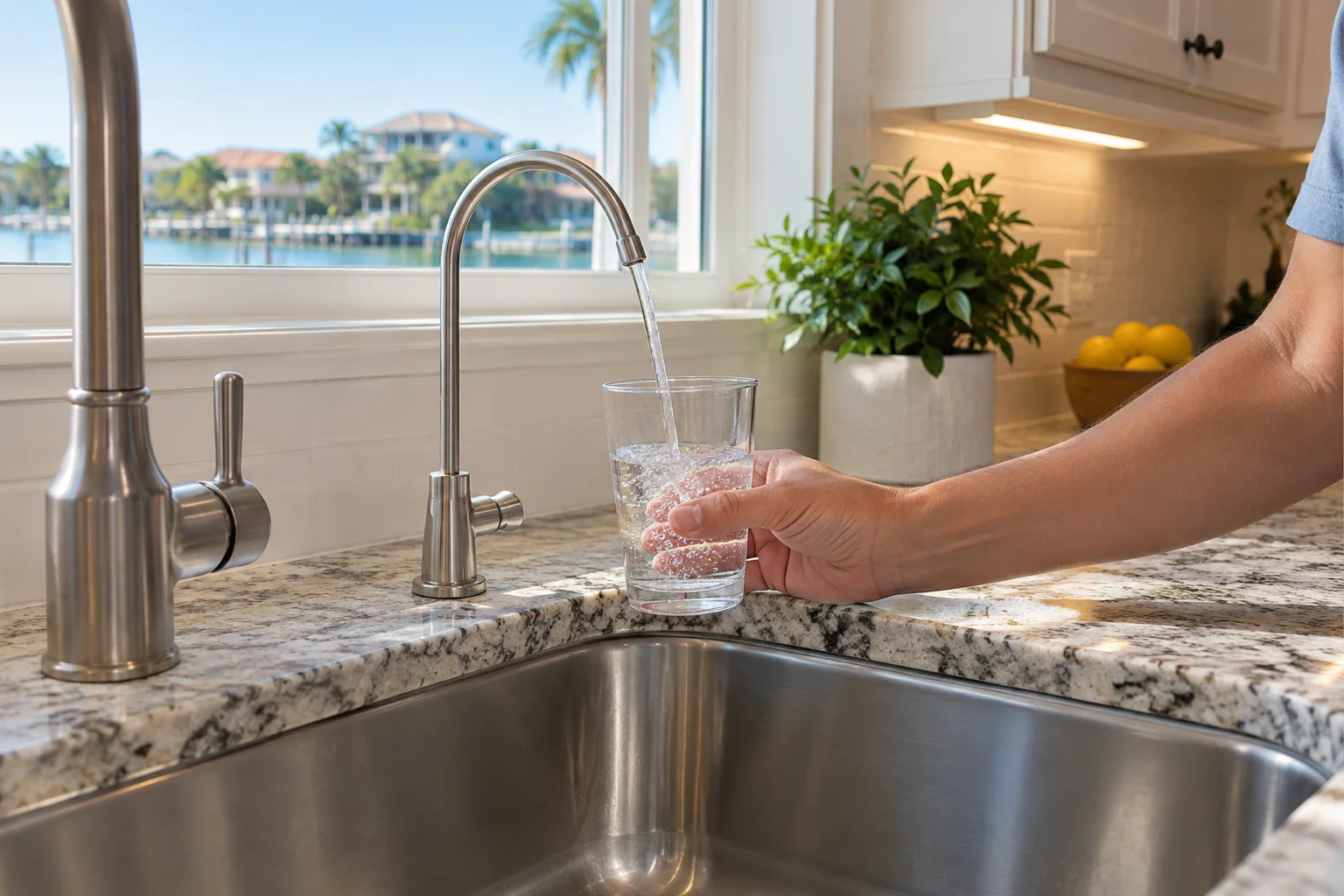
When homeowners talk about better water for drinking and cooking, they usually mean more than just taste. They want water that is consistent, cleaner, and more enjoyable. Whole home filtration can help reduce sediment and unpleasant taste, while reverse osmosis systems can provide point-of-use purification for drinking and cooking. Together, these clean water systems can support everyday needs like making smoothies, brewing coffee, and preparing meals for guests.
Poor tasting coffee water and cooking water
Coffee is sensitive to water chemistry. Hard water minerals and certain impurities can make coffee taste bitter or flat. If you have ever noticed poor tasting coffee and cooking water, it can be tied to mineral content, filtration gaps, or both. Many homeowners solve this by pairing water softening with targeted filtration such as a reverse osmosis system.
Cloudy ice cubes and inconsistent ice clarity
Cloudy ice cubes can be caused by dissolved solids, minerals, or other water impurities. Clearer ice often follows improved filtration and consistent water treatment. If you are serving guests, this is one of those small details that makes your home feel more polished.
Water softening vs. filtration: what each one does
Water treatment is not one-size-fits-all. The minerals that create scale and soap scum are different from the sediment and taste issues that affect drinking water. Understanding the roles helps homeowners choose the right combination.
Water softening targets minerals that cause scale
Water softening is designed to reduce hardness minerals. With softened water, you typically see fewer hard water spots on glass and fixtures, improved lathering, and less scale buildup around faucets and showerheads. Soft water also helps protect appliances that heat and use water daily.
Whole home water filtration supports cleaner, better-tasting water
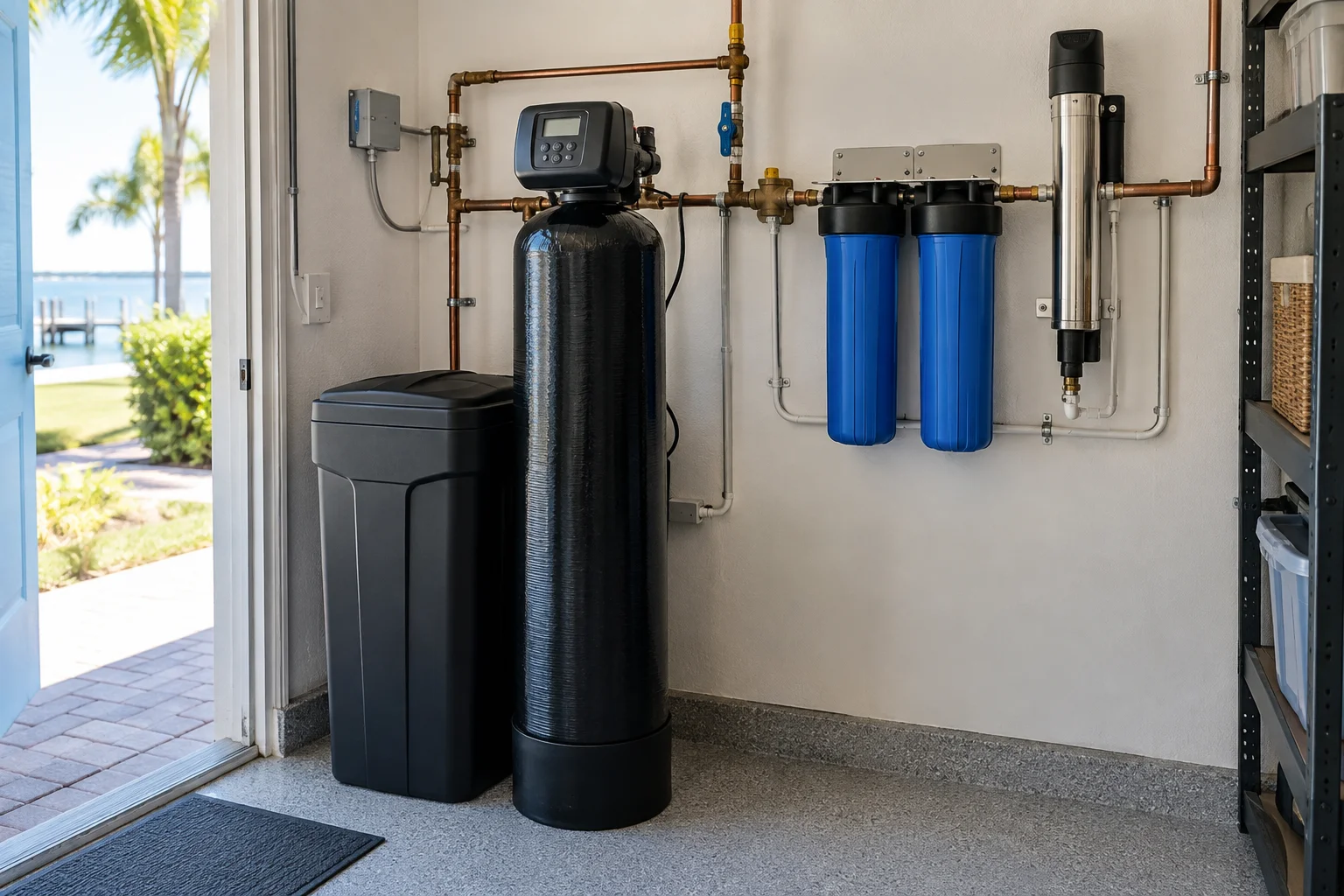
Whole home water filtration can help with sediment, discoloration, and many taste and odor concerns. A whole house water filter is often a strong first step for households dealing with visible particles or concerns about water quality throughout the home.
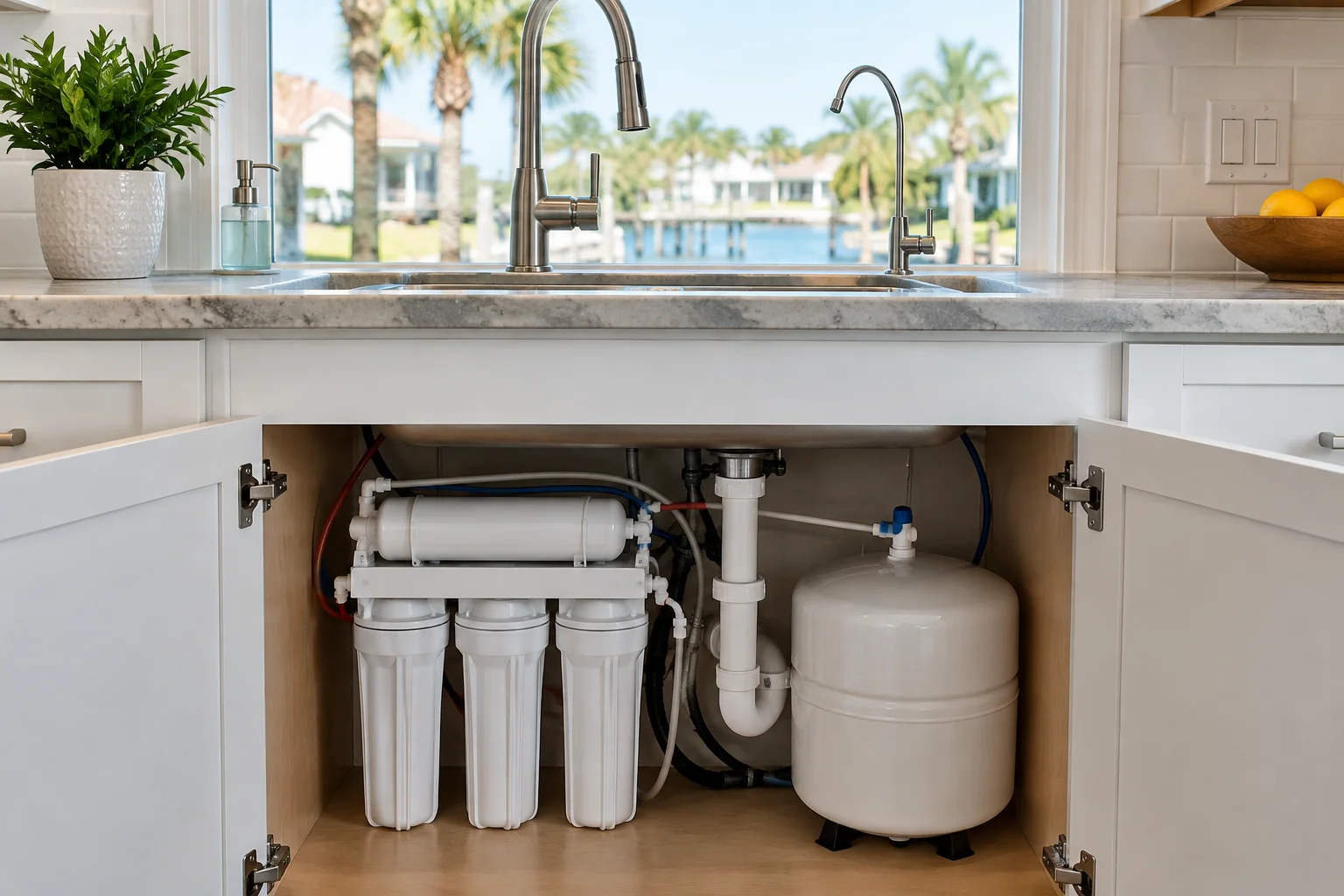
Reverse osmosis improves drinking and cooking water at the tap
For homeowners focused on better drinking water and cooking water, reverse osmosis systems provide additional purification at the kitchen sink or point of use. If you are searching for reverse osmosis installation near me or reverse osmosis system near me, a local water treatment professional can help size the system correctly and confirm it matches your water profile.
Common household scenarios where softening helps most
Water treatment is easiest to appreciate when you connect it to real routines. Here are a few everyday situations where 30A families often see improvement after water softening and filtration updates.
Bath time: less residue, more comfort
After a day at the beach, rinsing off saltwater and sunscreen is part of the routine. Softened water can make rinsing feel smoother and help reduce dry skin from hard water. Many homeowners also report hair that feels cleaner and less weighed down by mineral residue.
Dishwashing and laundry: cleaner results with less effort
Soft water can help detergent and soap work more effectively. That often means better laundry feel, fewer spots on dishes, and less film on sinks and tubs. If you have been battling white buildup that seems to reappear quickly, softening is a practical step toward consistent results.
Fixtures and showerheads: fewer clogs and less scrubbing
Hard water scale can build up in small openings. When scale accumulates, you might notice reduced flow or spray changes. With softened water, maintenance becomes easier because mineral buildup slows down.
Appliances: steadier performance over time
Water heaters, dishwashers, and washing machines experience continuous exposure to minerals. When you reduce hardness, you reduce scale inside these appliances. That can help appliances run more efficiently and wear out more slowly.
Choosing the right system for 30A water conditions
Because water quality can vary by location and even by neighborhood, the best approach starts with understanding your specific water. A professional water analysis helps confirm hardness levels and identify whether you also need filtration for sediment, taste, or odor concerns.
AO Smith water softener options for home use
A reliable AO Smith water filtration and softening solution can be a strong fit for many 30A households. AO Smith systems are designed to deliver consistent performance and support long-term water quality goals. If you are looking for an AO Smith water softener or AO Smith water filtration, ask a technician to recommend sizing based on household size, water usage, and hardness levels.
Whole home water filtration as a foundation
For homes dealing with sediment, discoloration, or odor concerns, whole home water filtration can help create a better baseline. Then, water softening can address hardness that drives scale. Many homeowners find this combination gives the most noticeable improvements across the entire home.
Reverse osmosis installation near you for drinking water
If you want the best drinking water and cooking water quality, reverse osmosis installation near me is often the next step after softening and filtration. Reverse osmosis system near me searches usually come from homeowners tired of metallic or unpleasant taste, cloudy ice cubes, or coffee that never tastes right.
Maintenance that protects your investment
Even the right system needs regular care. Proper maintenance helps your water softener and filtration equipment work as intended, especially in coastal climates where schedules can be disrupted by vacations and seasonal occupancy.
Watch for changes in taste, lathering, and spotting
If you notice renewed hard water spots on glass, soaps not lathering as well, or scale returning around fixtures, it can be a sign that your system needs service. Do not wait until the problem is obvious everywhere. Addressing issues early helps prevent buildup in plumbing and appliances.
Keep an eye on appliance performance
When water heating takes longer, dishwasher cycles seem less effective, or laundry feels stiff, water quality can be part of the cause. Softening and filtration service can help restore performance and reduce strain on appliances.
Use professional service for accurate settings
Water softeners require correct programming and maintenance. A technician can confirm settings, check components, and verify performance. This is especially important for vacation rentals and second homes in Walton County, where water use patterns can change throughout the year.
Prevention tips homeowners can use between service visits
Homeowners can do a few things that complement water softening. These steps help minimize buildup and keep cleaning manageable.
Rinse shower glass after heavy use and wipe gently to prevent mineral residue from setting.
Check showerheads and faucet aerators for early scale buildup. Removing minor deposits sooner can reduce clogging.
Use the right cleaning products for mineral residue. Many homeowners find that softened water makes standard cleaners work better, because the mineral film is less stubborn.
For drinking water, consider point-of-use filtration if taste and ice clarity are concerns. Reverse osmosis can be a strong option for better water for drinking and cooking.
When to call a water treatment professional in 30A
It is time to schedule water softener service when you see repeating symptoms across the home. If you are dealing with hard water spots on dishes, scale buildup around faucets and showerheads, dry skin from hard water, or metallic and unpleasant taste, a professional can help you pinpoint the cause and recommend the right equipment.
Call a local provider if you suspect your current system is not working or if you are starting fresh and want a complete clean water strategy. That can include water softening, whole home water filtration, and reverse osmosis installation for drinking and cooking.
For 30A homeowners looking for professional water softening in Walton County, you can review service options here: water softening in 30A. If you are also considering filtration upgrades, explore the full approach on water filtration and reverse osmosis with water softeners. For broader coverage, visit the 30A service area page and Walton County services.
Related reading for 30A homeowners upgrading water quality
If you are planning a water treatment refresh, these guides can help you make better decisions around plumbing connections and daily use:
Smart plumbing habits for reverse osmosis systems in 30A homes
What 30A homeowners should know before replacing plumbing fixtures
Plumbing installation that helps 30A homes stay ahead of water damage
How water softening protects Rosemary Beach plumbing from costly water damage
Whether your priority is reducing scale, improving bathing comfort, or getting better drinking water and cooking water, a tailored water treatment plan can make your home feel different. It is not just about cleaner fixtures. It is about the way water performs every day, from the shower to the kitchen sink.
Find Water Softening in 30A, FL
If you need Water Softening in 30A, FL, visit our local service page or contact A Superior Mechanical today.
For a broader look at whole-home water filtration, reverse osmosis, and water softener options, visit our water filtration, RO, and water softener page.
Map of 30A, FL
Frequently Asked Questions
How can I tell if my 30A home needs water softening?
Common signs include hard water spots on glass and dishes, scale buildup around faucets and showerheads, dry skin or dull hair after bathing, soap that does not lather or rinse well, cloudy ice cubes, and appliances that seem to wear out faster.
Will a water softener fix bad taste and cloudy ice cubes?
It can help with mineral-related issues, but taste and ice clarity often involve other water quality factors. Many homeowners pair water softening with whole home water filtration and, for the kitchen, reverse osmosis for better drinking water and cooking water.
Do I need whole home water filtration if I’m installing a water softener?
Not always, but it is common. If you have visible sediment, discoloration, or odor concerns, whole home water filtration can improve water quality throughout the house. A technician can confirm what your water test shows and recommend the right combination.
What is the difference between reverse osmosis and a water softener?
A water softener reduces hardness minerals that cause scale and soap scum. Reverse osmosis system near the kitchen sink focuses on further purification for drinking and cooking water, which can improve taste and water clarity.
How often should water softening and filtration systems be serviced in Walton County?
Service schedules vary by system and household use. A local professional can check settings and performance, inspect components, and confirm whether your softener and filtration equipment are working efficiently based on your water conditions.
Related Articles
Photo Gallery